

Aerys Village by Atelier Kalm: A Bioclimatic Sanctuary in Senegal’s Somone Lagoon
Aerys Village by Atelier Kalm blends bioclimatic design, local materials, and nature to create sustainable lagoon-side villas in Senegal.


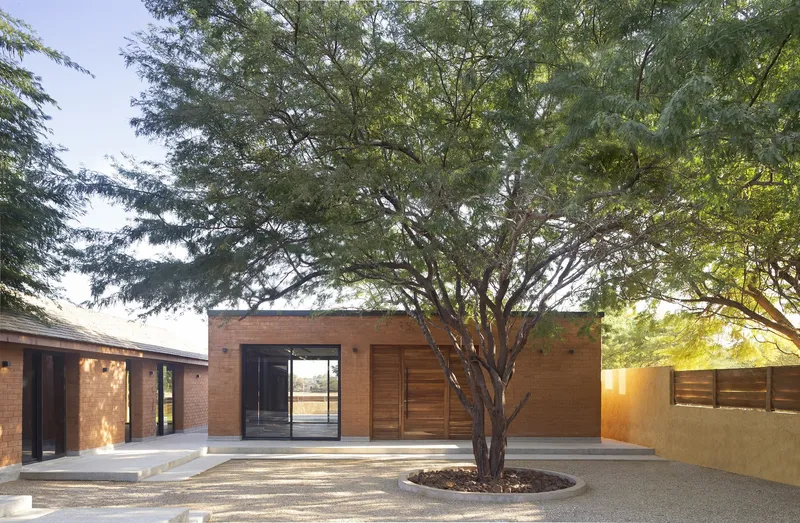
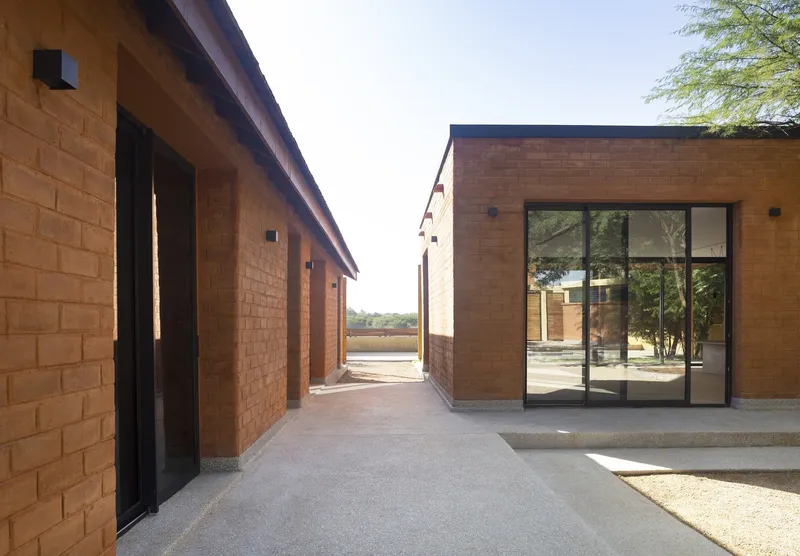
Nestled along the untouched banks of the Somone Lagoon in Senegal’s Thiès region, Aerys Village by Atelier Kalm is a masterful expression of bioclimatic design, cultural sensitivity, and ecological stewardship. Completed in 2022, this 8,000-square-meter residential project reinvents the traditional Senegalese village through a modern architectural lens—blending innovation with deep respect for the natural environment and local heritage.
A Living Reserve of Biodiversity
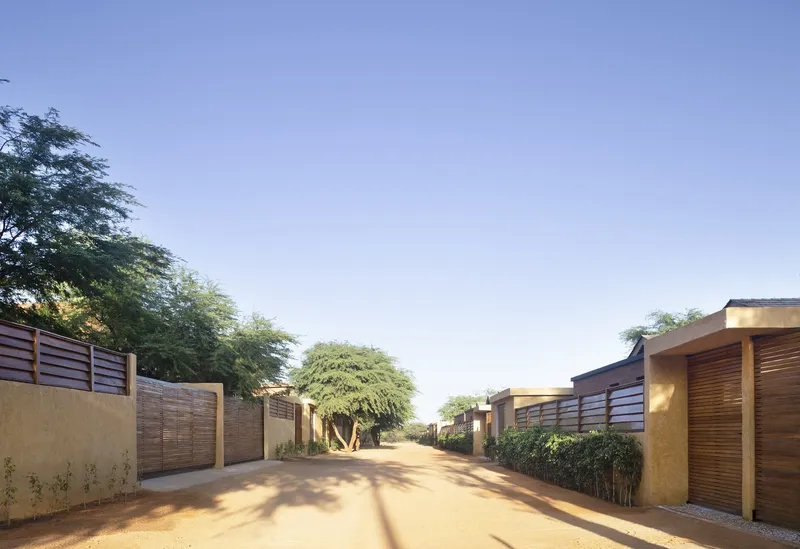
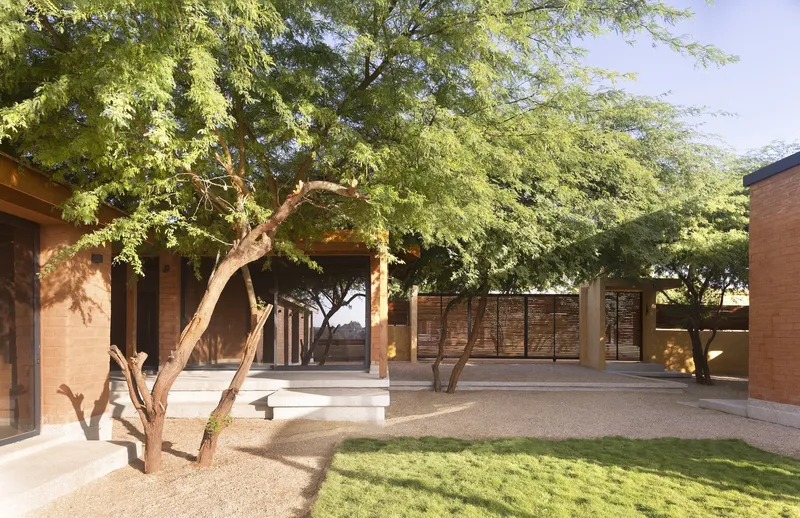
Originally preserved since 1987, the Aerys Village site remains a peaceful, protected haven. The design philosophy stemmed from an aspiration to build in harmony with the existing Prosopis forest. Rather than displacing nature, the architects embraced it—adding over a hundred trees of various species to cultivate a biodiversity reserve. This approach makes Aerys Village not just a housing development, but a thriving ecological sanctuary.
Clustered Villas in Dialogue with Nature
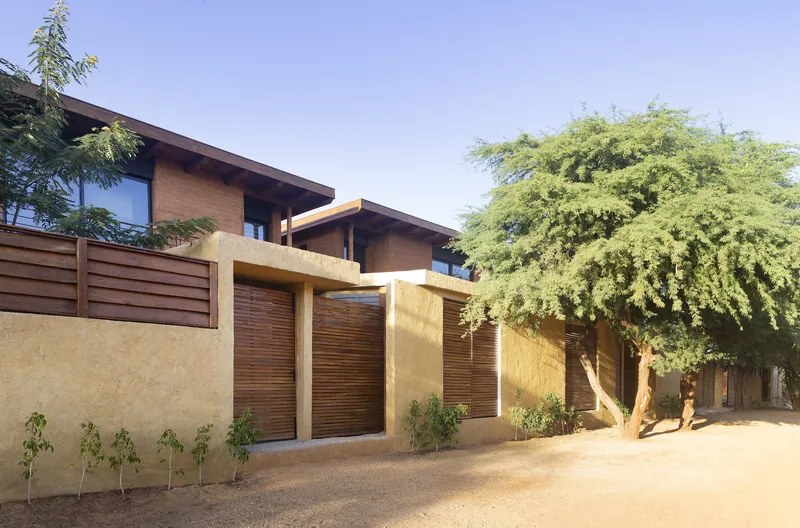
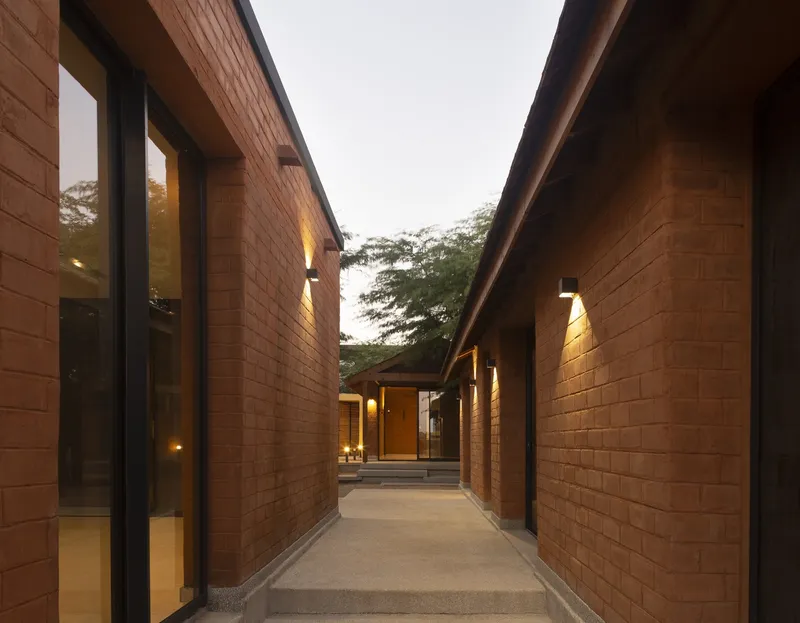
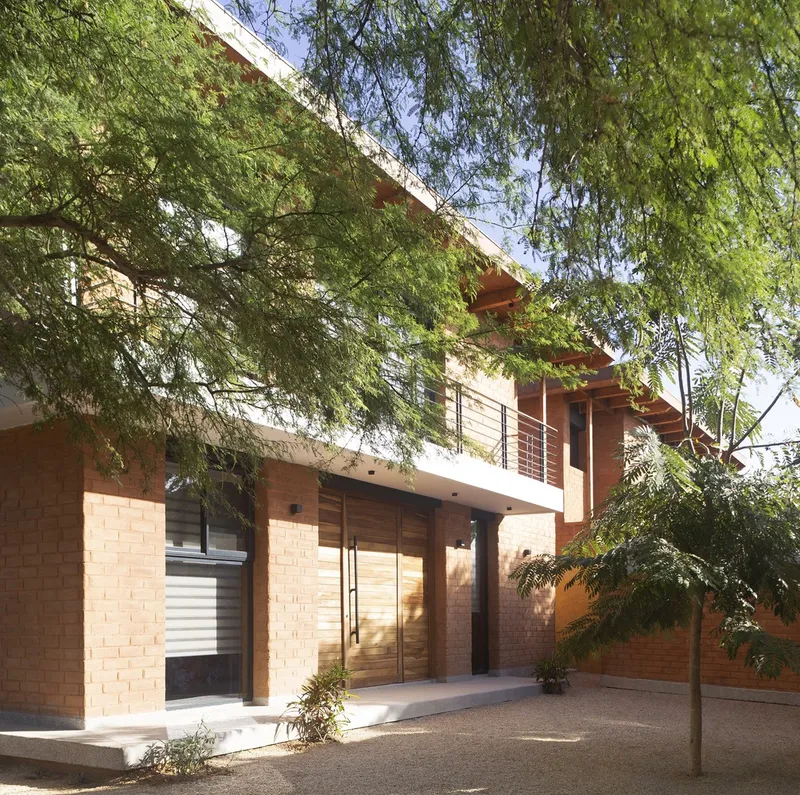
The project is composed of eight individual villas, each occupying approximately 1,000 square meters of land. The layout reflects the fragmented, yet interconnected rhythm of traditional rural settlements. Designed as modern interpretations of Senegalese huts, the villas are positioned to promote privacy, airflow, and constant interaction with the landscape.
Each villa features:
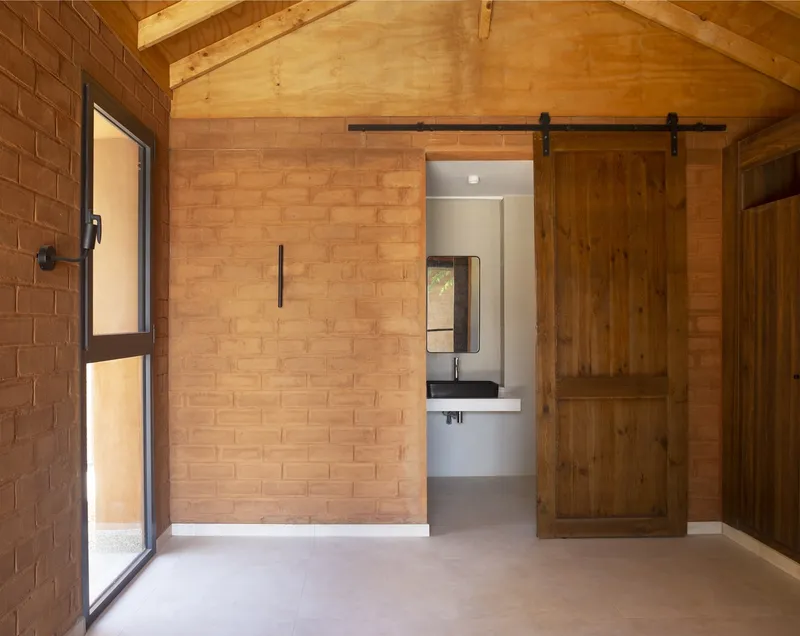
- Four bedrooms with en-suite bathrooms
- A traditional kitchen and a separate family kitchen
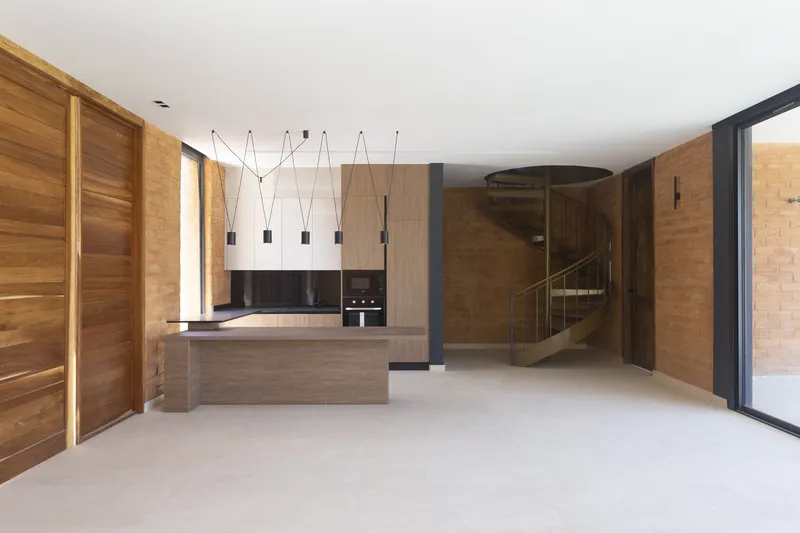
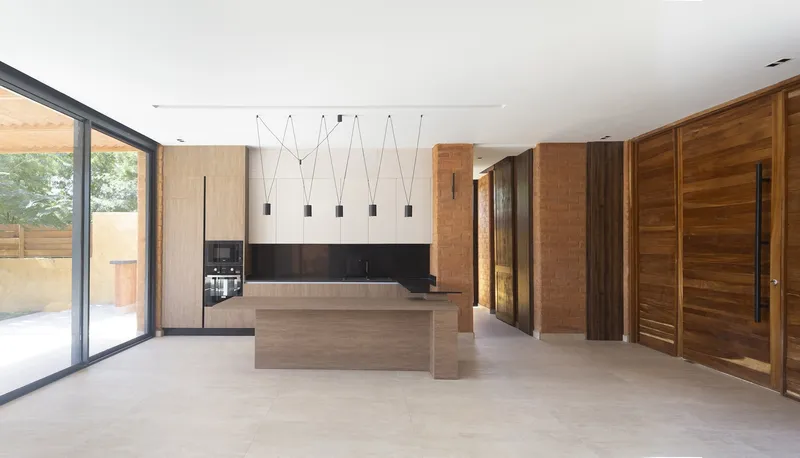
- A central living room with guest toilet
- Ample storage and technical areas
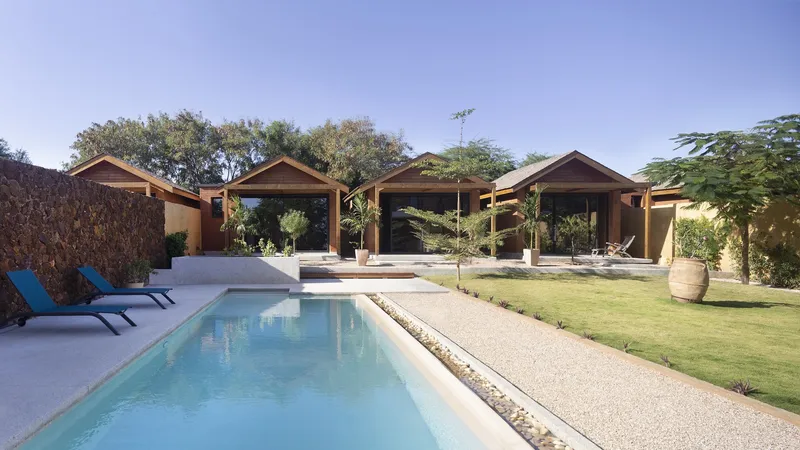
- A private swimming pool
- Expansive terraces for indoor-outdoor living
This spatial configuration fosters family-oriented living while embracing climatic responsiveness and contextual aesthetics.
Climate-Conscious Design Strategies
Aerys Village is a benchmark for sustainable architecture in West Africa. The bioclimatic design incorporates:
- Pergolas and strategically planted trees for natural shading
- Cross-ventilation via large window openings to cool interiors
- A dual air circulation system, including roof-level ventilation for night-time airflow and material longevity
This passive design approach significantly reduces reliance on mechanical cooling, promoting year-round comfort and energy efficiency.
Materiality Rooted in Place
One of the most defining features of Aerys Village is its commitment to local, low-impact materials:
- Mud-brick walls provide natural insulation and thermal inertia
- Lateritic stone, sourced from the site, is used for cladding and pool decoration
- Toglou walls enclose the property using local construction techniques
- Outdoor terrace floors are finished with crushed shell cladding, adding textural richness and coastal connection
All finishes are crafted using traditional Senegalese craftsmanship, giving the project authenticity and supporting the regional building economy.
Aerys Village is not just a real estate development—it’s a vision of architecture as a regenerative, community-centered, and climate-sensitive force. Atelier Kalm’s thoughtful design offers a replicable model for future-oriented housing in ecologically delicate and culturally rich environments.
All Photographs are works of Angela Sorbaioli


Popular Articles
Popular articles from the community

Opera on the Sea: Driftwood Logic Shapes a Timber Opera House on Estonia's Coast
Trevor Orgill's opera house translates the entangled drift of floating timber into a civic building where wood, water, and music converge.
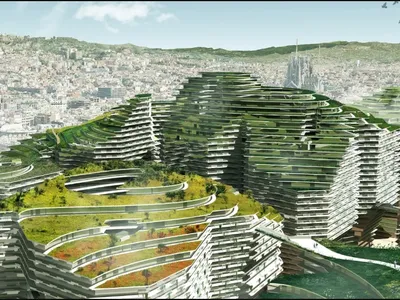
Manzana Morphosis: Stretching Barcelona's Grid into a Living Landscape for 2050
A radical reworking of the Eixample manzana turns density into a tool for generous public space, vertical ecology, and environmental performance.
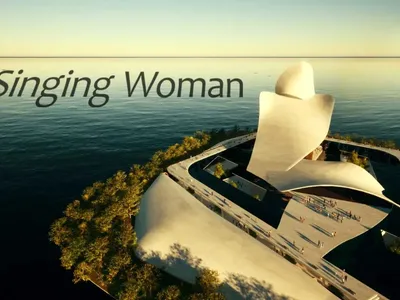
Singing Woman: Contemporary Architecture Inspired by Estonia’s Voice and the Sea
Singing Woman turns Estonia’s song culture into flowing opera house architecture, blending public life, landscape, sea, and national memory.
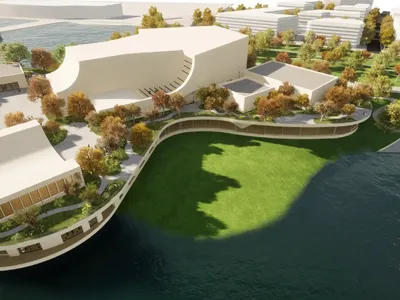
The Amber Palace Opera: A Geological Fiction Surfaces on Tallinn's Baltic Waterfront
Pierre Brillard reimagines a Baltic legend as a public landscape, opera house, and waterfront promenade rooted in Tallinn's coastal identity.

Similar Reads
You might also enjoy these articles


Hodi-Mandai Geram
Project Function: Preservation and revitalization of the Intangible heritage and socio-spatial identity of the Hodi by Housing, Cultural Memory Center, Sacred Grove, landscape, local tourism economy


Olio Towers: A Mid-Rise for Performers That Fuses Housing, Rehearsal, and Stage
Located blocks from Houston's Theater District, this modular tower stacks living units around a central performance atrium.

Oasis: Modular Green Housing Carved into Dhaka's Urban Fabric
A shortlisted Plugin Housing entry reclaims unauthorized settlements in Dhaka with stepped concrete volumes, green roofs, and ventilation-driven design.

Black Hole: A Floating Megastructure for the Post-Physical Era
Emiliano Mazzarotto envisions a spherical, self-scaling arena where e-sports, digital hotels, and holographic stadiums replace traditional public space.

Explore Architecture Competitions
Discover active competitions in this discipline

Challenge to reimagine the Iron Throne

Photograph architecture without architects

Illustrate the lost glory of Angkor Wat - Render Challenge

Design challenge to reuse E-waste
Comments (0)
Please login or sign up to add comments
No comments yet. Be the first to comment!