
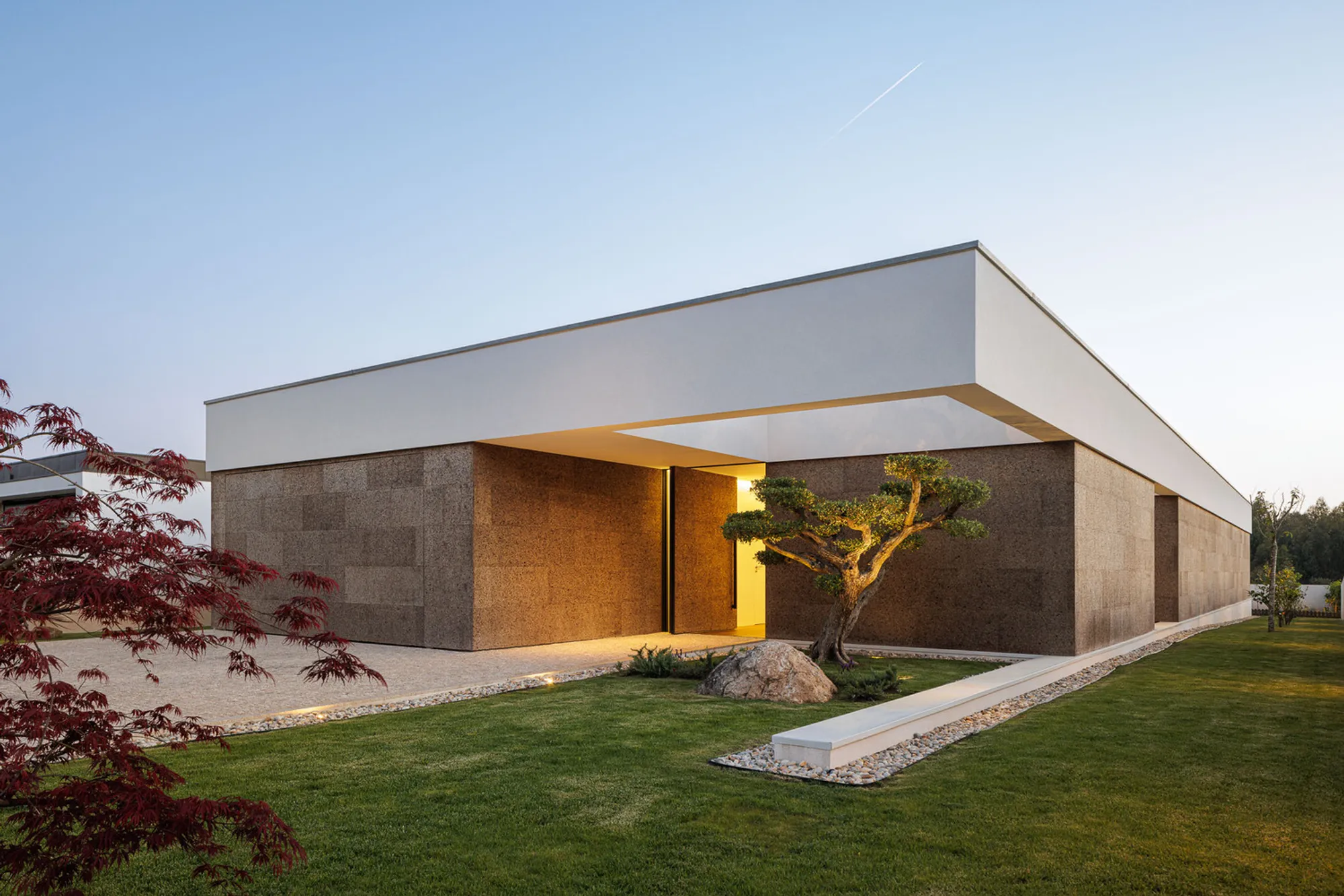
AS House by Mário Alves Arquiteto: A Contemporary Residence Integrated with Landscape in Santa Maria da Feira
AS House in Portugal features minimalist volumes, cork-clad facades, large glazing, and a podium design connecting interior spaces with landscape views.


Located in the serene landscape of Santa Maria da Feira, Portugal, AS House designed by Mário Alves arquiteto is a striking example of contemporary residential architecture that responds carefully to its natural surroundings. Completed in 2022, this 260-square-meter single-family residence explores the relationship between architecture, topography, and landscape through a minimal yet expressive design approach.
Built on an isolated plot with a gentle slope, the house takes advantage of its excellent solar orientation, expansive open views, and surrounding vegetation, creating a seamless dialogue between the built environment and nature. Through thoughtful spatial organization and the strategic use of materials, the project demonstrates how modern architecture can enhance the qualities of a site rather than dominate it.
Architectural Concept: Designing with the Land
The architectural concept of AS House is rooted in respecting and interpreting the natural characteristics of the terrain. The rectangular plot with its slight slope inspired a simple and continuous architectural gesture, allowing the design to emerge naturally from the landscape.
At the heart of the project is the creation of a raised platform or podium, which acts as the foundation for the house’s compositional volumes. These volumes are carefully arranged across the platform, facing outward toward the open landscape. This configuration allows the architecture to function almost like a stage, where the surrounding views become an essential part of the living experience.
The podium also helps stabilize the sloping terrain while providing a clear architectural base from which the house unfolds. By lifting the main structure slightly above the ground, the design emphasizes the horizon and strengthens the visual connection with the surrounding environment.
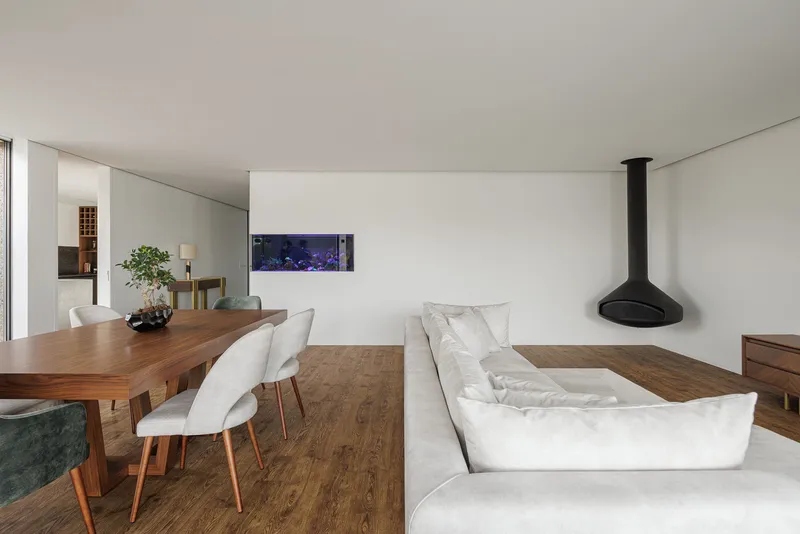
Spatial Organization and Functional Layout
The spatial layout of AS House is designed to balance social interaction, circulation, and privacy. The architectural program is divided into distinct volumes that organize the house into functional zones.
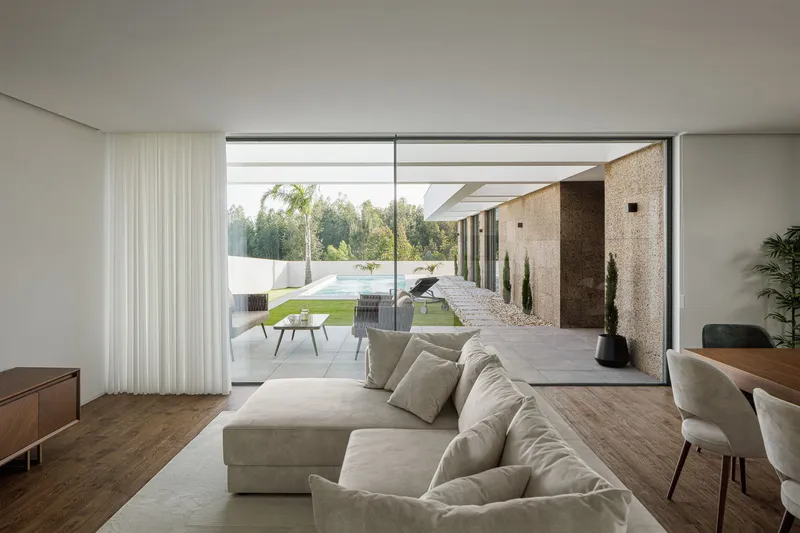
The social areas of the house act as a transitional space between the street and the more private sections of the residence. This design strategy transforms circulation paths into active living spaces, ensuring that movement throughout the house remains connected to the daily life of its inhabitants.
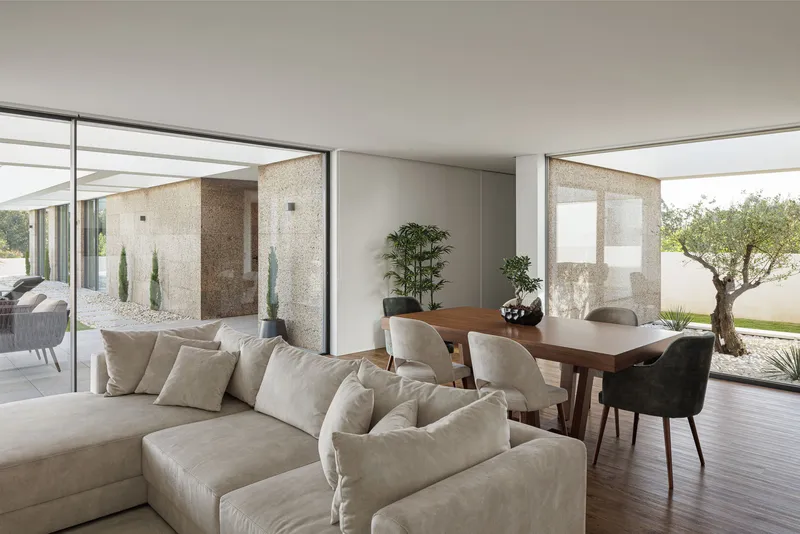
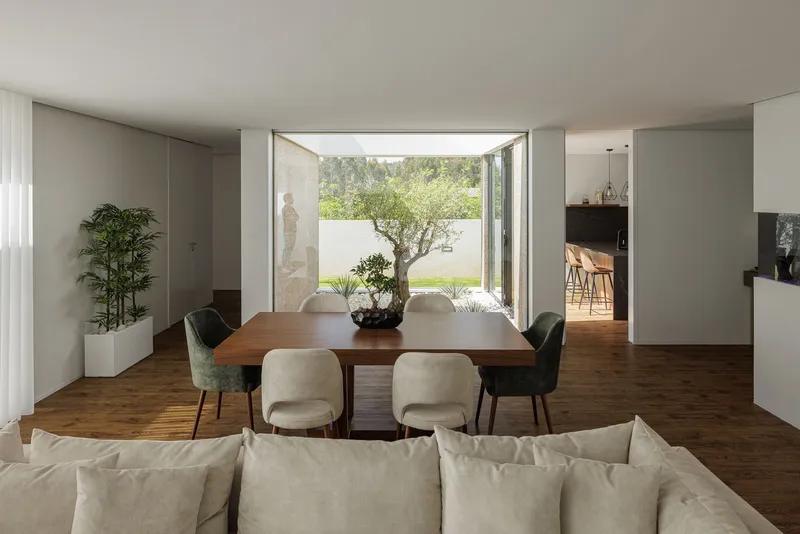
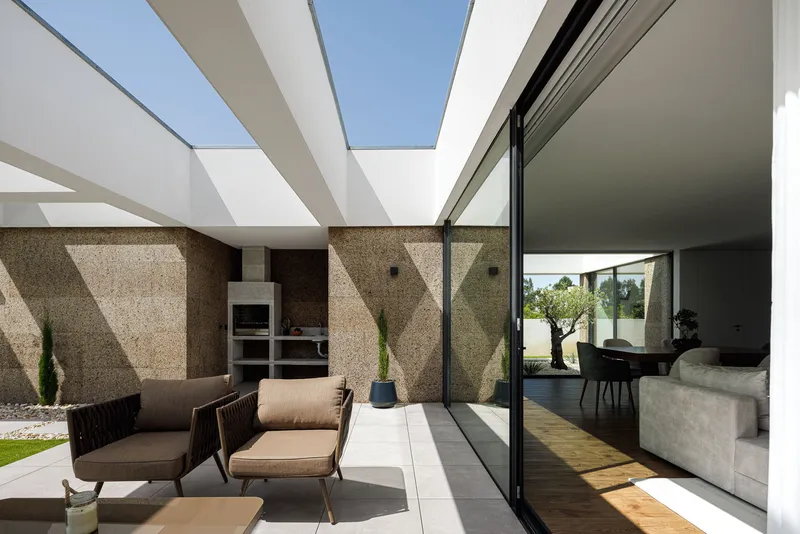
Large glass panels define the boundaries between interior and exterior spaces, allowing the internal areas to visually and physically extend outward. This design approach blurs the traditional limits of architecture, creating an environment where indoor and outdoor experiences merge seamlessly.
In contrast, the private areas of the house are strategically positioned within recessed sections of the volumetric composition. This placement ensures privacy while maintaining optimal sun exposure, allowing bedrooms and personal spaces to benefit from natural light and calm surroundings.
Seamless Interior, Exterior Connection
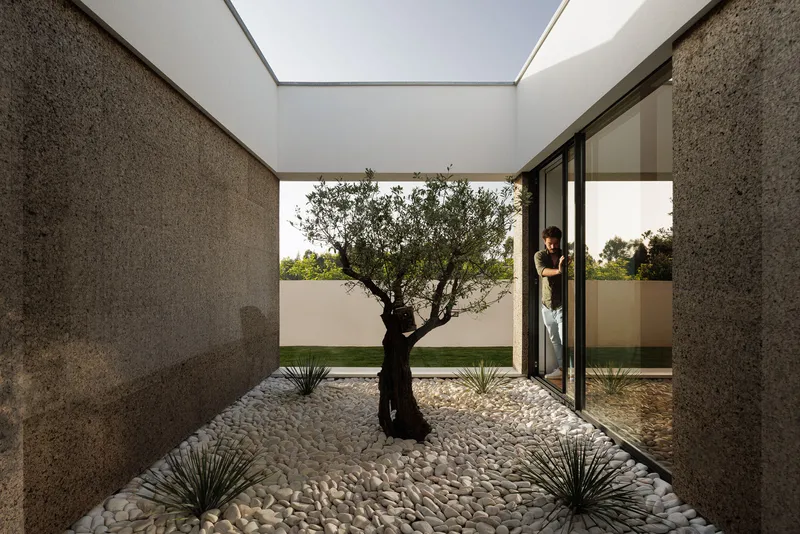
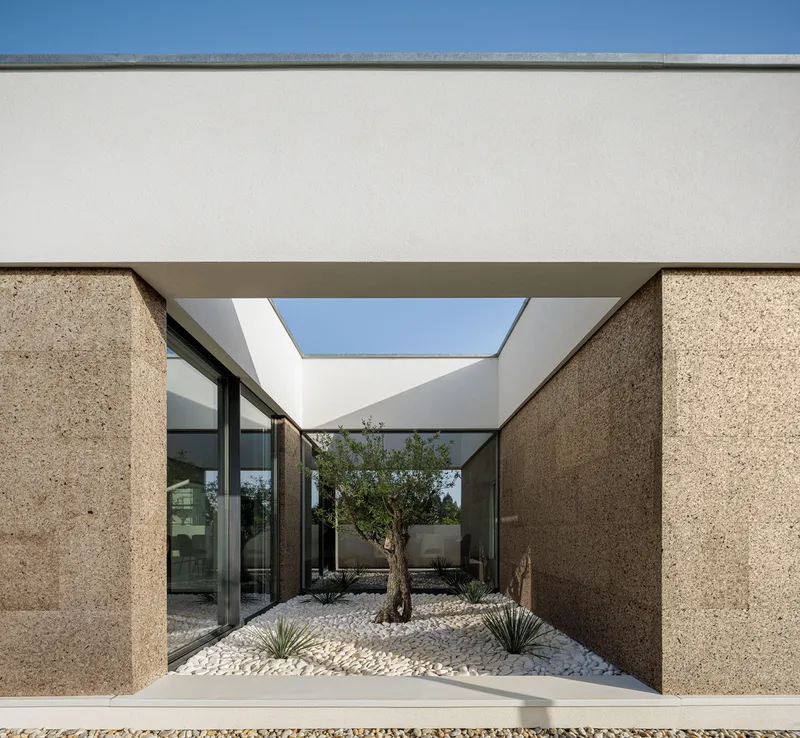
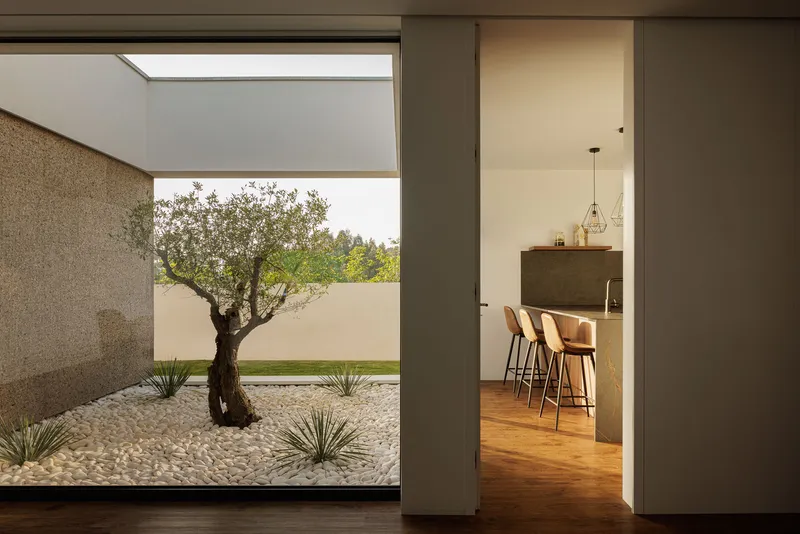
One of the defining characteristics of AS House is its strong emphasis on visual continuity between interior and exterior spaces. The use of expansive glazing allows natural light to flood the interiors while framing views of the surrounding vegetation and skyline.
These large openings create a sense of spatial expansion, where the boundaries of the house dissolve into the landscape. The experience of the house becomes an interplay between what can be physically occupied and visually perceived, encouraging residents to engage with the environment even while indoors.
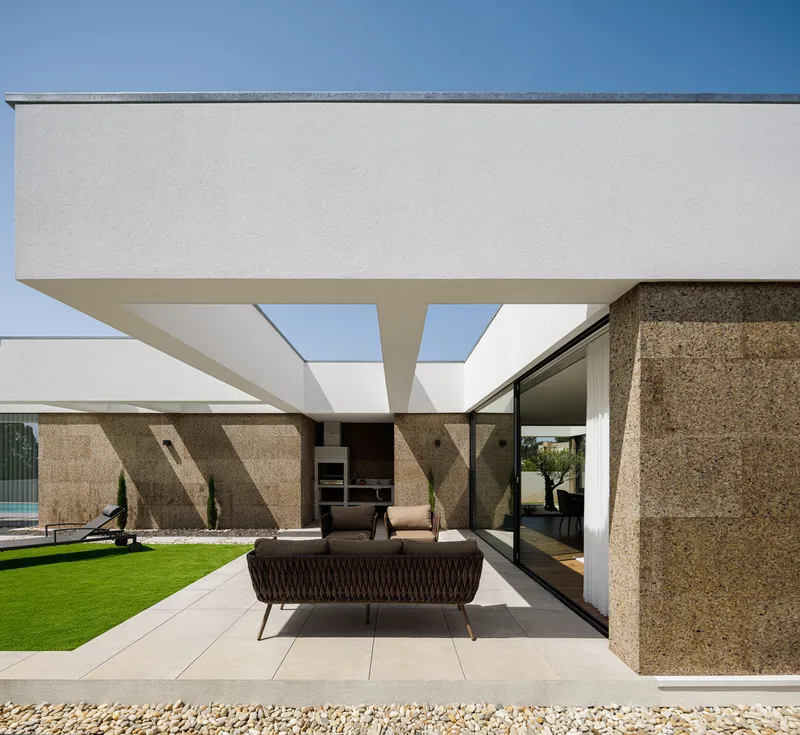
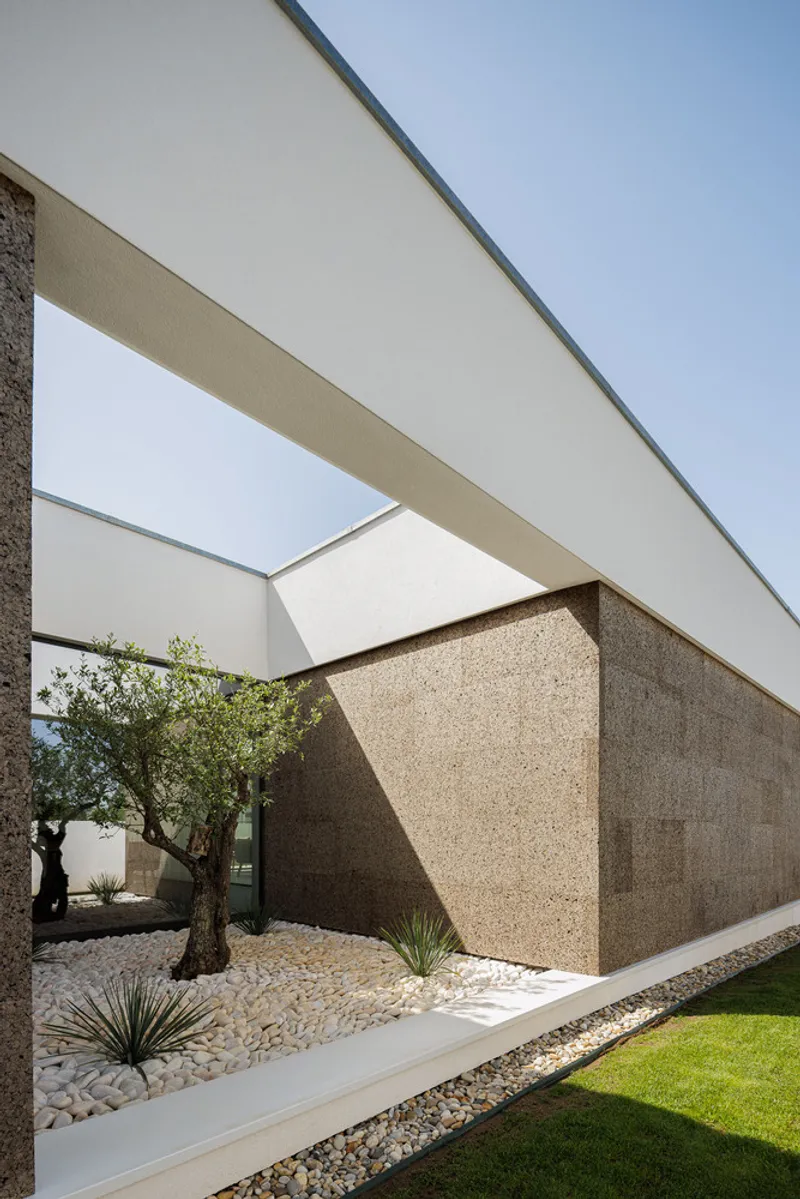
Outdoor terraces and transitional zones further strengthen this relationship, providing areas where residents can experience the landscape directly while still remaining connected to the architecture.
The Horizontal Roof Blade and Sun Control
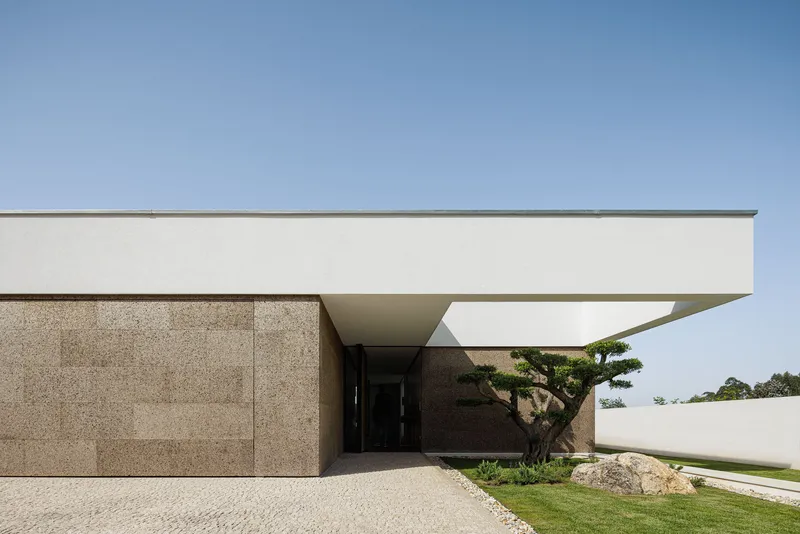
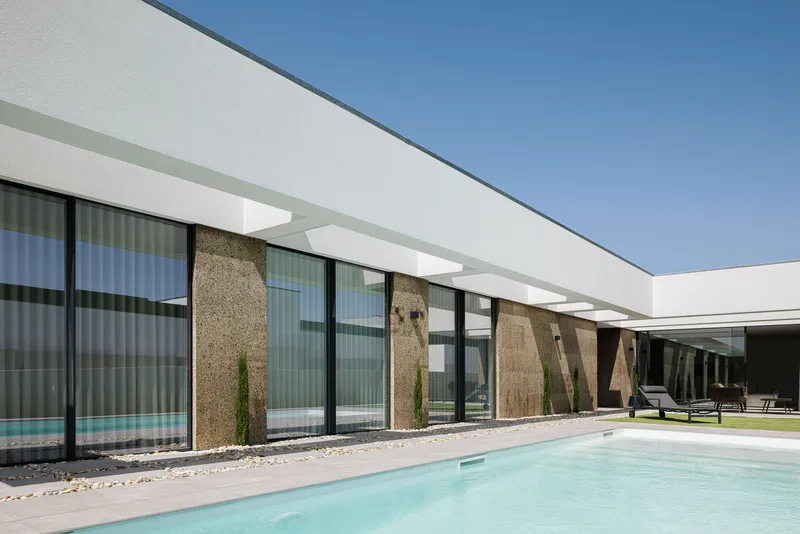
A key architectural feature of the project is the horizontal roof blade, a strong linear element that stretches across the composition. This design gesture reinforces the horizon line while adding a distinctive architectural identity to the house.
Beyond its visual impact, the roof blade performs an important environmental function. It acts as a solar control element, regulating sunlight exposure and improving thermal comfort within the interior spaces. By carefully positioning this element above the programmatic volumes, the architects created a dynamic shading system that adapts to the natural path of the sun.
This horizontal line also strengthens the architectural narrative of the house, connecting the various volumes into a cohesive whole while emphasizing the horizontal character of the landscape.
Materiality and Connection to Local Context
Material selection plays a crucial role in reinforcing the connection between AS House and its surroundings. The architects chose materials that reflect the regional identity and natural qualities of the site.
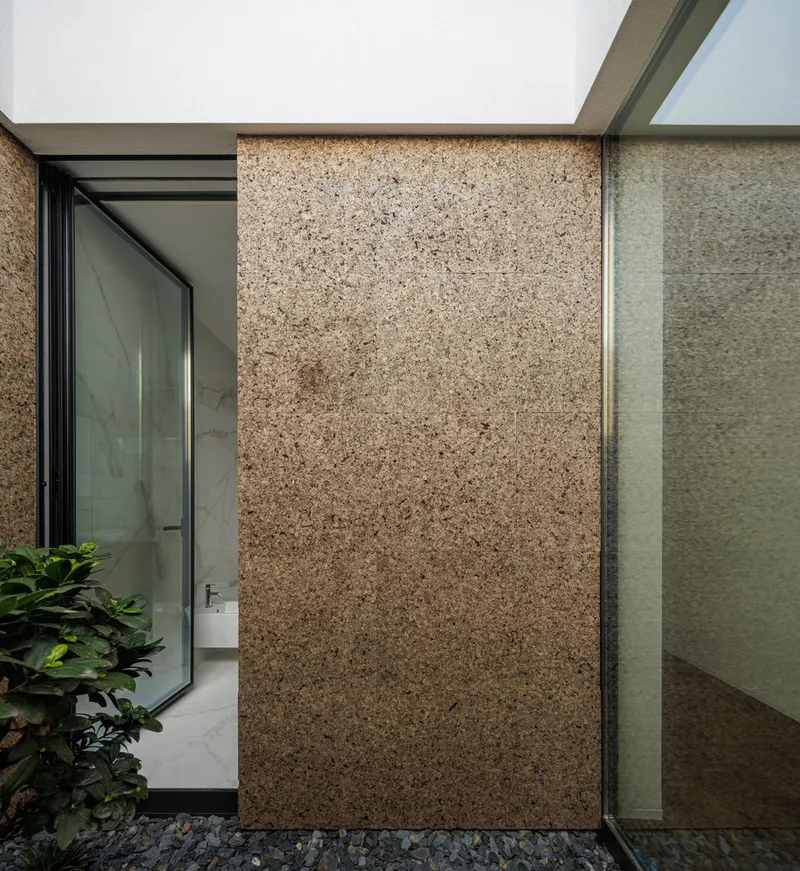
One of the most distinctive materials used in the project is cork, which appears prominently in the facade composition. As a natural material widely associated with Portugal, cork provides both aesthetic and environmental benefits. Its warm texture and earthy tone complement the greenery of the surrounding vegetation, helping the architecture blend harmoniously with the landscape.
In addition to cork, the project incorporates high-quality architectural systems and finishes from manufacturers such as Amorim, Cortizo, Cosentino, Focus Fireplaces, and Rubicer. These materials contribute to the durability, functionality, and refined character of the residence while maintaining the overall minimalist design language.
Contemporary Portuguese Residential Architecture
AS House represents a thoughtful approach to modern residential architecture in Portugal, where contemporary design principles meet regional materials and environmental awareness. Rather than imposing a rigid architectural form, the project adapts to the natural terrain, solar orientation, and surrounding views.
This approach reflects a growing trend in contemporary architecture that emphasizes contextual integration, passive environmental strategies, and spatial fluidity. Through its clear geometry, subtle material palette, and strong relationship with the landscape, the house demonstrates how modern design can enhance the experience of living within nature.
AS House by Mário Alves arquiteto is a compelling example of architecture that celebrates landscape, light, and spatial continuity. By carefully responding to the sloping terrain and panoramic surroundings, the project creates a residence that feels both grounded and open.
The combination of a raised platform, articulated volumes, expansive glazing, and a defining roof blade results in a design that balances privacy, openness, and environmental responsiveness. With its use of natural cork and its integration into the surrounding greenery, the house embodies a sustainable and context-sensitive architectural vision.
Ultimately, AS House demonstrates how thoughtful architectural design can transform a simple plot of land into a sophisticated living environment that fully embraces its natural setting.
All photographs are works of
Ivo Tavares Studio



Popular Articles
Popular articles from the community


Hill & Cross Opera: Sculptural Opera House Architecture Shaped by Tallinn’s Landscape and Identity
Hill & Cross Opera reimagines opera house architecture in Tallinn through its sculptural hill, civic plaza, glass wave and a luminous cross.

Riyadh For All: Intergenerational Urban Design for Active Aging in Rabat
Riyadh For All reimagines urban design in Rabat with intergenerational co-living, adaptive courtyards, and Moroccan cultural exchange today.

The Earth Pod: 3D Printed Homes for Resilient Refugee Communities
The Earth Pod reimagines refugee housing through 3D printed homes made from clay, combining resilience, self-sufficiency, and rapid shelter.

The Ocean Hive: Sustainable Architecture for a Self-Sufficient Civilization at Sea
The Ocean Hive imagines sustainable architecture at sea, where modular habitats, algae, wave power and ocean waste sustain a growing colony.


Similar Reads
You might also enjoy these articles


FAMM Arquitectura Organizes Ten Villas Around Courtyards and Jungle in Nosara, Costa Rica
El Molino pairs two elongated volumes with deep overhangs and timber louvers to build a compact coastal community five minutes from the beach.
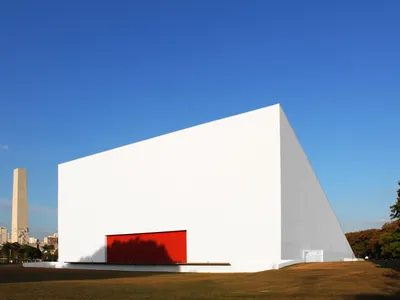
Oscar Niemeyer's Ibirapuera Park Pavilions Define São Paulo's Cultural Identity in Concrete and Curve
A constellation of modernist volumes set within São Paulo's most important urban park, conceived for the city's 400th anniversary in 1954.
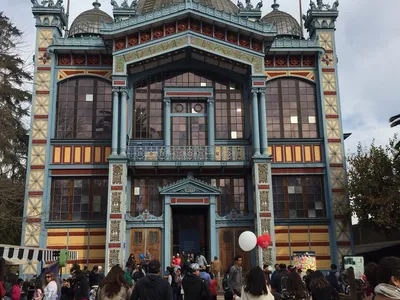
How Henri Picq's 1889 Paris Pavilion Traveled 11,000 Kilometers to Become Santiago's Artequín Museum
A prefabricated iron and glass pavilion built for the Paris Universal Exposition found a second life as a children's art museum in Chile.
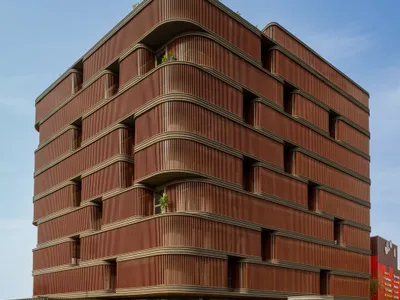
Sanjay Puri Architects Wraps a Jaipur Office Tower in Capsule-Shaped Green Buffers
A nine-level climate-responsive workplace near Jaipur Airport uses stacked planter terraces and aluminium screens to fight 40°C heat.


Explore Architecture Competitions
Discover active competitions in this discipline



Challenge to reimagine the Iron Throne


Photograph architecture without architects


Illustrate the lost glory of Angkor Wat - Render Challenge


Design challenge to reuse E-waste
Comments (0)
Please login or sign up to add comments
No comments yet. Be the first to comment!