
Bee Home: A Revolutionary Take on Sustainable Modular Architecture
Smart, Sustainable, and Modular – Bee Home Transforms Urban Living with Nature-Inspired Architecture.


The Future of Modular Architecture Inspired by Nature
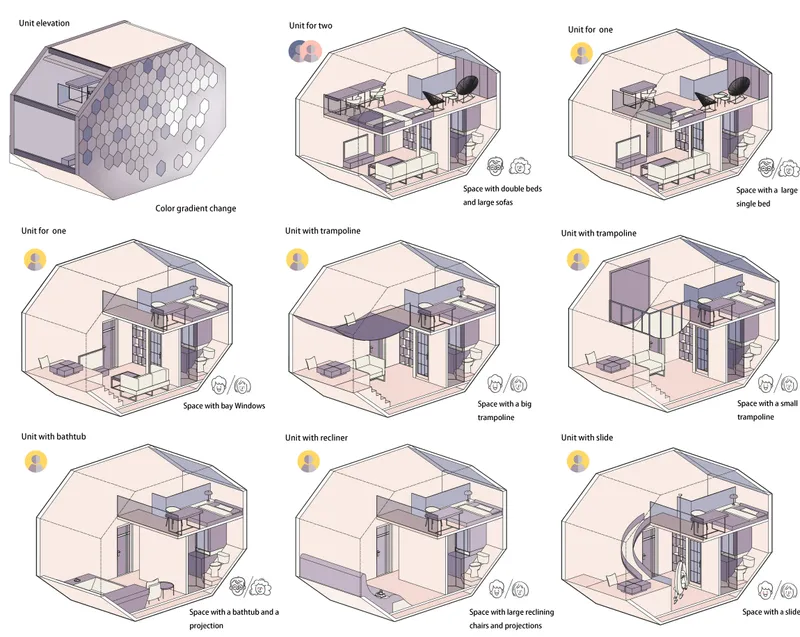
We've learned that honeybees' hives are incredibly sophisticated, adaptable, and material-efficient. The honeycomb structure, composed of numerous hexagonal cells, is one of nature's most efficient designs for space utilization. Drawing inspiration from this, our sustainable modular architecture project adopts the hexagonal form to optimize affordable housing solutions.
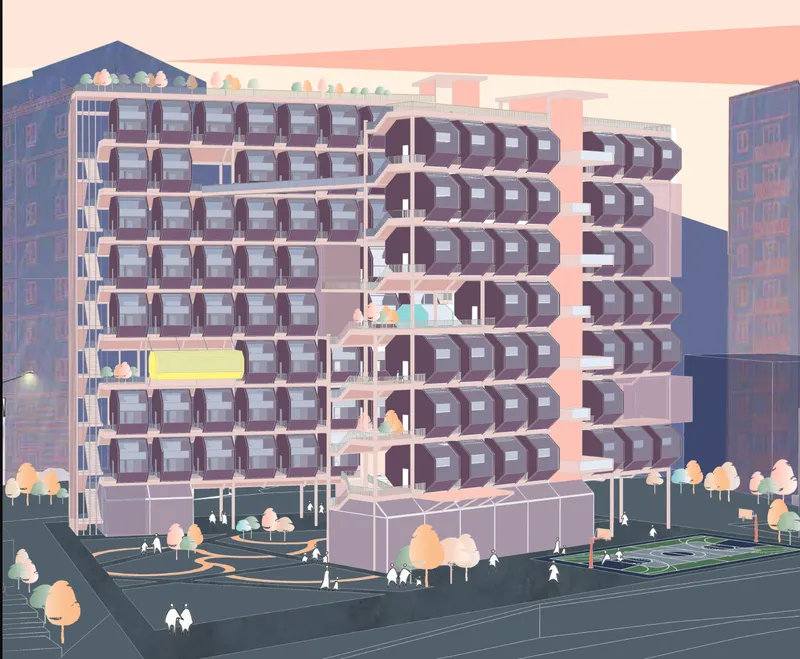
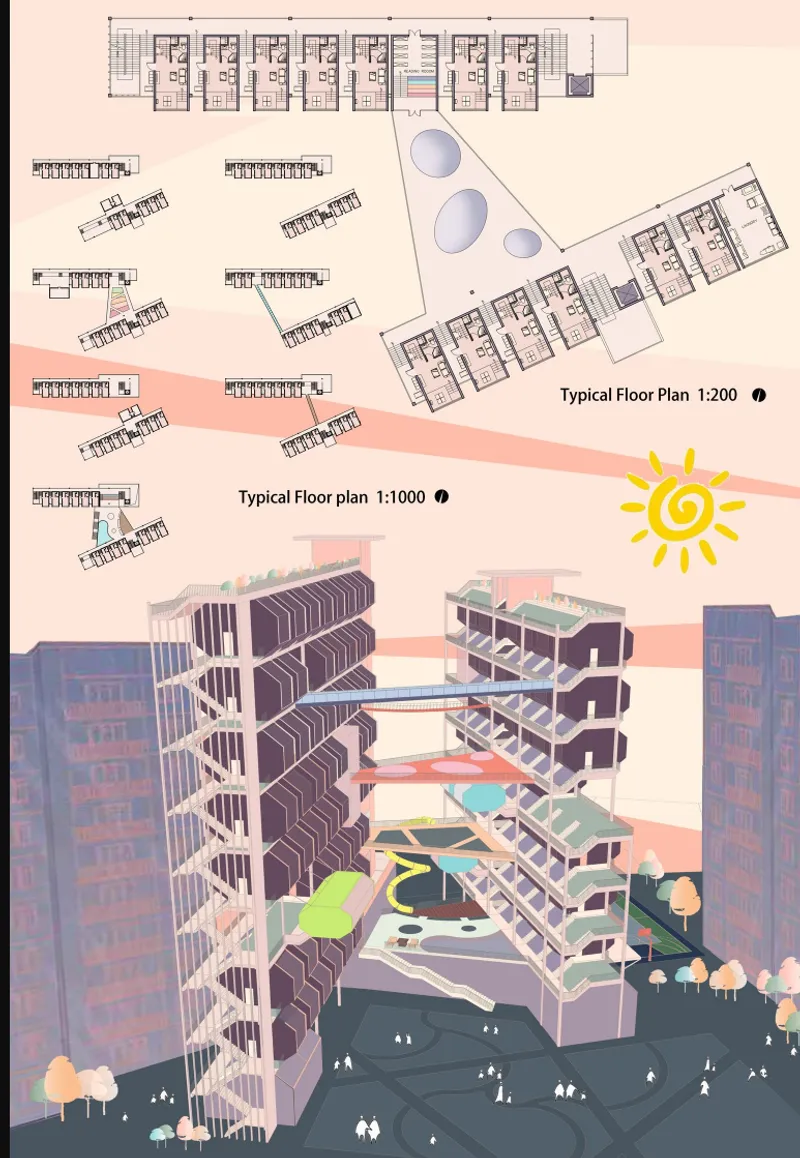
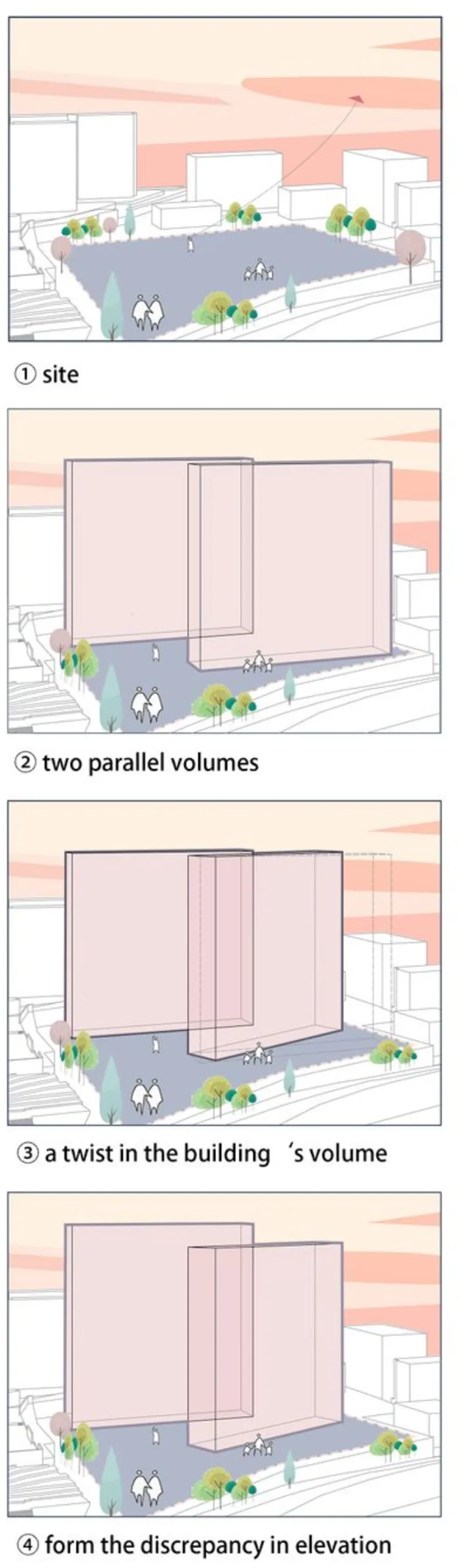
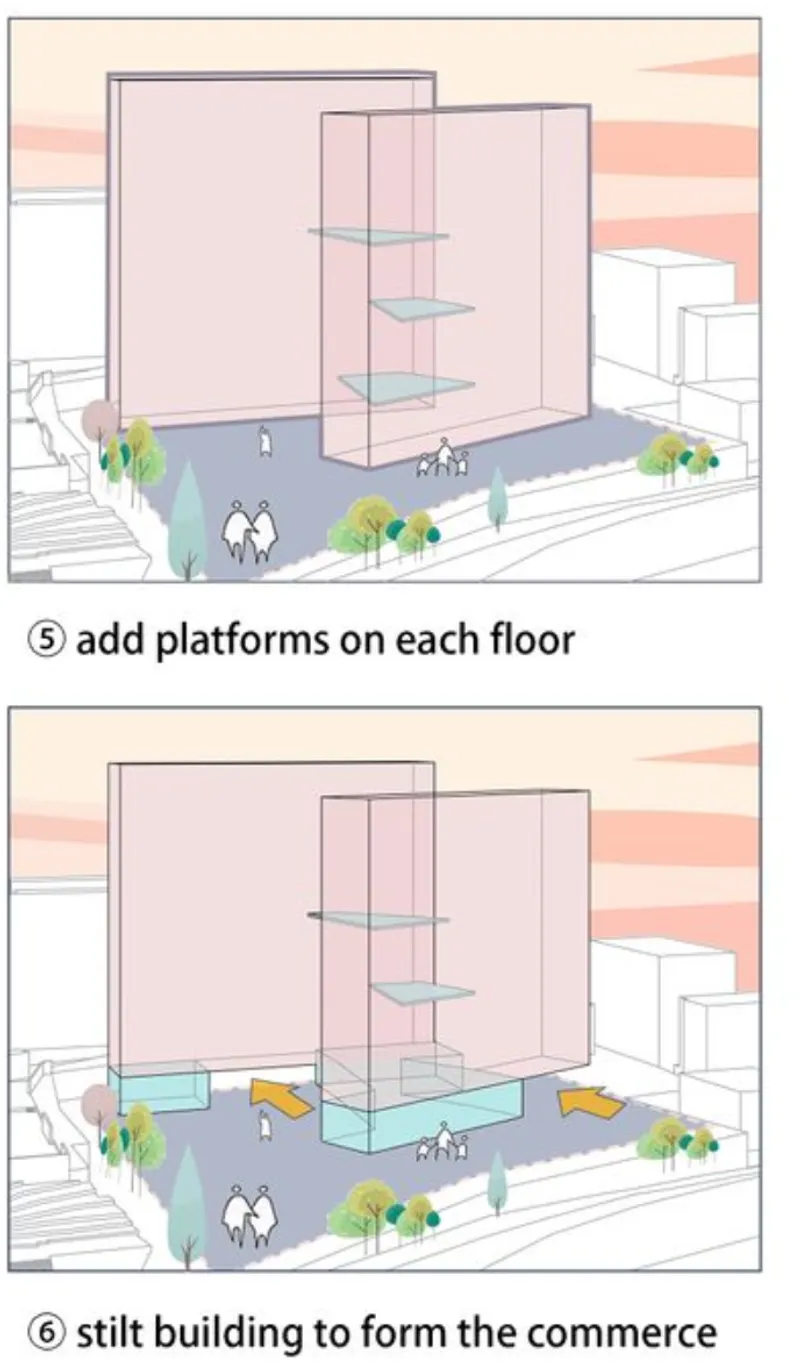
By integrating this biomimetic design into urban development, the Bee Home project maximizes space efficiency while maintaining sustainability. The prefabricated modular units are designed for affordability, flexibility, and environmental responsibility, making them an ideal solution for urban housing challenges.
This groundbreaking project was conceptualized by Gao Tingting, Peishan Wu, Li Ying, and Xiaoge Huang and was recognized as a shortlisted entry in the Plugin Housing Challenge 2020.
Key Features of Bee Home:
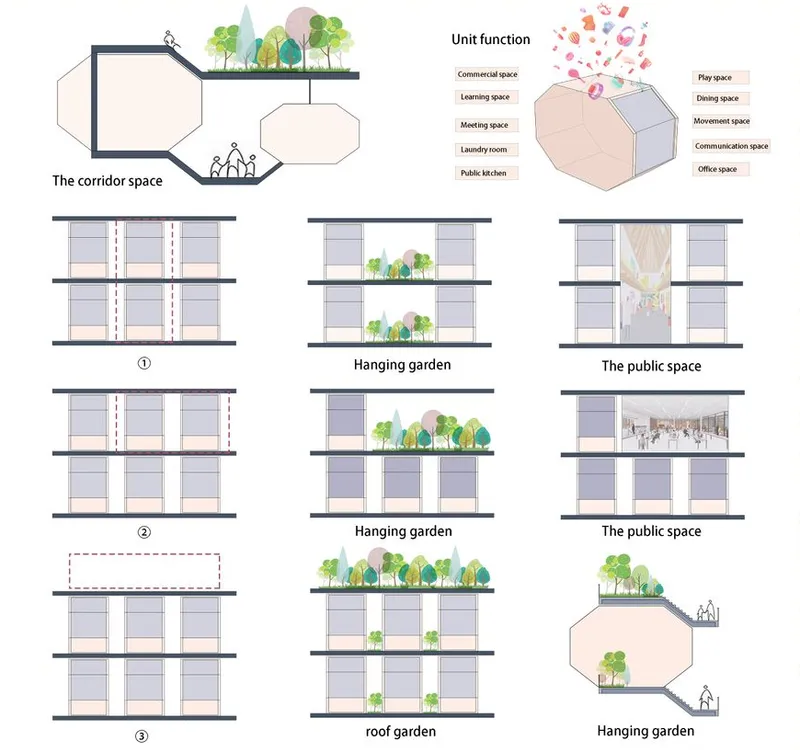
- Hexagonal Modular Units: Inspired by nature’s honeycomb structure, offering optimized living spaces.
- Sustainability-Focused Design: Enhancing energy efficiency and resource conservation.
- Affordable Urban Housing: Designed to provide practical and cost-effective solutions for modern city living.
- Adaptive Living Spaces: Units can be customized based on residents' needs, including multi-level configurations.




Popular Articles
Popular articles from the community


The Earth Pod: 3D Printed Homes for Resilient Refugee Communities
The Earth Pod reimagines refugee housing through 3D printed homes made from clay, combining resilience, self-sufficiency, and rapid shelter.

Riyadh For All: Intergenerational Urban Design for Active Aging in Rabat
Riyadh For All reimagines urban design in Rabat with intergenerational co-living, adaptive courtyards, and Moroccan cultural exchange today.

AL-JANNAH: Sustainable Architecture and Permaculture for Afghan Widows
AL-JANNAH uses sustainable architecture and permaculture to create resilient oasis of housing, learning, work and renewal for Afghan widows.
EW PARK: Sustainable Architecture Reimagines the Future of Urban Parking
EW PARK reimagines city parking as a modular wooden tower combining automation, solar energy, electric mobility, and adaptable urban design.


Similar Reads
You might also enjoy these articles

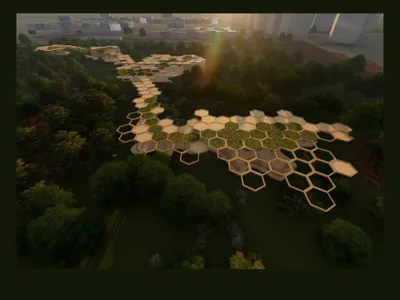
Eco Chapel: A Green Architecture Pavilion Designed in Symbiosis with the Forest
Eco Chapel uses green architecture to weave prayer, learning and reuse into a forest pavilion shaped by modular hexagonal canopies for life.
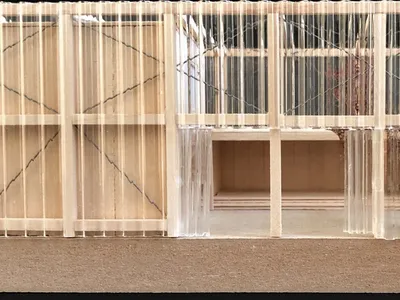
Kaffeebühnen: Coffee Shop Architecture Designed as a Civic Stage Between Vienna’s City and Park
Kaffeebühnen turns coffee shop architecture into a civic stage, linking Vienna’s park edge, urban life, warm timber yards, and coffee craft.
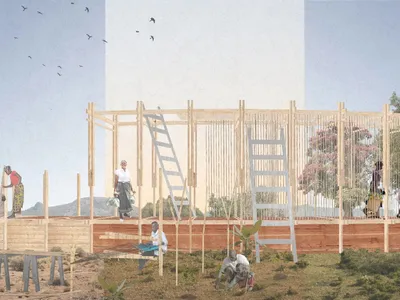
Healing Façade: Sustainable Architecture for Reforestation, Community, and Sacred Ecology in Ethiopia
Healing Façade reimagines sustainable architecture as a living wall that restores soil, catches water and renews Ethiopia's forest churches.


Urban Forest: A Vertical Ecosystem for 5,000 Workers in Singapore's Changi Business Park
Radially stacked pods and layered green decks turn a 7-acre plot into 47 acres of ecological workspace projected for 2040.




Comments (0)
Please login or sign up to add comments
No comments yet. Be the first to comment!