

BETA: THE PATH OF TOMORROW
Discover how innovative public architecture unites communities and fosters creativity through inspiring design.


BETA: The Path of Tomorrow is more than just an architectural structure—it is a sanctuary for unity and creativity. This remarkable project by Michal Al-Hussein, an Honorable Mention entry of Memory, redefines public spaces with its harmonious blend of design, purpose, and inclusivity.


Concept Overview:
BETA represents an escape from reality, offering a neutral ground free from political and religious divides. Situated as the main square, it functions as a public gathering space, where every individual finds a place of their own. Its design fosters connection, reflection, and a celebration of cultural diversity.


Key Features:
- The Martyrs' Shield: The Shield, composed of the names of martyrs who defended their families and rights, stands as a symbol of protection and resilience. It honors those who sacrificed their lives, providing an emotional and spiritual anchor for visitors.
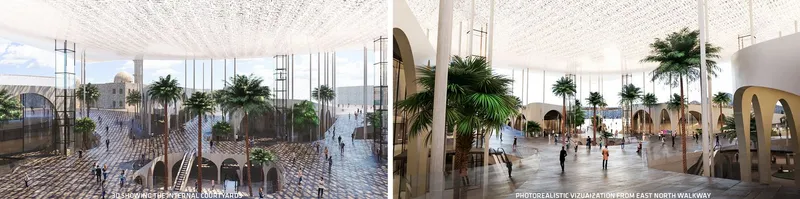
- Innovative Public Space: The square integrates shaded walkways, lush greenery, and architectural elements that enhance the user experience while respecting the site's historical and cultural context.
- Adaptive Design: The project seamlessly merges modern architectural principles with sustainable practices. Utilizing natural ventilation and shaded areas, it prioritizes comfort and ecological balance.

Visual Highlights:
The imagery showcases a stunning interplay of light, texture, and functionality. From the intricate layout of the main plaza to the thoughtful incorporation of surrounding structures, every detail speaks of a commitment to architectural excellence.
Architectural Significance:
BETA is a testament to how architecture can transcend traditional boundaries, creating spaces that are not only functional but deeply meaningful. It invites visitors to immerse themselves in a shared narrative of hope and progress.
This project, envisioned by Michal Al-Hussein, sets a benchmark for future architectural endeavors. By integrating memory, innovation, and inclusivity, BETA: The Path of Tomorrow demonstrates how thoughtful design can shape the way we connect with our surroundings and each other.




Popular Articles
Popular articles from the community


Co-life: Sustainable Architecture for Age-Friendly Community Living
Co-life reimagines sustainable architecture for seniors through courtyards, rammed earth, shared gardens, and spaces designed for belonging.

The Ocean Hive: Sustainable Architecture for a Self-Sufficient Civilization at Sea
The Ocean Hive imagines sustainable architecture at sea, where modular habitats, algae, wave power and ocean waste sustain a growing colony.

Riyadh For All: Intergenerational Urban Design for Active Aging in Rabat
Riyadh For All reimagines urban design in Rabat with intergenerational co-living, adaptive courtyards, and Moroccan cultural exchange today.

Conexión: Biophilic Design Reimagines High-Rise Living in Hong Kong
Conexión reimagines high-rise living in Hong Kong through biophilic design, green facades, shared spaces, daylight, water and nature within.


Similar Reads
You might also enjoy these articles


FAMM Arquitectura Organizes Ten Villas Around Courtyards and Jungle in Nosara, Costa Rica
El Molino pairs two elongated volumes with deep overhangs and timber louvers to build a compact coastal community five minutes from the beach.

Oscar Niemeyer's Ibirapuera Park Pavilions Define São Paulo's Cultural Identity in Concrete and Curve
A constellation of modernist volumes set within São Paulo's most important urban park, conceived for the city's 400th anniversary in 1954.
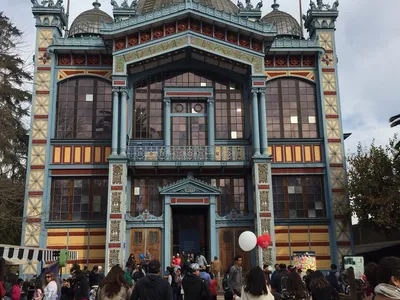
How Henri Picq's 1889 Paris Pavilion Traveled 11,000 Kilometers to Become Santiago's Artequín Museum
A prefabricated iron and glass pavilion built for the Paris Universal Exposition found a second life as a children's art museum in Chile.

Sanjay Puri Architects Wraps a Jaipur Office Tower in Capsule-Shaped Green Buffers
A nine-level climate-responsive workplace near Jaipur Airport uses stacked planter terraces and aluminium screens to fight 40°C heat.


Comments (0)
Please login or sign up to add comments
No comments yet. Be the first to comment!