

Bonfiglioli HQ: A Paradigm of Sustainable Architecture
Exploring the sustainable and innovative design of Bonfiglioli HQ by Peter Pichler Architecture, a model for future office buildings.


The Bonfiglioli Headquarters, recently completed by Peter Pichler Architecture, is a prime example of how modern design integrates with environmental sustainability to create efficient, innovative workspaces. Situated in Calderara di Reno, Bologna, Italy, this building is more than just an office; it's a testament to the company's commitment to innovation, functionality, and environmental stewardship.
Design Philosophy
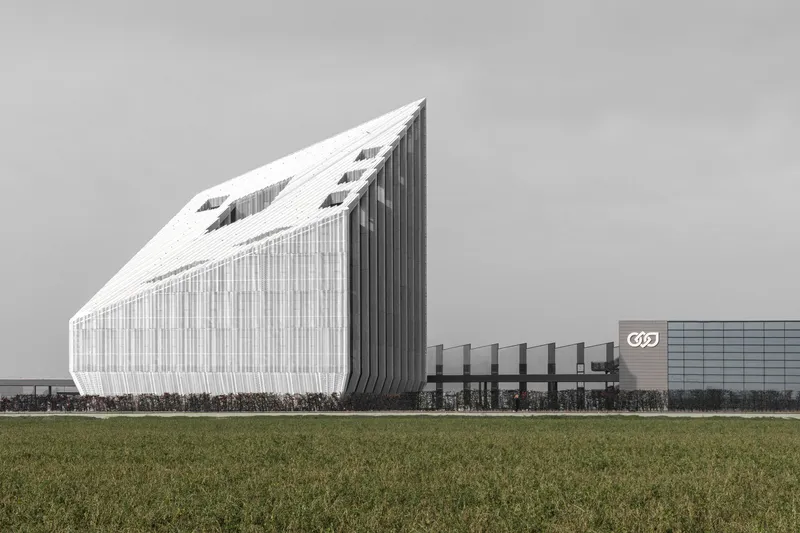
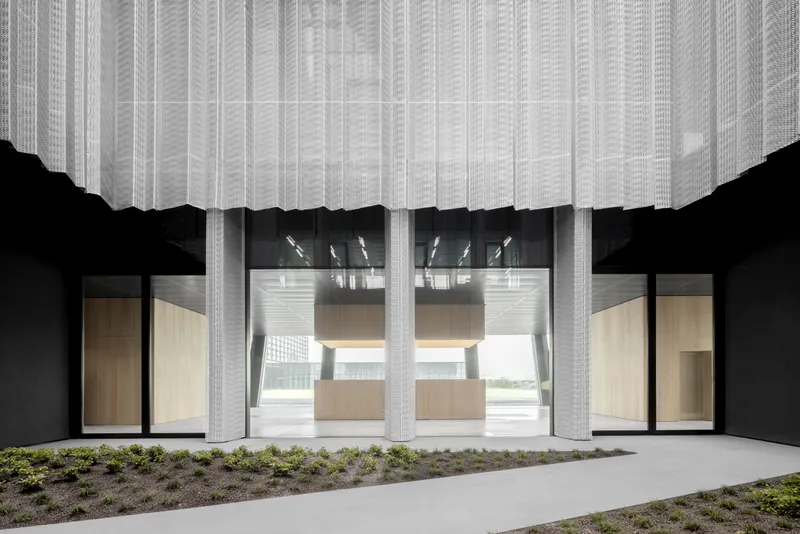
The architectural concept of the Bonfiglioli HQ is deeply rooted in sustainability and functionality. The design integrates the courtyard typology from the existing masterplan, promoting natural ventilation and creating a serene garden space. This approach not only enhances the building's environmental performance but also fosters a sense of community and well-being among its occupants.
Sustainable Features and Energy Efficiency
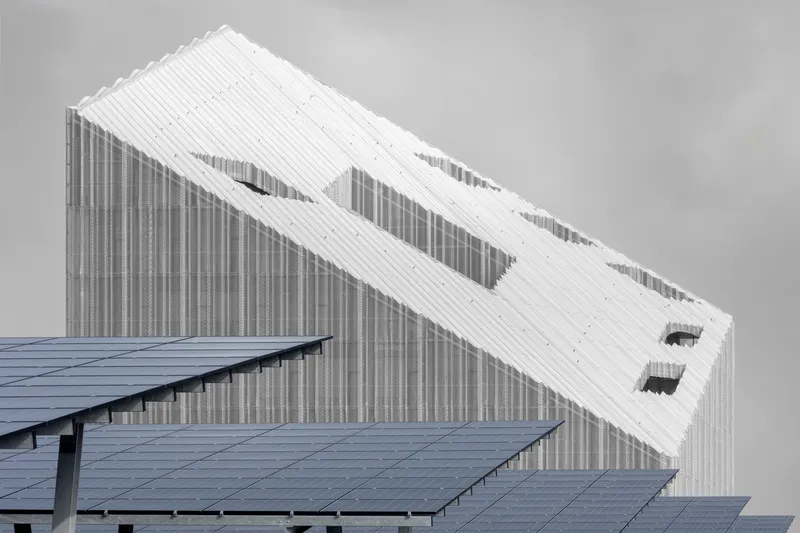
One of the standout features of the Bonfiglioli HQ is its commitment to energy efficiency. Classified as a nearly Zero Energy Building (NZEB), the headquarters is equipped with geothermal heat pumps and radiant ceilings, significantly reducing its energy consumption. The building is also part of the larger EVO industrial site, which is powered by a 3 MW peak power photovoltaic plant. These features underscore Bonfiglioli's dedication to reducing its carbon footprint and leading by example in the industrial sector.
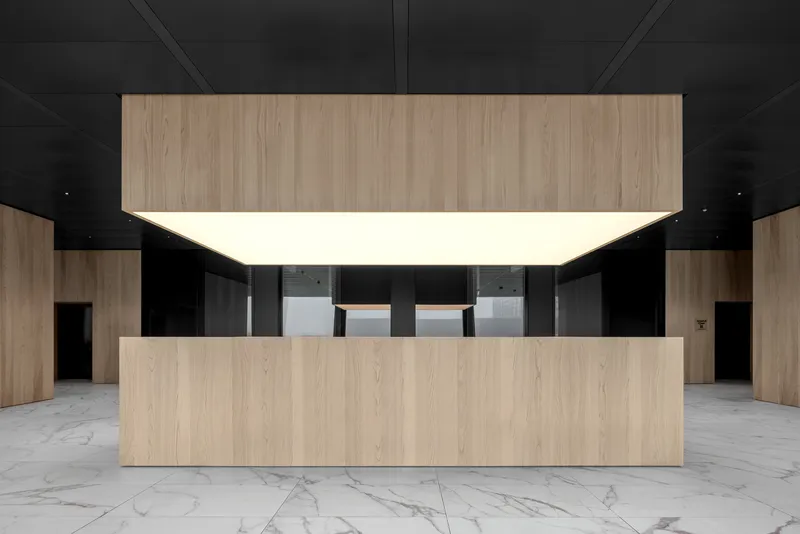
Architectural Elements and Interior Design
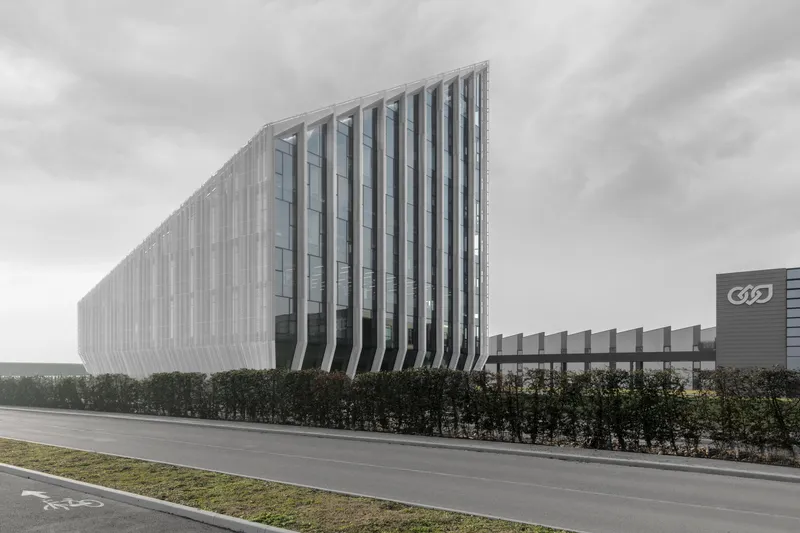
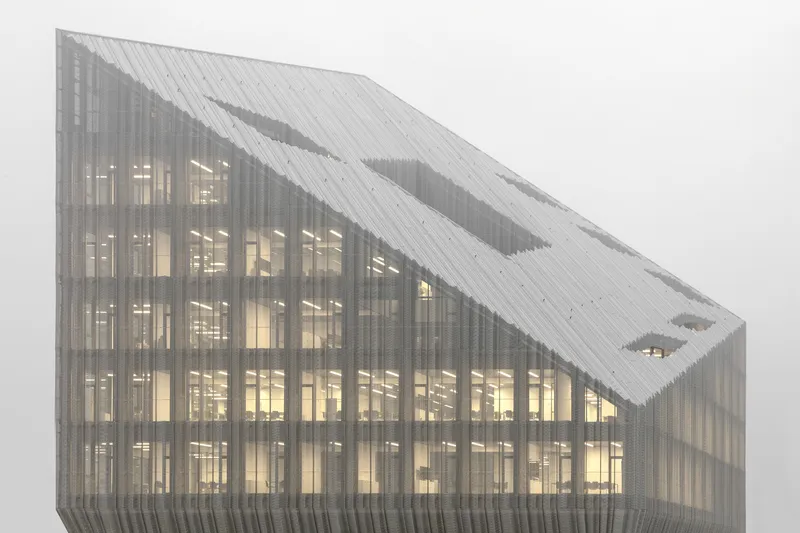
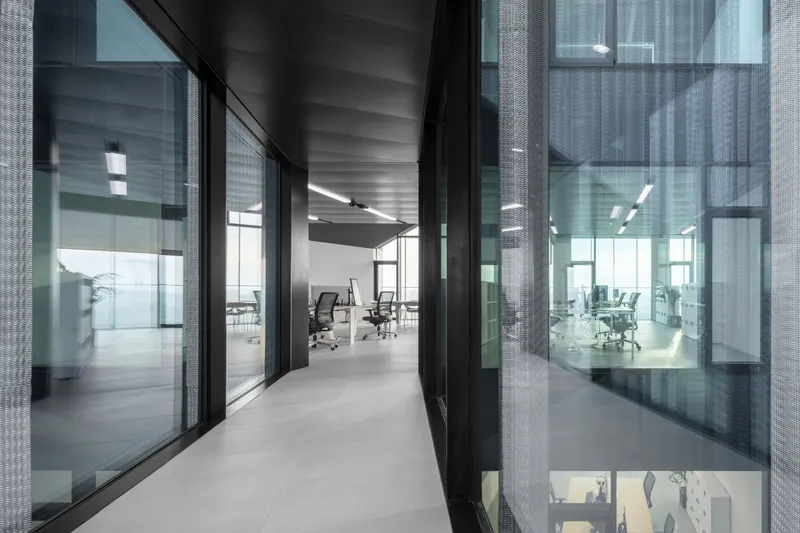
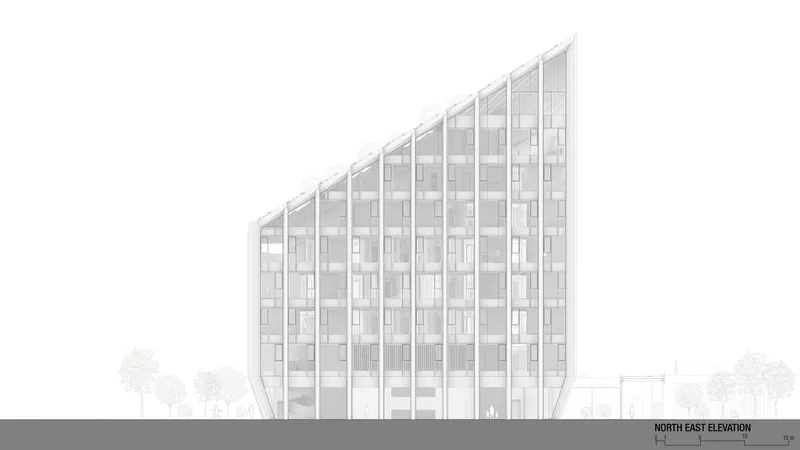
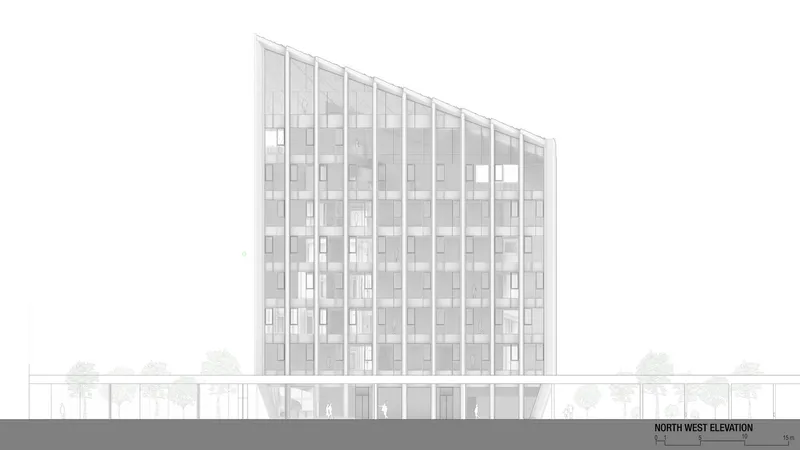
The building's architecture is a blend of aesthetics and functionality. The roof's tilt is designed to maximize indirect natural light, creating a comfortable and productive work environment. The exterior is adorned with a custom continuous pleated aluminum mesh, a nod to the company's core business and a practical solution for light filtration and energy savings.
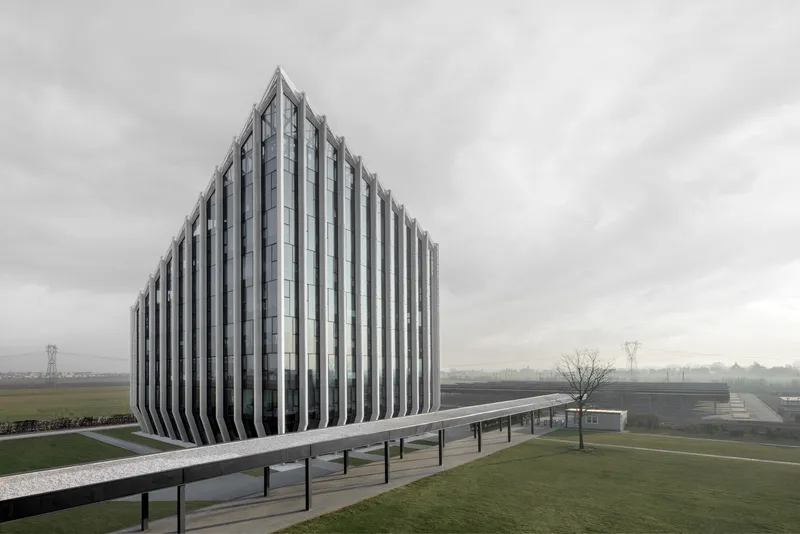
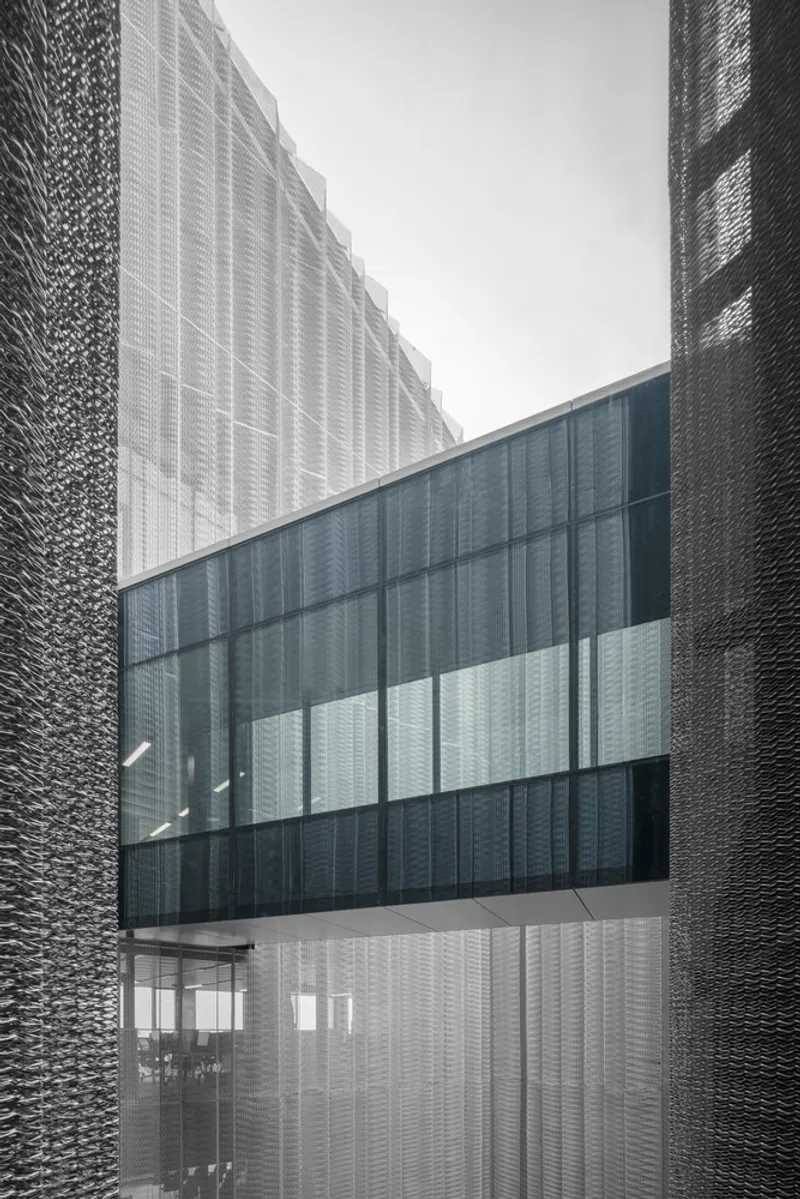
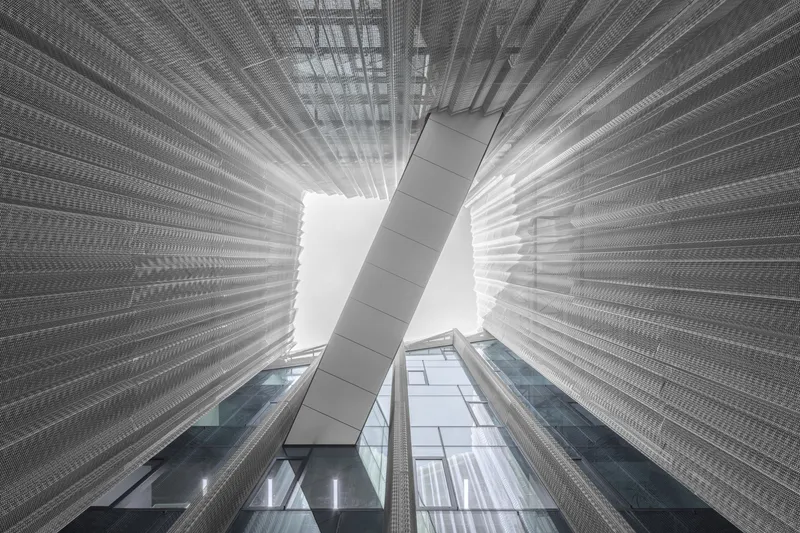
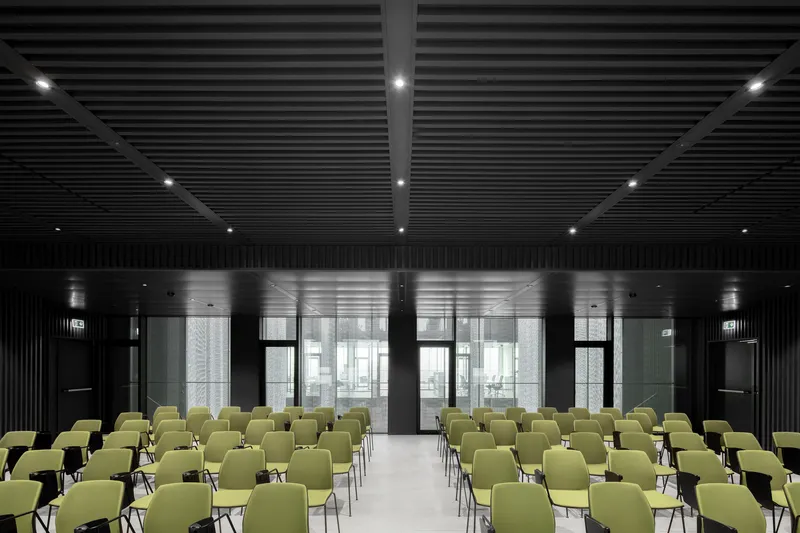
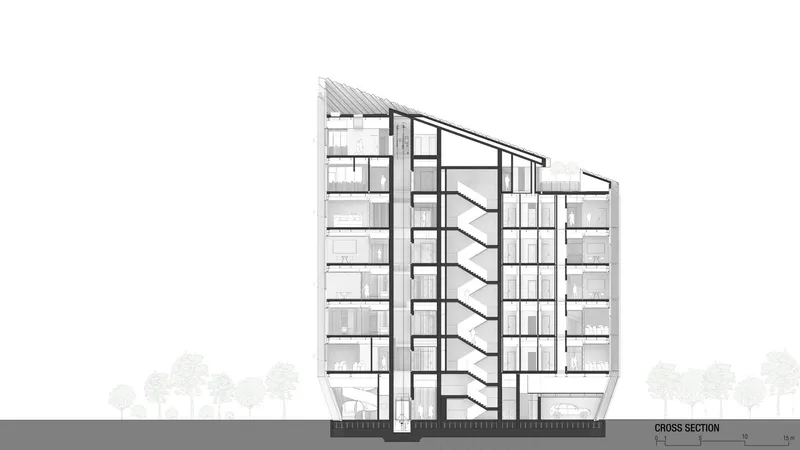
Inside, the Bonfiglioli HQ boasts column-free open spaces, facilitated by an innovative Exoskeleton façade. This design not only allows for a flexible layout but also promotes a sense of openness and connectivity. The interior features, such as the sculptural spiral staircases and bridge through the internal courtyard, are designed to encourage movement and interaction among employees, fostering a collaborative atmosphere.
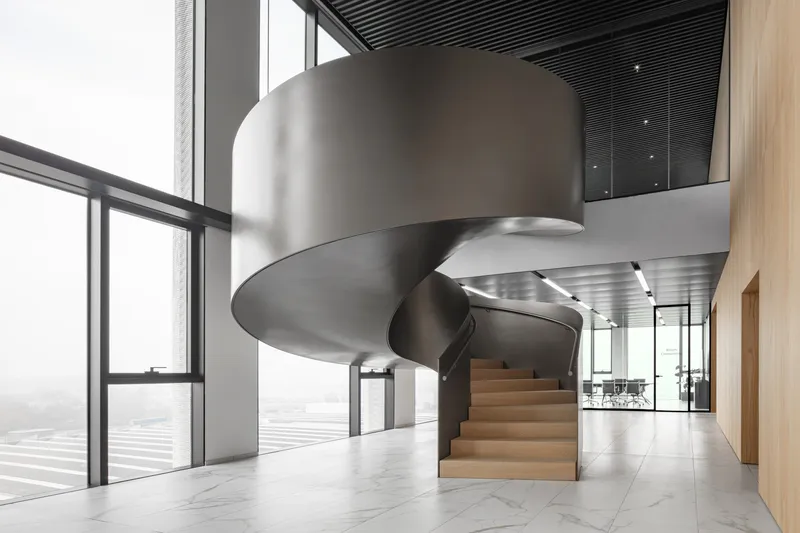
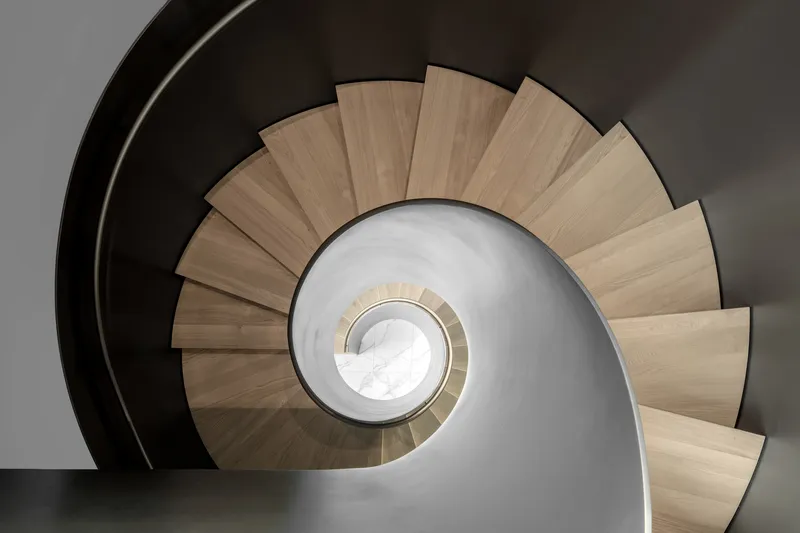
Health, Well-being, and Connectivity
The Bonfiglioli HQ places a significant emphasis on the health and well-being of its occupants. The inclusion of green spaces and the maximization of natural light contribute to a work environment that prioritizes employee wellness. Moreover, the building's unique sloped roof design offers terraces that provide outdoor spaces for relaxation and social interaction, further enhancing the quality of work life.
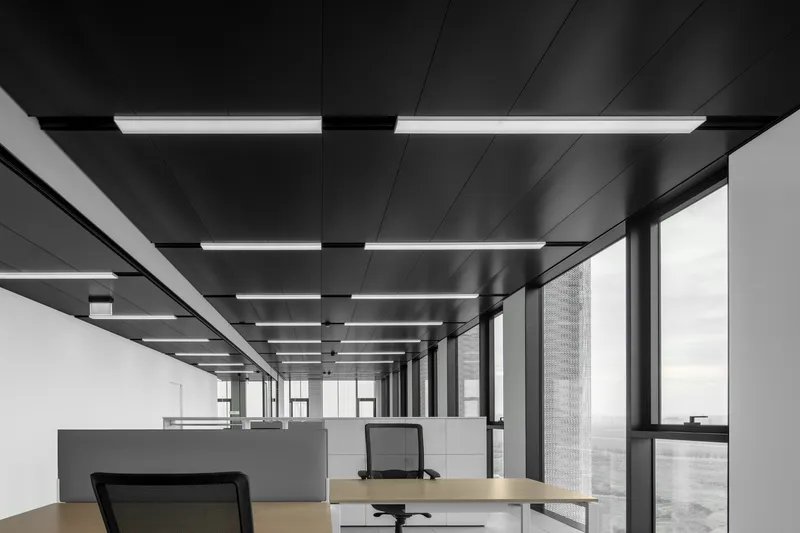
The Bonfiglioli Headquarters by Peter Pichler Architecture is a shining example of how modern architecture can align with sustainable practices to create spaces that are not only efficient and functional but also conducive to well-being and productivity. This project demonstrates the potential of sustainable design in the industrial sector and sets a new standard for office buildings worldwide.
All photographs are work of Gustav Willeit


Popular Articles
Popular articles from the community

Extended Shell: Retrofitting Kolkata's Balconies as Living Urban Thresholds
A modular retrofit system recovers the social and environmental intelligence of Kolkata's historic verandas for contemporary Park Street residents.
Temporary Home for Dogs: A Reversed Zoo Rethinks Animal Shelter Architecture
In Bucharest, a sinuous corridor and freed landscape flip the logic of containment, designing a shelter that works to make itself unnecessary.
Faces of the Soviet Avant-Garde: Turning Moscow's Street Names into an Open-Air Museum
A network of sculptural installations across a Moscow residential district transforms forgotten architect names into spatial encounters with cultural memor
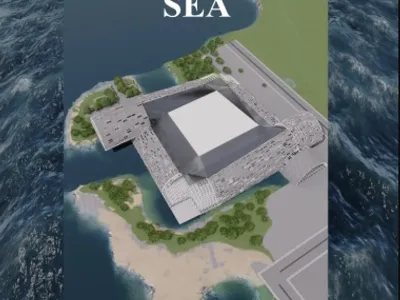
Opera on the Sea: Driftwood Logic Shapes a Timber Opera House on Estonia's Coast
Trevor Orgill's opera house translates the entangled drift of floating timber into a civic building where wood, water, and music converge.

Similar Reads
You might also enjoy these articles

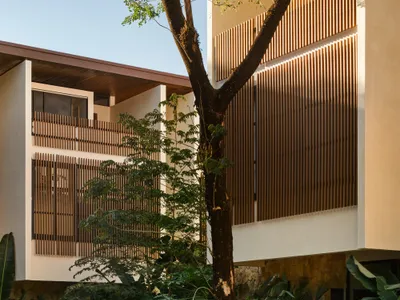
FAMM Arquitectura Organizes Ten Villas Around Courtyards and Jungle in Nosara, Costa Rica
El Molino pairs two elongated volumes with deep overhangs and timber louvers to build a compact coastal community five minutes from the beach.
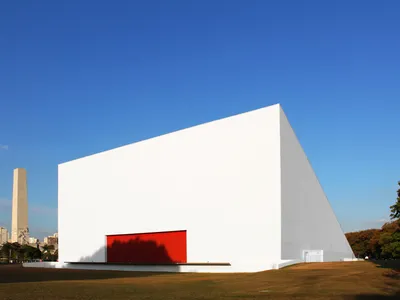
Oscar Niemeyer's Ibirapuera Park Pavilions Define São Paulo's Cultural Identity in Concrete and Curve
A constellation of modernist volumes set within São Paulo's most important urban park, conceived for the city's 400th anniversary in 1954.
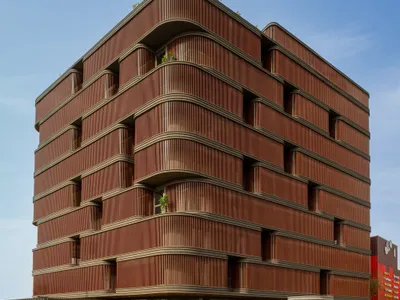
Sanjay Puri Architects Wraps a Jaipur Office Tower in Capsule-Shaped Green Buffers
A nine-level climate-responsive workplace near Jaipur Airport uses stacked planter terraces and aluminium screens to fight 40°C heat.
RHO Converts a Berlin Spree-Side Industrial Courtyard into Enkime's 1,000 m² Agency Headquarters
A social media agency's new home in Charlottenburg trades glossy branding for concrete waffle ceilings, glazed tile, and sheer curtains.

Explore Office Building Competitions
Discover active competitions in this discipline

Challenge to reimagine the Iron Throne

Photograph architecture without architects

Illustrate the lost glory of Angkor Wat - Render Challenge

Design challenge to reuse E-waste
Comments (0)
Please login or sign up to add comments
No comments yet. Be the first to comment!