

Brightening Up the City: A Colourful Collection of Buildings
Exploring the Unique and Vibrant Architecture of Urban Landscapes
 Ph. © MVRDV + GRAS
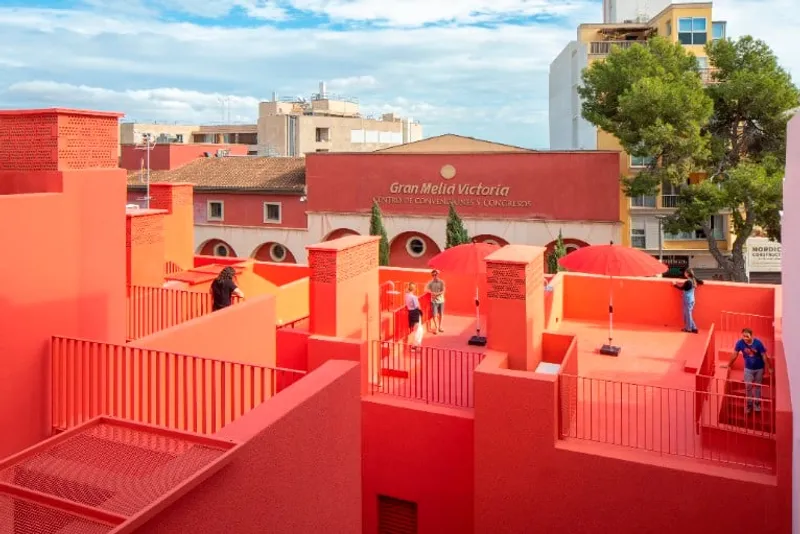
Project Gomila in Palma de Mallorca is a collection of seven unique buildings designed by MVRDV and Gras Reynés Arquitectos that is transforming the area around Plaza Gomila in the neighbourhood of El Terreno. The construction of the first five buildings has been completed, adding a total of 60 new dwellings of various sizes and types, as well as new commercial spaces. Each building has its own individual character derived from its colours, materials, and rooflines. This project is well on its way to reviving El Terreno as a vibrant, green, and sustainable residential neighbourhood.
 Ph. © MVRDV + GRAS
El Terreno, located near the city's harbour and centred around Plaza Gomila, is a historic neighbourhood that was once known for its nightlife in the 1960s and 1970s, with famous musicians such as Jimi Hendrix, Ray Charles, and Tom Jones performing in its bohemian nightclubs. After a period of neglect and decline, the Fluxà Family, owners of the Mallorca-based Camper shoe brand, purchased a series of neighbouring plots around the Plaza and initiated a renewal plan that echoes Camper's philosophy of combining heritage with innovation and creativity.
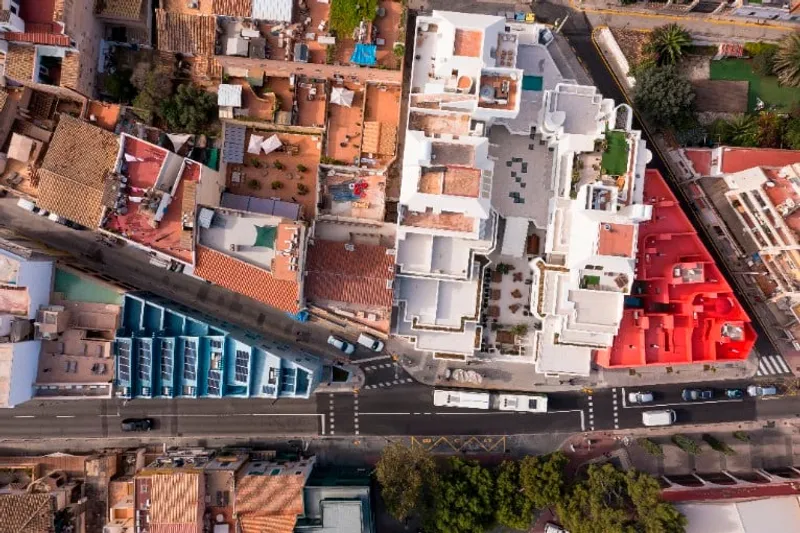
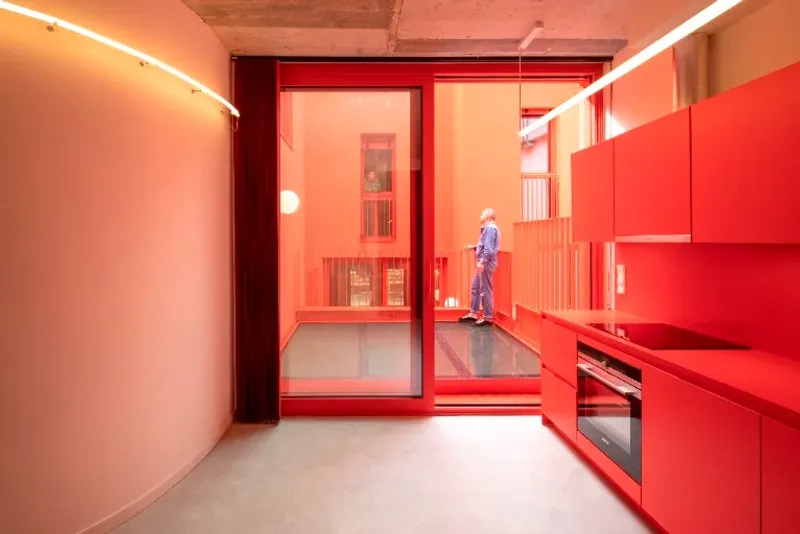
Phase one of the project has seen the completion of five buildings, with the Gomila Center serving as the focal point of the neighbourhood. The building, a renovation of a 1979 design by architect Pere Nicolau, boasts a white exterior and features a large patio on the ground floor. Surrounding the patio are a restaurant, office spaces, and apartments arranged in a series of terraces and balconies. Adjacent to the Gomila Center is the Las Casitas, a cluster of red townhouses equipped with rooftop terraces that provide a space for residents to socialize with their neighbours.
 Ph. © MVRDV + GRAS
Located on a prominent street corner, the Gomila Center is home to a collection of energy-neutral buildings that utilize various sustainable practices. Across from the centre is Las Fabri-Casas, a set of row houses with a saw-tooth roof and blue ceramic façades. Behind these houses is a low-carbon apartment building made of compressed earth blocks, featuring a communal rooftop swimming pool with views of the nearby Bellver Castle. On the Plaza Gomila itself, there is the green building La Plaza, which is a transformation of an existing structure that now houses a historic bar, offices, and a communal rooftop with views of the bay and the cathedral. The Gomila buildings are designed with energy efficiency in mind, using principles similar to the Passivhaus standard such as high thermal efficiency and passive climate control measures like shutters and cross ventilation to minimize energy usage. To take advantage of Mallorca's ample sunlight, the rooftops are equipped with solar panels and heat recovery systems further reducing the buildings' energy consumption. Additionally, many of the materials used in the construction process were sourced locally to reduce the carbon footprint.
 Ph. © MVRDV + GRAS
“Project Gomila is an exciting architectural project – each of the seven buildings can stand alone as its own individual design, and yet at the same time they are also carefully considered as an ensemble that gives Gomila a fresh boost”, says MVRDV founding partner Jacob van Rijs. “When looked at together, you see a colourful collection of buildings that still somehow work together as a group.”
“In terms of urbanism, the concept revolves around the diversity of the buildings”, adds MVRDV founding partner Winy Maas. “Where some of the designs are more suited to family homes, others are more suited for apartments for singles or couples; where some buildings are fully residential, others bring commercial functions into the mix. This diversity of people and spaces will help bring back El Terreno’s lost vibrancy.”
 Ph. © MVRDV + GRAS
“The Gomila Project activates a new centrality in Palma, a new meeting and reference point not just for the people in the neighbourhood, but for all the citizens”, says Guillermo Reynés, founder of GRAS Reynés Arquitectos. “The project has been very well received, bringing back good memories that Palmesanos had of the area”
 Ph. © MVRDV + GRAS
The project will continue with the addition of two more structures to the collection: the yellow Casa Virginia and a small villa adjacent to the Gomila Center. Both of these buildings will be renovated from existing structures within the neighbourhood.

Popular Articles
Popular articles from the community


Opera by the Sea Estonia: Three Shells Dissolving Architecture into Tallinn's Coastline
A winning opera house proposal replaces monumental form with interconnected shells that blur the boundary between building, park and Baltic Sea.
Faces of the Soviet Avant-Garde: Turning Moscow's Street Names into an Open-Air Museum
A network of sculptural installations across a Moscow residential district transforms forgotten architect names into spatial encounters with cultural memor

Manzana Morphosis: Stretching Barcelona's Grid into a Living Landscape for 2050
A radical reworking of the Eixample manzana turns density into a tool for generous public space, vertical ecology, and environmental performance.

Temporary Home for Dogs: A Reversed Zoo Rethinks Animal Shelter Architecture
In Bucharest, a sinuous corridor and freed landscape flip the logic of containment, designing a shelter that works to make itself unnecessary.

Similar Reads
You might also enjoy these articles
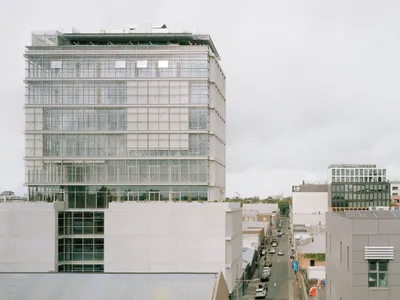
116 Rokeby Building, Collingwood
Sustainable Collingwood office building featuring double-skin façade, natural ventilation, rooftop amenities, and carbon-neutral design focused on wellbeing and longevity.
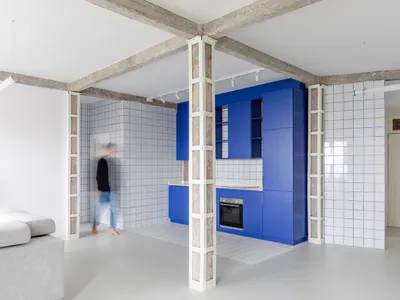
Contemporary Apartment Renovation in Spain: RV House by BIAN Opens Up to the Sea
A minimalist 1930s apartment in Santander is transformed into a flexible, sea-facing home through contemporary Spanish renovation.
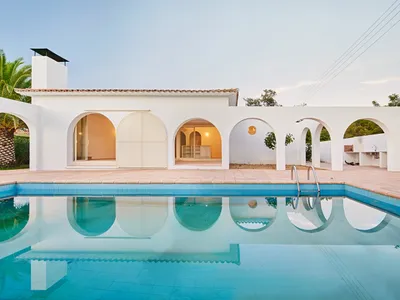
3 Marías House: A Contemporary Mediterranean Courtyard Retreat by Bajet Giramé + Burckhardt
Mediterranean courtyard home blending traditional architecture with modern design, terracotta flooring, flexible interiors, sustainable climate strategies, and garden integration.
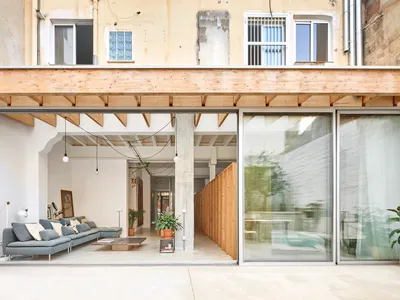
NZ10 Apartment by auba studio: Adaptive Reuse in Palma de Mallorca
Adaptive reuse apartment transforms bakery into light-filled home with patios, privacy layers, and wood interiors enhancing urban living experience.

Explore Architectural Portfolio Competitions
Discover active competitions in this discipline


Challenge to reimagine the Iron Throne

Photograph architecture without architects

Illustrate the lost glory of Angkor Wat - Render Challenge

Design challenge to reuse E-waste
Comments (0)
Please login or sign up to add comments
No comments yet. Be the first to comment!