
CAAA Restaurant by Pietro Catalano: A Fusion of Gastronomy and Avant-Garde Design
CAAA Restaurant in Lucerne combines Alpine-inspired design, 3D-printed cellulose ceilings, custom furniture, and AI-driven parametric architecture for immersive dining experiences.


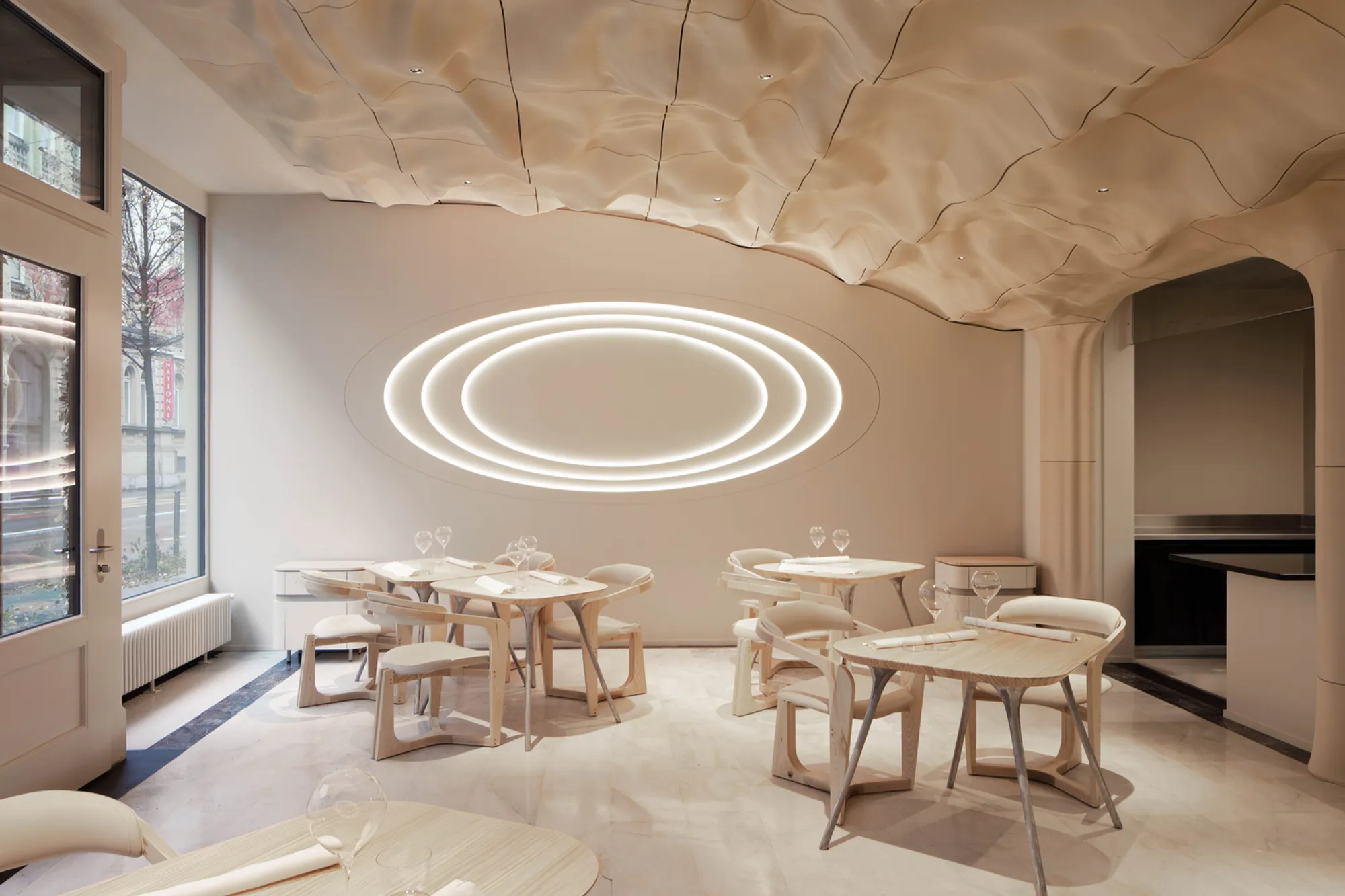
The CAAA Restaurant by Pietro Catalano, designed by the Barcelona-based architecture firm External Reference, represents a groundbreaking collaboration between architecture and haute cuisine. Led by Italian PhD architect Carmelo Zappulla, the team was tasked with creating a unique gastronomic space for Lucerne, Switzerland, merging immersive design, advanced technology, and culinary artistry.

A Design Inspired by the Alpine Landscape
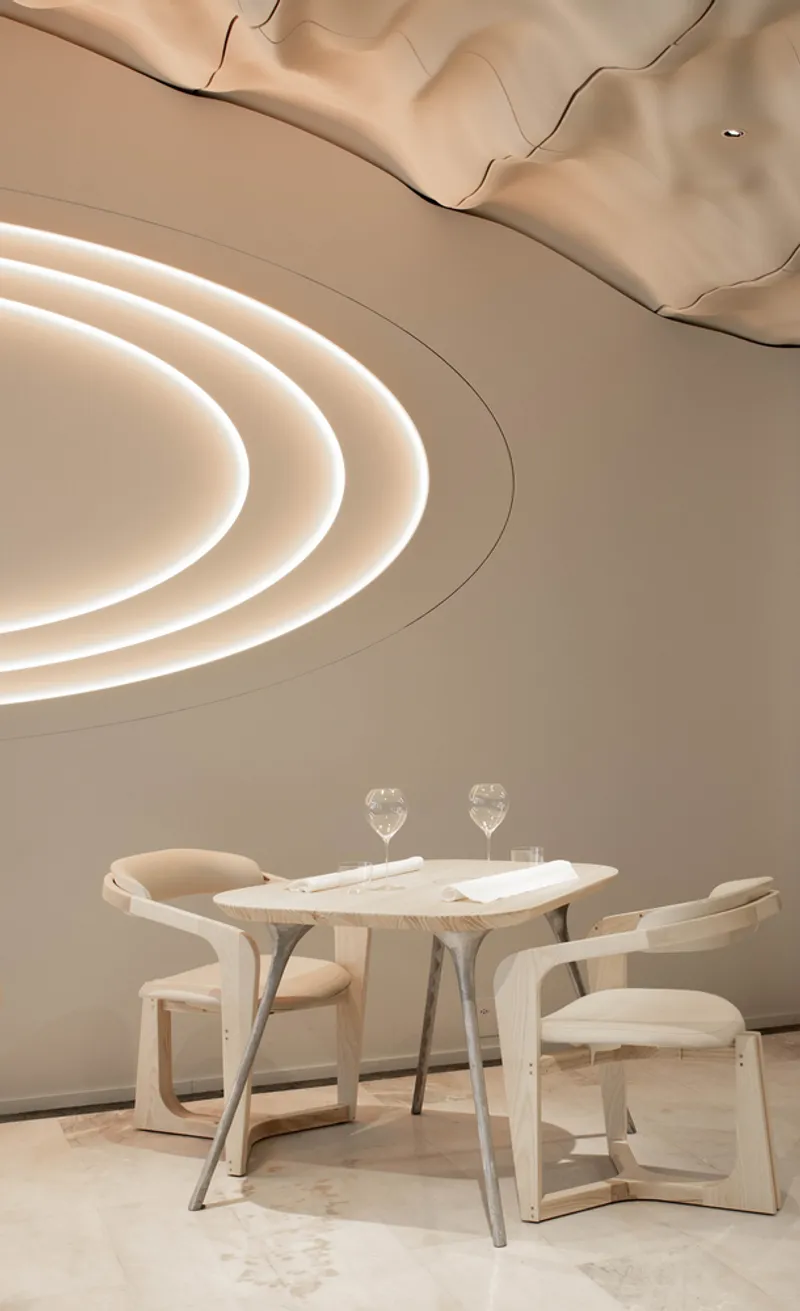
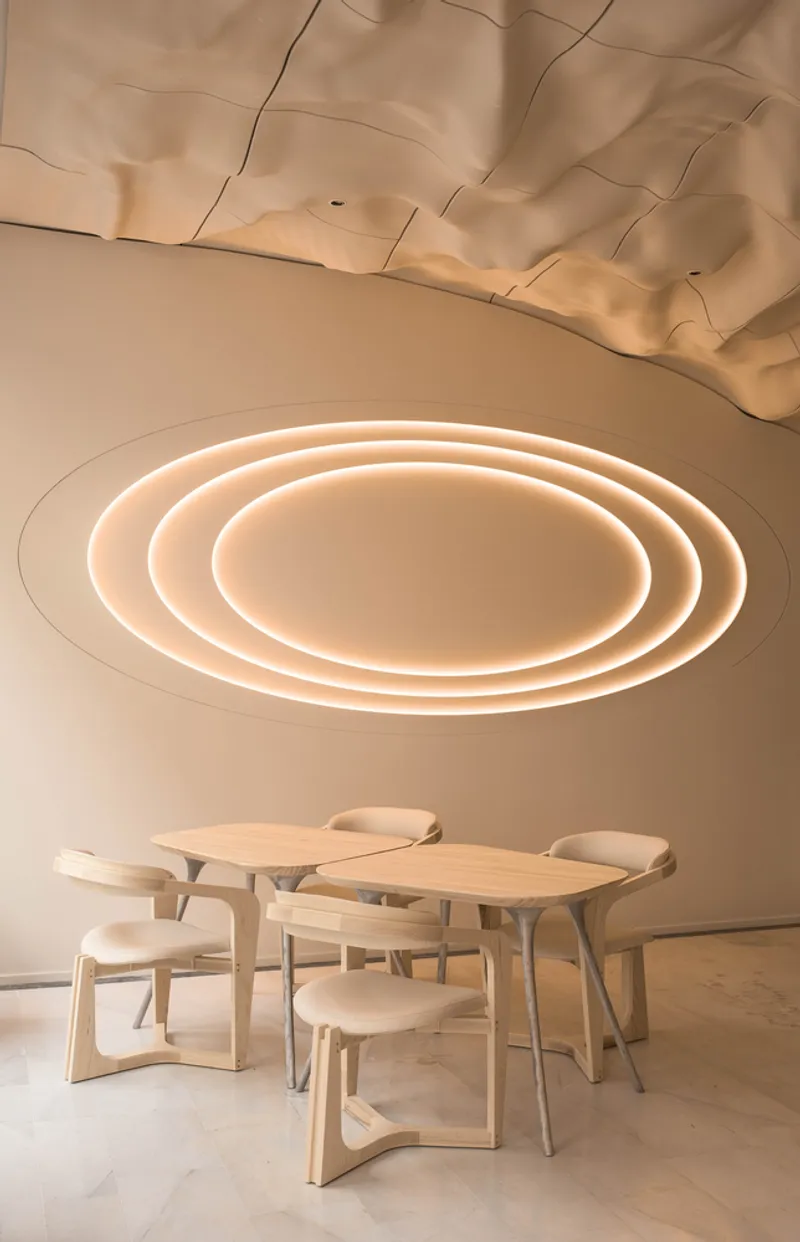
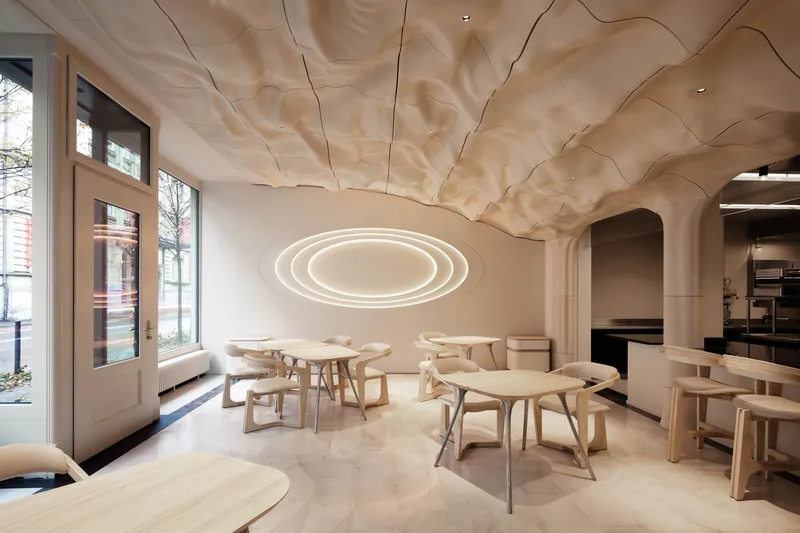
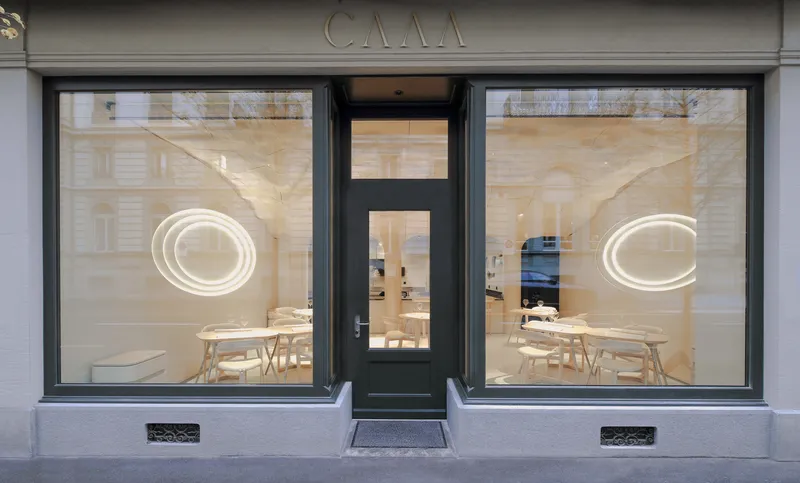
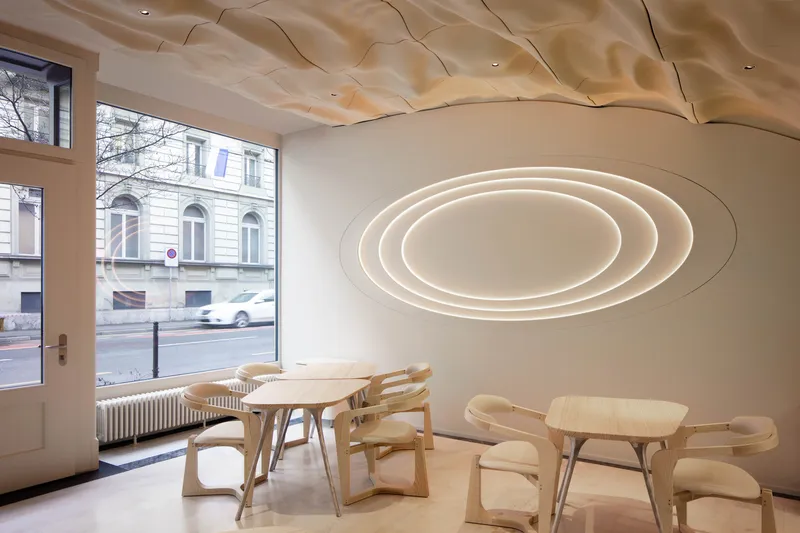
Occupying 85 m² and accommodating up to 16 diners, the restaurant showcases a refined white-dominated interior palette, drawing inspiration from the snow-capped Alps and the serene beauty of the transalpine region. Every element within the space is carefully curated to echo the purity and calmness of a winter landscape.
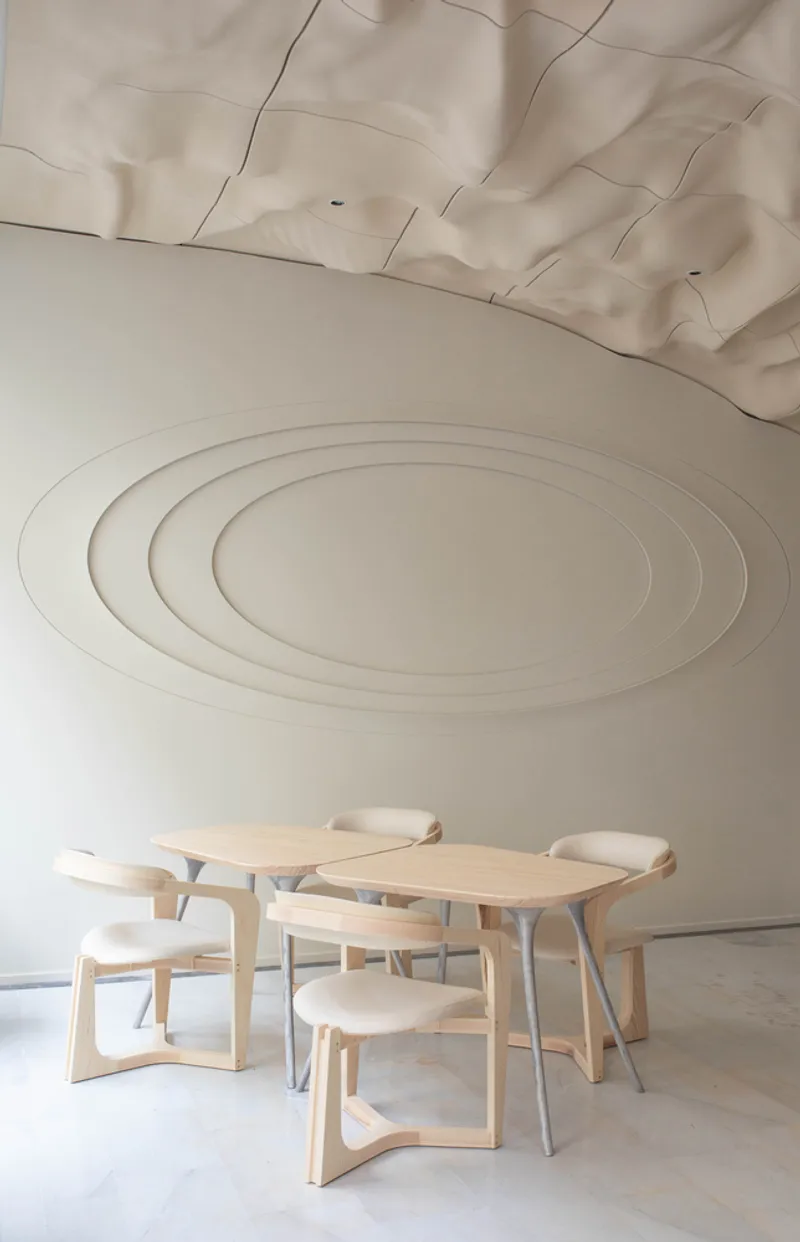
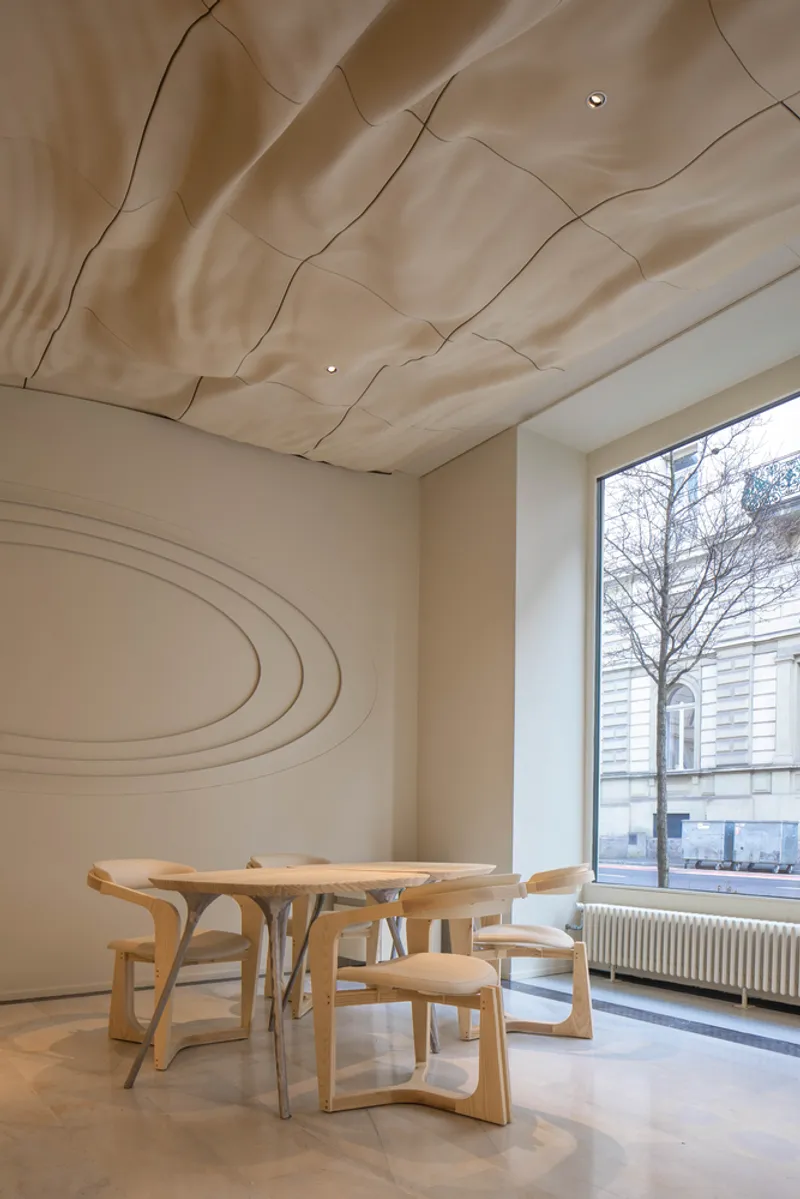
The ceiling, composed of custom 3D-printed organic pieces, mimics the flowing curves of snowdrifts, enveloping visitors in a dynamic yet serene atmosphere. A luminous cavity integrates light design, simulating the subtle chromatic effects of sunlight on snow, creating an environment where guests experience dining as a sensory journey through nature.

Custom Furniture and Material Innovation
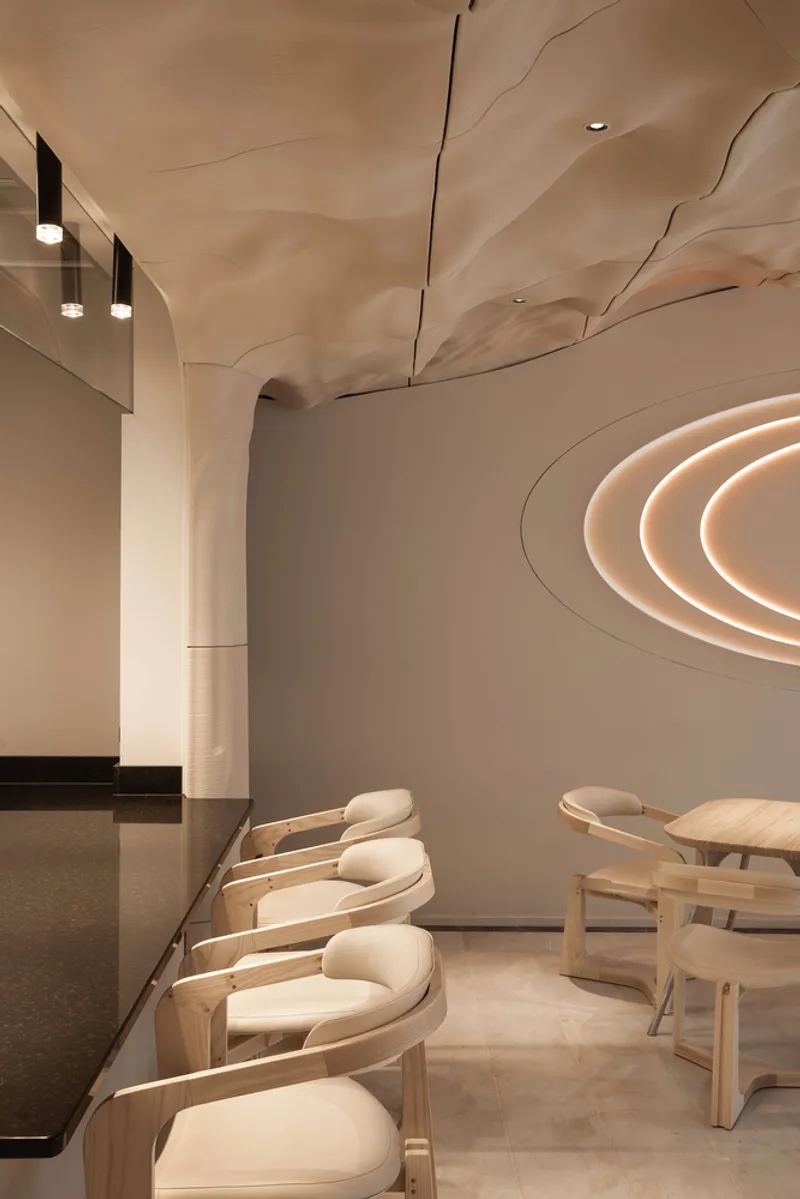
Every piece of furniture at CAAA is custom-designed, reflecting the delicate tones and textures of the Alpine environment. Ash wood was selected for chairs and tables to evoke the elegance of forest branches, while stainless steel, glass, and marble complement the bar, enhancing the overall minimalist aesthetic.
The adoption of a monochromatic color scheme allows architectural elements to highlight the culinary creations of Pietro Catalano without distraction. Cellulose, with its bone-colored natural tone, forms the primary material, providing both aesthetic subtlety and ecological responsibility.

3D Printing and Parametric Design in Architecture
The project exemplifies the integration of digital design and parametric modeling. External Reference analyzed snow-covered morphologies digitally to create the ceiling’s intricate structure. Divided into 63 modular pieces, each 80x80 cm, the ceiling was 3D-printed in cellulose, a sustainable biomaterial derived from wood waste.
Cellulose, combining lignin and natural fibers, offers excellent mechanical properties suitable for high-quality 3D printing. It is biodegradable, recyclable, and even capable of storing CO2, underscoring the restaurant’s commitment to sustainable architecture. This innovative approach was executed with the expertise of La Máquina, marking a significant milestone in the application of 3D printing to interior design.

AI and Innovation in Architectural Process
Beyond physical materials, the project reflects the role of artificial intelligence in modern architectural practice. Tools like DALL-E and MidJourney were used to translate conceptual ideas into visual outputs, demonstrating how AI can complement the creative process. Carmelo Zappulla emphasizes that AI allows designers to visualize concepts that were once restricted to sketches, enabling new narratives in spatial design.
Experiential Dining Through Design
The collaboration between Pietro Catalano and External Reference transforms design into a key ingredient of the dining experience. The restaurant’s architecture not only frames culinary creations but actively enhances them, offering visitors a holistic sensory journey. The interplay of natural materials, advanced technologies, and parametric design creates a space where gastronomy and architecture converge seamlessly.
CAAA Restaurant sets a precedent for avant-garde interior design, combining sustainable materials, parametric innovation, and immersive spatial storytelling. It stands as a model for the future of restaurant architecture, where creativity, technology, and culinary excellence intersect.

All photographs are works of
Filippo Bamberghi




Popular Articles
Popular articles from the community


Co-Life: Senior Housing Design That Reconnects Older Adults With the City
Co-Life reimagines senior housing design through healing gardens, shared streets, workshops, and a sustainable community across generations.
AL-JANNAH: Sustainable Architecture and Permaculture for Afghan Widows
AL-JANNAH uses sustainable architecture and permaculture to create resilient oasis of housing, learning, work and renewal for Afghan widows.

Hill & Cross Opera: Sculptural Opera House Architecture Shaped by Tallinn’s Landscape and Identity
Hill & Cross Opera reimagines opera house architecture in Tallinn through its sculptural hill, civic plaza, glass wave and a luminous cross.

Riyadh For All: Intergenerational Urban Design for Active Aging in Rabat
Riyadh For All reimagines urban design in Rabat with intergenerational co-living, adaptive courtyards, and Moroccan cultural exchange today.

Similar Reads
You might also enjoy these articles

FAMM Arquitectura Organizes Ten Villas Around Courtyards and Jungle in Nosara, Costa Rica
El Molino pairs two elongated volumes with deep overhangs and timber louvers to build a compact coastal community five minutes from the beach.
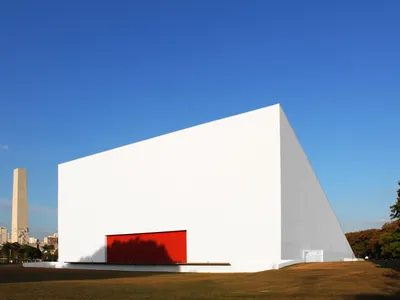
Oscar Niemeyer's Ibirapuera Park Pavilions Define São Paulo's Cultural Identity in Concrete and Curve
A constellation of modernist volumes set within São Paulo's most important urban park, conceived for the city's 400th anniversary in 1954.
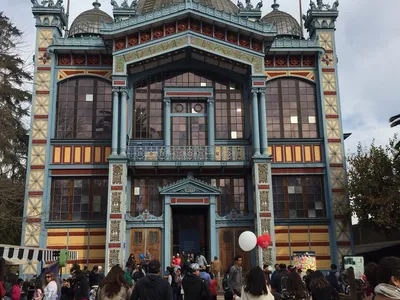
How Henri Picq's 1889 Paris Pavilion Traveled 11,000 Kilometers to Become Santiago's Artequín Museum
A prefabricated iron and glass pavilion built for the Paris Universal Exposition found a second life as a children's art museum in Chile.
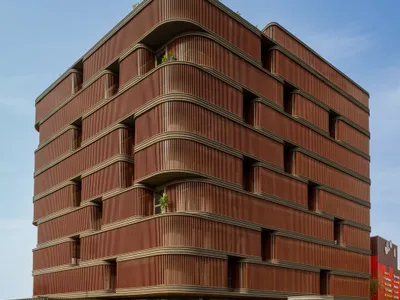
Sanjay Puri Architects Wraps a Jaipur Office Tower in Capsule-Shaped Green Buffers
A nine-level climate-responsive workplace near Jaipur Airport uses stacked planter terraces and aluminium screens to fight 40°C heat.


Explore Architecture Competitions
Discover active competitions in this discipline



Challenge to reimagine the Iron Throne


Photograph architecture without architects


Illustrate the lost glory of Angkor Wat - Render Challenge


Design challenge to reuse E-waste
Comments (0)
Please login or sign up to add comments
No comments yet. Be the first to comment!