

Château Lascombes Rehabilitation and Extension by BPM Architectes
Château Lascombes combines historic winery charm with modern production, featuring expanded barrel cellars, bottle storage, and elegant, functional architectural continuity.


Located in the heart of Paris, France, the Château Lascombes Rehabilitation and Extension by BPM Architectes represents a seamless integration of historic winery heritage with modern production technology. Spanning 12,000 m² and completed in 2021, this project enhances both the operational efficiency and architectural presence of the estate.
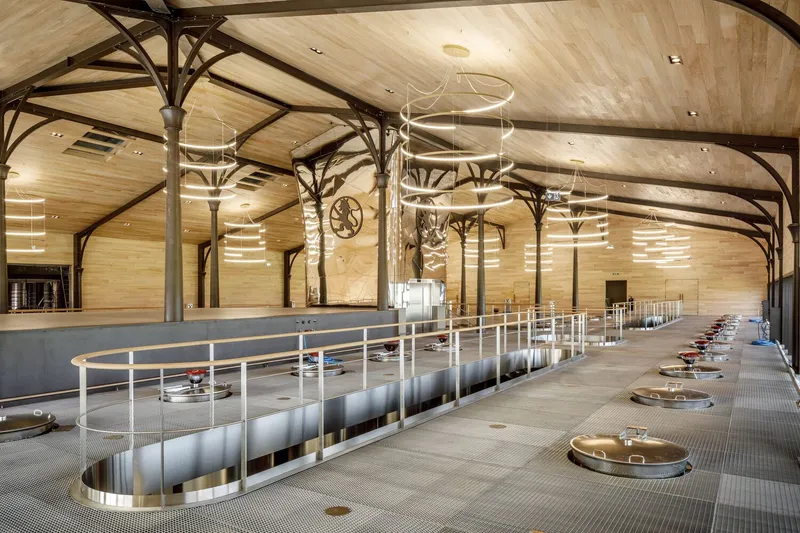
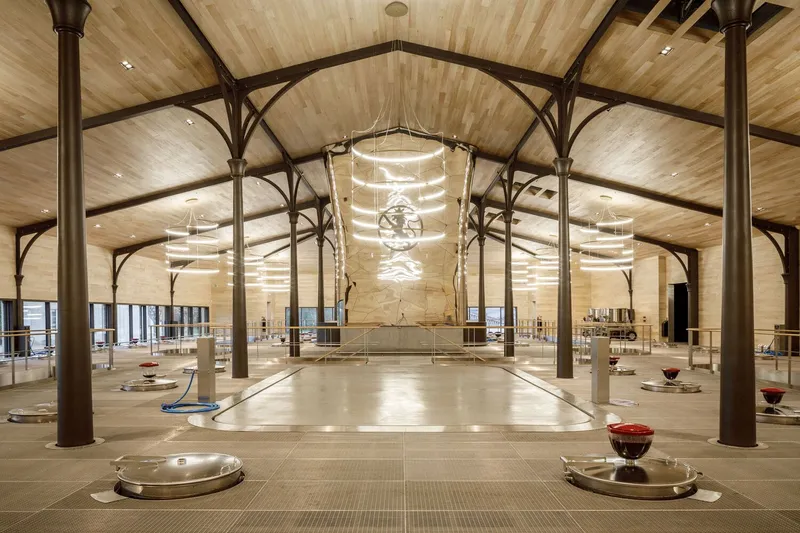
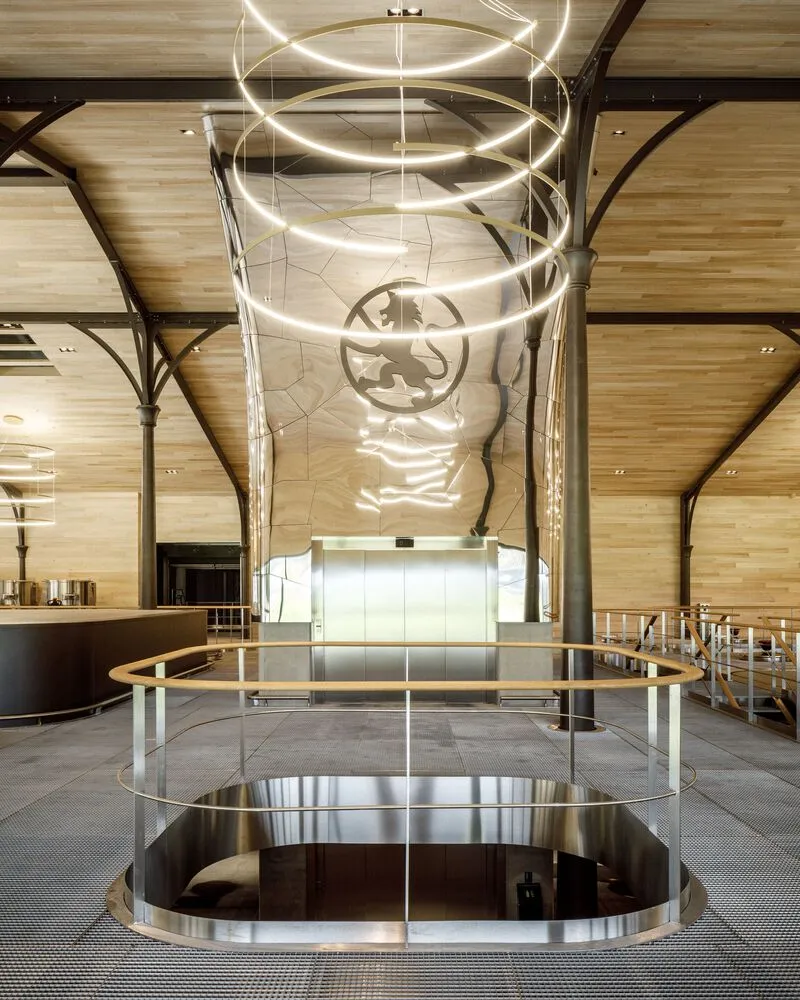
Modernization and Expansion of Wine Production
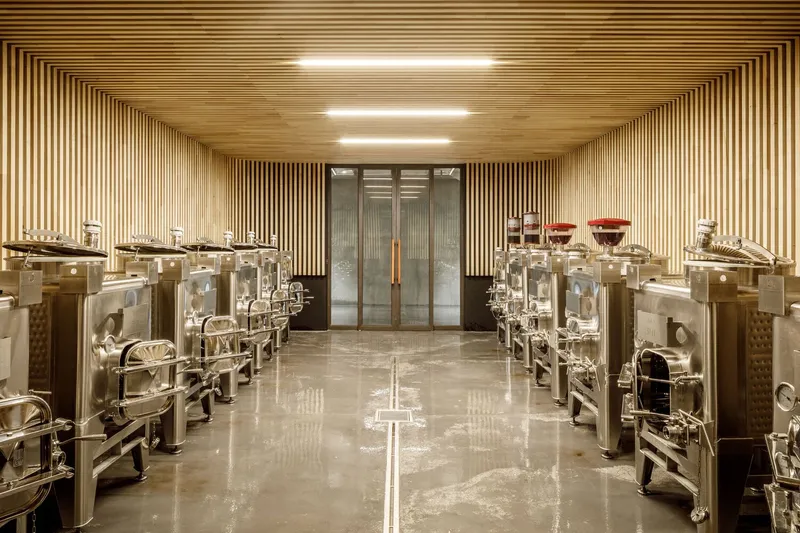
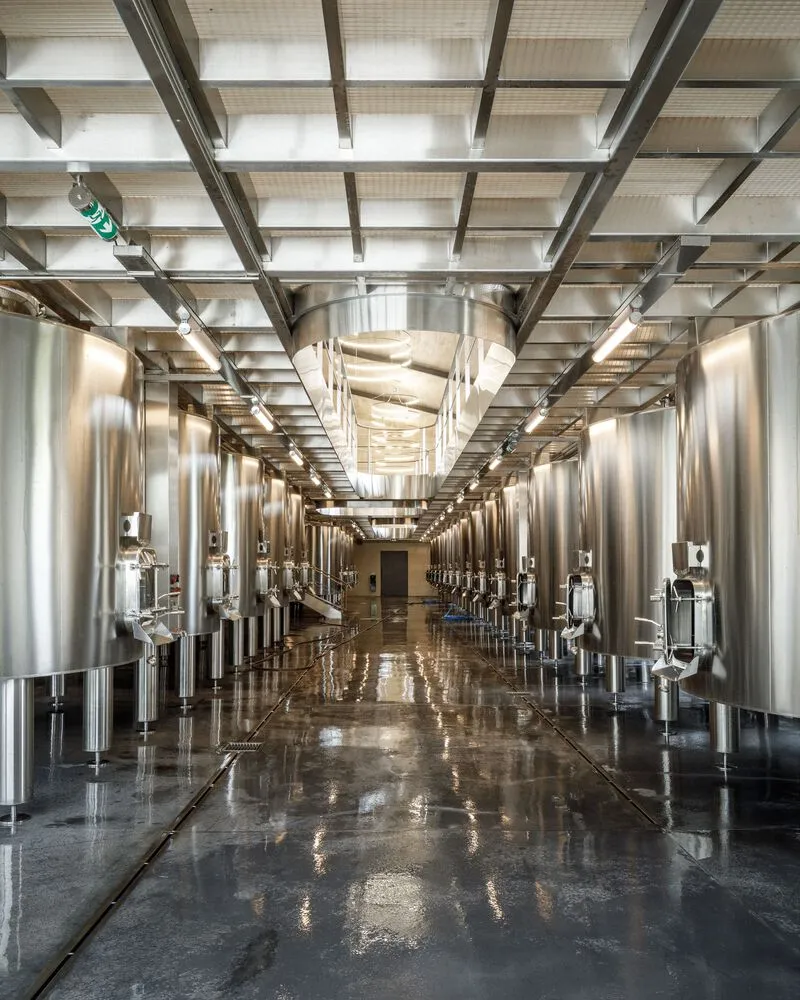
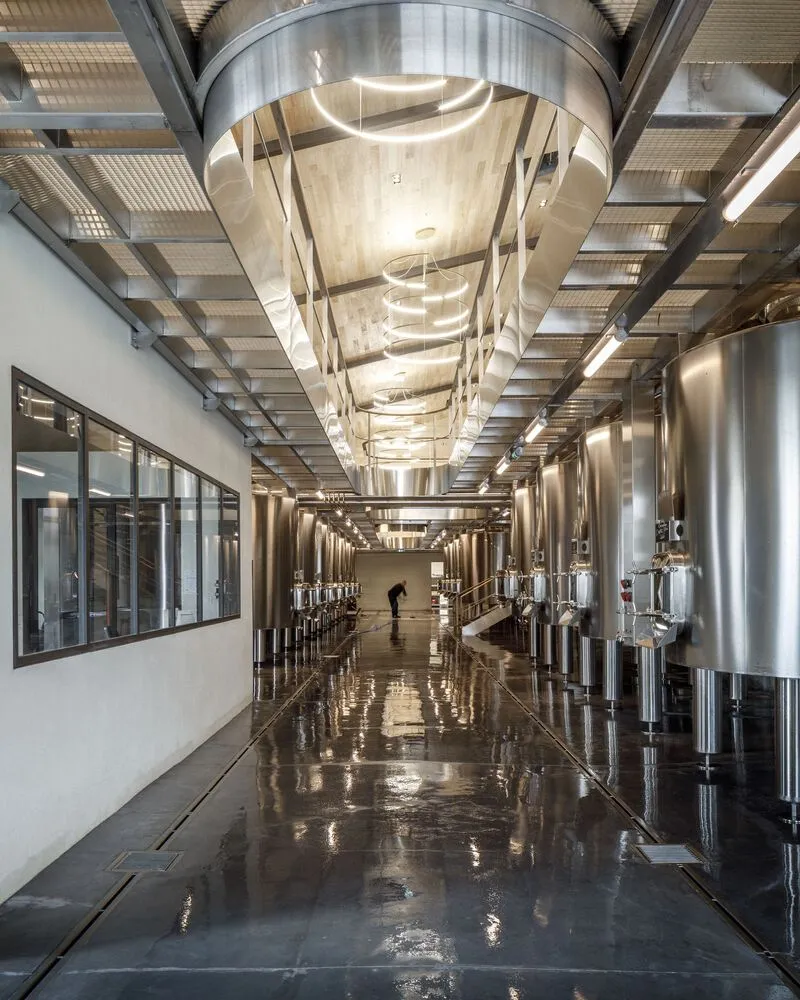
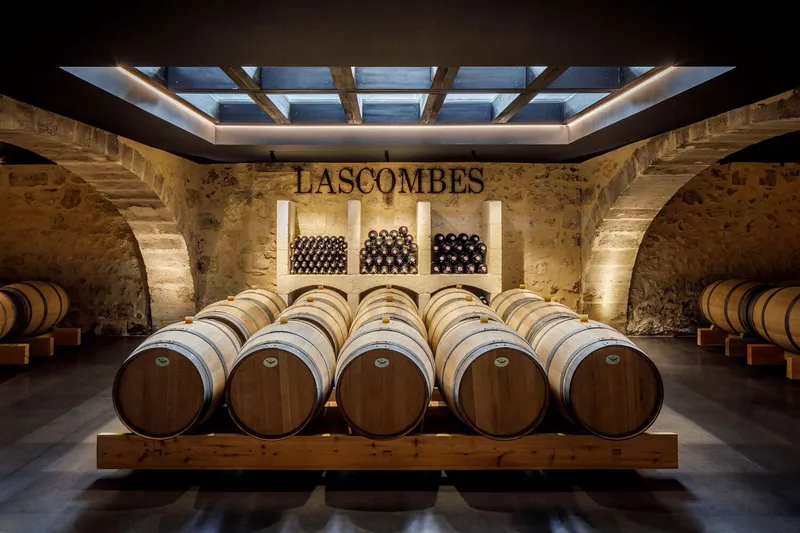
With the acquisition of new vineyard plots, Château Lascombes required a comprehensive rethink of its production unit. The project focused on expanding capacity, modernizing winemaking tools, and improving the working environment to meet the highest technical standards. From grape harvest processing to gravity-fed vat operations, every element was designed with precision to support the creation of exceptional wines.
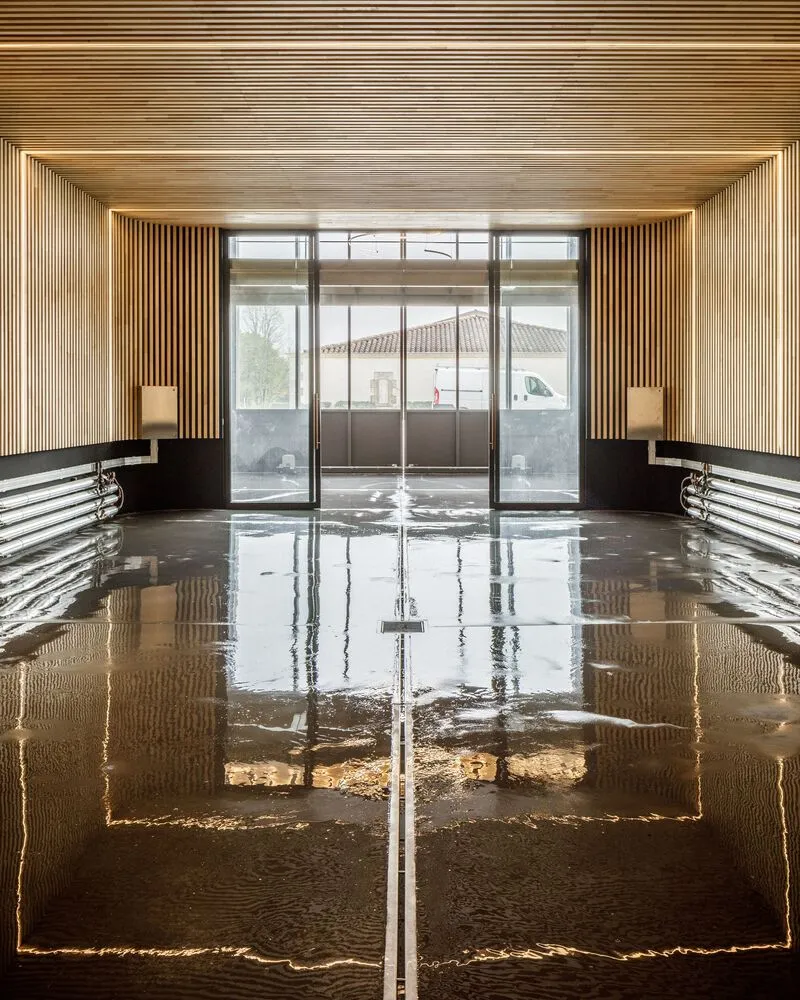
Architectural Continuity and Functional Design
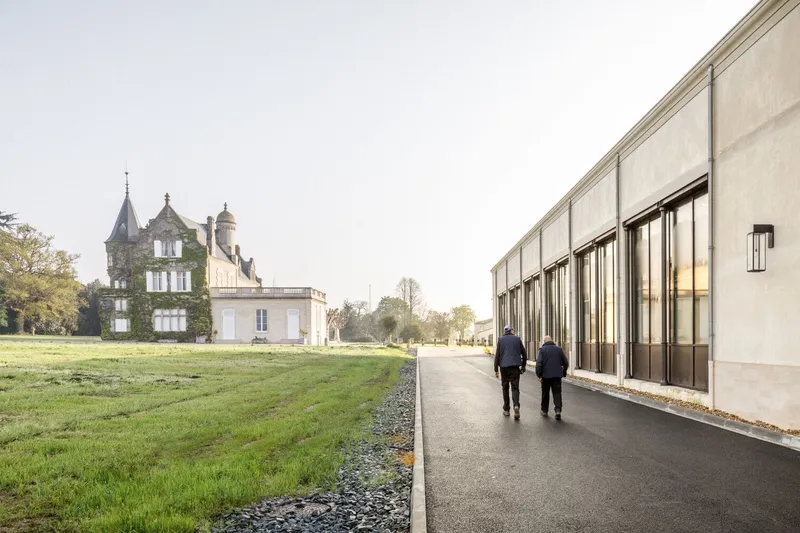
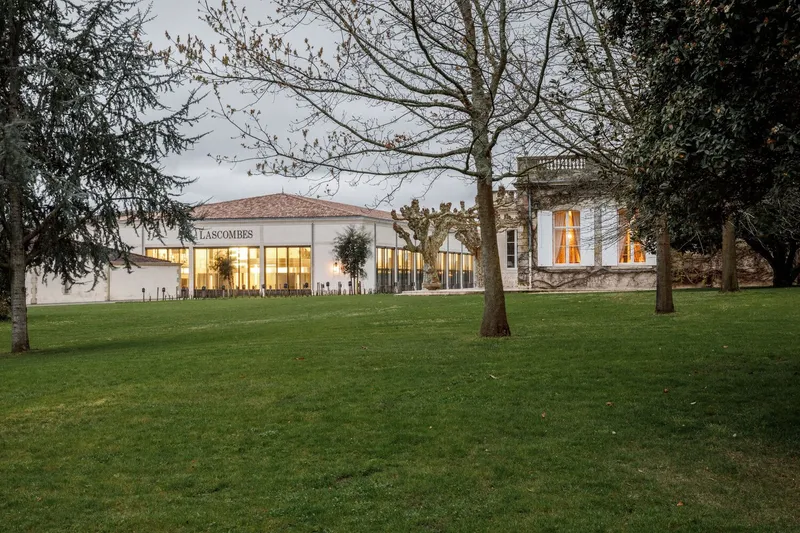
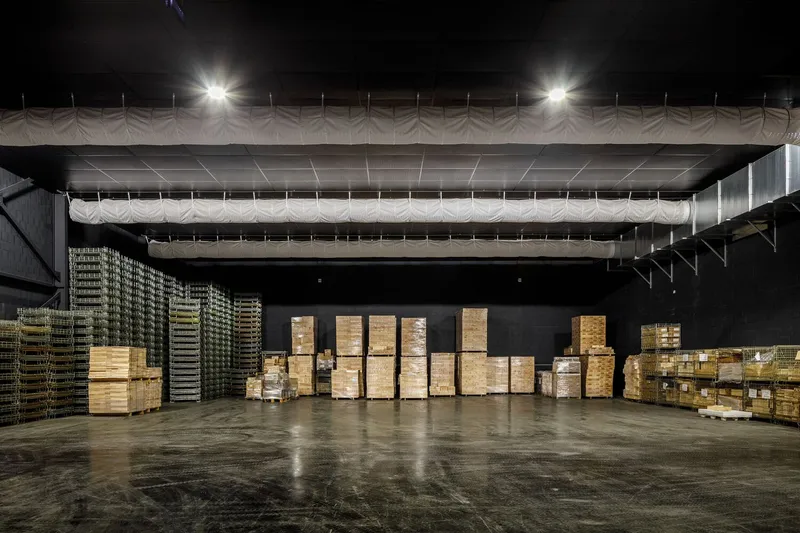
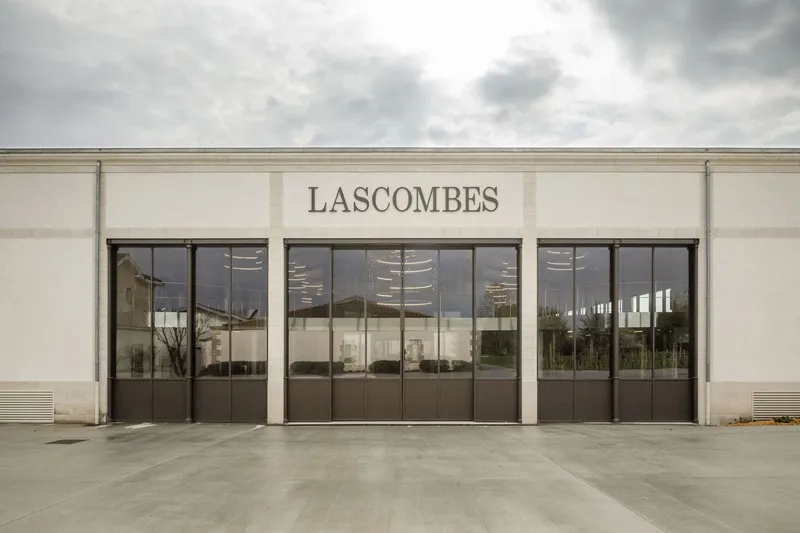
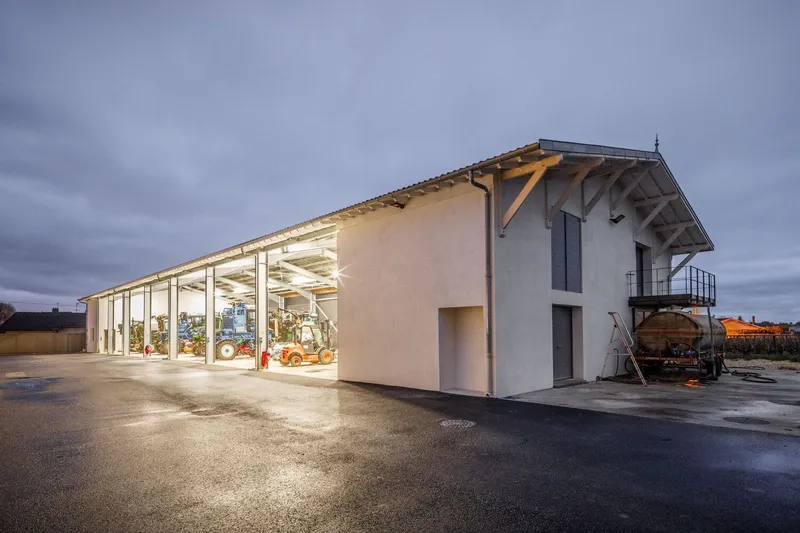
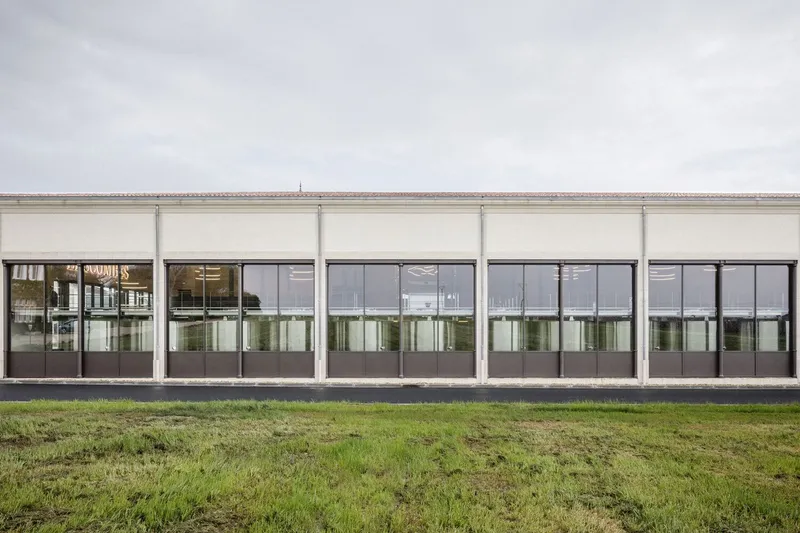
BPM Architectes approached the extension with respect for the estate’s historic character. The new barrel cellar, bottle storage, and winery auxiliary buildings: including sheds, tractors, and equipment storage, were designed to complement the existing structures without overpowering them. This careful approach ensures both flexibility and evolutivity in the winery, accommodating future production growth while preserving the estate’s architectural integrity.
Collaborative Planning and Technical Excellence
The project’s success is rooted in a collaborative process between the Château and the architects, initiated in 2018. Detailed specifications addressed every technical requirement, including vat capacity, workflow optimization, and sanitary storage. This precision-driven approach allowed the design team to create a winery environment that balances functional efficiency with architectural elegance.

Wine Tourism Integration
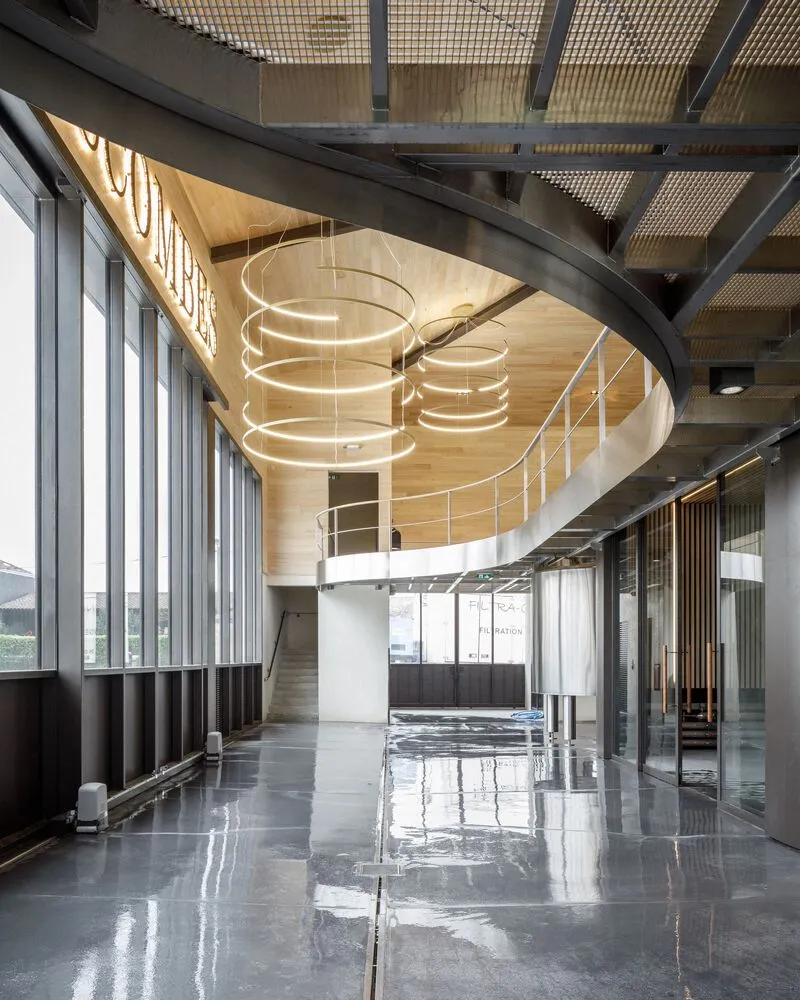
BPM Architectes has been instrumental in developing the estate’s wine tourism facilities. The tasting cellar and boutique, completed in 2018, provide visitors with a refined experience, seamlessly connecting the production areas with the hospitality zones.
This rehabilitation and extension project exemplifies the fusion of tradition and modernity, creating a winery that honors its historical roots while embracing the future of winemaking.
Project Details:
- Architects: BPM Architectes
- Area: 12,000 m²
- Year: 2021
- Manufacturers: Knauf, Zikkens, Zolplan
- Structural Work: Seg Fayat


Popular Articles
Popular articles from the community


David Ortega Stacks a Two-Story Mexico City Penthouse Around a Steel Stair and a Pergola-Shaded Roof Terrace
In Colonia Roma, a 300 m² penthouse uses oak joinery, a planted steel stair and a slatted roof pergola to make a new-build apartment feel like a house.

Juan García Correa, John González and Claudia Rueda Sink a Circular Amphitheater into a Manizales Engineering Building
On the La Nubia campus in Manizales, Colombia, the S1 Building folds labs and offices into a hillside of ramped lawns that double as a campus route.

David Macias Steps a Doorless Stone and Plaster House Down a Tropical Colombian Hillside
In the humid hills of Colombia, Threshold House replaces the front door with an open void and terraces its 850 m² down the slope instead of fighting it.

U.GA Architects Wraps an Oval Rooftop Pool in Curved Board-Formed Concrete on Busan's Jeollidan-gil
In Busan's Jeonpo-dong, a 454 m² mixed-use block stacks a neighborhood facility, guest rooms and an oval rooftop pool inside spiraling concrete walls.

Similar Reads
You might also enjoy these articles

Gil Mello Arquitetura Tilts a Single Roof Toward the Waterfalls on a Plateau Above Aiuruoca, Brazil
In Aiuruoca, Minas Gerais, a 200 m² house of local labor and reclaimed poles pairs a low valley veranda with a tall mountain one.
U.GA Architects Wraps an Oval Rooftop Pool in Curved Board-Formed Concrete on Busan's Jeollidan-gil
In Busan's Jeonpo-dong, a 454 m² mixed-use block stacks a neighborhood facility, guest rooms and an oval rooftop pool inside spiraling concrete walls.

Felipe Hess Arquitetos Turns a Blind Stone Wall to the Street and Opens a Brazilian House onto a Courtyard and Canal
A canal-front house in Brazil hides behind painted stone and planting, then opens to an olive-tree courtyard, a reed-ceilinged porch and a curving pool.
David Macias Steps a Doorless Stone and Plaster House Down a Tropical Colombian Hillside
In the humid hills of Colombia, Threshold House replaces the front door with an open void and terraces its 850 m² down the slope instead of fighting it.

Explore Architecture Competitions
Discover active competitions in this discipline

Challenge to reimagine the Iron Throne

Photograph architecture without architects

Illustrate the lost glory of Angkor Wat - Render Challenge

Design challenge to reuse E-waste
Comments (0)
Please login or sign up to add comments
No comments yet. Be the first to comment!