
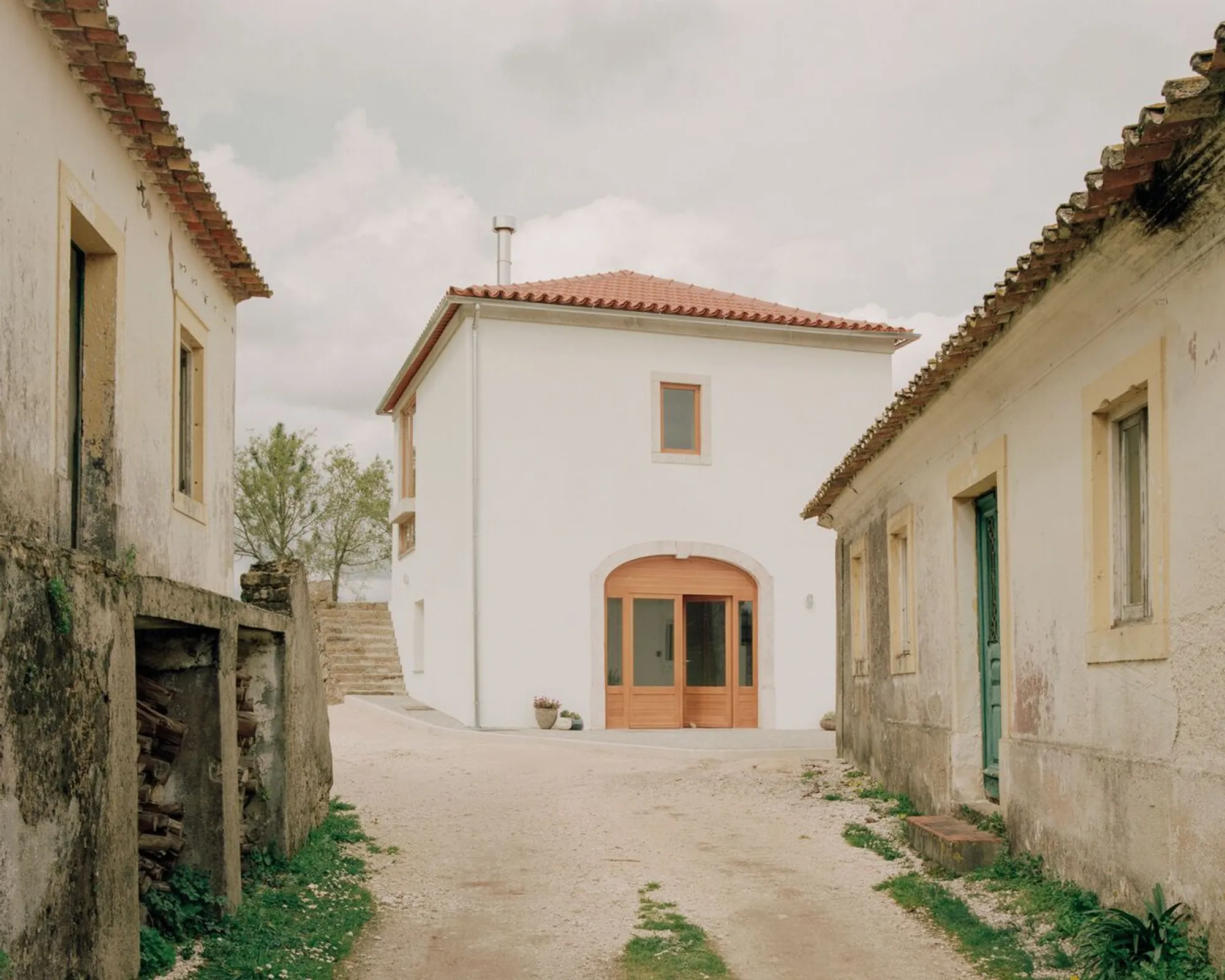
Chumbaria Village Hemp Brick House by Arquitectura Viva
A sustainable renovation in Portugal, transforming a historic barn into hemp-block lodgings, blending exposed traditional and contemporary materials.


Architects: Arquitectura Viva
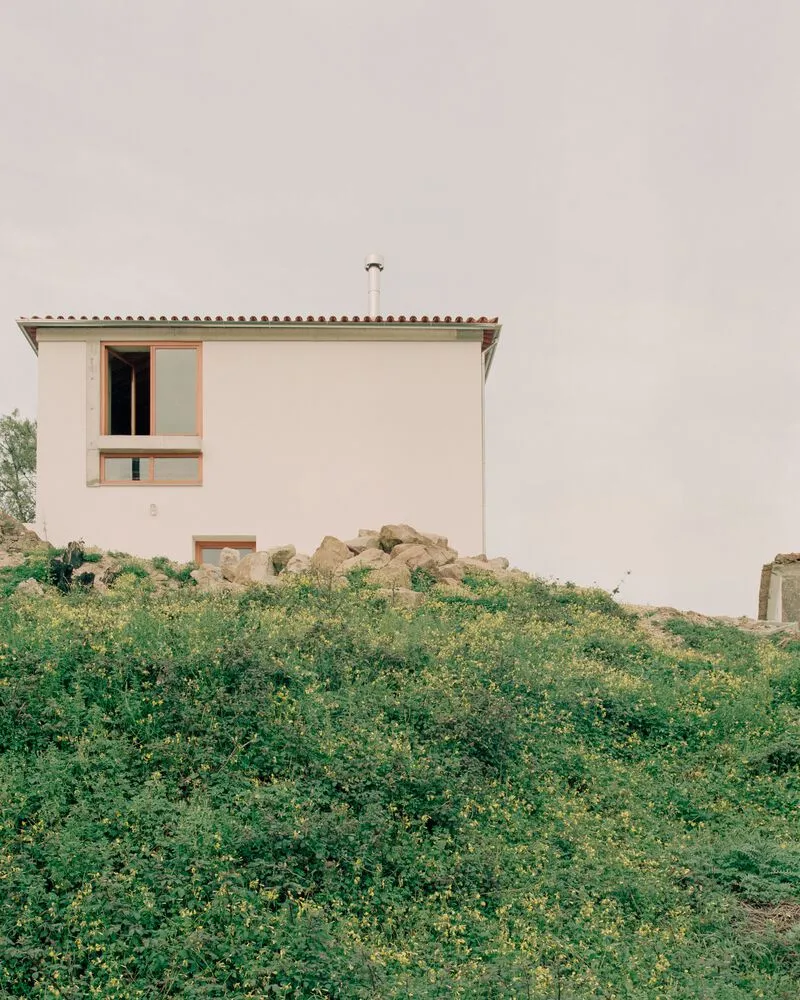
The Chumbaria Village Hemp Brick House is a pioneering project in sustainable residential renovation and adaptive reuse in Portugal. Located in Leiria, this project involved the transformation of a historic abandoned village consisting of six dilapidated building complexes, purchased by a British couple with the vision of restoring the site into a vibrant wellness-focused retreat. The village now aims to host permaculture workshops, yoga, and holistic wellness programs, promoting eco-friendly tourism while preserving cultural heritage.

Adaptive Reuse of a Traditional Barn
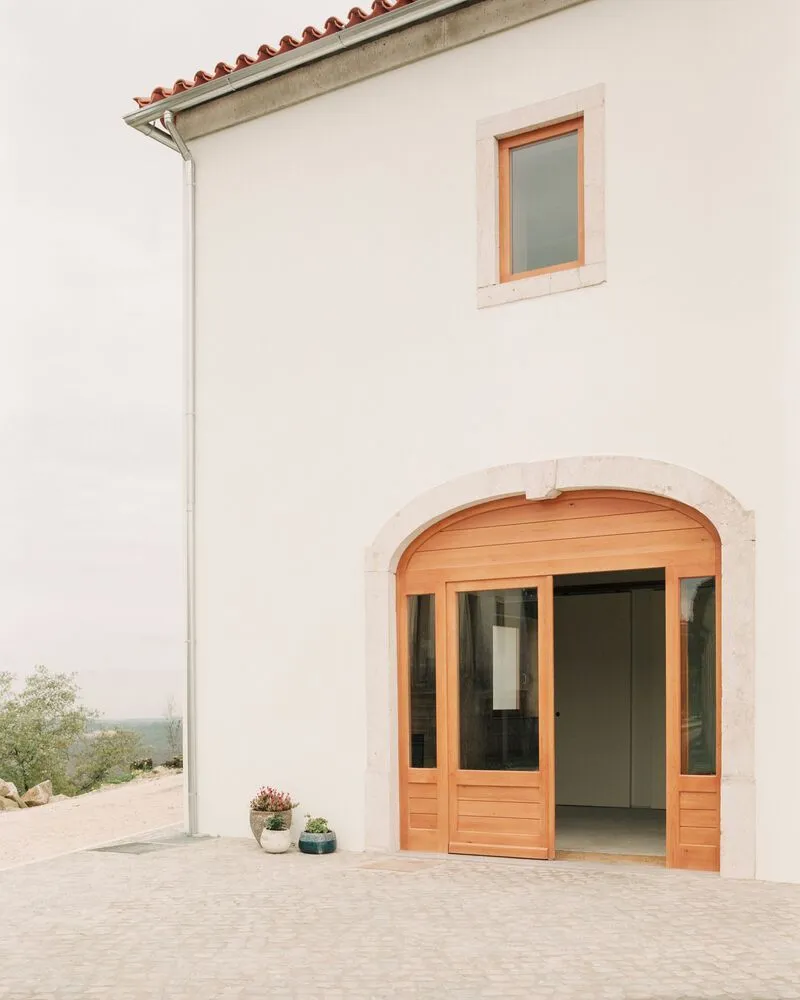
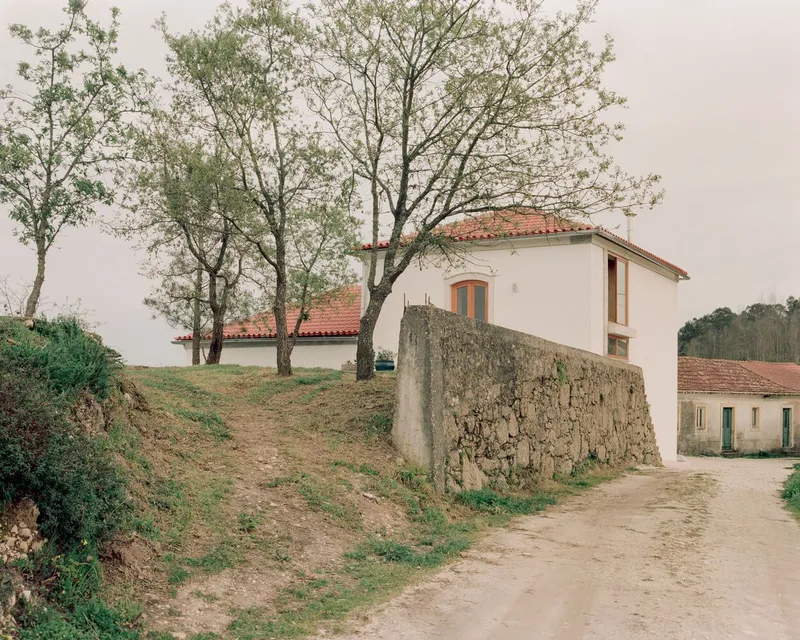
The building selected for the first phase of rehabilitation originally functioned as a stable on the ground floor, with a granary or dwelling above, reflecting typical Portuguese rural architecture. After a fire destroyed the original flooring and roofing a decade ago, the owners sought to convert the barn into two contemporary lodgings, carefully integrating modern amenities without compromising the historic character of the structure.
To reinforce the building’s structural integrity and accommodate larger openings for natural light and scenic views, concrete supports were introduced. This intervention allowed the interiors to merge seamlessly with the surrounding landscape, enhancing both visual and spatial connectivity.

Innovative Use of Hemp Concrete
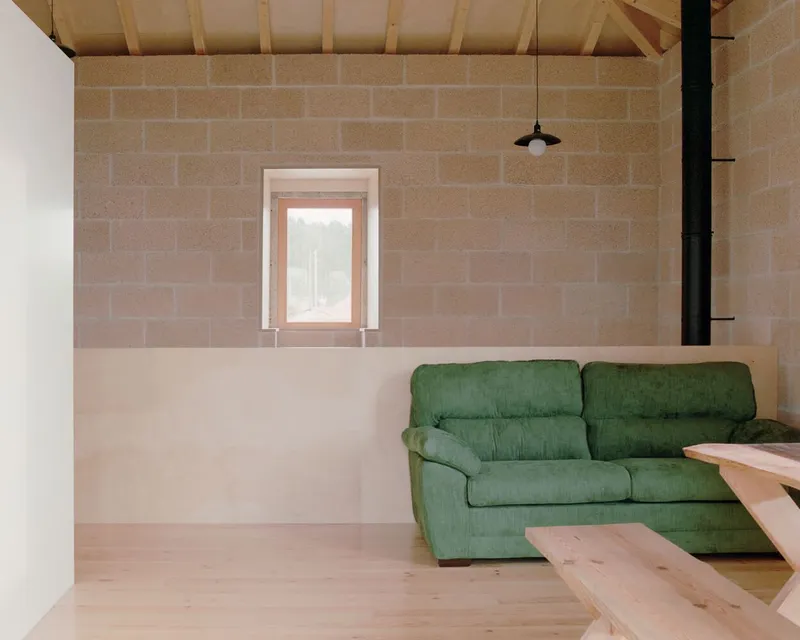
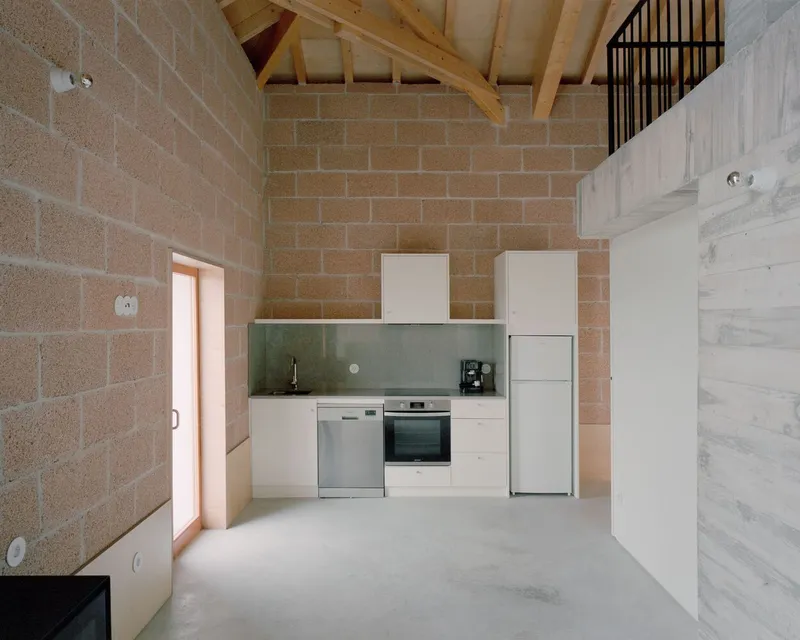
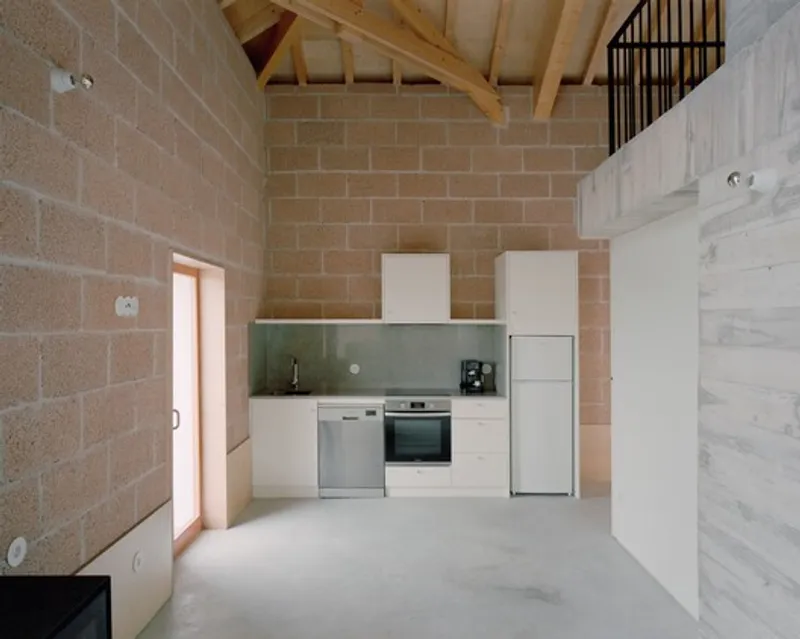
One of the most striking features of the renovation is the use of hemp concrete blocks for interior walls. These blocks provide excellent thermal insulation and acoustic comfort, reducing energy consumption and improving indoor environmental quality. Initially intended to be plastered over, the exposed hemp brick texture became a central design feature, emphasizing the material’s natural beauty and sustainability.
The roof’s wooden structure was meticulously replaced and left exposed, creating a warm, tactile environment that highlights traditional craftsmanship. On the ground floor, a polished screed finish complements the exposed concrete structural elements, while the upper floor features a wooden floor resting on a visible timber framework.
Harmonizing Tradition and Modernity
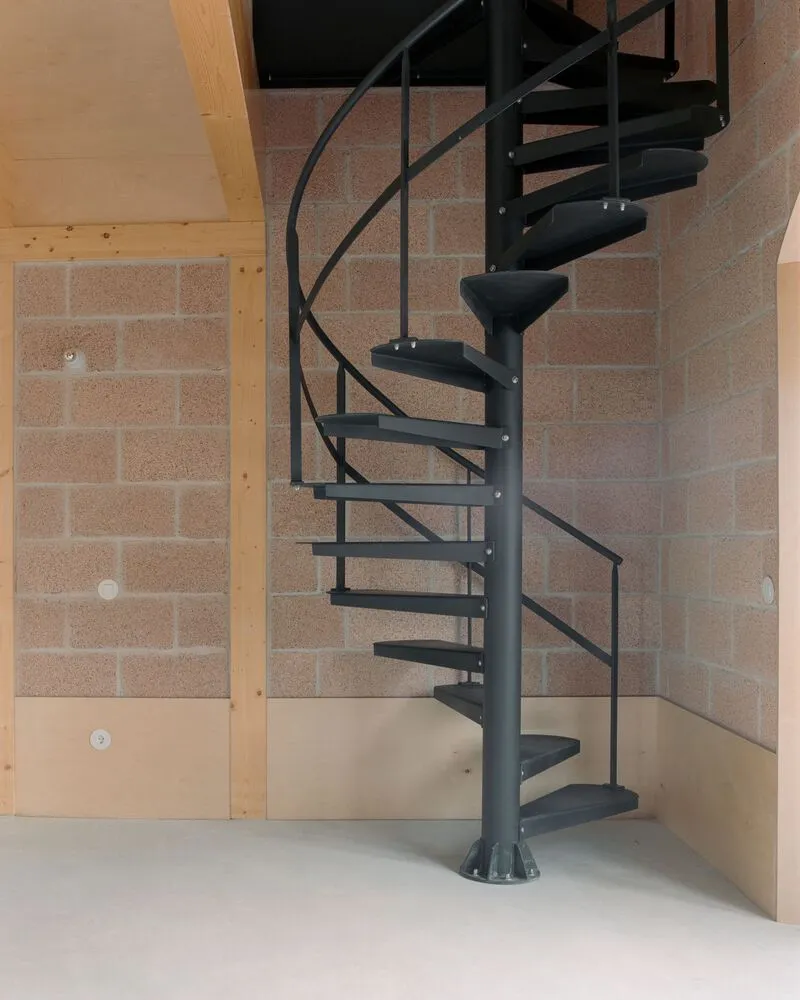
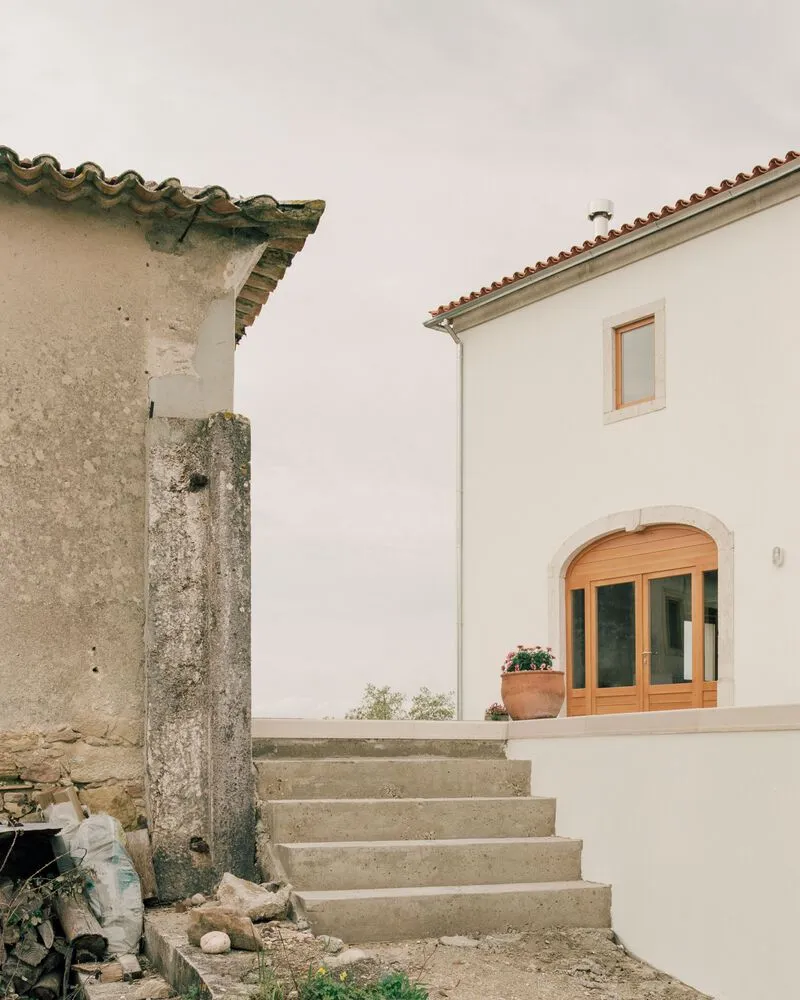
The project successfully balances traditional architectural features with contemporary design elements. Stone masonry walls and wooden roofs retain the building’s authentic rural character, while steel staircases, expansive glazing, and concrete details introduce a modern aesthetic. This combination of historic preservation and contemporary intervention creates a unique identity for the village, making it a compelling example of sustainable rural renovation.
The architects’ philosophy emphasizes using materials honestly and naturally, showcasing their function without unnecessary finishes or coverings. Every element, from exposed hemp blocks to raw concrete beams, reinforces a narrative of authenticity, sustainability, and thoughtful design.
A Model for Eco-Friendly Rural Architecture
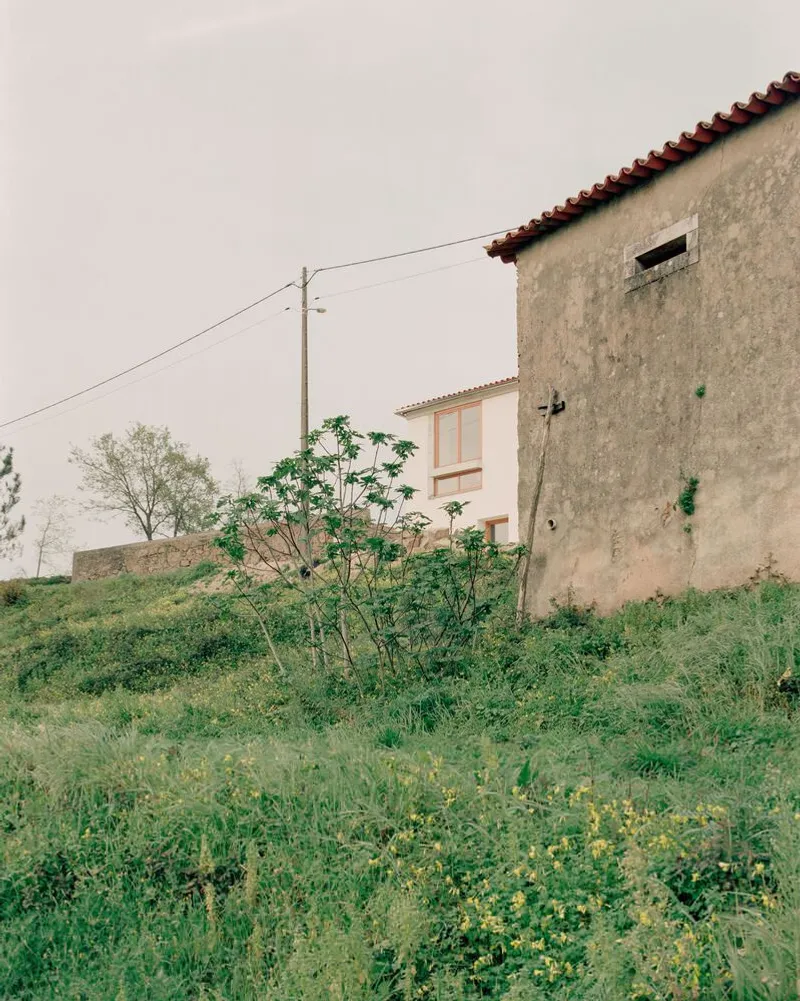
The Chumbaria Village Hemp Brick House demonstrates how abandoned historic buildings can be transformed into sustainable, functional, and visually engaging spaces. It highlights the potential of hemp concrete, adaptive reuse, and integrated design strategies in creating wellness-oriented retreats that harmonize with nature.
This project serves as a benchmark for eco-conscious residential renovation, blending cultural heritage preservation, modern architecture, and sustainable living in a rural Portuguese context.

All photographs are works of
Hugo Santos Silva



Popular Articles
Popular articles from the community


Hill & Cross Opera: Sculptural Opera House Architecture Shaped by Tallinn’s Landscape and Identity
Hill & Cross Opera reimagines opera house architecture in Tallinn through its sculptural hill, civic plaza, glass wave and a luminous cross.

Play: Fragments of Their World
Familiar architecture becomes modular playground design, creating safe spaces where displaced children can learn, connect, imagine and play.

Conexión: Biophilic Design Reimagines High-Rise Living in Hong Kong
Conexión reimagines high-rise living in Hong Kong through biophilic design, green facades, shared spaces, daylight, water and nature within.

Riyadh For All: Intergenerational Urban Design for Active Aging in Rabat
Riyadh For All reimagines urban design in Rabat with intergenerational co-living, adaptive courtyards, and Moroccan cultural exchange today.

Similar Reads
You might also enjoy these articles


FAMM Arquitectura Organizes Ten Villas Around Courtyards and Jungle in Nosara, Costa Rica
El Molino pairs two elongated volumes with deep overhangs and timber louvers to build a compact coastal community five minutes from the beach.

Oscar Niemeyer's Ibirapuera Park Pavilions Define São Paulo's Cultural Identity in Concrete and Curve
A constellation of modernist volumes set within São Paulo's most important urban park, conceived for the city's 400th anniversary in 1954.
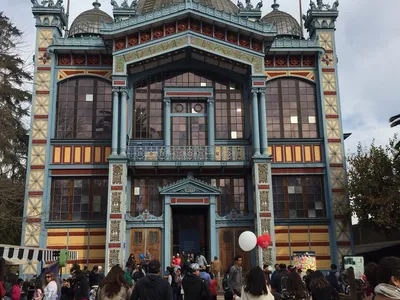
How Henri Picq's 1889 Paris Pavilion Traveled 11,000 Kilometers to Become Santiago's Artequín Museum
A prefabricated iron and glass pavilion built for the Paris Universal Exposition found a second life as a children's art museum in Chile.

Sanjay Puri Architects Wraps a Jaipur Office Tower in Capsule-Shaped Green Buffers
A nine-level climate-responsive workplace near Jaipur Airport uses stacked planter terraces and aluminium screens to fight 40°C heat.

Explore Architecture Competitions
Discover active competitions in this discipline



Challenge to reimagine the Iron Throne


Photograph architecture without architects


Illustrate the lost glory of Angkor Wat - Render Challenge


Design challenge to reuse E-waste
Comments (0)
Please login or sign up to add comments
No comments yet. Be the first to comment!