
Craft Center of Traditional Japanese Art: A Fusion of Historical and Modern Architecture
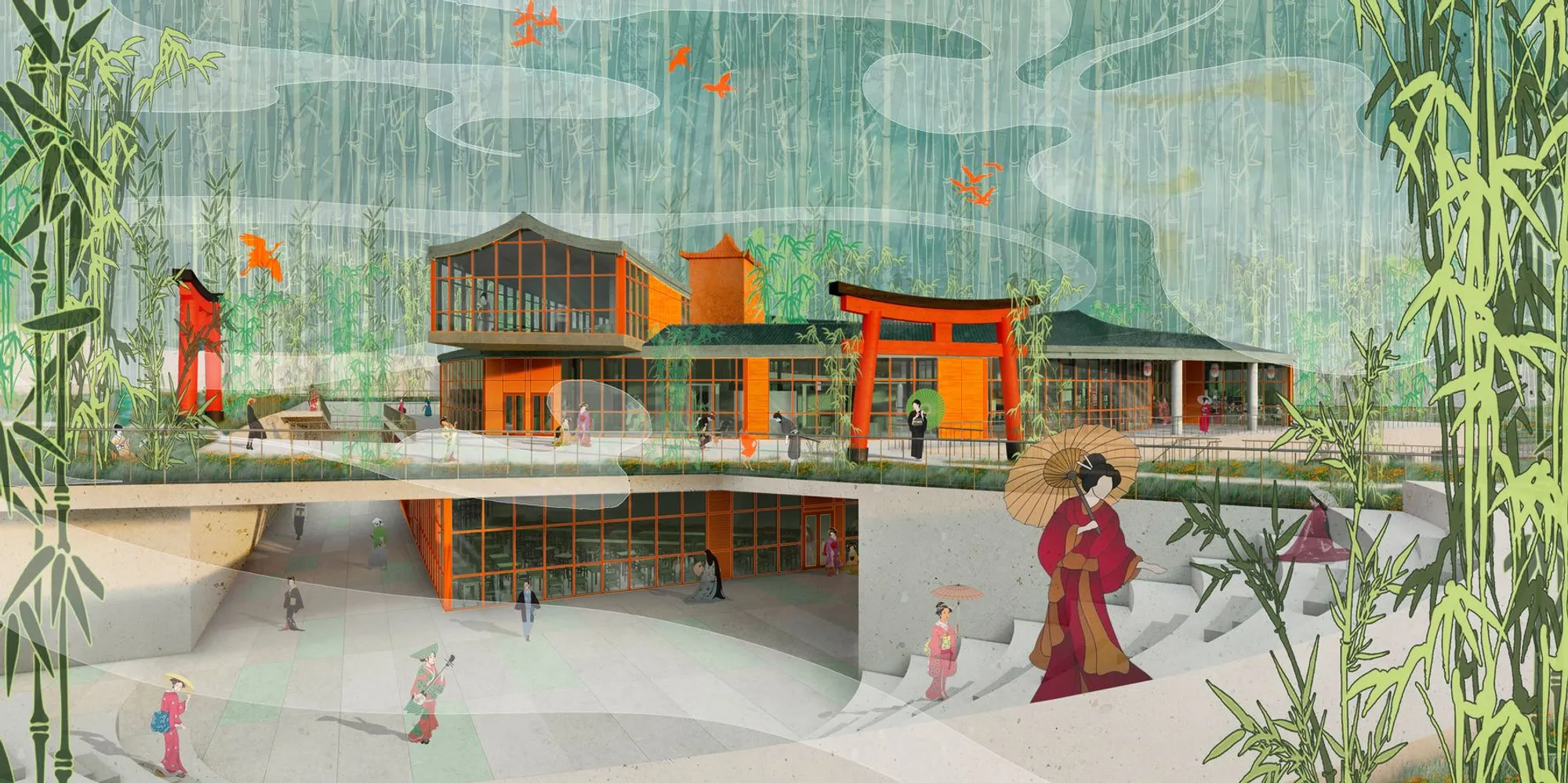
The Craft Center of Traditional Japanese Art blends historical and modern architecture in Akita, Japan.


The Craft Center of Traditional Japanese Art, created by Lisa Nast and shortlisted entry in the Tedzukuri competition, embodies the harmonious blend of historical and contemporary architecture. This innovative design features a historical bottom and a ductile top, symbolizing the seamless integration of tradition and modernity.
Architectural Concept
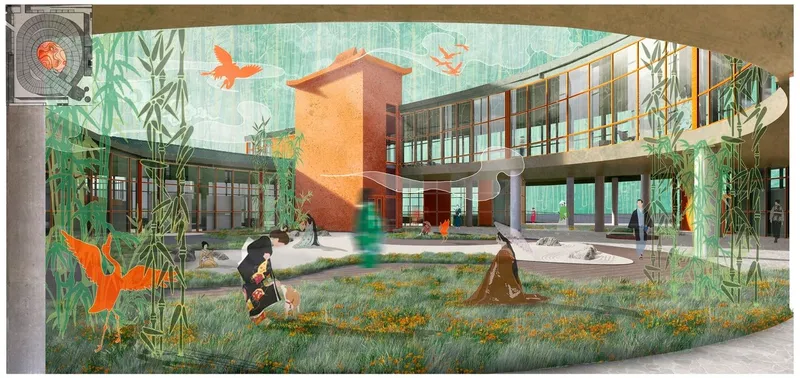
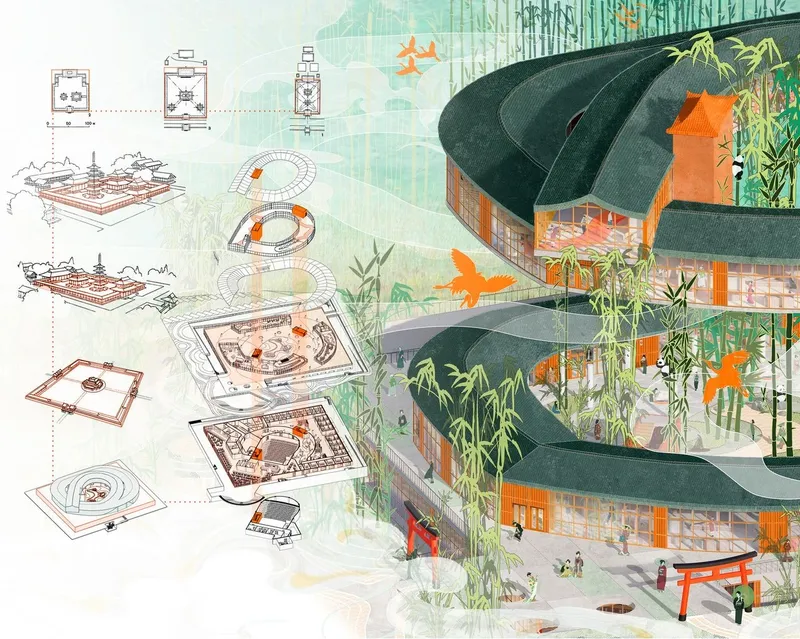
The building's bottom part is a rectangular structure inspired by traditional Japanese monasteries, reflecting the rich cultural heritage of Japan. In contrast, the top part is designed to resemble a writhing snake, adding a dynamic and modern twist to the architecture. This combination not only honors traditional aesthetics but also introduces a contemporary element that sets the building apart.
Site and Location
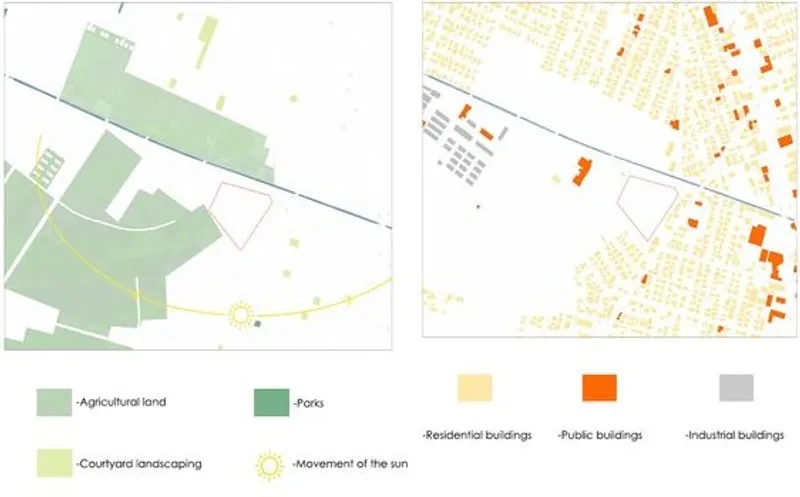
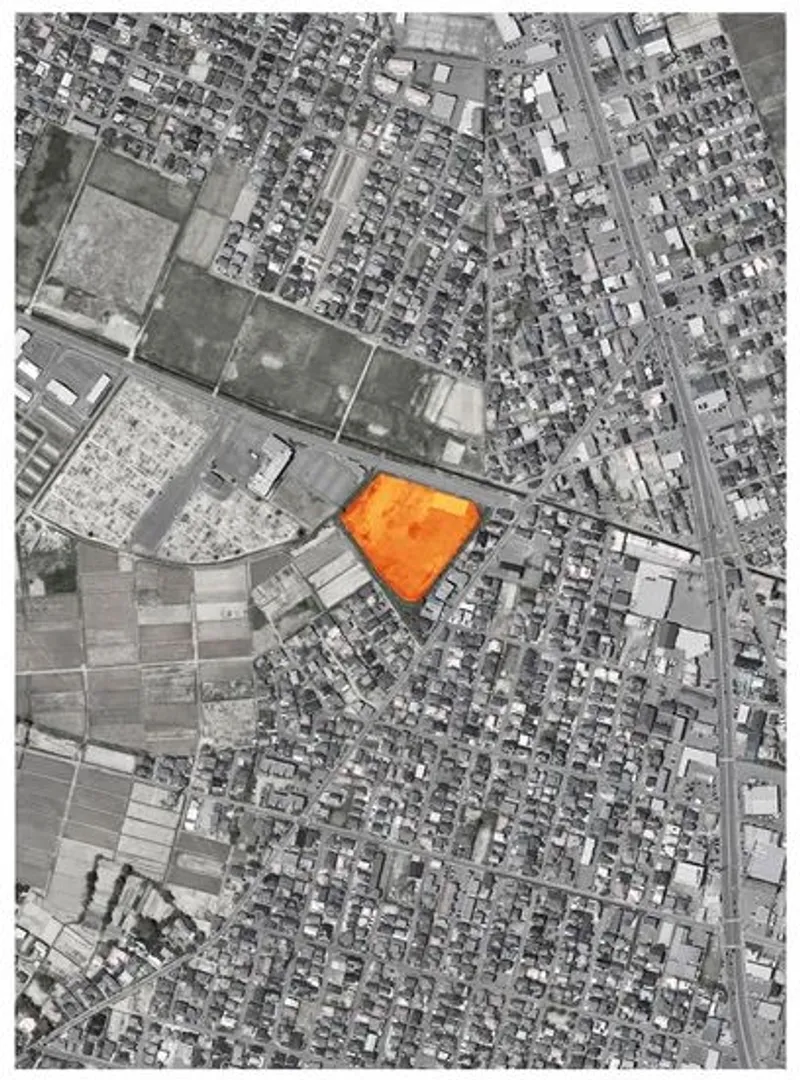
Located in the western part of the Tohoku region in Akita, Japan, the site covers an area of 1.14 hectares. It is surrounded by residential buildings to the east and agricultural land to the west, providing a serene and picturesque environment. The building is separated from the city by a moat, enhancing its tranquility and detachment from the bustling urban life.
Ground Floor
The ground floor hosts various individual volumes, each dedicated to a specific function:
Exhibition Space: Showcases traditional Japanese art.
Visitor Centre: Welcomes guests and provides information.
Souvenir Shop: Offers unique, handcrafted items.
Exhibition-Cafe: Combines art display with a café experience.
Kitchen: Supports the café and dining areas.
Library-Cafe: A quiet space for reading and relaxation.
Bathrooms: Accessible facilities for visitors.
Room for Employees: Provides staff with a comfortable working environment.
Storeroom: Ensures ample storage for various needs.
First Floor
The first floor features an open workshop, symbolizing the Buddhist path, where visitors can witness the meditative process of traditional Japanese art creation. This space encourages engagement and learning, allowing interested individuals to participate in the artistic process.
Underground Floor
The underground floor, reflecting the rectangular structure of traditional monasteries, includes:
Accommodation for Artists: Comfortable living spaces for resident artists.
Recreation Area: A place for relaxation and socialization.
Workshops: Dedicated spaces for creating traditional art.
Auditorium: A 350-seat venue for performances and presentations.
Foyer: A welcoming space for gatherings.
Food Court: Offers various dining options.
Bar: A place for refreshments.
Kitchen: Supports the food court and bar.
Storage: Additional space for storing materials and equipment.
Room for Employees: Comfortable facilities for staff.
Bathrooms: Convenient facilities for visitors and staff.
Curator's Office: Workspace for the curator.
Director's Chamber: Office for the director.
Storerooms: Ample storage for various needs.
Conference Room: Space for meetings and discussions.
Amphitheater: An outdoor space for performances and gatherings.
Artistic Premises: Dedicated spaces for artists to work.
Storerooms: Ensures adequate storage for all requirements.
Energy Efficiency
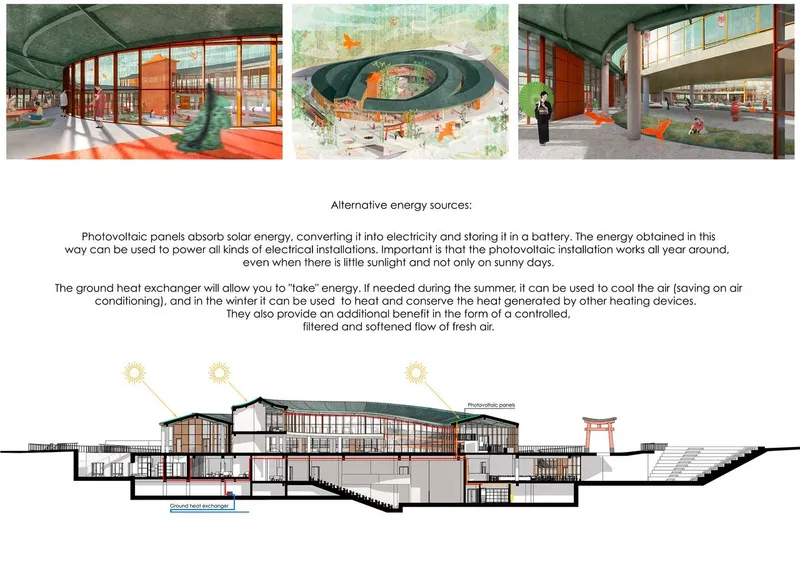
The center integrates alternative energy sources to promote sustainability. Photovoltaic panels absorb solar energy, converting it into electricity to power various installations. These panels function year-round, even with minimal sunlight. Additionally, a ground heat exchanger is used to regulate temperature, cooling the air in summer and heating it in winter. This system also provides a controlled, filtered, and softened flow of fresh air.
Design Inspiration
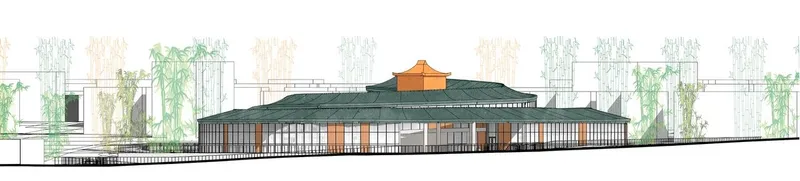
The building is covered with a glazed facade inspired by shoji, traditional Japanese paper screens. The central space features a rock garden, known for meditation and detachment from daily life, enhancing the tranquil atmosphere. The architectural environment is primarily formed by residential buildings, with public transport stops within walking distance, ensuring easy accessibility.
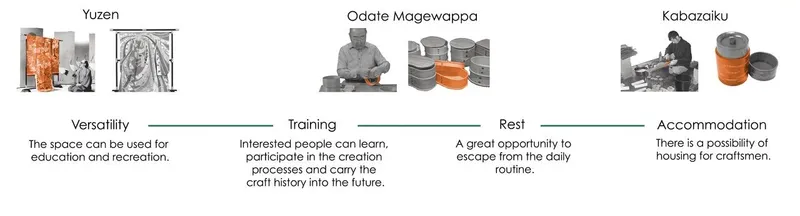
The Craft Center of Traditional Japanese Art is a testament to the seamless blend of historical and modern architecture. Its innovative design, inspired by traditional Japanese monasteries and contemporary elements, creates a unique space that honors cultural heritage while embracing modernity. The center offers a versatile environment for education, recreation, and artistic creation, making it a vital addition to the cultural landscape of Akita, Japan.


Popular Articles
Popular articles from the community


The Ocean Hive: Sustainable Architecture for a Self-Sufficient Civilization at Sea
The Ocean Hive imagines sustainable architecture at sea, where modular habitats, algae, wave power and ocean waste sustain a growing colony.

The Musturak Paradise: Senior Living Architecture for a Connected Future in Temara, Morocco
The Musturak Paradise reimagines senior living architecture in Temara via private homes, social spaces, culture, community, and shared care.

Lunar Spiral: Space Architecture Shaped by the Mathematics of the Universe
Lunar Spiral reimagines space architecture through Fibonacci geometry, lunar regolith, levitating habitats, and self-sustaining Moon living.

Co-Life: Senior Housing Design That Reconnects Older Adults With the City
Co-Life reimagines senior housing design through healing gardens, shared streets, workshops, and a sustainable community across generations.


Similar Reads
You might also enjoy these articles

Day and Night Park: A Time-Based Urban Newsstand in Beijing
A temporary urban newsstand in Beijing blending travel, light, and reading through poetic colors, compact form, and community-focused design.

Modernist Patio Renovation in El Masnou, Barcelona by Oliver Segura Arquitectura + Cebrià Arquitectura
Modernist patio renovation blending tradition and innovation with a movable pool, leveled floors, and Catalan materials in El Masnou.

Alto Residencial Coop: Cooperative Housing Development in Santiago de Compostela by Carbajo Barrios Arquitectos
A linear cooperative housing complex blending white volumes and perforated metal façades, enhancing community living, natural light, privacy, and urban integration.
Vil Genis School by BPA ARCHITECTURE – Massy, France
Vil Genis School in Massy, France, features sustainable design, south-facing classrooms, community integration, accessible spaces, and modern educational architecture.


Explore Arts & Crafts Competitions
Discover active competitions in this discipline



Challenge to reimagine the Iron Throne


Photograph architecture without architects


Illustrate the lost glory of Angkor Wat - Render Challenge


Design challenge to reuse E-waste
Comments (0)
Please login or sign up to add comments
No comments yet. Be the first to comment!