

Daroca Arquitectos Transforms El Cercado into a Breathtaking Rural Haven
Can Daroca Arquitectos' Rural Residence El Cercao redefine the concept of modern countryside living?


The existing building, dating from 1920, was in a state of disrepair due to its abandonment. It was a house consisting of three parallel bays, with load-bearing walls spanning between 3.5m and 4.5m. The oldest bay to the east was covered with ceramic tile, with a chimney and wooden pairs in good condition. The westernmost bay was of poorer construction quality, with the intermediate slabs of the second floor being deteriorated. Initially, the plan was to restore the existing building to its traditional single-family house state, with the replacement of floors and roofs, as well as underpinning of foundations and new structural elements. However, due to the technical and economic difficulties, as well as the structural danger it entailed, a different concept was adopted. This involved inverting the uses, with the most immediate action being to support the walls and roofs of the existing building. The new house, a single-storey U-shaped building, embraced the old building from the west and provided structural consolidation through strapping and footings. The old rooms became the free spaces or courtyards of the new house. The walls were maintained and braced, with some roofs being demolished and others restored. The classic image of the farmhouses of Andalusia was established through the combination of white walls with few openings, and the inclined planes of ceramic tile, wooden pergolas, and whitewashed walls.


Popular Articles
Popular articles from the community

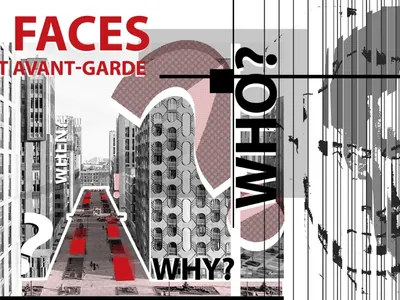
Faces of the Soviet Avant-Garde: Turning Moscow's Street Names into an Open-Air Museum
A network of sculptural installations across a Moscow residential district transforms forgotten architect names into spatial encounters with cultural memor
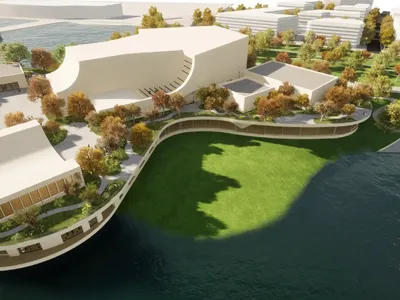
The Amber Palace Opera: A Geological Fiction Surfaces on Tallinn's Baltic Waterfront
Pierre Brillard reimagines a Baltic legend as a public landscape, opera house, and waterfront promenade rooted in Tallinn's coastal identity.
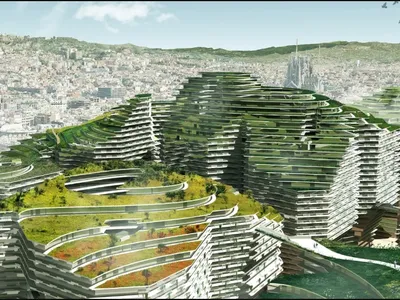
Manzana Morphosis: Stretching Barcelona's Grid into a Living Landscape for 2050
A radical reworking of the Eixample manzana turns density into a tool for generous public space, vertical ecology, and environmental performance.
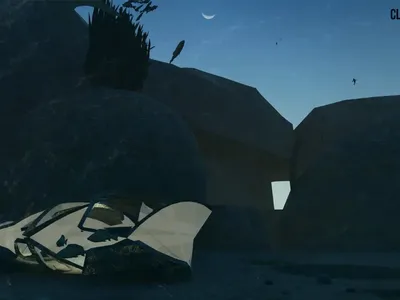
Cloaked Colonization: A Mobile Underwater Habitat That Moves Like a Fish
Micah Abaya's shortlisted EHC Pacific entry reimagines ocean settlement as a dispersed network of self-sustaining architectural organisms.

Similar Reads
You might also enjoy these articles
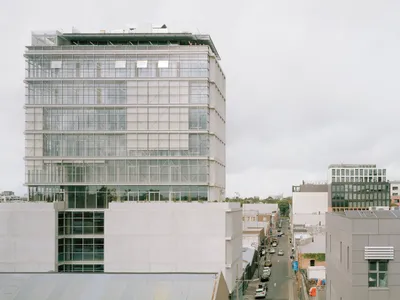
116 Rokeby Building, Collingwood
Sustainable Collingwood office building featuring double-skin façade, natural ventilation, rooftop amenities, and carbon-neutral design focused on wellbeing and longevity.
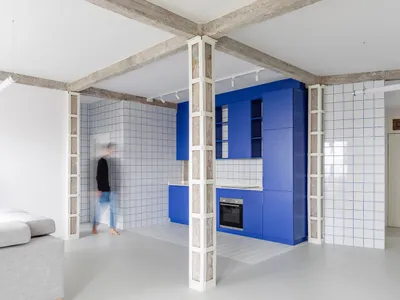
Contemporary Apartment Renovation in Spain: RV House by BIAN Opens Up to the Sea
A minimalist 1930s apartment in Santander is transformed into a flexible, sea-facing home through contemporary Spanish renovation.
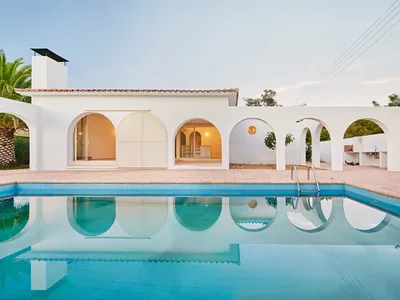
3 Marías House: A Contemporary Mediterranean Courtyard Retreat by Bajet Giramé + Burckhardt
Mediterranean courtyard home blending traditional architecture with modern design, terracotta flooring, flexible interiors, sustainable climate strategies, and garden integration.
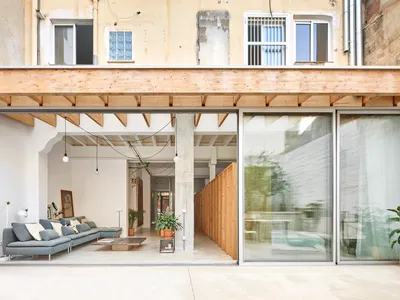
NZ10 Apartment by auba studio: Adaptive Reuse in Palma de Mallorca
Adaptive reuse apartment transforms bakery into light-filled home with patios, privacy layers, and wood interiors enhancing urban living experience.

Explore Architecture Competitions
Discover active competitions in this discipline

Challenge to reimagine the Iron Throne

Photograph architecture without architects

Illustrate the lost glory of Angkor Wat - Render Challenge

Design challenge to reuse E-waste
Comments (0)
Please login or sign up to add comments
No comments yet. Be the first to comment!