

DC Alexander Park By Brooks + Scarpa Architects – A Model of Resilient Coastal Design in Fort Lauderdale
DC Alexander Park in Fort Lauderdale transforms a coastal parking lot into a resilient, eco-friendly park with dunes, hammocks, and accessible recreation.


DC Alexander Park, designed by Brooks + Scarpa Architects, is a transformative public park and coastal infrastructure project located in Fort Lauderdale, Florida. Completed in 2022, this 52,300 m² park exemplifies resilient design, integrating flood mitigation, sustainable landscaping, and public recreation within a vulnerable coastal environment. The project converts a former asphalt parking lot into a vibrant, ecologically sensitive space that balances urban recreation, resilient infrastructure, and environmental restoration.
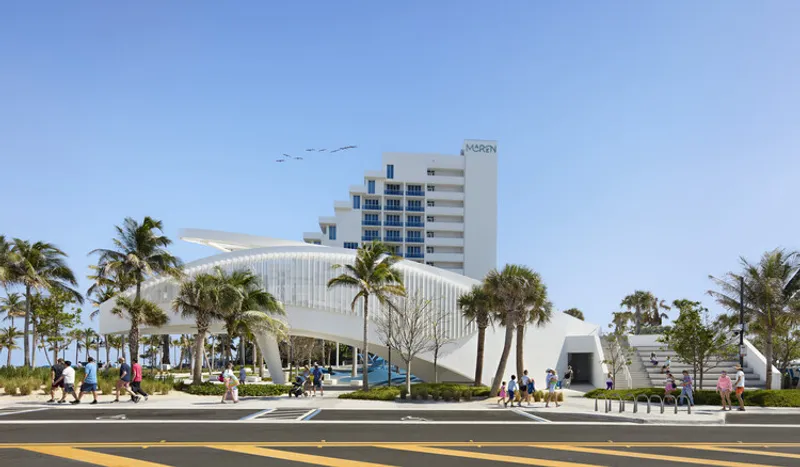
The park addresses the challenges of coastal flooding, salt spray, and storm surge, which are common in South Florida’s extreme beach conditions. By reimagining the former parking lot, the design introduces coastal dune ecosystems and tropical maritime hardwood hammocks, creating a naturalized upland environment that protects inland investments while providing a dynamic recreational landscape. Rubberized play surfaces integrate seamlessly with vegetated dunes, creating a “boundless playscape” where visitors of all ages can safely explore.


A key feature of DC Alexander Park is its cantilevered beach overlook, rising 25 feet above the site, which provides panoramic views of the shoreline while acting as a resilient infrastructure element against rising sea levels. Ramped access ensures universal accessibility, making the park inclusive for all users. At the park perimeter, restored coastal hammocks function as natural sponges for rainfall and saltwater flooding while enhancing habitat for native flora and fauna.
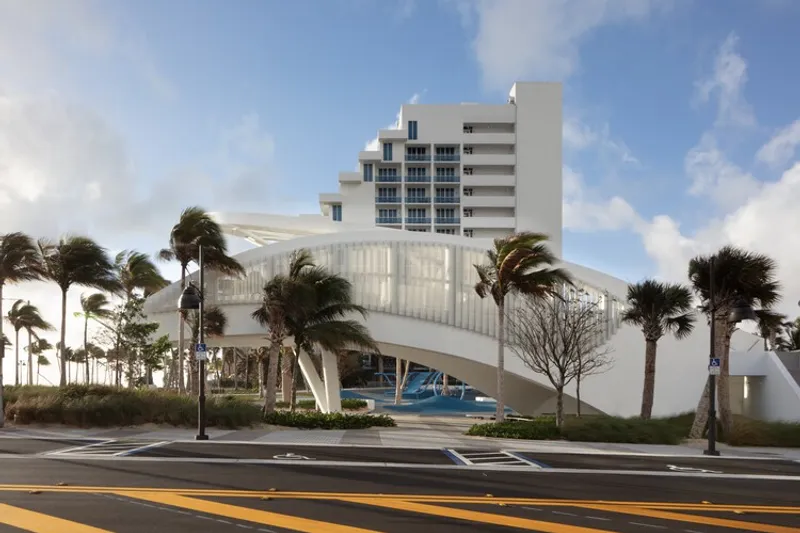
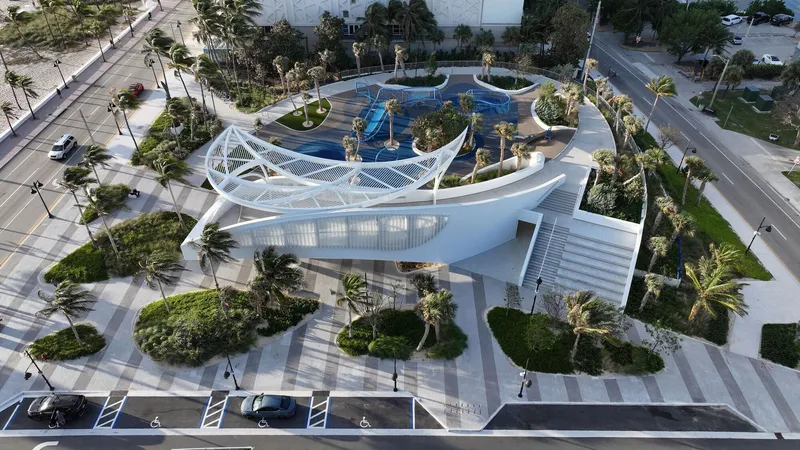
The northern coastal plaza introduces a shade hammock effect, using native species like Green Buttonwood, Gumbo Limbo, and Seagrape. These species provide filtered light, visual beauty, and ecological benefits, creating a serene public space that doubles as environmental infrastructure. Each design element is intended to showcase how functional resilience can coexist with aesthetic and artistic expression.
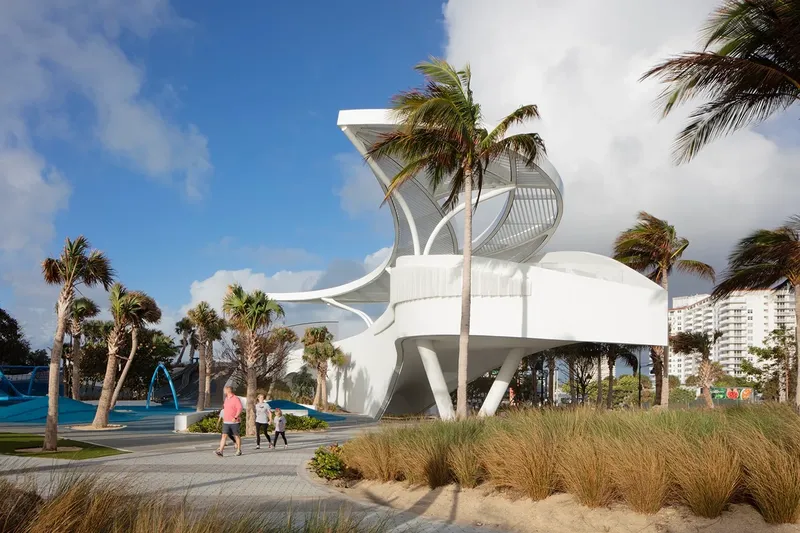
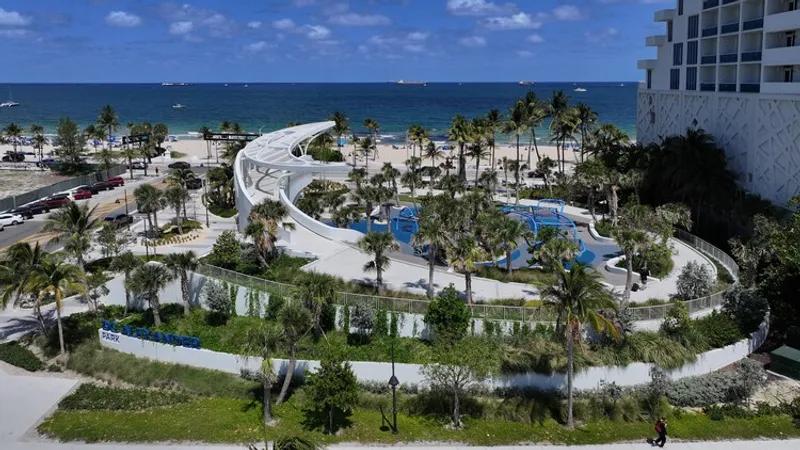
DC Alexander Park serves as a blueprint for sustainable urban planning, illustrating how resilient coastal parks can mitigate climate impacts while enhancing community access, public enjoyment, and environmental stewardship. Through the collaboration of landscape architects (PLAN(t)), structural engineers (RGD), civil engineers (Keith Engineering), lighting designers (Sasso), and geotechnical engineers, the park exemplifies a holistic approach to climate-resilient urban landscapes.
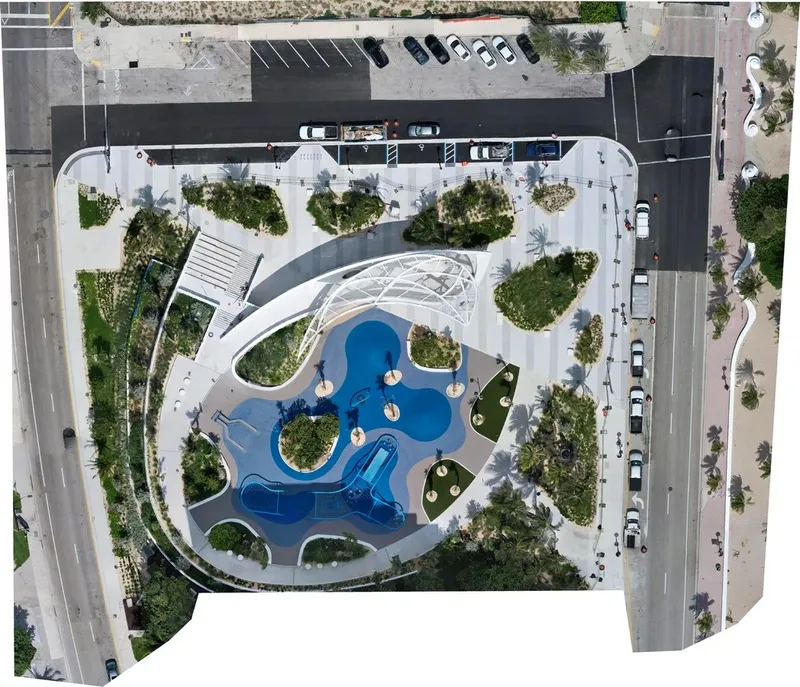

In addition to flood protection and public amenities, the park demonstrates how urban spaces can transform hardened infrastructure like seawalls and revetments into beautiful, functional, and environmentally responsible design. By integrating ecological restoration, innovative landscape architecture, and climate adaptation strategies, DC Alexander Park sets a new standard for coastal urbanism.

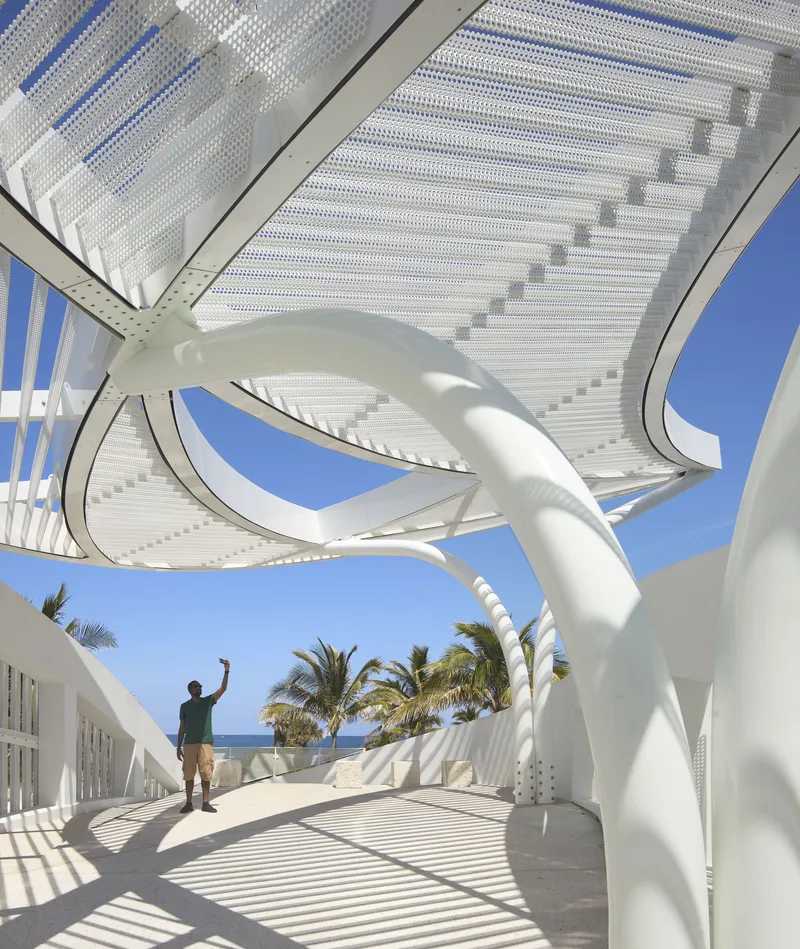
All the photographs are works Brooks + Scarpa



Popular Articles
Popular articles from the community


The Earth Pod: 3D Printed Homes for Resilient Refugee Communities
The Earth Pod reimagines refugee housing through 3D printed homes made from clay, combining resilience, self-sufficiency, and rapid shelter.

Conexión: Biophilic Design Reimagines High-Rise Living in Hong Kong
Conexión reimagines high-rise living in Hong Kong through biophilic design, green facades, shared spaces, daylight, water and nature within.

The Ocean Hive: Sustainable Architecture for a Self-Sufficient Civilization at Sea
The Ocean Hive imagines sustainable architecture at sea, where modular habitats, algae, wave power and ocean waste sustain a growing colony.

The Musturak Paradise: Senior Living Architecture for a Connected Future in Temara, Morocco
The Musturak Paradise reimagines senior living architecture in Temara via private homes, social spaces, culture, community, and shared care.

Similar Reads
You might also enjoy these articles


Hodi-Mandai Geram
Project Function: Preservation and revitalization of the Intangible heritage and socio-spatial identity of the Hodi by Housing, Cultural Memory Center, Sacred Grove, landscape, local tourism economy


Olio Towers: A Mid-Rise for Performers That Fuses Housing, Rehearsal, and Stage
Located blocks from Houston's Theater District, this modular tower stacks living units around a central performance atrium.

Oasis: Modular Green Housing Carved into Dhaka's Urban Fabric
A shortlisted Plugin Housing entry reclaims unauthorized settlements in Dhaka with stepped concrete volumes, green roofs, and ventilation-driven design.

Black Hole: A Floating Megastructure for the Post-Physical Era
Emiliano Mazzarotto envisions a spherical, self-scaling arena where e-sports, digital hotels, and holographic stadiums replace traditional public space.

Explore Public Park Competitions
Discover active competitions in this discipline


Challenge to design a portable theatre

Challenge to design a portable music platform

Challenge to design an open learning module for the elderly


Challenge to reimagine the Iron Throne
Comments (0)
Please login or sign up to add comments
No comments yet. Be the first to comment!