
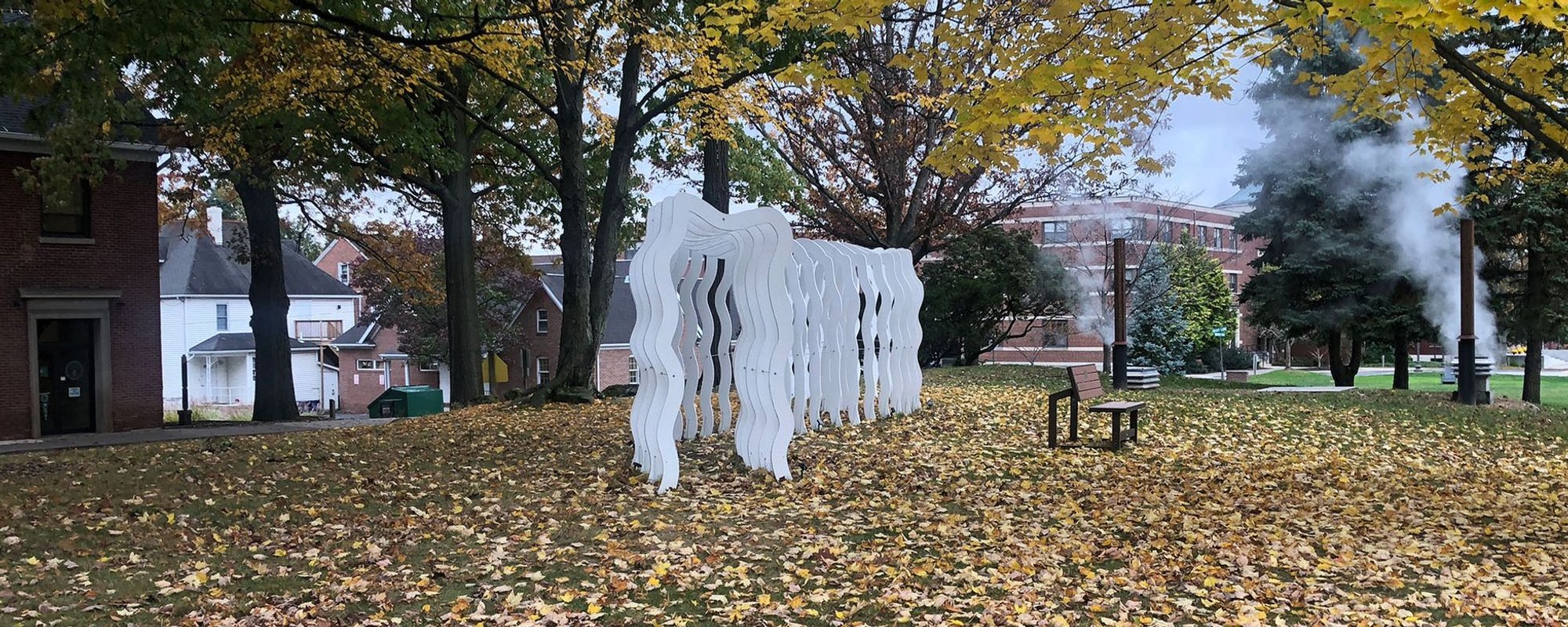
Drift: A Parametric Tunnel That Reads the Land Beneath It
A singular rib, repeated and altered across a campus lawn, produces an archway that continuously transforms from one end to the other.

One rib becomes a tunnel. That is the core logic of Drift: take a single curved profile, repeat it, and incrementally alter its geometry so that the resulting sequence reads as a continuous wave rather than a series of frames. The installation follows the natural topography of the site, rising and compressing in rhythm with the ground beneath it. What emerges is an experiential passage where light, shadow, and curvature shift with every step a visitor takes.
Designed by Kim Hagan, Drift was a shortlisted entry in the Architecture on the Clock competition. Sited on a university campus lawn, the project set out to be a beacon for the campus community: not a building, but a sculptural threshold that invites people to walk through, linger, and look up. The design fuses analog craftsmanship with computational parametric modeling, using digital fabrication to achieve organic curvature that would be nearly impossible to produce by hand alone.
A Singular Rib, Multiplied into Landscape
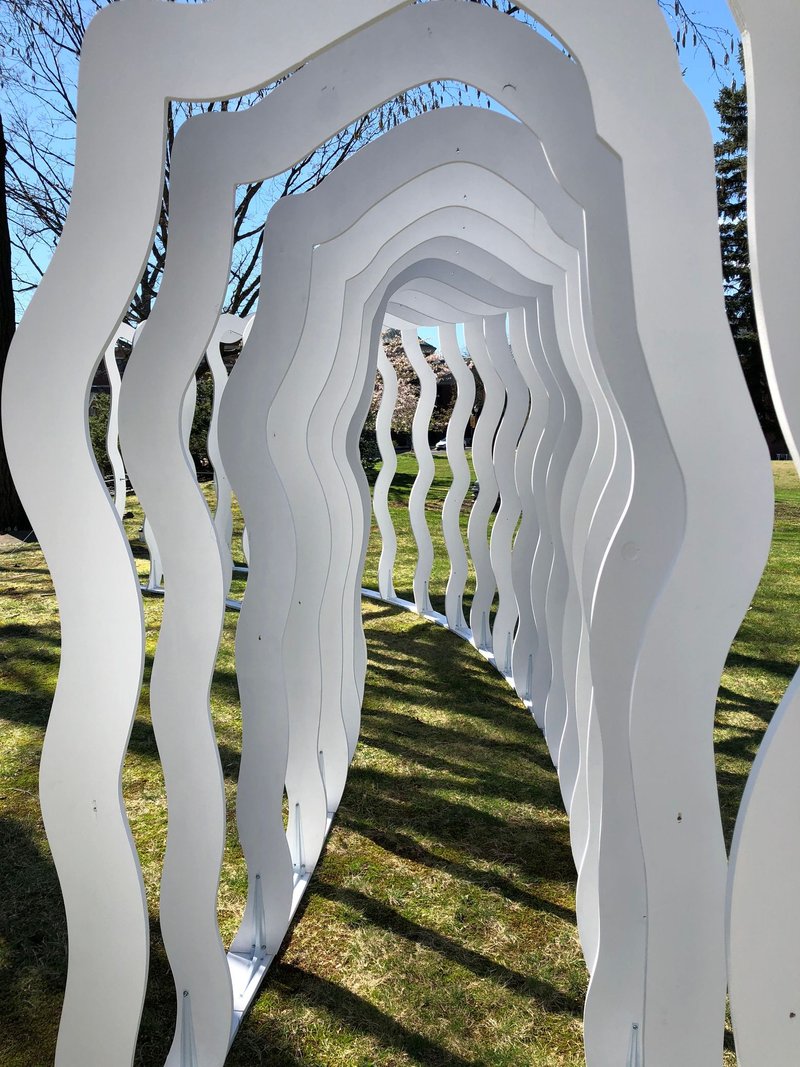
Seen in full daylight, Drift's white metal ribs undulate across the lawn like the spine of some gentle creature surfacing from the grass. Each rib shares the same DNA as the one before it, but none is identical. The parametric model allowed Hagan to experiment with form and proportion extensively, nudging each profile's height, width, and arc until the assembly produced a flowing spatial experience rather than a static corridor. The result is an archway that continuously transforms from one end to the other.
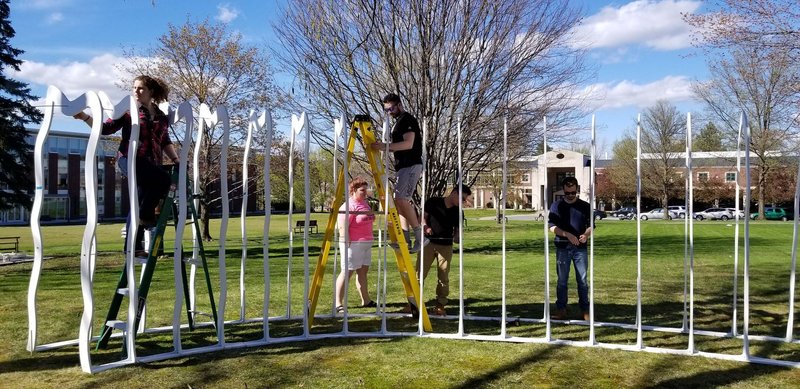
The construction photographs reveal something equally important: people assembled this structure by hand on a campus green, bolting ribs together against a backdrop of bare winter trees. That human labor is inseparable from the digital precision that shaped each curve. Drift exists at the intersection of those two modes of making, and neither alone would have been sufficient.
Fabrication on the Studio Floor
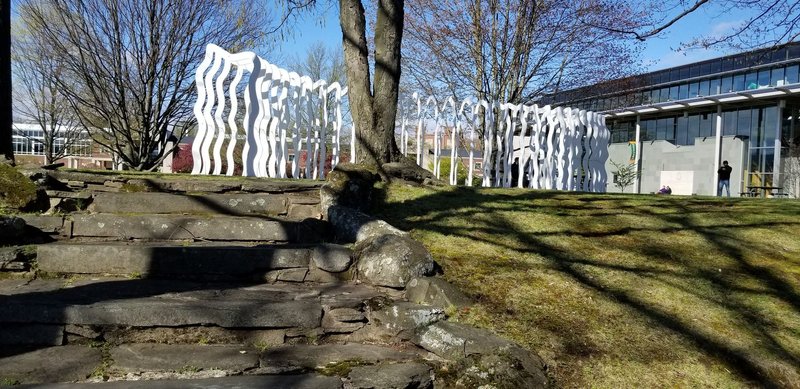
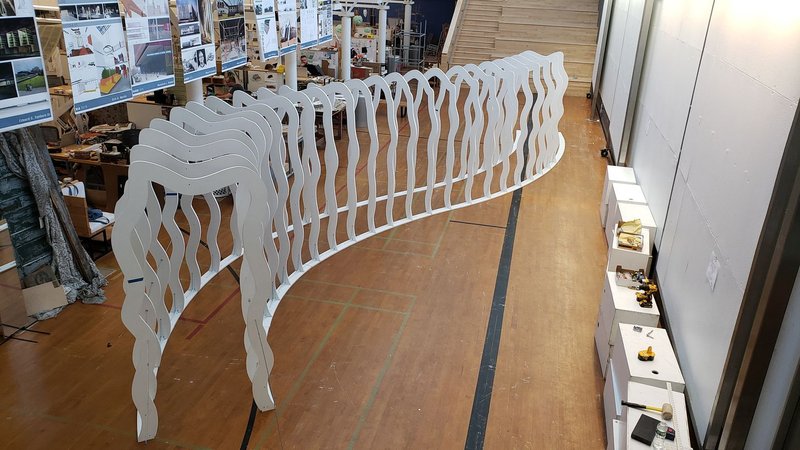
Before reaching the lawn, the white curved panel sections were laid out on a studio floor, each piece tagged and oriented for assembly. The fabrication process highlights the synergy between digital precision and organic form: cutting-edge technology produced components whose curves are too complex for conventional layout, yet every panel had to be physically handled, checked, and carried to the site. The late afternoon view from beyond the stone steps shows how the finished installation sits comfortably in its landscape context, its undulations casting long shadows across winter grass.
After Dark, a Different Structure Appears
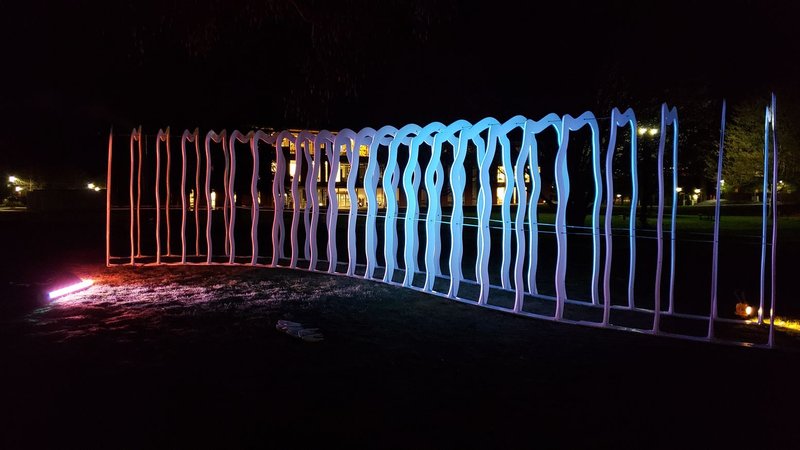
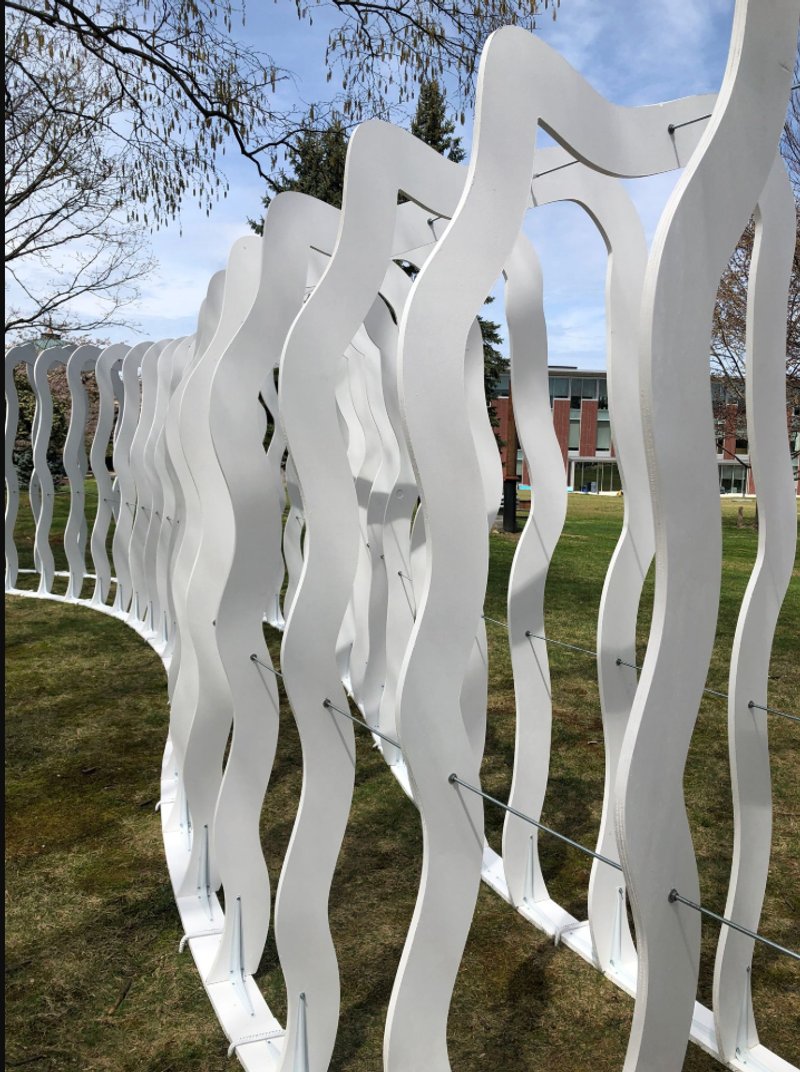
Under red and blue gradient lighting at night, Drift sheds its daytime restraint entirely. The ribs become translucent outlines against a saturated glow, and the tunnel interior transforms into something closer to a light sculpture than a piece of architecture. The rhythmic undulations that modulate sunlight during the day now modulate color, producing bands of warm and cool tones that shift as visitors move through the passage.
A close-up of the bolt connections and curved profiles reveals the material honesty holding the whole thing together. There is no cladding hiding the joints; the structural logic is fully exposed. Each rib's profile tapers and thickens according to the stresses the parametric model predicted, so the connection points become visual markers of where forces concentrate. Materiality and structural efficiency are considered together, ensuring the installation is durable and sustainable while remaining visually legible.
Why This Project Matters
Drift demonstrates that parametric design need not be reserved for large-budget cultural institutions. A single designer, working with computational tools and a clear conceptual premise, can produce an installation that transforms a patch of campus lawn into a destination. The project's strength lies in its disciplined constraint: one rib type, one material system, one topographic reading, iterated until the installation feels inevitable rather than arbitrary.
For students and young professionals exploring the territory between digital modeling and physical construction, Drift offers a useful lesson. The gap between screen and site is where design actually happens. Hagan's shortlisted entry closes that gap convincingly, proving that structure and sculpture can coexist when computational logic is guided by spatial intuition and a willingness to bolt things together on a cold afternoon.
View the Full Project
About the Designers
Designer: Kim Hagan
Enter a Design Competition on uni.xyz
uni.xyz runs architecture and design competitions year-round that reward proposals with spatial conviction and real site intelligence.
Project credits: Drift by Kim Hagan Architecture on the Clock (uni.xyz).




Popular Articles
Popular articles from the community

20 Most Popular Furniture Design Projects of 2025
Modular street systems, parametric benches, and insect hotels: the furniture design projects that captivated architects on uni.xyz in 2025.

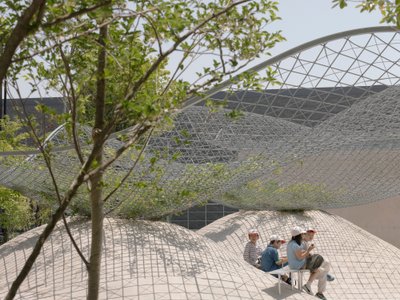
MIDW Casts a Pavilion Roof from the Earth Itself at the 2025 Osaka Expo
On a fragile reclaimed island, excavated soil becomes formwork for a concrete canopy that will eventually disappear into wisteria.
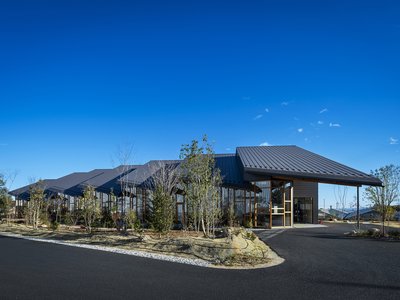
20 Most Popular Office Building Projects of 2025
From biophilic workspaces in India to net-positive energy offices in New Delhi, 20 office building projects that defined architecture in 2025.
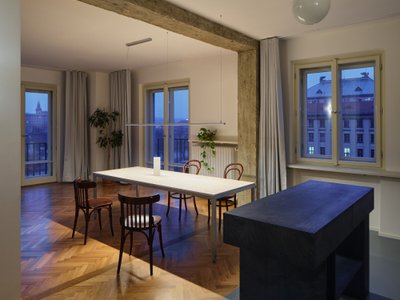
Prokop Hartl Turns a 1930s Prague Corner Apartment into a Lesson in Structural Honesty
A 115 m² renovation on the Vltava River celebrates exposed concrete, restored parquet, and a mirrored column as its centerpiece.


Similar Reads
You might also enjoy these articles

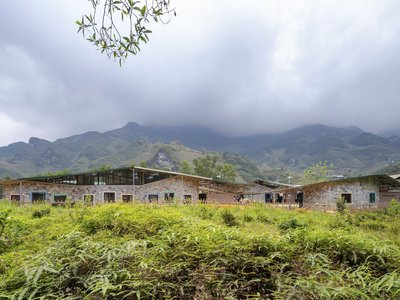
1+1>2 Architects Build a School from 900 Blocks of Hmong Stone on Vietnam's Rocky Plateau
On a barren valley in Ha Giang province, a community quarried its own stone to raise a kindergarten and primary school rooted in Hmong identity.
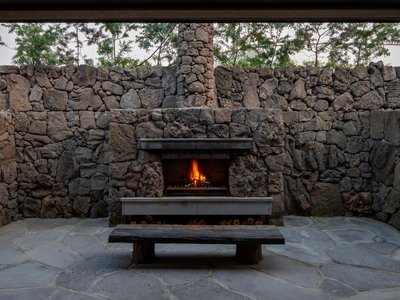
100A Associates Builds a Volcanic Stone Retreat on Jeju Island Rooted in Ritual and Restraint
Watarstay [Wa:Tar] in Bongseong-ri channels Jeju's basalt, reed, and hemp into a 150 m² hospitality space shaped by contemplation.
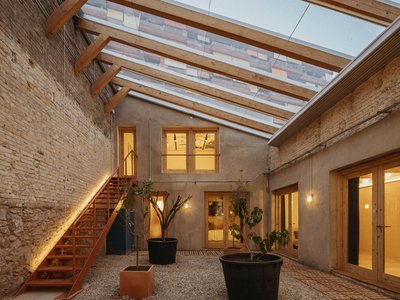
MARBÄ Artquitectura Carves a Green Courtyard into a Dense Barcelona Ground Floor
A former parish, printing press, and bazaar in L'Hospitalet de Llobregat becomes a bioclimatic live-work home organized around a central garden.
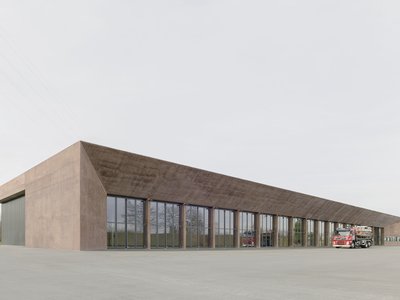
Steimle Architekten Carves a Monolithic Fire Station from Red Concrete in Germersheim
A sculptural civic building at the southern gateway to Germersheim channels the weight of red sandstone into a flexible emergency facility.

Explore Interaction Design Competitions
Discover active competitions in this discipline




The Global Benchmark for Architecture Dissertation Awards

Challenge to design a portable theatre

Challenge to design a portable music platform

Challenge to design an open learning module for the elderly
Comments (0)
Please login or sign up to add comments
No comments yet. Be the first to comment!