
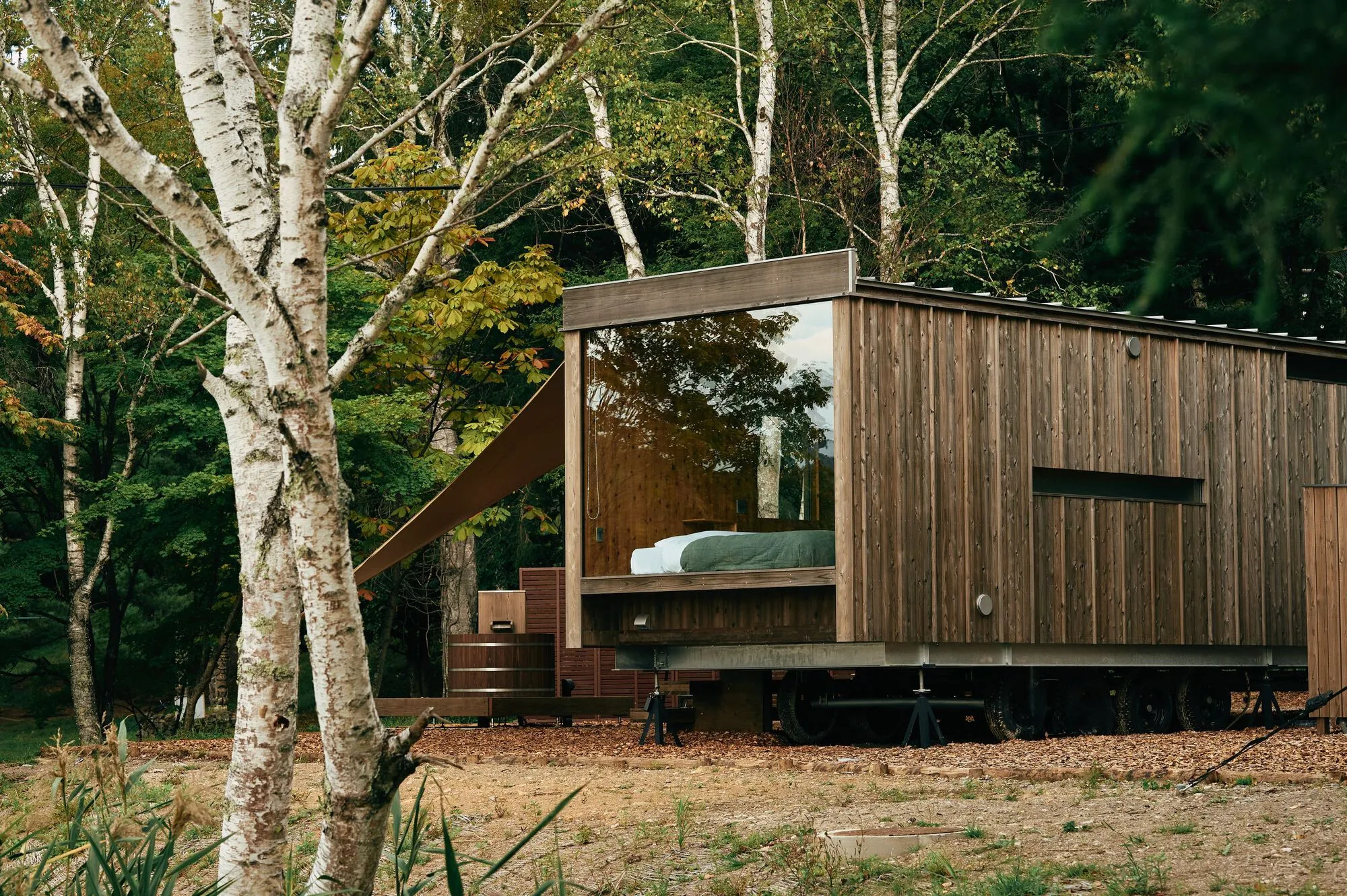
Earthboat Cave: Mobile Cabin by PAN- PROJECTS: A Nature Escape in Shirakabako, Japan
Earthboat Cave is a 26 m² mobile timber cabin in Shirakabako, Japan, blending sustainable CLT construction, outdoor living, and serene nature immersion.


Nestled quietly in the serene lakeside forest of Shirakabako, Japan, the Earthboat Cave by PAN- PROJECTS redefines the concept of small-scale hospitality architecture. This 26 m² mobile cabin, completed in 2025, embodies the philosophy of "nature escape," offering a peaceful retreat for those seeking respite from urban life. By seamlessly integrating sustainable timber construction with the surrounding landscape, the project encourages visitors to reconnect with nature while enjoying modern comfort.

Sustainable Timber Construction
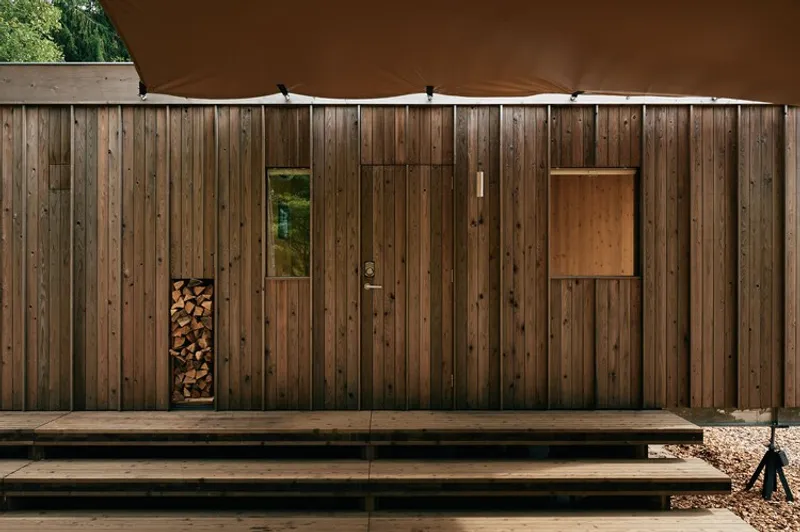
Constructed entirely from Japanese cedar cross-laminated timber (CLT), Earthboat Cave showcases warmth, texture, and longevity. The exposed cedar surfaces naturally age over time, enhancing the cabin’s tactile and visual appeal. Designed without foundations, the structure minimally impacts the terrain, preserving the forest floor while allowing easy relocation. This approach emphasizes low-impact architecture and environmental sensitivity, reflecting a growing trend in sustainable and mobile cabins in Japan.


Outdoor Living as Core Experience
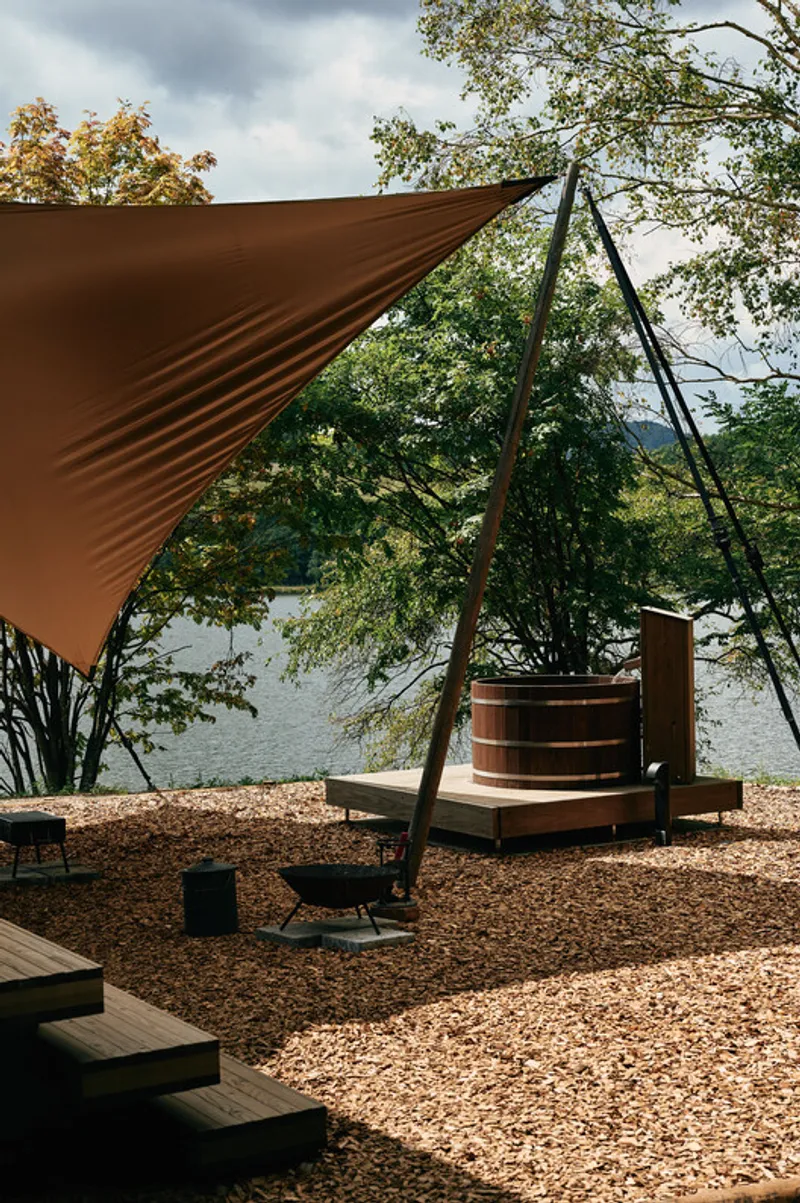
The cabin prioritizes outdoor life over enclosed interiors. A small sauna provides warmth against the mountain chill, while surrounding steps and fireplaces create inviting areas for gathering, rest, and reflection. The cabin’s design encourages occupants to immerse themselves in the forest environment, turning every stay into a holistic nature experience. Outdoor-centric design, including accessible terraces and lake-facing steps, reinforces the concept of living closely with the natural surroundings.

Interior Simplicity and Connection to Nature
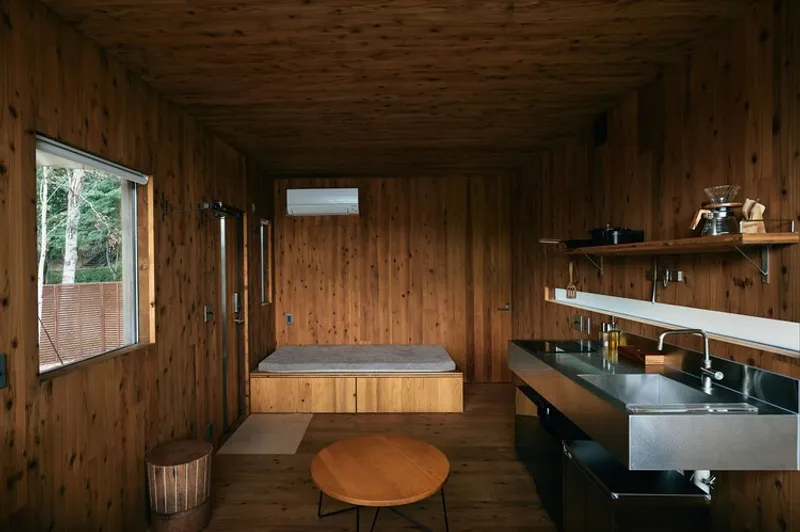
Inside, the cabin maintains a minimalist and functional layout. The main window frames the lake at its most scenic point, extending the outdoor experience into the interior. Spaces for cooking, resting, and observing are arranged for simplicity and calm. Multiple openings allow natural light to shift throughout the day, subtly reflecting changes in weather and creating an intimate connection with the rhythms of nature. This approach illustrates the cabin’s focus on sensory architecture, where light, material, and landscape converge.

Quiet Architecture, Minimal Intervention
Earthboat Cave embodies a restrained architectural presence. Its quiet, modest design does not compete with the forest but rather complements it. Every element, from the sauna to the open-air seating, is thoughtfully positioned to enhance awareness of the surroundings. The project demonstrates responsive design that prioritizes environmental sensitivity, visitor comfort, and immersion in nature.


Expanding the Earthboat Series
Earthboat Cave continues the Earthboat series, exploring how small, mobile CLT structures can redefine hospitality within Japan’s landscapes. Each cabin in the series provides a portable, sustainable retreat that encourages slowing down, appreciating nature, and experiencing the quiet rhythms of the environment. By integrating modular design, natural materials, and outdoor living, Earthboat Cave exemplifies modern, low-impact hospitality architecture in harmony with Japan’s scenic lakeside forests.
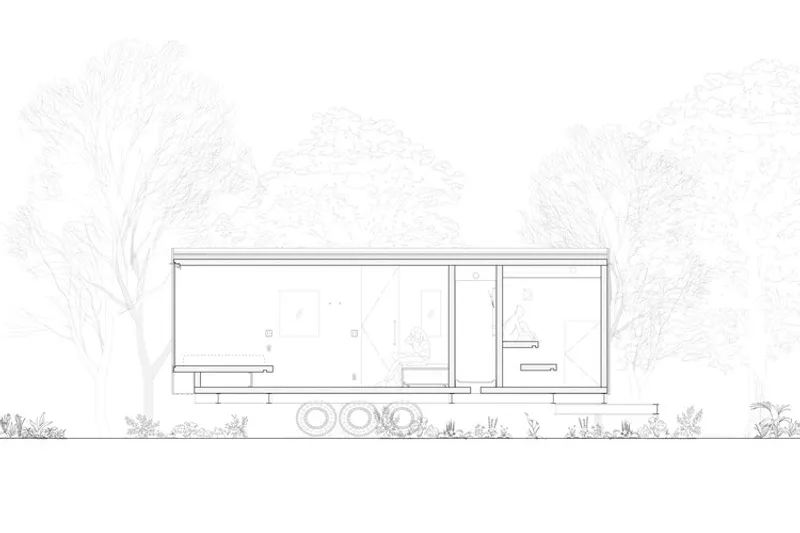

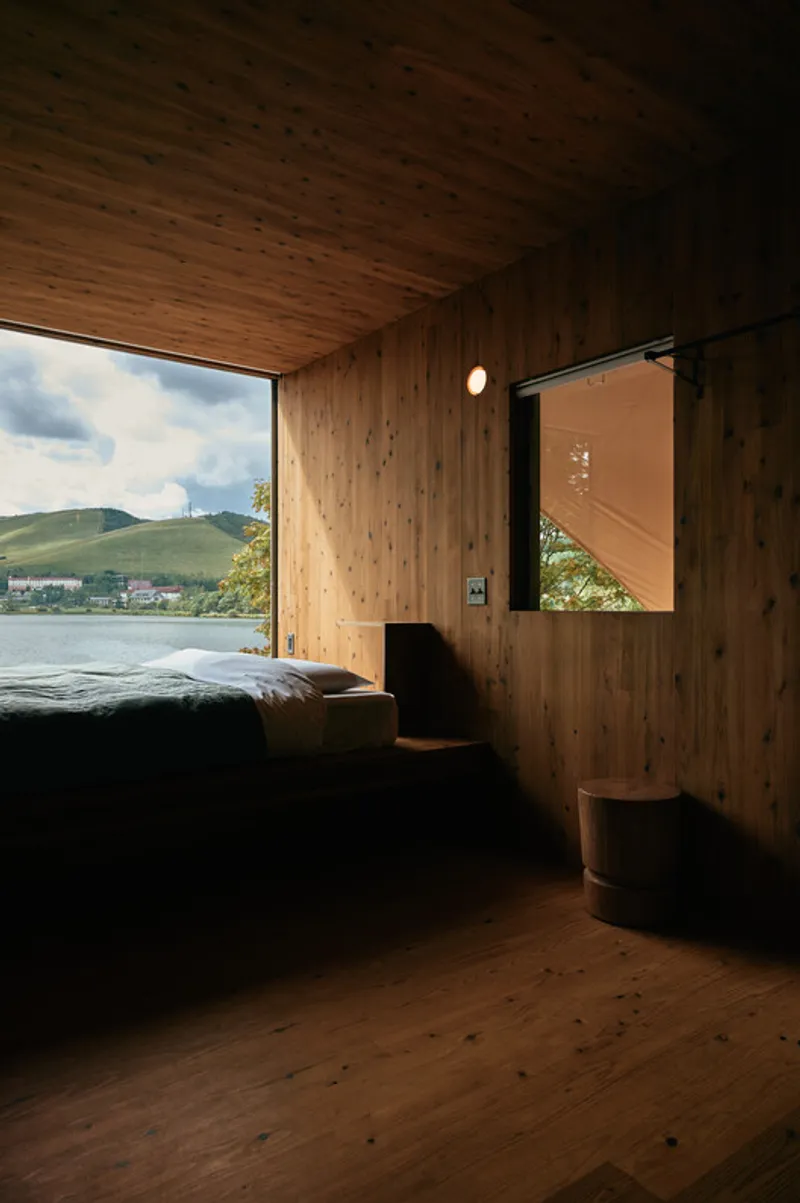
All the photographs are works of
Yuta Sawamura




Popular Articles
Popular articles from the community


The Musturak Paradise: Senior Living Architecture for a Connected Future in Temara, Morocco
The Musturak Paradise reimagines senior living architecture in Temara via private homes, social spaces, culture, community, and shared care.

AL-JANNAH: Sustainable Architecture and Permaculture for Afghan Widows
AL-JANNAH uses sustainable architecture and permaculture to create resilient oasis of housing, learning, work and renewal for Afghan widows.

Co-Life: Senior Housing Design That Reconnects Older Adults With the City
Co-Life reimagines senior housing design through healing gardens, shared streets, workshops, and a sustainable community across generations.

Co-life: Sustainable Architecture for Age-Friendly Community Living
Co-life reimagines sustainable architecture for seniors through courtyards, rammed earth, shared gardens, and spaces designed for belonging.


Similar Reads
You might also enjoy these articles

FAMM Arquitectura Organizes Ten Villas Around Courtyards and Jungle in Nosara, Costa Rica
El Molino pairs two elongated volumes with deep overhangs and timber louvers to build a compact coastal community five minutes from the beach.
Oscar Niemeyer's Ibirapuera Park Pavilions Define São Paulo's Cultural Identity in Concrete and Curve
A constellation of modernist volumes set within São Paulo's most important urban park, conceived for the city's 400th anniversary in 1954.
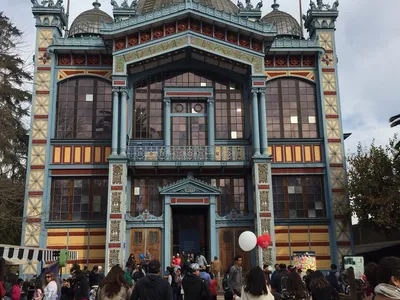
How Henri Picq's 1889 Paris Pavilion Traveled 11,000 Kilometers to Become Santiago's Artequín Museum
A prefabricated iron and glass pavilion built for the Paris Universal Exposition found a second life as a children's art museum in Chile.
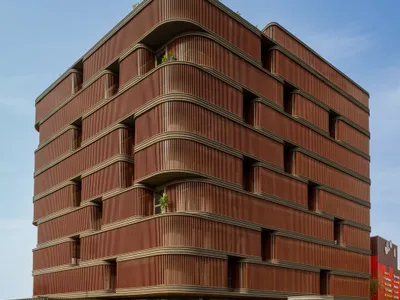
Sanjay Puri Architects Wraps a Jaipur Office Tower in Capsule-Shaped Green Buffers
A nine-level climate-responsive workplace near Jaipur Airport uses stacked planter terraces and aluminium screens to fight 40°C heat.


Explore Architecture Competitions
Discover active competitions in this discipline



Challenge to reimagine the Iron Throne


Photograph architecture without architects


Illustrate the lost glory of Angkor Wat - Render Challenge


Design challenge to reuse E-waste
Comments (0)
Please login or sign up to add comments
No comments yet. Be the first to comment!