
EV Concept Store, Formigine, Italy
Adaptive renovation transforms a stratified historic building into mixed-use concept store, bistro, and residences, reconnecting Piazza Italia through material contrast.


Urban Renovation and Mixed-Use Architecture by Ambientevario
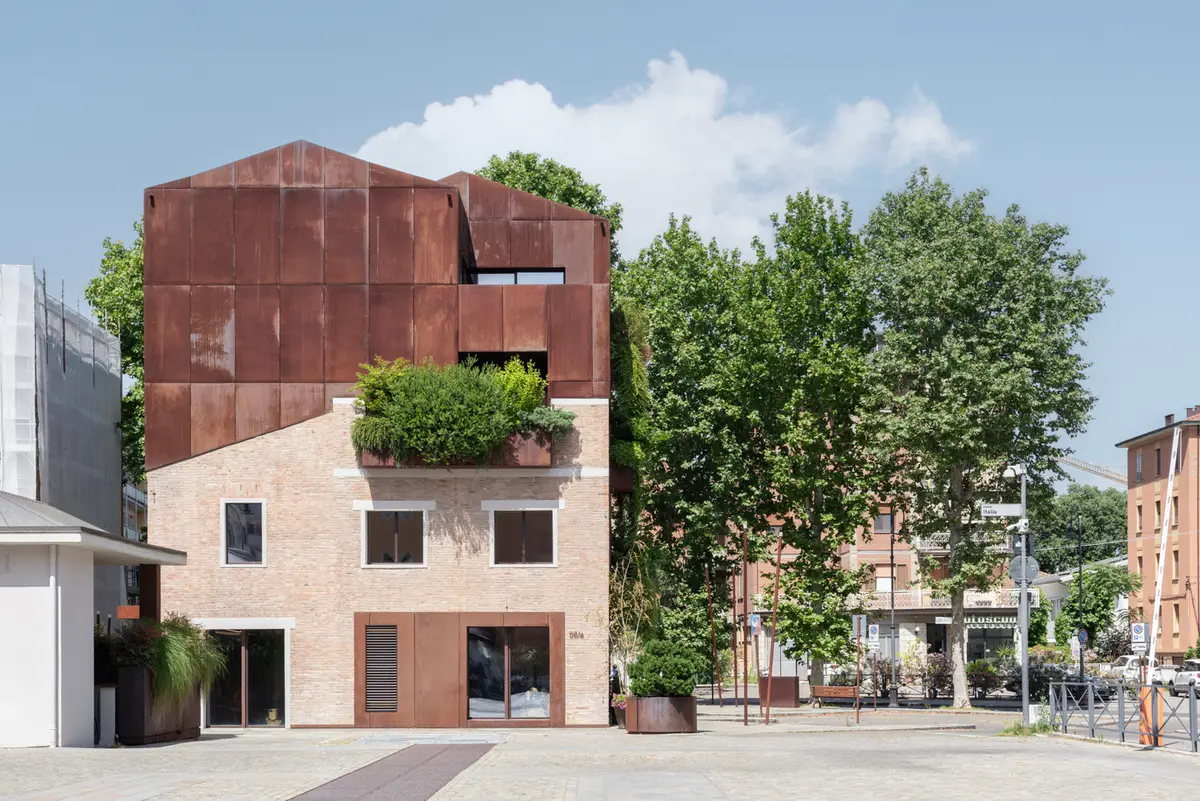
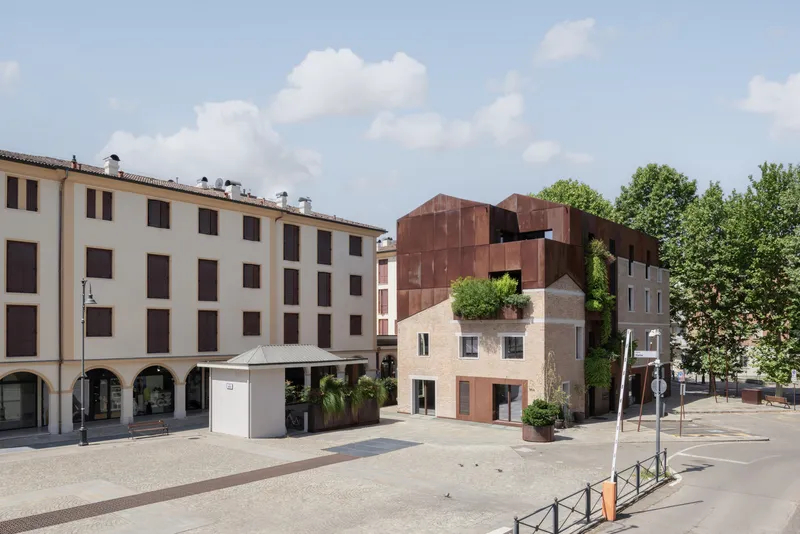
Located in the historic heart of Formigine, the EV Concept Store by Ambientevario is a refined architectural intervention that reinterprets an existing building through renovation, vertical expansion, and adaptive reuse. Positioned near Piazza Italia, the project responds sensitively to the layered urban fabric while introducing contemporary commercial and residential functions that reactivate the surrounding public realm.
Recovering a Stratified Urban Structure
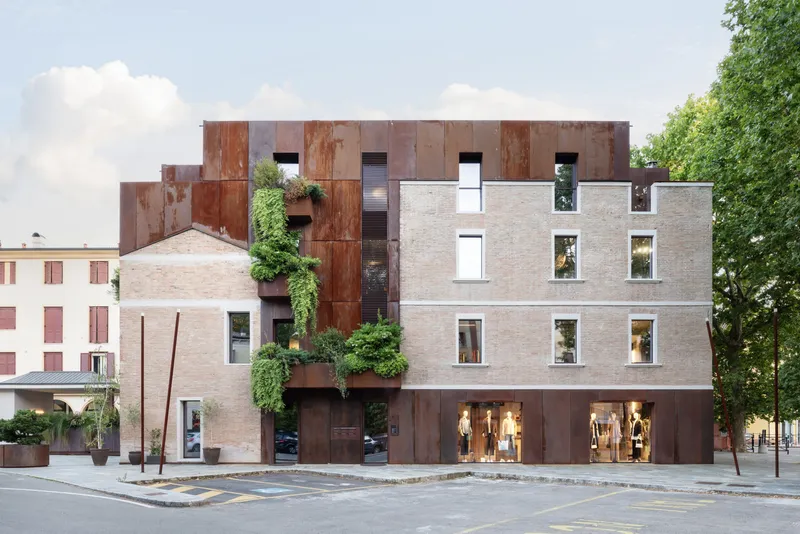
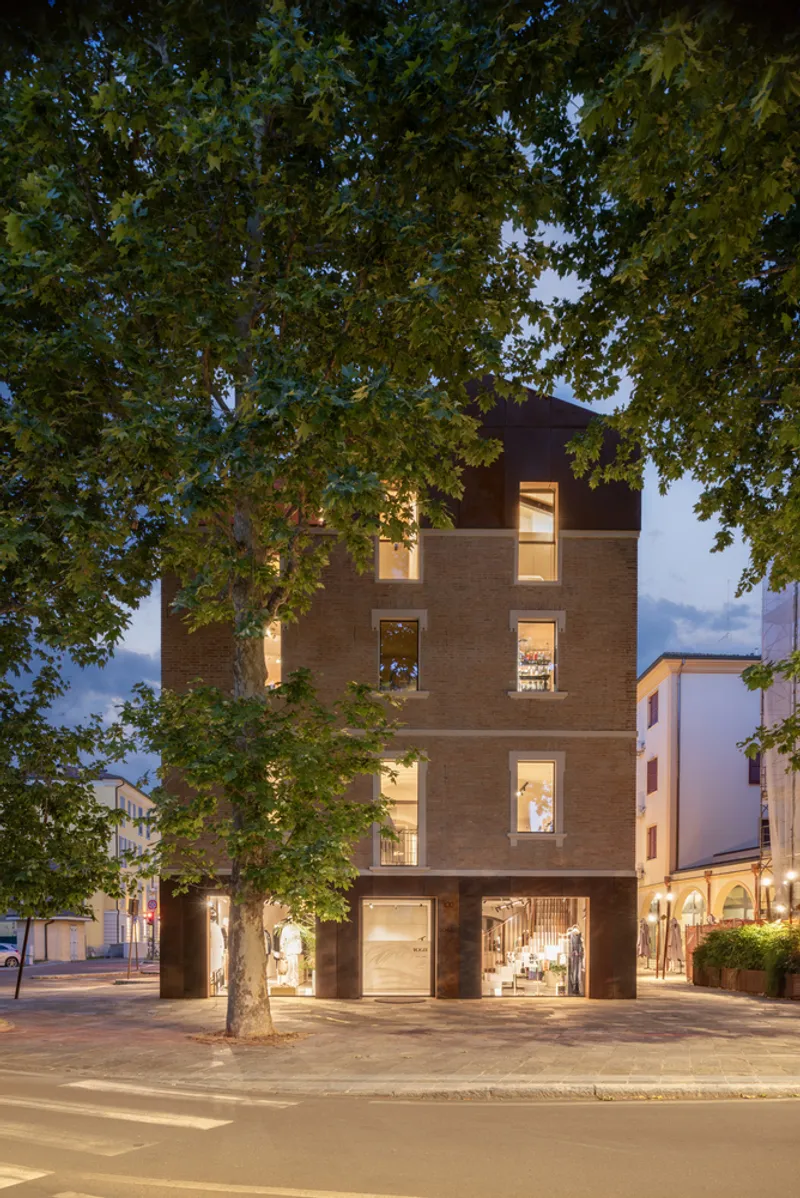
The building presents itself as an aggregate of volumes shaped by successive historical events, including damage sustained during World War II. Rather than erasing these traces, the design embraces the building’s stratification, treating it as a spatial and cultural asset. The structure unfolds across four above-ground levels in its tallest portion, complemented by an underground level housing historic arched cellars adjacent to the square.
The architectural strategy prioritizes preservation and reintegration, reinforcing the building’s relationship with Piazza Italia and strengthening its role as a social and commercial catalyst within the historic center.
Programmatic Reorganization and Vertical Expansion
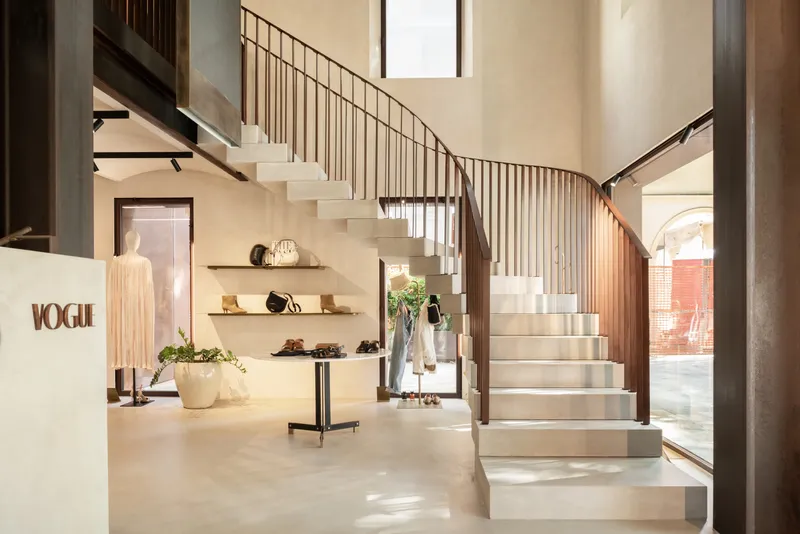
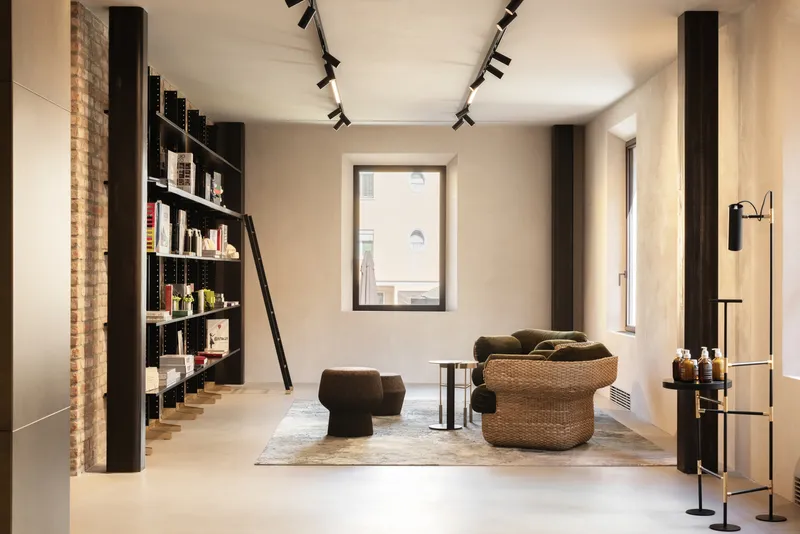
Responding to the client’s request for a multifunctional destination, the project reorganizes internal layouts to accommodate a diverse mix of uses. The ground floor integrates a bistro alongside commercial spaces, enhancing street-level activity and urban permeability. Retail functions extend across the first and second floors, conceived as flexible, open-plan environments capable of hosting large-scale commercial programs and related services.
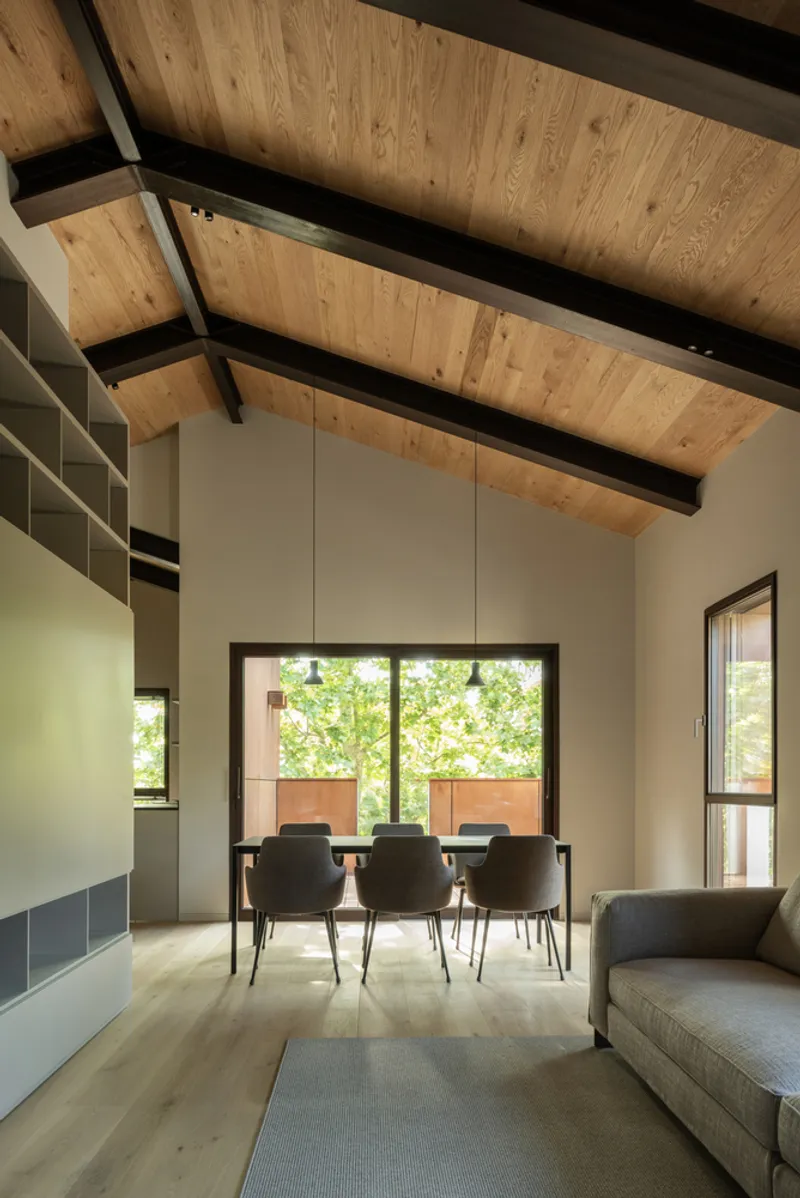
Above, the third floor introduces a residential layer through the elevation and construction of two apartments, carefully integrated into the existing urban skyline. This vertical extension respects the established eaves height facing the square, ensuring continuity with neighboring buildings while subtly signaling architectural renewal.
Structural Upgrade and Seismic Adaptation
From a technical standpoint, the entire building was redesigned to meet contemporary seismic standards. Structural reinforcement operates discreetly within the existing fabric, enabling functional transformation without compromising the architectural integrity of the original structure. This approach exemplifies a sustainable renovation model where safety, longevity, and adaptability are central design drivers.
Enhancing Urban Connectivity and Light
A key component of the intervention is the removal of level differences between external areas and boundary walls, establishing uninterrupted pedestrian continuity between Piazza Italia and the adjacent pedestrian street. This gesture reinforces the building’s civic role and enhances accessibility.
The project also extends the basement, introducing a partially opaque, walkable roof that captures natural light. Modified openings, extended down to floor level, allow daylight to penetrate deep into previously enclosed spaces, improving spatial quality and user comfort while maintaining a compact urban footprint.
Material Dialogue Between Past and Present
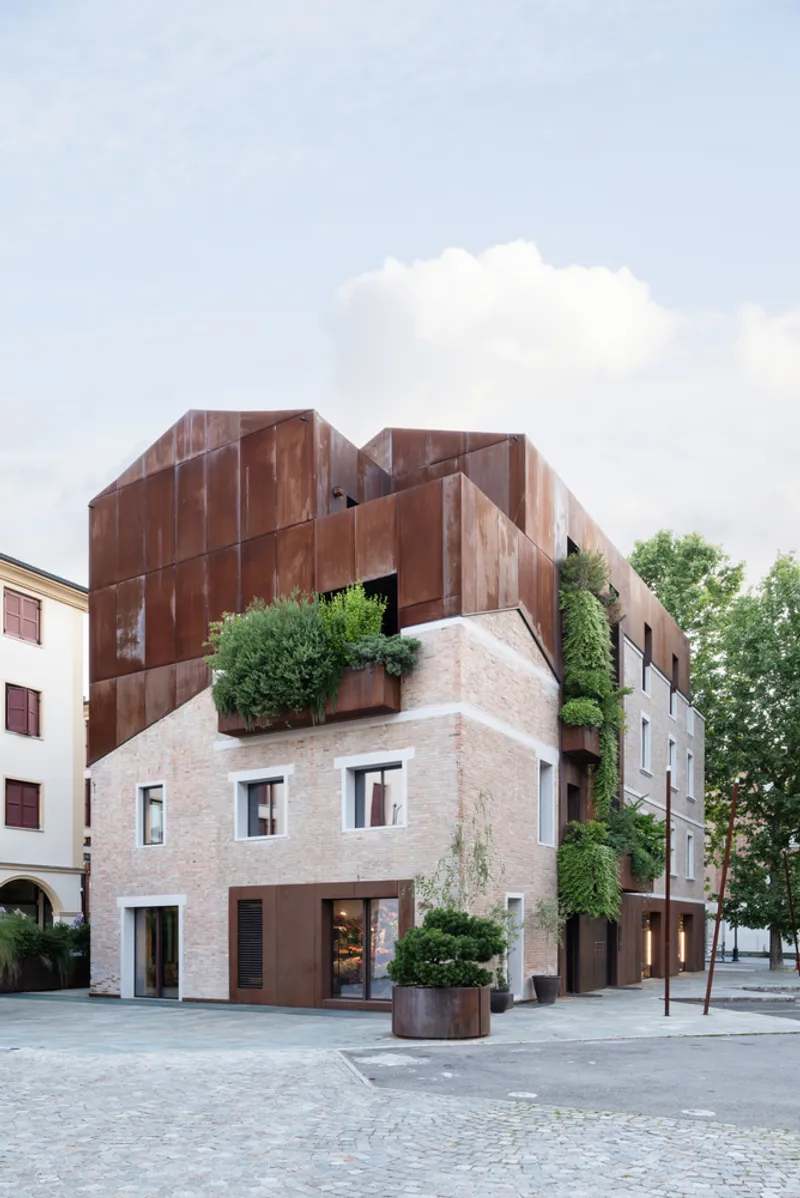
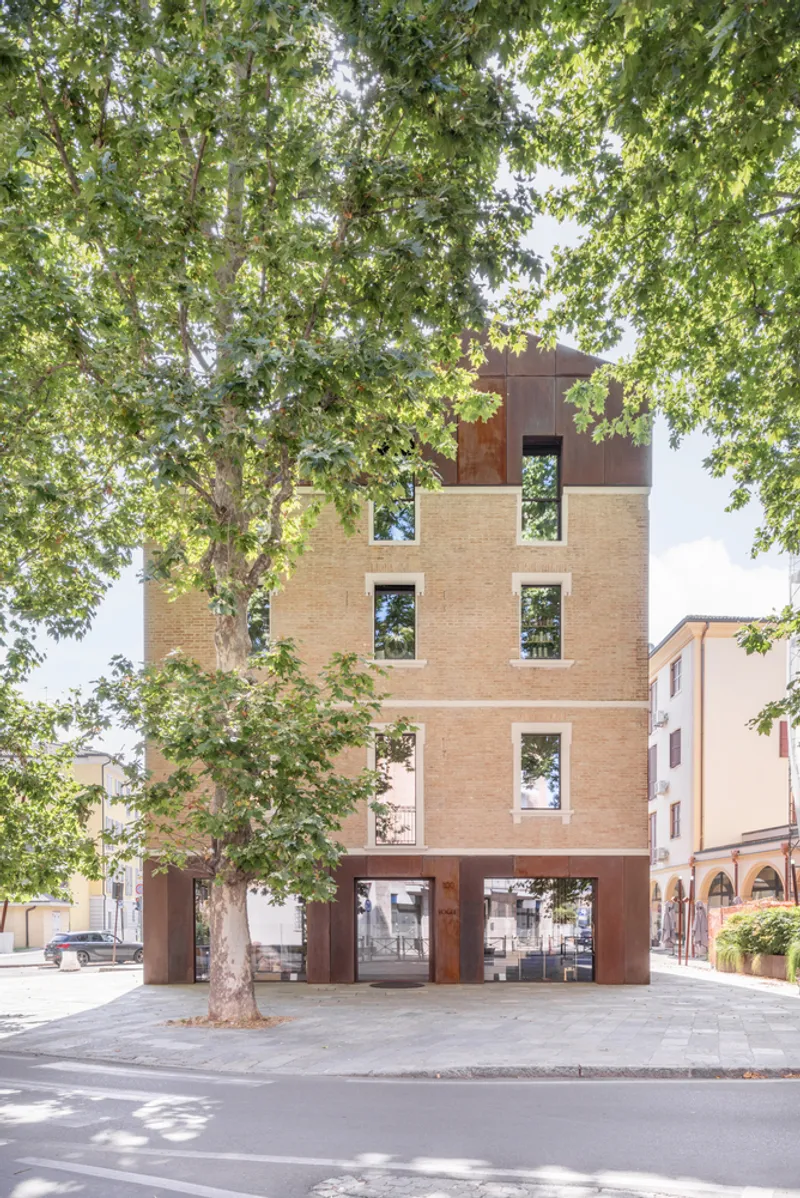
Materiality plays a crucial role in articulating the relationship between conservation and transformation. Existing brick façades were carefully restored: joints were skived and sealed, followed by the application of a transparent, breathable waterproof treatment enhanced with a subtle veiled pigment to visually unify the elevations.
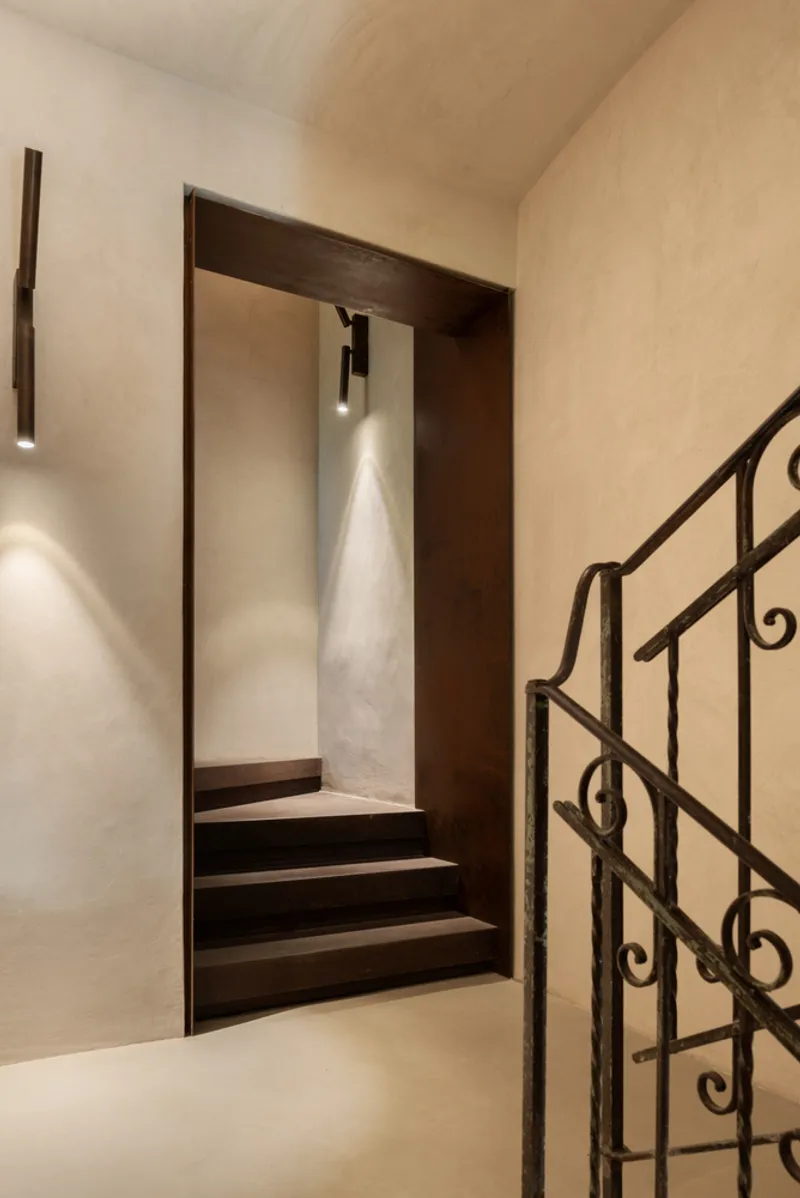
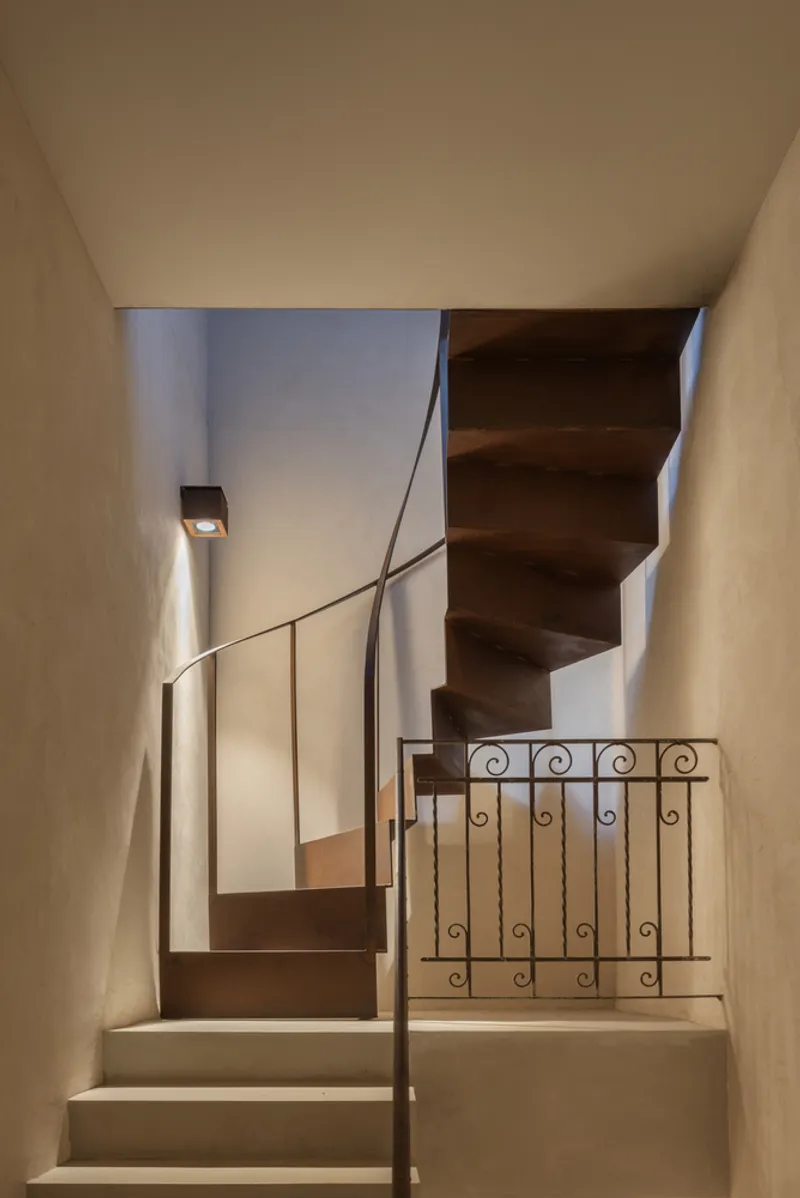
In contrast, newly introduced volumes and altered openings are clad in Cor-ten steel. This weathering material, selected for its evolving patina, intentionally distinguishes new architectural layers from the historic fabric. Over time, the Cor-ten surfaces record environmental exposure, visually narrating the building’s ongoing transformation while referencing contemporary restoration practices.
To maintain coherence across the intervention, this finish extends to selected architectural details, reinforcing a consistent material language throughout the project.
A Contemporary Landmark Rooted in History
The EV Concept Store exemplifies a balanced approach to urban renovation, where adaptive reuse, commercial vitality, and residential integration coexist within a historically sensitive framework. By preserving the building’s compositional identity while clearly expressing new architectural interventions, Ambientevario delivers a project that is both contextually grounded and forward-looking.
This mixed-use renovation not only revitalizes an existing structure but also strengthens the social and spatial dynamics of Formigine’s historic center, positioning the building as a new point of reference for contemporary urban architecture in Italy.
All photographs are works of
Fabio Bascetta


Popular Articles
Popular articles from the community


Conexión: Biophilic Design Reimagines High-Rise Living in Hong Kong
Conexión reimagines high-rise living in Hong Kong through biophilic design, green facades, shared spaces, daylight, water and nature within.

Hill & Cross Opera: Sculptural Opera House Architecture Shaped by Tallinn’s Landscape and Identity
Hill & Cross Opera reimagines opera house architecture in Tallinn through its sculptural hill, civic plaza, glass wave and a luminous cross.

The Musturak Paradise: Senior Living Architecture for a Connected Future in Temara, Morocco
The Musturak Paradise reimagines senior living architecture in Temara via private homes, social spaces, culture, community, and shared care.

Little Red Riding Hood: Architectural Design as a Journey Through Fear, Light, and Storytelling
Little Red Riding Hood reimagines the fairy tale through architectural design shaped by fear, light, scale, memory, uncertainty, and choice.

Similar Reads
You might also enjoy these articles

FAMM Arquitectura Organizes Ten Villas Around Courtyards and Jungle in Nosara, Costa Rica
El Molino pairs two elongated volumes with deep overhangs and timber louvers to build a compact coastal community five minutes from the beach.
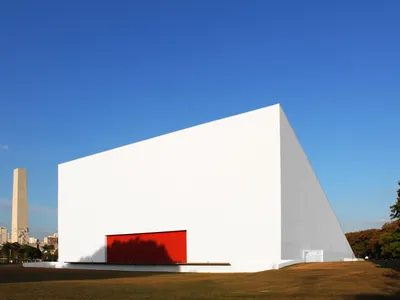
Oscar Niemeyer's Ibirapuera Park Pavilions Define São Paulo's Cultural Identity in Concrete and Curve
A constellation of modernist volumes set within São Paulo's most important urban park, conceived for the city's 400th anniversary in 1954.
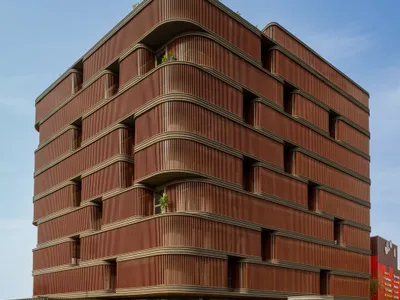
Sanjay Puri Architects Wraps a Jaipur Office Tower in Capsule-Shaped Green Buffers
A nine-level climate-responsive workplace near Jaipur Airport uses stacked planter terraces and aluminium screens to fight 40°C heat.
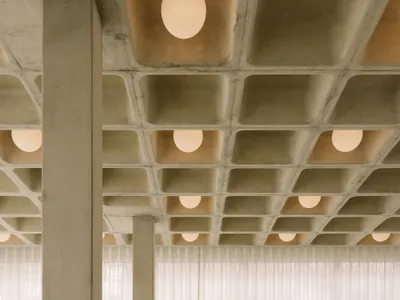
RHO Converts a Berlin Spree-Side Industrial Courtyard into Enkime's 1,000 m² Agency Headquarters
A social media agency's new home in Charlottenburg trades glossy branding for concrete waffle ceilings, glazed tile, and sheer curtains.

Explore Renovation Competitions
Discover active competitions in this discipline

Challenge to design mud housing for contemporary communities

Challenge to reimagine the Iron Throne

Photograph architecture without architects

Illustrate the lost glory of Angkor Wat - Render Challenge
Comments (0)
Please login or sign up to add comments
No comments yet. Be the first to comment!