

Fab Tree Hab by Terreform ONE: A Living, Breathtaking Architecture in Harmony with Nature
Fab Tree Hab by Terreform ONE is a living, sustainable home growing trees into structure, enhancing biodiversity and ecological education.


Nestled near the Storm King Art Center in New Windsor, New York, the Fab Tree Hab by Terreform ONE represents a revolutionary vision in sustainable architecture. This 1,000 sq. ft. prototype dwelling transforms the very concept of building by merging traditional tree-grafting techniques with computationally designed timber scaffolds, creating a multispecies habitat that nurtures biodiversity while eliminating reliance on harmful industrial materials.
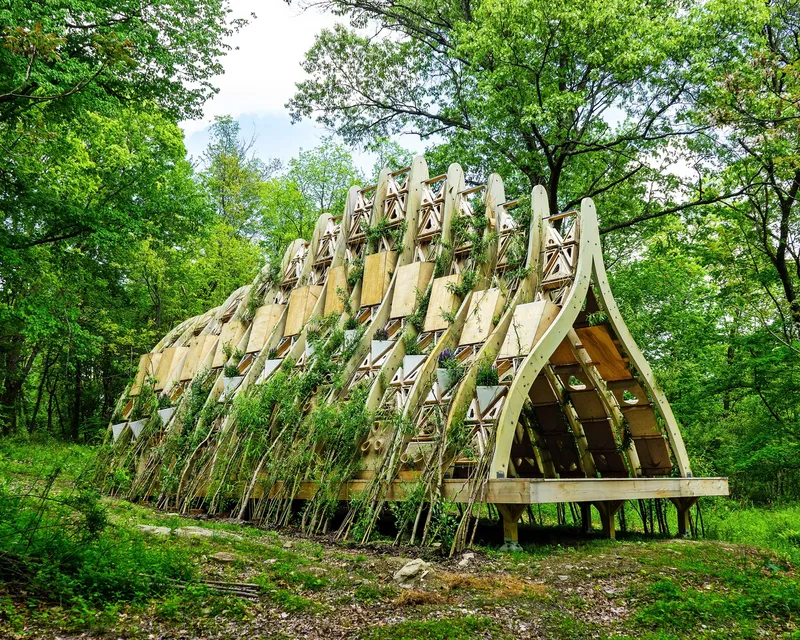
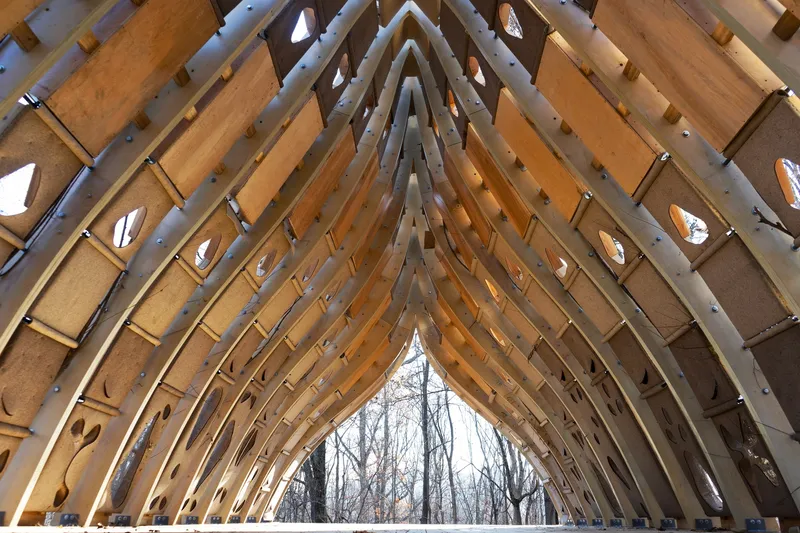
Inspired by the Living Root Bridges of Meghalaya, India, the Fab Tree Hab embodies architecture as a co-creative process with nature. Rather than cutting down trees to construct, the project grows living trees into functional building elements. This approach not only increases local biodiversity but also improves air quality and strengthens eco-resilient communities.
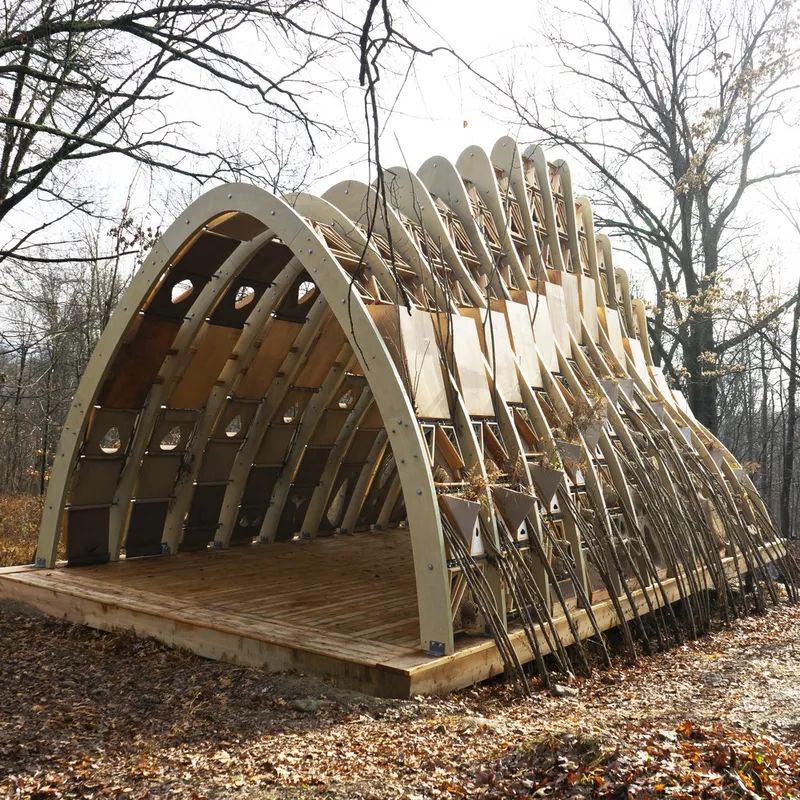
The dwelling’s biophilic design incorporates reclaimed lumber for its platform, naturally decay-resistant cedar and jute for the façade, and natural preservatives like beeswax and pine rosin. On-site tree clusters, sourced from local biomass farms, are sculpted over reusable scaffolds. Within a year, these living trees support modular walls made from crocheted jute fiber and 3D-printed bioplastic nodes, providing micro-habitats for birds, insects, and plants.
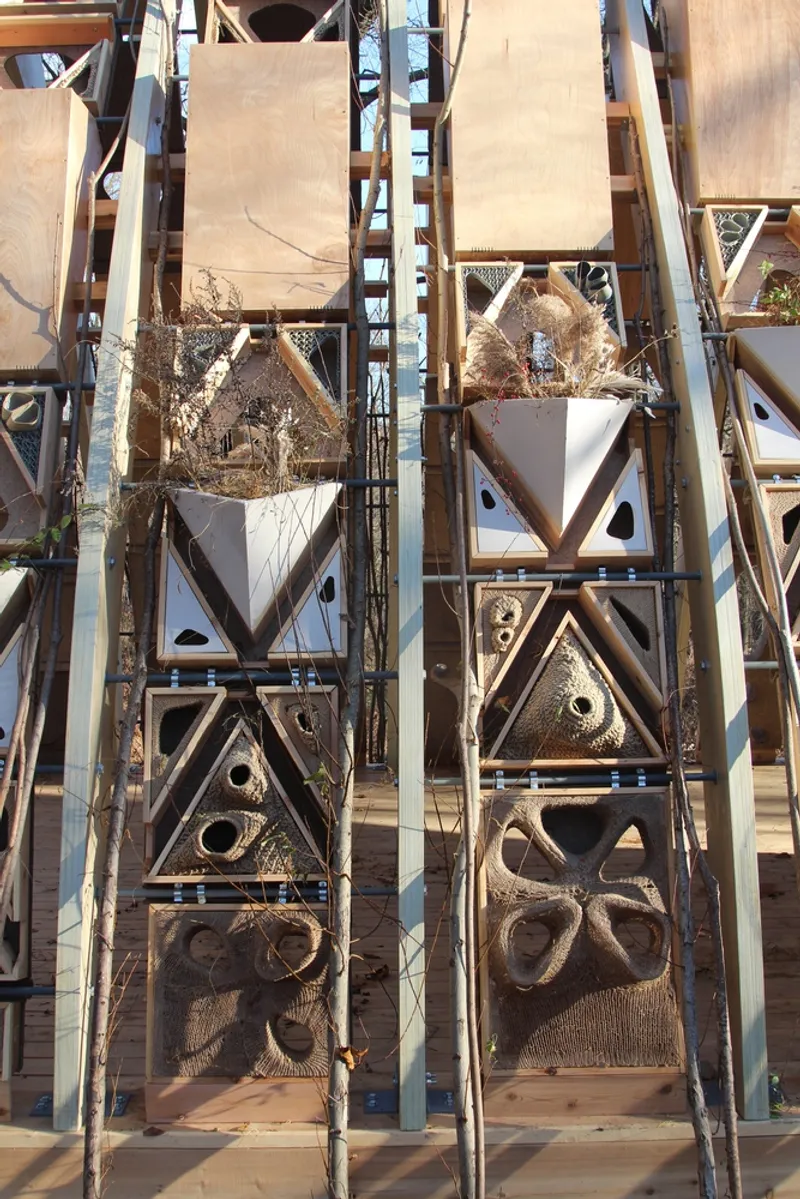
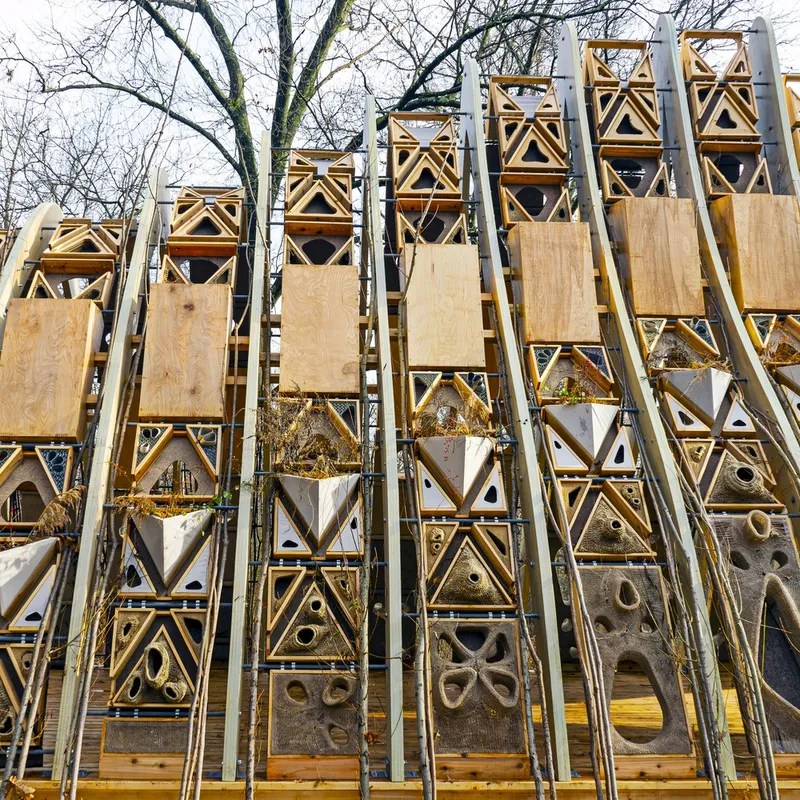
Fab Tree Hab is more than a home—it’s a socio-ecological model of architecture. It functions as a wildlife refuge, educational center, and living laboratory, offering hands-on learning experiences for students, residents, and artists. Collaborations with institutions like Black Rock Forest Consortium and SUNY ESF, alongside NYC schools, ensure that the project engages local communities in environmental education, workshops, and youth programming.
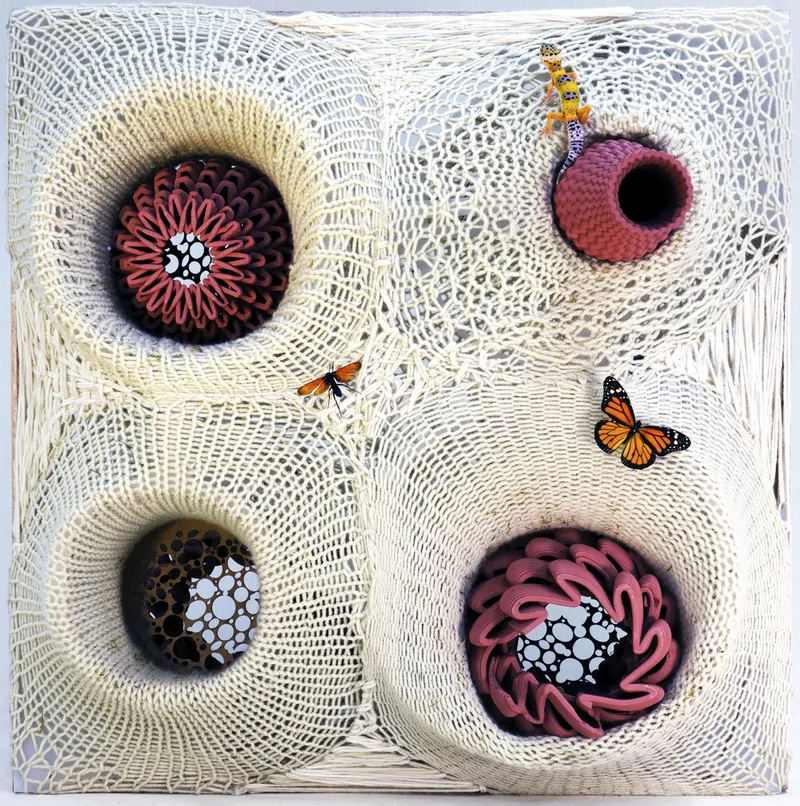
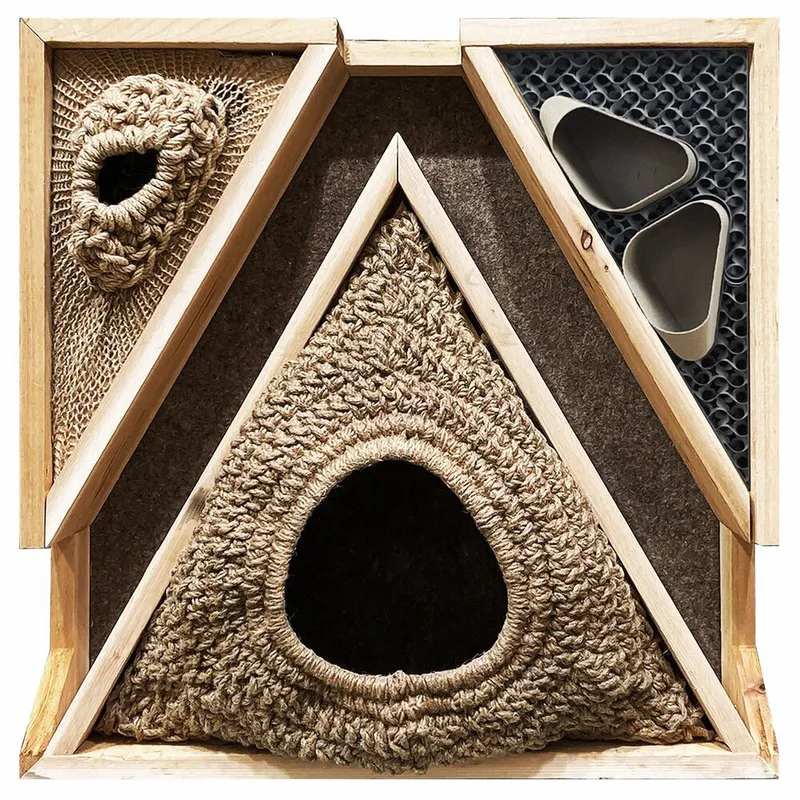
Unlike conventional buildings, the structure is dynamic, evolving with seasonal changes and environmental conditions. Its skeletal scaffolds gradually give way to the strength of willow trunks, forming a self-reinforcing structure that grows, breathes, and supports life. Fab Tree Hab exemplifies a vision of architecture rooted in reciprocity, demonstrating a future where homes and forests coexist in harmony.
All Photographs are works of Mitchell Joachim


Popular Articles
Popular articles from the community


Juan García Correa, John González and Claudia Rueda Sink a Circular Amphitheater into a Manizales Engineering Building
On the La Nubia campus in Manizales, Colombia, the S1 Building folds labs and offices into a hillside of ramped lawns that double as a campus route.

LT2A and OPEN Architectes Thread a Brick and Glass High School Through a Wooded Belgian Campus
In Braine-l'Alleud, a 3,000 m² wing for Collège Cardinal Mercier pairs pale brick with a glazed colonnade, deferring to a small chapel and a dense wood.

longwave studio Reorganizes a 112 m² Tainan Apartment Around the Daily Routines of a Family and Two Cats
In Tainan, Taiwan, birch plywood, rust-red furniture and a freestanding plaster wall link arrival, storage, work and family life in one apartment.

GROUP A Strips a 1969 Rotterdam Harbor Headquarters to Its Frame and Wraps It in Timber Louvers
In Rotterdam's M4H harbor district, Ferro Offices reuses a 1969 frame, adds one timber storey and reaches BREEAM-NL Outstanding.

Similar Reads
You might also enjoy these articles


Hodi-Mandai Geram
Project Function: Preservation and revitalization of the Intangible heritage and socio-spatial identity of the Hodi by Housing, Cultural Memory Center, Sacred Grove, landscape, local tourism economy


Olio Towers: A Mid-Rise for Performers That Fuses Housing, Rehearsal, and Stage
Located blocks from Houston's Theater District, this modular tower stacks living units around a central performance atrium.

Oasis: Modular Green Housing Carved into Dhaka's Urban Fabric
A shortlisted Plugin Housing entry reclaims unauthorized settlements in Dhaka with stepped concrete volumes, green roofs, and ventilation-driven design.

Black Hole: A Floating Megastructure for the Post-Physical Era
Emiliano Mazzarotto envisions a spherical, self-scaling arena where e-sports, digital hotels, and holographic stadiums replace traditional public space.

Explore Urban Forest Competitions
Discover active competitions in this discipline

Challenge to reimagine the Iron Throne

Photograph architecture without architects

Illustrate the lost glory of Angkor Wat - Render Challenge

Design challenge to reuse E-waste
Comments (0)
Please login or sign up to add comments
No comments yet. Be the first to comment!