
Greenhouse for the Coexistence of Plants and Humans – Sustainable Architecture by salazarsequeromedina
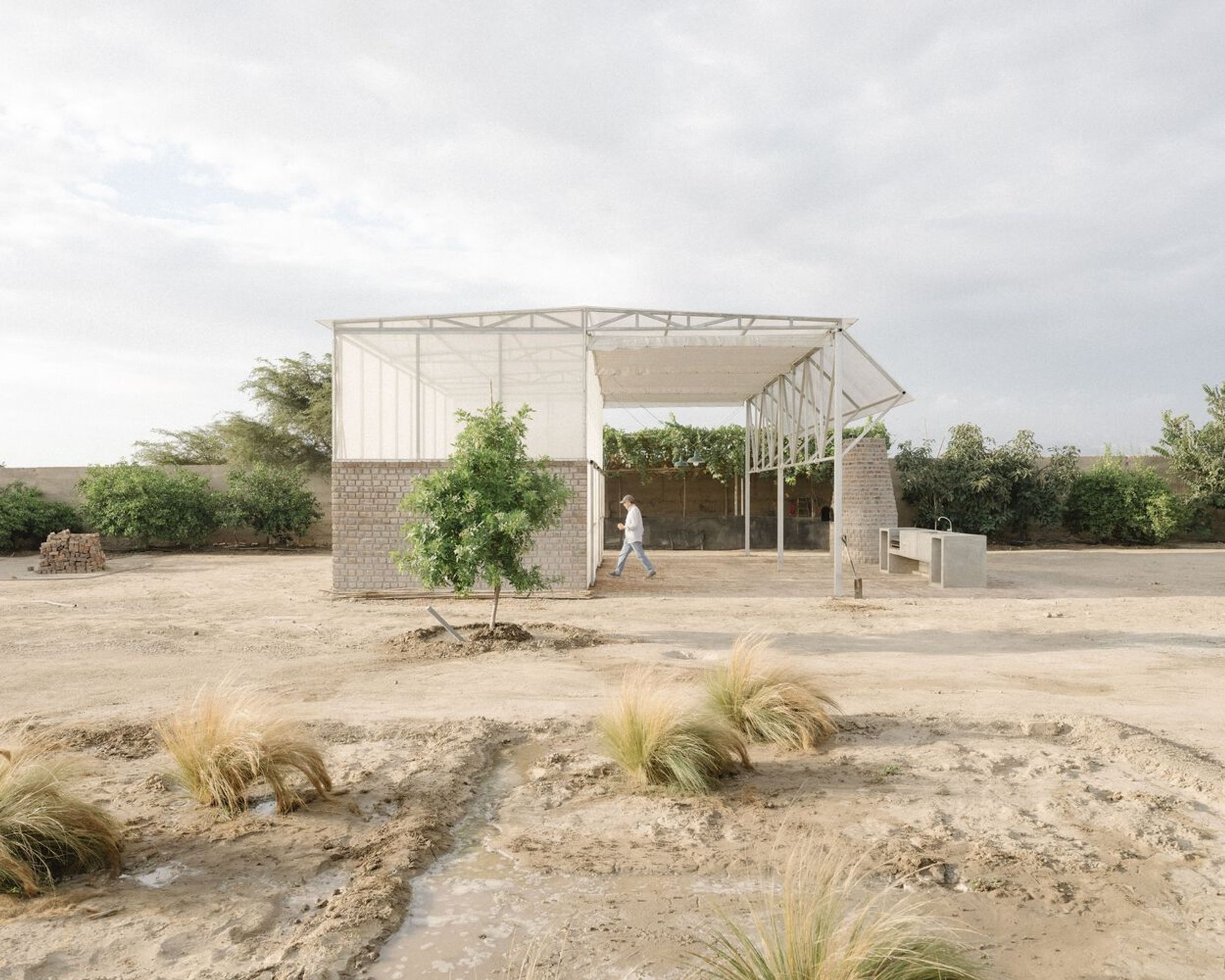
A sustainable Peruvian greenhouse blending plant cultivation and social living, using vernacular design, recycled materials, and a shared microclimate.

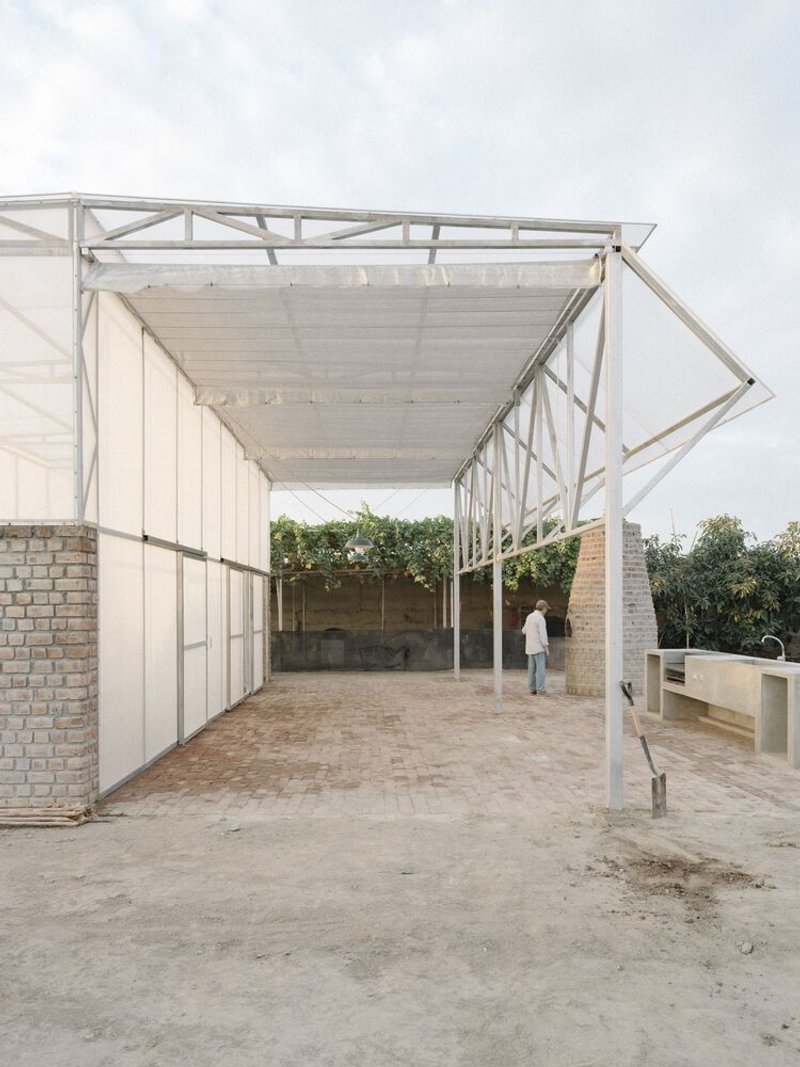
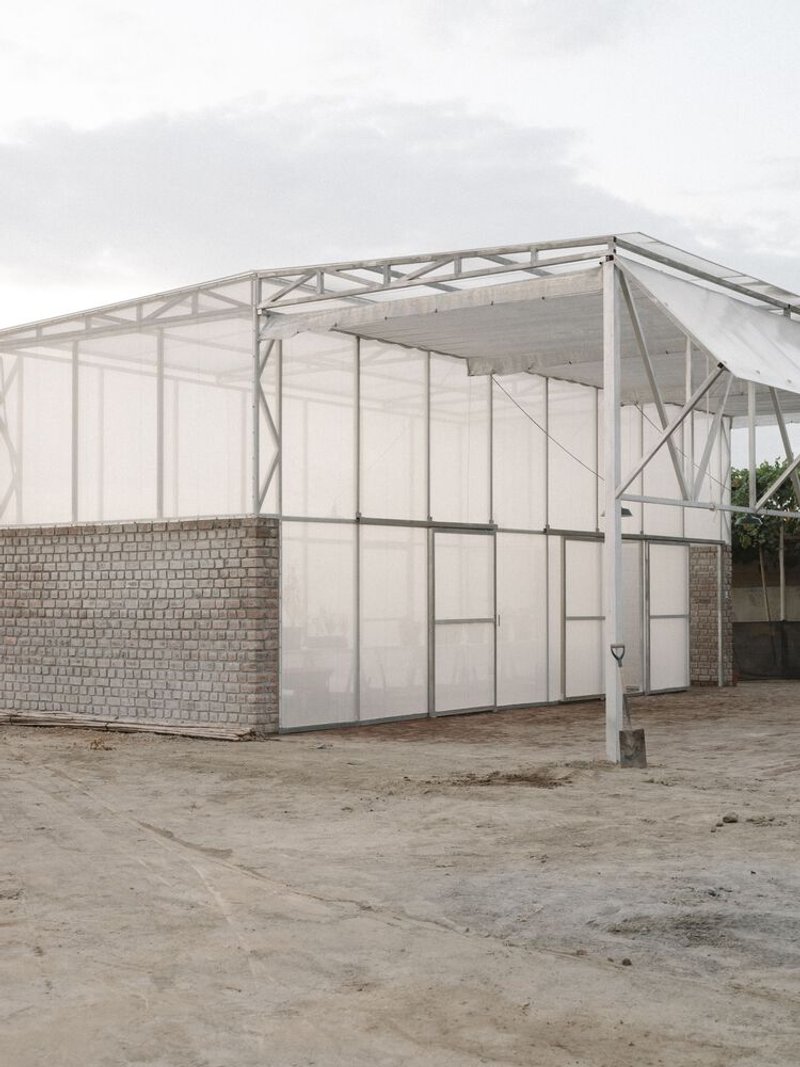
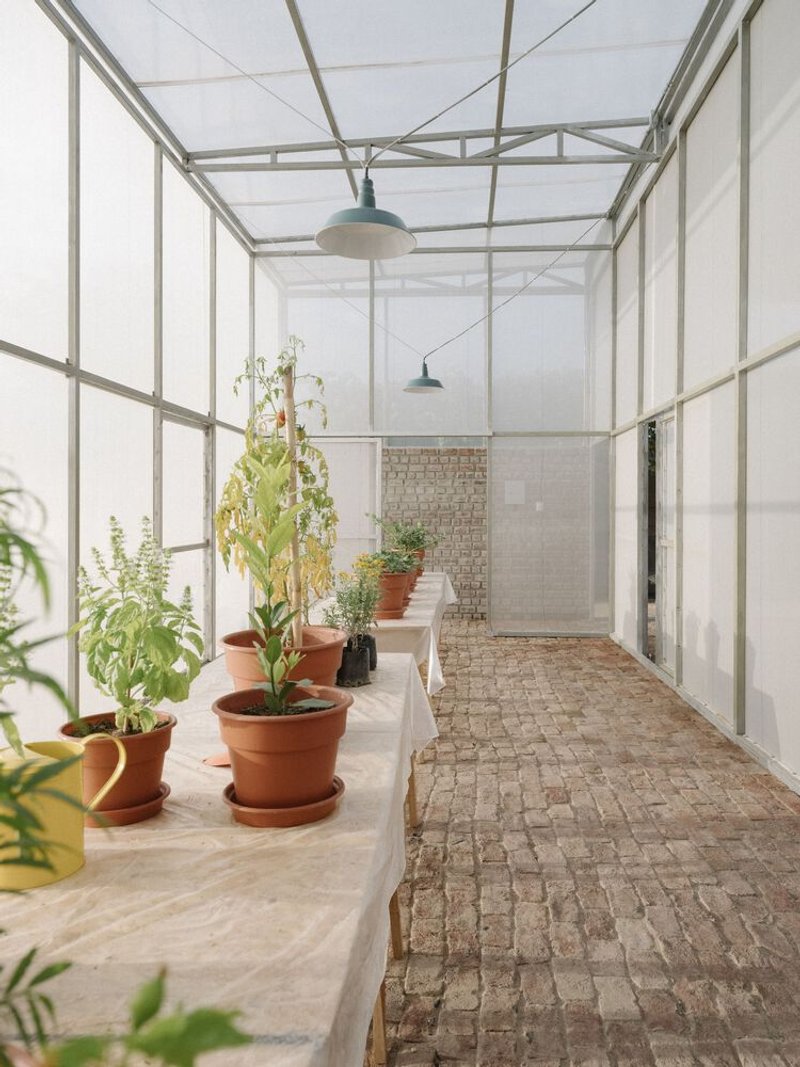
Drawing from Peruvian vernacular architecture, the design echoes temporary yet purposeful rural structures such as verandas, awnings, and antepatios. These elements provide natural shading, passive ventilation, and optimized daylight, making the space both environmentally responsible and visually integrated with its surroundings.
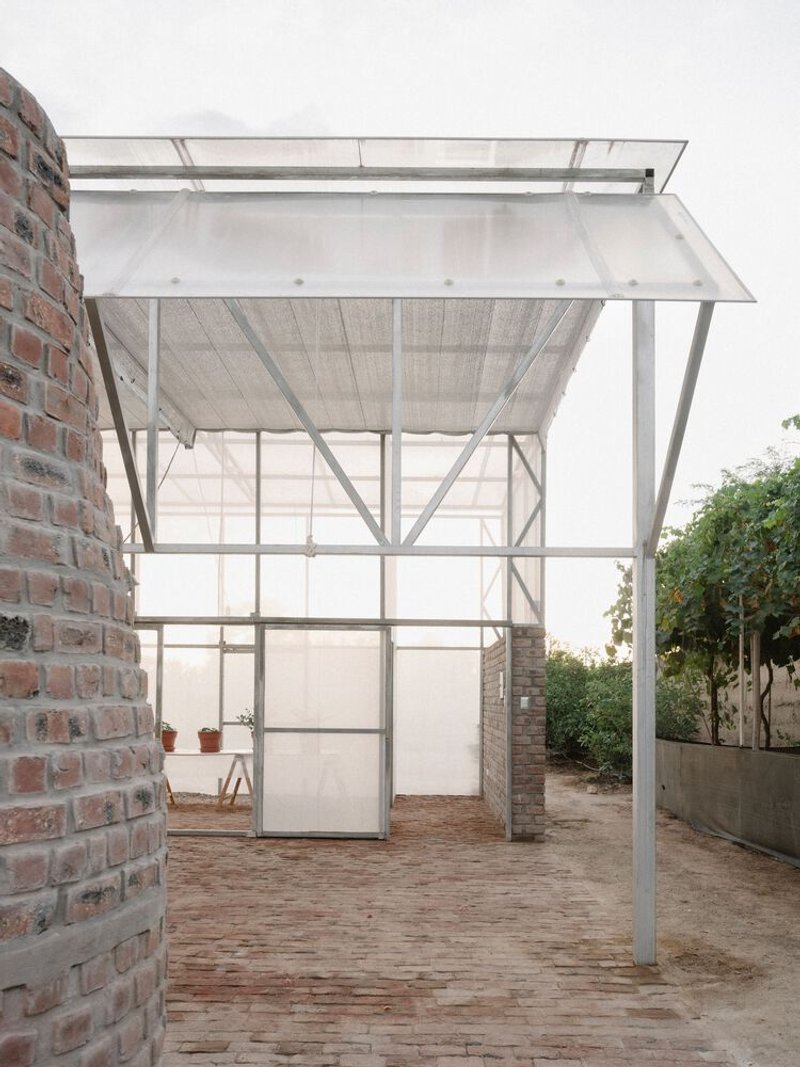
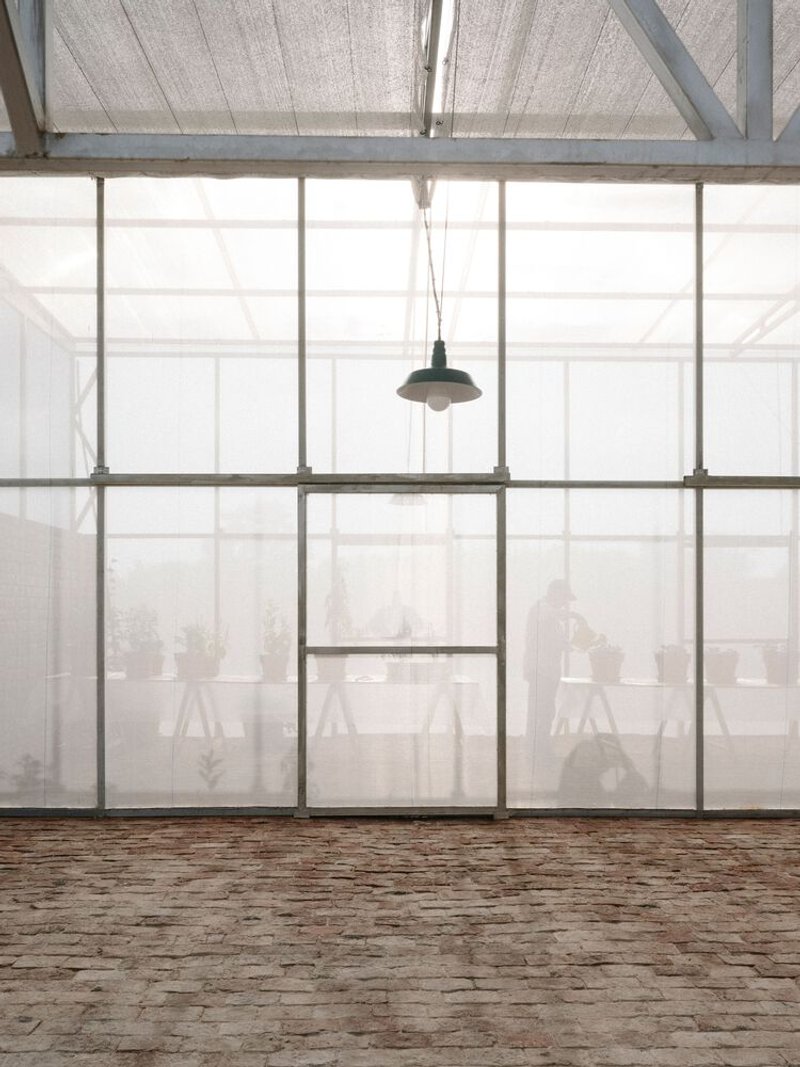
The construction base—walls, flooring, and chimney—is built with solidity and permanence in mind, using recocho brick, a locally recovered and repurposed material sourced from brickyard waste over several months. This choice not only supports sustainable building practices but also reflects the project’s ethos of recycling and adaptive reuse.
Lightweight, Flexible, and Future-Ready
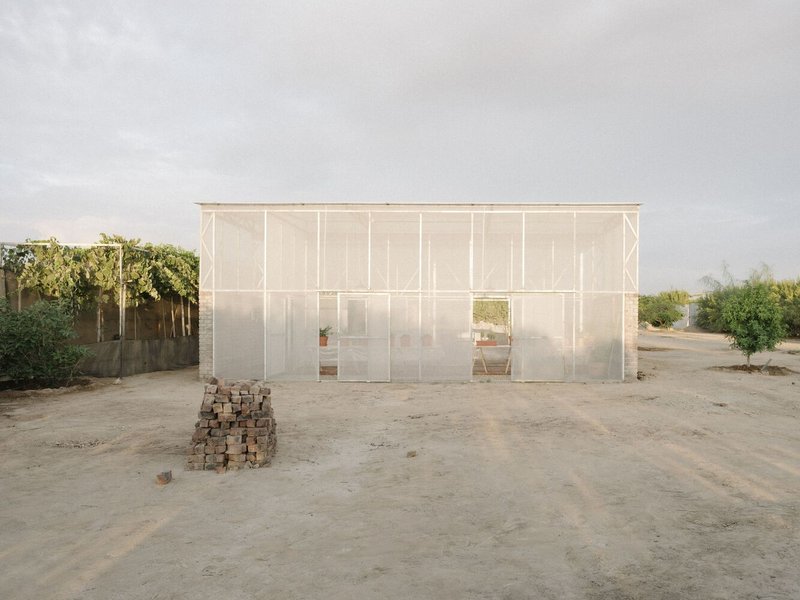
Above the sturdy brick base, a light metal frame—assembled from repurposed elements of nearby agricultural structures—supports the greenhouse envelope. This modular and demountable system allows for future reconfiguration, ensuring the structure can evolve to meet changing needs. Over time, it could be adapted for alternative uses, demonstrating architecture’s potential for flexibility and circularity.
Ultimately, the Greenhouse for the Coexistence of Plants and Humans is not just a building—it’s a living ecosystem, a social space, and an architectural experiment in merging domestic life with sustainable food production. It offers a blueprint for future spaces where humans and nature share not just the same environment, but the same purpose.
All photographs are works of Ivan Salinero




Popular Articles
Popular articles from the community

Constanti Architects Builds a Fortress of Privacy in Nicosia with House 345
A concrete and timber residence in Cyprus reinterprets the traditional introverted courtyard house for a new urban landscape.
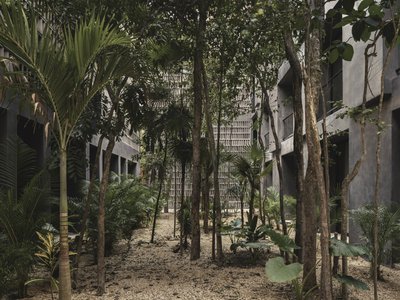
Three Studios Build 200 Affordable Units for Tulum's Displaced Hospitality Workers
Casa Selva embeds dark concrete housing blocks into Yucatán rainforest, offering dignified shelter to those priced out by the tourism they serve.
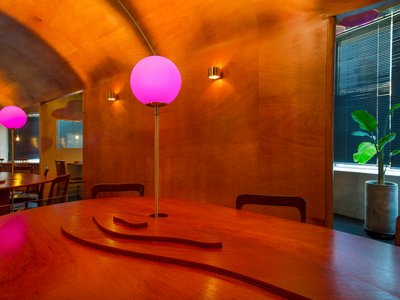
Indiesalon Carves a Plywood Cave into a Seoul Bistro's Second Floor
Munhwa Bistro's second Seongsu branch wraps diners in a laminated timber vault laced with colored light and mirror illusions.
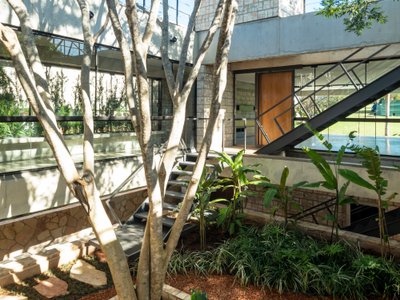
OMCM arquitectos Builds a Summer House in Paraguay from Quarry Waste Blocks and Three Sacred Trees
In the young hillside neighborhood of Altos, a 696-square-meter concrete volume hovers on six pillars around three preserved native Yvyraju trees.


Similar Reads
You might also enjoy these articles

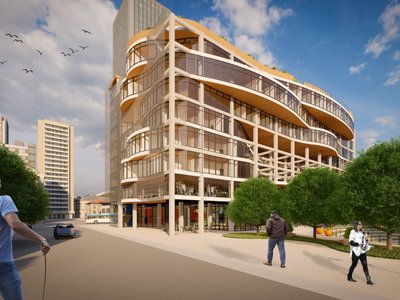
Olio Towers: A Mid-Rise for Performers That Fuses Housing, Rehearsal, and Stage
Located blocks from Houston's Theater District, this modular tower stacks living units around a central performance atrium.
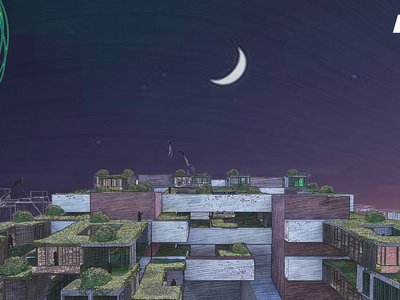
Oasis: Modular Green Housing Carved into Dhaka's Urban Fabric
A shortlisted Plugin Housing entry reclaims unauthorized settlements in Dhaka with stepped concrete volumes, green roofs, and ventilation-driven design.

Black Hole: A Floating Megastructure for the Post-Physical Era
Emiliano Mazzarotto envisions a spherical, self-scaling arena where e-sports, digital hotels, and holographic stadiums replace traditional public space.
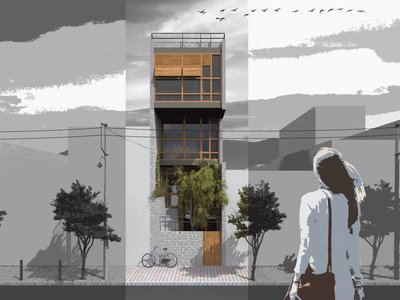
Compact & Sustainable Living in Piraeus: A Four-Level Family Home Built Around Light and Air
A narrow townhouse in one of Greece's densest port cities uses a central atrium and passive strategies to house three generations under one roof.


Explore Architecture Competitions
Discover active competitions in this discipline




The International Standard for Design Portfolios


The Global Benchmark for Architecture Dissertation Awards


The Global Benchmark for Graduation Excellence


Challenge to reimagine the Iron Throne
Comments (0)
Please login or sign up to add comments
No comments yet. Be the first to comment!