
Hinterhaus Cultural Space by SHERPA: A Modern Cultural Retreat in Anyang-si, South Korea
Hinterhaus Cultural Space by SHERPA blends indoor-outdoor design, sustainable materials, and natural views, creating a serene, ventilated cultural hub in Anyang.

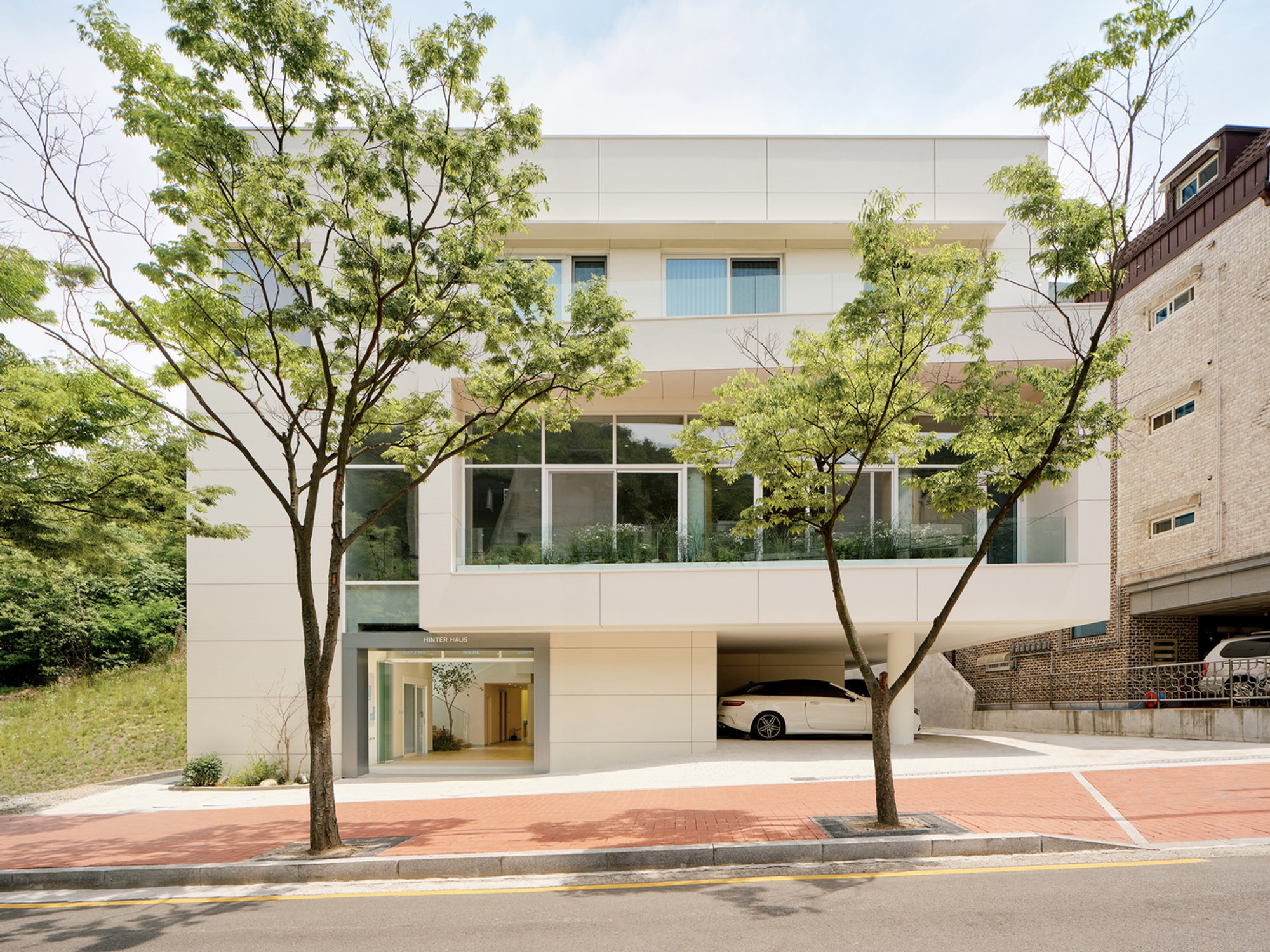
The Hinterhaus Cultural Space, designed by SHERPA, is a contemporary cultural retreat nestled within Anyang Art Park, South Korea. The project draws inspiration from the city’s historical roots, Anyang originated from Anyangsa Temple, symbolizing a “paradise that relaxes the mind and body.” This cultural center reflects that philosophy, providing a serene, ventilated space away from the bustling city center while blending art, architecture, and nature.
Concept and Design Narrative
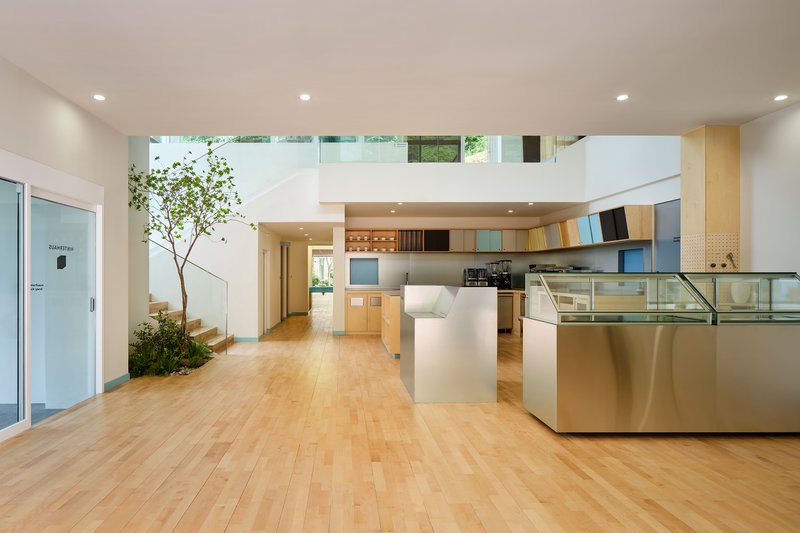
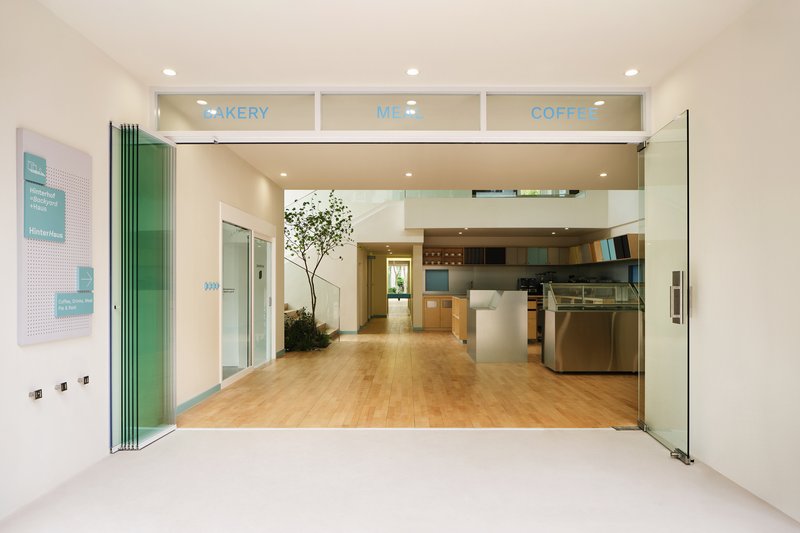
The name “Hinterhaus” combines the German words “Hinterhof” (backyard) and “Haus” (house), highlighting the design’s core intention: a backyard-like sanctuary within a modern architectural shell. The architects envisioned a sequence of experiences, moving from the welcoming first-floor “home” area to the elevated second-floor “yard,” creating a natural flow that encourages exploration and engagement.
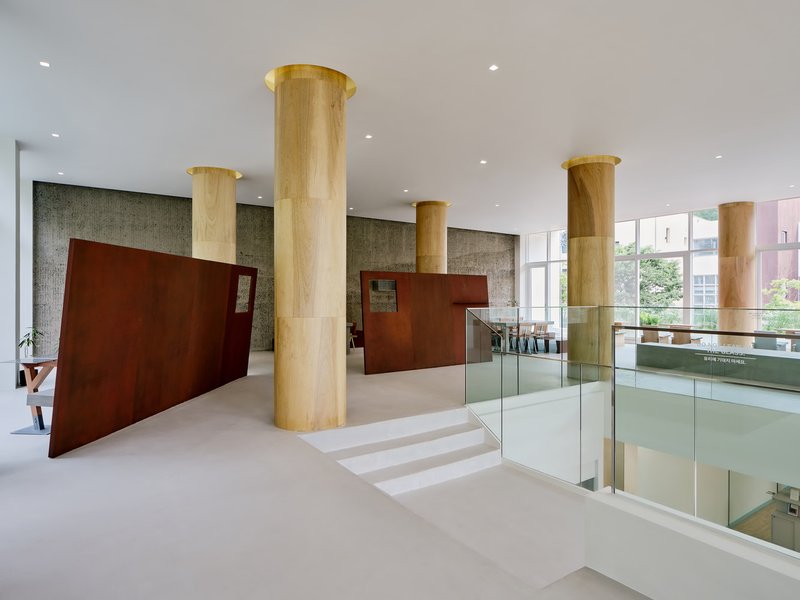
The exterior façade and corten steel fencing guide movement and frame sightlines, allowing visitors to feel connected to nature from every vantage point. The building’s material palette: including concrete, corten steel, and reclaimed wooden elements, reinforces the impression of an outdoor backyard while maintaining a modern, urban aesthetic.
Interior Design and Materiality
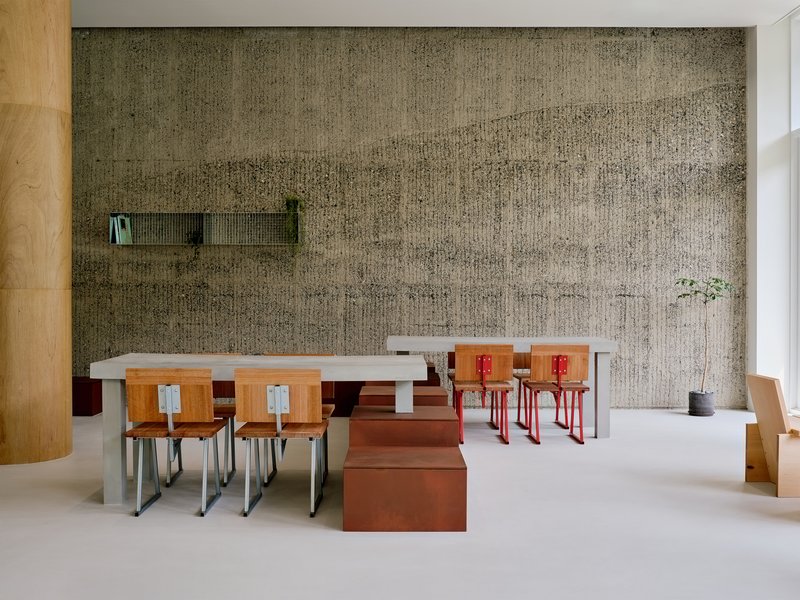
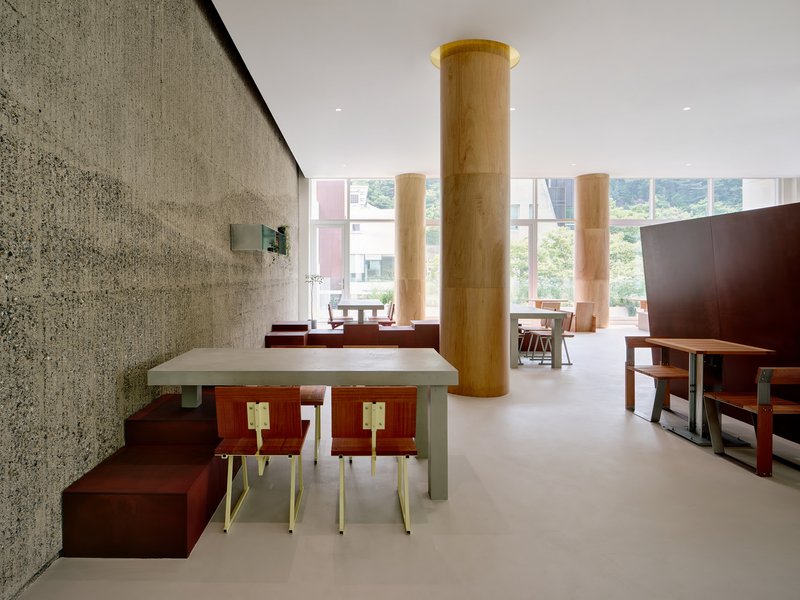
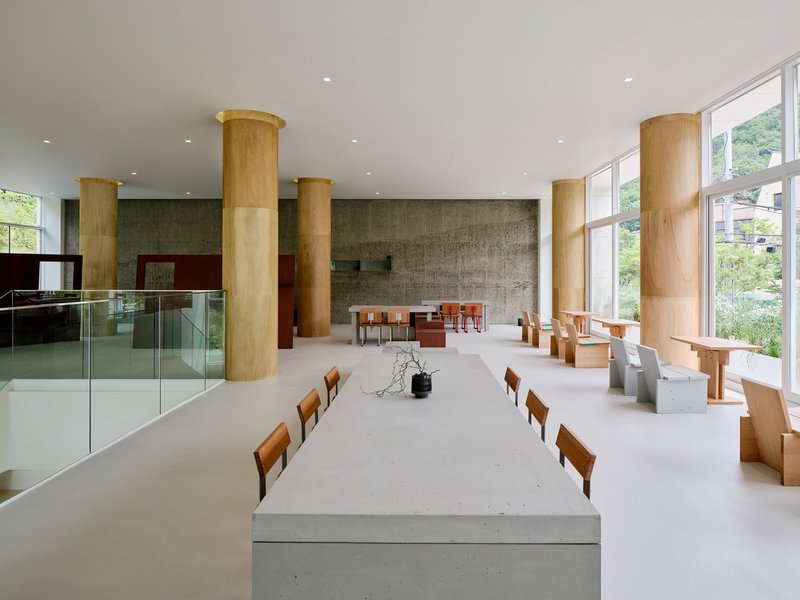
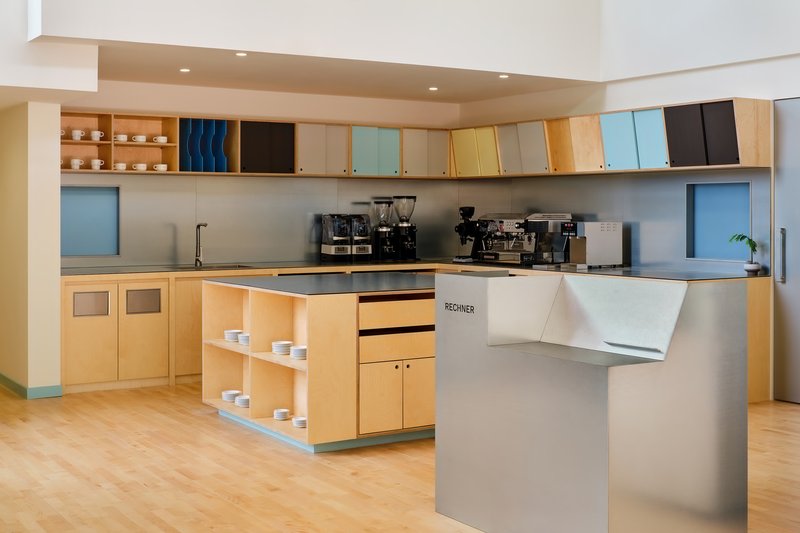
Inside, the first-floor area features communal spaces where visitors are greeted with warmth and intimacy. The interiors use natural materials and intuitive design cues characteristic of SHERPA’s architectural language. For example:
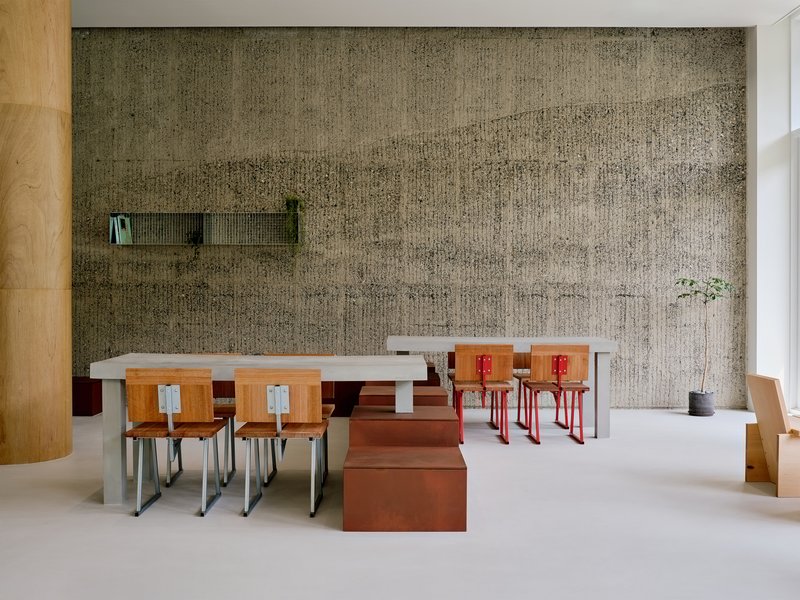
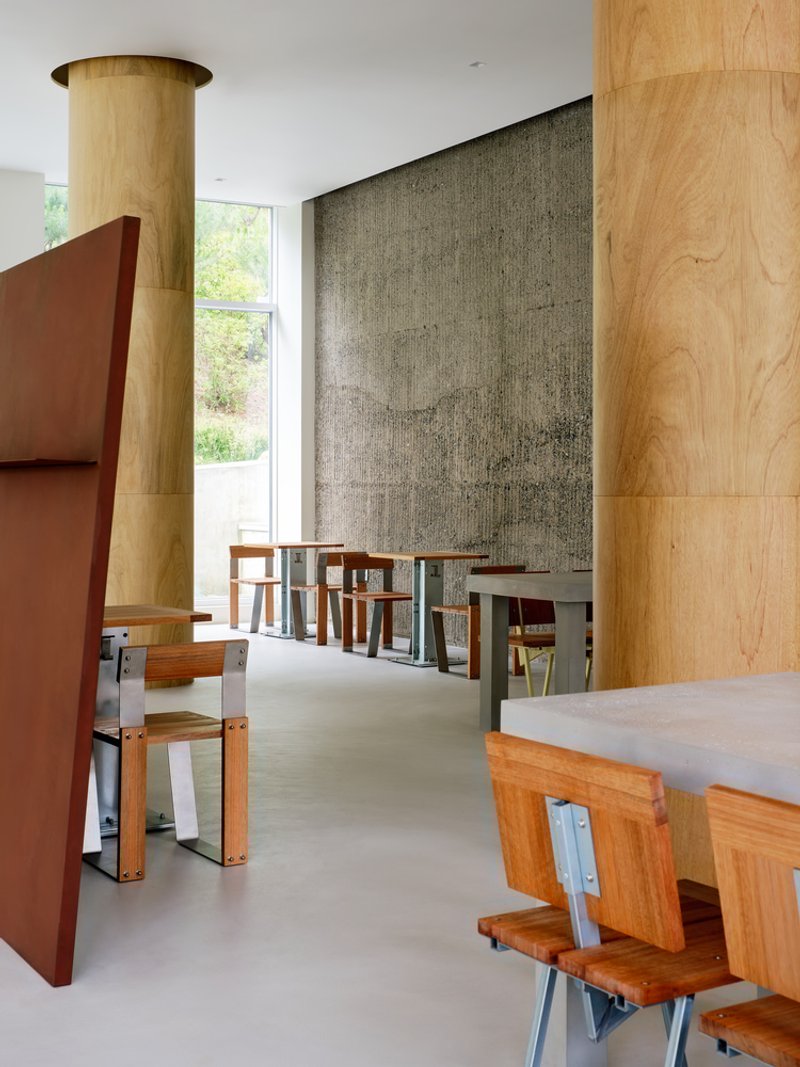
- Vertical concrete chipping on walls evokes the texture and narrative of Berlin Wall fragments, integrating history and abstraction into the building’s form.
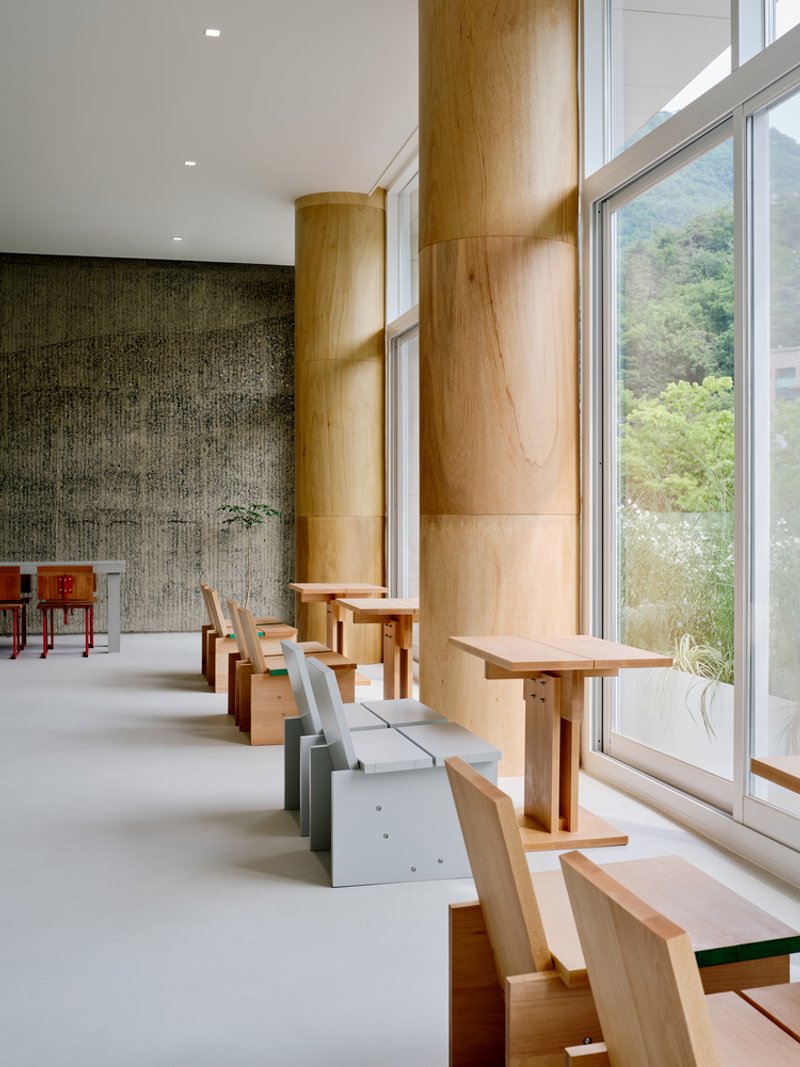
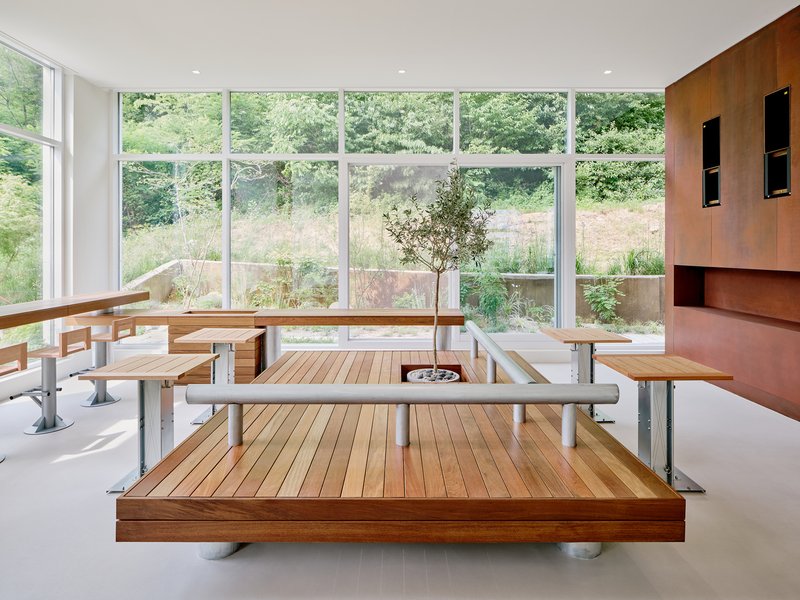
- Wood furnishings with live edges and repurposed identification paint from the woodyard connect interior objects to the exterior environment.
- Rainwater drainage lines are subtly incorporated into furniture design, reinforcing functionality and sustainability.
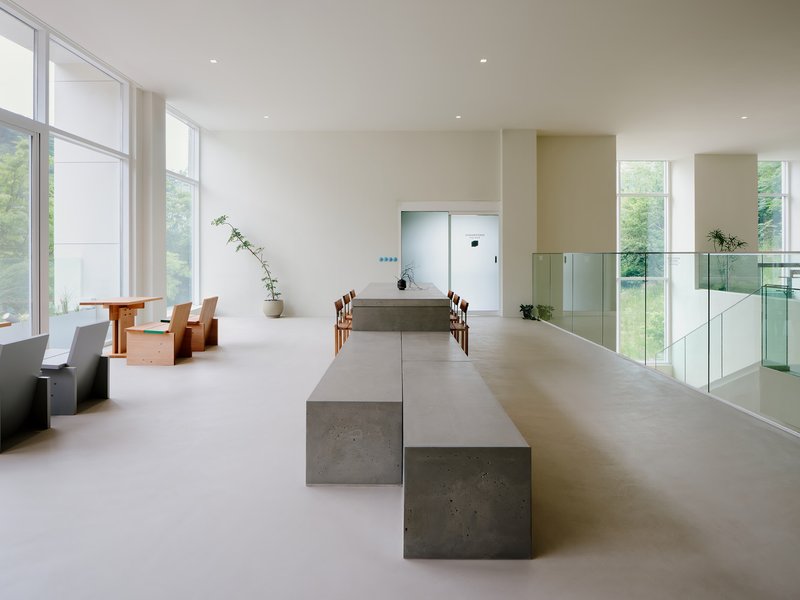
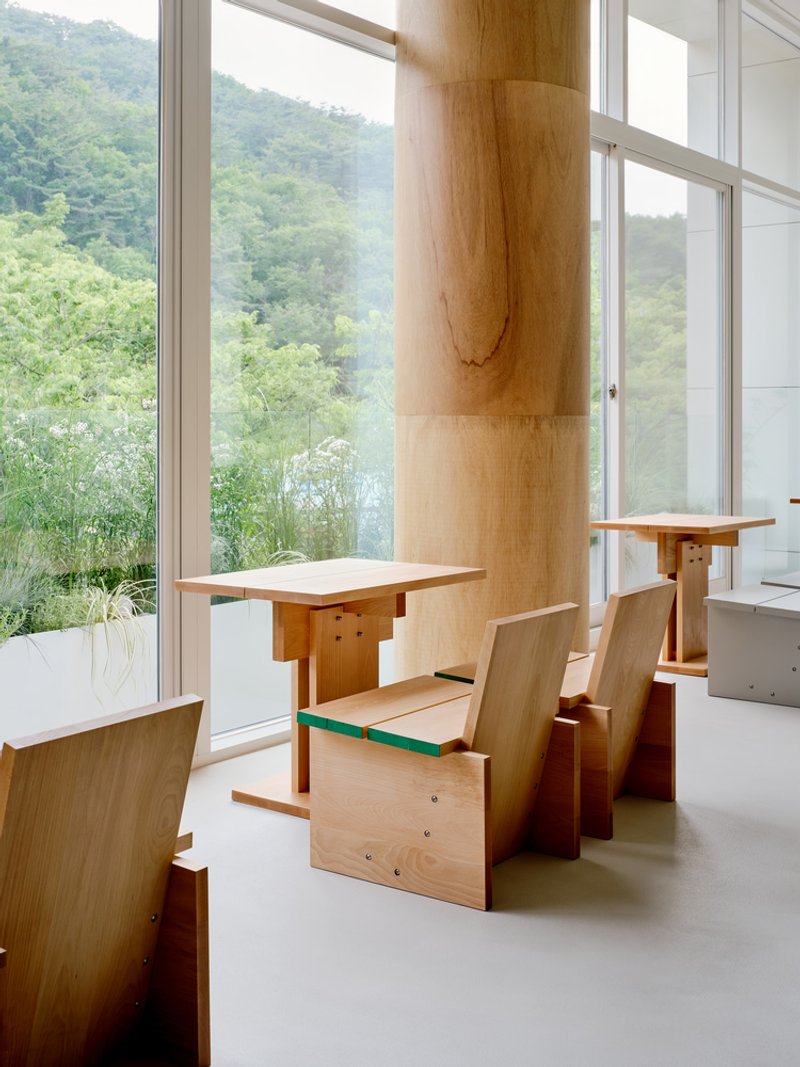
The interior layout emphasizes comfort, ventilation, and connection to nature, creating a space that is both practical and experiential. Every chair, table, and window placement is carefully considered to frame views, allow natural light, and ensure a sense of openness.
Spatial Experience
Visitors experience a gradual unfolding of the cultural space: entering through a subtle door mechanism resembling a “password handle” leads to the first-floor communal area. As one moves upward, the second-floor yard opens up, inviting visitors to enjoy outdoor-like seating and greenery. The careful interplay between interior and exterior elements reinforces a sense of place, locality, and tranquility.
The Hinterhaus Cultural Space is not just a building; it is an architectural narrative. By harmonizing local culture, historical references, and sustainable materiality, SHERPA creates a cultural hub that inspires reflection and rejuvenation.
Architectural Significance
Hinterhaus demonstrates how modern mixed-use architecture can integrate nature, community, and art. Its thoughtful material choices and design strategies provide:
- A ventilated urban retreat
- Seamless indoor-outdoor continuity
- A contemporary interpretation of cultural heritage
All photographs are works of
In and Out




Popular Articles
Popular articles from the community

RDTH architekti Rips Out Nearly Every Wall in a Prague Apartment and Replaces Them with Furniture
A 101-square-meter post-war flat in Prague trades rigid partitions for a single rotated furniture block, curtains, and glass concrete.
HCCH Studio Wraps a Shanghai High-Rise Office in Curved Walls of Translucent Glass
A 1,000 square meter fit-out in Lujiazui replaces the typical tech-office palette with layered glass, micro-cement, and quiet rigor.
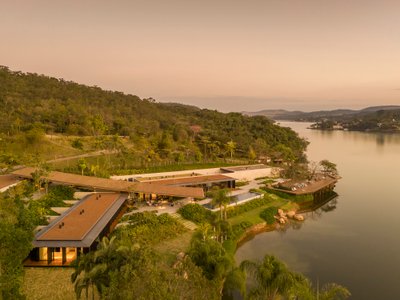
Bernardes Arquitetura Stretches a Timber Roof Along a Reservoir's Edge in Minas Gerais
Dam House in Itaúna lets a sweeping wooden canopy dissolve the boundary between hillside terrain and open water.
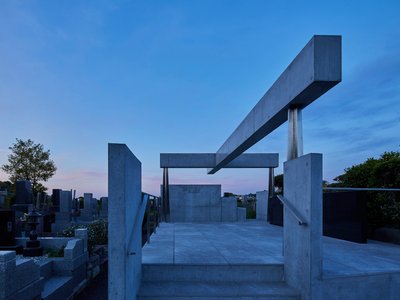
Takeshi Hosaka Architects Suspends a Concrete Cross Above a Yokohama Cemetery
A 28-square-meter burial renovation in Yokohama lifts the symbol of resurrection into the sky so mourners see it against heaven.

Similar Reads
You might also enjoy these articles

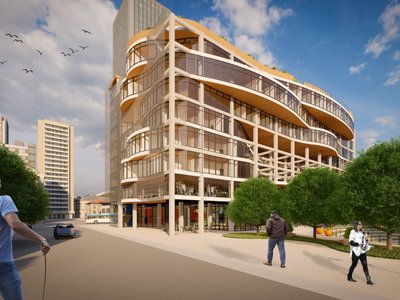
Olio Towers: A Mid-Rise for Performers That Fuses Housing, Rehearsal, and Stage
Located blocks from Houston's Theater District, this modular tower stacks living units around a central performance atrium.
Oasis: Modular Green Housing Carved into Dhaka's Urban Fabric
A shortlisted Plugin Housing entry reclaims unauthorized settlements in Dhaka with stepped concrete volumes, green roofs, and ventilation-driven design.

Black Hole: A Floating Megastructure for the Post-Physical Era
Emiliano Mazzarotto envisions a spherical, self-scaling arena where e-sports, digital hotels, and holographic stadiums replace traditional public space.
Compact & Sustainable Living in Piraeus: A Four-Level Family Home Built Around Light and Air
A narrow townhouse in one of Greece's densest port cities uses a central atrium and passive strategies to house three generations under one roof.


Explore Architecture Competitions
Discover active competitions in this discipline




The International Standard for Design Portfolios


The Global Benchmark for Architecture Dissertation Awards


The Global Benchmark for Graduation Excellence


Challenge to reimagine the Iron Throne
Comments (0)
Please login or sign up to add comments
No comments yet. Be the first to comment!