
Historical Building Renovation
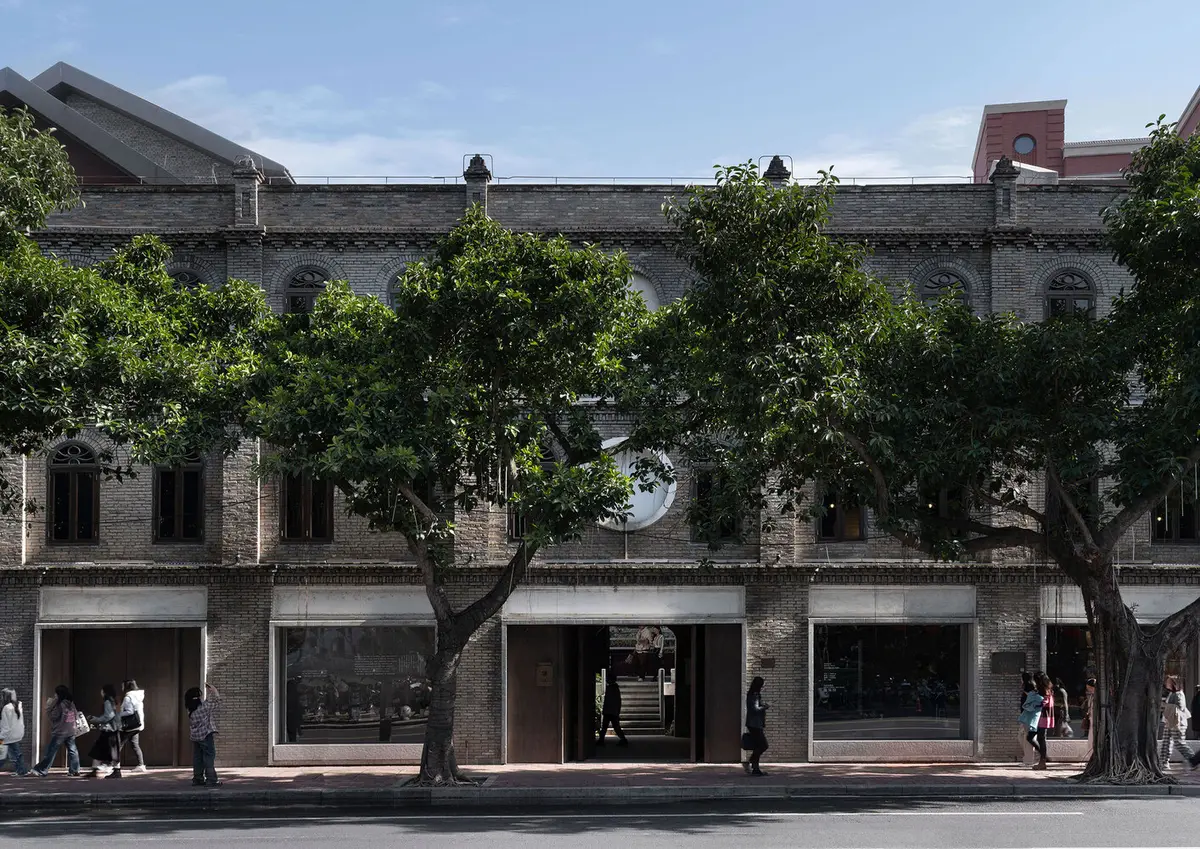
This article explores the renovation of "The Olive Five House" in Fuzhou, China, transforming it into the modern XUN Bakery.


Historical building renovation projects offer a unique glimpse into the synthesis of past and present architectural practices. One such exemplary case is the transformation of "The Olive Five House" in Fuzhou, China into the contemporary XUN Bakery. This project, led by the architecture firm Devolution, showcases how sensitive restoration and modern design can coexist.
The Historical Significance of The Olive Five House
Originally built during the Guangxu period (1875–1908) of the Qing Dynasty by Zheng Zeming, a prominent figure in the Fuzhou olive industry, The Olive Five House has stood as a testament to the city's rich cultural and economic history. However, after decades of neglect and changes in ownership, the building required significant restoration to salvage its historical value and structural integrity.
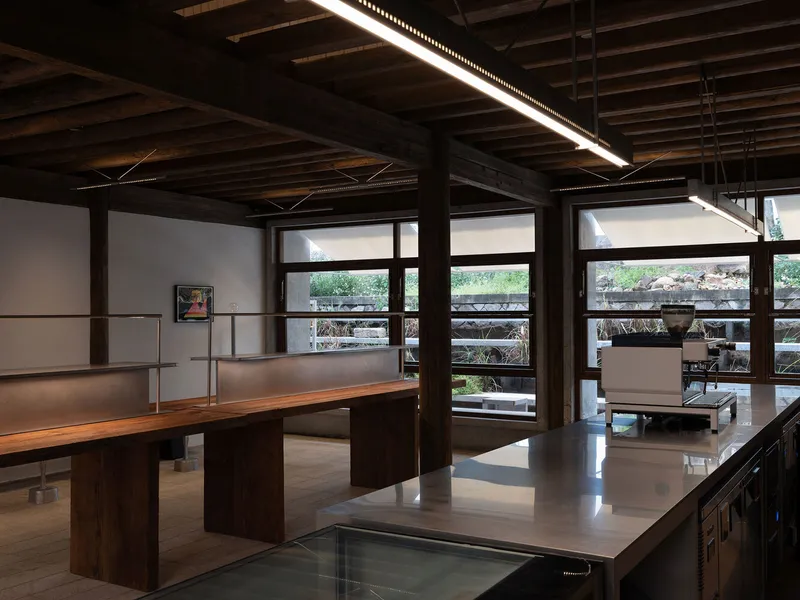
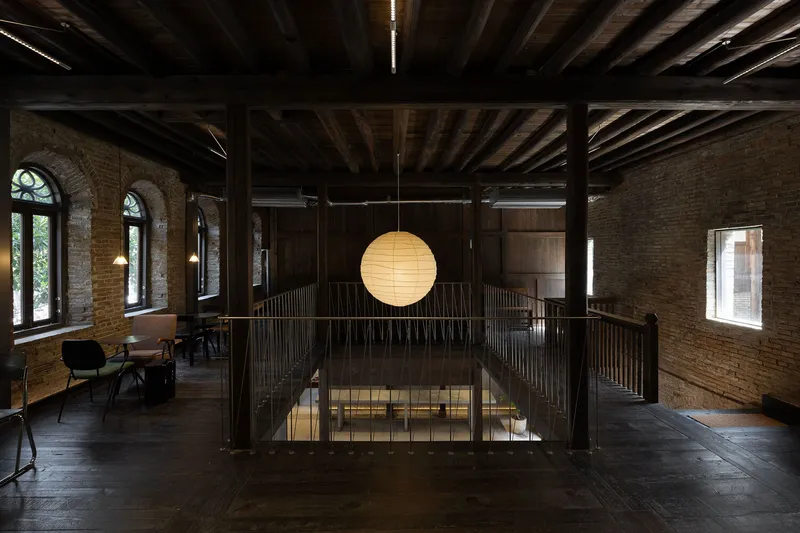
The Renovation Approach by Devolution
Understanding and Preserving Historical Value
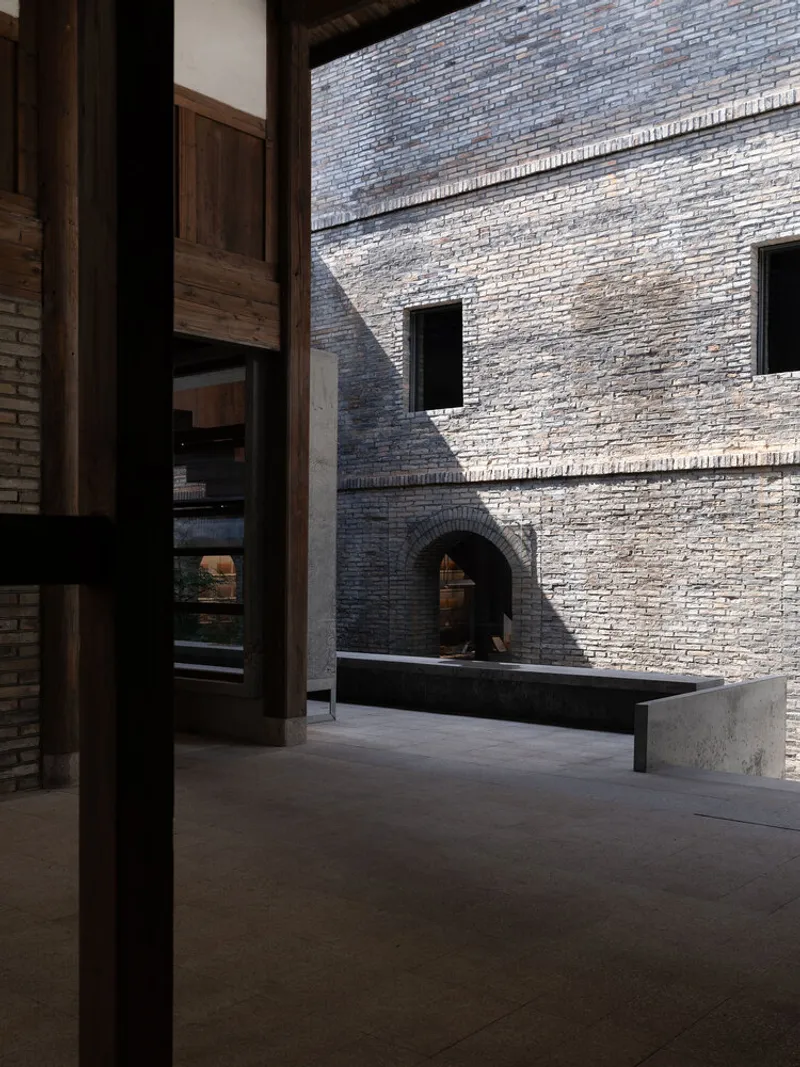
The renovation of The Olive Five House by Devolution was driven by a deep respect for its original architecture and historical importance. The firm conducted extensive research on the building's architectural form and consulted with descendants of the Zheng family, ensuring that the restoration work would honor its past. The primary goal was not just to repair the building but to reveal and enhance its original features while integrating modern functional requirements.
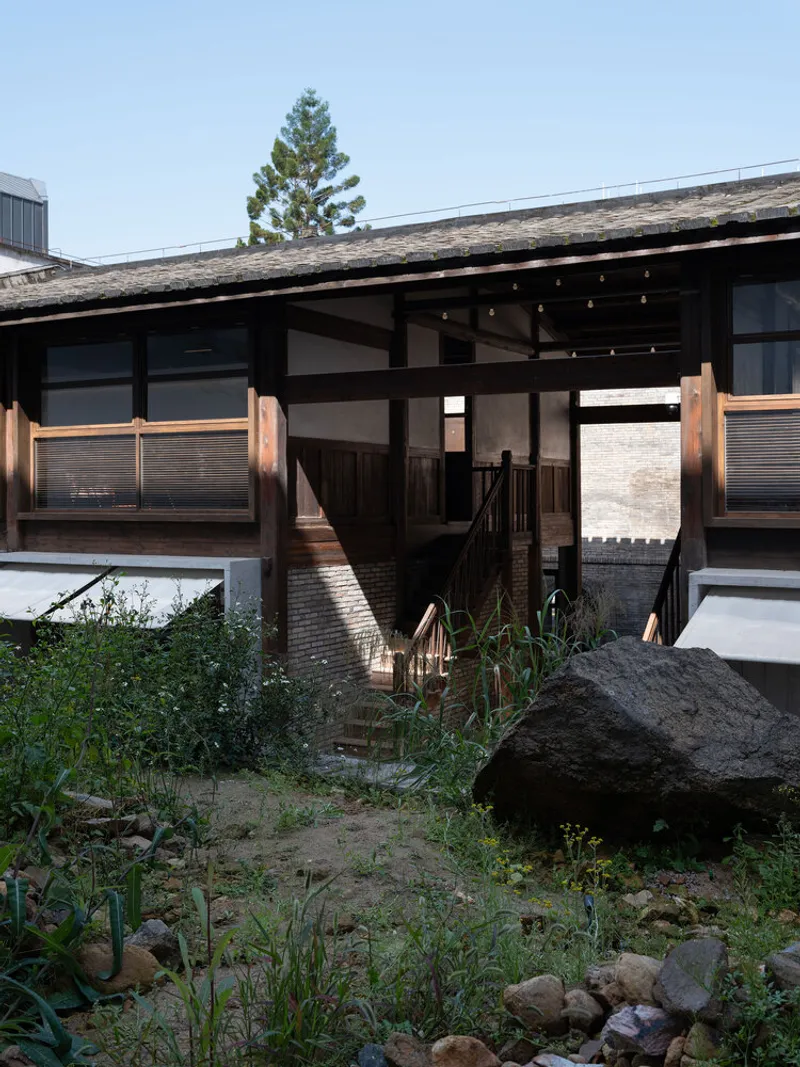
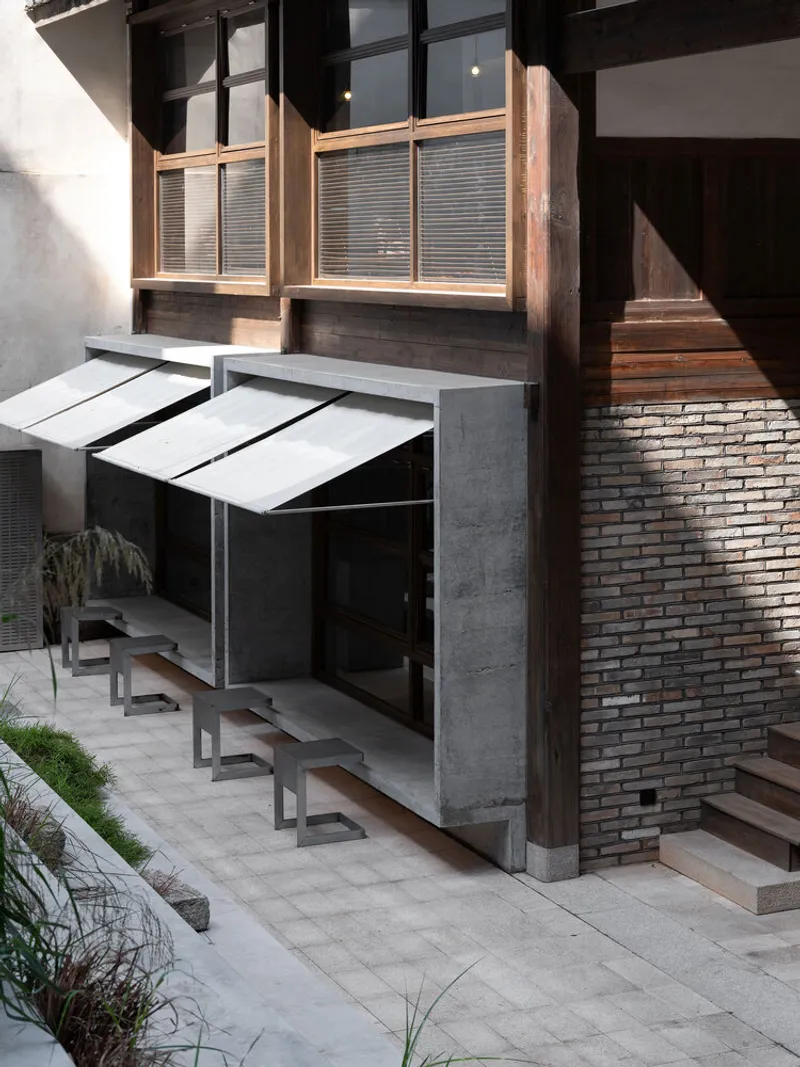
Modern Interventions and Design Integration
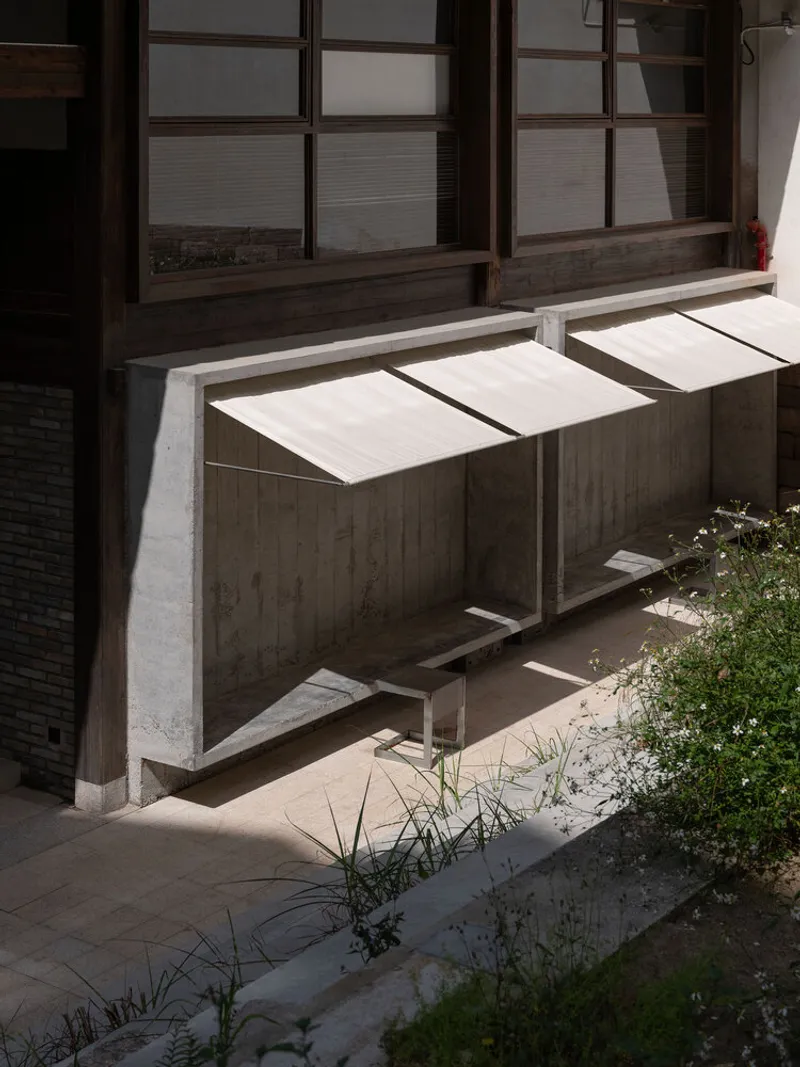
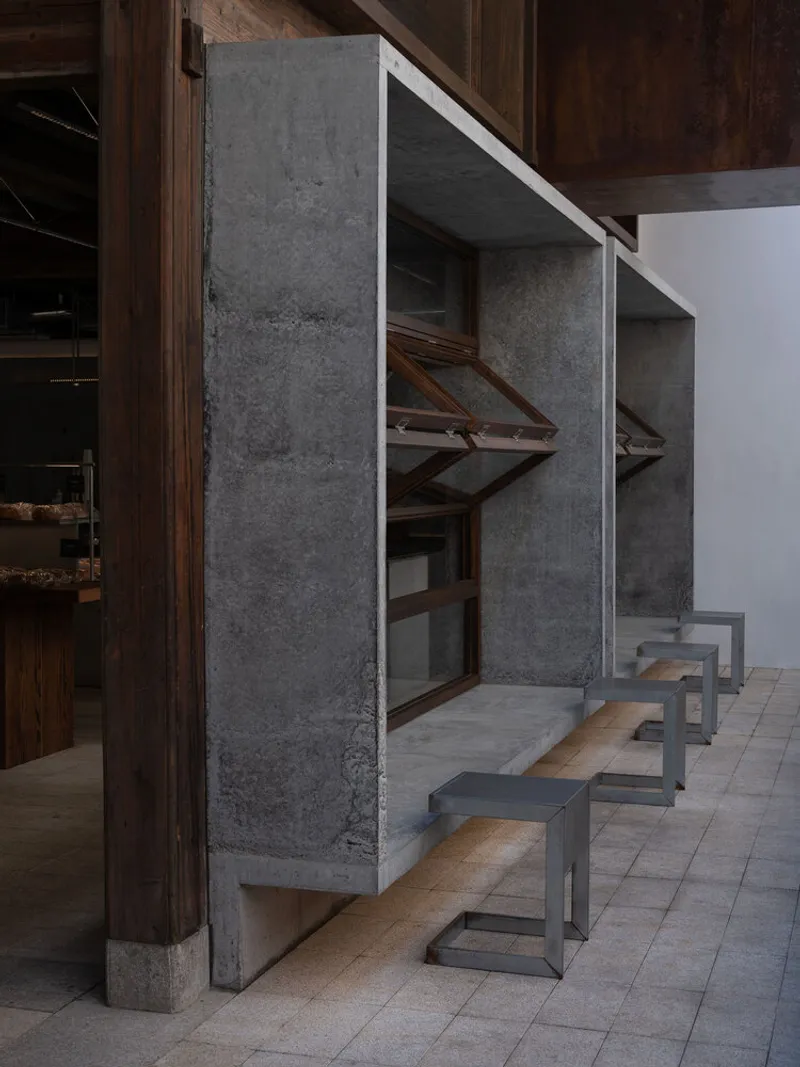
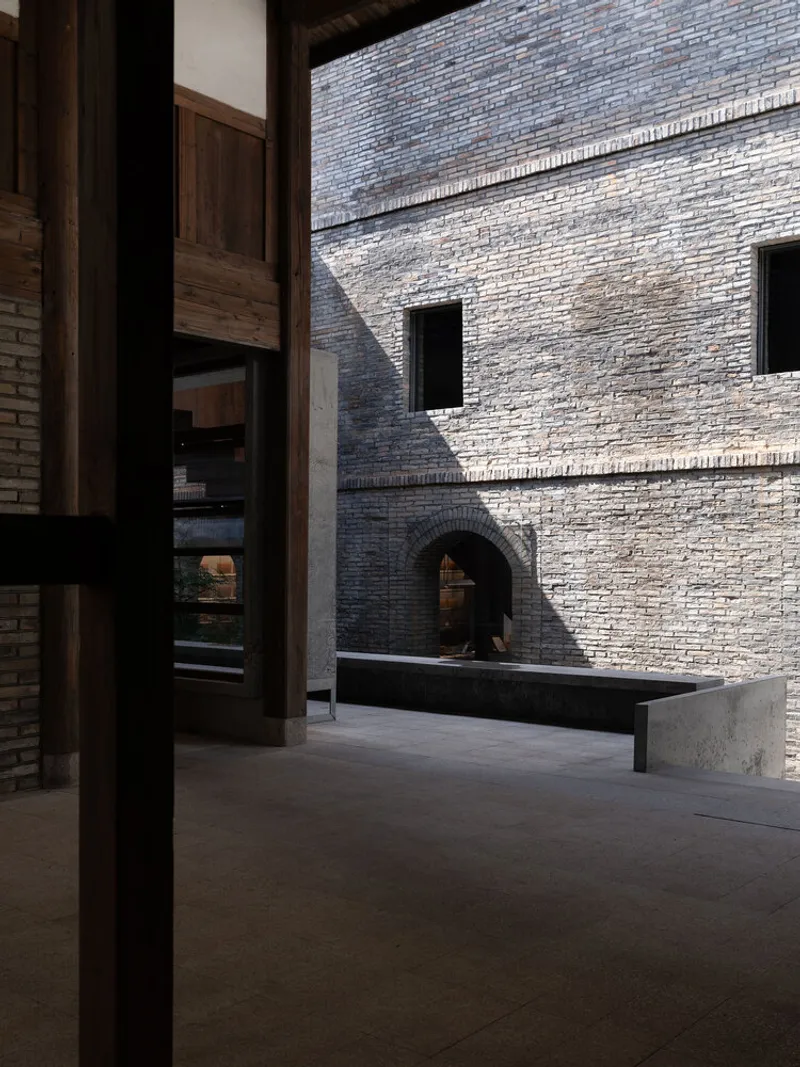
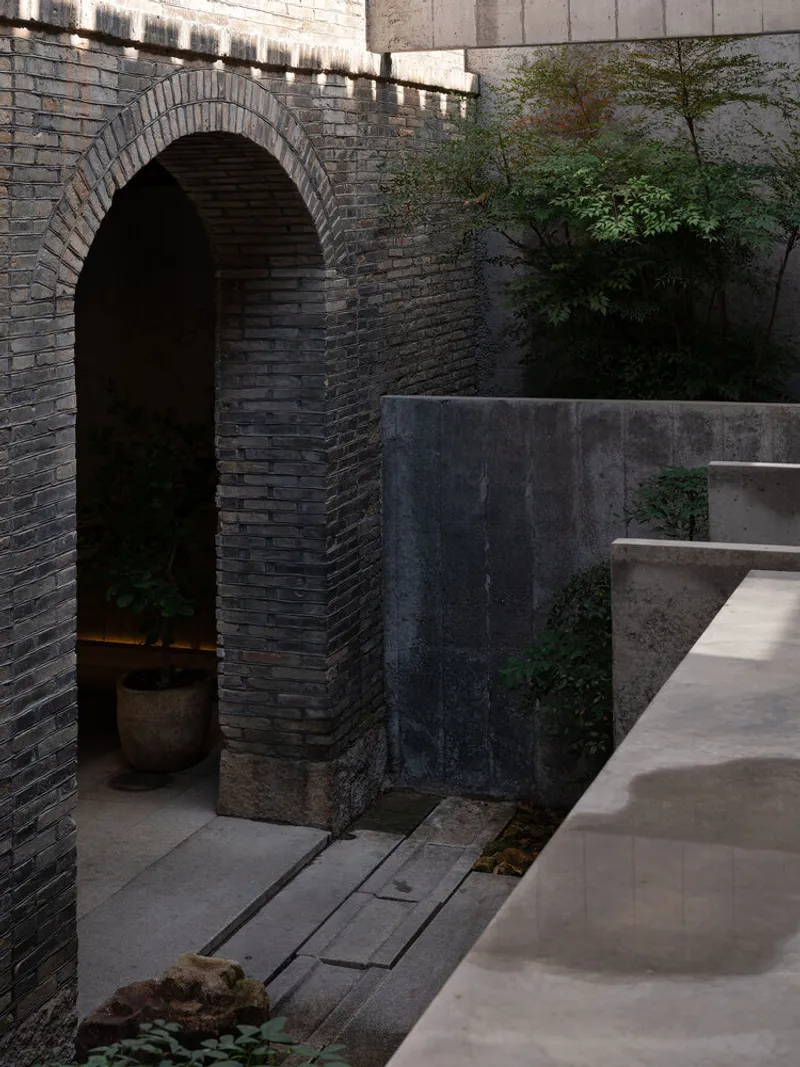
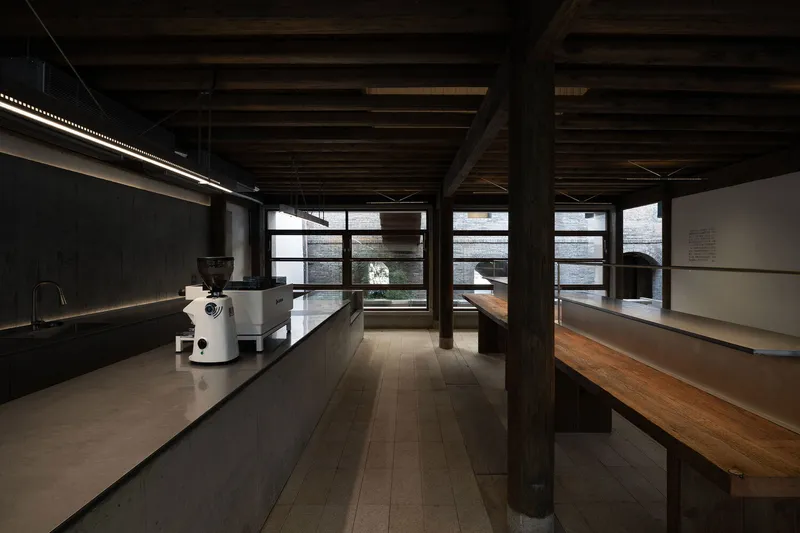
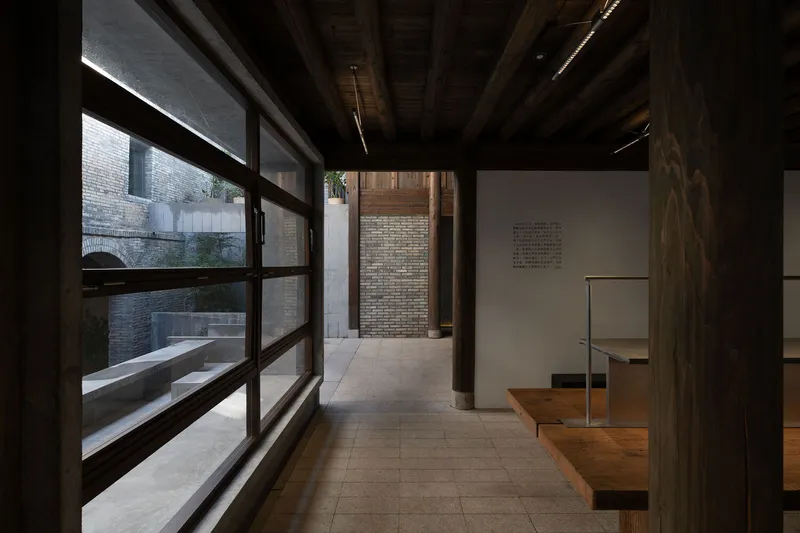
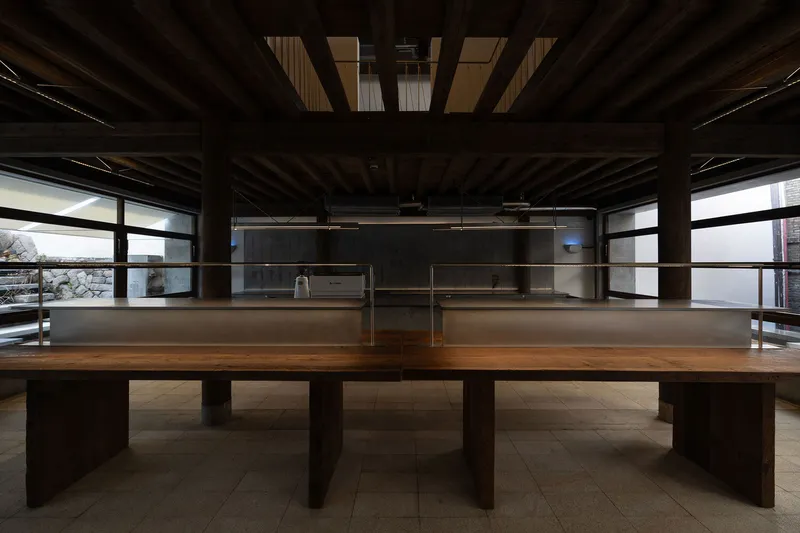
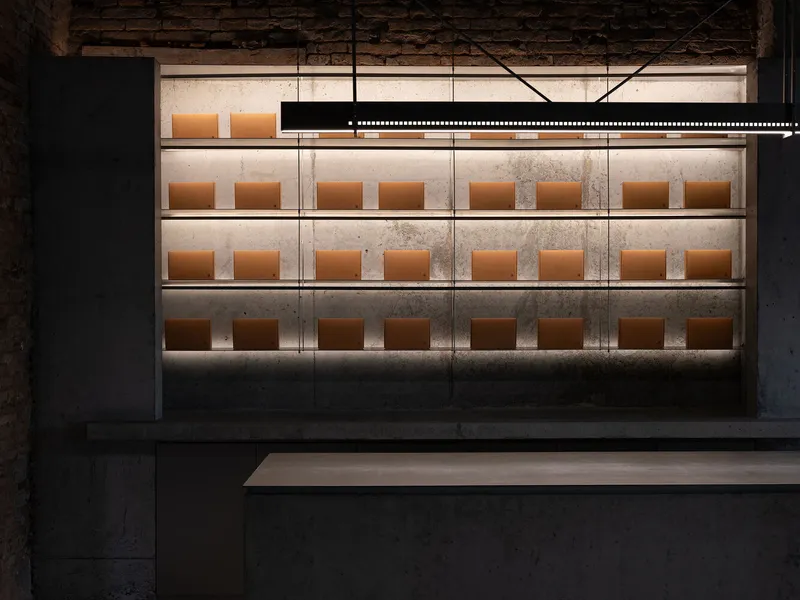
The challenge of integrating modern elements into historical renovations was met with innovative solutions. The design team used contemporary materials and craftsmanship to complement the traditional elements. For instance, modern technology was employed to protect the building’s authentic character, and new materials were carefully selected to match the original aesthetics.
Creating a Public Space with Historical Context
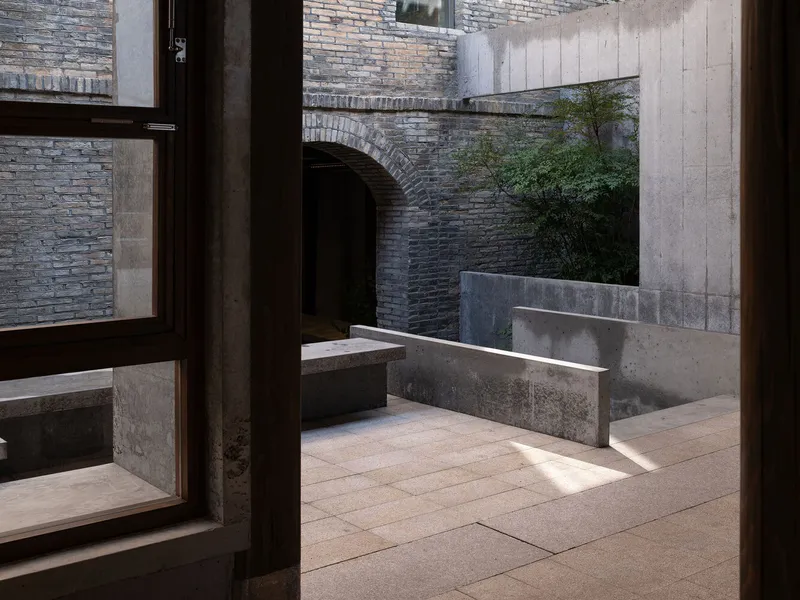
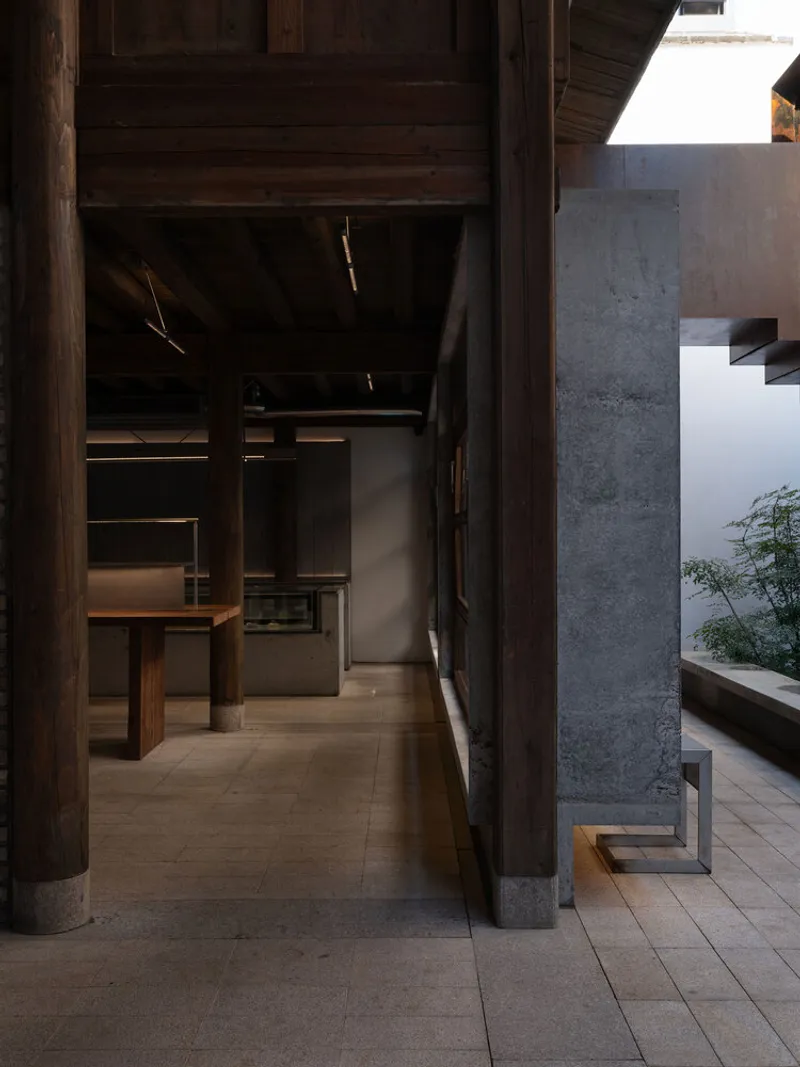
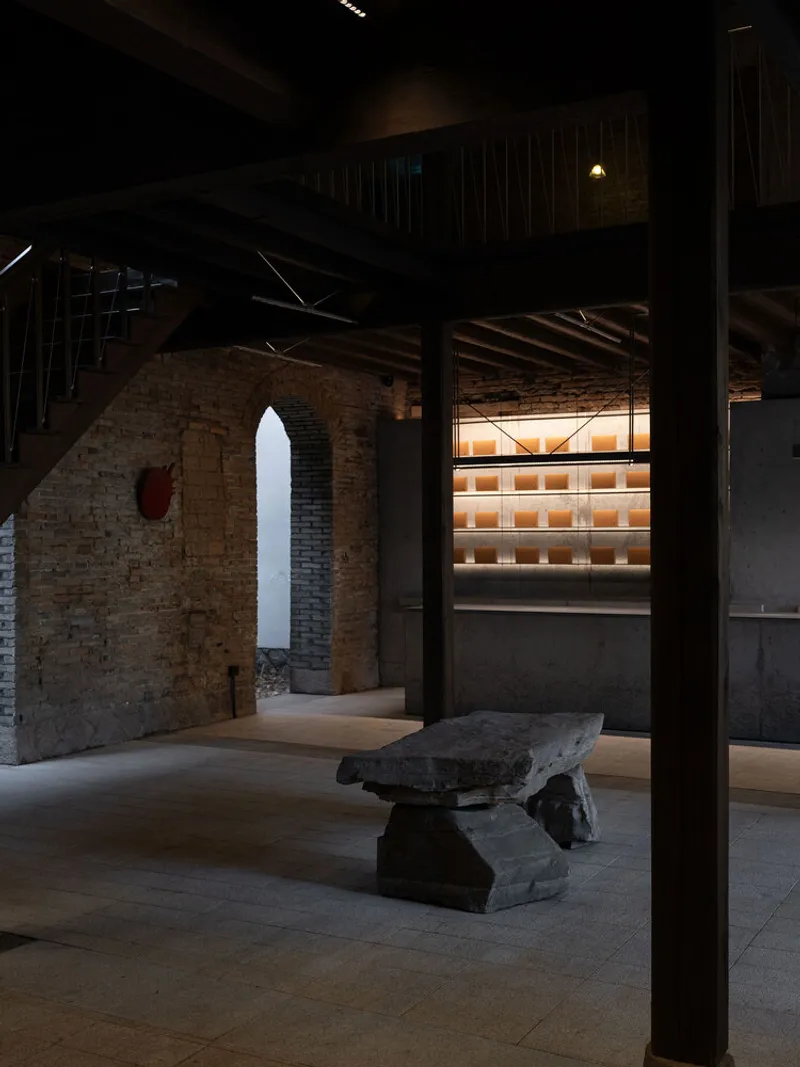
One of the most significant aspects of the renovation was the transformation of the building into a public space that invites community interaction while retaining its historical essence. The bakery is designed to be open and accessible, with the first entrance facing the street, encouraging passersby to engage with the space. This openness is a departure from traditional commercial spaces, promoting a blend of retail and public use.
The Role of Natural Elements and Outdoor Spaces
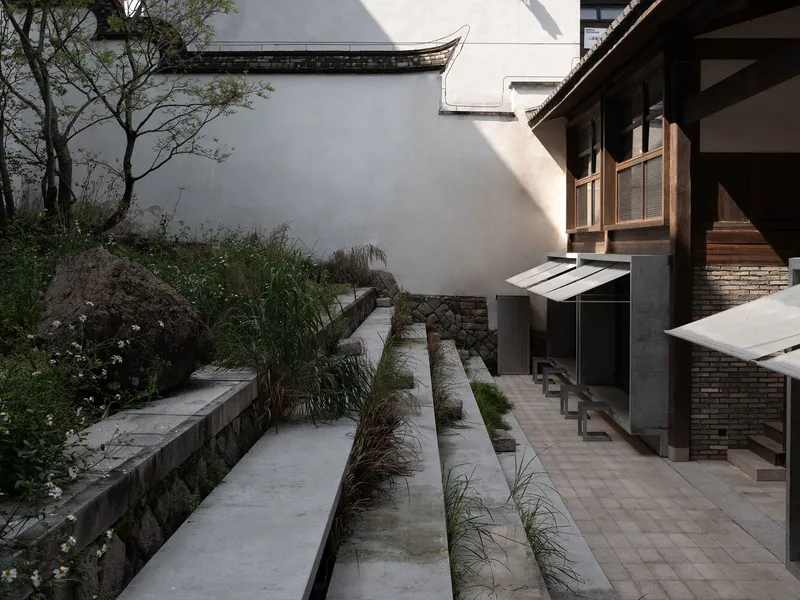
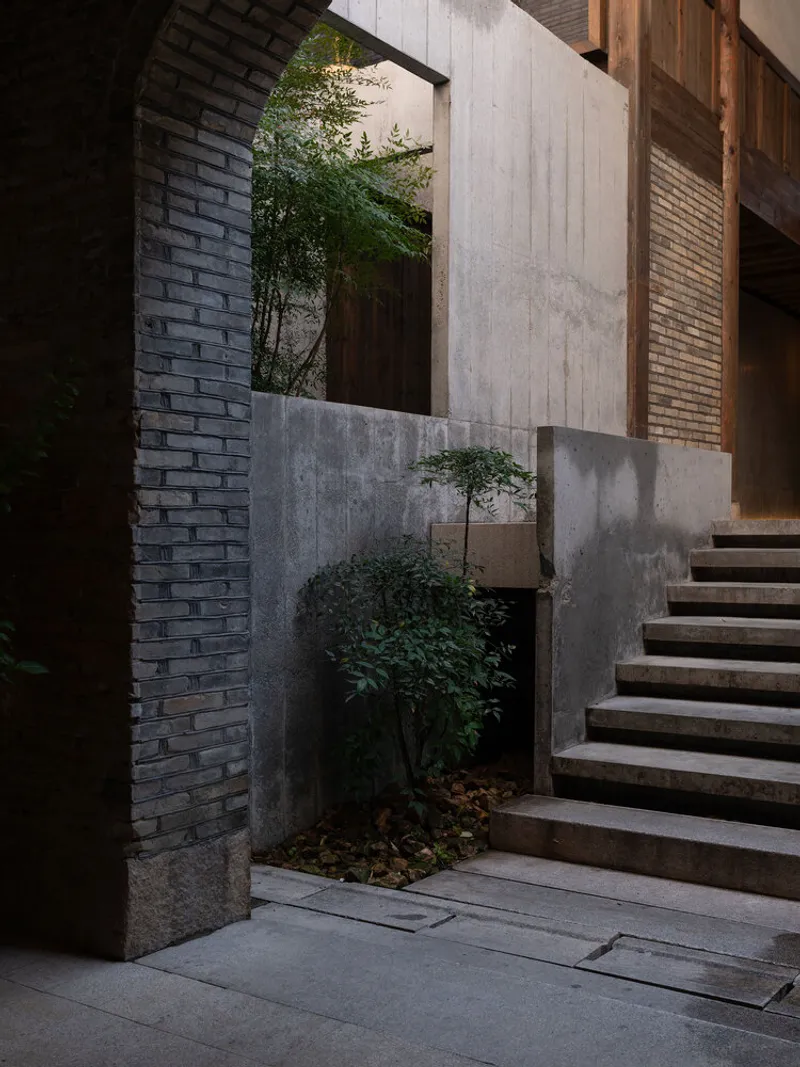
The renovation also focused on the outdoor areas, turning them into natural landscapes that reflect the building's history. The original yard, used for drying olives, was reimagined as a rough, natural landscape with rocks, gravel, and native plants. This approach not only respects the site’s historical usage but also enhances its ecological value.
Furniture and Interior Design
In keeping with the theme of blending old and new, the furniture inside XUN Bakery is a mix of modern designs and traditional elements. This includes mid-century modern pieces and traditional Chinese courtyard furniture, creating an eclectic yet cohesive atmosphere that reflects the building's layered history.
The Impact of Thoughtful Historical Renovation
The renovation of The Olive Five House into XUN Bakery stands as a compelling example of how historical buildings can be thoughtfully preserved and adapted for modern use. It highlights the importance of historical building renovation in maintaining cultural continuity while adapting to contemporary needs. Such projects not only preserve important architectural heritage but also breathe new life into communities, making history relevant and accessible to future generations.
This case study of XUN Bakery not only underscores the complexity and beauty of historical renovations but also serves as inspiration for similar projects worldwide.
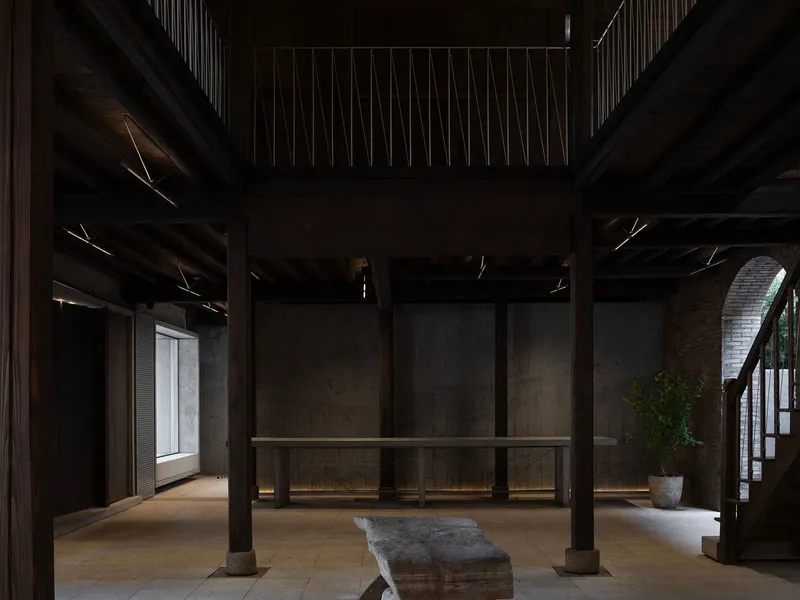
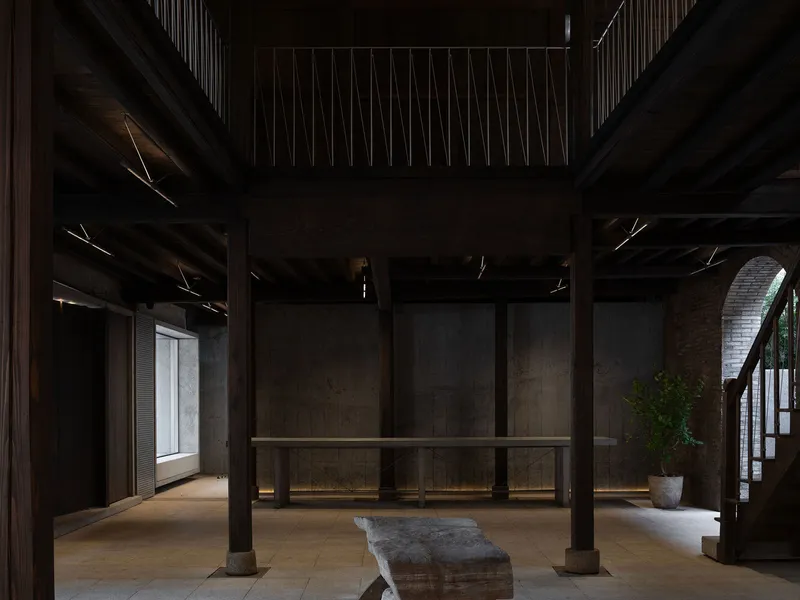
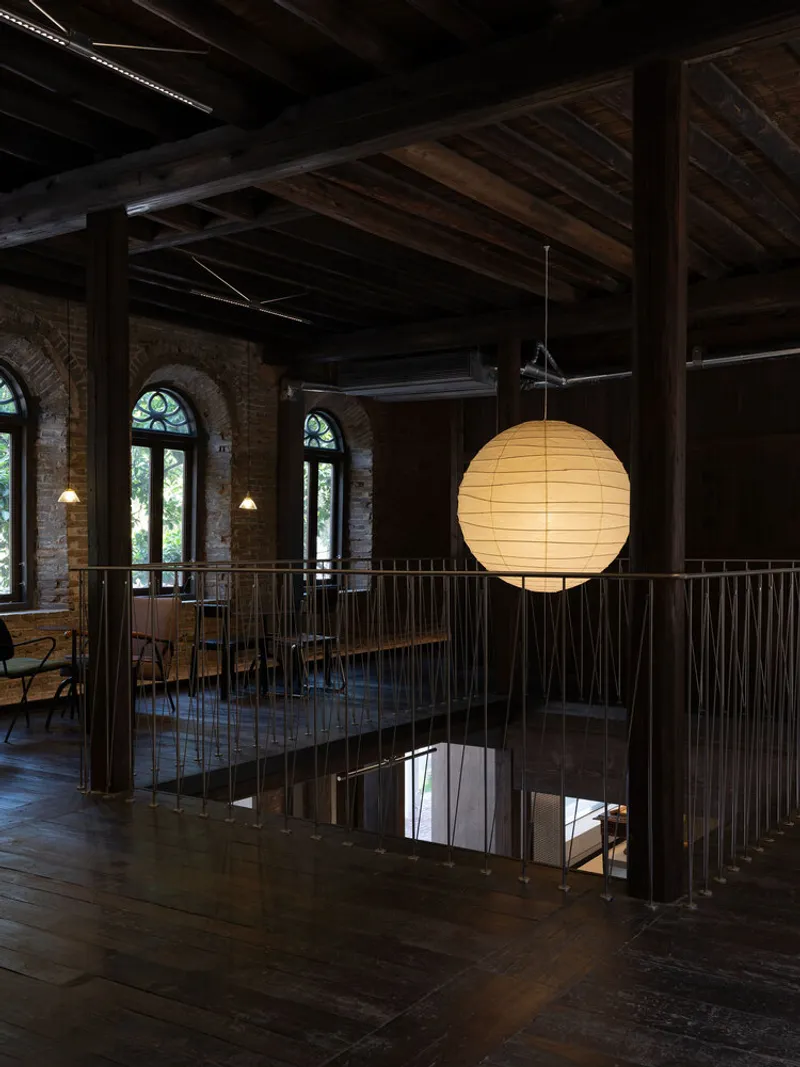
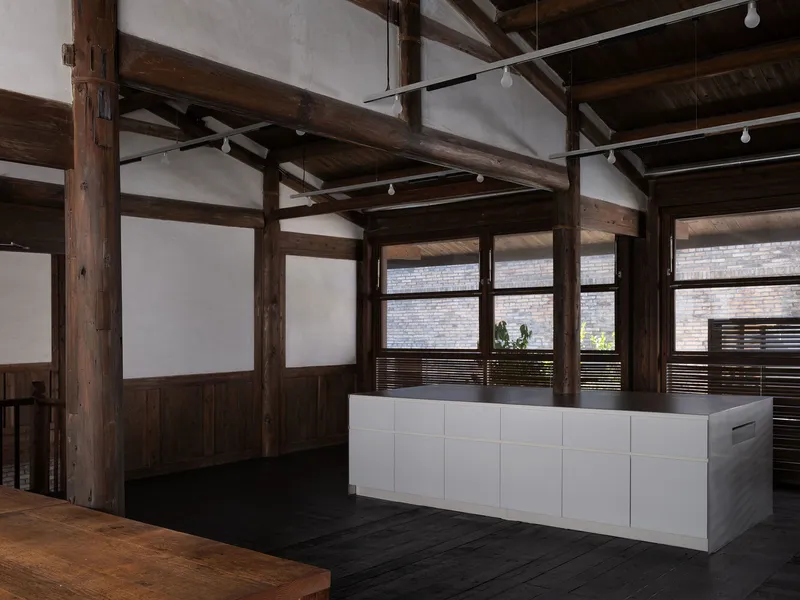
All the photographs are work of devolution


Popular Articles
Popular articles from the community


longwave studio Reorganizes a 112 m² Tainan Apartment Around the Daily Routines of a Family and Two Cats
In Tainan, Taiwan, birch plywood, rust-red furniture and a freestanding plaster wall link arrival, storage, work and family life in one apartment.

GROUP A Strips a 1969 Rotterdam Harbor Headquarters to Its Frame and Wraps It in Timber Louvers
In Rotterdam's M4H harbor district, Ferro Offices reuses a 1969 frame, adds one timber storey and reaches BREEAM-NL Outstanding.

Architekt Andreas Gruber Scatters 23 Dark Timber Chalets Across a South Tyrolean Forest Edge
In Molini di Tures, Amonti Chalets breaks a resort into a hamlet of gabled timber houses, with parking, storage and services pushed into the slope.

Juan García Correa, John González and Claudia Rueda Sink a Circular Amphitheater into a Manizales Engineering Building
On the La Nubia campus in Manizales, Colombia, the S1 Building folds labs and offices into a hillside of ramped lawns that double as a campus route.

Similar Reads
You might also enjoy these articles

Maya Harvest: A Cacao Resort Village Rooted in Mayan Tradition and Local Craft
Situated within a Tabasco cacao plantation, this shortlisted resort proposal merges vernacular materials with hands-on cultural immersion.
Harmonia: A River-Shaped Community That Grows Over Decades in Boa Vista
Curved pathways and modular grid structures along the Branco River create a phased settlement designed to evolve from 2030 to 2050.
The Architecture of Bathing: A Mughal Hammam Reimagined Across the Yamuna
Charlotte May's honorable mention entry for The Black Taj reinterprets Agra's bathing rituals through red sandstone, water, and framed views of the Taj Mah
Om-1: A Wall-Hung System That Moves Your Workspace Off the Desk
Modular plywood boards, magnetic pegs, and utility elements migrate clutter from the horizontal surface to the vertical plane.

Explore Commercial Buildings Competitions
Discover active competitions in this discipline

Challenge to reimagine the Iron Throne

Photograph architecture without architects

Illustrate the lost glory of Angkor Wat - Render Challenge

Design challenge to reuse E-waste
Comments (0)
Please login or sign up to add comments
No comments yet. Be the first to comment!