

Hua Rong House: Sliding Puzzle Logic as a Blueprint for Urban Housing
A modular housing concept translates the mechanics of a classical Chinese puzzle into reconfigurable living and commercial spaces.

What if an entire building could rearrange itself the way tiles slide across a puzzle board? Hua Rong House takes the logic of Huarong Road, a centuries-old Chinese sliding puzzle, and applies it to architecture. Rooms become movable modules that travel along electric-powered tracks, walls are replaced by removable wooden door panels, and the boundary between residential and commercial life dissolves floor by floor. The result is a housing prototype where spatial configuration is never fixed, only negotiated.
Designed by Min Zhang, the Hua Rong House project proposes a mixed-use tower that treats adaptability not as an afterthought but as its primary structural principle. Sited in a dense urban context, the concept targets young professionals who need spaces that flex between work, rest, and social interaction without requiring them to move to a different address.
Timber Terraces and an Architecture Without Exterior Walls
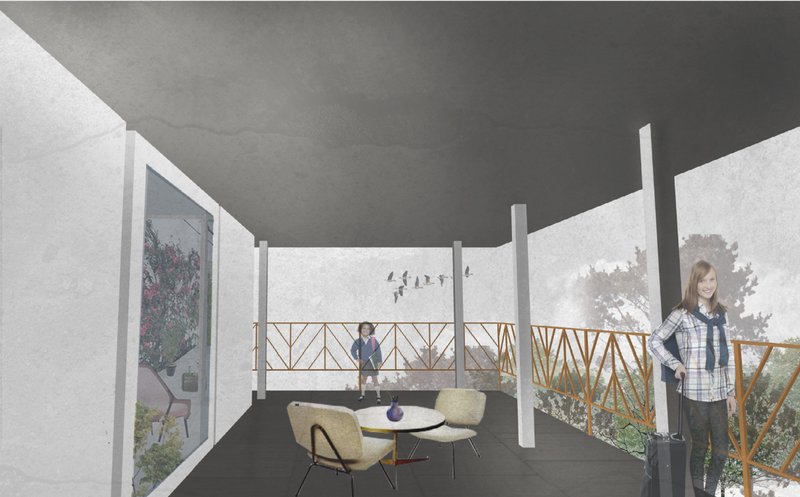
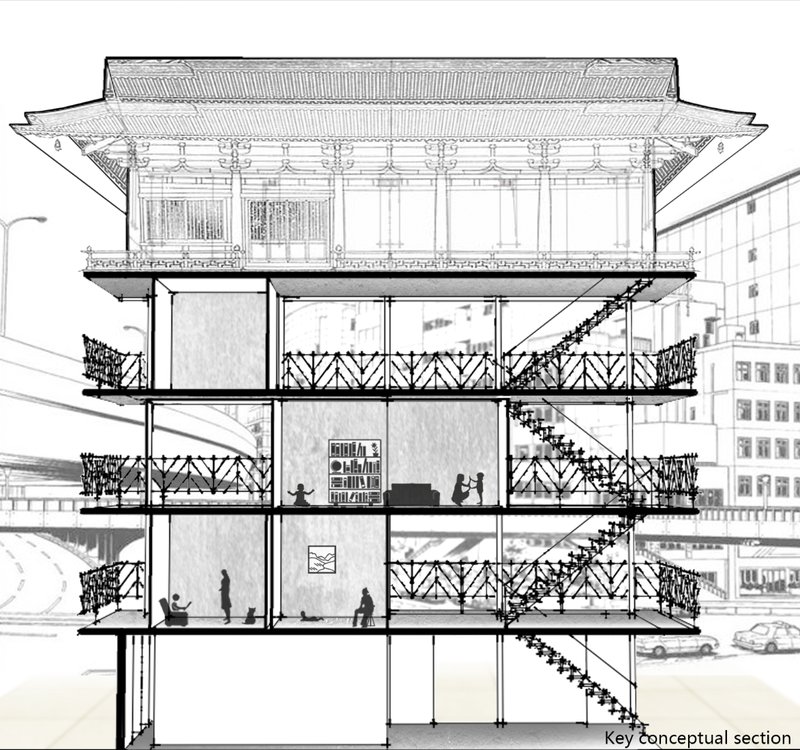
The covered terrace perspective reveals a building that reads less like a sealed container and more like a series of inhabited thresholds. Geometric timber railings frame views of surrounding foliage while establishing a material identity rooted in traditional Chinese woodwork. In place of conventional exterior walls, the design relies on removable wooden door panels, a direct reference to historical Chinese courtyard houses where sliding screens mediated privacy and ventilation. The section drawing confirms this porosity across all four stories: diagonal staircases weave through planted terraces on each level, ensuring that circulation itself becomes a communal, semi-outdoor experience rather than a sealed corridor.
A Tower That Remembers Its Roots
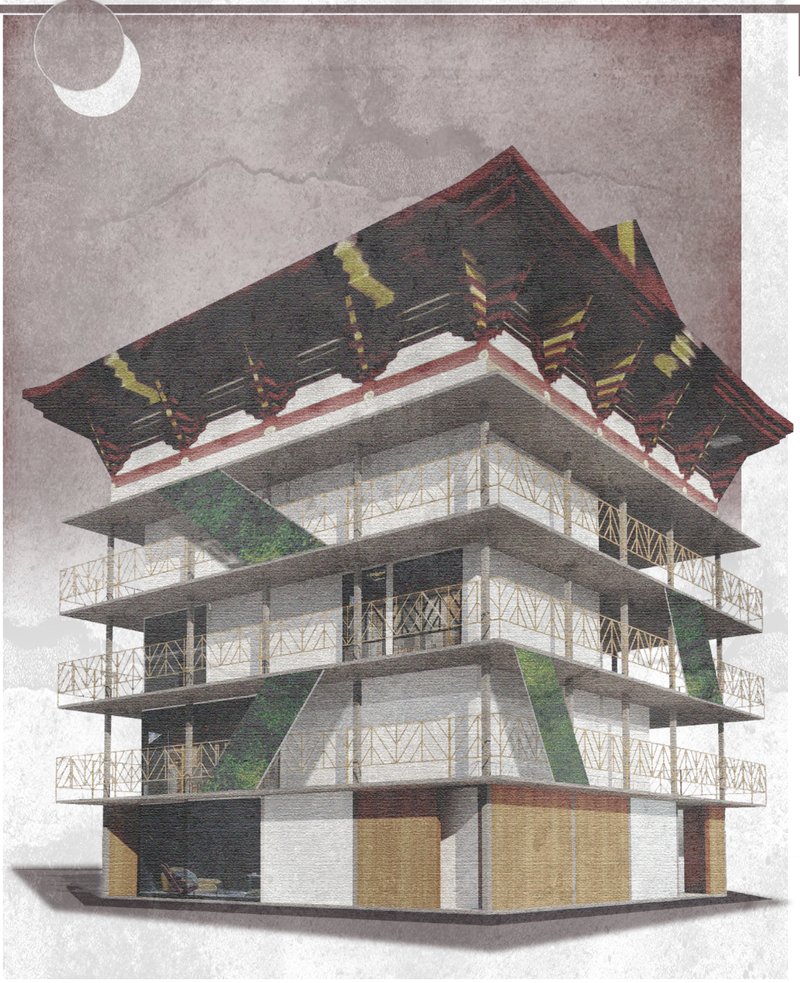
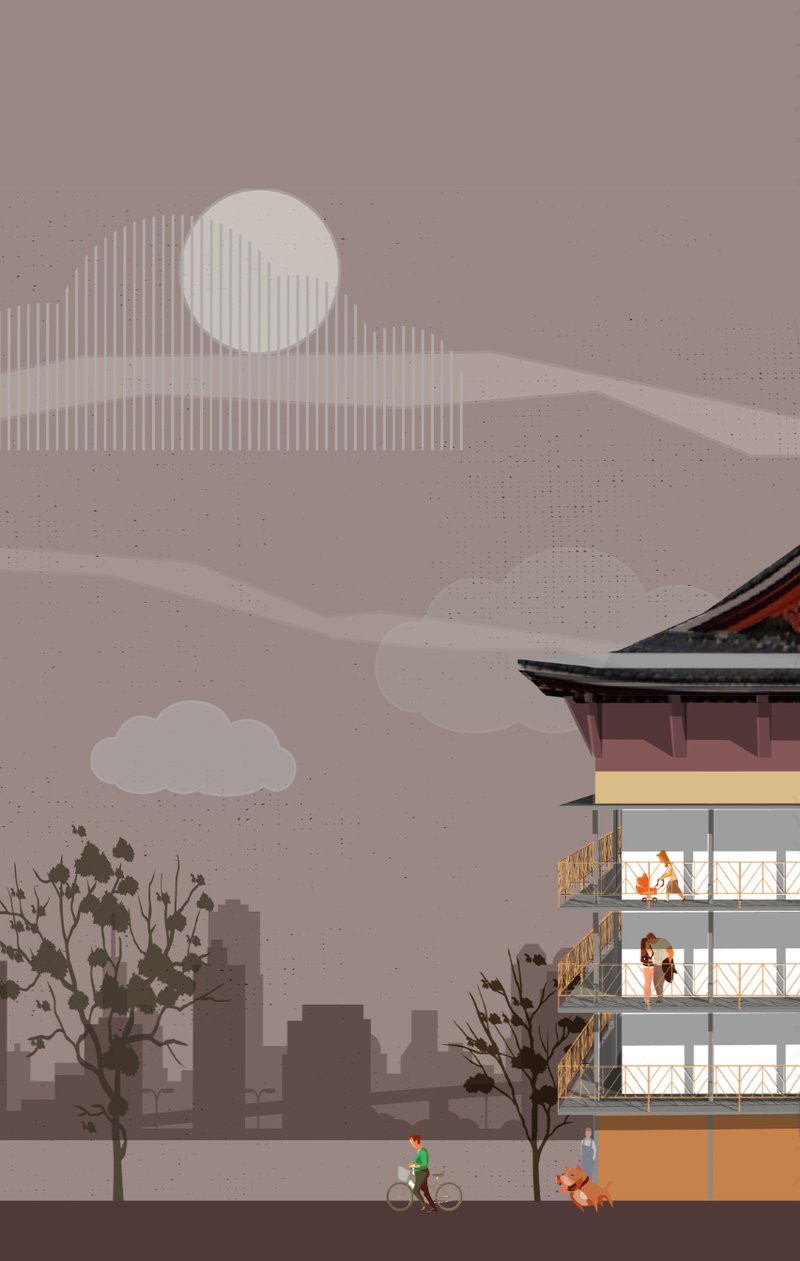
The axonometric night view shows the tower crowned with a traditional pitched roof, its silhouette unmistakably tied to Chinese vernacular forms even as its midsection bristles with modular balconies and geometric screens. This is not pastiche; the roof operates as a cultural anchor that gives the experimental interior logic a legible public face. The street-level elevation reinforces this duality. Traditional eaves overhang a sidewalk scene complete with cyclists and pedestrians, grounding the building in the everyday rhythm of an urban neighborhood. The architecture wants to be recognized as both familiar and fundamentally different.
Six Configurations, One Footprint
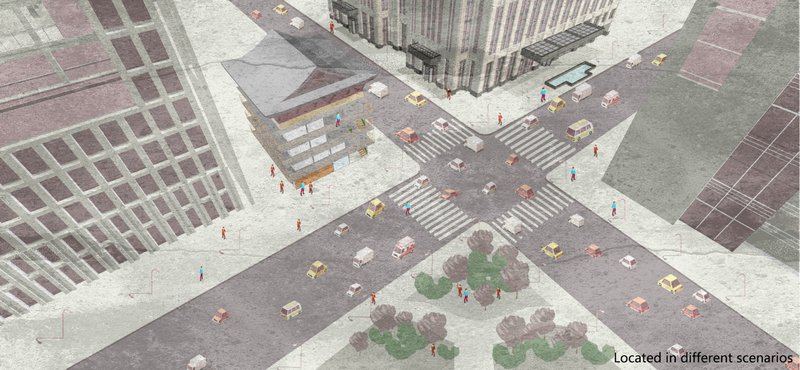
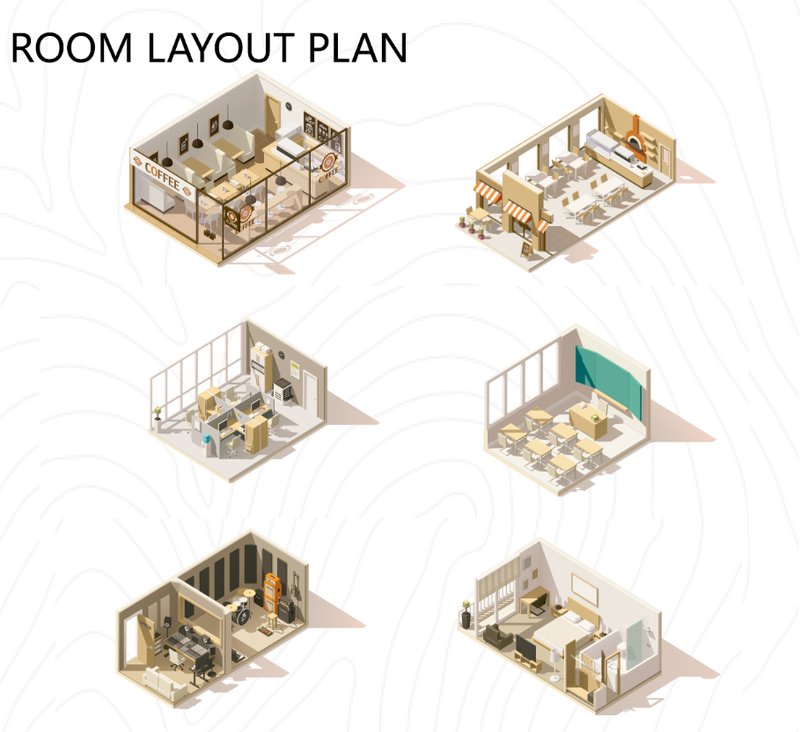
The aerial intersection view situates the project within a real urban fabric of crosswalks, vehicles, and small landscaped islands, reminding us that this is a building designed for density, not isolation. The isometric plan drawings then lay bare the operational core of the concept: six distinct room configurations occupying the same modular footprint. Living spaces, office layouts, and classroom arrangements all emerge from the same set of sliding components. Electric-powered tracks allow modules to be pushed and restructured, so a residential unit in the morning can become a co-working studio by afternoon. The design treats program not as something assigned at construction but as something continuously authored by its occupants.
Two Towers in a Misty Urban Field
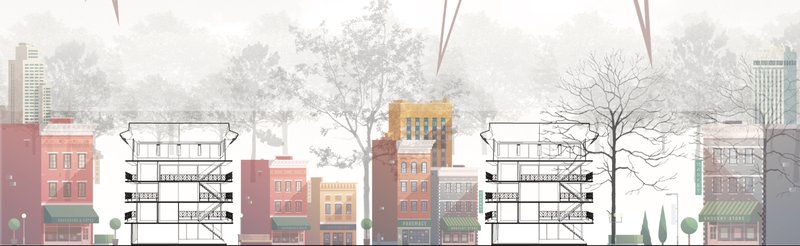
The final section drawing pulls back to reveal two multi-story structures surrounded by low-rise buildings and trees, rendered in a soft, misty atmosphere that underscores the project's ambition to coexist quietly with its context rather than dominate it. The vertical massing is modest, scaled to sit among neighbors rather than above them. Lower floors absorb commercial functions while upper levels host the reconfigurable residential modules, making the mixed-use program legible in section. Communal relaxation areas appear on each floor, positioned as social connectors that give residents reasons to linger and interact rather than retreat behind closed doors.
Why This Project Matters
Hua Rong House challenges a deep assumption in housing design: that rooms are permanent and programs are predetermined. By borrowing the sliding mechanics of an ancient puzzle, Min Zhang proposes a building where space is a shared, negotiable resource. The elimination of fixed exterior walls in favor of wooden panels reduces material waste and invites the kind of indoor-outdoor fluidity that high-density cities desperately need. It is a provocation aimed at developers and planners who still think of apartments as static boxes stacked in rows.
What makes the concept compelling beyond its novelty is its cultural grounding. The pitched roofs, the timber screens, and the communal terraces are not decorative gestures but structural decisions that tie contemporary modularity to centuries of Chinese spatial thought. As urban populations grow and the demand for adaptive, community-oriented housing intensifies, projects like Hua Rong House offer a credible framework: buildings that move with their inhabitants, not against them.
View the Full Project
About the Designers
Designer: Min Zhang
Enter a Design Competition on uni.xyz
uni.xyz runs architecture and design competitions year-round that reward proposals with spatial conviction and real site intelligence.
Project credits: Hua Rong House by Min Zhang.




Popular Articles
Popular articles from the community

Milan Crossover: Sustainable Architecture for a New Fashion Culture in Milan
Milan Crossover transforms fashion culture through sustainable architecture, linking material libraries, remake studios, and public runways.
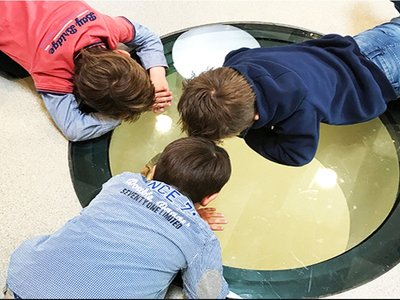
IKC de Geluksvogel: Sustainable School Architecture Designed for Free Movement and Digital Learning
IKC de Geluksvogel turns sustainable school architecture into a flexible Maastricht campus for digital learning, nature, and free movement.

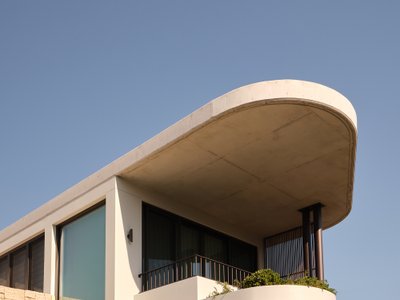
Stanton Architects Sculpts a Curving Family Home into Sydney's Inner West Fabric
Five Dock House uses cantilevers, curved concrete, and layered courtyards to carve out privacy on a tight suburban lot in Sydney.
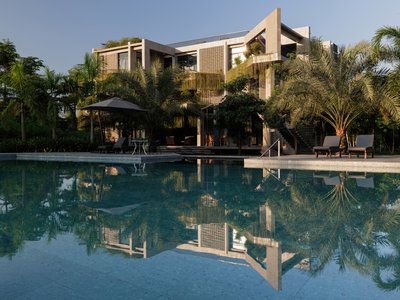
Reincarnation Weaves a Three-Story Retreat into the Green Landscape of Rural Bangladesh
Ara Manor in Narsingdi dissolves the line between domestic architecture and its lush surroundings through screens, courtyards, and planted rooftops.


Similar Reads
You might also enjoy these articles
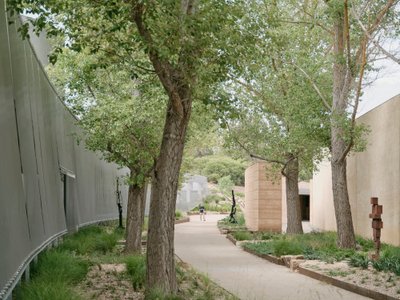
Kerstin Thompson Architects Buries a Cultural Center Beneath Its Own Car Park in the Yarra Valley
The Eva and Marc Besen Centre at TarraWarra hides 2,375 square metres of gallery and archive space under a reinstated landscape in Healesville, Australia.
Kerry Kounnapis Packs 800 Daily Coffees into a 43-Square-Metre Melbourne Laneway Bar
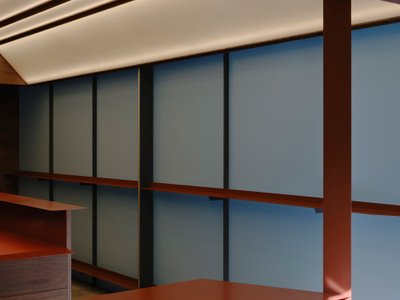
Palace Coffee channels Pellegrini's and European standing bars through oxide-red steel and spotted gum timber in a Ridgway Place sliver.
Nikken Sekkei Stacks a Three-Dimensional Lilong Atop Shanghai's Historic Alleyways
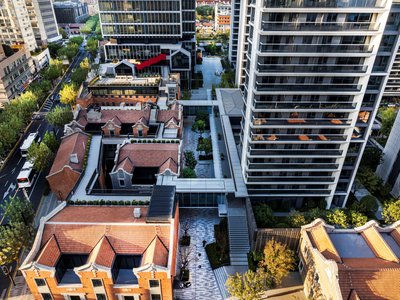
A 180-meter tower and restored heritage houses on Nanjing West Road reimagine communal lane life as a vertical mixed-use district.
PLATAFORMArq Folds a Concrete Roof Over the Portuguese Mountains in House #474
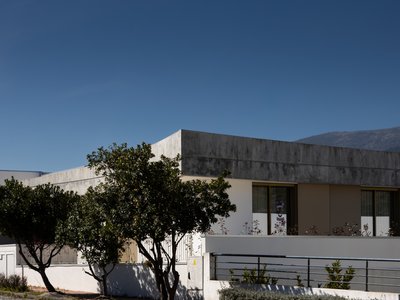
A 220-square-meter residence in Teixoso, Portugal, wraps board-formed concrete into an angular canopy that frames the Serra da Estrela foothills.


Explore Housing Competitions
Discover active competitions in this discipline




The International Standard for Design Portfolios


The Global Benchmark for Architecture Dissertation Awards


The Global Benchmark for Graduation Excellence


Challenge to reimagine the Iron Throne
Comments (0)
Please login or sign up to add comments
No comments yet. Be the first to comment!