
Kibi Kogen N Square: Kengo Kuma & Associates
Kibi Kogen N Square by Kengo Kuma blends CLT timber, coworking spaces, café, and community zones, fostering openness, collaboration, and creativity in Okayama.


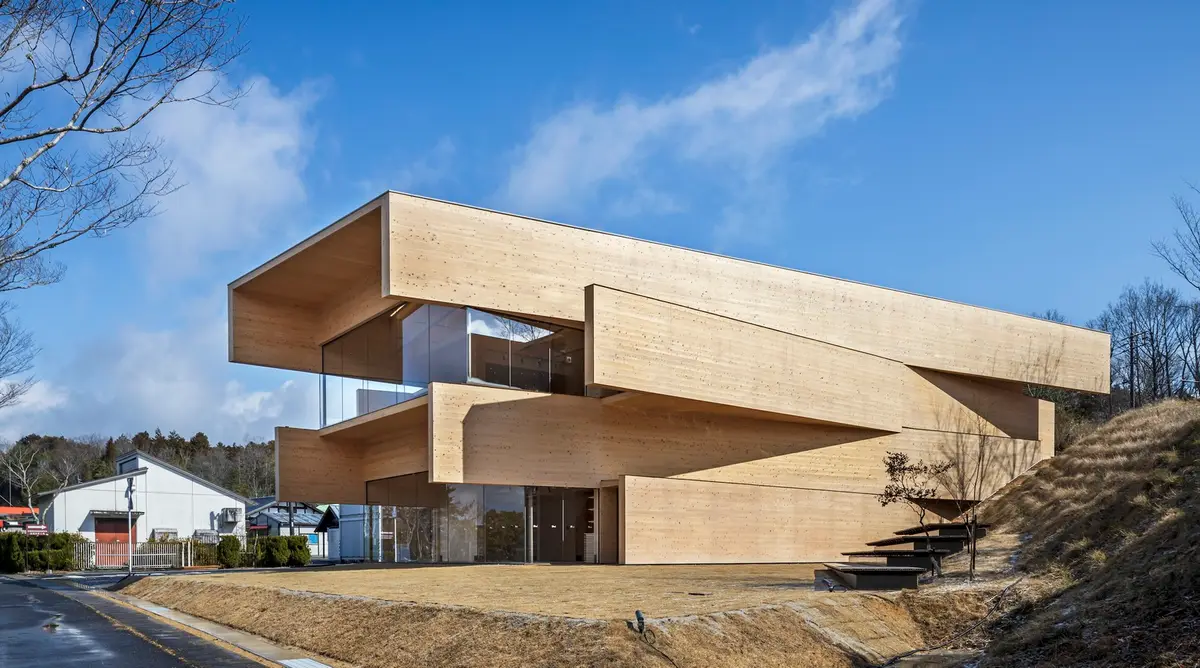
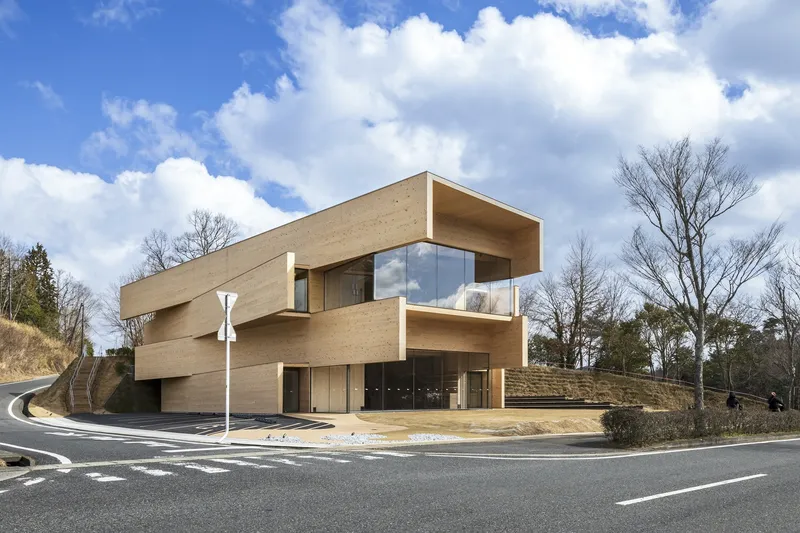
Kibi Kogen N Square, designed by Kengo Kuma & Associates, is a striking mixed-use facility located in the heart of Kibichuo, a plateau town in central Okayama Prefecture. Developed in collaboration with the local company Systems Nakashima, the project serves as a regional exchange hub and creative space, combining coworking offices, a café, and open community zones.
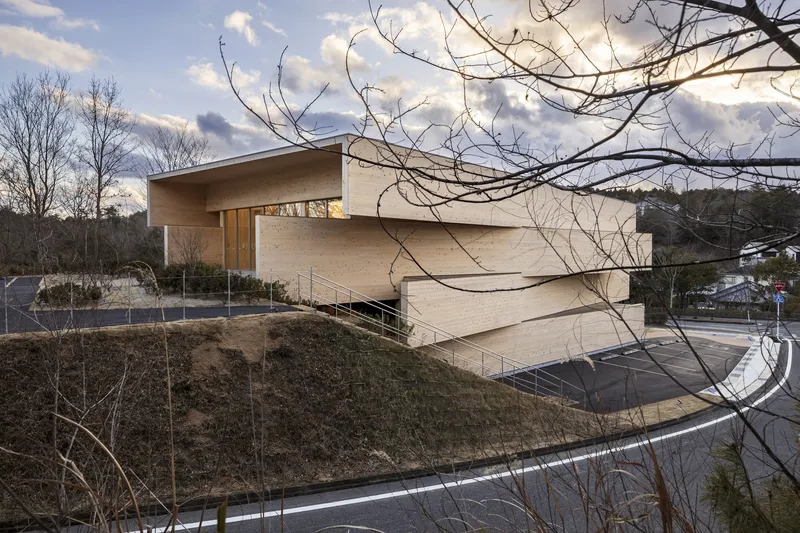
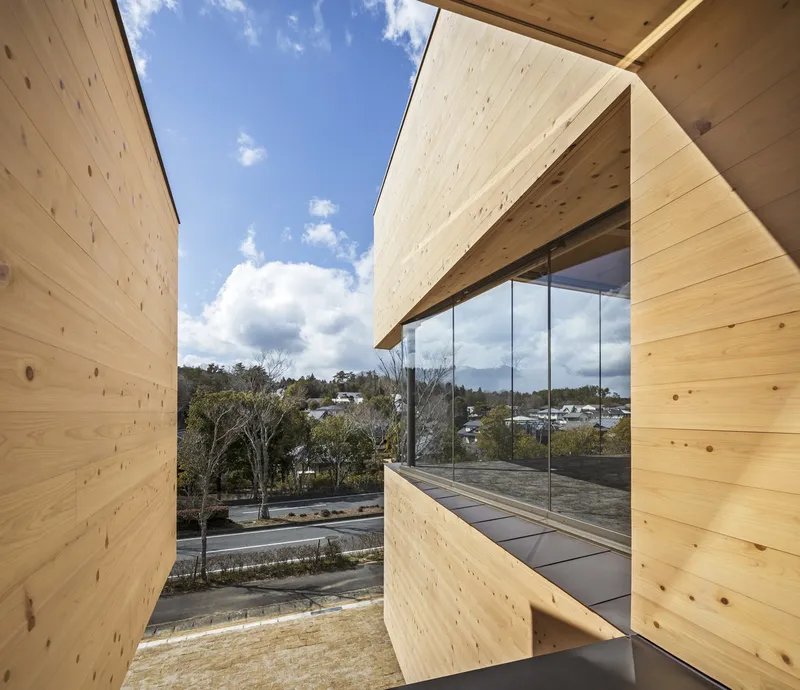
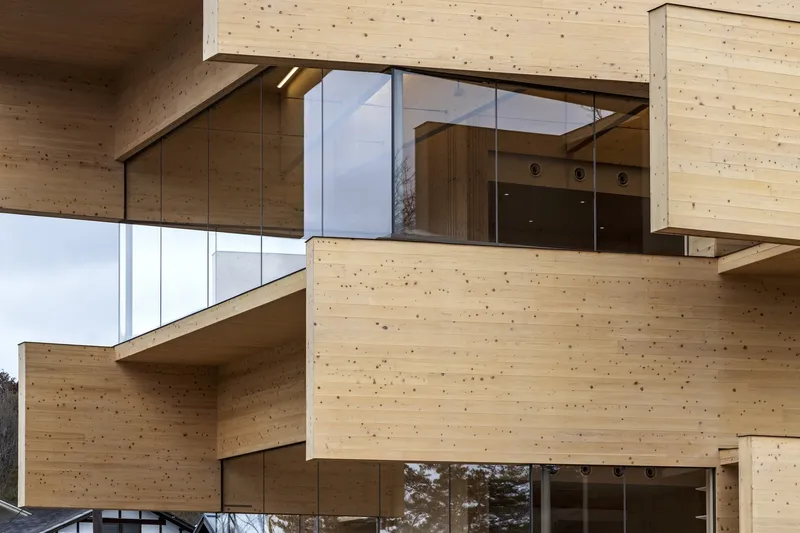
The architectural vision focuses on fostering openness, collaboration, and cross-generational interaction. Departing from the conventional closed and repetitive appearance of typical CLT structures, Kibi Kogen N Square emphasizes spatial fluidity and dynamic community engagement. Local residents, businesses, and Okayama University actively participate in the coworking environment, bridging the gap between industry, academia, and creative ventures.
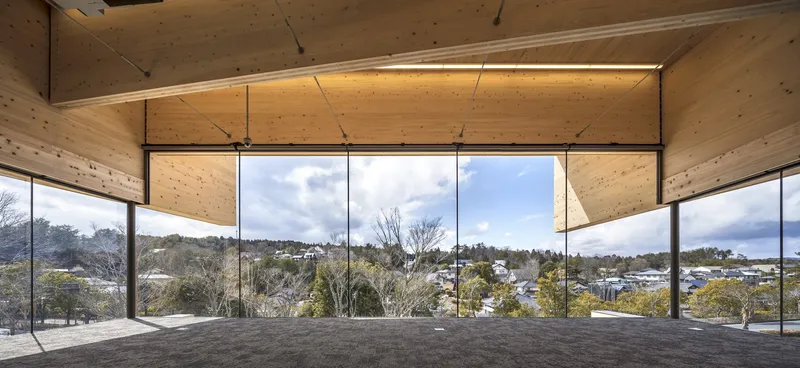
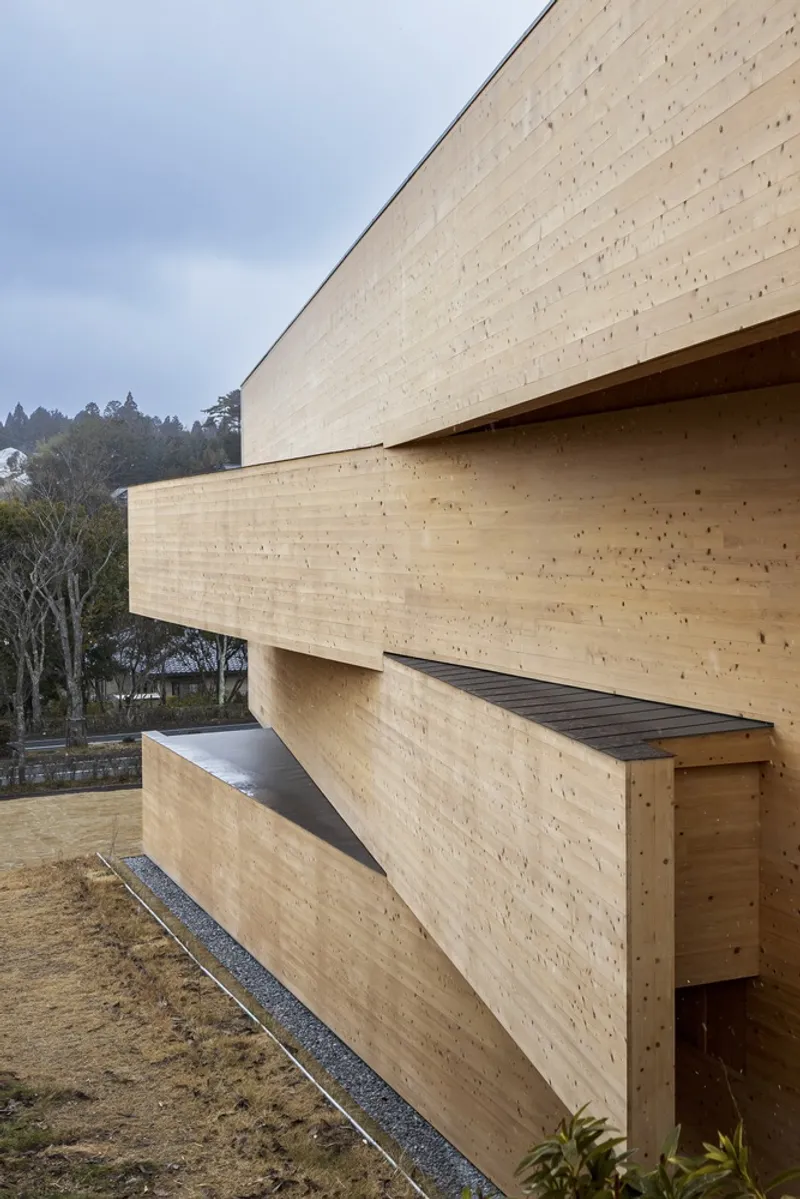
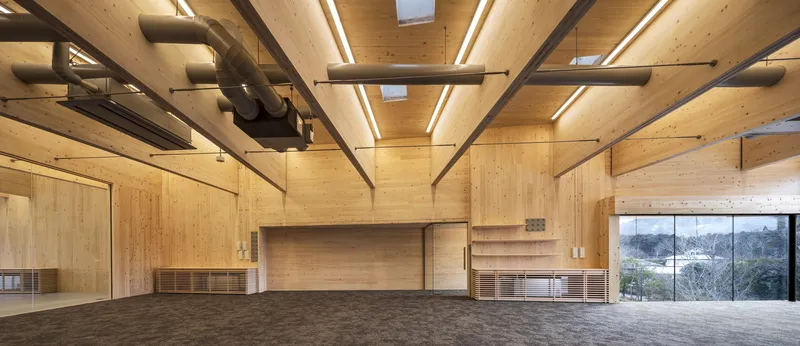
Innovative CLT Construction
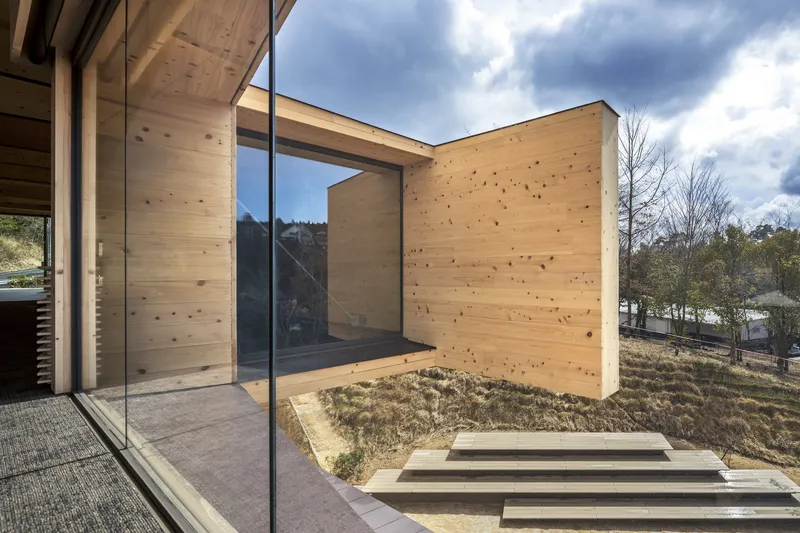
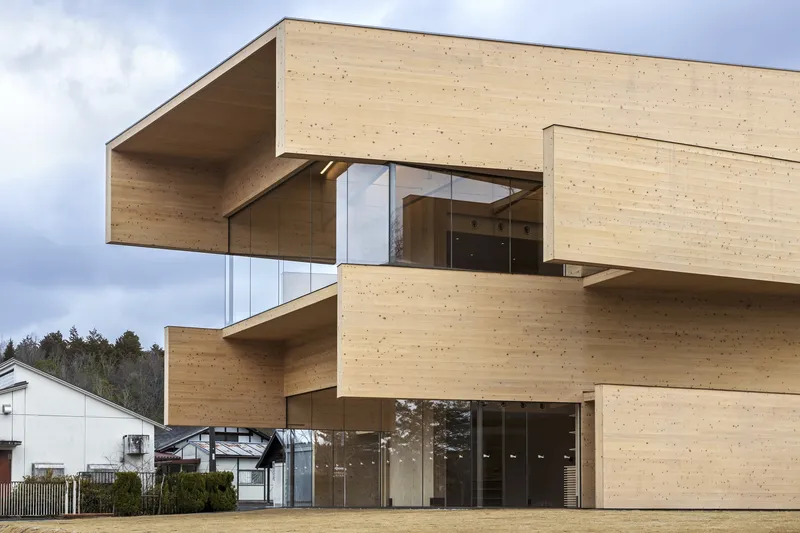
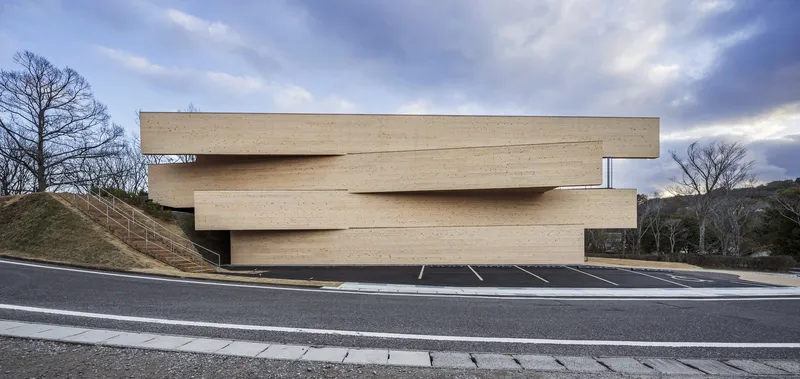
One of the most defining features of Kibi Kogen N Square is its use of Cross-Laminated Timber (CLT), a material for which Okayama is the largest producer in Japan. The panels measure 2.2 meters wide, 35 meters long, and 21 centimeters thick. Arranged at varying angles across the site with a 4-meter height difference, these panels create intricate spaces and openings that enhance natural light, ventilation, and social interaction.
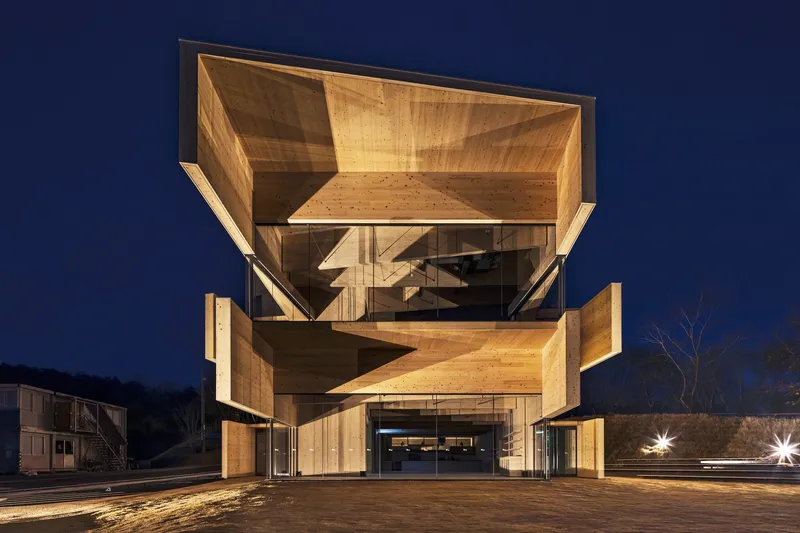
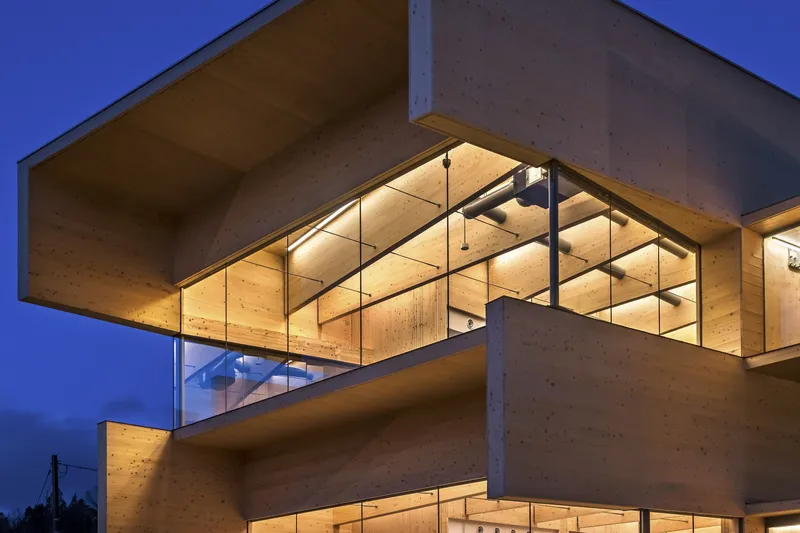
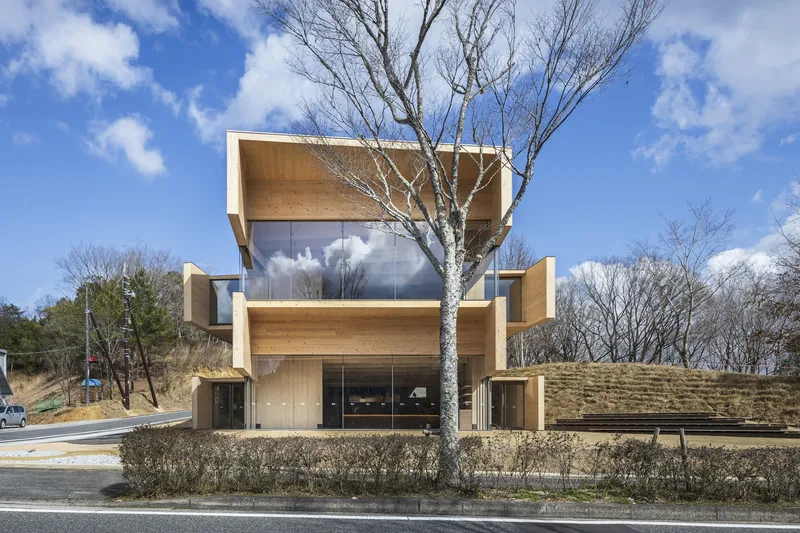
The angular misalignment of the stacked CLT panels generates a variety of spatial experiences: from intimate nooks to expansive communal areas: while reinforcing the building's identity as a flexible, open, and sustainable architectural landmark. The structure seamlessly integrates modern timber architecture with local craftsmanship, highlighting the potential of CLT as both a structural and aesthetic medium.
Community and Collaboration
Beyond its innovative materiality, Kibi Kogen N Square acts as a catalyst for local community development. The facility encourages cross-generational activities, creative exchange, and industry-academia collaboration. Visitors can work, socialize, and innovate in spaces that are deliberately designed to break down physical and conceptual boundaries, supporting the growth of a vibrant local ecosystem.
Design Philosophy
Kengo Kuma’s design philosophy is evident throughout the project: prioritizing human-scale interaction, openness, and material honesty. The open-plan layout, irregular CLT arrangement, and transparent communal areas reflect the spirit of collaboration, reinforcing the building’s role as a hub for innovation and cultural exchange.
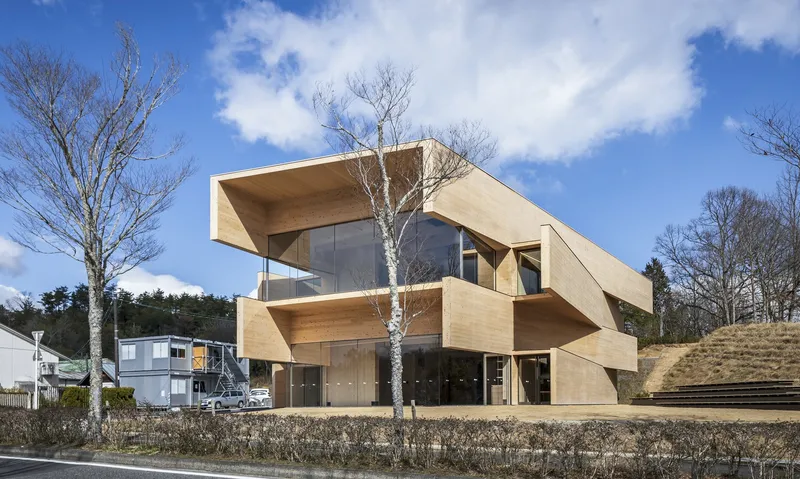
Kibi Kogen N Square exemplifies sustainable, community-centered architecture, combining advanced timber construction with local expertise to create a facility that is both functional and inspirational. It stands as a model for regional development projects aiming to harmonize architecture, material innovation, and social engagement.


Popular Articles
Popular articles from the community


The Musturak Paradise: Senior Living Architecture for a Connected Future in Temara, Morocco
The Musturak Paradise reimagines senior living architecture in Temara via private homes, social spaces, culture, community, and shared care.

Play: Fragments of Their World
Familiar architecture becomes modular playground design, creating safe spaces where displaced children can learn, connect, imagine and play.

Conexión: Biophilic Design Reimagines High-Rise Living in Hong Kong
Conexión reimagines high-rise living in Hong Kong through biophilic design, green facades, shared spaces, daylight, water and nature within.

Co-life: Sustainable Architecture for Age-Friendly Community Living
Co-life reimagines sustainable architecture for seniors through courtyards, rammed earth, shared gardens, and spaces designed for belonging.

Similar Reads
You might also enjoy these articles

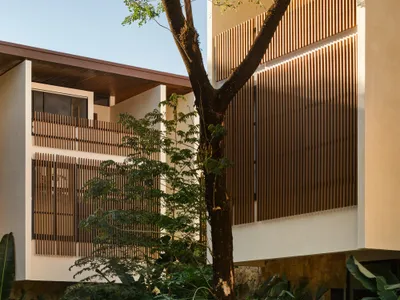
FAMM Arquitectura Organizes Ten Villas Around Courtyards and Jungle in Nosara, Costa Rica
El Molino pairs two elongated volumes with deep overhangs and timber louvers to build a compact coastal community five minutes from the beach.
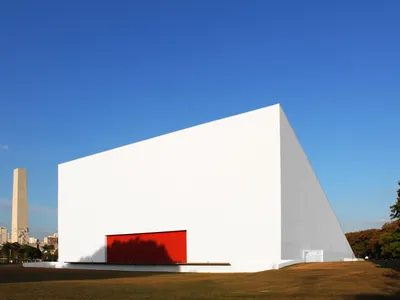
Oscar Niemeyer's Ibirapuera Park Pavilions Define São Paulo's Cultural Identity in Concrete and Curve
A constellation of modernist volumes set within São Paulo's most important urban park, conceived for the city's 400th anniversary in 1954.
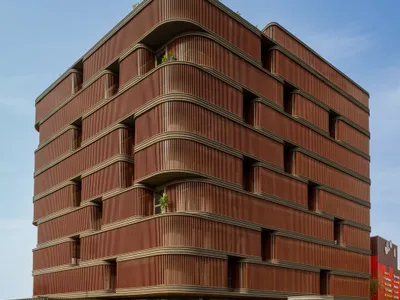
Sanjay Puri Architects Wraps a Jaipur Office Tower in Capsule-Shaped Green Buffers
A nine-level climate-responsive workplace near Jaipur Airport uses stacked planter terraces and aluminium screens to fight 40°C heat.
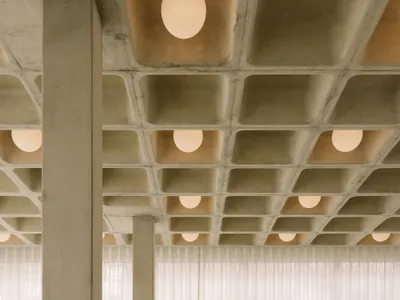
RHO Converts a Berlin Spree-Side Industrial Courtyard into Enkime's 1,000 m² Agency Headquarters
A social media agency's new home in Charlottenburg trades glossy branding for concrete waffle ceilings, glazed tile, and sheer curtains.

Explore Architecture Competitions
Discover active competitions in this discipline

Challenge to reimagine the Iron Throne

Photograph architecture without architects

Illustrate the lost glory of Angkor Wat - Render Challenge

Design challenge to reuse E-waste
Comments (0)
Please login or sign up to add comments
No comments yet. Be the first to comment!