
La Quebradora Water Park: Sustainable Urban Regeneration in Mexico City
La Quebradora Water Park in Mexico City transforms Iztapalapa’s urban landscape, managing water, enhancing green spaces, and fostering community engagement.


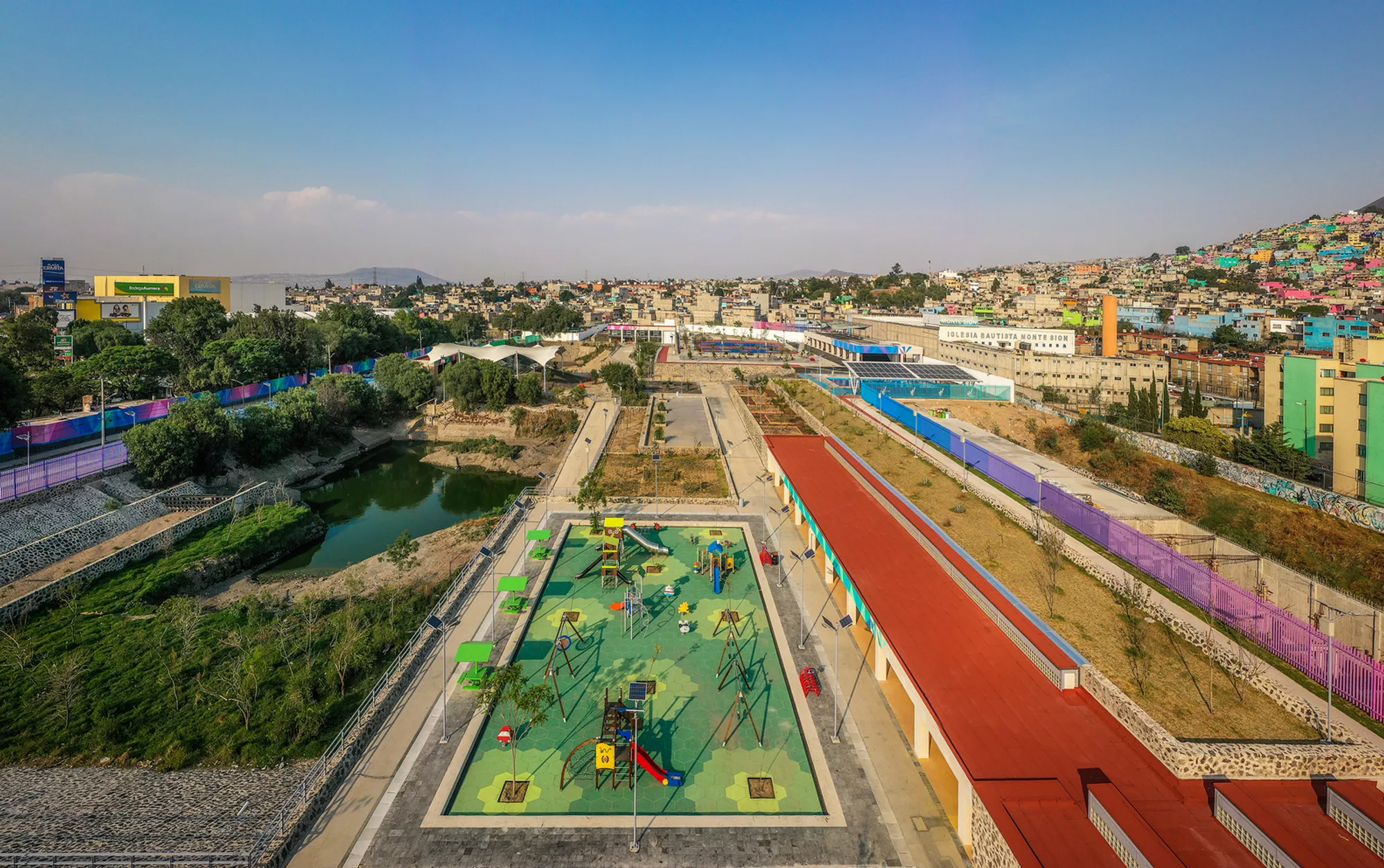
Located in Iztapalapa, Mexico City, La Quebradora Water Park is a groundbreaking example of sustainable urban design, combining innovative water management with social and recreational infrastructure. Designed by Taller Capital, UNAM, and Manuel Perló, the project transforms a densely populated, underserved district into a resilient, multifunctional public space that benefits the community, environment, and urban ecosystem.
Addressing Water Challenges in Mexico City
Mexico City, the fifth-largest metropolis in the world, faces paradoxical water challenges: severe shortages alongside excessive rainfall. The Basin of the Valley of Mexico suffers from chronic water stress, flooding, and environmental degradation, particularly in marginalized areas such as Iztapalapa. This borough, historically affected by informal housing, poor urban planning, and social inequality, has a scarcity of public spaces for its residents.
La Quebradora Water Park emerges as an innovative solution through Hydrourban Acupuncture, a design approach that transforms urban infrastructure into ecological and social benefits. The park addresses water management challenges while providing recreational and cultural opportunities for over 28,000 residents in the surrounding area.
Designing with the Landscape and Community
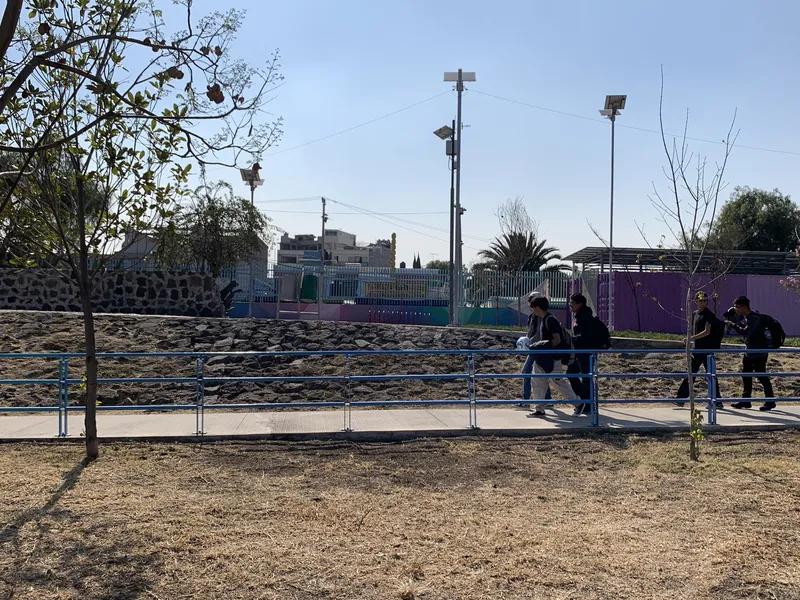
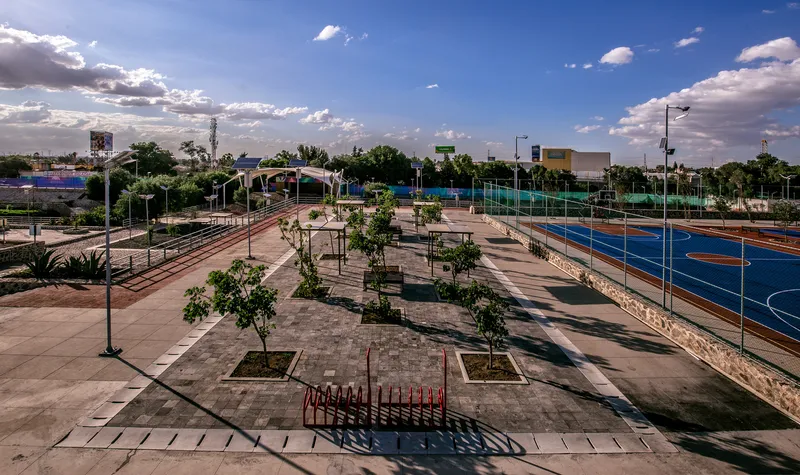
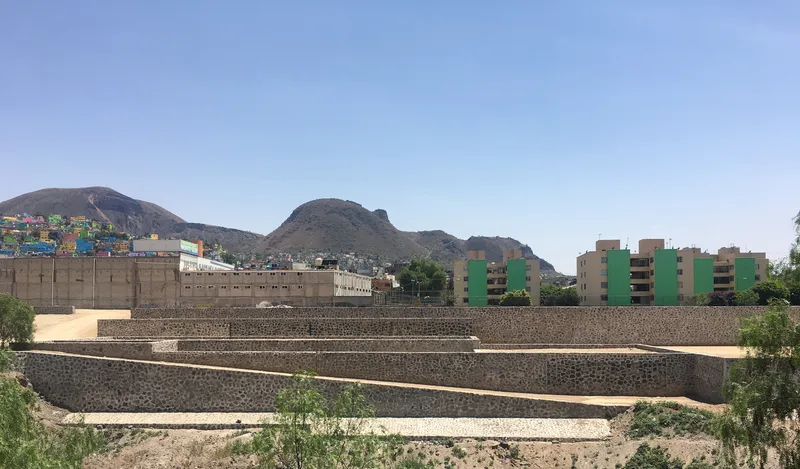
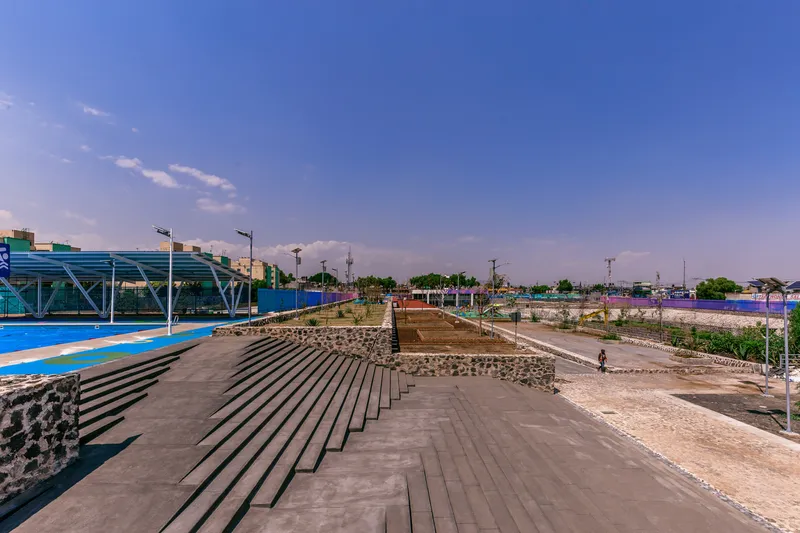
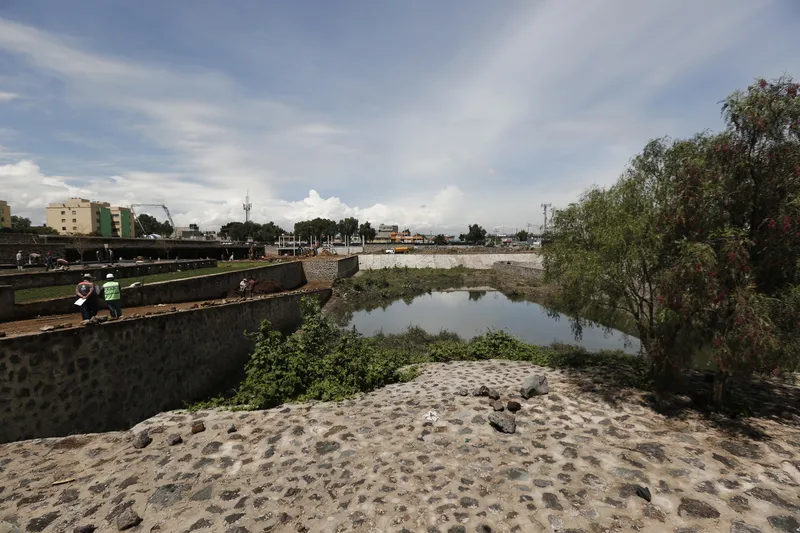
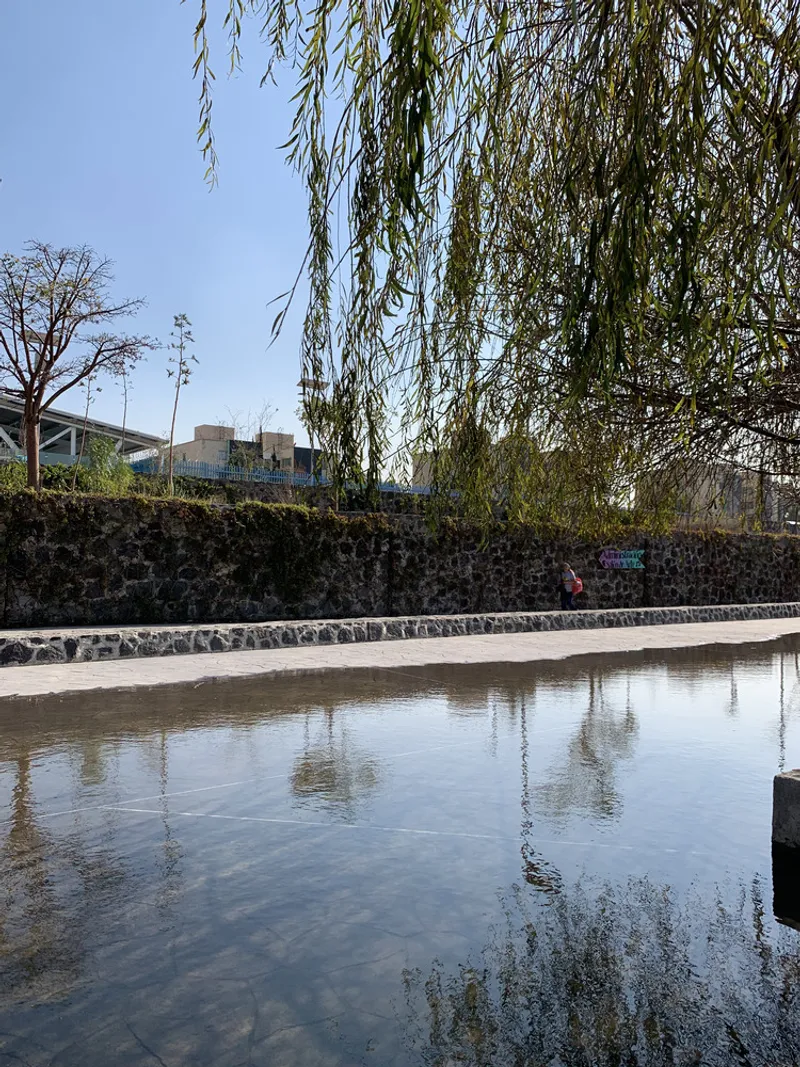
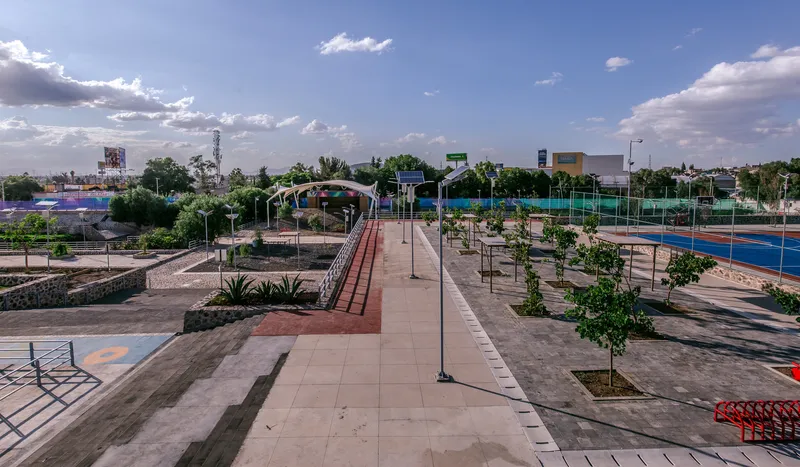
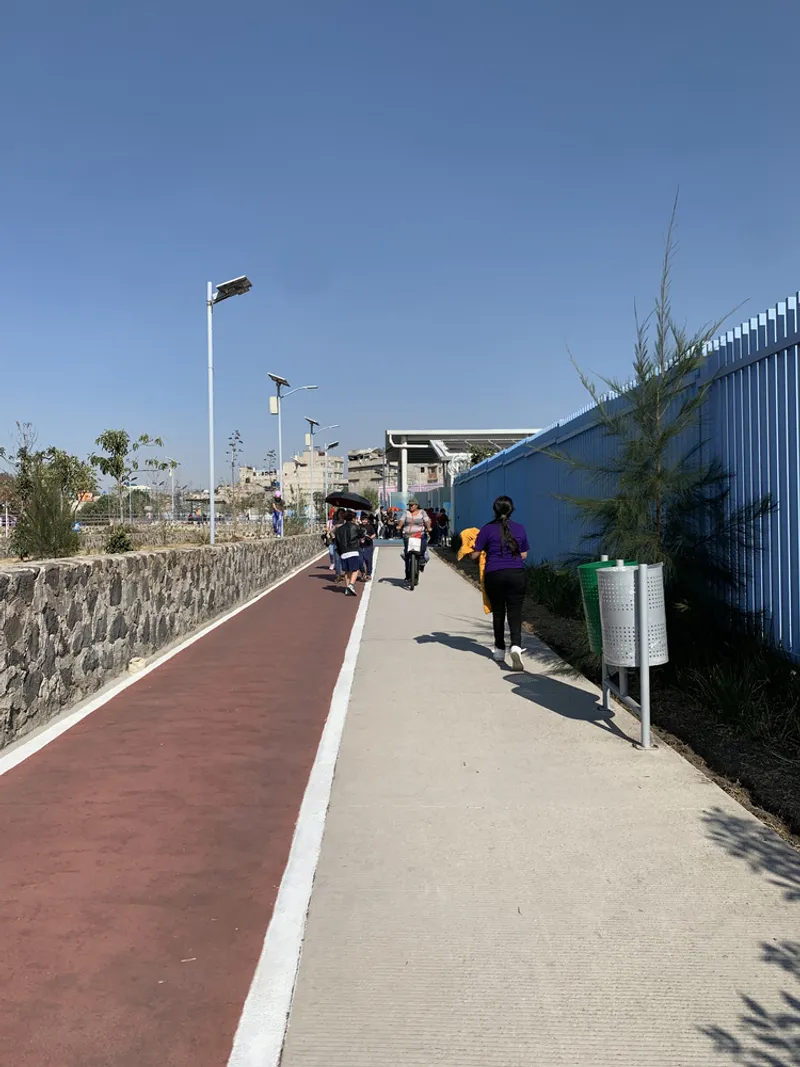
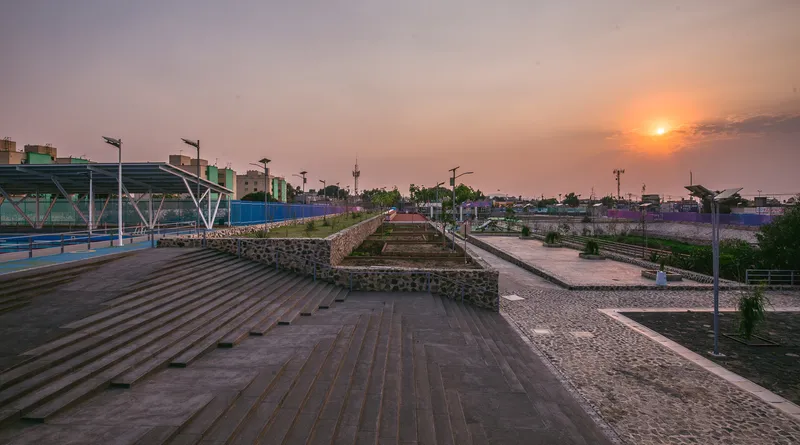
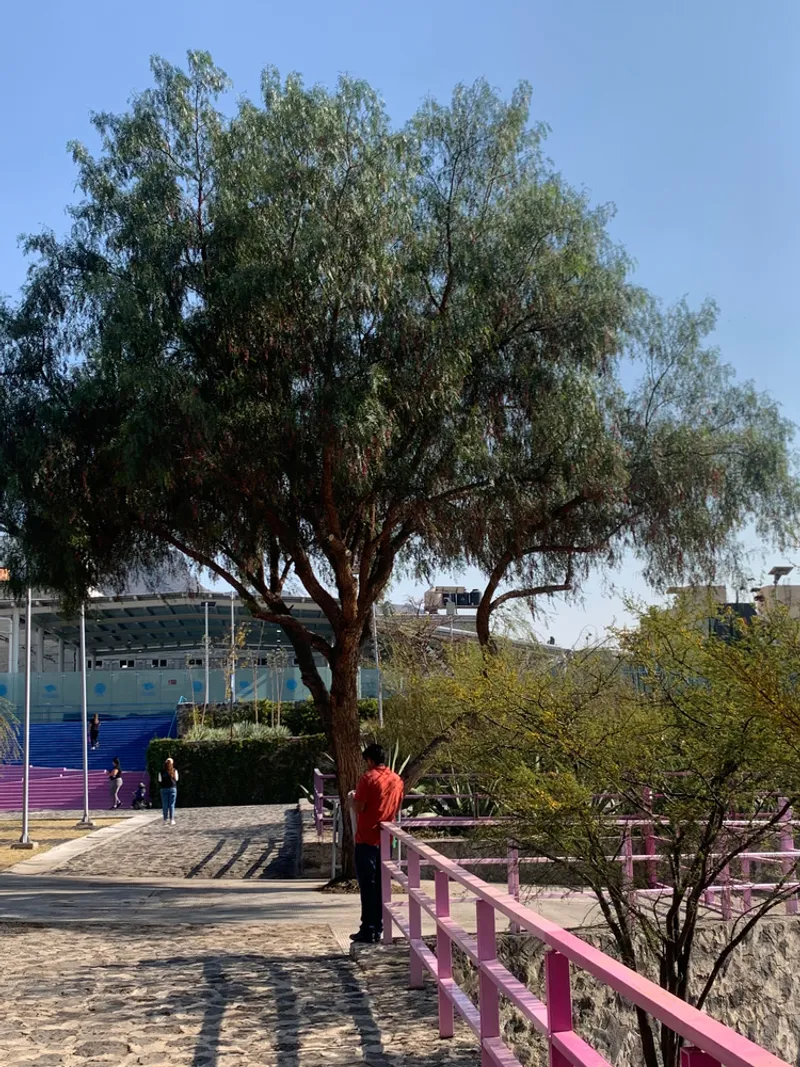
The park occupies a 3.8-hectare site, integrating local volcanic stone platforms, plazas, and walkways that follow traditional Mexican landscape techniques. This approach creates a network of pedestrian-friendly routes aligned north-south and east-west. Native and endemic vegetation enhances biodiversity, triples the tree cover, and fosters a resilient ecosystem.
The park houses various community facilities, including:
- A bookstore and library
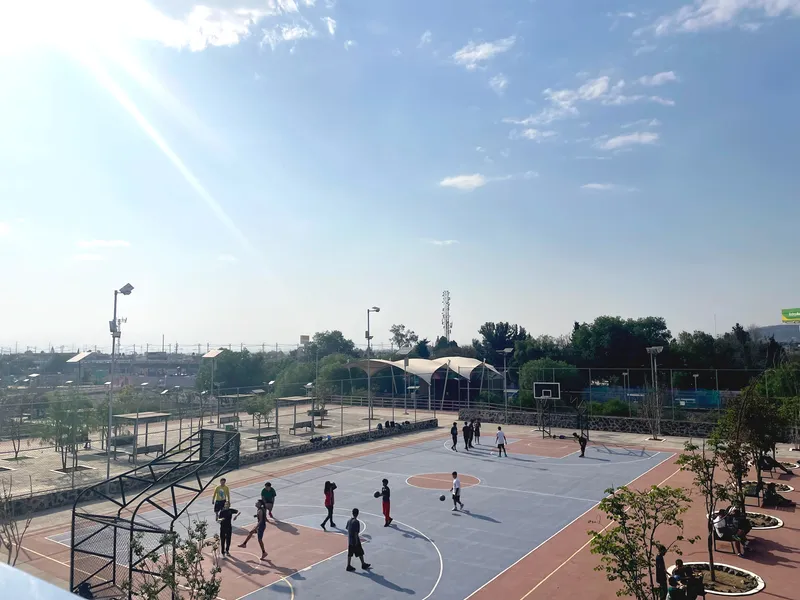
- Multipurpose workshops and sports spaces
- A large community center
- Dedicated areas for women victims of violence
By turning the land’s natural infiltration capacity into a central feature, the project mitigates flooding, improves water quality, and facilitates groundwater recharge. Platforms and pathways improve accessibility to public transport, while the design strengthens the social fabric and encourages public engagement.
Collaborative and Award-Winning Efforts
Developed between 2013 and 2017 by UNAM, coordinated by Dr. Manuel Perló Cohen and architect Loreta Castro Reguera Mancera, the project involved extensive interdisciplinary research and community participation. Despite political challenges and construction interruptions in 2018, the park was completed in 2019, setting a precedent for sustainable urban transformation.
La Quebradora has received multiple awards, including the Global Gold Medal and the Latin America Region Award of the Holcim Awards for Sustainable Construction, alongside recognition from the CAF.
A Model for Future Urban Parks
Renamed Utopía Atzintli, the park has become part of a larger local initiative by the Iztapalapa borough to convert abandoned areas into productive, green, and socially inclusive public spaces. Hosting approximately 7,000 visitors weekly, it serves as a vital hub for cultural, sports, and recreational activities, while functioning as a natural infrastructure for rainwater regulation and urban resilience.
La Quebradora Water Park demonstrates how sustainable urban design, ecological restoration, and community engagement can converge to create transformative public spaces in dense, underserved cities.
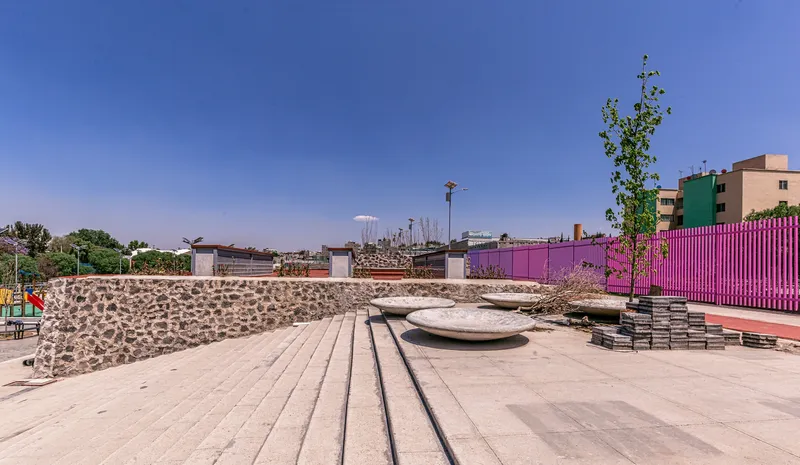
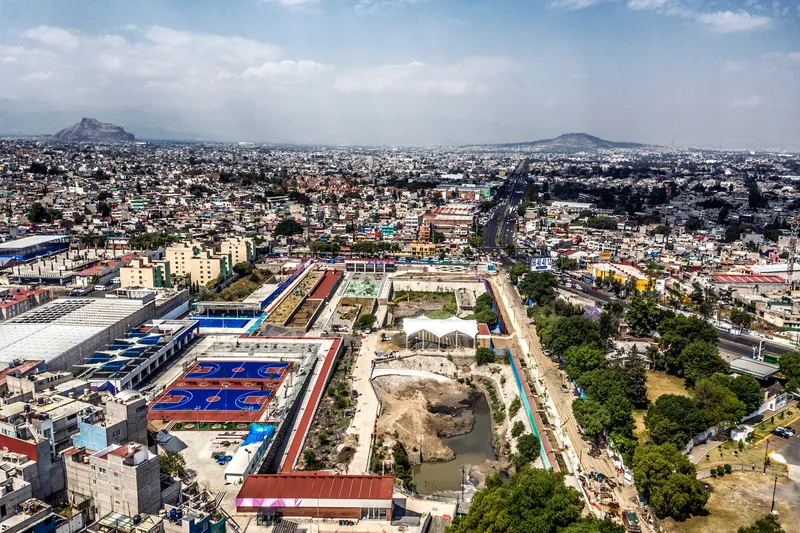
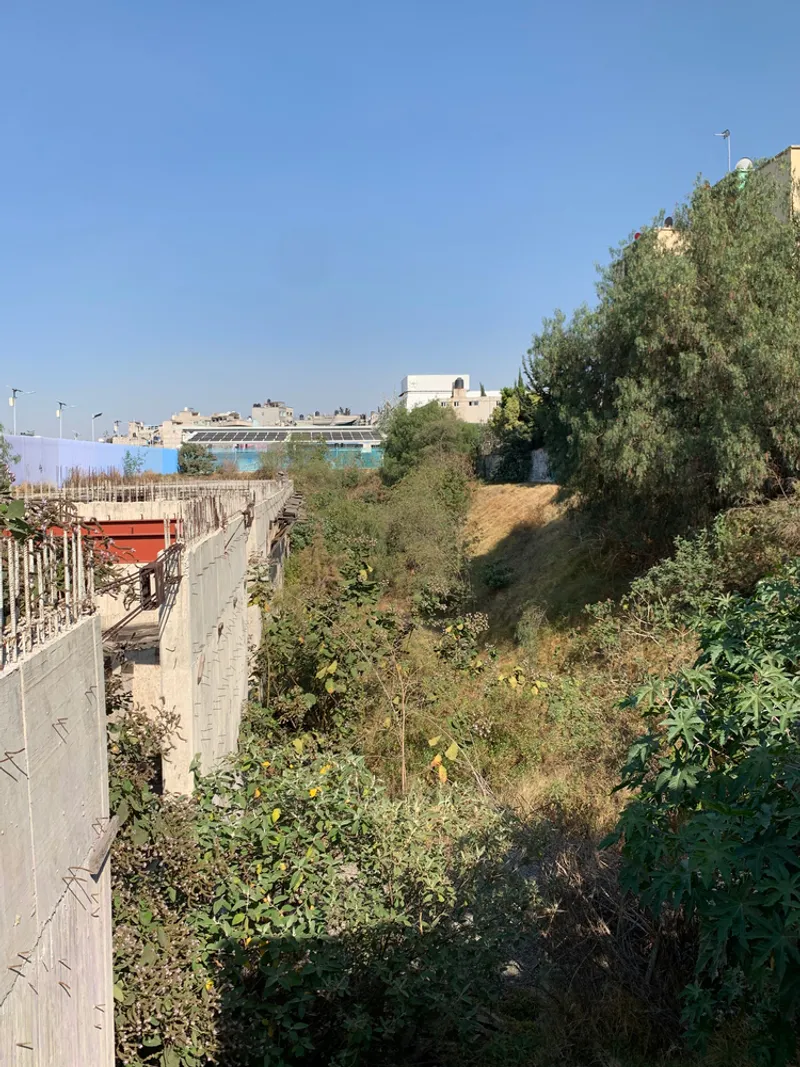
All photographs are works of
Meghana Tummala, Loreta Castro Reguera, Guillermo Mendía




Popular Articles
Popular articles from the community


Riyadh For All: Intergenerational Urban Design for Active Aging in Rabat
Riyadh For All reimagines urban design in Rabat with intergenerational co-living, adaptive courtyards, and Moroccan cultural exchange today.

The Earth Pod: 3D Printed Homes for Resilient Refugee Communities
The Earth Pod reimagines refugee housing through 3D printed homes made from clay, combining resilience, self-sufficiency, and rapid shelter.

Co-life: Sustainable Architecture for Age-Friendly Community Living
Co-life reimagines sustainable architecture for seniors through courtyards, rammed earth, shared gardens, and spaces designed for belonging.

Co-Life: Senior Housing Design That Reconnects Older Adults With the City
Co-Life reimagines senior housing design through healing gardens, shared streets, workshops, and a sustainable community across generations.

Similar Reads
You might also enjoy these articles

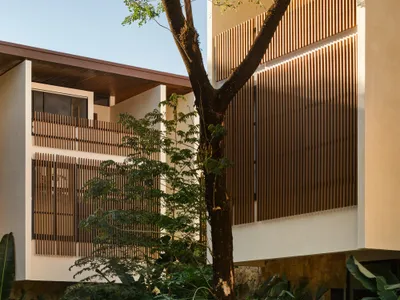
FAMM Arquitectura Organizes Ten Villas Around Courtyards and Jungle in Nosara, Costa Rica
El Molino pairs two elongated volumes with deep overhangs and timber louvers to build a compact coastal community five minutes from the beach.
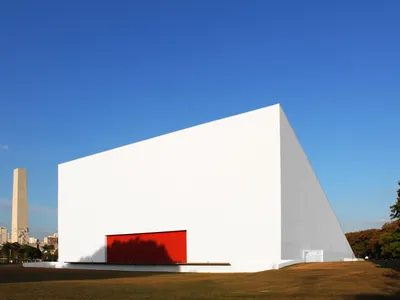
Oscar Niemeyer's Ibirapuera Park Pavilions Define São Paulo's Cultural Identity in Concrete and Curve
A constellation of modernist volumes set within São Paulo's most important urban park, conceived for the city's 400th anniversary in 1954.
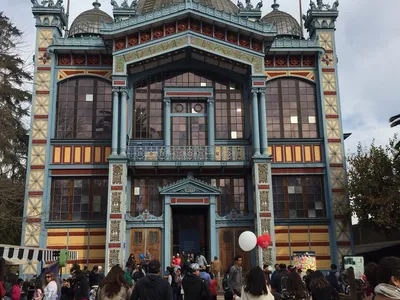
How Henri Picq's 1889 Paris Pavilion Traveled 11,000 Kilometers to Become Santiago's Artequín Museum
A prefabricated iron and glass pavilion built for the Paris Universal Exposition found a second life as a children's art museum in Chile.
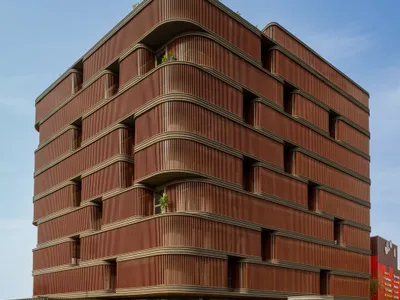
Sanjay Puri Architects Wraps a Jaipur Office Tower in Capsule-Shaped Green Buffers
A nine-level climate-responsive workplace near Jaipur Airport uses stacked planter terraces and aluminium screens to fight 40°C heat.

Explore Architecture Competitions
Discover active competitions in this discipline



Challenge to reimagine the Iron Throne


Photograph architecture without architects


Illustrate the lost glory of Angkor Wat - Render Challenge


Design challenge to reuse E-waste
Comments (0)
Please login or sign up to add comments
No comments yet. Be the first to comment!