
Lava House by Martín Dulanto Sangalli: A Sensitive Dialogue Between Architecture and Nature
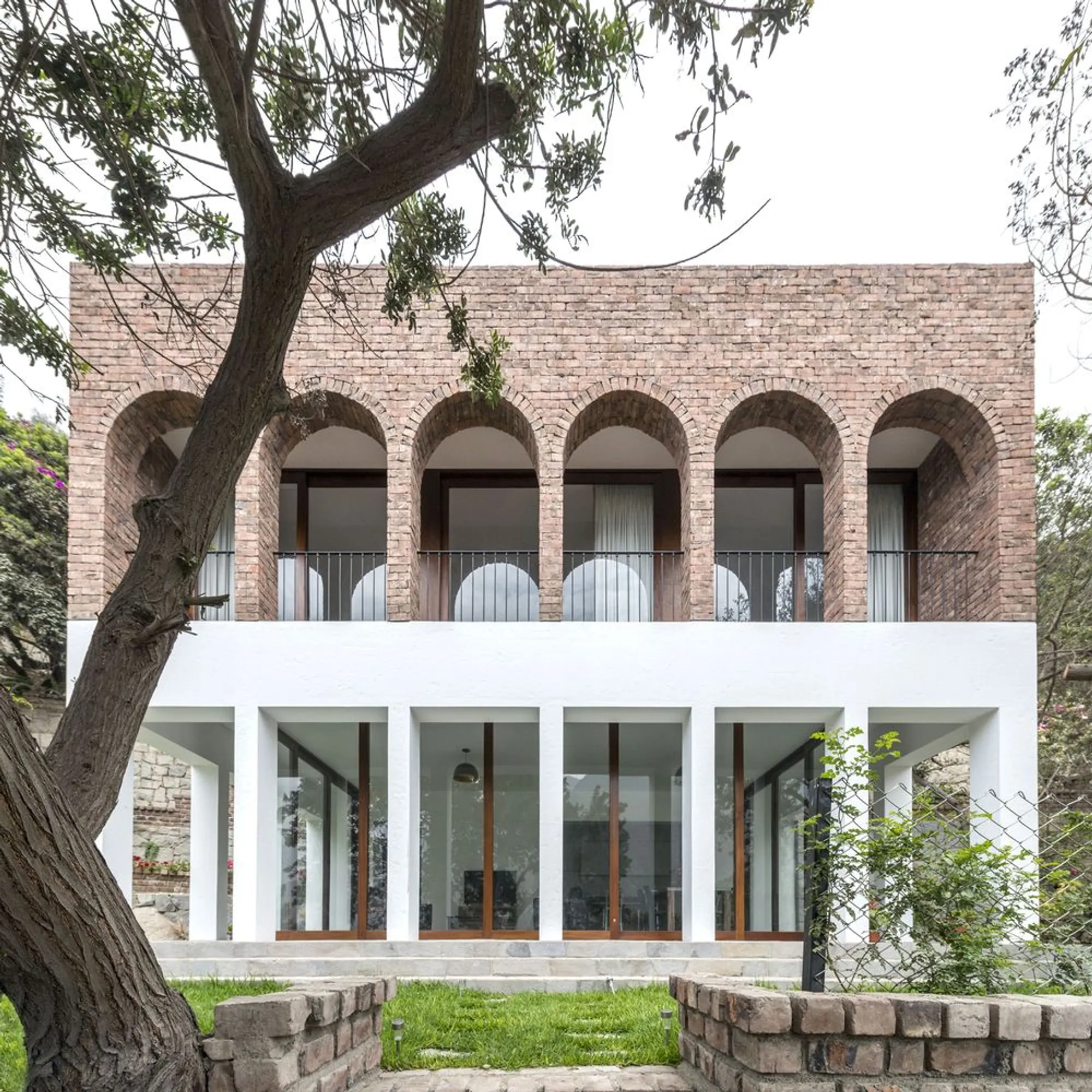
Lava House by Martín Dulanto Sangalli blends modern design with nature, embracing the landscape through sensitive, sustainable, and contextual architecture.


Designed by renowned Peruvian architect Martín Dulanto Sangalli, the Lava House in San Antonio, Peru represents a masterful example of sensitive architecture that prioritizes harmony with the natural landscape. Completed in 2019, this 652-square-meter residence blends modern architectural language with an organic respect for its surrounding terrain, embodying a philosophy where built structures coexist with, rather than dominate, nature.
Design Philosophy: Embracing the Land
From its inception, the Lava House project was approached with profound respect for both the site and its natural elements. The design intent was to achieve minimal environmental impact, seamlessly integrating the residence into its sloped landscape.
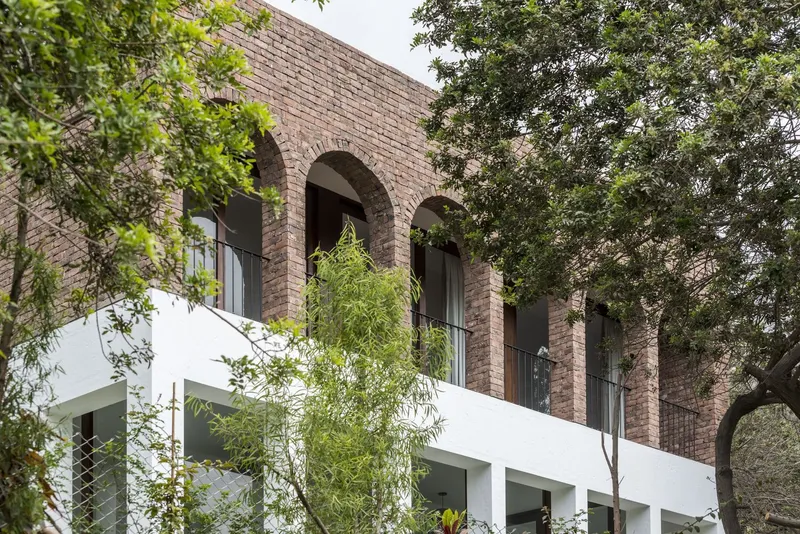
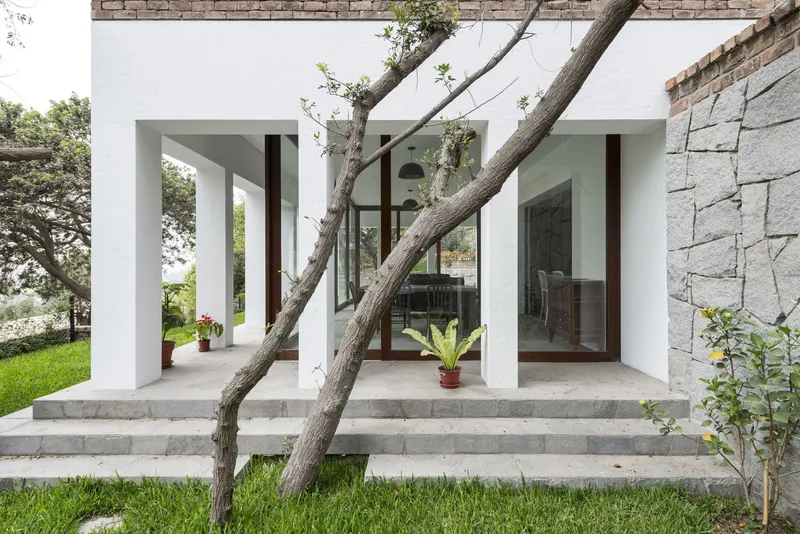
The house ingeniously adapts to the site's natural terracing, preserving the existing topography without invasive alterations. Original stone walls and large trees were left untouched and became integral parts of both the architectural and landscape design. Instead of imposing itself, the architecture defers to its environment, allowing nature to reclaim space and enhance the sense of warmth, belonging, and spatial quality.
This contextual architecture fosters an emotional connection between the inhabitants and the landscape, elevating the experience of living within nature rather than merely beside it.
Spatial Organization: A Vertical Journey Through Living Spaces
The Lava House is organized across three main levels, each responding carefully to the site's steep incline.
- Entrance Level: At street level, visitors encounter the parking area, discreetly tucked into the terrain to minimize visual impact.
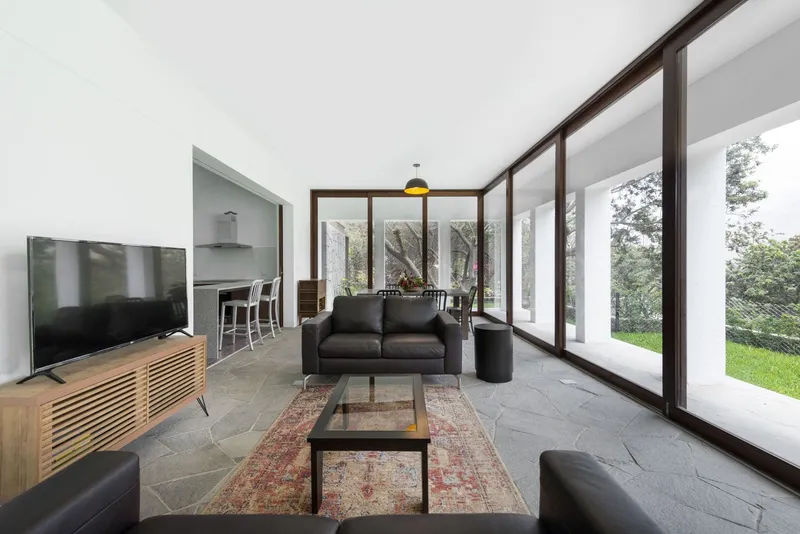
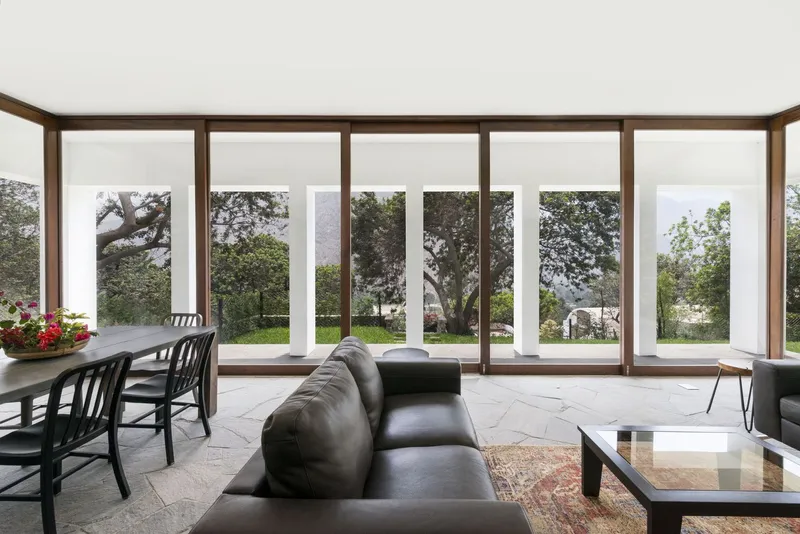
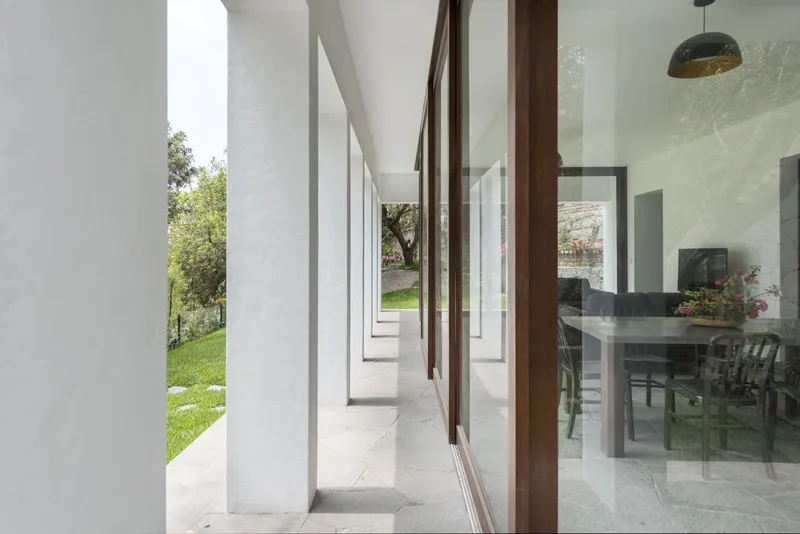
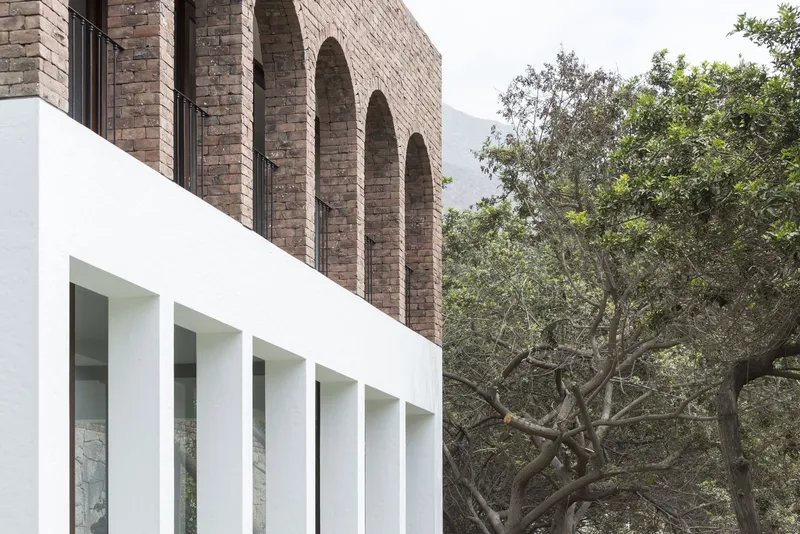
- First Level: A staircase leads to the social core of the home, where a large, white cubic volume with graceful arches on three sides defines the living and dining spaces. This social zone opens directly onto the main garden, blurring boundaries between indoor and outdoor living. This level also houses essential service areas accessed via hidden circulation paths, alongside a kitchen, laundry and clothesline area, outdoor terrace with a grill, pool, and a guest bathroom, offering a lifestyle centered around leisure and family interaction.
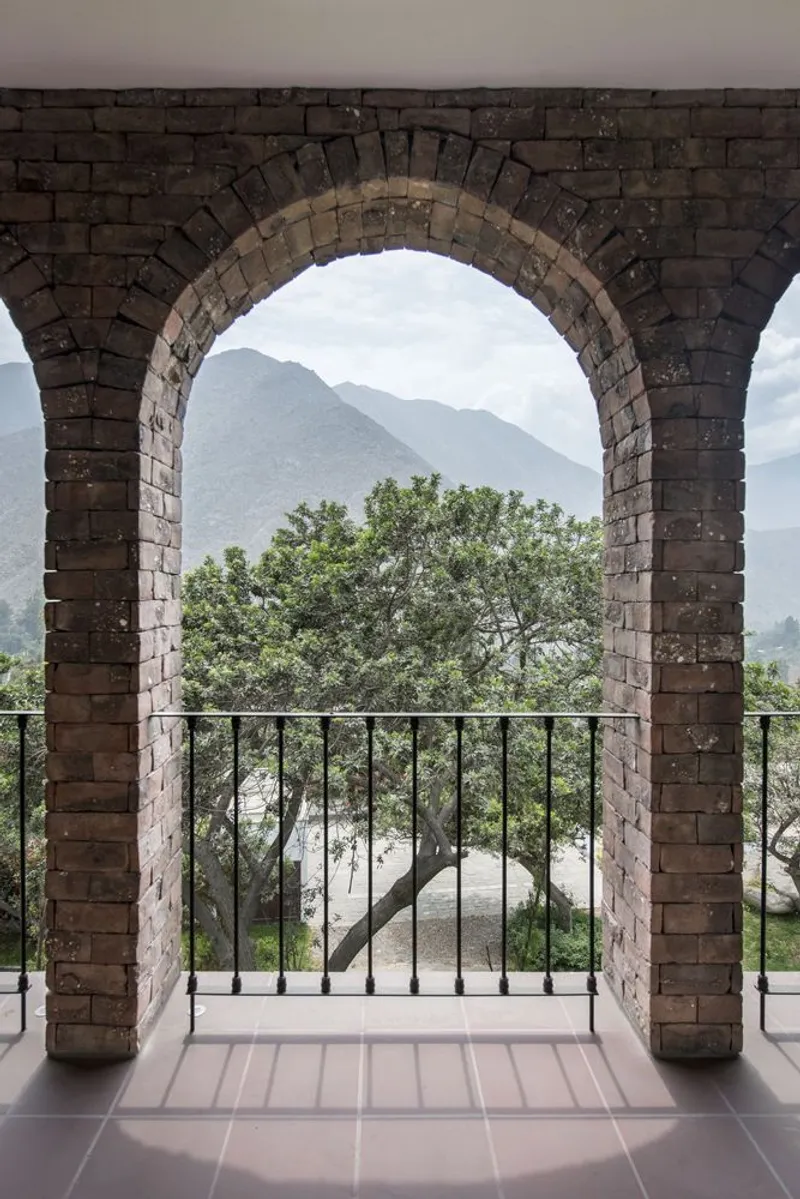
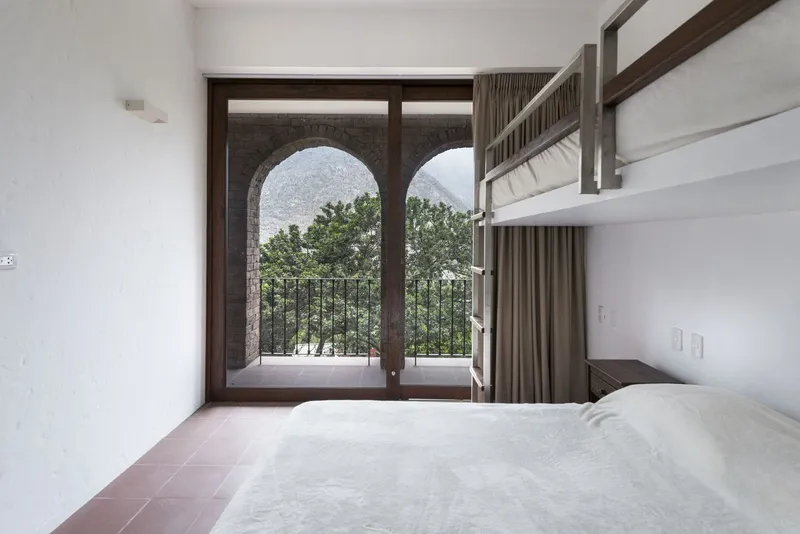
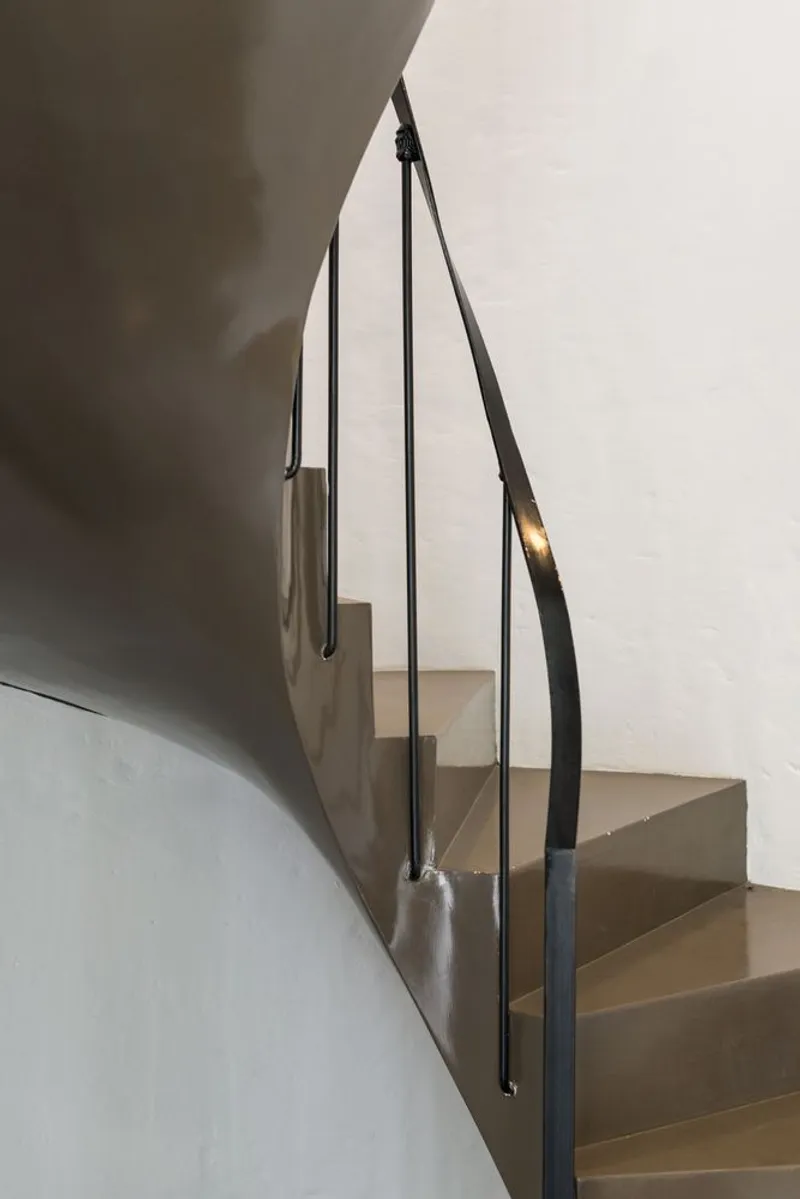
- Second Level: Ascending a striking spiral staircase, the private family quarters unfold. The upper floor accommodates three bedrooms, each designed to maximize sweeping views of the surrounding landscape. Master Bedroom: Features a walk-in closet and a private en-suite bathroom. Bedroom Two and Three: Each includes its own closet and private bathroom.
- Master Bedroom: Features a walk-in closet and a private en-suite bathroom.
- Bedroom Two and Three: Each includes its own closet and private bathroom.
By organizing the spaces vertically and framing key views through architectural gestures like arches and terraces, the design maximizes both privacy and connection to the environment.
Materials and Aesthetic
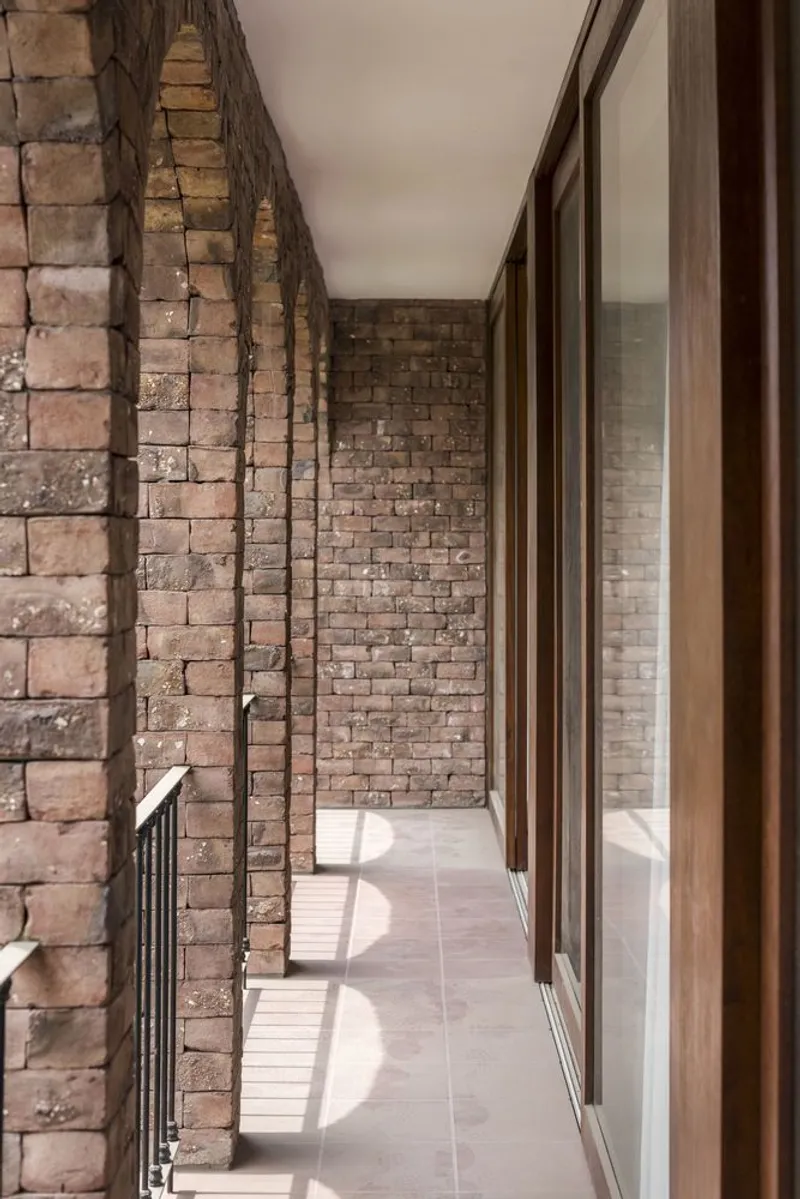
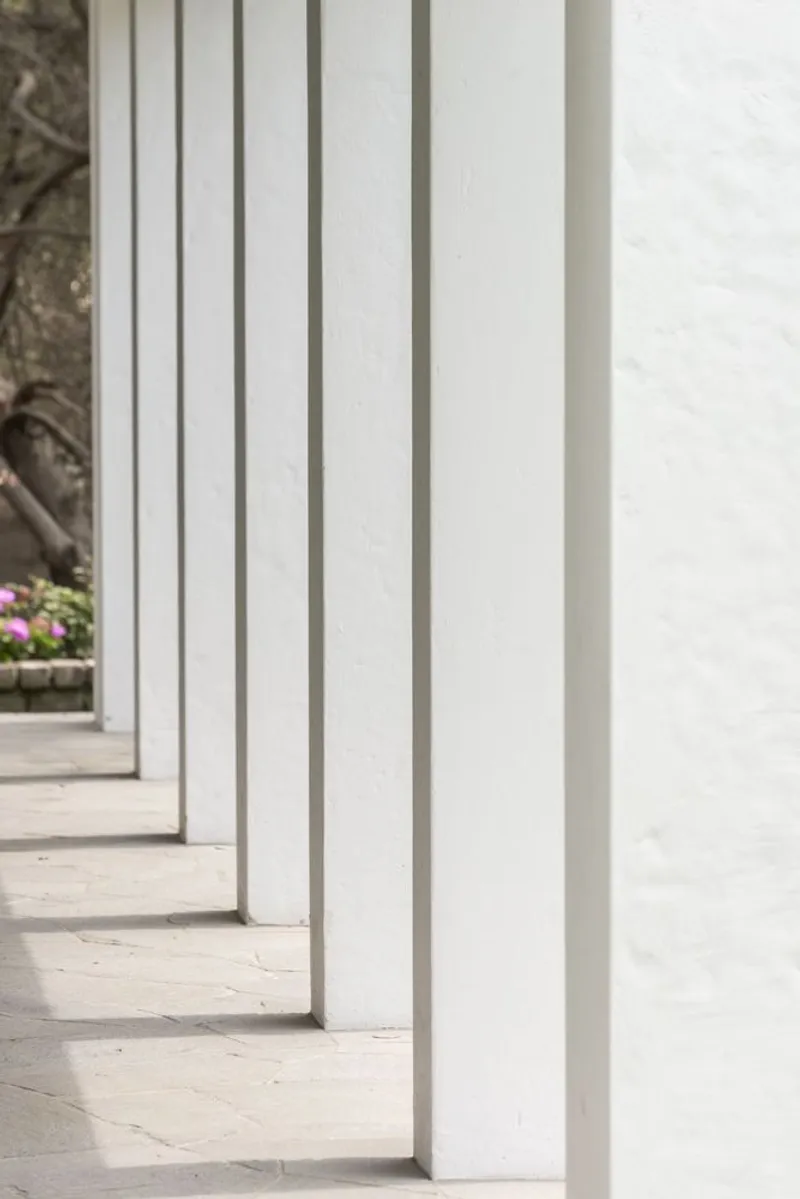
The material palette is both minimalist and tactile, featuring white finishes that highlight the sculptural quality of the volumes while allowing nature’s colors and textures to dominate. The use of local materials, such as stone and brick, reinforces the project's commitment to contextual integration.
Large windows, open arches, and patios invite sunlight and breezes into the home, creating dynamic interiors that change with the seasons and times of day.
Lava House as a Model for Sustainable, Contextual Design
Lava House by Martín Dulanto Sangalli stands as a compelling example of sustainable residential architecture that treads lightly on its environment. By prioritizing the existing landscape and integrating natural elements into its design, the house transcends conventional luxury, offering instead a profound experience of place and belonging.
This sensitive, context-aware design challenges us to reconsider how architecture can serve as a bridge between human habitation and the natural world, setting a precedent for future projects in delicate terrains.
All Photographs are works of Renzo Rebagliati




Popular Articles
Popular articles from the community


Conexión: Biophilic Design Reimagines High-Rise Living in Hong Kong
Conexión reimagines high-rise living in Hong Kong through biophilic design, green facades, shared spaces, daylight, water and nature within.

Riyadh For All: Intergenerational Urban Design for Active Aging in Rabat
Riyadh For All reimagines urban design in Rabat with intergenerational co-living, adaptive courtyards, and Moroccan cultural exchange today.

The Earth Pod: 3D Printed Homes for Resilient Refugee Communities
The Earth Pod reimagines refugee housing through 3D printed homes made from clay, combining resilience, self-sufficiency, and rapid shelter.

Co-life: Sustainable Architecture for Age-Friendly Community Living
Co-life reimagines sustainable architecture for seniors through courtyards, rammed earth, shared gardens, and spaces designed for belonging.


Similar Reads
You might also enjoy these articles


Hodi-Mandai Geram
Project Function: Preservation and revitalization of the Intangible heritage and socio-spatial identity of the Hodi by Housing, Cultural Memory Center, Sacred Grove, landscape, local tourism economy


Olio Towers: A Mid-Rise for Performers That Fuses Housing, Rehearsal, and Stage
Located blocks from Houston's Theater District, this modular tower stacks living units around a central performance atrium.

Oasis: Modular Green Housing Carved into Dhaka's Urban Fabric
A shortlisted Plugin Housing entry reclaims unauthorized settlements in Dhaka with stepped concrete volumes, green roofs, and ventilation-driven design.

Black Hole: A Floating Megastructure for the Post-Physical Era
Emiliano Mazzarotto envisions a spherical, self-scaling arena where e-sports, digital hotels, and holographic stadiums replace traditional public space.


Explore Architecture Competitions
Discover active competitions in this discipline



Challenge to reimagine the Iron Throne


Photograph architecture without architects


Illustrate the lost glory of Angkor Wat - Render Challenge


Design challenge to reuse E-waste
Comments (0)
Please login or sign up to add comments
No comments yet. Be the first to comment!