
Miaojing River Ecological Infrastructure by PLAT Studio: Reviving Kunshan’s Waterways Through Sustainable Urban Design
Miaojing River Corridor transforms a former aqueduct into a vibrant ecological spine, enhancing connectivity, biodiversity, and public engagement,

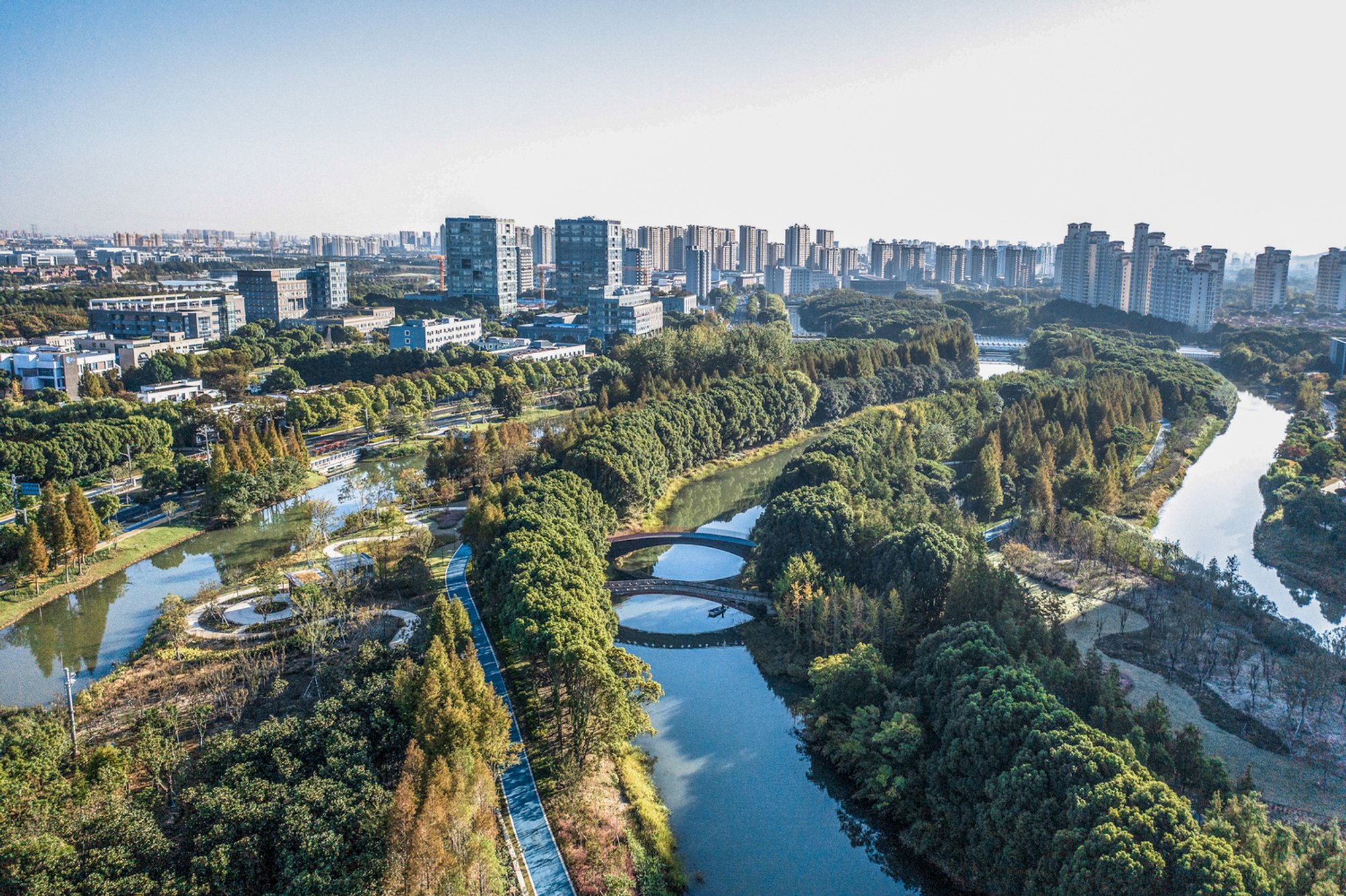
Located in Kunshan City, just 20 kilometers northwest of Shanghai, the Miaojing River Ecological Infrastructure by PLAT Studio reimagines a historic aqueduct as a vibrant ecological corridor and public green space. Known for its rich network of water systems, Kunshan has evolved from an agrarian economy to a tech-driven urban hub. As part of Kunshan West’s rapid development, the transformation of the Miaojing River Central Water Corridor aligns with the city’s push toward sustainable urbanization and community well-being.
Spanning an impressive 600,000 square meters, this ecological intervention establishes a critical green spine between Kuilei Lake Reservoir and Kunshan’s historic core. Originally functioning as a utilitarian aqueduct, the Miaojing River has now become a thriving landscape infrastructure project that prioritizes ecological preservation, public accessibility, and cultural vibrancy.
Design Vision and Strategy
Led by Fred Liao and Shih-Lin Lan, PLAT Studio’s design approach was rooted in enhancing the river’s natural character while integrating it into the urban framework. The winning master plan was selected for its emphasis on ecological performance and community engagement. The primary design strategies included:
- Creating a continuous ecological corridor for Kunshan West
- Enhancing biodiversity and re-establishing ecosystem services
- Improving neighborhood connectivity with green, human-scaled infrastructure
- Providing spaces for cultural programming and public recreation
Connectivity and Public Access
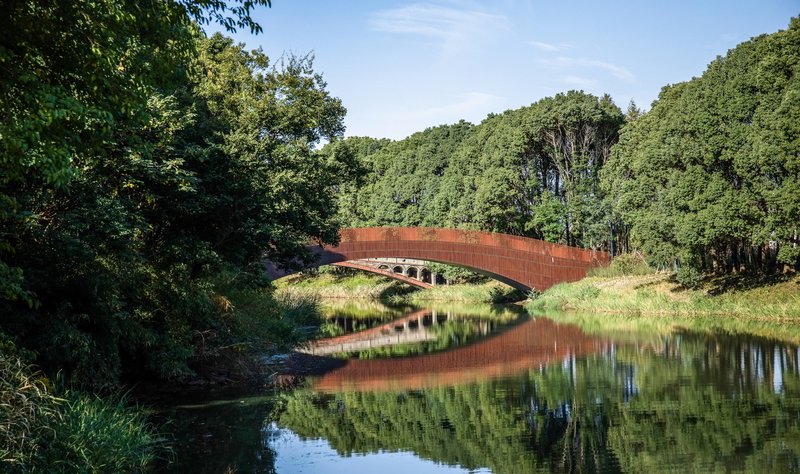
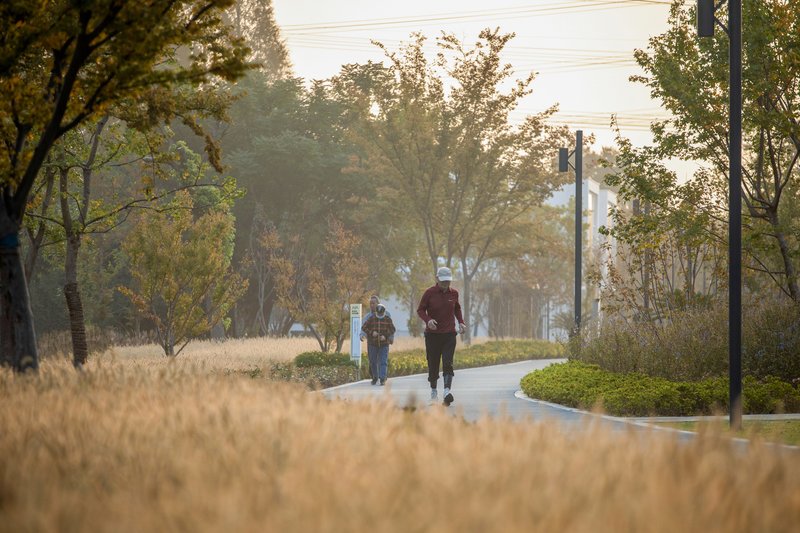
A seamless trail network weaves through the corridor, connecting Kuilei Lake to Forest Park, offering spaces for jogging, cycling, and leisurely walks. Strategically placed bridges, underpasses, and entry points with parking and amenities such as bike rental, resting pavilions, and educational signage make the site inviting and accessible to all.
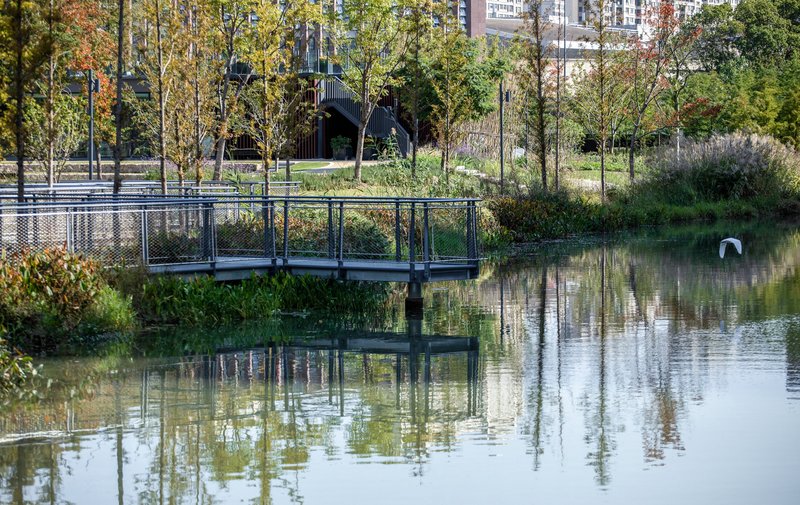
Importantly, permeable surfaces, elevated metal platforms, and mesh railings ensure minimal impact on the natural terrain while maintaining aesthetic coherence with the surrounding landscape.
Ecological Framework
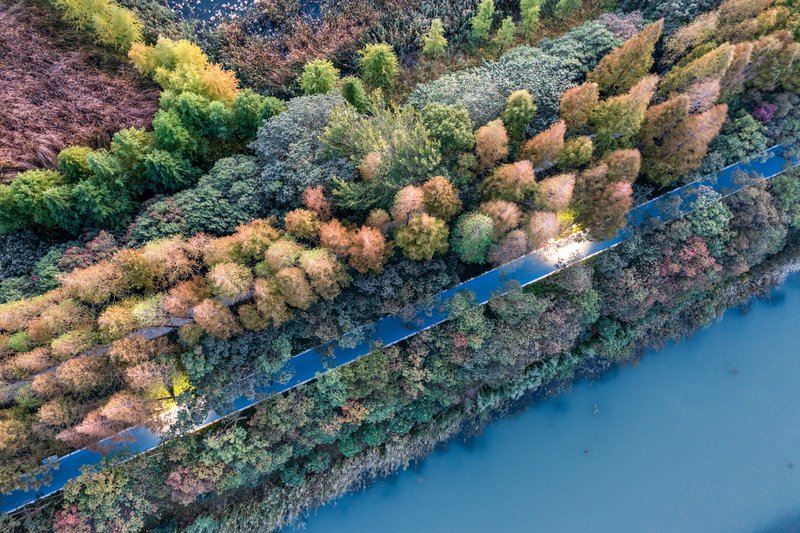
The design introduces diverse ecological zones with multi-layered native vegetation, wetland restoration, and bioswales that filter runoff and enhance the corridor’s green infrastructure. Carefully thinned forested areas support new plantings, while re-graded riverbanks and wet prairies enrich habitat diversity. These efforts contribute significantly to stormwater management, urban cooling, and biodiversity support.
Social and Cultural Activation
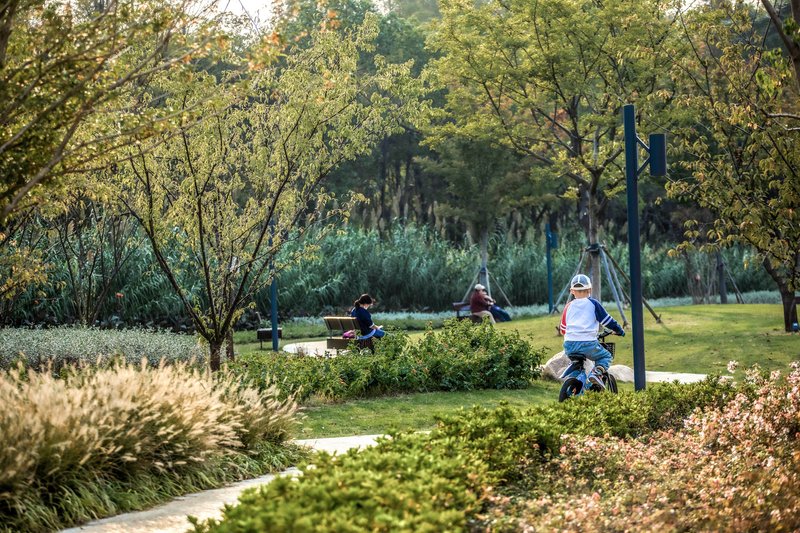
The project also positions itself as a civic commons by aligning programmatic elements with adjacent land use. Playgrounds, picnic lawns, and an ecological education center serve residential districts, while a forest amphitheater and park café support nearby institutions and researchers. Wayfinding elements, informational panels, and support infrastructure such as bike racks and restrooms reinforce the corridor’s role as a dynamic and educational public landscape.
A Model of Urban-Nature Integration
Since its completion in 2022, the Miaojing River Corridor has quickly become a beloved destination for both locals and visitors. Its thoughtful integration of ecological resilience, cultural programming, and public utility reflects a successful model of landscape urbanism in fast-growing Chinese cities.
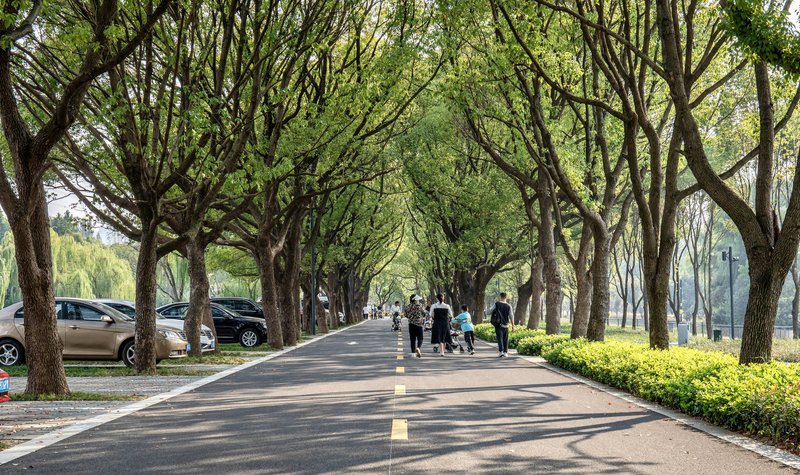
All Photographs are works of KCID




Popular Articles
Popular articles from the community

The Faith: Modular Architecture for Play, Learning, and Hope in Kutupalong Refugee Camp
A modular playground architecture project in Bangladesh where play, learning, safety, and hope rebuild childhood inside a refugee camp anew.
Milan Crossover: Sustainable Architecture for a New Fashion Culture in Milan
Milan Crossover transforms fashion culture through sustainable architecture, linking material libraries, remake studios, and public runways.

Stanton Architects Sculpts a Curving Family Home into Sydney's Inner West Fabric
Five Dock House uses cantilevers, curved concrete, and layered courtyards to carve out privacy on a tight suburban lot in Sydney.
PLATAFORMArq Folds a Concrete Roof Over the Portuguese Mountains in House #474
A 220-square-meter residence in Teixoso, Portugal, wraps board-formed concrete into an angular canopy that frames the Serra da Estrela foothills.

Similar Reads
You might also enjoy these articles

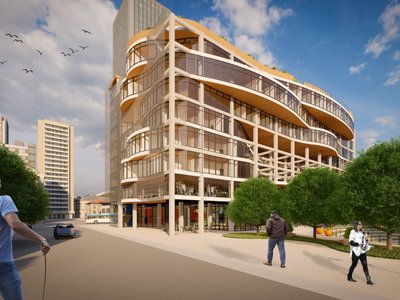
Olio Towers: A Mid-Rise for Performers That Fuses Housing, Rehearsal, and Stage
Located blocks from Houston's Theater District, this modular tower stacks living units around a central performance atrium.
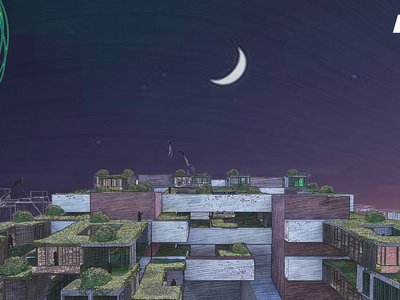
Oasis: Modular Green Housing Carved into Dhaka's Urban Fabric
A shortlisted Plugin Housing entry reclaims unauthorized settlements in Dhaka with stepped concrete volumes, green roofs, and ventilation-driven design.

Black Hole: A Floating Megastructure for the Post-Physical Era
Emiliano Mazzarotto envisions a spherical, self-scaling arena where e-sports, digital hotels, and holographic stadiums replace traditional public space.
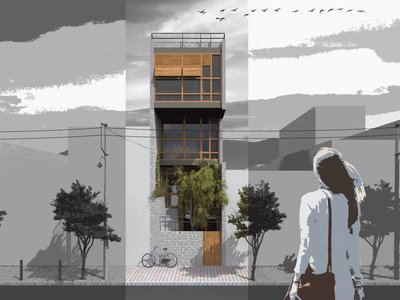
Compact & Sustainable Living in Piraeus: A Four-Level Family Home Built Around Light and Air
A narrow townhouse in one of Greece's densest port cities uses a central atrium and passive strategies to house three generations under one roof.

Explore Landscape Design Competitions
Discover active competitions in this discipline




The International Standard for Design Portfolios


The Global Benchmark for Architecture Dissertation Awards


The Global Benchmark for Graduation Excellence


Challenge to reimagine the Iron Throne
Comments (0)
Please login or sign up to add comments
No comments yet. Be the first to comment!