

Modern Nursery School Architecture: A Case Study of Aartselaar Nursery
The article explores the innovative design and sustainable features of Aartselaar Nursery, exemplifying modern nursery school architecture trends.


Redefining Nursery School Design
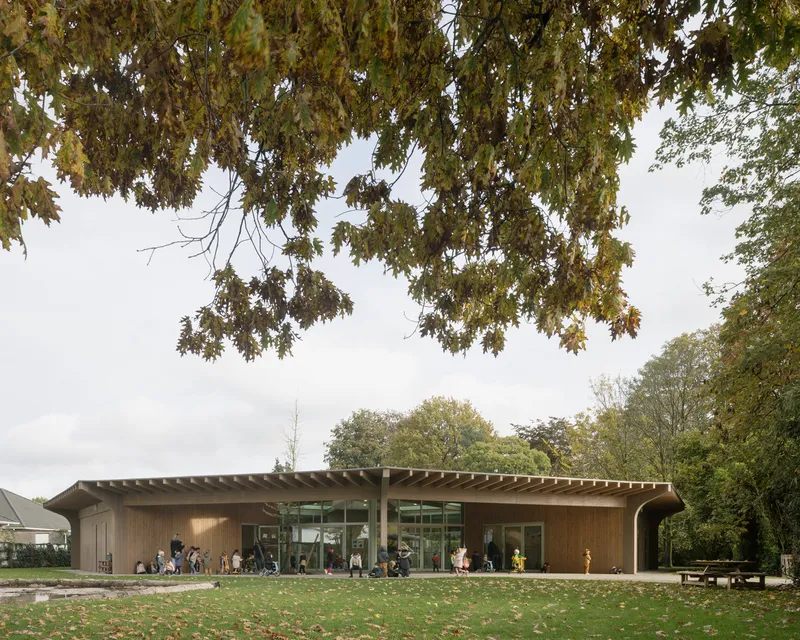
The architecture of educational spaces has a profound impact on learning, creativity, and interaction. The Nursery School in Aartselaar, designed by WE-S architecten, represents a bold step in modern nursery school architecture. Located in Aartselaar, Belgium, this innovative project delivers a compact, efficient, and playful design for young learners.
Why Modern Architecture Matters for Nursery Schools
In contemporary education, the focus has shifted to creating spaces that inspire learning while addressing functionality. Modern architecture for nursery schools emphasizes:
- Flexibility for multifunctional use.
- Compact designs to maximize efficiency.
- Playful forms to engage children.
A Compact Yet Playful Design
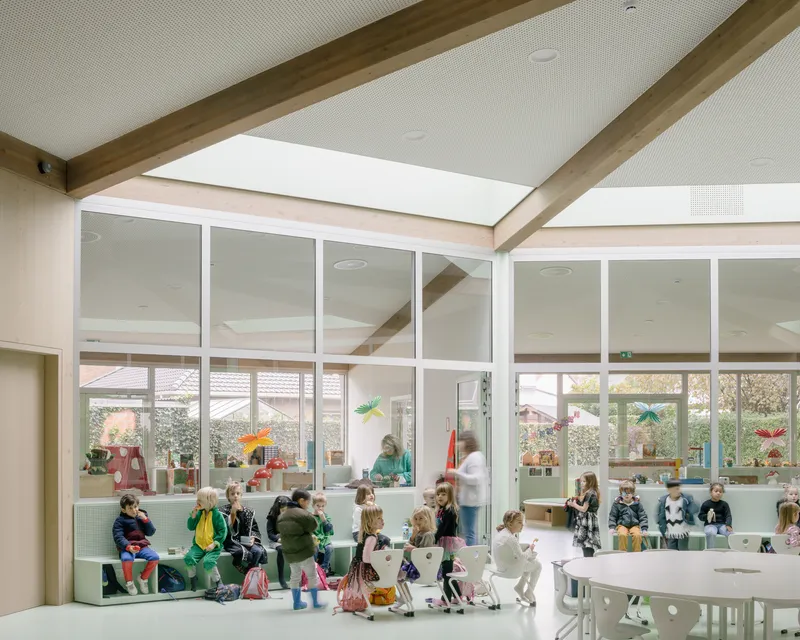
Completed in 2023, the 645 m² Aartselaar Nursery exemplifies how thoughtful planning can result in a space that balances creativity with practicality.
Key Features of the Design
The design program was developed with the following components:
- Four Identical Nursery Classes: Organized in pairs and placed back-to-back, ensuring accessibility and privacy.
- Central Multifunctional Hall: A core feature that integrates with a refectory and serves as the heart of the school.
- Additional Facilities: Kitchens, staff rooms, and storage spaces are strategically placed for operational efficiency.
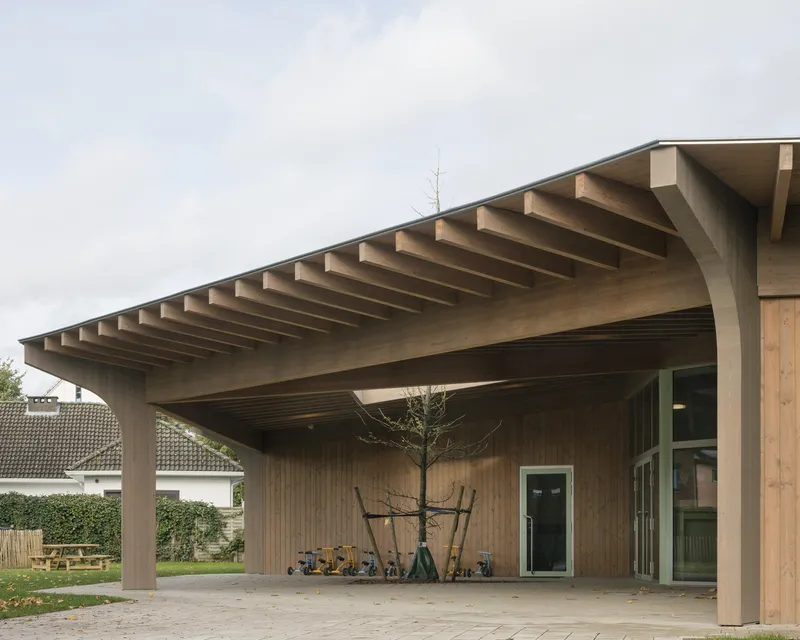
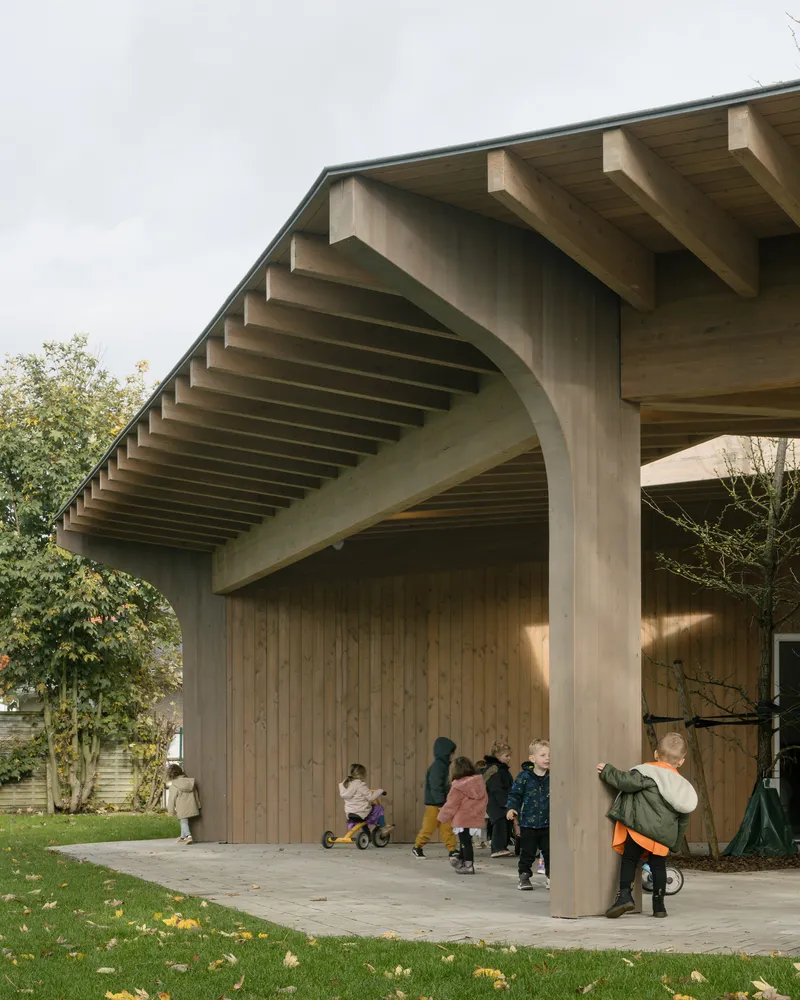
- Nine-Cornered Volume: The building's unique geometry creates a visually striking structure while enhancing the flow between indoor and outdoor spaces.
Sustainability and Efficiency in Modern Nursery Design
The Aartselaar Nursery’s design stands out not only for its visual appeal but also for its sustainable approach. The compact structure ensures efficient use of materials and minimizes the building's environmental footprint.
The central hall serves multiple functions, reducing the need for additional construction and ensuring that all spaces remain active and useful.
The Role of Playful Architecture in Education
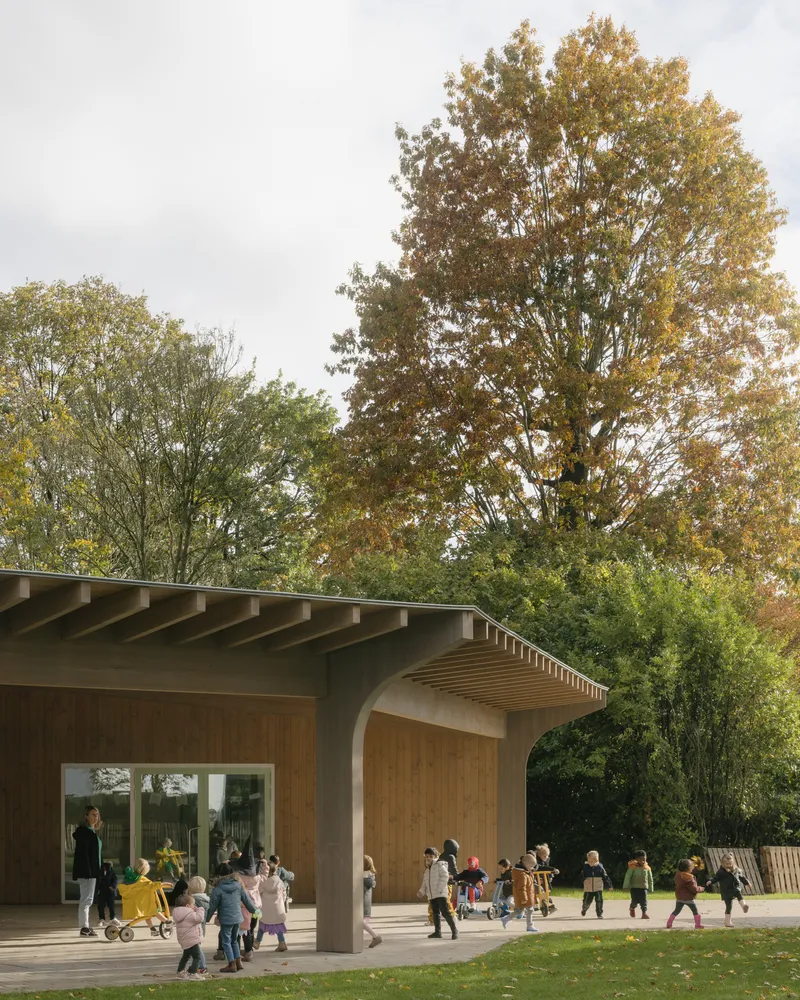
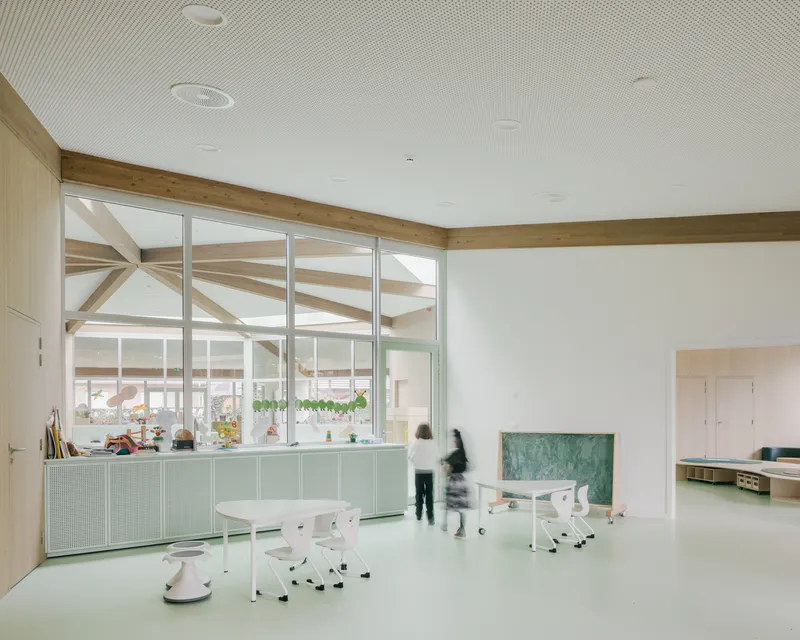
A significant highlight of this project is its ability to combine form and function seamlessly. The nine-cornered volume opens toward an outdoor play area, encouraging movement and exploration. By blending natural light, open spaces, and child-friendly designs, the building fosters creativity and social interaction among its young users.
Benefits of Playful Designs for Learning Environments
- Encourages Active Learning: Open layouts and outdoor spaces stimulate curiosity.
- Promotes Social Interaction: Central halls and shared facilities create communal experiences.
- Enhances Aesthetic Appreciation: Children grow up appreciating well-designed, thoughtful spaces.
Materials and Aesthetic Choices
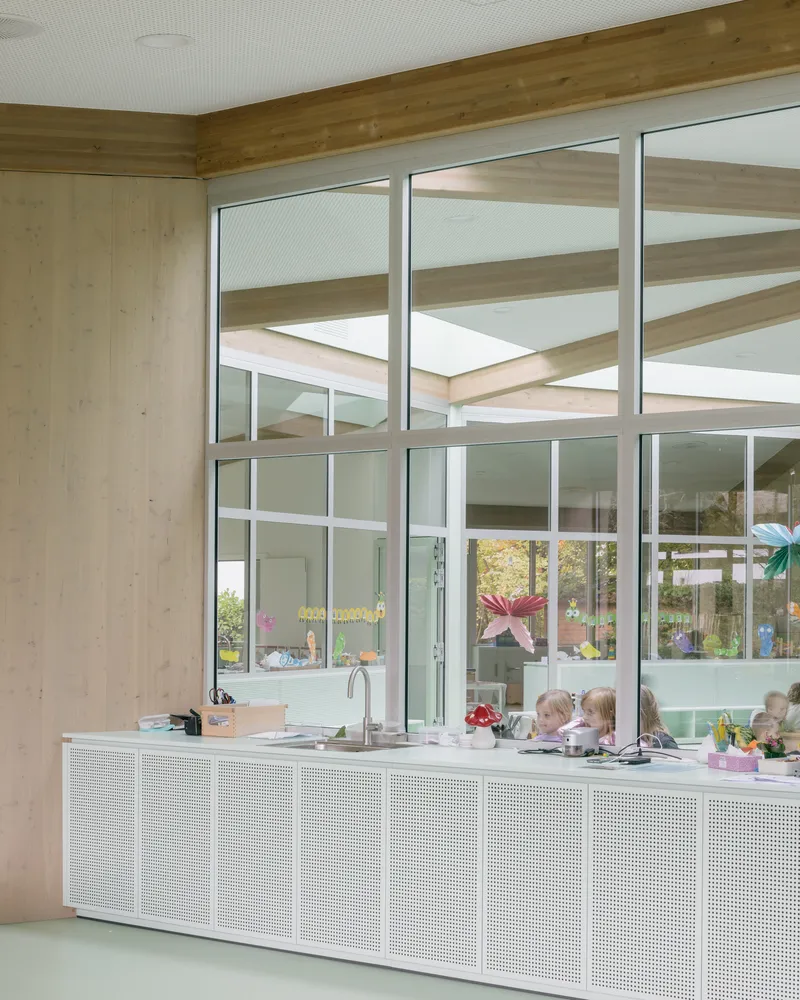
Photographed by Stijn Bollaert, the nursery’s aesthetics are a study in modern simplicity. The architects employed:
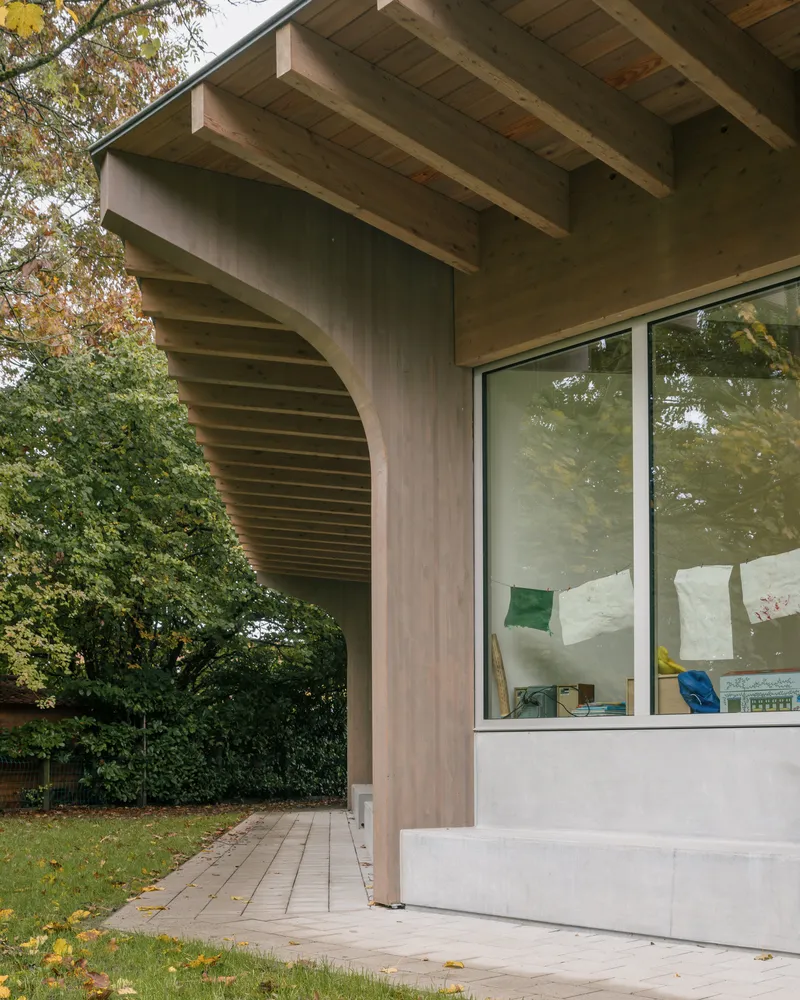
- Minimalistic materials that resonate with the building's natural surroundings.
- Clean lines and neutral tones, creating a calm yet dynamic environment.
- Large windows that maximize daylight and offer views of the outdoor play areas.
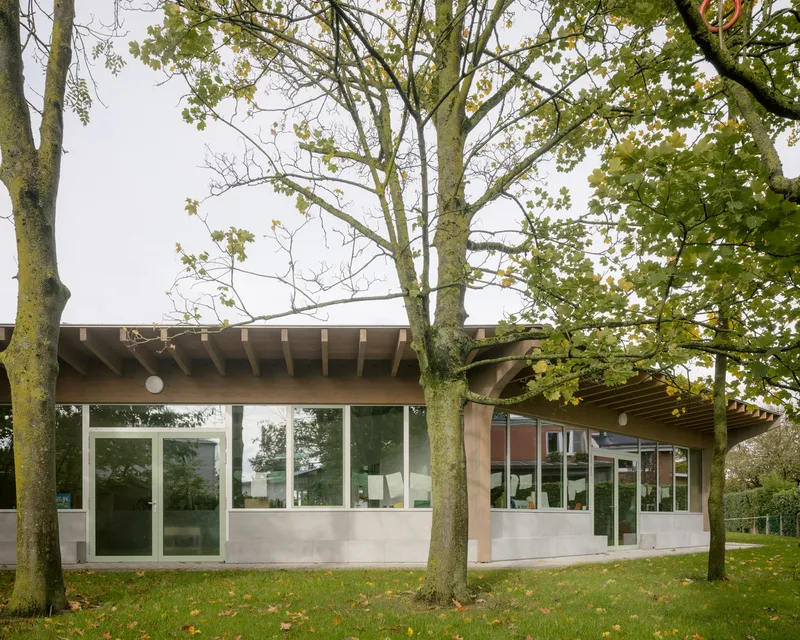
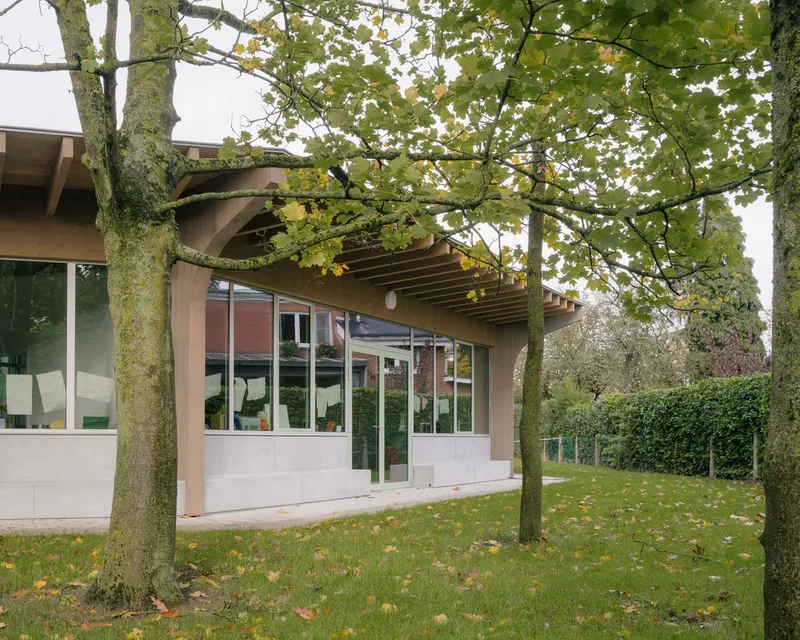
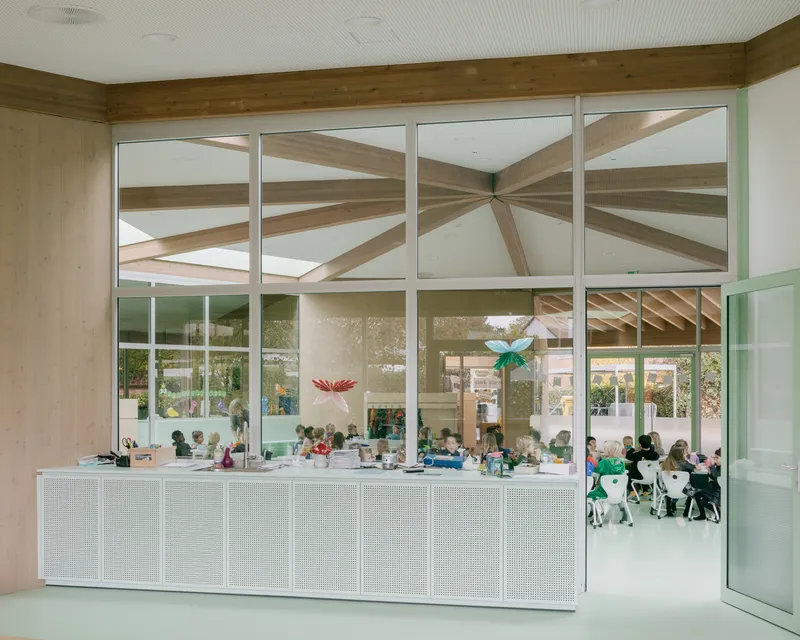
A Benchmark for Modern Nursery School Architecture
The Nursery School in Aartselaar by WE-S architecten is a shining example of modern nursery school architecture. It successfully blends functionality, sustainability, and aesthetics to create a nurturing and engaging environment for children.
As educational needs evolve, projects like these set a benchmark for architects and educators aiming to design spaces that inspire the next generation.
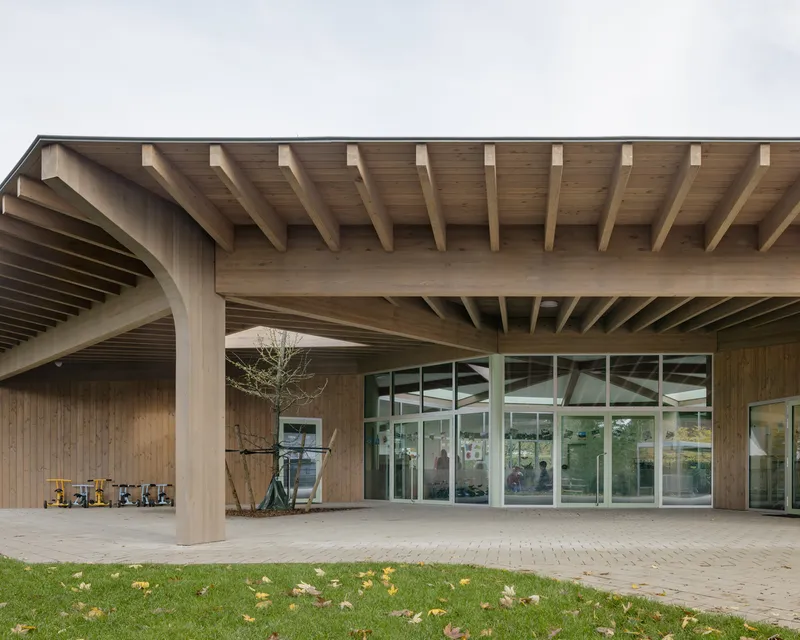
All Photographs are work of Stijn Bollaert


Popular Articles
Popular articles from the community


Juan García Correa, John González and Claudia Rueda Sink a Circular Amphitheater into a Manizales Engineering Building
On the La Nubia campus in Manizales, Colombia, the S1 Building folds labs and offices into a hillside of ramped lawns that double as a campus route.

Architekt Andreas Gruber Scatters 23 Dark Timber Chalets Across a South Tyrolean Forest Edge
In Molini di Tures, Amonti Chalets breaks a resort into a hamlet of gabled timber houses, with parking, storage and services pushed into the slope.

GROUP A Strips a 1969 Rotterdam Harbor Headquarters to Its Frame and Wraps It in Timber Louvers
In Rotterdam's M4H harbor district, Ferro Offices reuses a 1969 frame, adds one timber storey and reaches BREEAM-NL Outstanding.

longwave studio Reorganizes a 112 m² Tainan Apartment Around the Daily Routines of a Family and Two Cats
In Tainan, Taiwan, birch plywood, rust-red furniture and a freestanding plaster wall link arrival, storage, work and family life in one apartment.

Similar Reads
You might also enjoy these articles


Hodi-Mandai Geram
Project Function: Preservation and revitalization of the Intangible heritage and socio-spatial identity of the Hodi by Housing, Cultural Memory Center, Sacred Grove, landscape, local tourism economy


Olio Towers: A Mid-Rise for Performers That Fuses Housing, Rehearsal, and Stage
Located blocks from Houston's Theater District, this modular tower stacks living units around a central performance atrium.

Oasis: Modular Green Housing Carved into Dhaka's Urban Fabric
A shortlisted Plugin Housing entry reclaims unauthorized settlements in Dhaka with stepped concrete volumes, green roofs, and ventilation-driven design.

Black Hole: A Floating Megastructure for the Post-Physical Era
Emiliano Mazzarotto envisions a spherical, self-scaling arena where e-sports, digital hotels, and holographic stadiums replace traditional public space.

Explore Educational Building Competitions
Discover active competitions in this discipline

Challenge to design public laboratory

Challenge to reimagine the Iron Throne

Photograph architecture without architects

Illustrate the lost glory of Angkor Wat - Render Challenge
Comments (0)
Please login or sign up to add comments
No comments yet. Be the first to comment!