

Modern Tiânn House by HAO Design: Harmonizing Tradition with Contemporary Family Living in Taiwan
Modern Tiânn House in Taiwan redefines multigenerational living with a Sanheyuan-inspired courtyard, natural light, greenery, and contemporary sustainable design.


Located in Taiwan, the Modern Tiânn House by HAO Design reinterprets traditional co-living spaces for modern family lifestyles. Covering 250 m², this 2021 project transforms the historical Sanheyuan-inspired courtyard, or tiânn, into a contemporary hub for multigenerational living while respecting privacy and independence. In today’s evolving family structures, many households favor one- or two-generation co-living arrangements, reflecting the desire of elders for personal spaces while staying close to their children. HAO Design responded to this shift by placing common areas on the first floor, private bedrooms on the second, and a rooftop patio with an ancestor shrine on the third, blending functionality with cultural continuity.


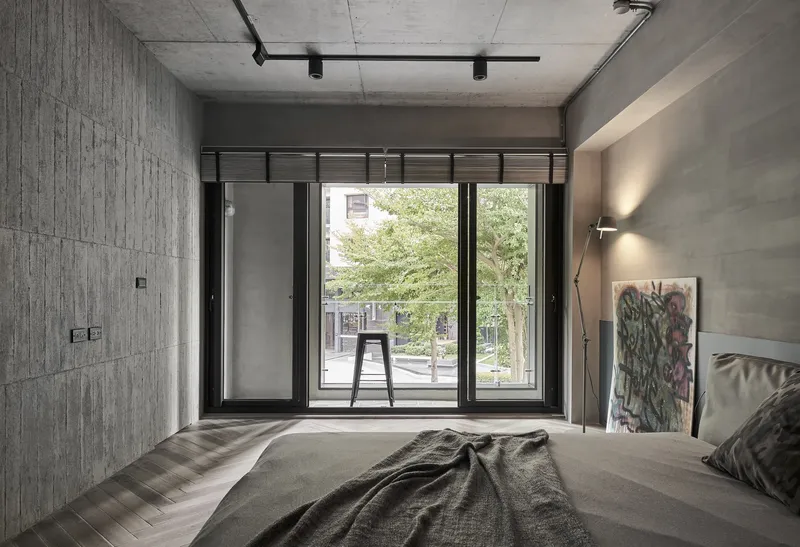
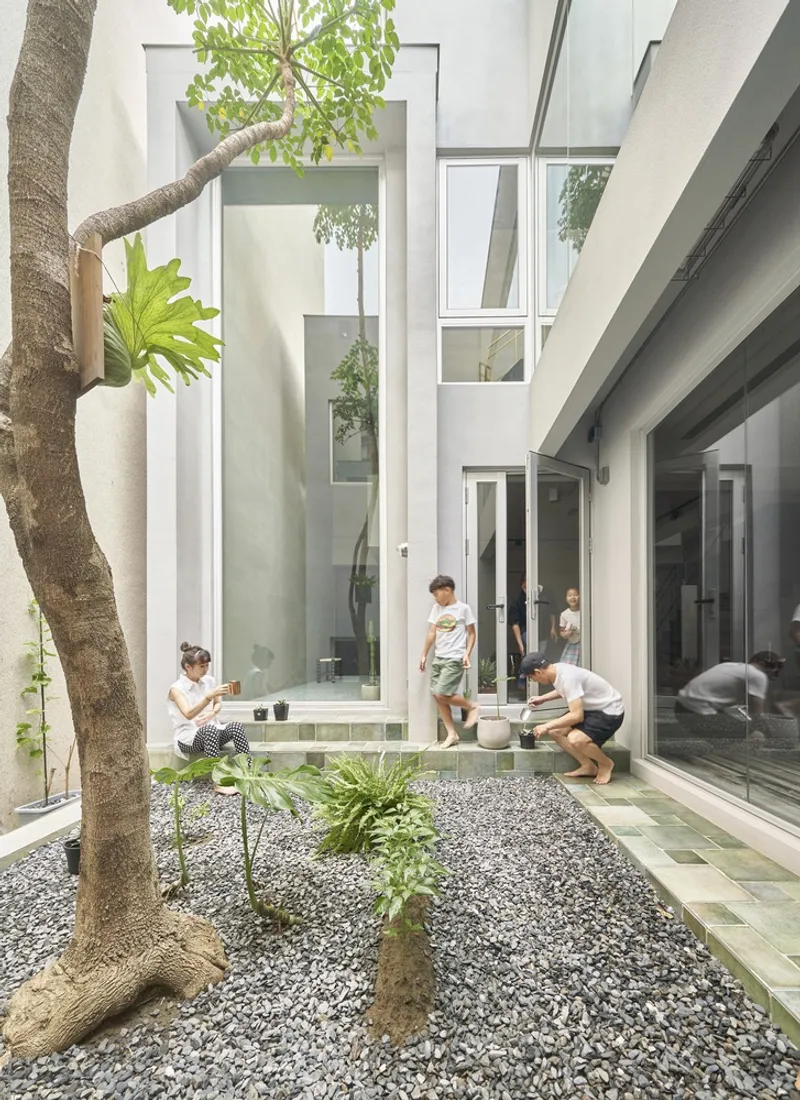
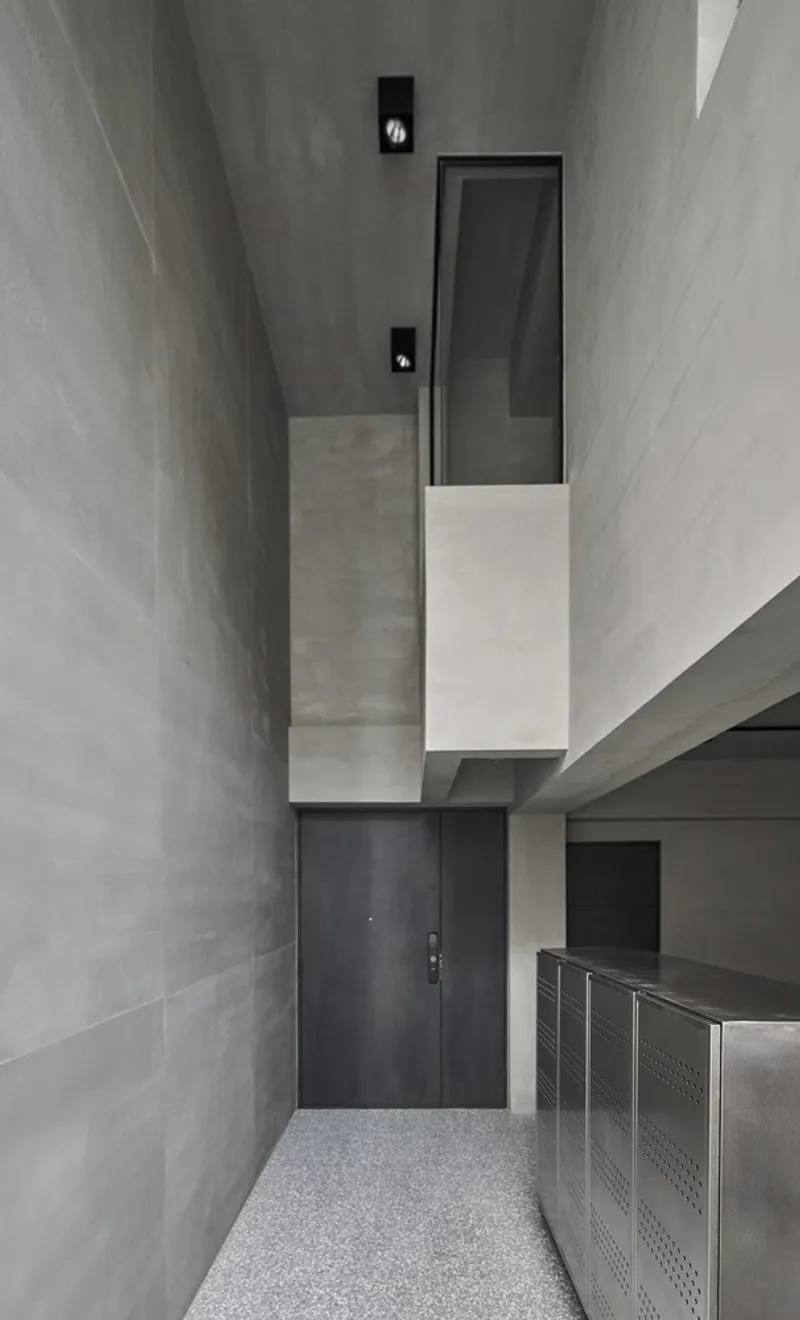
The house’s narrow, elongated layout presented challenges in daylight penetration. To overcome this, the design centers on the green courtyard, allowing natural light and greenery to flow into the interior spaces. Inspired by the traditional tiânn: a place for grain drying, floral arrangements, and family interaction, the courtyard here is enclosed for family privacy, flanked by wings reminiscent of the protecting dragons (hùlóng) of classic Sanheyuan architecture. Strategic window placement, including floor-to-ceiling windows and lower-level tatami room windows, ensures sunlight reaches deep into the building while offering serene garden views.


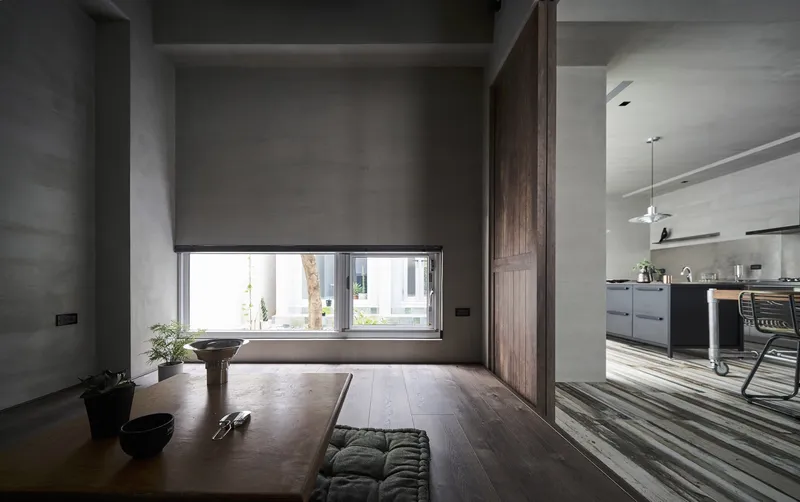
Upon entering, a tree in the courtyard is visible through an elevated window, creating a ritualistic welcome. The open corner kitchen provides panoramic views of the garden, blending indoor and outdoor experiences. The tatami guest room captures filtered light, creating a calm, reflective environment. The stairway voids connect the master bedroom and children’s rooms, while also allowing the inner courtyard’s tree to be admired from three levels, including the master bathroom, generating a romantic, natural ambiance.
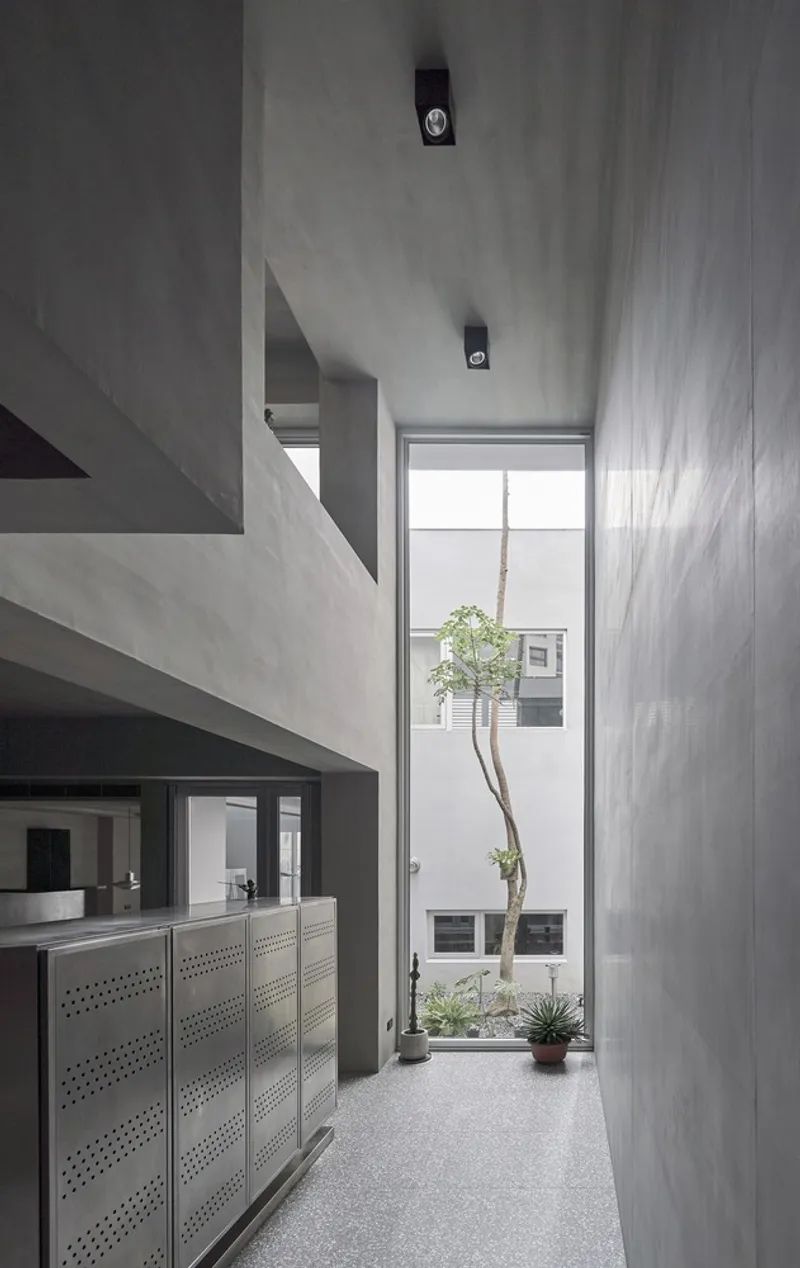
Externally, the facade combines raw concrete-effect plaster with anodized metal corrugated sheets, creating a visually striking contrast between rugged textures and metallic elegance. Faux wood grain is subtly seared onto the concrete, while rust-patterned stair tiles and smudged plaster walls offer textural richness. Brightly colored kiln-glazed tiles and faux aged wood accents introduce vibrant touches, complementing the gray and metallic palette. Interior furniture emphasizes metal, wood, and leather harmonies, balancing warmth and cool sophistication. Custom metal partitions serve multifunctional purposes, integrating storage, media, and decorative elements. Recycled teak dining tables and mottled wood tiles further enhance the blend of sustainable materials with modern aesthetic sensibilities.
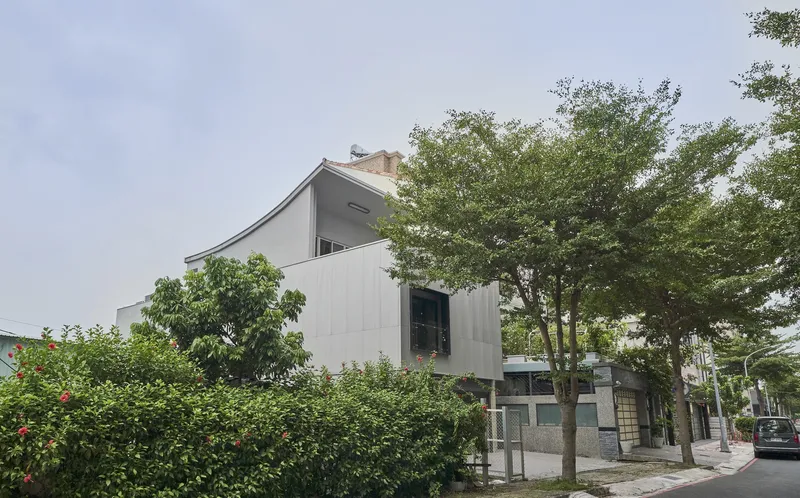

The Modern Tiânn House successfully merges cultural heritage, natural integration, and contemporary living, offering a unique reinterpretation of Taiwan’s residential architecture. Every detail, from courtyard layout to facade materiality, reflects a thoughtful balance between tradition and modern comfort, creating a family home that resonates with both heritage and the needs of modern lifestyles.


All photographs are works of
Hey!Cheese


Popular Articles
Popular articles from the community

Extended Shell: Retrofitting Kolkata's Balconies as Living Urban Thresholds
A modular retrofit system recovers the social and environmental intelligence of Kolkata's historic verandas for contemporary Park Street residents.

Singing Woman: An Opera House That Performs Before the Curtain Rises
Ovidiu Cristian Pavel's conceptual opera house translates Estonia's choral identity into a sculpted waterfront landmark facing the Baltic Sea.
Faces of the Soviet Avant-Garde: Turning Moscow's Street Names into an Open-Air Museum
A network of sculptural installations across a Moscow residential district transforms forgotten architect names into spatial encounters with cultural memor
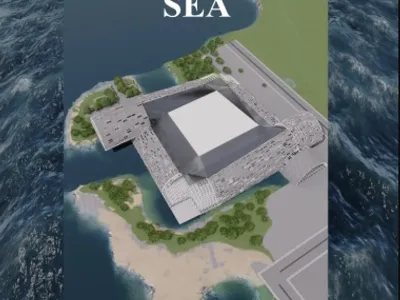
Opera on the Sea: Driftwood Logic Shapes a Timber Opera House on Estonia's Coast
Trevor Orgill's opera house translates the entangled drift of floating timber into a civic building where wood, water, and music converge.

Similar Reads
You might also enjoy these articles

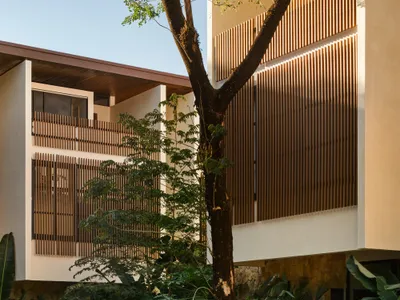
FAMM Arquitectura Organizes Ten Villas Around Courtyards and Jungle in Nosara, Costa Rica
El Molino pairs two elongated volumes with deep overhangs and timber louvers to build a compact coastal community five minutes from the beach.
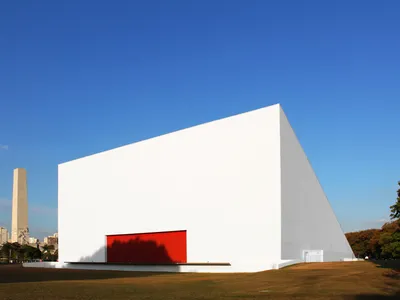
Oscar Niemeyer's Ibirapuera Park Pavilions Define São Paulo's Cultural Identity in Concrete and Curve
A constellation of modernist volumes set within São Paulo's most important urban park, conceived for the city's 400th anniversary in 1954.
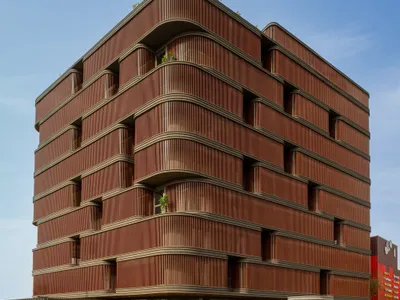
Sanjay Puri Architects Wraps a Jaipur Office Tower in Capsule-Shaped Green Buffers
A nine-level climate-responsive workplace near Jaipur Airport uses stacked planter terraces and aluminium screens to fight 40°C heat.
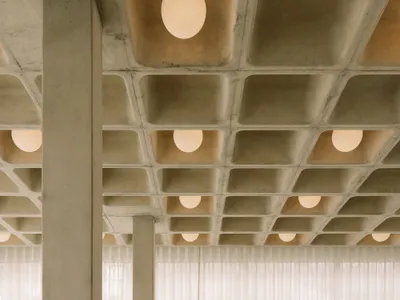
RHO Converts a Berlin Spree-Side Industrial Courtyard into Enkime's 1,000 m² Agency Headquarters
A social media agency's new home in Charlottenburg trades glossy branding for concrete waffle ceilings, glazed tile, and sheer curtains.

Explore Housing Competitions
Discover active competitions in this discipline

Challenge to reimagine the Iron Throne

Photograph architecture without architects

Illustrate the lost glory of Angkor Wat - Render Challenge

Design challenge to reuse E-waste
Comments (0)
Please login or sign up to add comments
No comments yet. Be the first to comment!