

MRITTIKA
Pavilion Design

Mrittika (Sanskrit word meaning earth or clay) is an engaging and adventurous pavilion designed to be easily erected on the blank terraces of architecture schools in Bangalore city. The main aim is to develop awareness of the conventional material and the high potential it has in the modern design thinking and also the artistic and spatial experience it can provide .
The pavilion is oriented in the north south direction by its length where the walls block the south light and open up in the north.The sinuous nature of it plays with the volume based on its spatial requirements and is interconnected at three points to maintain structural stability, which also demarcates the spaces in the pavilion.
The main modular element of the pavilion is Mangalore roof tile, made up of laterite clay. Lately these tiles are being dismantled from old structures and getting replaced by concrete slabs.This puts the craftsmen at a loss considering the declining need of the material. This project aims to reuse these abandoned roof tiles to showcase its potential and how sustainable and effective it is.
Similar to the traditional method of using wood framework for the tiles, an unconventional approach for the framework has been introduced and interlocks the tiles between the wooden frame.The interlock is achieved between steel L-angles, attached to the frame, and the existing groves in the tiles.
Pavilion consists of a pantry which can serve the students seated inside and also from the south west entry, followed by spaces for social interaction which includes a stepped seating created by the framework. A small platform on the north east corner allows the students to deliver a speech, play music or any kind of performance for a crowd.When the pantry space is not in use it merges with social space and adds to the adventurous nature of the pavilion.

Popular Articles
Popular articles from the community


3XN, B+H and ZHUBO Design Shape the Shenzhen Natural History Museum as a Walkable Geological Landscape
Beside Yanzi Lake in Shenzhen's Pingshan District, a 105,300 m² museum folds its galleries under a public roof that behaves like a river-carved hillside.

Studio Andre Lenza Shrinks a Family Home into a Single-Storey Goiânia House Behind Timber Screens
A couple's move to a smaller home in eastern Goiânia becomes a single-storey concrete house wrapped in timber screens, around a plunge pool and garden.


Ayodele: Earth-Built Housing That Pushes Back Against Accra's Concrete and Asphalt
A modular earth-built housing block for central Accra stacks family units around shared courtyards, craft studios and planted roofs.

Bokey Grant Wedges a Brick Lookout Tower into a Flame Zone Escarpment in the Southern Highlands
A double brick family home in New South Wales's Southern Highlands, reached by an 18 metre bridge and built to read as both watchtower and bunker.

Similar Reads
You might also enjoy these articles

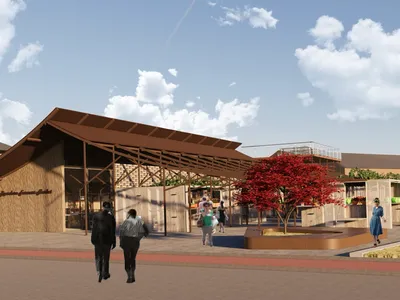
The Rhythm of Seasons
A Farmers' Market Connecting Nature and the City

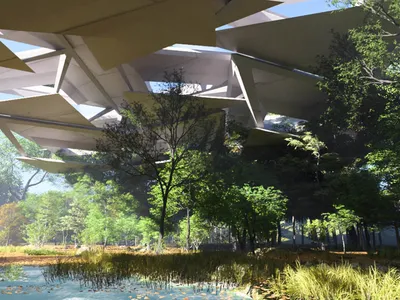

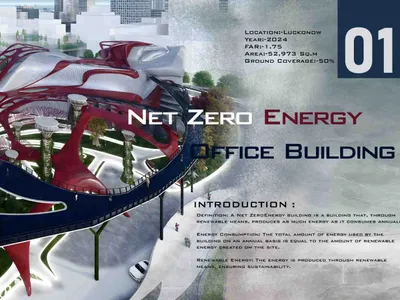
More Than a Building-Designing a Living System
More Than a Building-Designing a Living System
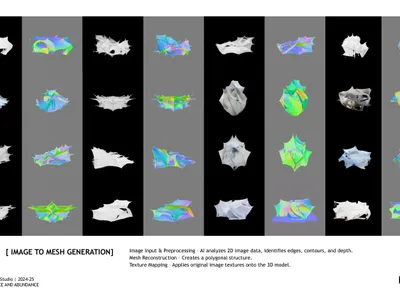
Base Beyond
DESERT COMPOUND ARID: TOURISM OF ABSENCE AND ABUNDANCE

Explore Construction Technology Competitions
Discover active competitions in this discipline


The Global Benchmark for Architecture Dissertation Awards

Challenge to design a portable theatre

Challenge to design a portable music platform

Challenge to design an open learning module for the elderly
Comments (0)
Please login or sign up to add comments
No comments yet. Be the first to comment!