
N Retreat by One-Aftr: Modern Korean Forest Retreat in Pyeongchang-gun
N Retreat by One-Aftr is a sustainable forest retreat in Pyeongchang, blending Korean vernacular design, modern materials, and immersive landscape integration.


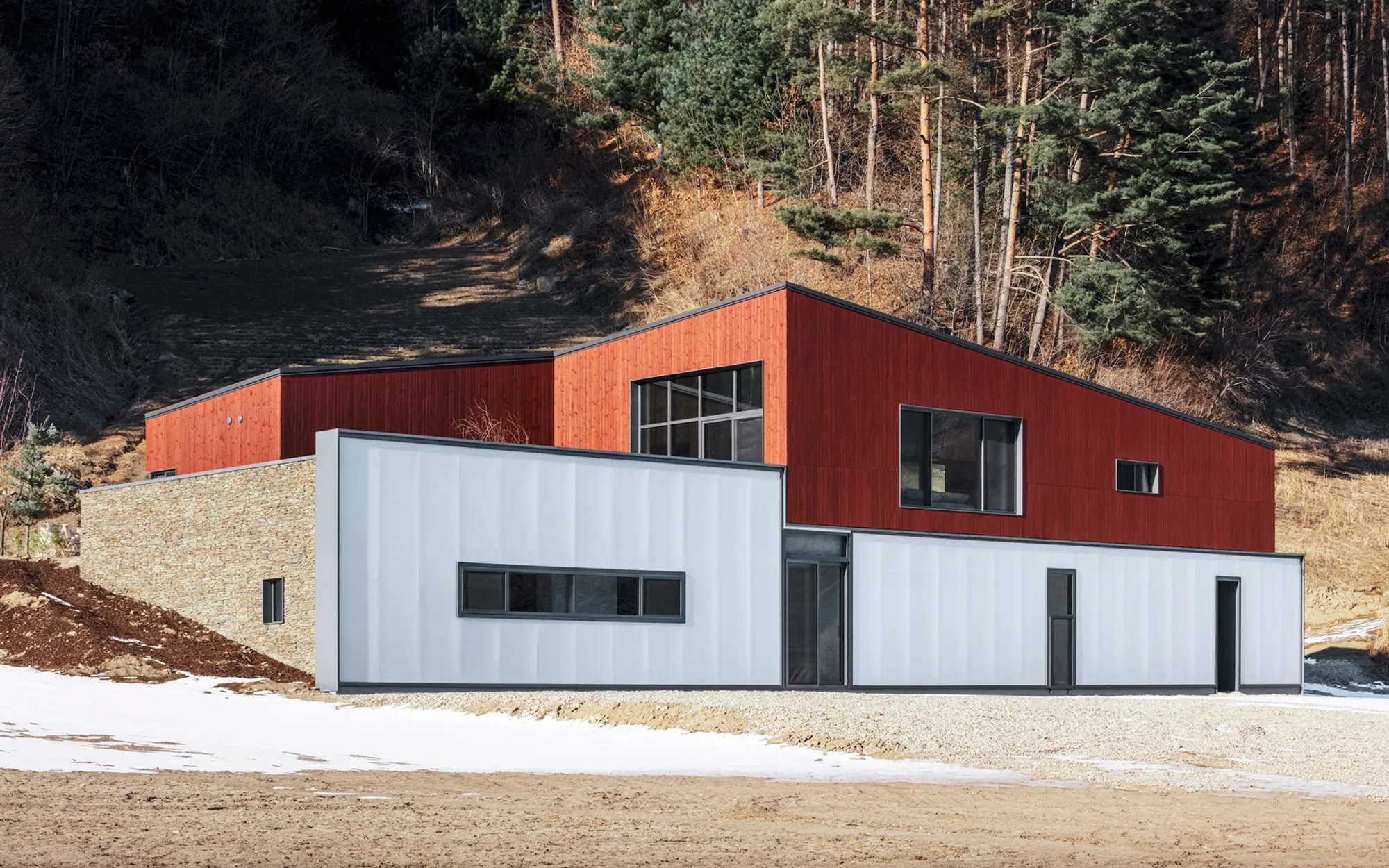
Nestled in the serene forest of Odae Mountain in Pyeongchang-gun, South Korea, the N Retreat by one-aftr is a contemporary two-story company retreat designed to harmonize with its lush natural surroundings. Covering 330 m², this 2022 project blends Korean vernacular architecture, modern materials, and sustainable design strategies to create a unique forest hideaway.
Architectural Concept: Inspired by Nature and Tradition
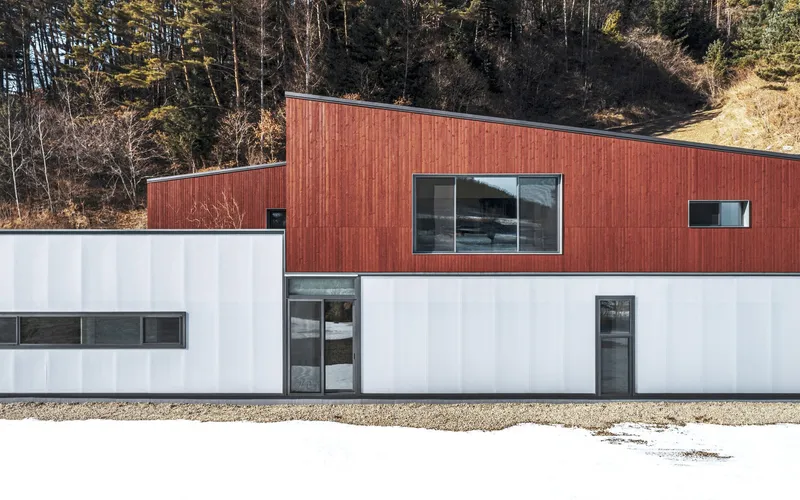
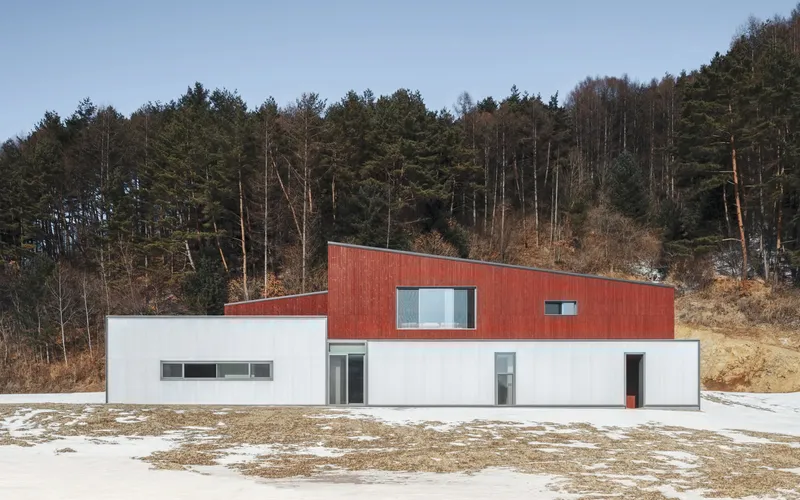
The design draws inspiration from the local vegetation spectrum and the traditional Korean greenhouse known as ‘Onsil’. By integrating the vernacular form with modern construction, the architects reinterpreted the greenhouse into a functional, climate-responsive retreat. Polycarbonate facades and a strategic air gap between the concrete walls allow heat retention and ventilation, creating a naturally balanced interior temperature throughout the year.
Spatial Layout and Courtyard Design
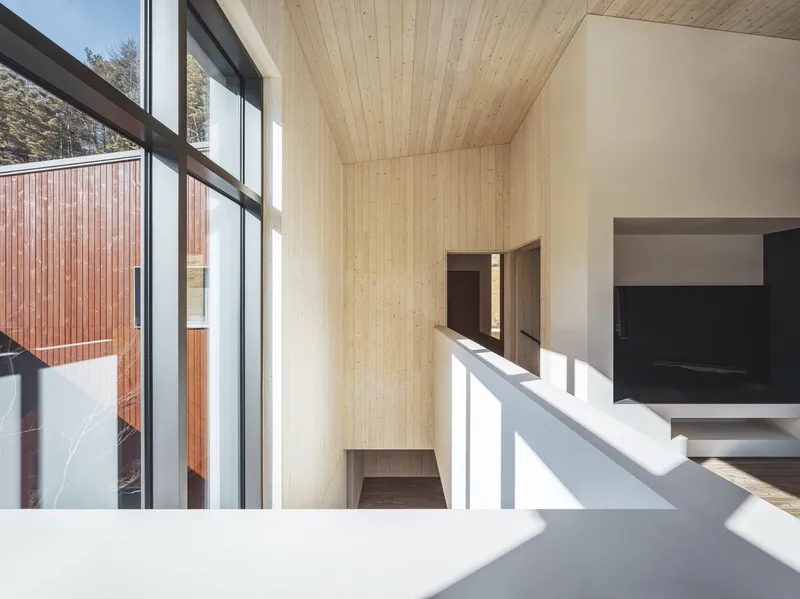
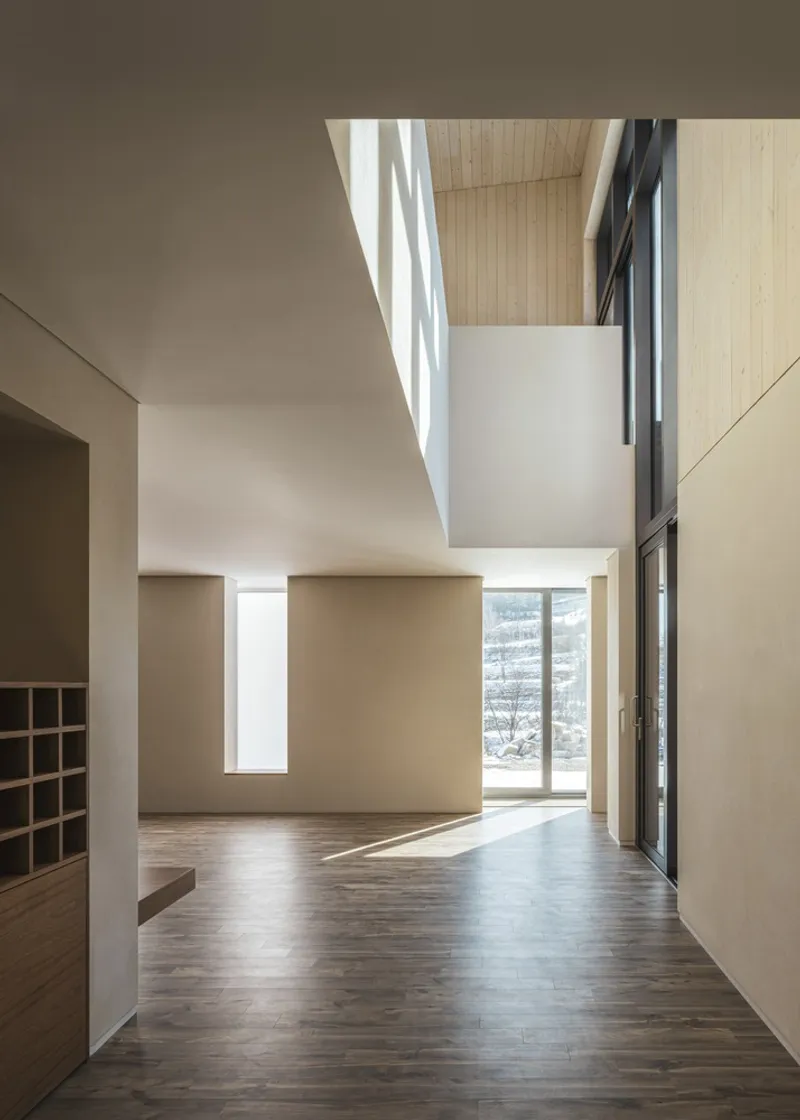
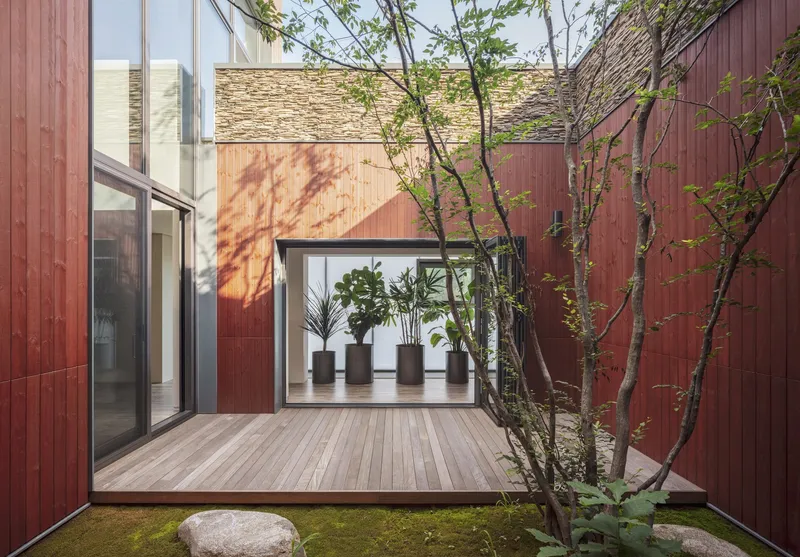
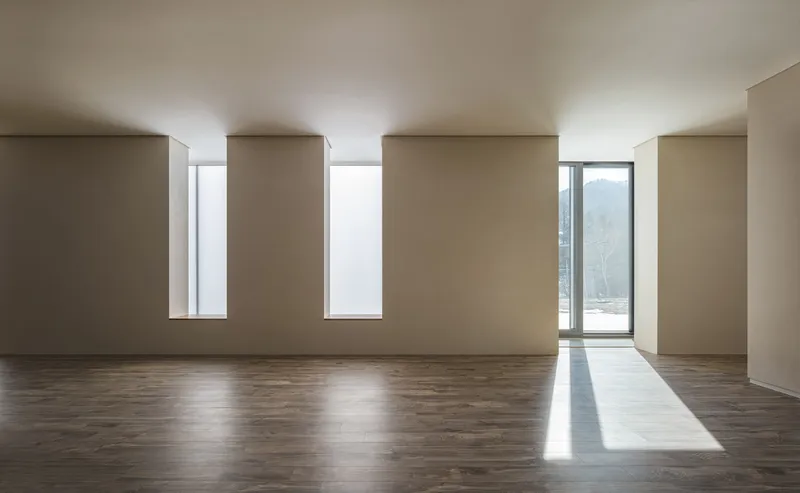
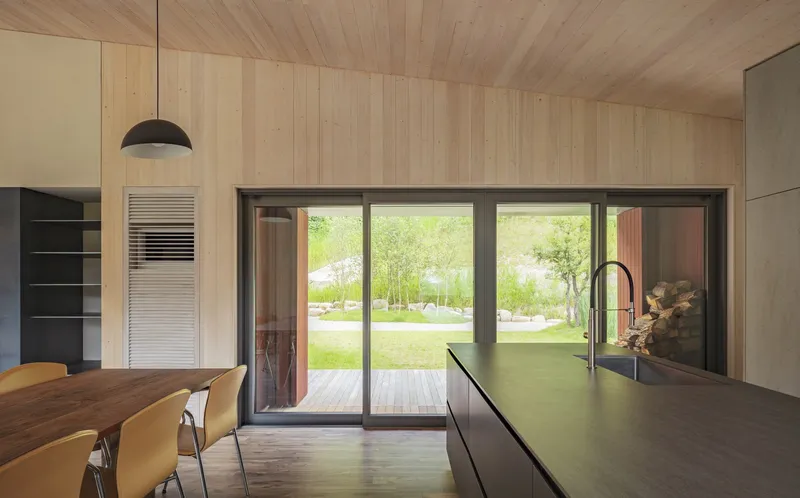
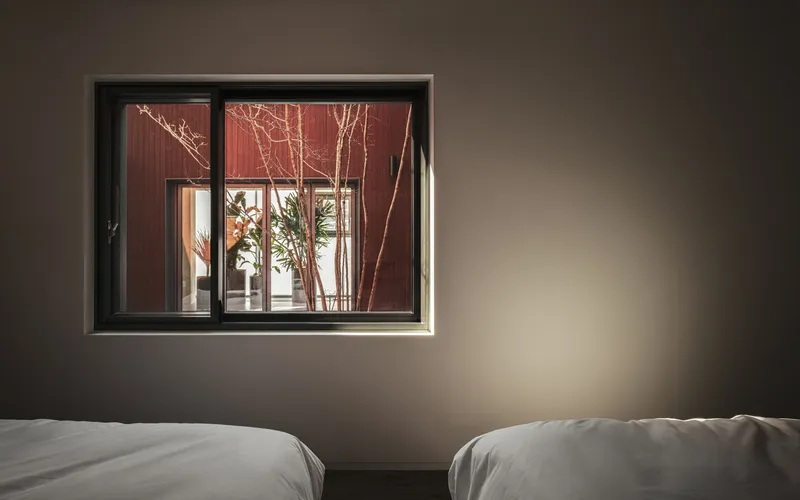
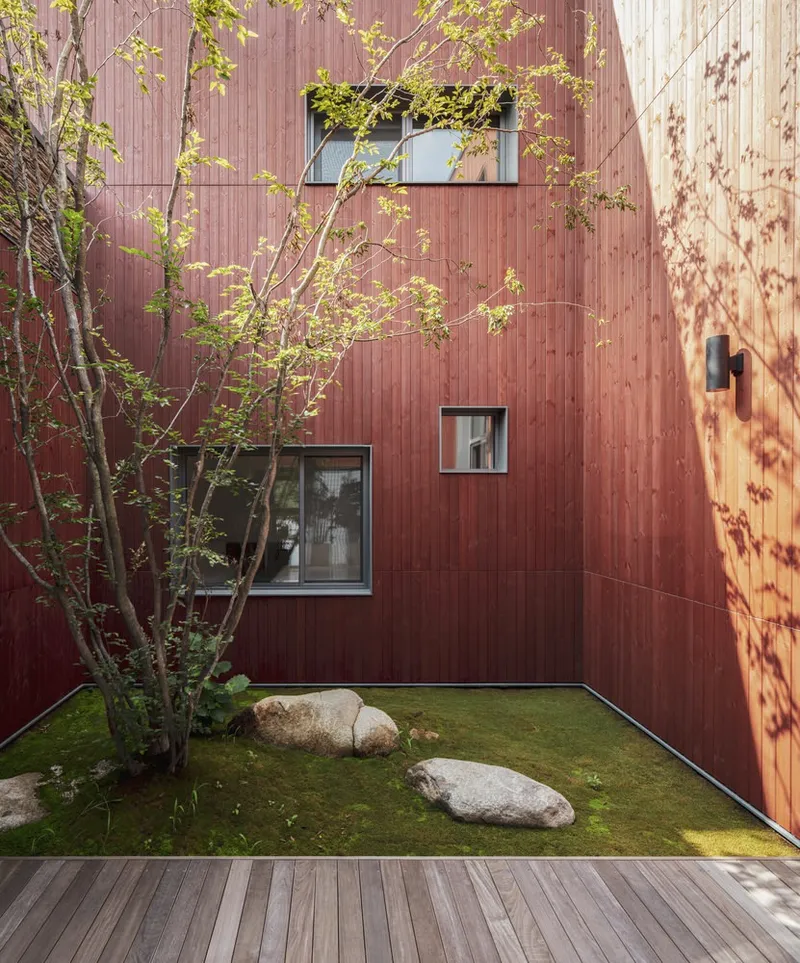
The retreat is organized around a central courtyard, which serves as both a light well and a natural ventilation chamber. Flanked by two guest bedrooms and a shared common area, the courtyard ensures daylight penetrates deep into the interior while supporting airflow from one end of the building to the other. The thoughtful integration of indoor-outdoor spaces encourages connection with the surrounding forest.
Site Integration and Thermal Strategy
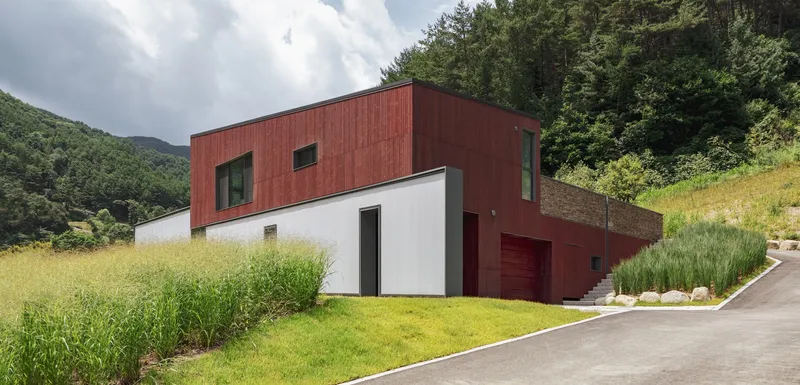
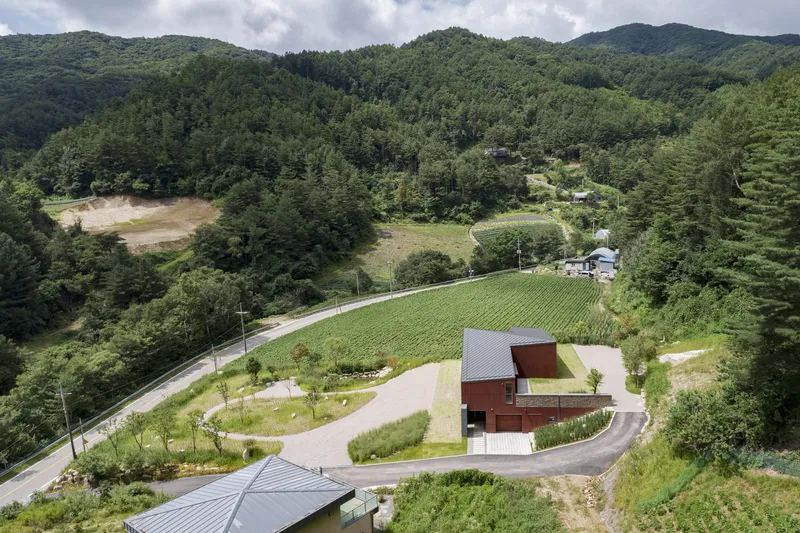
Leveraging the site’s steep topography, the northern edge of the first floor is partially embedded into the earth. This makes the building appear two stories from the front and a single story from the rear. Pre-cast concrete Trombe and retaining walls provide structural stability and thermal efficiency, while the upper timber frame creates a warm, lightweight contrast. The orthogonal Z-shaped massing ensures the upper floor enjoys diverse views of the landscape while maintaining privacy on the retreat’s rear side.
Landscape Design: Biodiversity and Fringe Habitation
The retreat seamlessly merges architecture with nature. By converting former agricultural land into fringe habitation, the design encourages cohabitation of forest biodiversity with human habitation. At the boundaries of forest, garden, and building, layered landscaping using rocks, gravel, blocks, and native plants supports wild growth and enhances ecological richness.
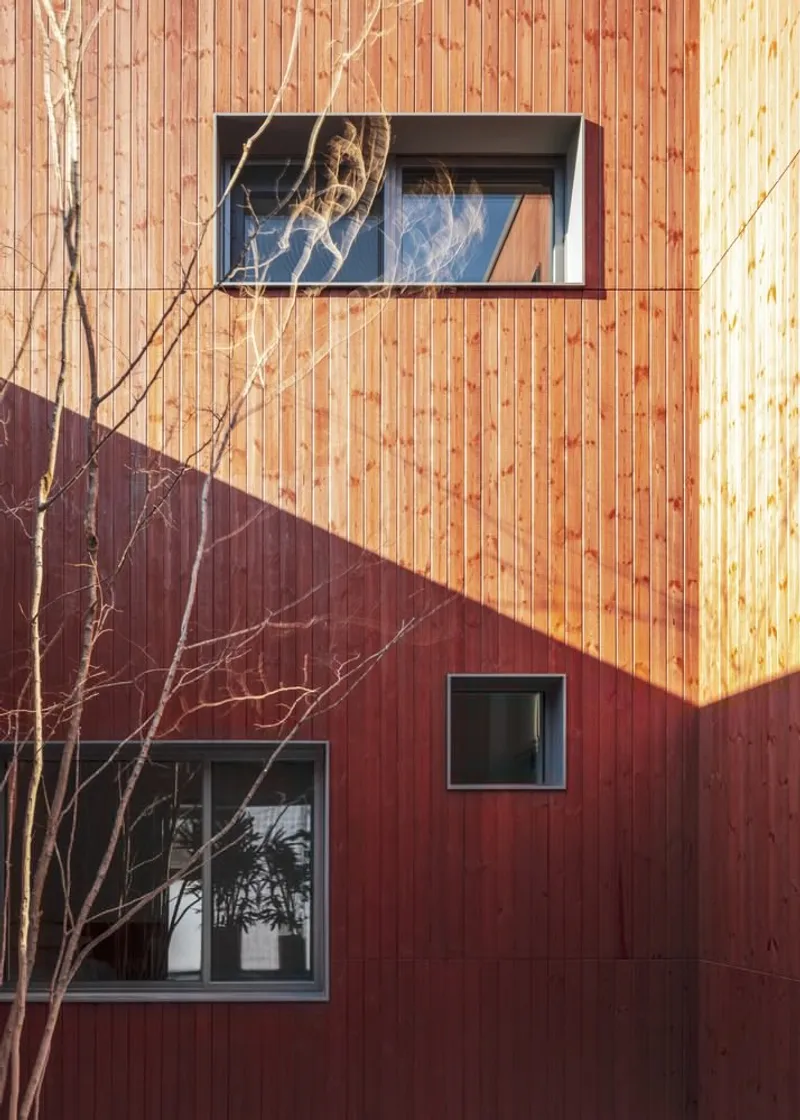
Materials and Sustainability
Key materials such as polycarbonate, pre-cast concrete, and timber reflect a balance of modernity and tradition. The combination of these materials, together with passive ventilation and thermal strategies, creates a sustainable, energy-efficient retreat that respects both the environment and Korean architectural heritage.
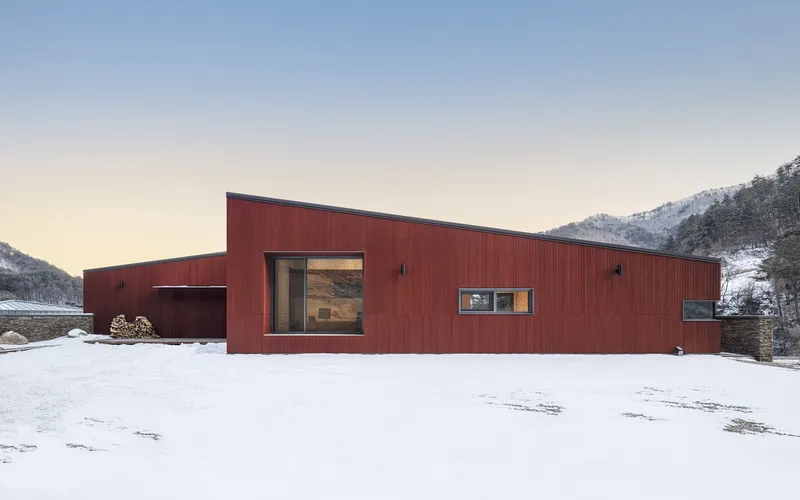
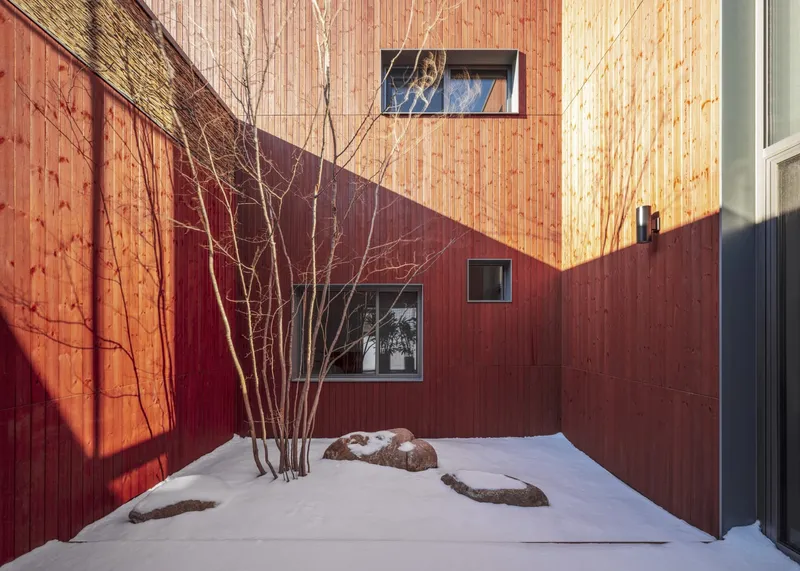
All photographs are works of
Jang Mi



Popular Articles
Popular articles from the community

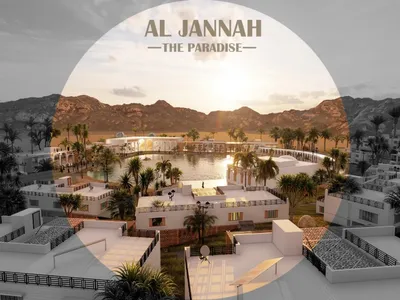
AL-JANNAH: Sustainable Architecture and Permaculture for Afghan Widows
AL-JANNAH uses sustainable architecture and permaculture to create resilient oasis of housing, learning, work and renewal for Afghan widows.

The Musturak Paradise: Senior Living Architecture for a Connected Future in Temara, Morocco
The Musturak Paradise reimagines senior living architecture in Temara via private homes, social spaces, culture, community, and shared care.

Conexión: Biophilic Design Reimagines High-Rise Living in Hong Kong
Conexión reimagines high-rise living in Hong Kong through biophilic design, green facades, shared spaces, daylight, water and nature within.
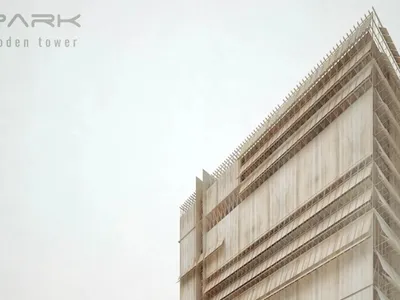
EW PARK: Sustainable Architecture Reimagines the Future of Urban Parking
EW PARK reimagines city parking as a modular wooden tower combining automation, solar energy, electric mobility, and adaptable urban design.


Similar Reads
You might also enjoy these articles

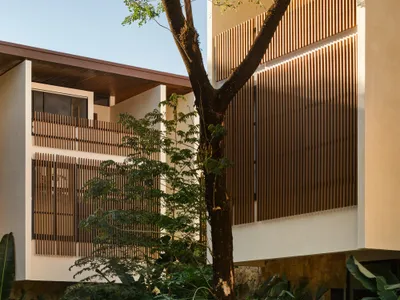
FAMM Arquitectura Organizes Ten Villas Around Courtyards and Jungle in Nosara, Costa Rica
El Molino pairs two elongated volumes with deep overhangs and timber louvers to build a compact coastal community five minutes from the beach.
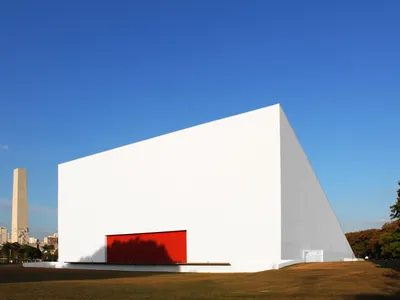
Oscar Niemeyer's Ibirapuera Park Pavilions Define São Paulo's Cultural Identity in Concrete and Curve
A constellation of modernist volumes set within São Paulo's most important urban park, conceived for the city's 400th anniversary in 1954.
How Henri Picq's 1889 Paris Pavilion Traveled 11,000 Kilometers to Become Santiago's Artequín Museum
A prefabricated iron and glass pavilion built for the Paris Universal Exposition found a second life as a children's art museum in Chile.
Sanjay Puri Architects Wraps a Jaipur Office Tower in Capsule-Shaped Green Buffers
A nine-level climate-responsive workplace near Jaipur Airport uses stacked planter terraces and aluminium screens to fight 40°C heat.


Explore Hospitality Building Competitions
Discover active competitions in this discipline



Challenge to reimagine the Iron Throne


Photograph architecture without architects


Illustrate the lost glory of Angkor Wat - Render Challenge


Design challenge to reuse E-waste
Comments (0)
Please login or sign up to add comments
No comments yet. Be the first to comment!