
NUAGE: A Parametric Urban Design Intervention Reimagining Paris’ Forgotten Infrastructure
Parametric urban design redefines Paris’ La Petite Ceinture, transforming abandoned rail voids into adaptive, multi-level public landscapes.

Project by Aylin Toprak and Elif Gencer
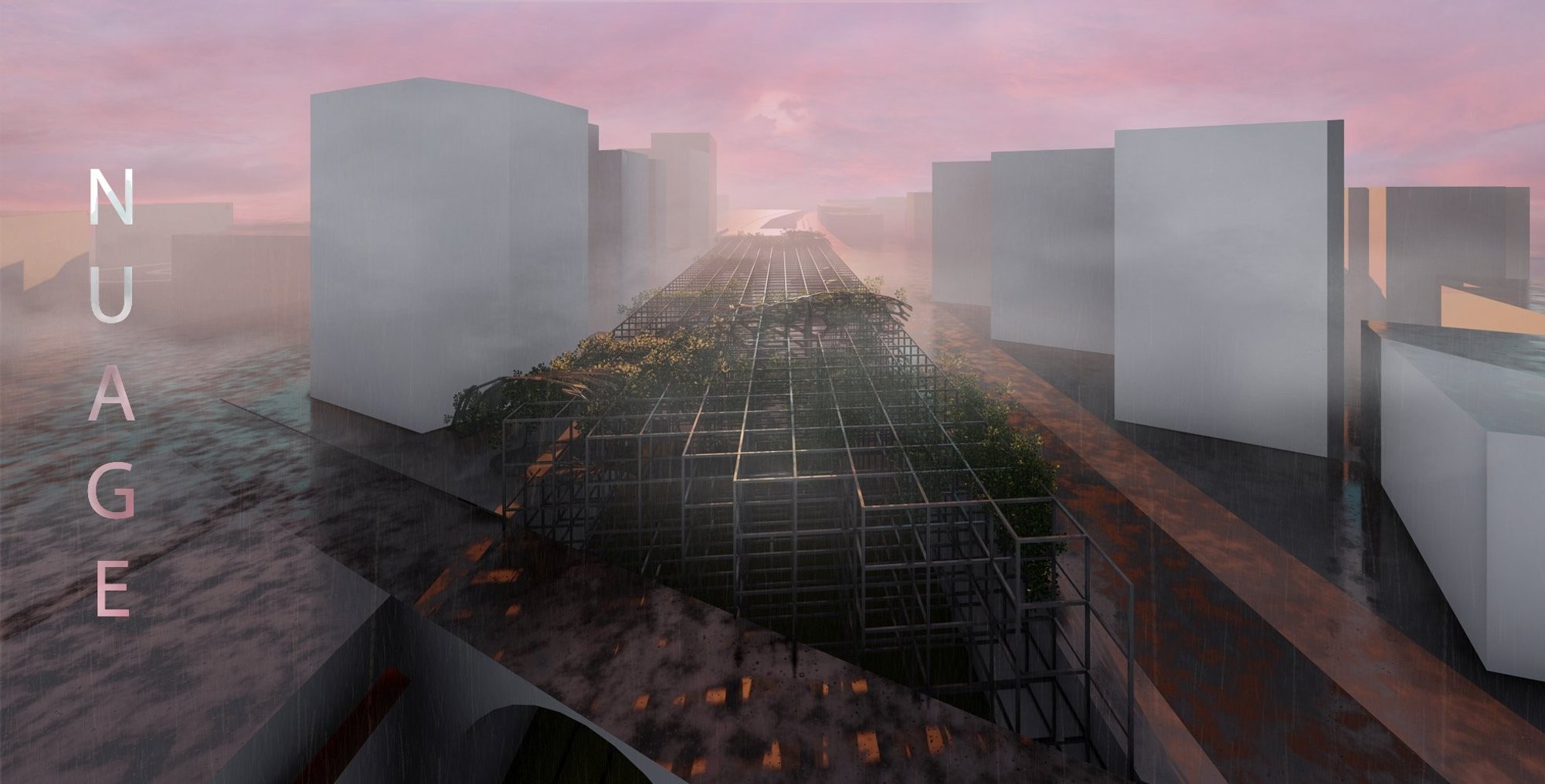
NUAGE proposes a radical rethinking of public space within the historic fabric of Paris, specifically along La Petite Ceinture, a disused railway that now exists as an urban void embedded within the city’s dense and highly ordered morphology. Positioned at the intersection of heritage preservation and experimental design, the project leverages parametric urban design strategies to transform this residual infrastructure into a dynamic, multi-layered public environment.
Context: The Rigidity of Parisian Urban Fabric
Paris is globally recognized for its structured and repetitive urban grid, largely shaped by Haussmann’s interventions. This ordered system is reflected not only in its street networks but also in its social and spatial behaviors. The city’s architectural continuity, preserved over centuries, has resulted in a relatively stable urban silhouette.
However, within this highly controlled system, La Petite Ceinture represents an anomaly. It is a linear void that cuts through the city, detached from its surrounding urban logic. Rather than imposing a conventional architectural solution, NUAGE embraces this condition, treating the void as an opportunity for experimentation.
Concept: Disrupting Order Through Parametric Systems
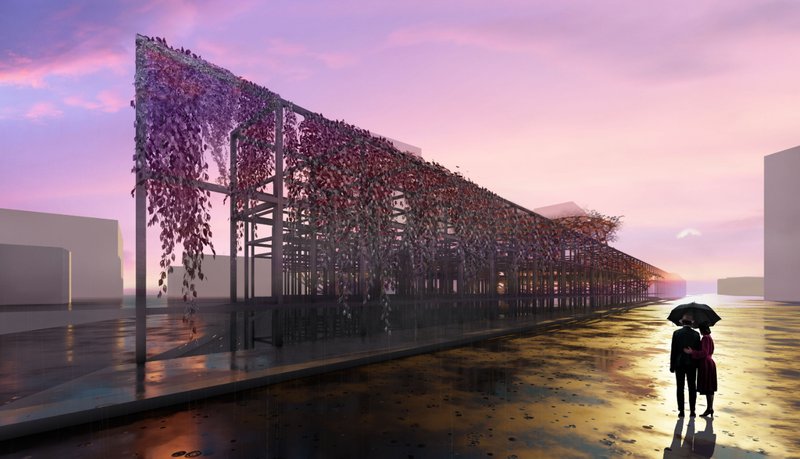
At the core of NUAGE lies a conceptual tension between order and organic disruption. The project begins with a repetitive grid system, representing the formal rigidity of Paris. This grid is then strategically deformed through parametric manipulation to generate fluid, organic surfaces that redefine spatial experience.
These interventions are not arbitrary. They are positioned at key points along the site, creating a sequence of spatial events that break away from the predictable urban rhythm. The resulting forms act as a “cloud” within the rigid grid, hence the name NUAGE, meaning cloud in French.
This approach aligns with contemporary parametric design methodologies, where geometry is not static but responsive, adaptable, and capable of generating complex spatial relationships.
Spatial Strategy: Vertical Public Landscapes
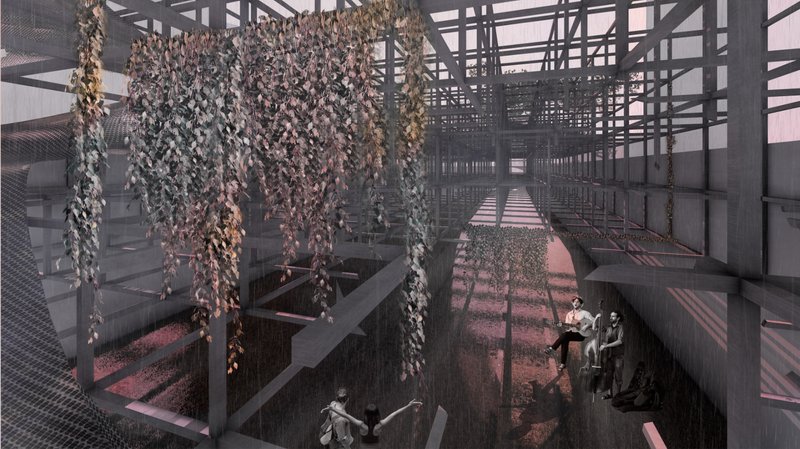
One of the most critical design moves in NUAGE is its vertical reorganization of public space. The existing site conditions place most activities approximately 7 meters below street level. Instead of flattening this condition, the project amplifies it.
The design introduces multiple levels of occupation, allowing users to navigate between ground level and subterranean spaces through a continuous spatial system. This creates a layered public realm where different activities can coexist without interference.
The structure itself is elevated, minimizing physical impact on the historical railway infrastructure. By suspending the system and anchoring it along the edges, the design preserves the integrity of the site while enabling new forms of occupation.
Programmatic Flexibility: A Framework for Social Interaction
NUAGE is not conceived as a fixed program but as an adaptable framework. The parametric grid supports a wide range of activities including:
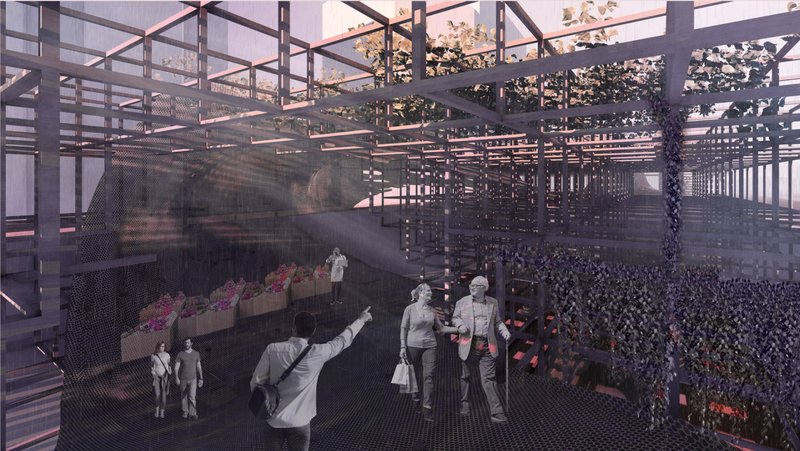
- Markets and temporary exhibitions
- Workshops and educational spaces
- Performance and cultural events
- Informal gathering and leisure areas
The design intentionally avoids prescribing specific uses. Instead, it provides a flexible infrastructure that can be appropriated by users based on their needs. This aligns with the project’s broader goal of fostering inclusivity and social cohesion.
By accommodating both local residents and visitors, the space becomes a shared platform that transcends cultural and social boundaries.
Material Strategy: Sustainable and Prefabricated Systems
Sustainability is embedded in the material and construction logic of the project. The primary structure is composed of recycled steel, chosen for its durability, recyclability, and structural efficiency.
Secondary elements are fabricated using recycled plastic through additive manufacturing processes. These components are designed to be modular and prefabricated, enabling efficient assembly on site.
This approach not only reduces construction waste but also allows the system to be scaled and replicated across other segments of La Petite Ceinture, which extends over 32 kilometers.
Ecological Integration: Reclaiming Nature in the Urban Void
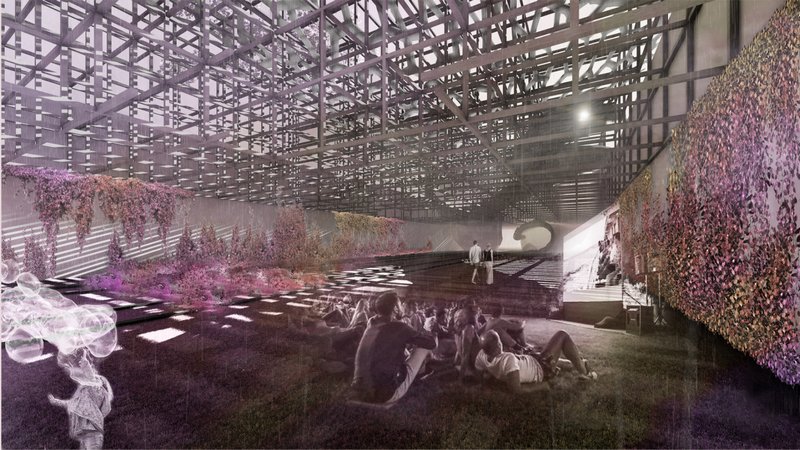
NUAGE introduces a green axis along the historical railway, transforming the void into a living ecological corridor. Vegetation is integrated throughout the structure, allowing plant life to grow vertically and horizontally across different levels.
This strategy reintroduces biodiversity into the urban core while enhancing the sensory experience of the space. The interplay of light, shadow, and vegetation creates a constantly evolving environment that contrasts with the static nature of the surrounding city.
Experiential Qualities: A New Spatial Narrative
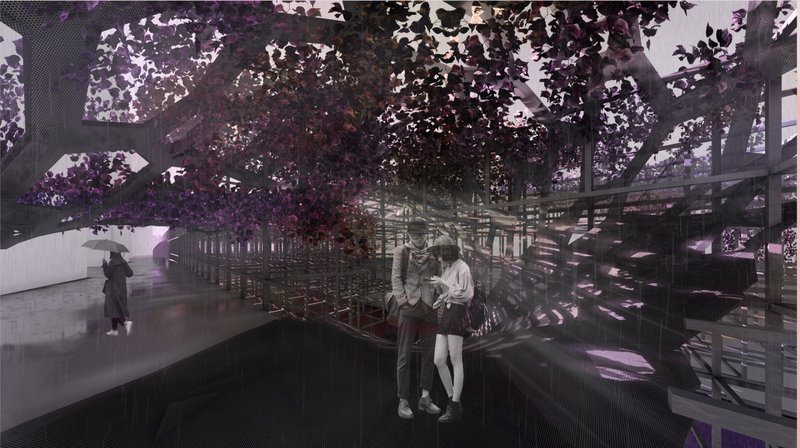
The project challenges conventional perceptions of public space. From the street level, the intervention appears subtle, almost hidden. However, as users descend into the space, a complex and immersive environment unfolds.
The overhead grid, filled with organic forms and vegetation, creates a sense of enclosure while maintaining visual permeability. This duality between openness and containment generates a unique spatial experience that is both intimate and expansive.
The linearity of the railway is preserved but reinterpreted as an experiential journey, where each segment offers a distinct spatial condition.
Reframing the Urban Void
NUAGE ultimately redefines the concept of the urban void. Rather than treating it as an absence, the project positions it as a latent space with immense potential.
By preserving the void while simultaneously activating it, the design introduces a new typology of public space that is neither fully built nor entirely empty. It exists as a hybrid condition, capable of adapting over time.
Through the lens of parametric urban design, NUAGE transforms La Petite Ceinture into a dynamic public infrastructure that bridges past and future. It respects the historical context while introducing a forward-thinking spatial system that prioritizes adaptability, sustainability, and social interaction.
In doing so, it offers a compelling model for how cities can reclaim and reimagine their forgotten spaces, turning them into active, inclusive, and resilient urban landscapes.
The article has been structured around a strong SEO keyword: “parametric urban design”, which aligns well with current search trends in architecture and computational design.




Popular Articles
Popular articles from the community

Gunawarman 35: Jakarta's Corner of Quiet Complexity
WOFF's mixed-use building in Jakarta pairs translucent glass block walls with a buff brick cylinder to hold coffee, wellness, and work under one roof.
MAKER architecten Rewire a 1972 Brutalist Dormitory on the VUB Campus as a Living Lab
A modular renovation strategy in Belgium breathes new life into Willy Van Der Meeren's modernist student housing without erasing its concrete bones.
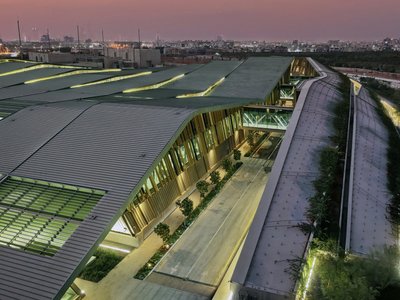
A Park Building That Wants to Be a Landscape
Omrania's Operations & Maintenance Building at King Salman Park dissolves industrial program into Riyadh's largest green infrastructure.
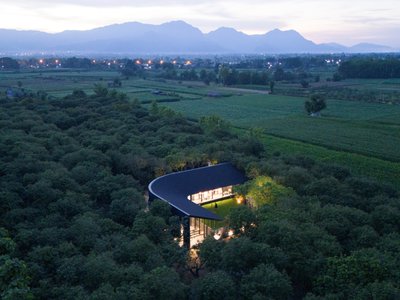
Cafe MADA: A Chiang Rai Pavilion in a Mango Orchard
BodinChapa Architects threaded a 254 m² black-roofed cafe through an existing mango orchard in Chiang Rai, Thailand, built around mature trees.

Similar Reads
You might also enjoy these articles

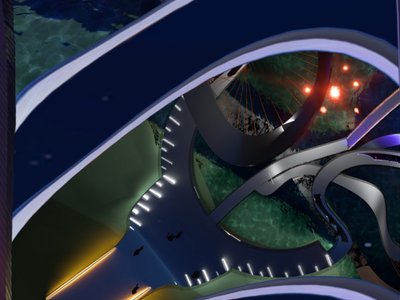
Twilight Crossing: A Pedestrian Bridge That Performs with Light and Water
Angel Gamboa's tensile cable bridge transforms a lakeside crossing into a choreographed sequence of color, reflection, and framed views at dusk.
Digital Façade Design for our cities’ urban fronts
Prima Facie - Result Story
Protecting avian biodiversity: Bird observatories to help spread awareness & save rare bird species.
Results for ‘Fly’ - Landscape design competition out now


Explore Architecture Competitions
Discover active competitions in this discipline




The International Standard for Design Portfolios


The Global Benchmark for Architecture Dissertation Awards


The Global Benchmark for Graduation Excellence


Challenge to reimagine the Iron Throne
Comments (0)
Please login or sign up to add comments
No comments yet. Be the first to comment!