
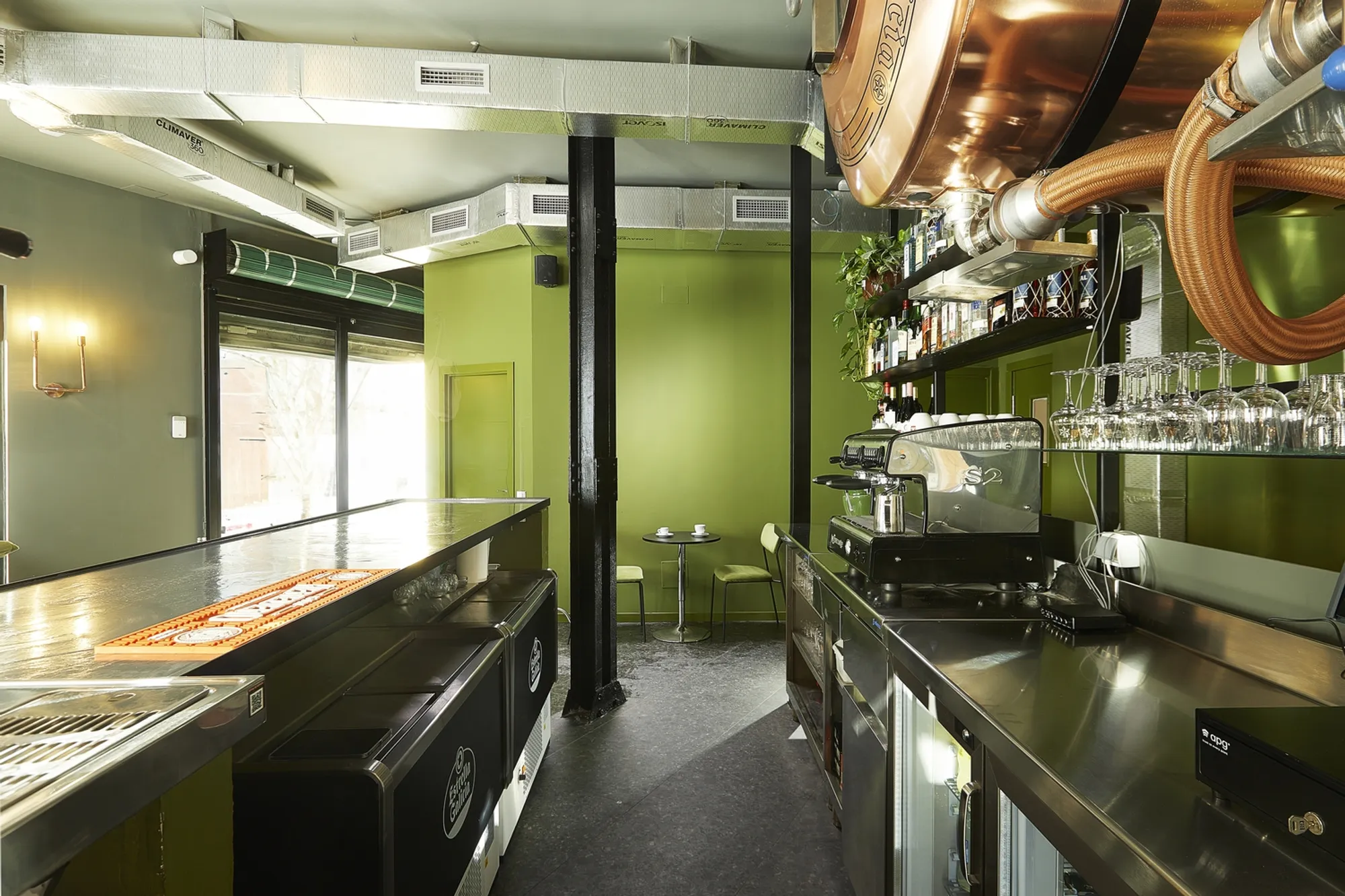
Nuna Bar: A Masterpiece of Adaptive Reuse in Hospitality Design by Conjuntos Empáticos
Explore Nuna Bar's transformation from a potato chip store to a chic cafe in Madrid, featuring adaptive reuse and innovative design.


Adaptive reuse in hospitality design involves transforming existing structures into vibrant new venues that meet contemporary needs while retaining historical essence. The Nuna Bar project in Madrid, Spain, exemplifies how adaptive reuse can breathe new life into urban spaces, showcasing the transformation of a former potato chip store into a modern cafeteria by Conjuntos Empáticos.
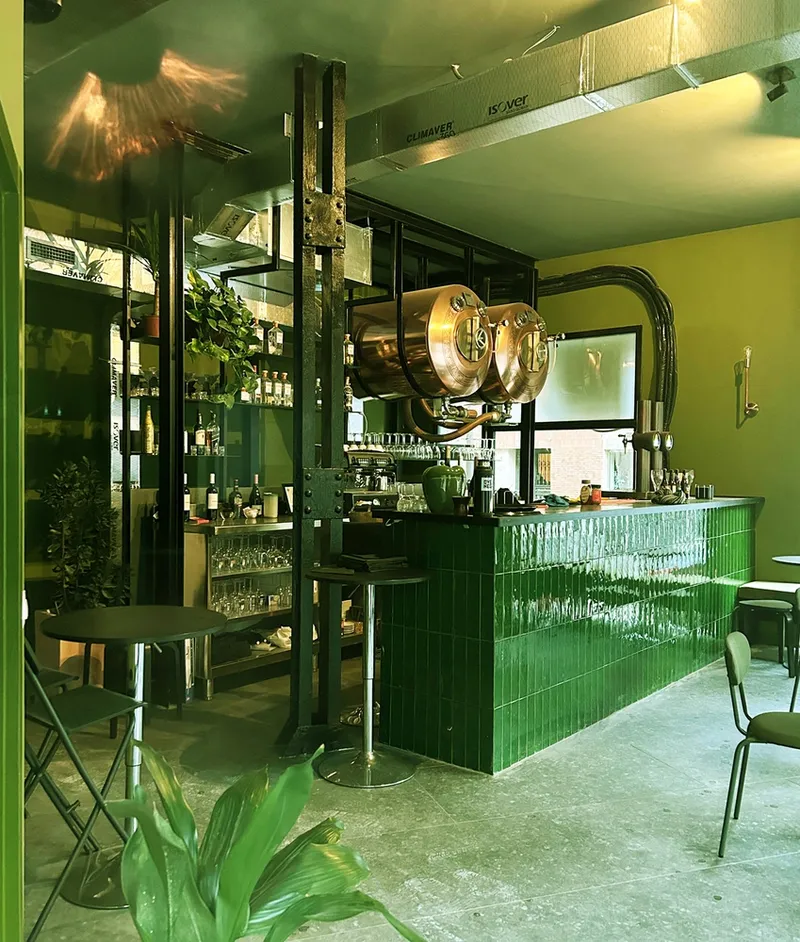
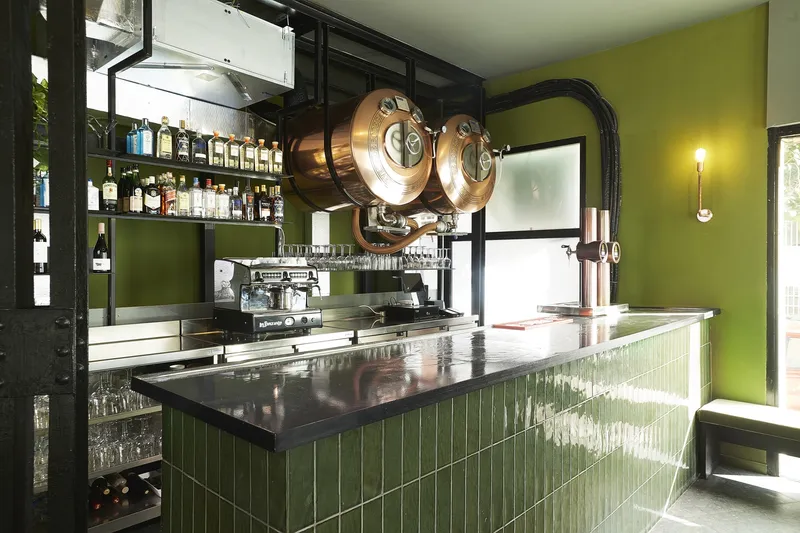
Design Philosophy and Conceptual Framework
Creating a Versatile Space
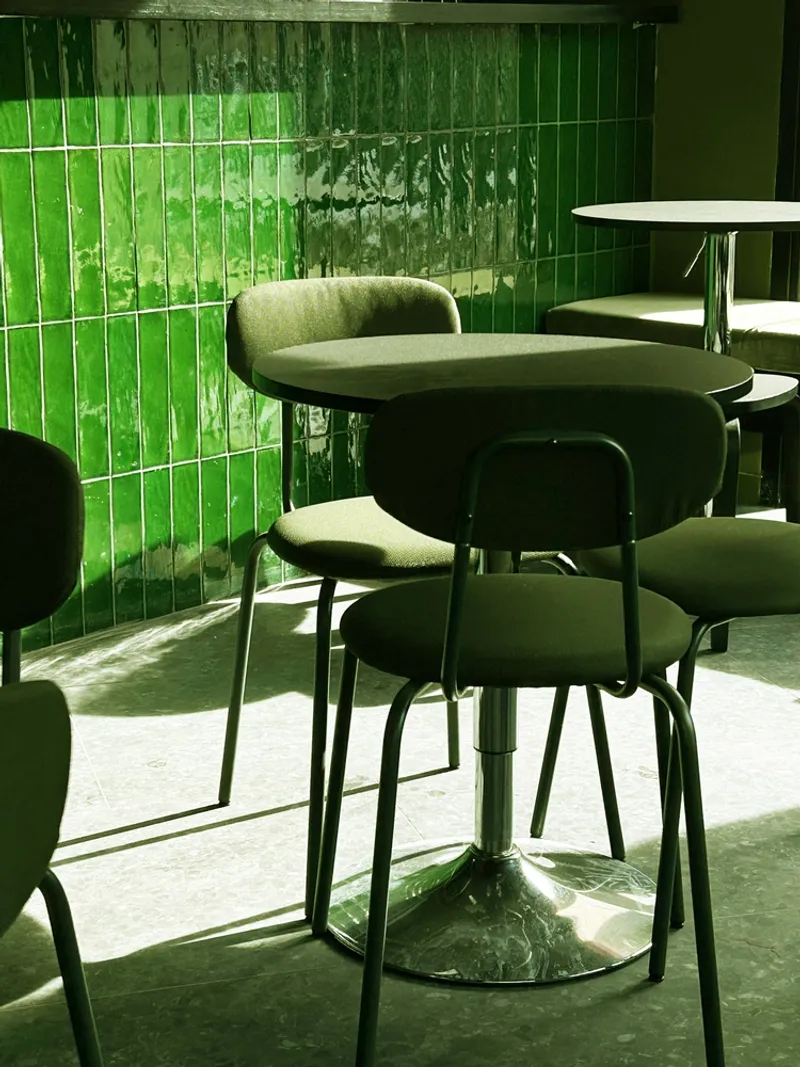
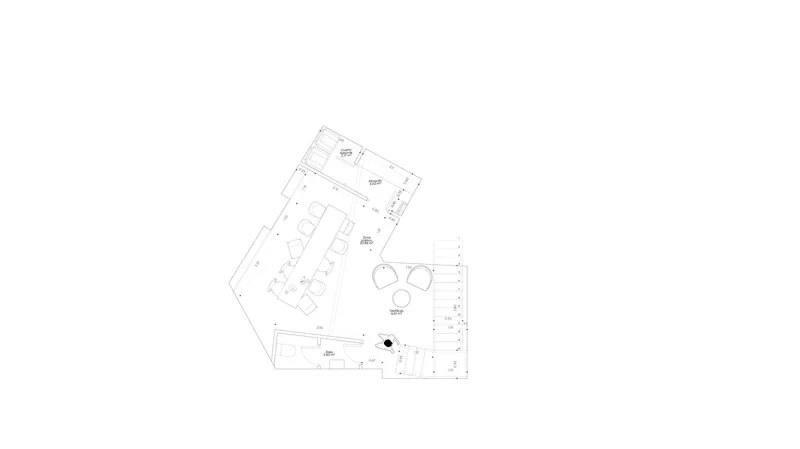
The primary objective for Nuna Bar was to create a space that was not only versatile but also welcoming, allowing for various uses without being confined to a single function. This adaptability makes the space ideal for different types of gatherings, enhancing the customer experience from the moment they enter.
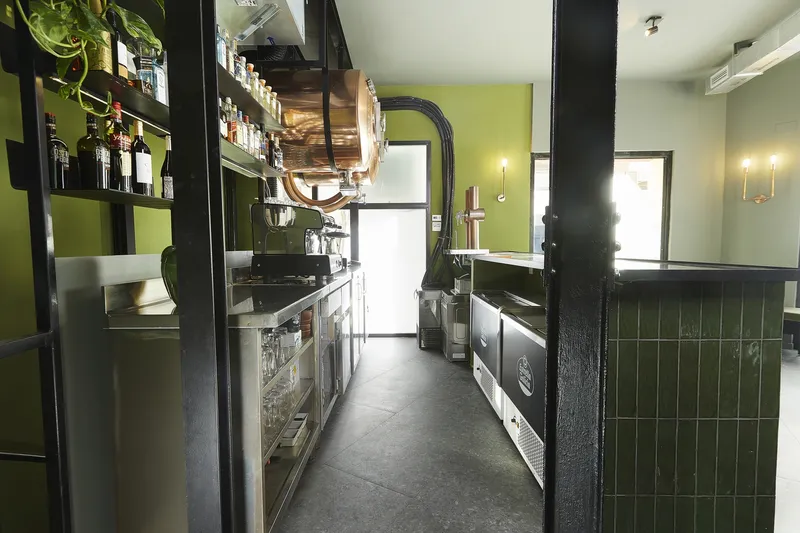
Integration of Structural Elements
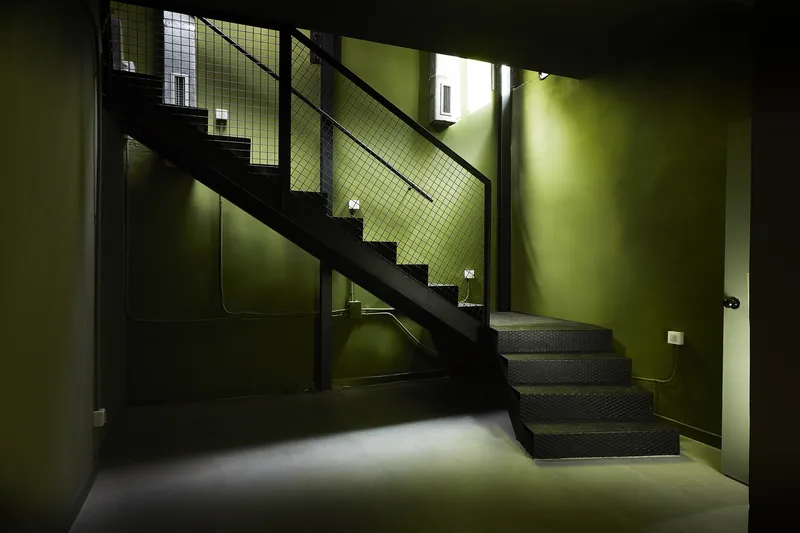
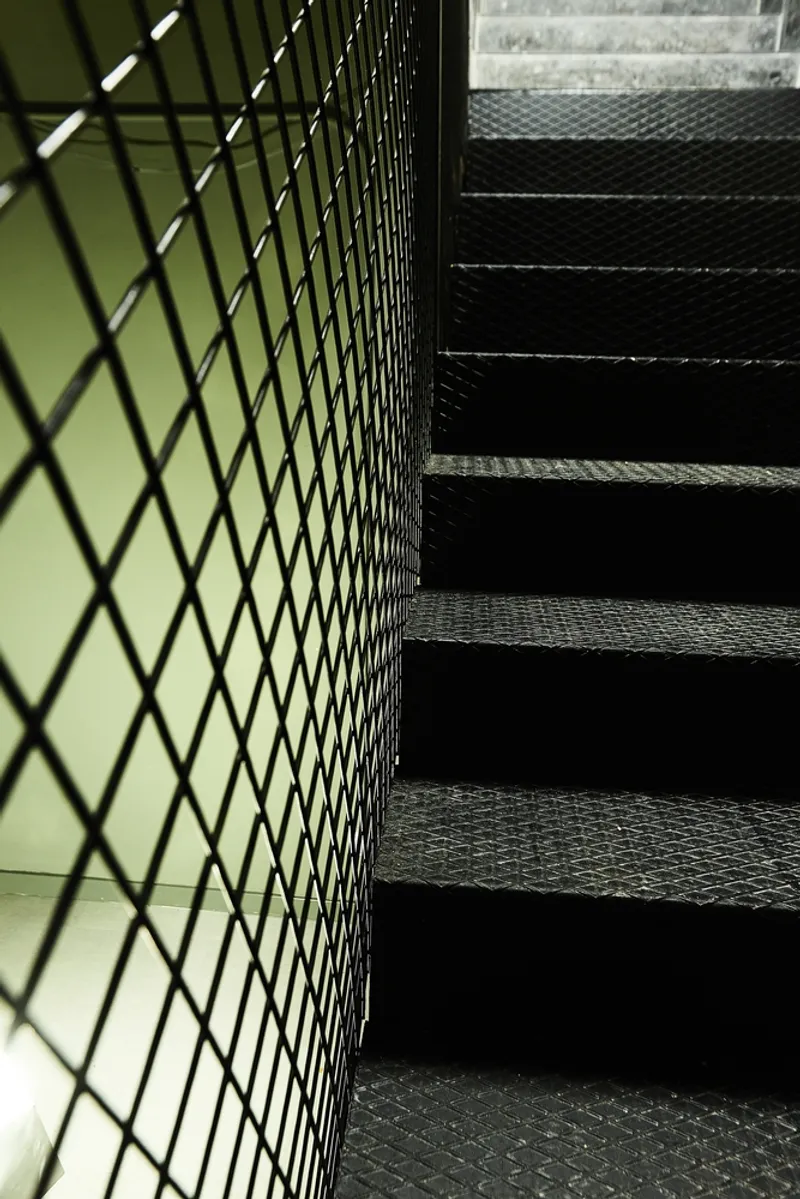
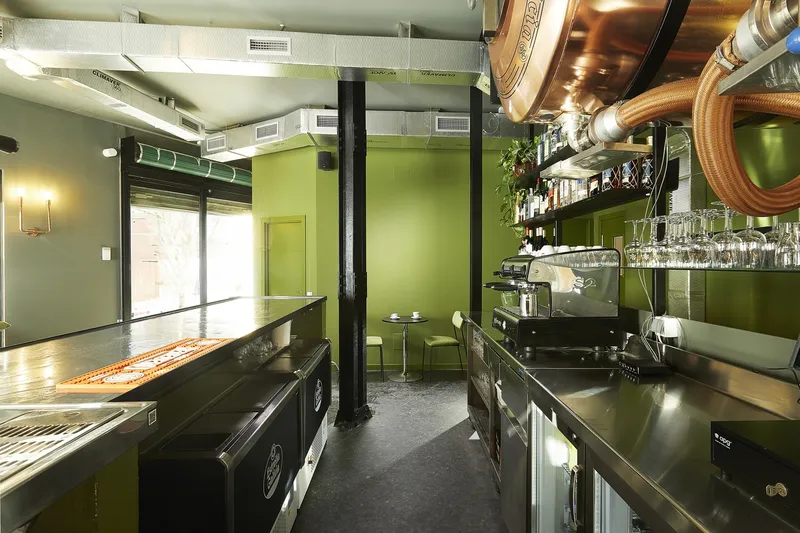
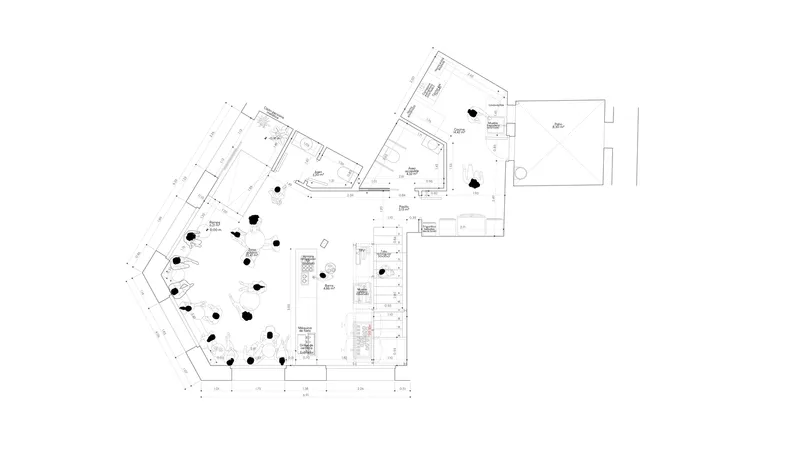
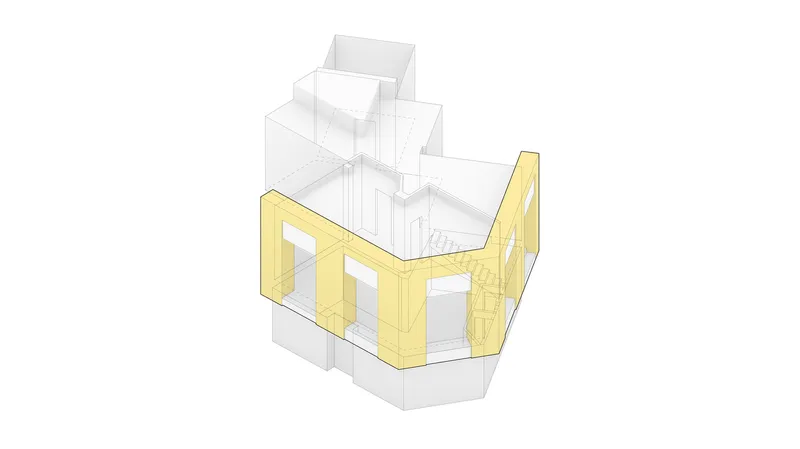
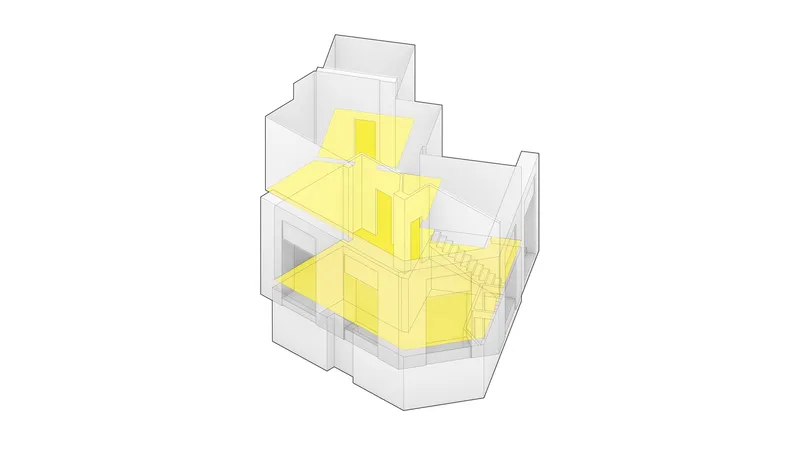
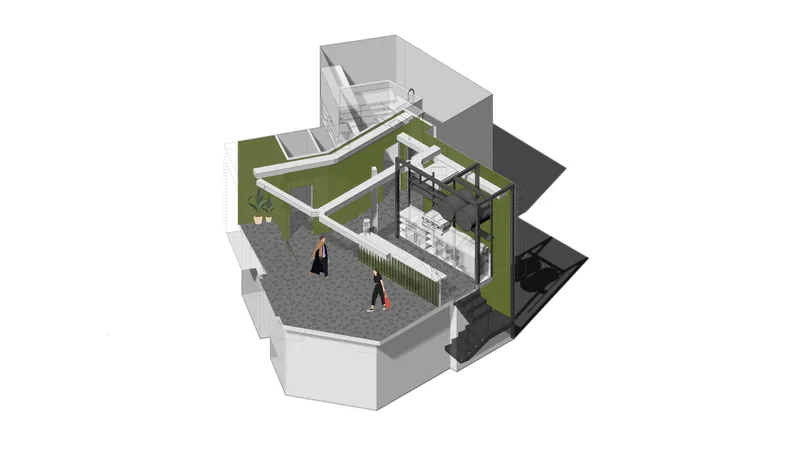
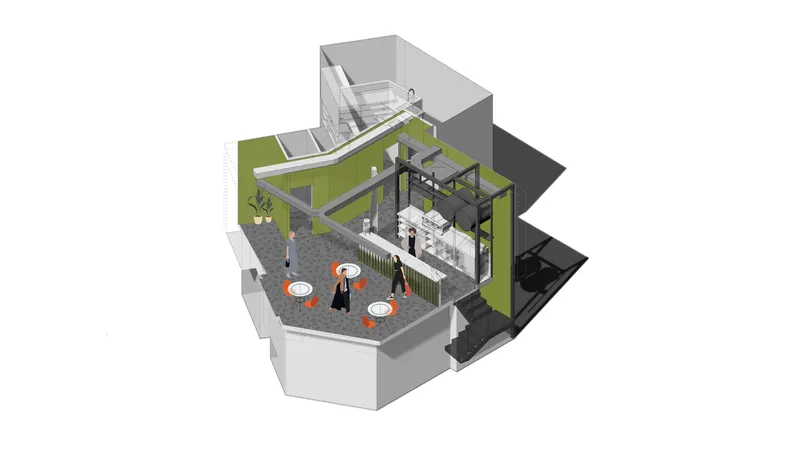
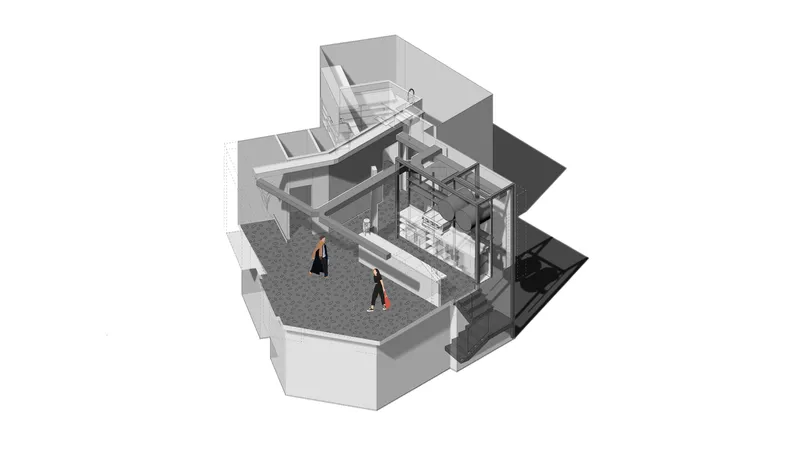
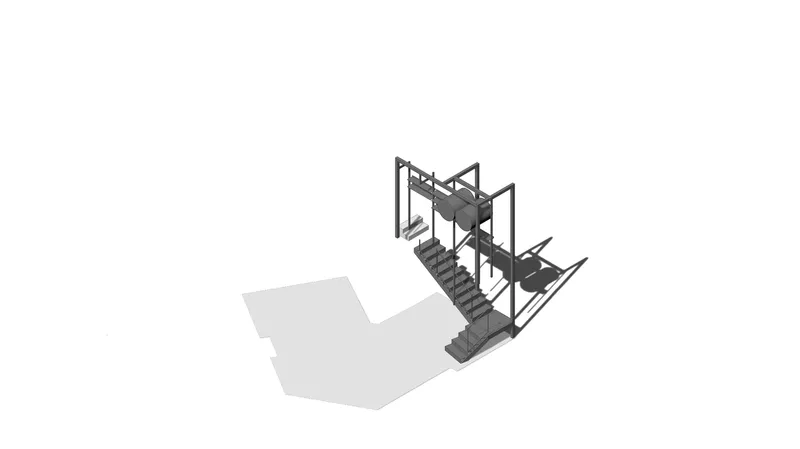
The design incorporates a striking metal porticoed structure that spans vertically across the bar’s interior, from the basement to the main floor. This element is not just a visual centerpiece but also a functional component that supports beer tanks, a metal staircase to the basement, and air conditioning ducts, demonstrating innovative use of space.
Key Architectural Features and Design Strategies
Flexible Furniture Design
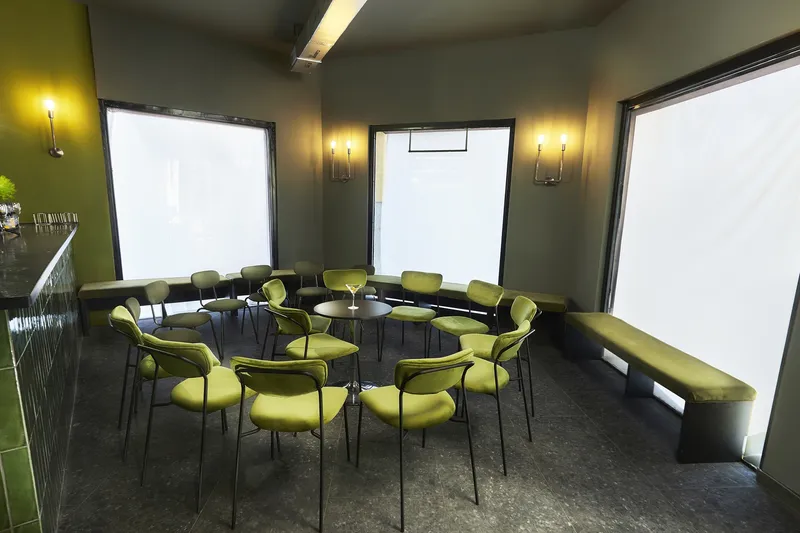
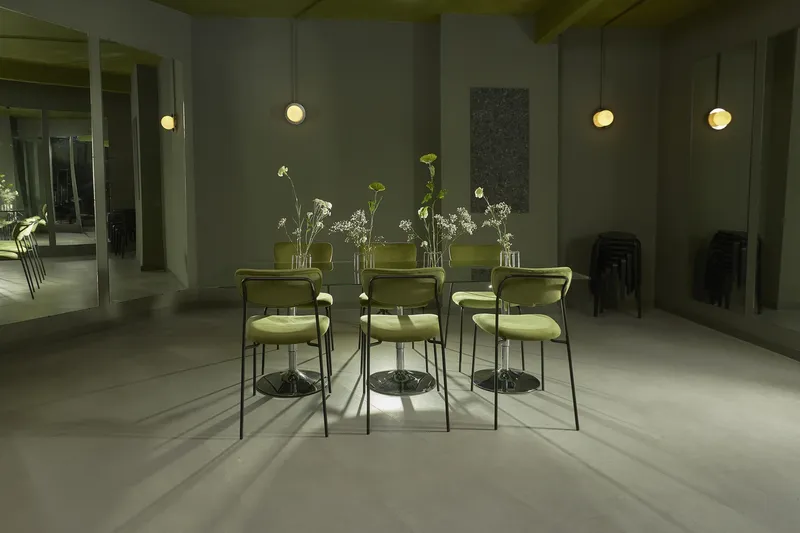
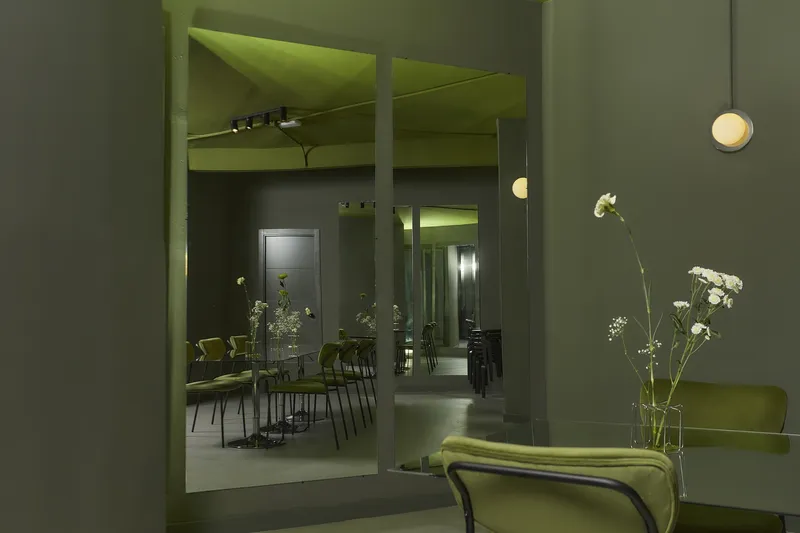
In keeping with the theme of versatility, the furniture within Nuna Bar includes adjustable-height tables and stackable stools. These features allow the space to be easily transformed to accommodate different events and customer needs, providing practical solutions that maximize usability and comfort.
Coherent Color Palette and Lighting
The interior design utilizes a palette of warm gray tones and moss green to create an inviting atmosphere. The sophisticated lighting design highlights the structural elements and adapts to create suitable moods for different times of day and types of events, further enhancing the flexibility of the space.
Sustainable Practices and Community Impact
Enhancing Local Urban Fabric
By repurposing an existing building, the project contributes to the sustainability of the local urban environment. Adaptive reuse projects like Nuna Bar help reduce construction waste and the need for new materials, which is beneficial for the environment and adds value to the community by preserving its architectural heritage.
Promoting Social Interaction
The welcoming and adaptable design of Nuna Bar encourages social interaction and community engagement. It serves as a gathering place that enhances the social fabric of the neighborhood, offering a space where people can meet, interact, and enjoy a variety of activities.
Redefining Hospitality through Adaptive Reuse
Nuna Bar by Conjuntos Empáticos stands as a testament to the possibilities of adaptive reuse in hospitality design. It showcases how thoughtful design can transform an underused space into a dynamic, multi-functional venue that meets modern demands while contributing to sustainability and community engagement. This project sets a precedent for future adaptive reuse projects in the hospitality industry, emphasizing innovation, sustainability, and social interaction.
All photographs are work of Juan Borgognoni


Popular Articles
Popular articles from the community


Co-life: Sustainable Architecture for Age-Friendly Community Living
Co-life reimagines sustainable architecture for seniors through courtyards, rammed earth, shared gardens, and spaces designed for belonging.

The Ocean Hive: Sustainable Architecture for a Self-Sufficient Civilization at Sea
The Ocean Hive imagines sustainable architecture at sea, where modular habitats, algae, wave power and ocean waste sustain a growing colony.

Riyadh For All: Intergenerational Urban Design for Active Aging in Rabat
Riyadh For All reimagines urban design in Rabat with intergenerational co-living, adaptive courtyards, and Moroccan cultural exchange today.

The Musturak Paradise: Senior Living Architecture for a Connected Future in Temara, Morocco
The Musturak Paradise reimagines senior living architecture in Temara via private homes, social spaces, culture, community, and shared care.

Similar Reads
You might also enjoy these articles


Hodi-Mandai Geram
Project Function: Preservation and revitalization of the Intangible heritage and socio-spatial identity of the Hodi by Housing, Cultural Memory Center, Sacred Grove, landscape, local tourism economy


Olio Towers: A Mid-Rise for Performers That Fuses Housing, Rehearsal, and Stage
Located blocks from Houston's Theater District, this modular tower stacks living units around a central performance atrium.

Oasis: Modular Green Housing Carved into Dhaka's Urban Fabric
A shortlisted Plugin Housing entry reclaims unauthorized settlements in Dhaka with stepped concrete volumes, green roofs, and ventilation-driven design.

Black Hole: A Floating Megastructure for the Post-Physical Era
Emiliano Mazzarotto envisions a spherical, self-scaling arena where e-sports, digital hotels, and holographic stadiums replace traditional public space.


Explore Hospitality Building Competitions
Discover active competitions in this discipline



Challenge to reimagine the Iron Throne


Photograph architecture without architects


Illustrate the lost glory of Angkor Wat - Render Challenge


Design challenge to reuse E-waste
Comments (0)
Please login or sign up to add comments
No comments yet. Be the first to comment!