
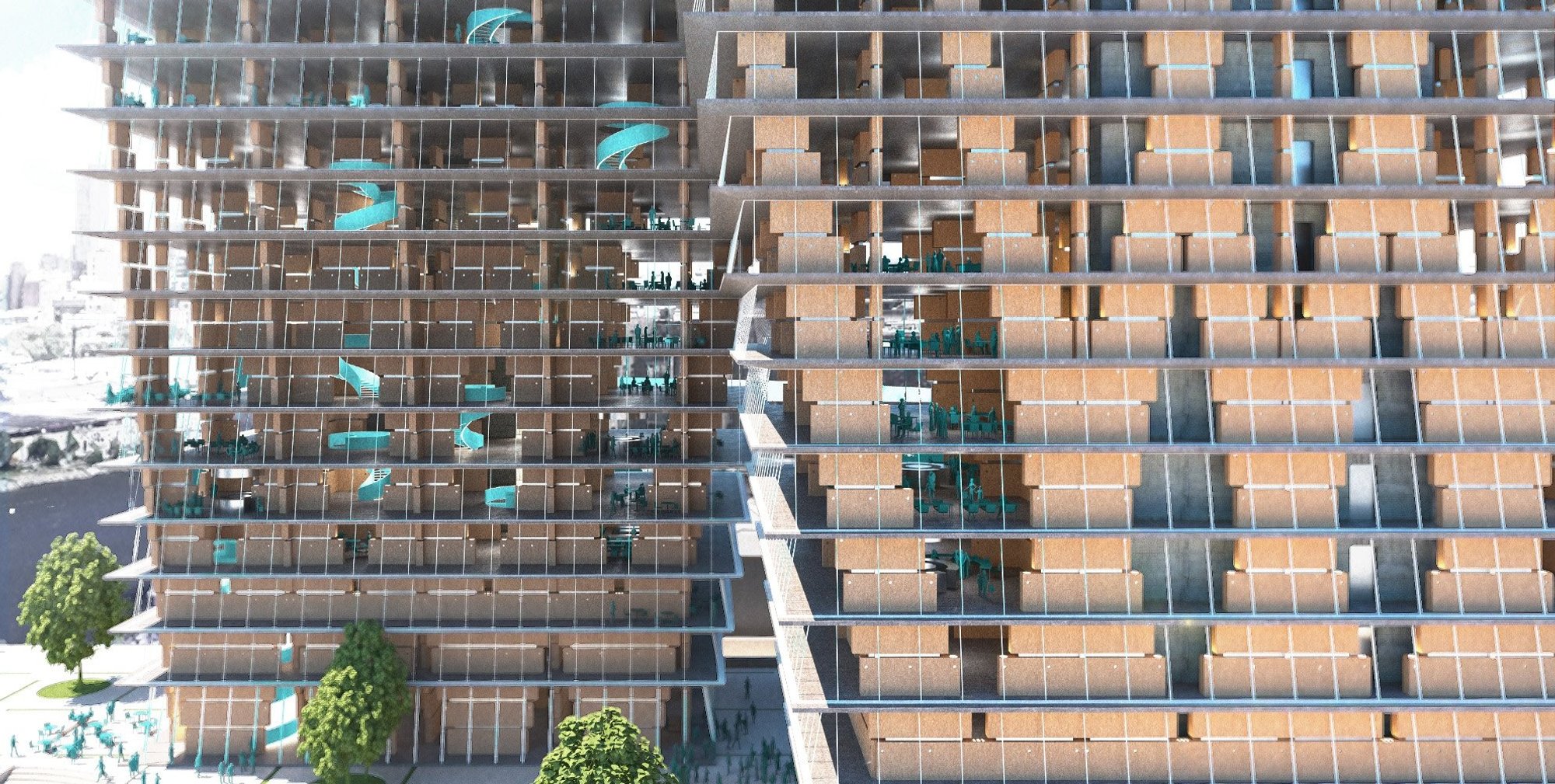
Parametric Architecture for Adaptive Dining: 50 Eateries, 50 Conditions
A parametric dining tower redefining culinary spaces through modular grids, flexible atmospheres, and 50 unique restaurant experiences.

In an era where architecture is increasingly driven by adaptability and user-centric design, parametric architecture has emerged as a powerful tool to create responsive and dynamic environments. The project "50 Eateries, 50 Conditions" by Vincent Lai, an Organizer's Choice Award entry in The Chef's Palette 2020, exemplifies this approach by reimagining the relationship between food, space, and experience.
This vertical dining tower proposes a system where architecture becomes a framework for storytelling. Each restaurant is not just a programmatic insertion but a curated spatial condition, allowing chefs to express their culinary narratives through space.
Concept: Architecture as a Culinary Framework
At the core of the project lies a simple yet powerful idea: every chef has a unique story to tell. The building translates this individuality into spatial diversity through a continuously evolving structural grid.
Rather than imposing a fixed typology, the design introduces a flexible architectural system that allows multiple dining environments to coexist. From intimate, cellular spaces to expansive, open-plan layouts, the building accommodates a wide spectrum of atmospheres.
This approach positions architecture not as a static container but as an active participant in shaping dining experiences.
Parametric Column Grid and Structural Logic
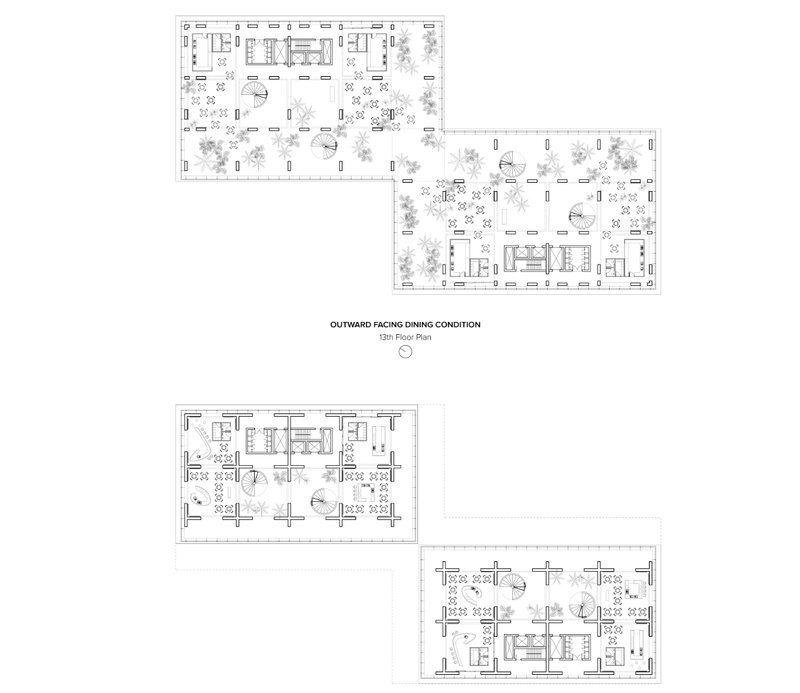
The defining feature of the project is its parametric column grid, which evolves vertically across the tower. The transformation begins with a basic column configuration and gradually develops into a lattice system that modulates density and openness.
This structural strategy achieves multiple objectives:
- Creates varied spatial conditions across floors
- Allows flexibility in partitioning and program allocation
- Enhances visual permeability and connectivity
- Supports both enclosed and open dining environments
The use of CLT (Cross-Laminated Timber) combined with reinforced steel establishes a hybrid structural system that balances sustainability with structural performance. Concrete flooring complements this system, ensuring durability and load distribution.
Site Strategy and Urban Integration
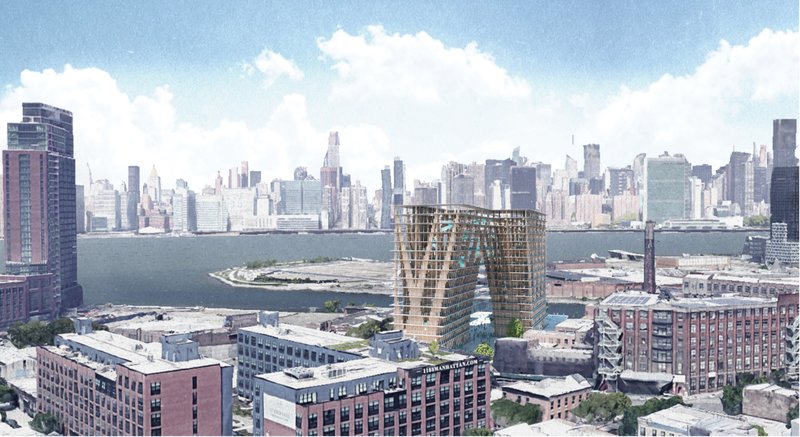
Located along Newton Creek, the project responds to both urban and environmental contexts through a carefully considered massing strategy.
The initial mass is fragmented into two primary volumes, creating permeability and visual corridors between the commercial street and the waterfront. This split allows:
- Improved pedestrian flow
- Enhanced connectivity between urban and natural edges
- Activation of ground-level public spaces
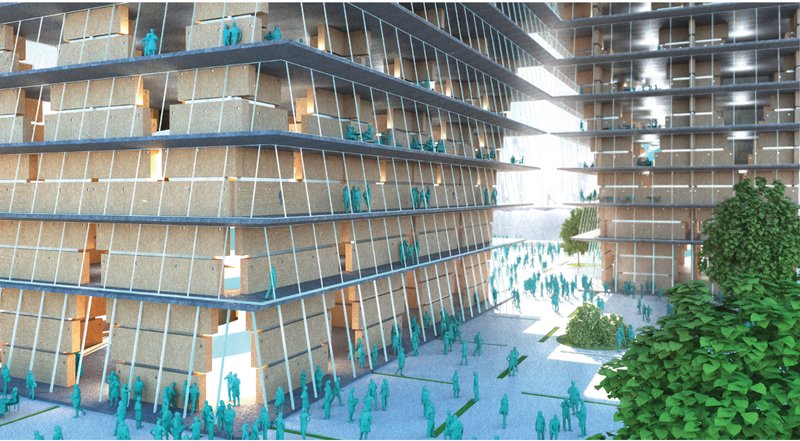
The blocks subtly lean toward each other, forming a gateway condition that invites users into the site. Below-grade vehicular access ensures that the ground plane remains pedestrian-focused.
Program Distribution and Circulation
The tower accommodates 50 distinct eateries, each occupying unique spatial conditions generated by the parametric system. The modular planning allows chefs to customize their layouts, enabling a high degree of personalization.
A key experiential element is the circular wayfinding staircase, strategically placed across floors. This vertical circulation system encourages exploration, allowing visitors to move through different dining environments as they ascend the tower.
Rather than a linear journey, the experience becomes immersive and layered, exposing users to multiple culinary narratives within a single building.
Spatial Experience: From Cellular to Open
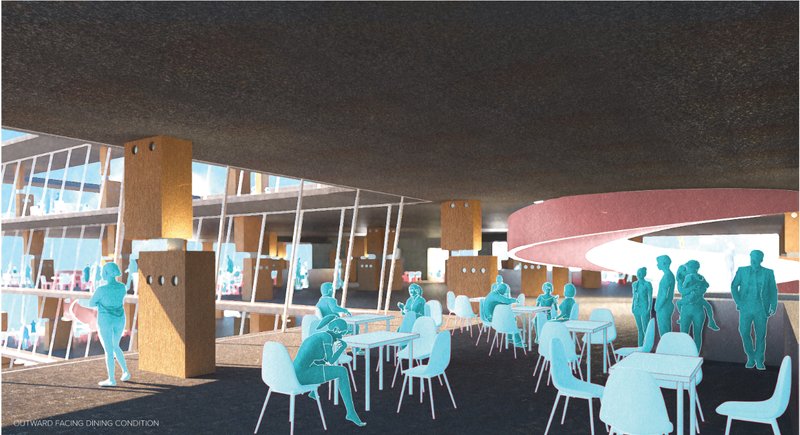
One of the most compelling aspects of the project is its ability to generate diverse atmospheres. The evolving column grid creates a gradient of spatial conditions:
- Dense, intimate zones for private dining
- Semi-open configurations for casual interactions
- Fully open layouts for social and communal experiences
Lighting conditions further enhance these variations, ranging from darker, enclosed ambiances to bright, outward-facing dining spaces with expansive views.
This diversity ensures that the building caters to a wide range of user preferences and dining typologies.
Ground Floor Activation and Public Realm
The ground level is designed as an active urban interface. Programs such as food storage and specialty food markets create a direct connection between production and consumption.
Open plazas and landscaped areas encourage gathering, transforming the base of the tower into a vibrant public hub. The permeability of the ground plane reinforces the project's role as both a culinary destination and a social catalyst.
Enhancing Chef, Consumer Interaction
A critical aspect of the design is its focus on strengthening the relationship between chefs and diners. Open-plan kitchens and visible workspaces allow users to engage with the process of food preparation.
As visitors move through the building, they encounter chefs at work, fostering spontaneous interactions and dialogue. This transparency transforms dining into a participatory experience rather than a passive one.
Material Strategy and Constructability
The project employs a combination of:
- CLT timber for structural and spatial warmth
- Reinforced steel for stability and load-bearing efficiency
- Concrete flooring for robustness and longevity
This material palette aligns with contemporary sustainable architecture practices while supporting the complex geometries generated by the parametric system.
Jury Commentary
Lisa Sauve, Juror, noted:
“The project successfully allowed for a spatial connection and flexibility between many eateries. The design lacked consideration of the shared resources needed by the convergence of so many similar programs in one building.”
This critique highlights an important dimension of large-scale mixed-use systems: while spatial flexibility is achieved, infrastructural integration remains a critical challenge. Addressing shared services such as waste management, logistics, and utilities could further strengthen the proposal.
"50 Eateries, 50 Conditions" stands as a compelling exploration of parametric architecture applied to hospitality design. By merging structural innovation with experiential diversity, the project redefines how dining environments can be conceived in vertical urban contexts.
Through its adaptable framework, the building becomes a platform for culinary expression, social interaction, and architectural experimentation. It demonstrates how computational design strategies can move beyond form-making to create meaningful, user-driven spaces.
Project Credits
- Project: 50 Eateries, 50 Conditions
- Designer: Vincent Lai
- Recognition: Organizer's Choice Award, The Chef's Palette 2020


Popular Articles
Popular articles from the community

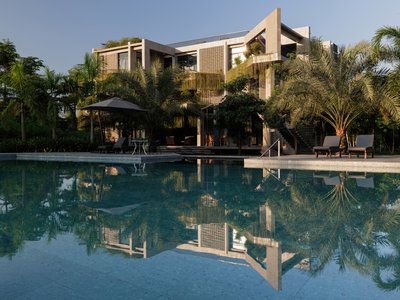
Reincarnation Weaves a Three-Story Retreat into the Green Landscape of Rural Bangladesh
Ara Manor in Narsingdi dissolves the line between domestic architecture and its lush surroundings through screens, courtyards, and planted rooftops.
Inside a Timeless Mumbai Residence by Aether Studio
Aether Studio's 2,250 sq ft apartment in Malad, Mumbai uses marble, brass, boucle, and disciplined restraint to build a quiet retreat from the city.

The Faith: Modular Architecture for Play, Learning, and Hope in Kutupalong Refugee Camp
A modular playground architecture project in Bangladesh where play, learning, safety, and hope rebuild childhood inside a refugee camp anew.
Kawasaki Olympic Sports Center: Sports Complex Architecture Rooted in Community, Tradition, and Movement
Kawasaki Olympic Sports Center reimagines sports complex architecture as a civic park where tradition, training, and community meet locally.

Similar Reads
You might also enjoy these articles
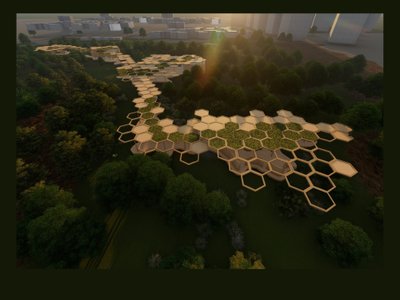
Eco Chapel: A Green Architecture Pavilion Designed in Symbiosis with the Forest
Eco Chapel uses green architecture to weave prayer, learning and reuse into a forest pavilion shaped by modular hexagonal canopies for life.
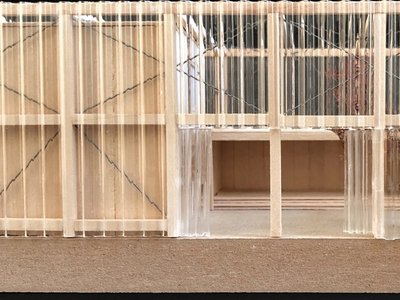
Kaffeebühnen: Coffee Shop Architecture Designed as a Civic Stage Between Vienna’s City and Park
Kaffeebühnen turns coffee shop architecture into a civic stage, linking Vienna’s park edge, urban life, warm timber yards, and coffee craft.
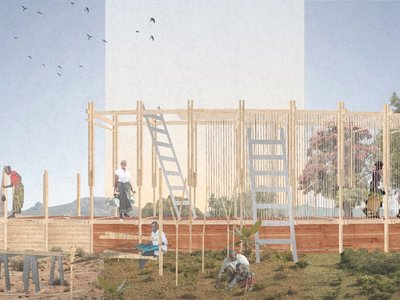
Healing Façade: Sustainable Architecture for Reforestation, Community, and Sacred Ecology in Ethiopia
Healing Façade reimagines sustainable architecture as a living wall that restores soil, catches water and renews Ethiopia's forest churches.


Urban Forest: A Vertical Ecosystem for 5,000 Workers in Singapore's Changi Business Park
Radially stacked pods and layered green decks turn a 7-acre plot into 47 acres of ecological workspace projected for 2040.


Explore Architecture Competitions
Discover active competitions in this discipline




The International Standard for Design Portfolios


The Global Benchmark for Architecture Dissertation Awards


The Global Benchmark for Graduation Excellence


Challenge to reimagine the Iron Throne
Comments (0)
Please login or sign up to add comments
No comments yet. Be the first to comment!