
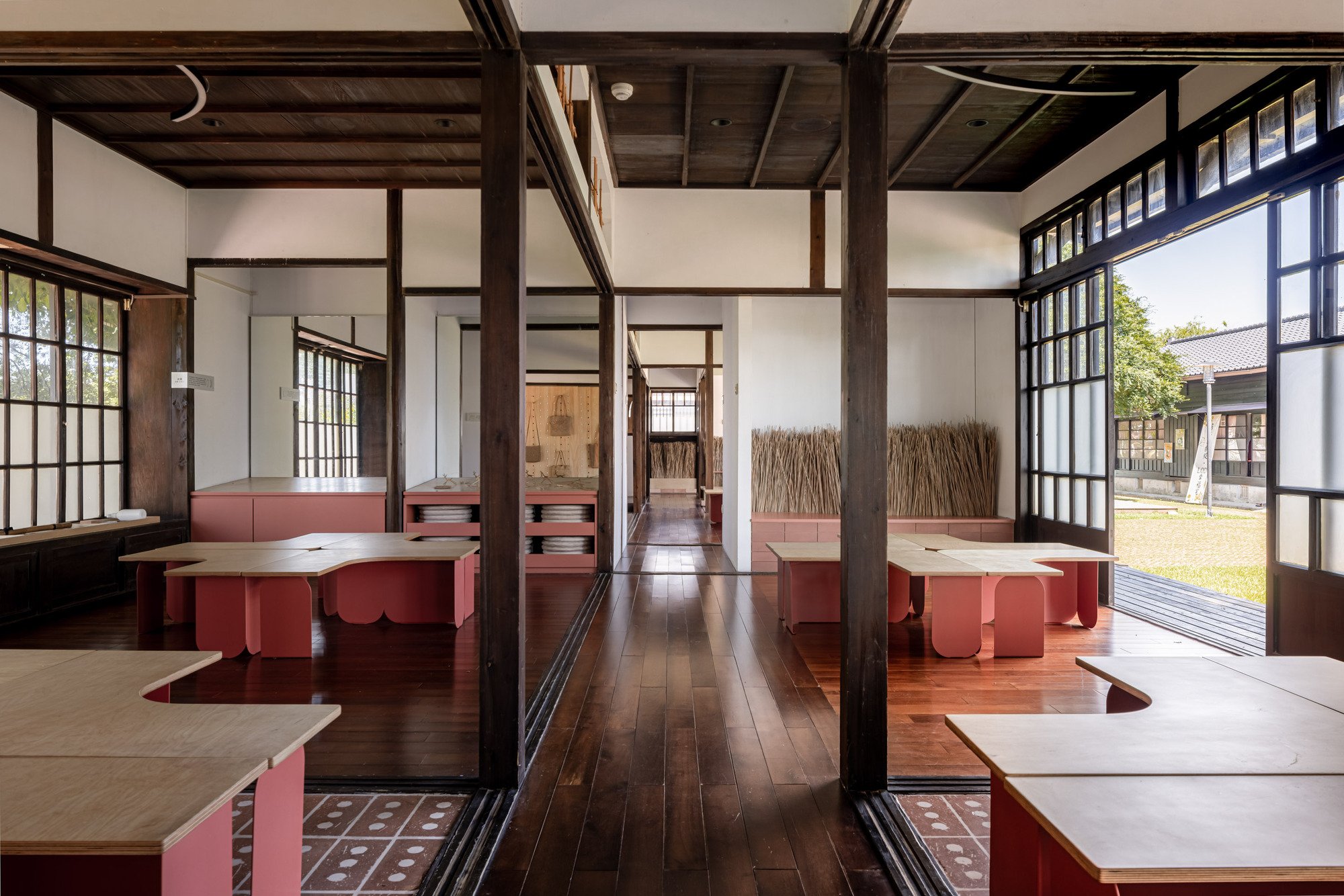
Project Weavefield By studio whispace + architects
Project Weavefield transforms a historic Taiwanese building into an interactive rush-weaving classroom, blending heritage, education, and adaptive, hands-on learning experiences.

Located in Miaoli, Taiwan, Project Weavefield by studio whispace + architects transforms a historic early 20th-century residential building within an elementary school campus into a vibrant rush-weaving classroom. Originally constructed during the Japanese colonial period, the building’s adaptive reuse bridges heritage and contemporary education, creating a “third space” that balances memory, culture, and active learning.
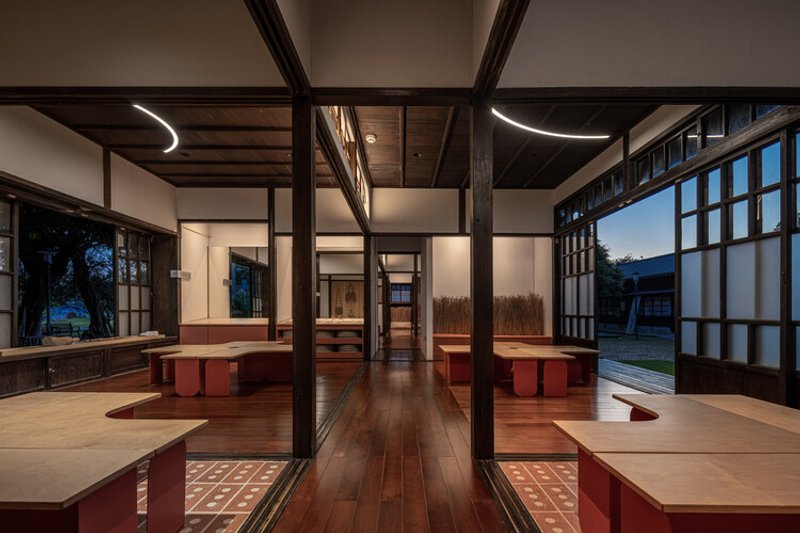
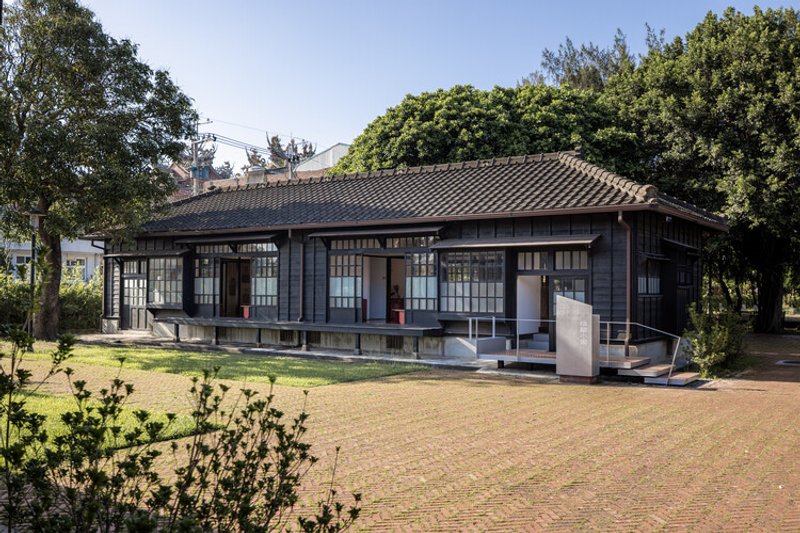
The design prioritizes cultural transmission, allowing students to experience the tactile, visual, and olfactory qualities of rush-weaving. Custom low tables and ergonomically scaled furniture integrate seamlessly into the historic spatial layout, fostering deep engagement with the local craft. The project combines exhibition, storage, and functional learning zones, creating a space where tradition is experienced firsthand rather than preserved as static display.
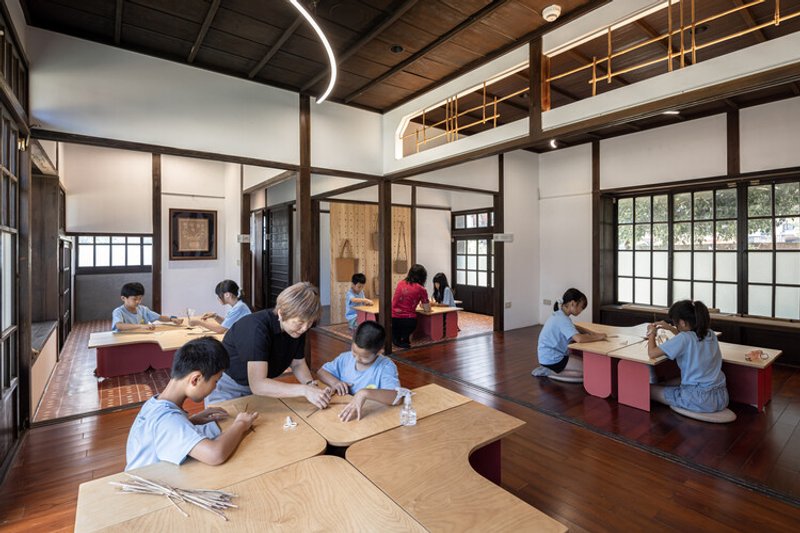
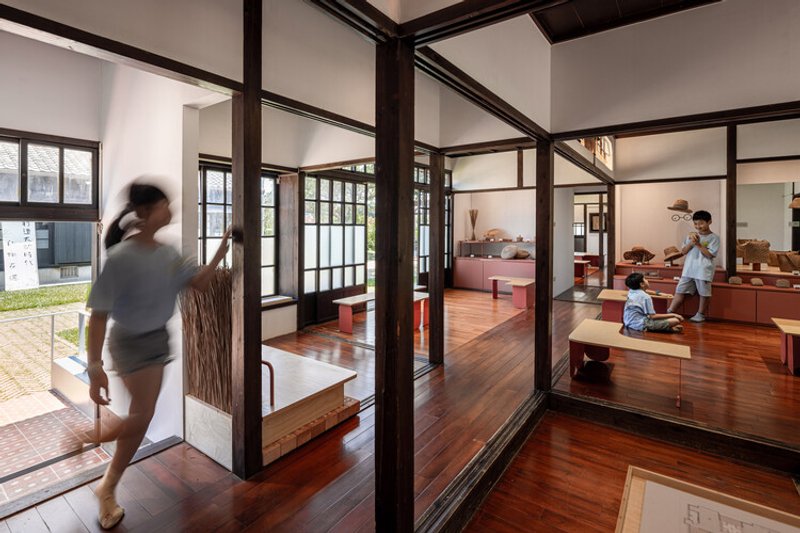
Key architectural interventions include a steel staircase and integrated signage system that negotiate level differences between the interior and exterior. Removable raised flooring enhances flexibility, while circulation and display maintain continuity with the Japanese-era dwelling’s original logic. Polished fair-faced brick flooring transforms traditional materials into soft, expressive surfaces, preserving historic textures while supporting contemporary use. Circular light strips suspended beneath partition screens carve fluid paths of illumination, softening rigid edges and creating an interactive, inviting learning environment.
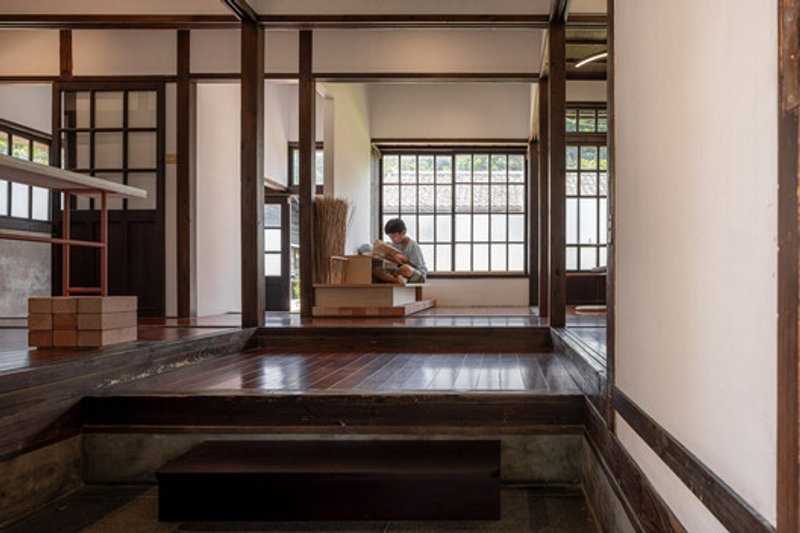
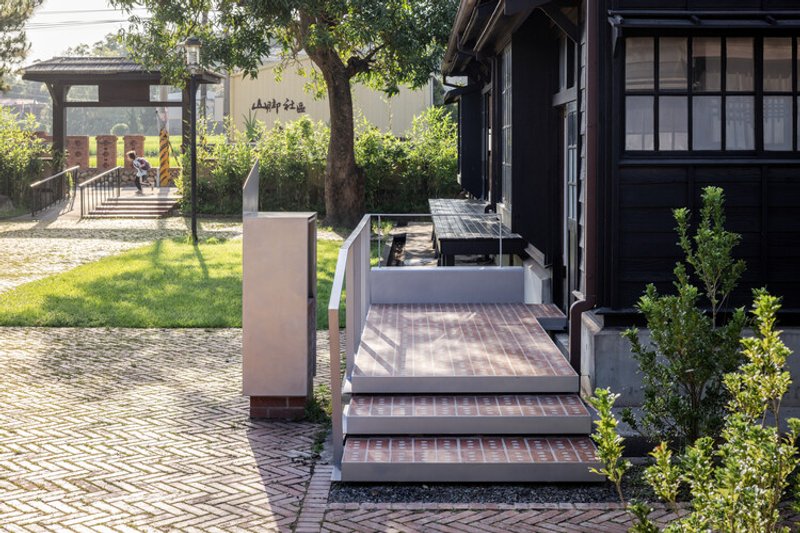
Outdoor spaces, including a concrete deck and landscaped courtyard, extend the classroom into nature, reinforcing hands-on engagement with local materials and cultural practices. The architecture emphasizes sustainability and adaptability, ensuring the building can continue serving future generations while respecting its historical context.
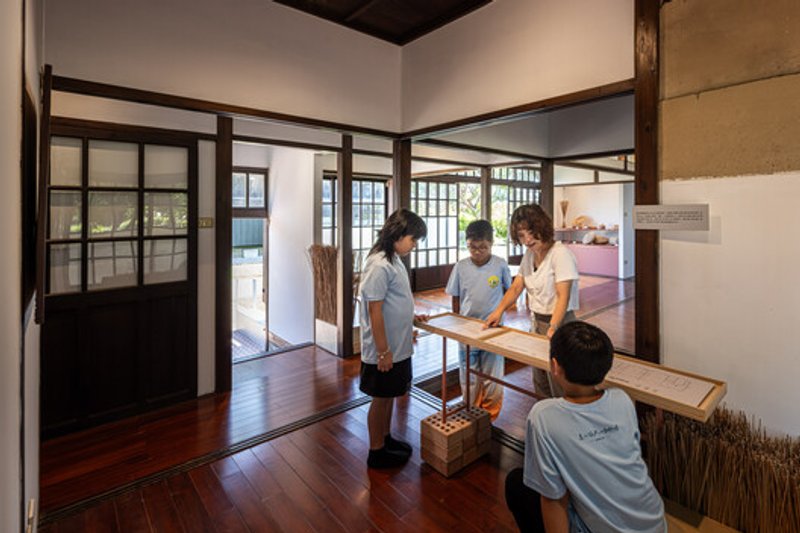
Project Weavefield demonstrates the power of adaptive reuse in educational architecture, blending heritage, craftsmanship, and modern pedagogy into a cohesive, inspiring campus environment. The project stands as a model for integrating cultural preservation, functional design, and interactive learning in contemporary educational spaces.
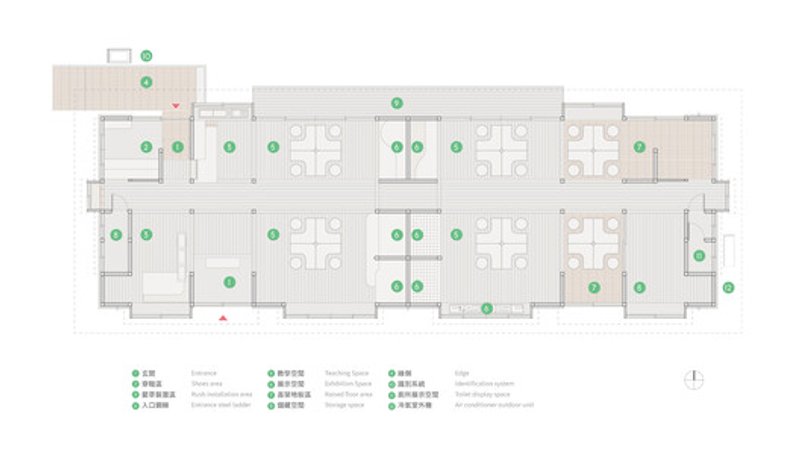
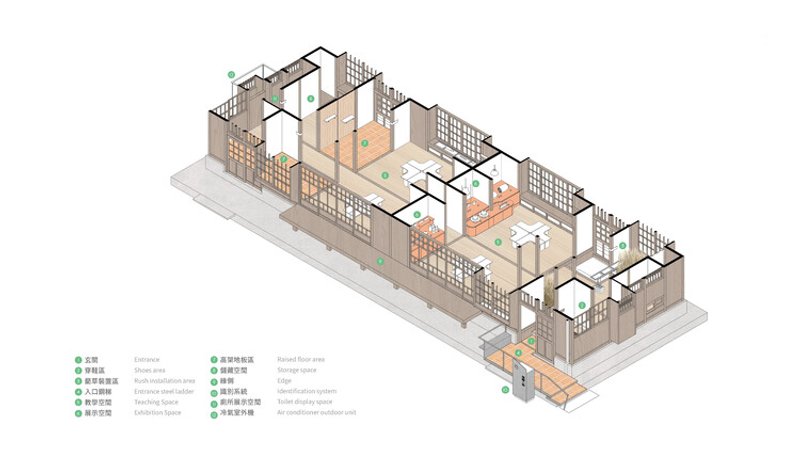
All the photographs are works of
YuChen Chao Photography




Popular Articles
Popular articles from the community

Inside a Timeless Mumbai Residence by Aether Studio
Aether Studio's 2,250 sq ft apartment in Malad, Mumbai uses marble, brass, boucle, and disciplined restraint to build a quiet retreat from the city.
Healing Façade: Sustainable Architecture for Reforestation, Community, and Sacred Ecology in Ethiopia
Healing Façade reimagines sustainable architecture as a living wall that restores soil, catches water and renews Ethiopia's forest churches.
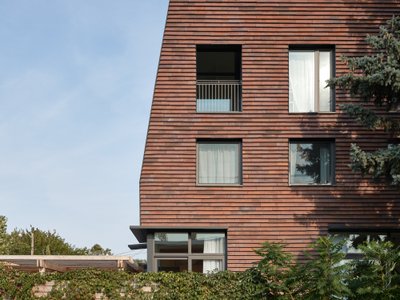
LGA Architectural Partners Build Toronto's First Multiplex Condo on a Single-Family Lot
Ulster House packs five zero-carbon units into a Harbord Village lot, proving gentle density can be market-ready and livable.
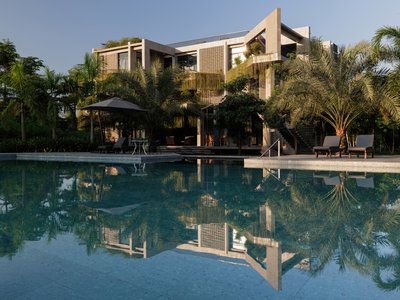
Reincarnation Weaves a Three-Story Retreat into the Green Landscape of Rural Bangladesh
Ara Manor in Narsingdi dissolves the line between domestic architecture and its lush surroundings through screens, courtyards, and planted rooftops.

Similar Reads
You might also enjoy these articles
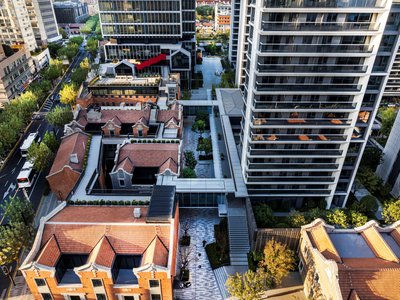
Nikken Sekkei Stacks a Three-Dimensional Lilong Atop Shanghai's Historic Alleyways
A 180-meter tower and restored heritage houses on Nanjing West Road reimagine communal lane life as a vertical mixed-use district.
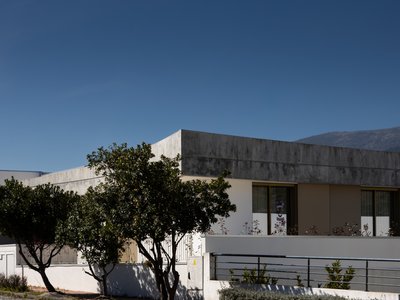
PLATAFORMArq Folds a Concrete Roof Over the Portuguese Mountains in House #474
A 220-square-meter residence in Teixoso, Portugal, wraps board-formed concrete into an angular canopy that frames the Serra da Estrela foothills.
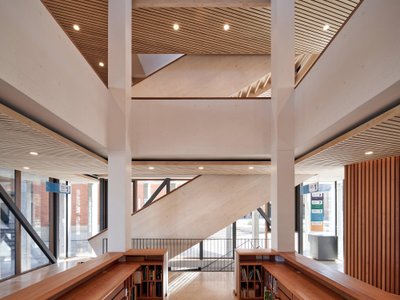
José Ignacio Valdivieso Wraps a School Library in Brick Fins and Timber Light in Santiago
A 451-square-meter pavilion anchors a campus master plan for Tabancura School's 50th anniversary with warm materiality and layered daylighting.
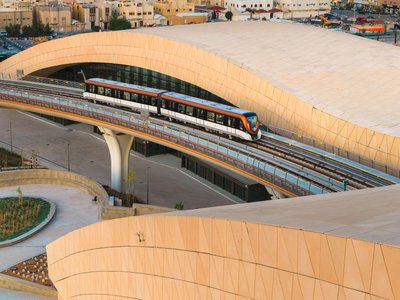
Omrania Shapes Riyadh's Western Metro Station as a Cluster of Desert Dunes
A 40,000 square metre intermodal transit hub in southwest Riyadh translates sand dune morphology and mashrabiya screens into civic infrastructure.

Explore Educational Building Competitions
Discover active competitions in this discipline




The International Standard for Design Portfolios


The Global Benchmark for Architecture Dissertation Awards


The Global Benchmark for Graduation Excellence


Challenge to design public laboratory
Comments (0)
Please login or sign up to add comments
No comments yet. Be the first to comment!