
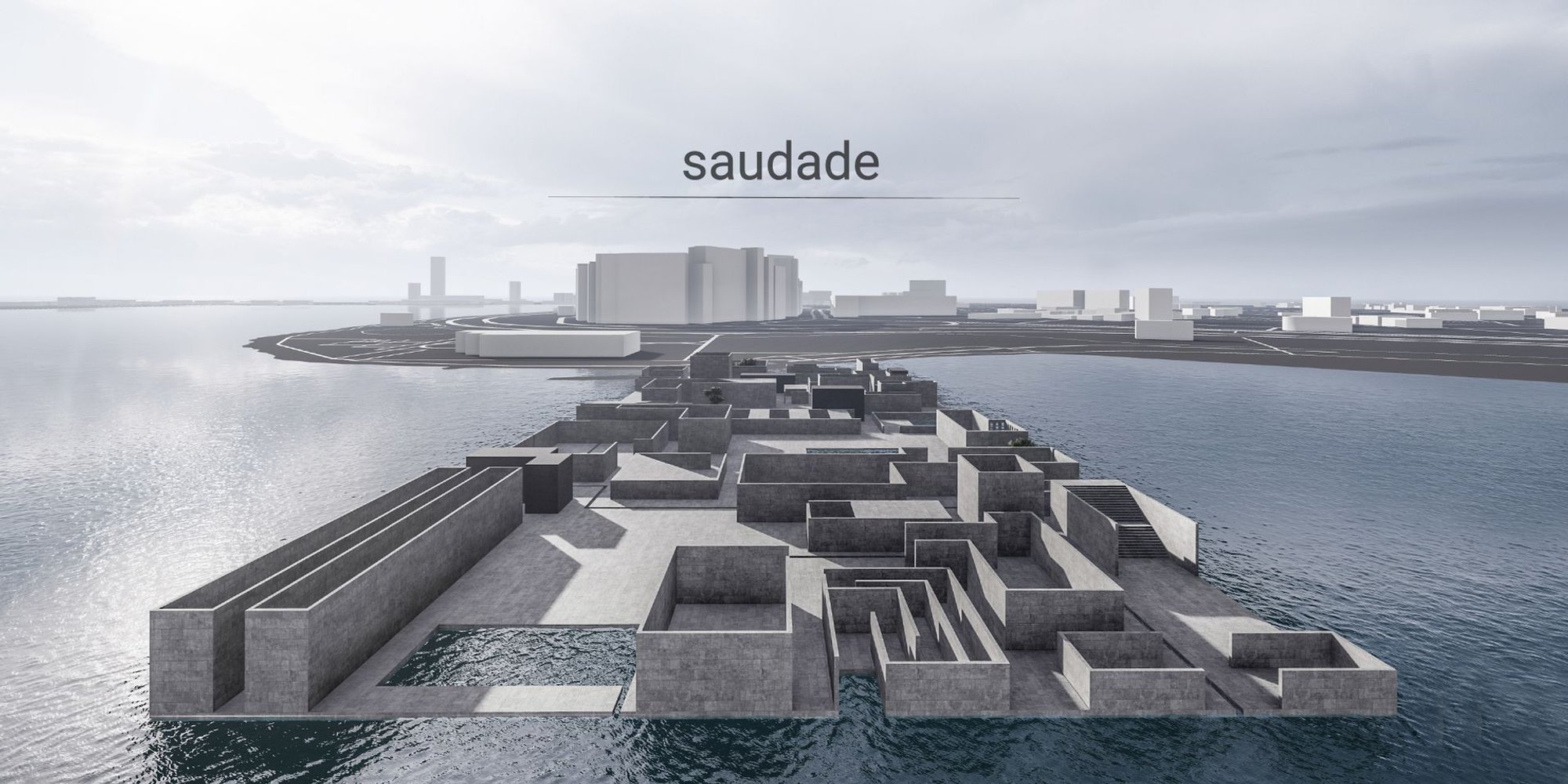
Saudade: A Cityscape Built for Longing, Not Living
Concrete walls, water channels, and framed sky transform urban monotony into a landscape of emotional reconnection and quiet introspection.

What if a city could make you feel something other than rushed? Saudade begins with a provocation: that contemporary urban landscapes have stripped away our connection to time, to weather, to the simple act of sitting under a tree. The response is not a building in any conventional sense but a field of concrete walls, varying in height and spacing, that construct an abstract cityscape where emotion is the programme. Water channels run through narrow passages, sky is framed in square apertures, and shadow becomes the primary material of interior courtyards. It is architecture designed not for efficiency but for longing.
Designed by Burak Nergizoğlu and İmre Bilgin, Saudade was shortlisted in the Athenaeum competition. The project describes itself as "a place of no one and everyone," and that paradox is central to its spatial logic. Rather than prescribing function, the clustered volumes create open, semi-enclosed, and fully enclosed zones that visitors interpret on their own terms. Each return visit yields a different reading, a different path, a different quality of light.
A Concrete Archipelago on Still Water
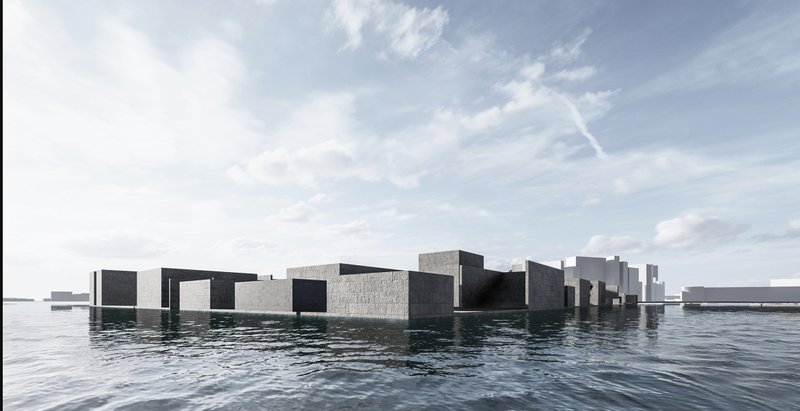
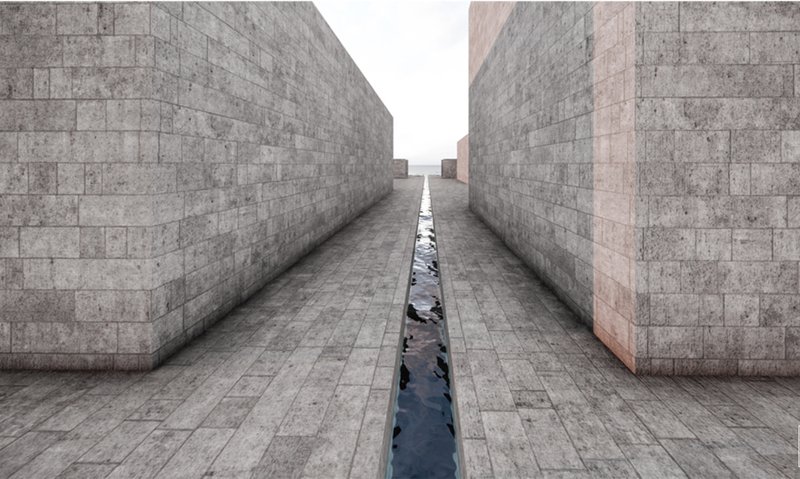
From the waterfront, Saudade reads as a dense cluster of concrete block volumes rising from the harbor's edge, their massed forms reflected in calm water under an overcast sky. The effect is deliberately ambiguous: part ruin, part unfinished city, part geological formation. Moving inside, the scale shifts dramatically. A narrow passage between tall concrete walls channels movement along a linear water feature set into stone paving, compressing the visitor's field of vision to a sliver of sky and the sound of water underfoot. The contrast between the expansive harbor view and the compressed interior corridor is the project's first emotional argument: that architecture can oscillate between openness and enclosure to recalibrate how we feel.
Layered Composition: Plate, Boundary, Wall
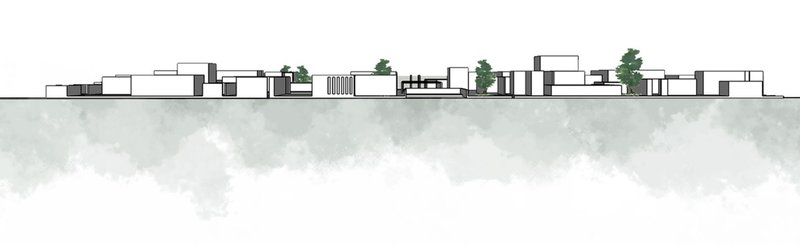
The elevation drawing reveals the project's organizational logic. A horizontal sequence of low-rise volumes stretches across the site, punctuated by scattered trees that soften the otherwise mineral composition. The designers describe the structure in four conceptual layers: a plate that anchors the design to its context, boundaries that define spatial zones, walls of variable size that generate dynamic paths and enclosures, and specialized areas intended for emotional engagement with nature. None of these layers operate independently. The trees appear not as decoration but as calibrated interruptions, their organic silhouettes breaking the regularity of the concrete grid and introducing biological time into an otherwise static composition.
Shadow as Programme
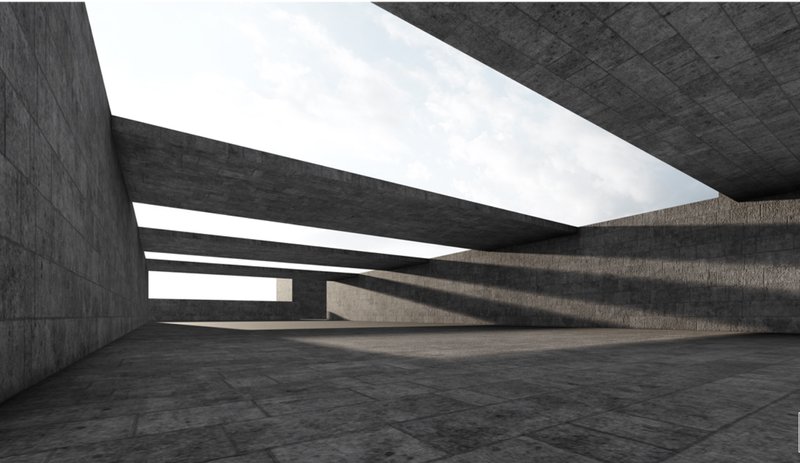
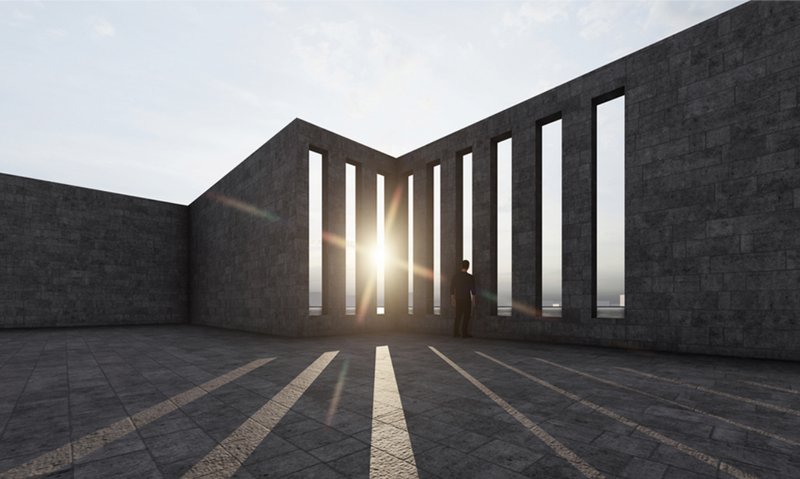
Two courtyard views demonstrate how Saudade uses light and shadow as active design elements rather than incidental byproducts. In one, angled concrete walls and overhead beams throw dramatic diagonal shadows across stone paving, producing a space that will look entirely different at noon than at dusk. In the other, vertical apertures in a courtyard wall frame the sunset, casting long parallel shadows that measure time in their slow migration across the floor. These are the "emotional spaces" the designers describe: zones where sitting, gazing, and simply being present become the intended activities.
The deliberate absence of conventional programme is what makes these courtyards effective. There are no signs, no seating arrangements dictating where to look, no informational panels. The architecture itself is the invitation. Visitors are asked to do what cities rarely permit: pause, notice the angle of light, and let the space produce a feeling rather than a function.
Framing the Immeasurable
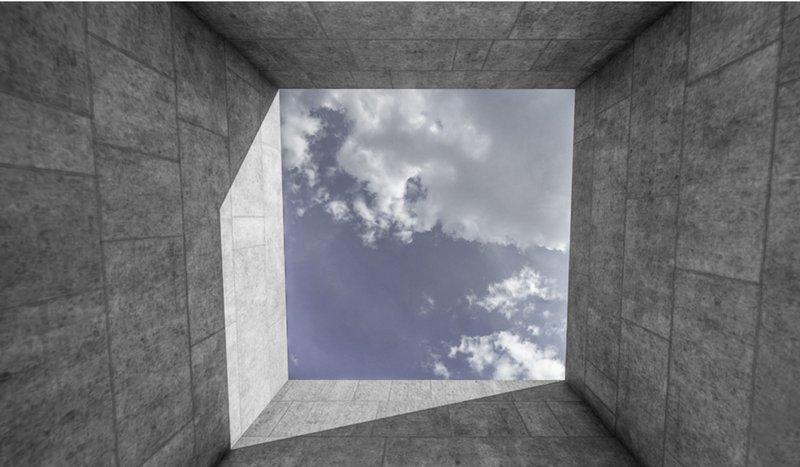
The final image distills Saudade's thesis into a single gesture: a square concrete frame opening directly to blue sky and scattered clouds. Nothing else. No horizon line, no landscape, no other structure. It is the architectural equivalent of a held breath. By isolating sky from context, the frame transforms something ordinarily ignored into an event. The concrete edges are thick enough to feel substantial, thin enough to disappear when you focus on what lies beyond them. It is a detail that operates at the scale of the eye rather than the body, and it captures the project's central ambition: to make the overlooked visceral.
Why This Project Matters
Saudade's strength lies in its refusal to justify itself through programme. In a discipline increasingly preoccupied with metrics, performance data, and functional optimization, a project that asks "how does this space make you feel?" is quietly radical. The integration of water, the calibration of shadow, the framing of sky: these are not novel techniques. What is novel is the insistence that they constitute sufficient reason for a building to exist.
Nergizoğlu and Bilgin have proposed an architecture that treats unfamiliarity as a virtue. Every visit is meant to feel slightly different, slightly unresolved, slightly out of reach. That is, of course, the meaning of the word saudade itself: a longing for something you may never have had. As a competition entry, it poses a question that established practice often avoids. Can architecture prioritize emotional resonance without sacrificing spatial rigor? The evidence here suggests it can.
View the Full Project
About the Designers
Designers: Burak Nergizoğlu, İmre Bilgin
Enter a Design Competition on uni.xyz
uni.xyz runs architecture and design competitions year-round that reward proposals with spatial conviction and real site intelligence.
Project credits: Saudade by Burak Nergizoğlu, İmre Bilgin Athenaeum (uni.xyz).



Popular Articles
Popular articles from the community

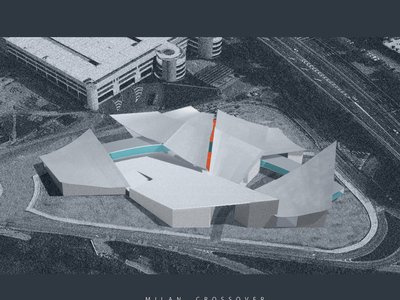
Milan Crossover: Sustainable Architecture for a New Fashion Culture in Milan
Milan Crossover transforms fashion culture through sustainable architecture, linking material libraries, remake studios, and public runways.
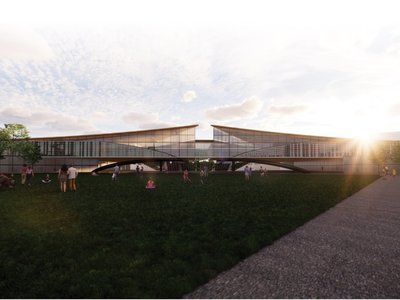
Kawasaki Olympic Sports Center: Sports Complex Architecture Rooted in Community, Tradition, and Movement
Kawasaki Olympic Sports Center reimagines sports complex architecture as a civic park where tradition, training, and community meet locally.

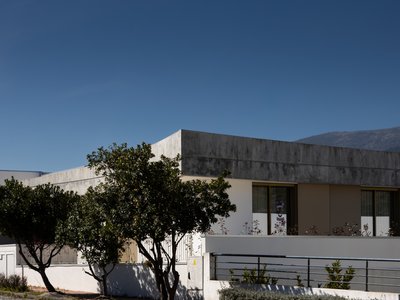
PLATAFORMArq Folds a Concrete Roof Over the Portuguese Mountains in House #474
A 220-square-meter residence in Teixoso, Portugal, wraps board-formed concrete into an angular canopy that frames the Serra da Estrela foothills.
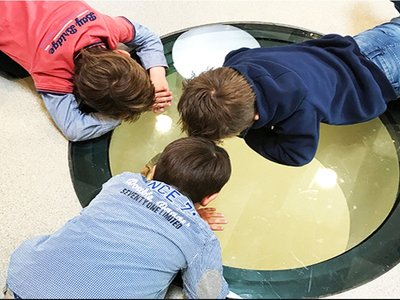
IKC de Geluksvogel: Sustainable School Architecture Designed for Free Movement and Digital Learning
IKC de Geluksvogel turns sustainable school architecture into a flexible Maastricht campus for digital learning, nature, and free movement.
Similar Reads
You might also enjoy these articles
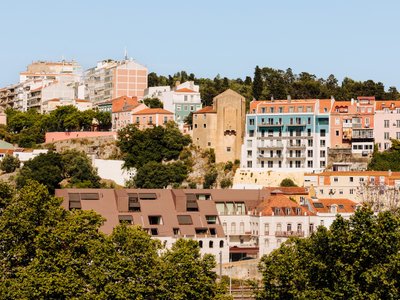
Montisnava Residential Building by António Costa Lima Arquitectos: Revitalizing Lisbon’s Industrial Heritage
Adaptive reuse transforms an old Lisbon tannery into sustainable housing, blending industrial heritage with contemporary design and revitalizing the Alcântara neighborhood.
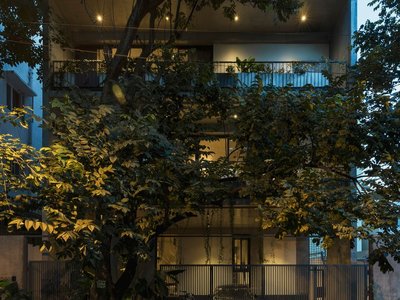
ANIKETANA House by KASA Design Collective: A Vertical Oasis of Light, Privacy, and Contemporary Living
ANIKETANA House features vertical living, open-plan spaces, triple-height courtyards, lush greenery, and raw concrete detailing, creating a private, serene urban retreat.
Urban Village Renewal Design: Transforming Nantou with the Six Bricolage-Houses by ARCity Office
The article highlights the Six Bricolage-Houses project in Nantou, Shenzhen, showcasing innovative urban village renewal design by ARCity Office.
House in Bocaina by Ana Altberg + Cesar Jordão: A Circular Retreat Embracing the Atlantic Forest
Circular forest home in Brazil by Ana Altberg and Cesar Jordão, blending sustainable materials, passive design, and immersive landscape integration.

Explore Urban Design Competitions
Discover active competitions in this discipline




The Global Benchmark for Architecture Dissertation Awards


The Global Benchmark for Graduation Excellence

Bring back Drive In's
Comments (0)
Please login or sign up to add comments
No comments yet. Be the first to comment!