
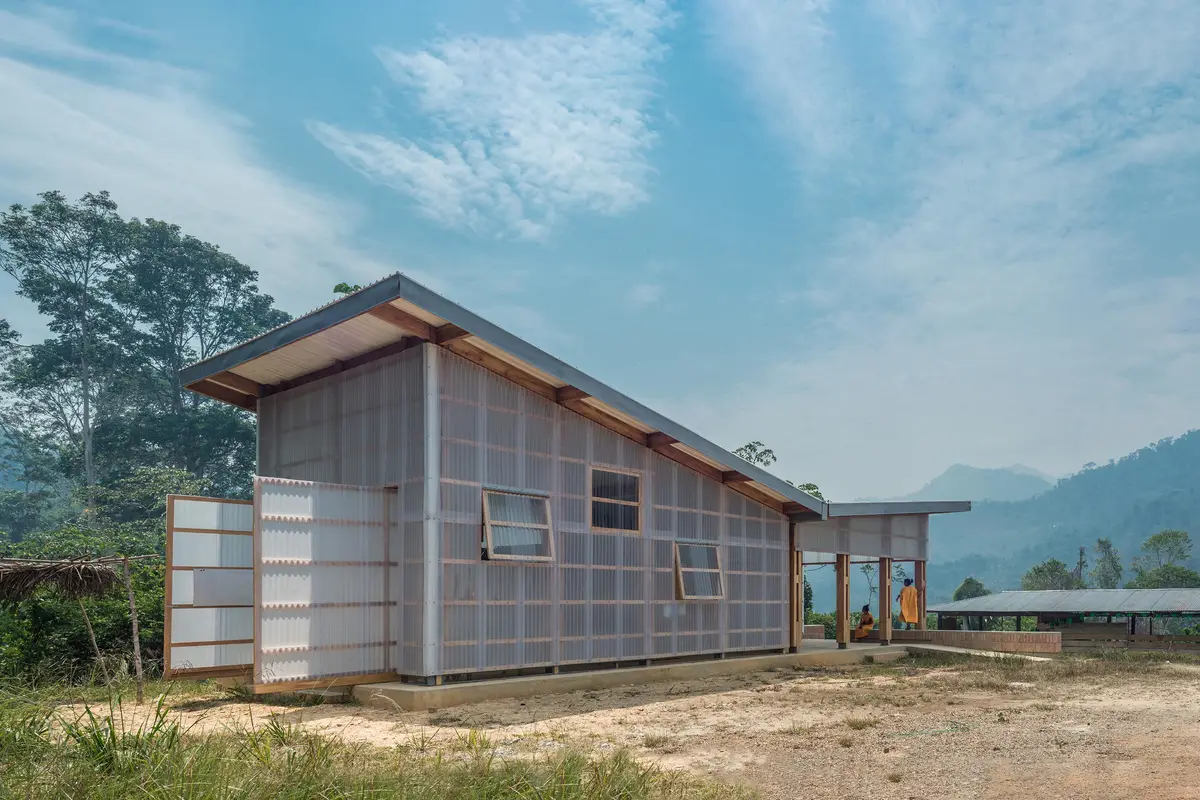
Seeding a Sustainable Future: Mencoriari's Techno-Environmental Innovation Hub
Can Mencoriari's Technological and Environmental Laboratory Revolutionize the Future?

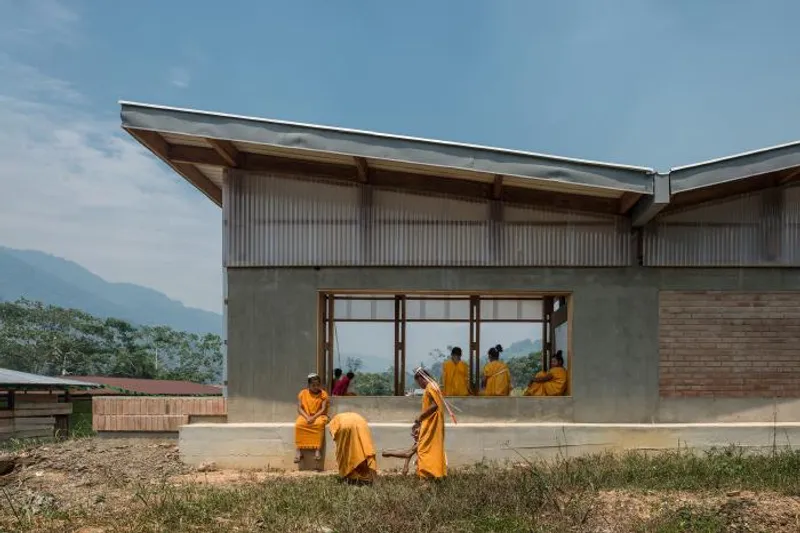
In a remote native community nestled within Peru's central jungle lies a groundbreaking project called the Mencoriari Technological and Environmental Laboratory. This innovative endeavour has transformed traditional classroom settings into a complementary educational space that honours ancient knowledge of plants and forests, all while promoting sustainable practices and cultural preservation.
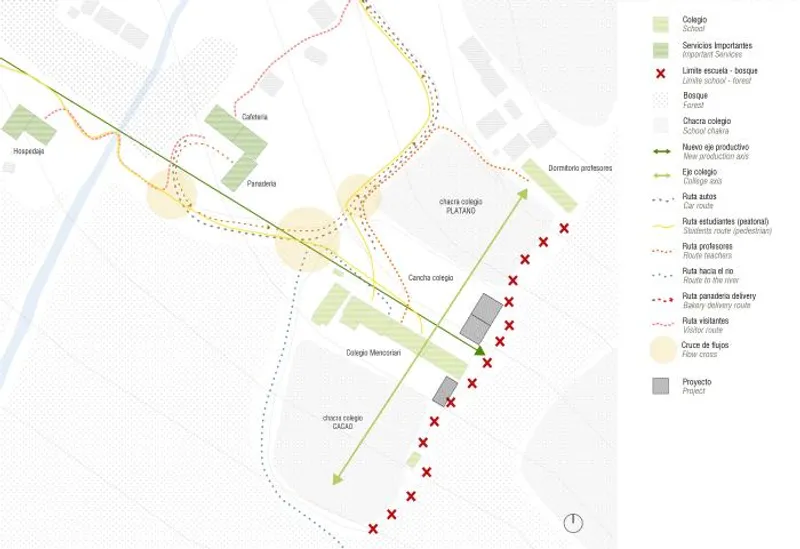
Developed through collaborative classroom workshops, the laboratory serves as a beacon of alternative learning for 58 students and 67 families from the Mencoriari community, along with three neighbouring communities. By fusing architectural design with pedagogical concepts, the project aims to create spaces that harmonize with their natural surroundings, emphasizing the intrinsic value of the jungle and its environmental wealth.
The laboratory's ideation, design, and construction processes have been rooted in participatory workshops involving students, their families, and local stakeholders. Through these interactive sessions, the project team gained deep insights into the environment, community activities, and specific needs. This inclusive approach allowed for the definition of the laboratory's multifaceted role as a versatile space catering to various public uses.
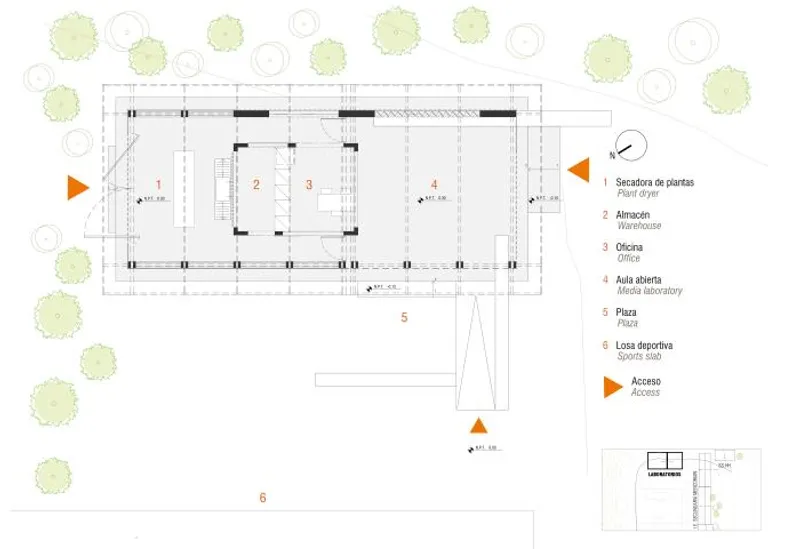
The architectural and programmatic proposal of the Mencoriari Technological and Environmental Laboratory truly reflects the aspirations of the community. It encompasses an educational area dedicated to drying medicinal plants and roots, alongside an "open classroom" designed for the research and study of natural medicine, agriculture, and forestry. These spaces are thoughtfully separated by a storage area and an office, promoting functional efficiency.
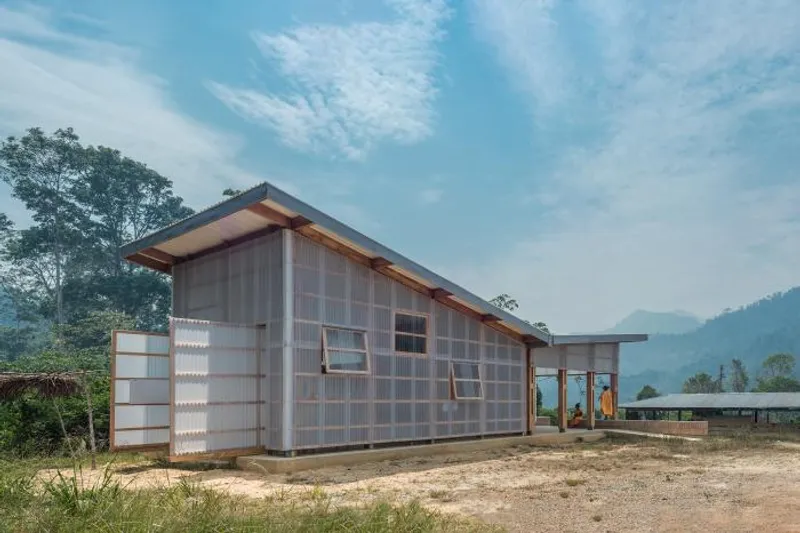
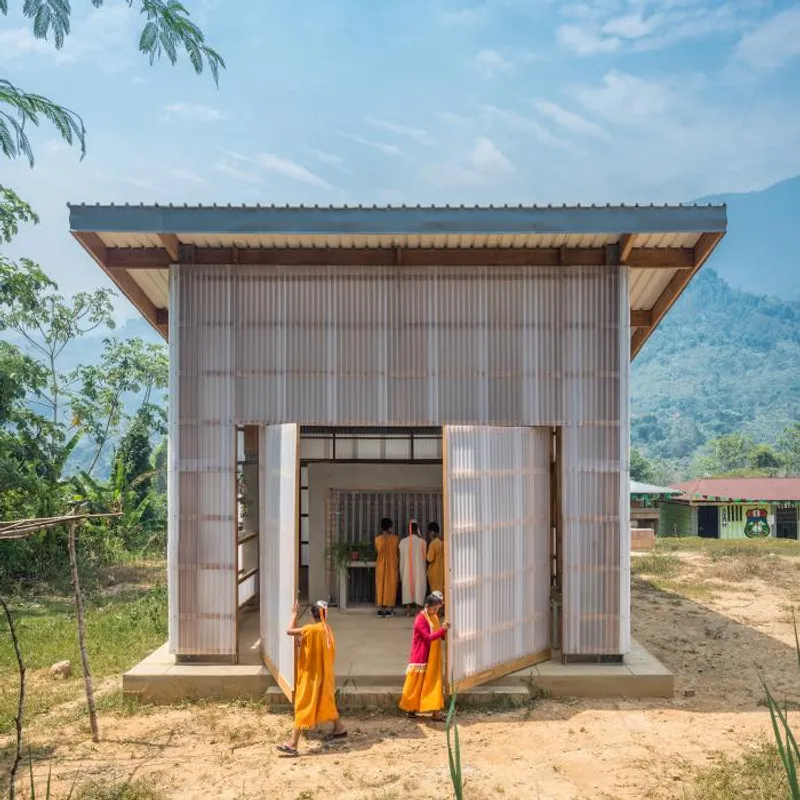
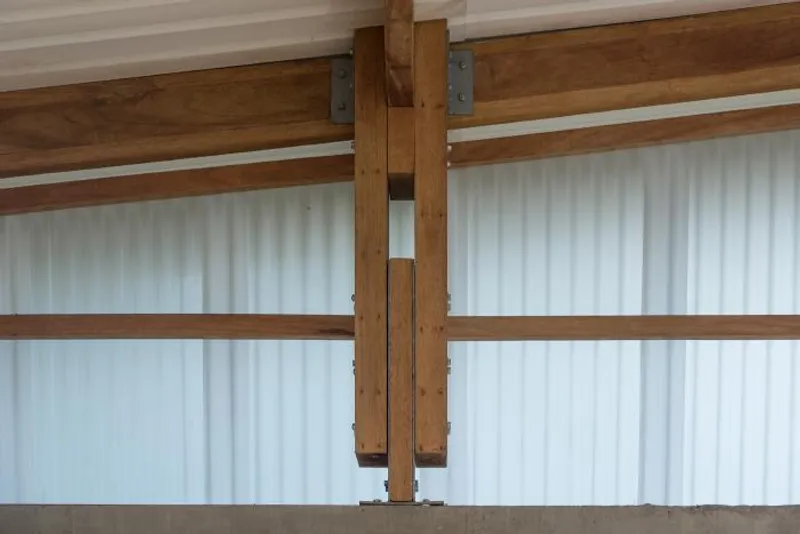
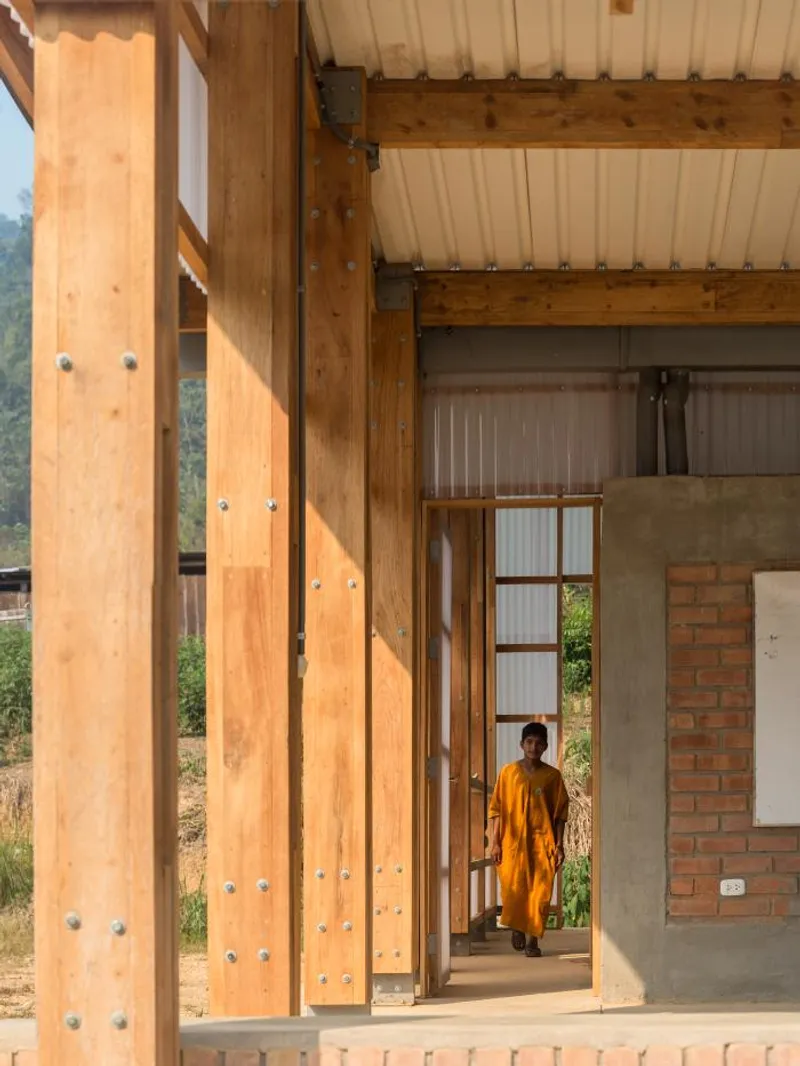
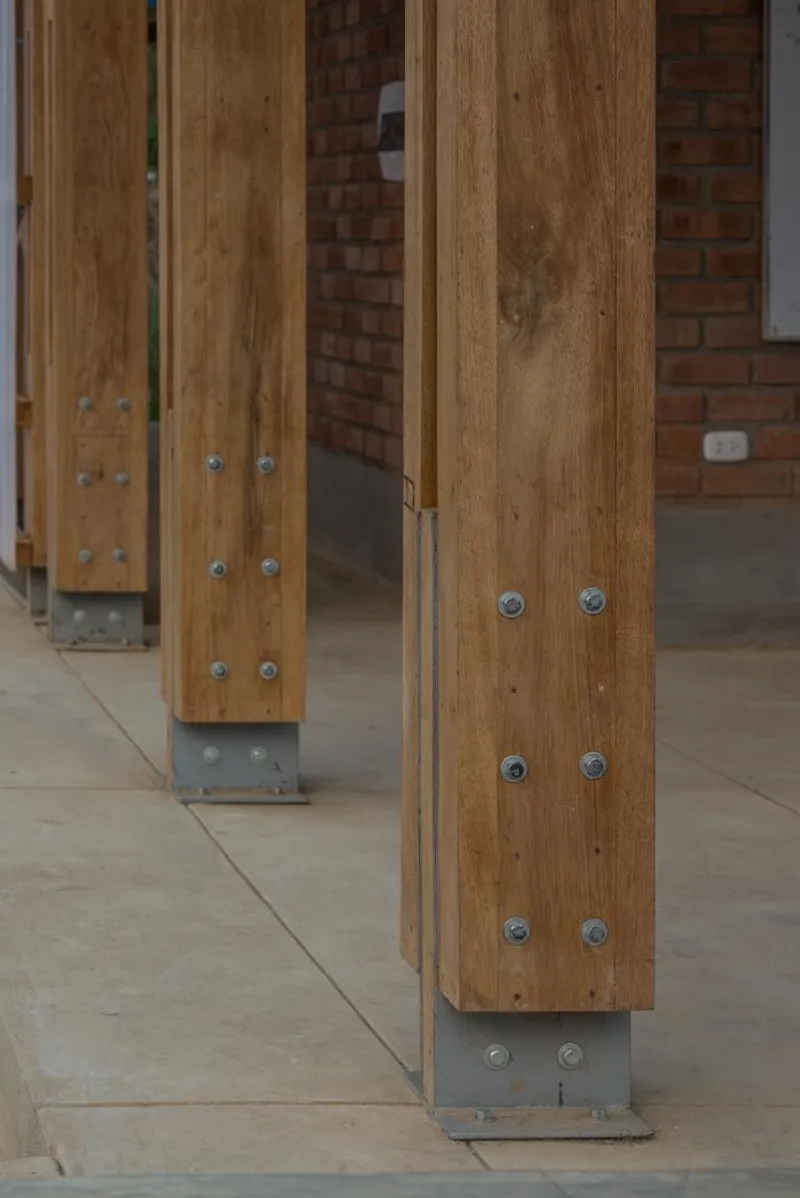
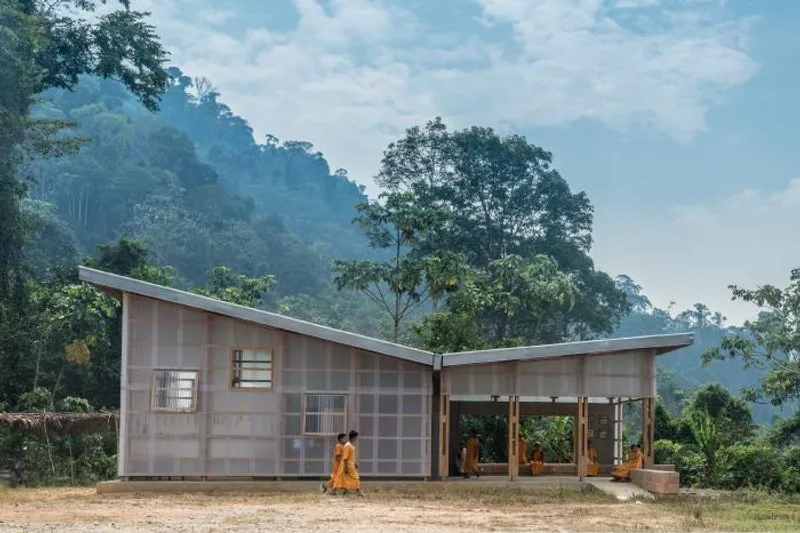
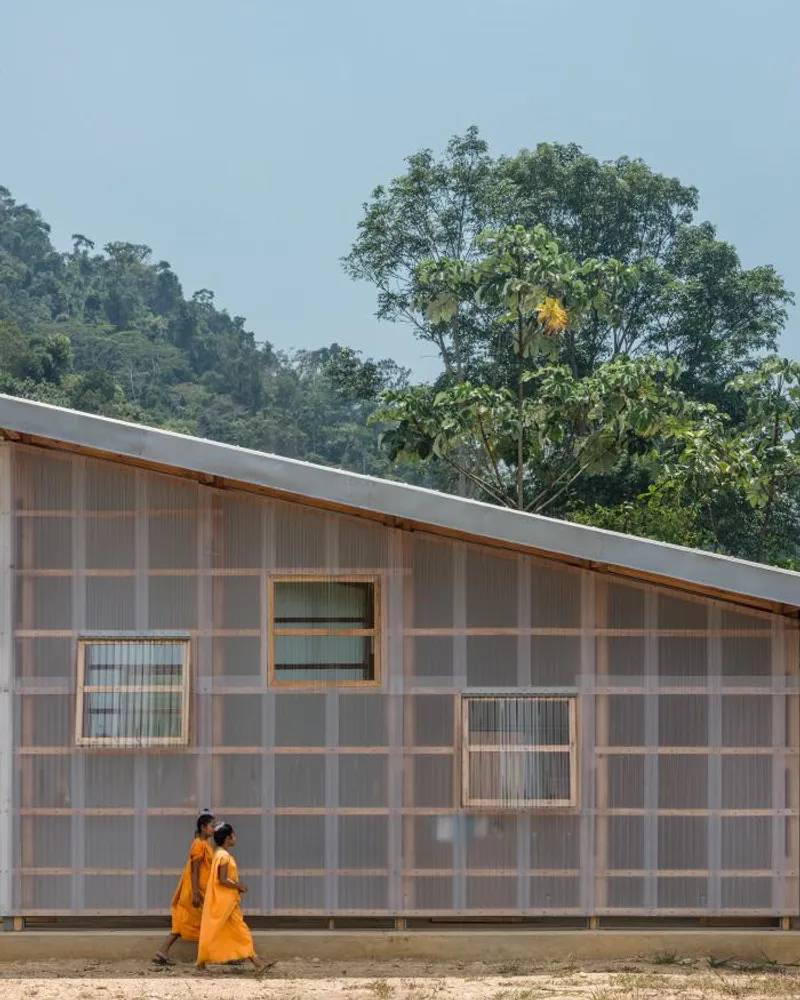
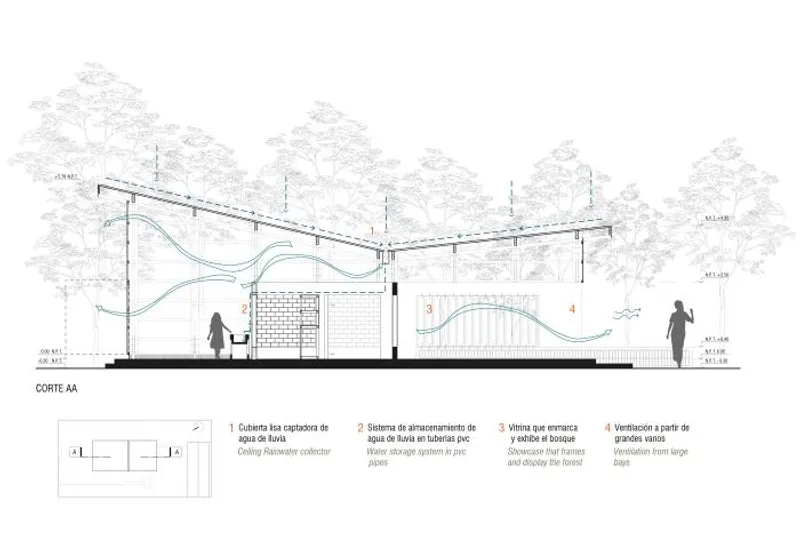
The laboratory's unique design harmoniously blends with its surroundings. The building takes inspiration from the silhouette of the mountain, with its openings meticulously framing the forest views. It features a predominantly wooden structure, adorned with transparent polypropylene calamine metal on the walls and a thermoacoustic calamine metal roof. A central volume of clay bricks enhances architectural aesthetics and provides a focal point within the structure.
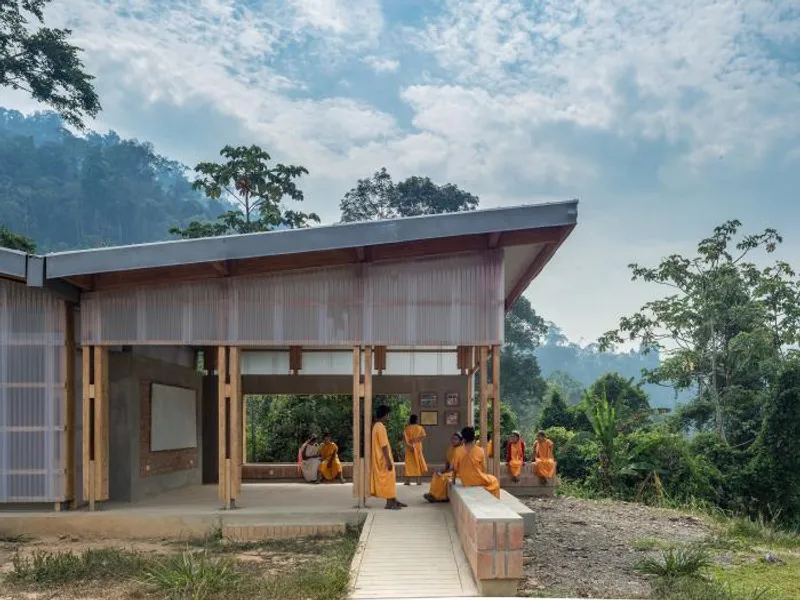
To the right side, facing the school classrooms, the building unfolds as an inviting "open classroom," an expansive covered square bordered by benches, doubling as gathering spaces. A large blackboard adorns one of the walls, offering projection capabilities for educational purposes. Infographics and wall newspapers can be displayed along the distribution corridors on the sides, fostering knowledge dissemination.
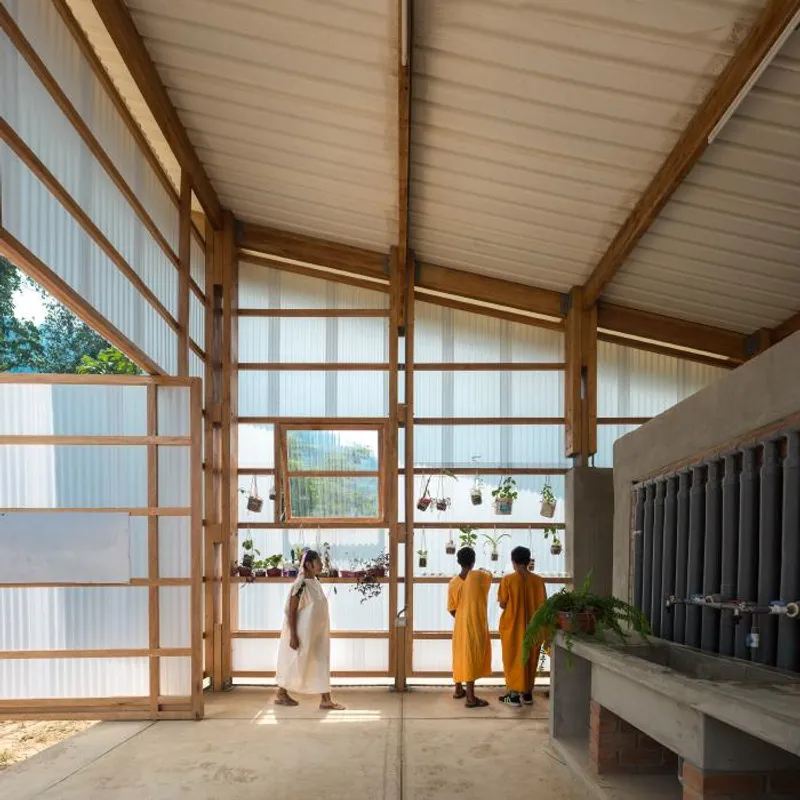
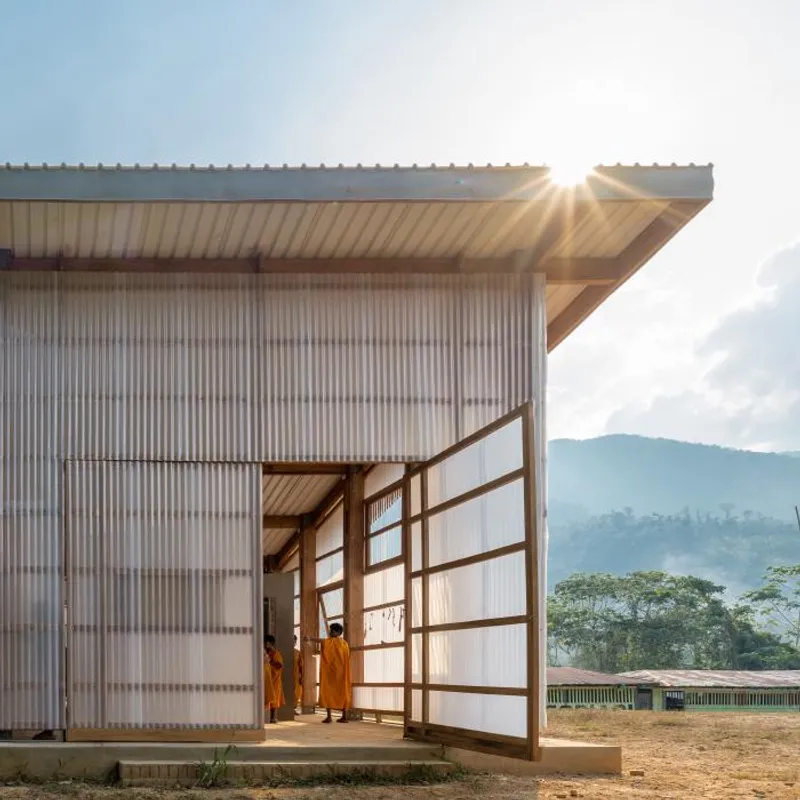
On the left side of the site, the classroom-cum-drying laboratory stands as a remarkable wooden structure, facilitating the drying and display of plants and roots. With a large door that can be opened for ventilation and to connect with the external environment, this space assumes the appearance of a vibrant greenhouse, alive with colours and life. A cement sink with a work table, housing a rainwater harvesting system named CASA (Ciudades Auto-Sostenibles Amazónicas or Self-Sustaining Amazon Cities), enables watering and plant care activities.
The Mencoriari Technological and Environmental Laboratory goes beyond being just an educational facility. It acts as a hub for forest research, a meeting point for intergenerational interactions, a space where community elders and students can exchange wisdom, and a warm welcome to visitors and tourists. By bridging ancient local knowledge with contemporary pedagogy, the laboratory becomes a platform for the creation of "living heritage," preserving both the environment and the community's cultural legacy.
The Mencoriari Technological and Environmental Laboratory stands as an exemplary model of sustainable architecture, seamlessly integrating educational innovation, environmental stewardship, and cultural preservation. It showcases how indigenous communities can harness technology and embrace their surroundings to foster a better future, making it a truly inspiring project for both Peru and the world.






CREDITS
Architecture and management: Asociación Semillas para el Desarrollo Sostenible.
Funding: Federal Ministry for Economic Cooperation and Development – Germany
Co-Funding: CPS Comunitá Promozione e Sviluppo, Charico
Promoter: We-Building Volcafe Speciality Perú (VSP) generaciones
Cooperation: Municipalidad Distrital de Pangoa, CN Mencoriari, Parents' Association APAFA, I.E. Mencoriari, UGEL Pangoa, CASA [Ciudades Auto-Sostenibles Amazónicas]
Team: Marta Maccaglia, Giulia Perri (Architecture), Angela Yangali, Arianna Bordignon, Chiara Bonfiglio, Denise Covassin (architecture collaboration, workshops, construction), AGER Ingeniería Estructural (Structural engineering), Gedelco Ingenieros (Sanitary and electrical engineering).
Construction: Javier Garcia Paucar, Elias Martinez Ramos.
Photography: Eleazar Cuadros
Provider: Klar, Makrosun, Cemnt Inka


Popular Articles
Popular articles from the community


The Musturak Paradise: Senior Living Architecture for a Connected Future in Temara, Morocco
The Musturak Paradise reimagines senior living architecture in Temara via private homes, social spaces, culture, community, and shared care.

Hill & Cross Opera: Sculptural Opera House Architecture Shaped by Tallinn’s Landscape and Identity
Hill & Cross Opera reimagines opera house architecture in Tallinn through its sculptural hill, civic plaza, glass wave and a luminous cross.

The Ocean Hive: Sustainable Architecture for a Self-Sufficient Civilization at Sea
The Ocean Hive imagines sustainable architecture at sea, where modular habitats, algae, wave power and ocean waste sustain a growing colony.

Play: Fragments of Their World
Familiar architecture becomes modular playground design, creating safe spaces where displaced children can learn, connect, imagine and play.

Similar Reads
You might also enjoy these articles
116 Rokeby Building, Collingwood
Sustainable Collingwood office building featuring double-skin façade, natural ventilation, rooftop amenities, and carbon-neutral design focused on wellbeing and longevity.
Contemporary Apartment Renovation in Spain: RV House by BIAN Opens Up to the Sea
A minimalist 1930s apartment in Santander is transformed into a flexible, sea-facing home through contemporary Spanish renovation.
3 Marías House: A Contemporary Mediterranean Courtyard Retreat by Bajet Giramé + Burckhardt
Mediterranean courtyard home blending traditional architecture with modern design, terracotta flooring, flexible interiors, sustainable climate strategies, and garden integration.
NZ10 Apartment by auba studio: Adaptive Reuse in Palma de Mallorca
Adaptive reuse apartment transforms bakery into light-filled home with patios, privacy layers, and wood interiors enhancing urban living experience.

Explore Eco technology Competitions
Discover active competitions in this discipline


Challenge to reimagine the Iron Throne

Photograph architecture without architects

Illustrate the lost glory of Angkor Wat - Render Challenge

Design challenge to reuse E-waste
Comments (0)
Please login or sign up to add comments
No comments yet. Be the first to comment!