
Sustainable Community Architecture: Crafting Connectivity in "Overseas Oasis
Exploring 'Overseas Oasis': a sustainable architectural project that intertwines cultural inclusivity with innovative, green community spaces."

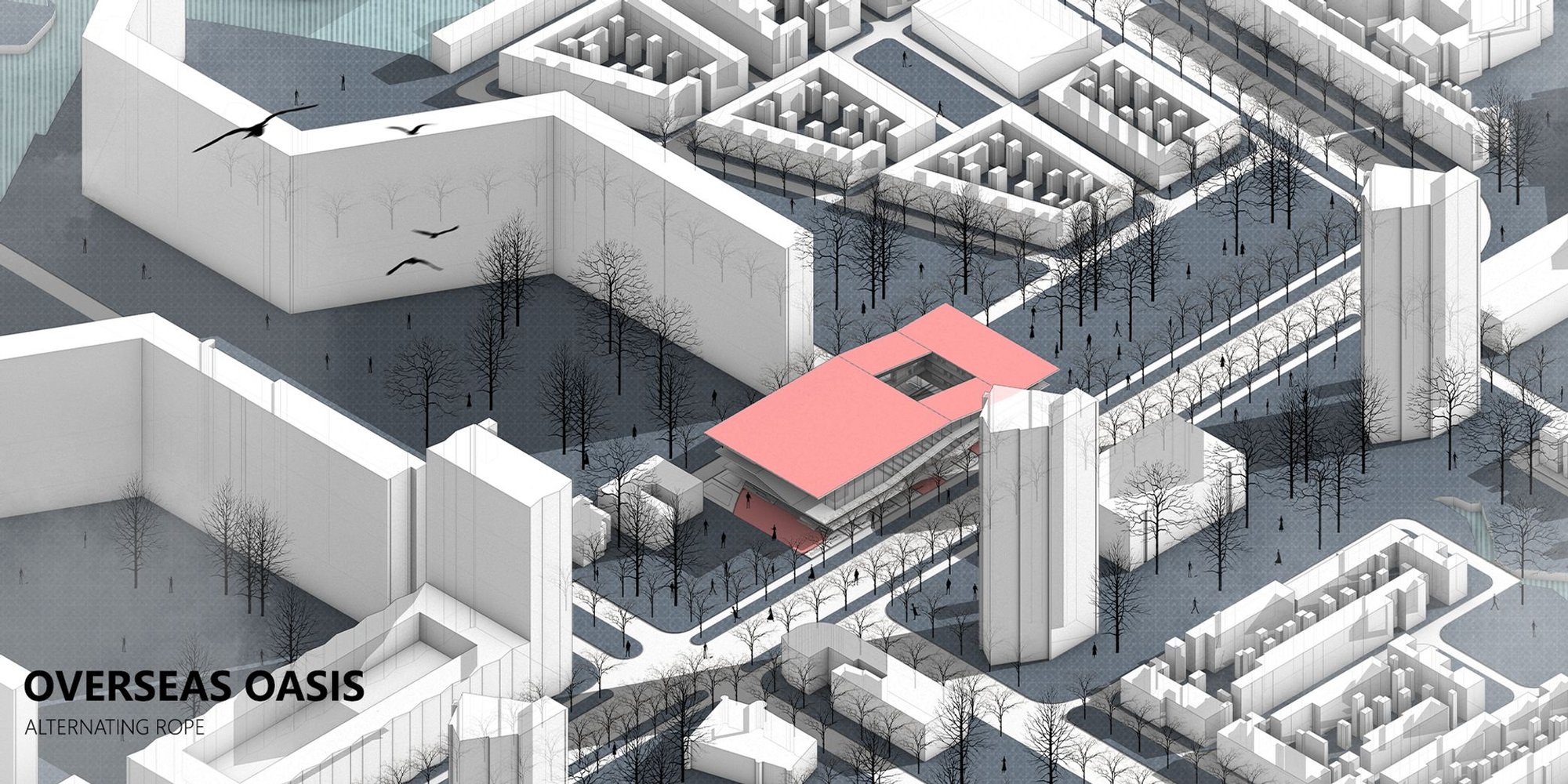
In the heart of urban design, where the fabric of community interaction intertwines with the pulse of city life, stands the "Overseas Oasis" - an architectural feat by Desen An and Lv Chunxiao that exemplifies the pinnacle of Sustainable Community Architecture. This award-winning design has woven the concept of the 'interaction rope' into its very essence, symbolizing a nexus of connection and interaction that is both tactile and intangible. In this deep dive, we explore the multifaceted layers of this project and its harmonious balance with sustainability, culture, and innovation.
The Concept of Connectivity
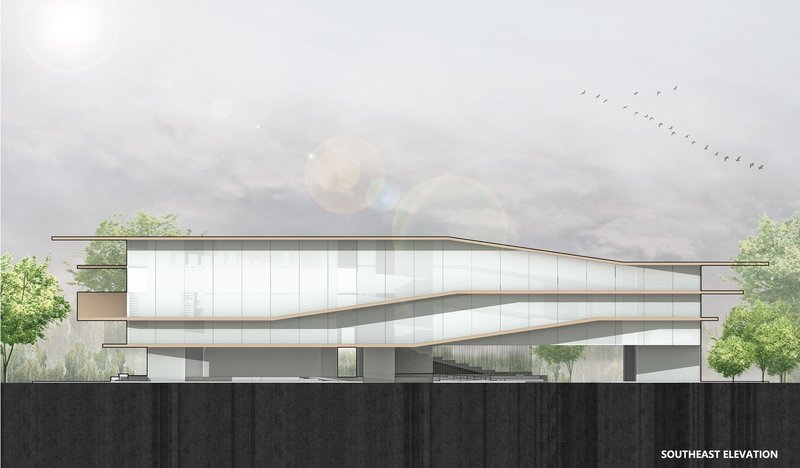
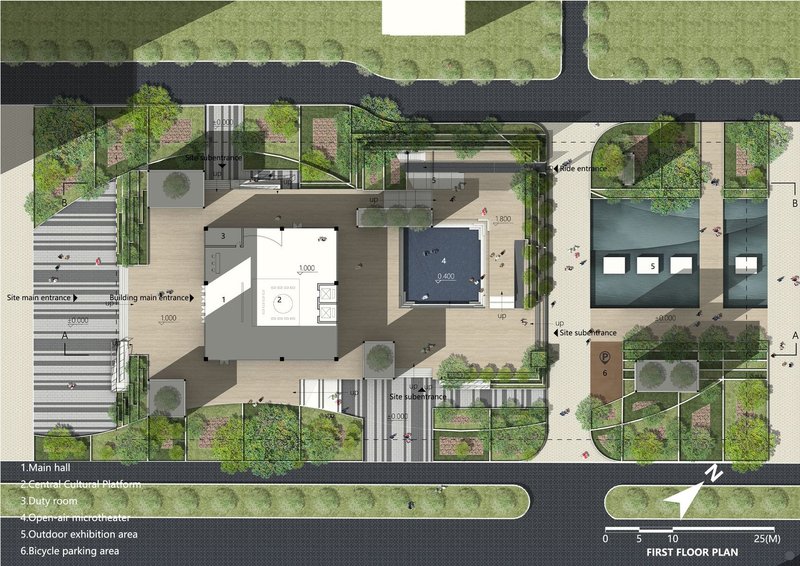
In "Overseas Oasis," every line drawn and space created serves a higher purpose of fostering connection. The designers chose the ‘interaction rope’ not merely as a theme but as a philosophical backbone for the project. This rope is not just a physical entity but represents an umbilical cord of sorts, drawing together objects, people, and spaces. The Sustainable Community Architecture integrates various communal spaces, such as open courtyards, full-height exhibition halls, and interconnected atriums, to facilitate a vibrant dialogue amongst its inhabitants.
Design in Detail
Harmonizing Space and Environment
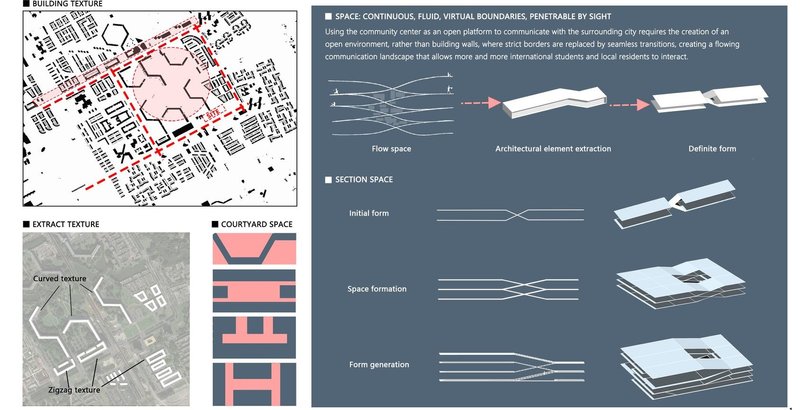
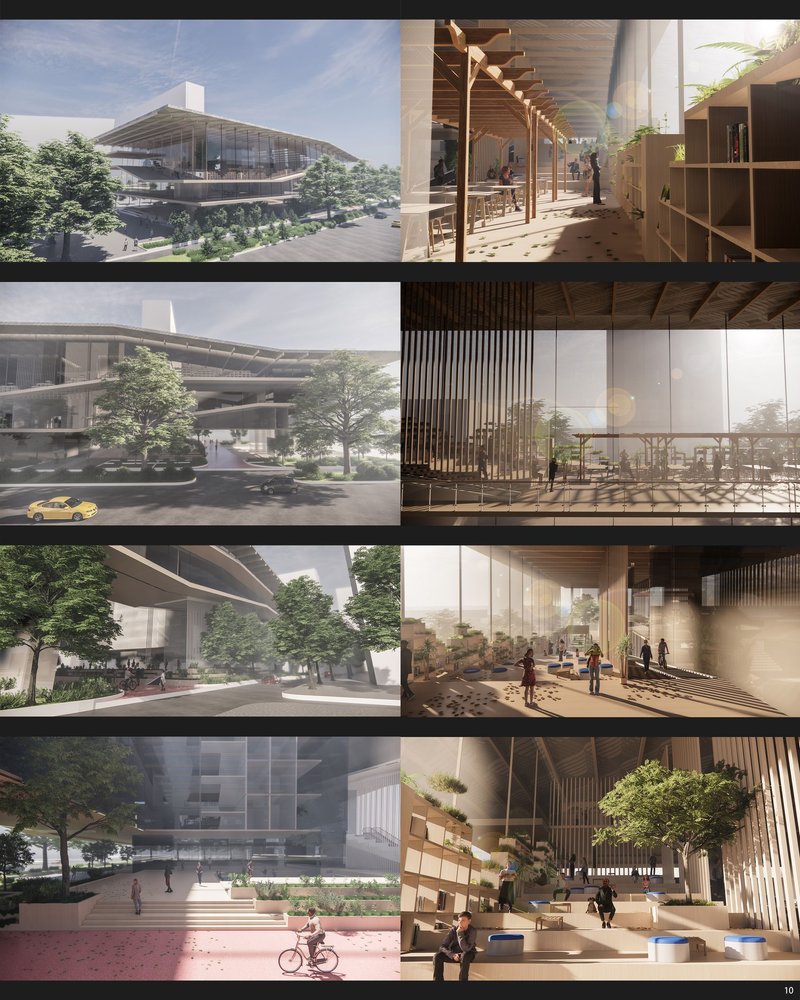
The project's general plan reveals an understanding of the importance of seamless transitions in modern architecture. Strict borders are eschewed in favor of fluid boundaries, evident in the overlapping layers of the building's facade. It is a rhythmic dance of function and form, an architectural expression that ebbs and flows like the 'interaction rope' it represents.
A Tapestry of Textures
The design meticulously extracts elements from its surroundings to create a textural tapestry that resonates with its locale. The zigzag texture, the curved forms, and the building's polygonal lines speak of a language that is both universal and deeply rooted in the site's historical and cultural context.
Lighting the Path of Interaction
The Sustainable Community Architecture makes strategic use of light and green spaces. The staggered arrangement of open and closed spaces allows for the organic play of light and ventilation, reducing energy consumption and enhancing the sensory experience within the community.
Sustainability at Its Core
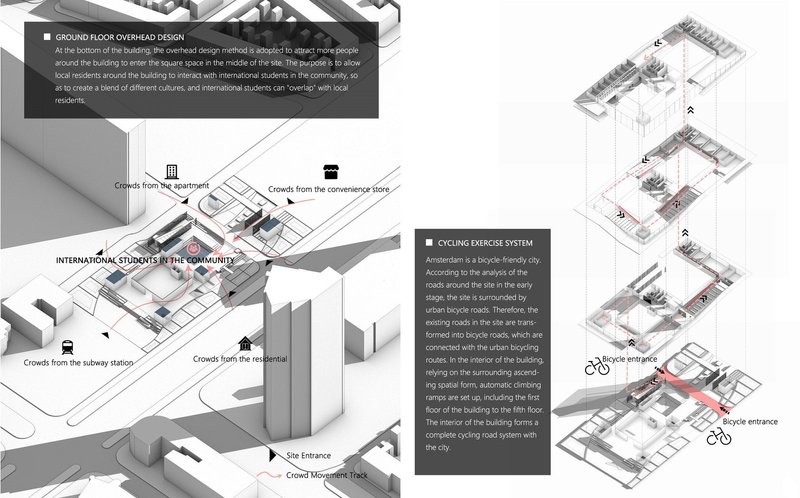
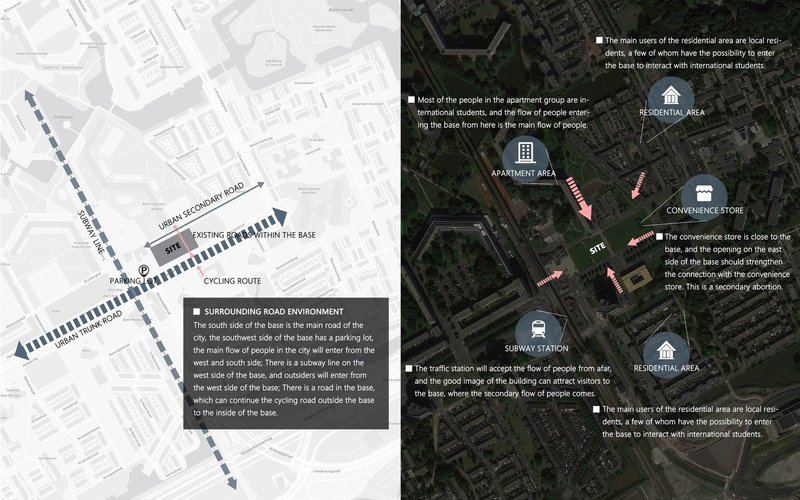
Sustainability is not an afterthought but the core of the "Overseas Oasis." From the choice of sustainable building materials to energy-efficient designs, every aspect of the project underscores an unwavering commitment to green architecture. The inclusion of urban bicycle roads, automated climbing ramps, and an elevated ground floor design encourages a low-carbon lifestyle among residents.
Culturally Inclusive Spaces
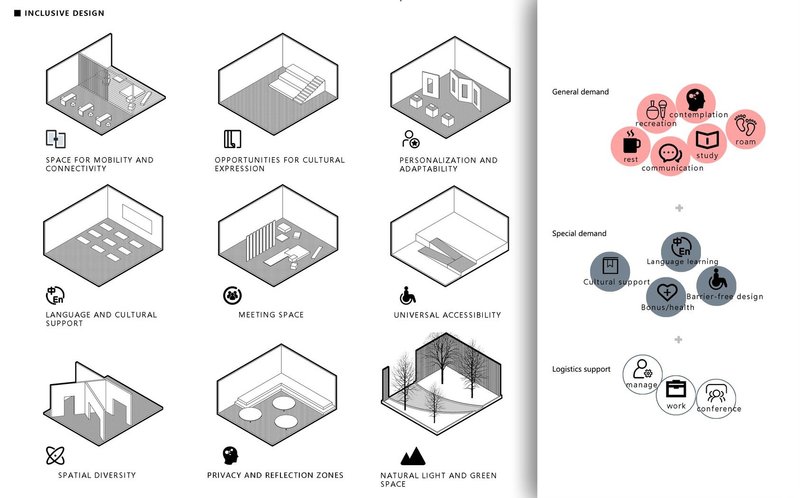
"Overseas Oasis" is a melting pot of cultures, a celebration of diversity that is reflected in every corner of the community. Spaces for mobility and connectivity, language and cultural support, and opportunities for cultural expression are intentionally designed to promote inclusivity.
Dynamic Space for a Dynamic Community
Acknowledging that the international student community is ever-evolving, the design integrates flexible and dynamic spaces capable of adapting to the changing needs. Smart home systems, virtual learning environments, and social online tools are woven into the community's fabric, ensuring it remains at the forefront of technological advancement.
The "Overseas Oasis" stands as a testament to Sustainable Community Architecture, pushing the boundaries of design and functionality. It is more than just a habitat for international students; it is a beacon of community spirit and environmental consciousness. As we step into an era where architecture shapes society as much as it is shaped by it, projects like "Overseas Oasis" pave the way for a future where buildings breathe life into communities and not just house them.




Popular Articles
Popular articles from the community

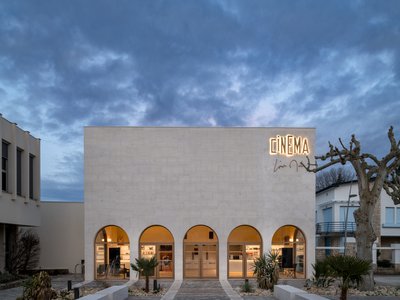
Louis Malle Cinema: A Limestone Cultural Landmark Revitalizing Community Life in Prayssac
Limestone cinema extension with public forecourt, blending heritage and modern design to create flexible cultural spaces and strengthen community interaction.
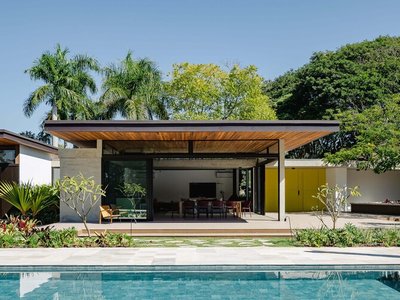
Flamboyant House by Juliana Camargo + Prumo Projetos
Modern Brazilian house integrating existing tree, pool, and volumes with glass, wood, and transitional spaces blending interior, exterior, and landscape seamlessly.
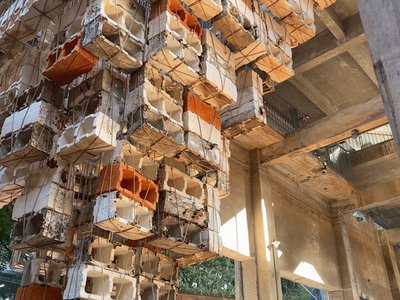
Inverted Architecture Installation by Studio Link-Arc: Exploring the Intersection of Architecture and Living Organisms
Inverted Architecture Installation by Studio Link-Arc blends mycelium, sustainability, inverted design, ecological cycles, and urban adaptive architecture in Shenzhen.
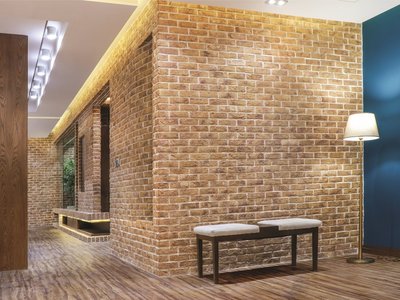
A Contemporary Take on Iranian Residential Architecture
A modern interior design in Mashhad that reinterprets brick, light, and spatial flow to create a warm, contemporary residential architecture.


Similar Reads
You might also enjoy these articles


The Ken Roberts Memorial Delineation Competition (Krob)
As the most senior architectural drawing competition currently in operation anywhere in the world, it draws hundreds of entries each year, awarding the very best submissions in a series of medium-based categories.
A Contemporary Take on Iranian Residential Architecture
A modern interior design in Mashhad that reinterprets brick, light, and spatial flow to create a warm, contemporary residential architecture.
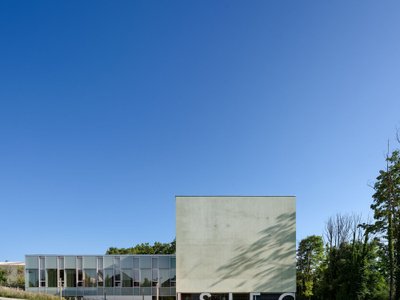
Franche-Comté Advanced School of Engineering by Dominique Coulon & associés, Besançon
A flexible engineering school immersed in woodland, combining concrete minimalism, adaptable spaces, and natural light to support evolving educational environments.


Documentation Work on Buddhist Wooden Temple
Architectural syncretism and cultural hybridity: A comparative study of the Buddhist temples in Chattogram Hill tracks
Explore Architecture Competitions
Discover active competitions in this discipline




The International Standard for Design Portfolios


The Global Benchmark for Architecture Dissertation Awards


The Global Benchmark for Graduation Excellence


Challenge to reimagine the Iron Throne
Comments (0)
Please login or sign up to add comments
No comments yet. Be the first to comment!