

Sustainable Convention Center Design: A Case Study of the Moscone Center Expansion
This article explores the Moscone Center Expansion, highlighting its sustainable design and LEED Platinum certification in urban architecture.


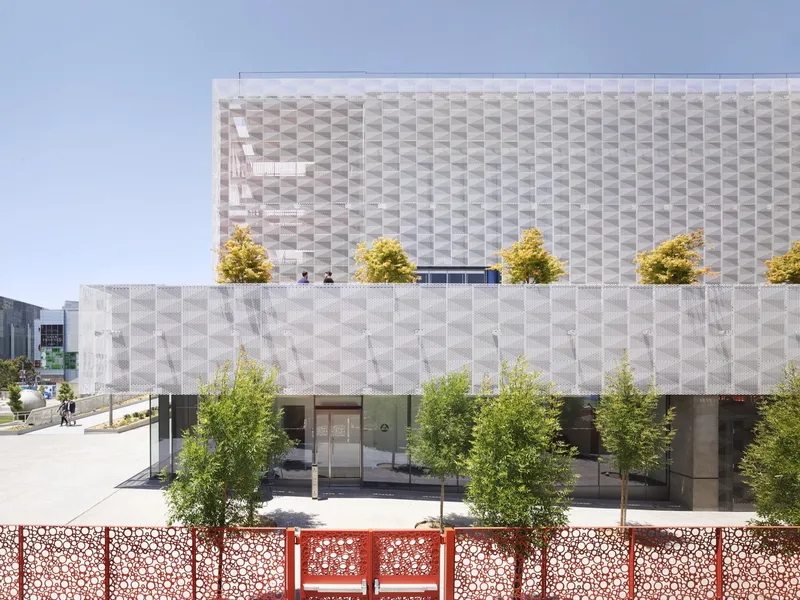
The recent expansion of the Moscone Center in San Francisco exemplifies cutting-edge sustainable convention center design. Led by the architectural expertise of Skidmore, Owings & Merrill along with Mark Cavagnero Associates, this project showcases how large-scale facilities can operate with a minimal environmental footprint. Completed in 2019, the Moscone Center spans nearly 20 acres and integrates advanced sustainable technologies and design principles, making it a beacon of sustainability in urban architecture.
Architectural Design and Sustainability
Overview of the Design Approach
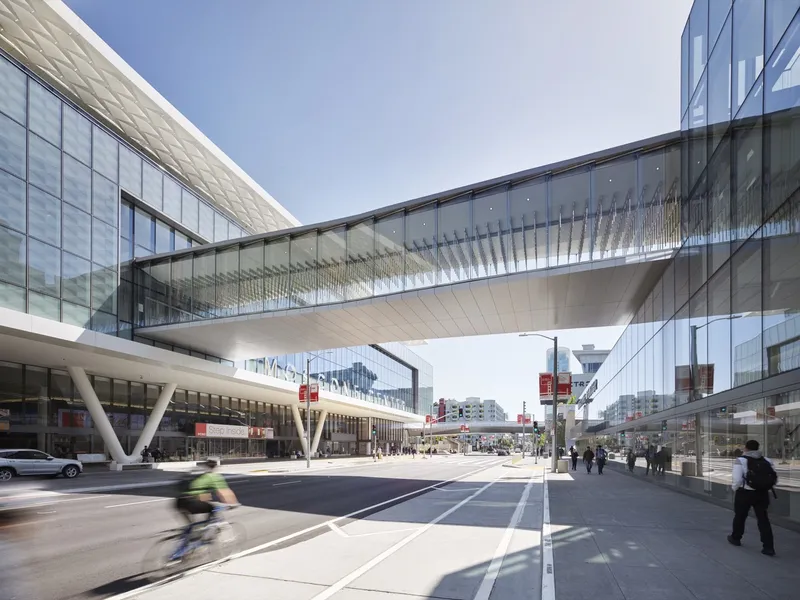
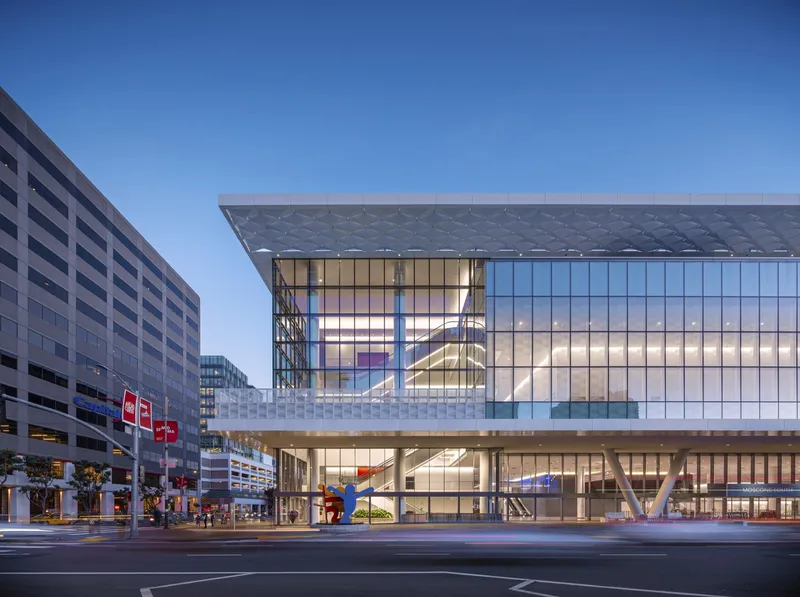
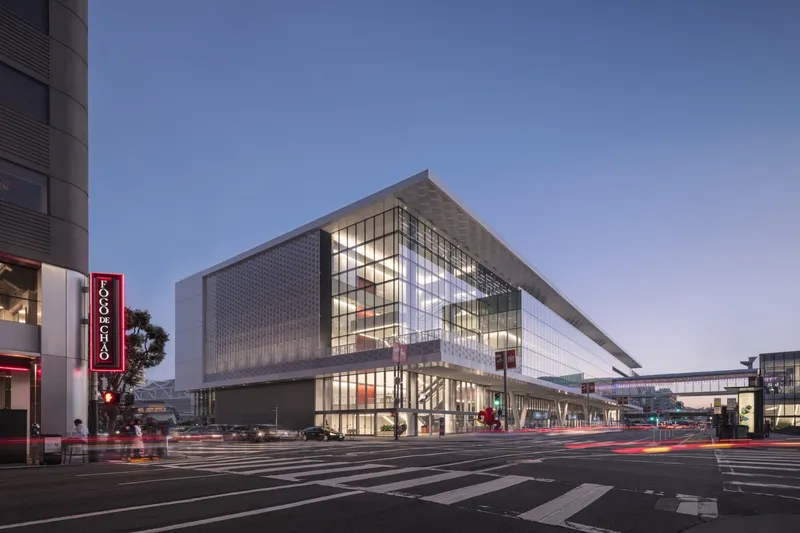
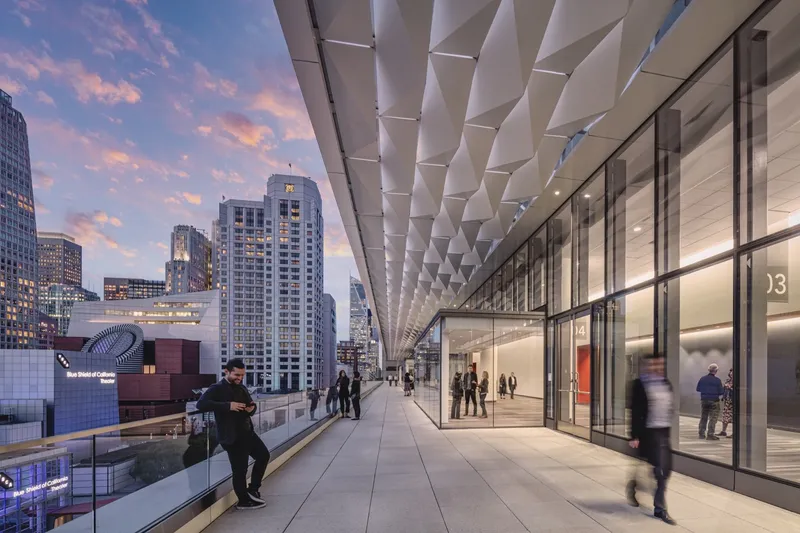
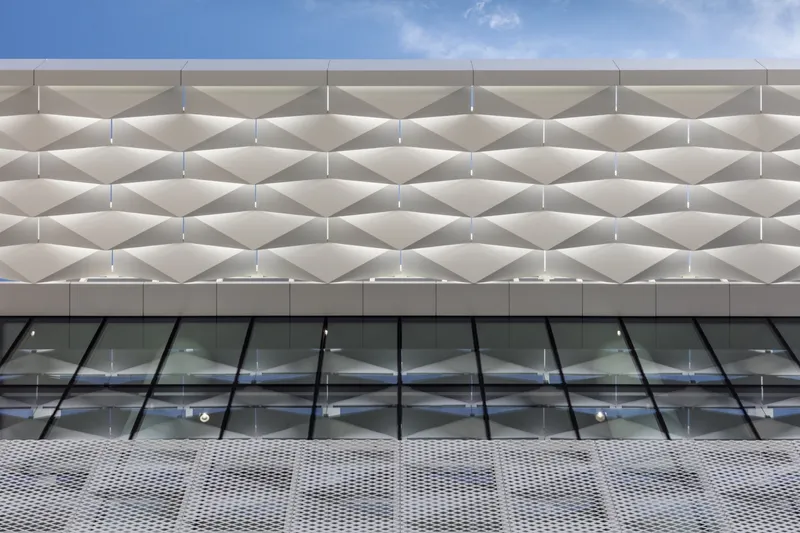
The design of the Moscone Center expansion focuses on maximizing natural light and promoting energy efficiency. The exterior features a clear horizontal form that floats above the ground, framed in white metal and infilled with transparent and fritted glazing. This design choice not only enhances the aesthetic appeal of the building but also reduces the need for artificial lighting, thus conserving energy.
Integration of Sustainable Materials and Technologies
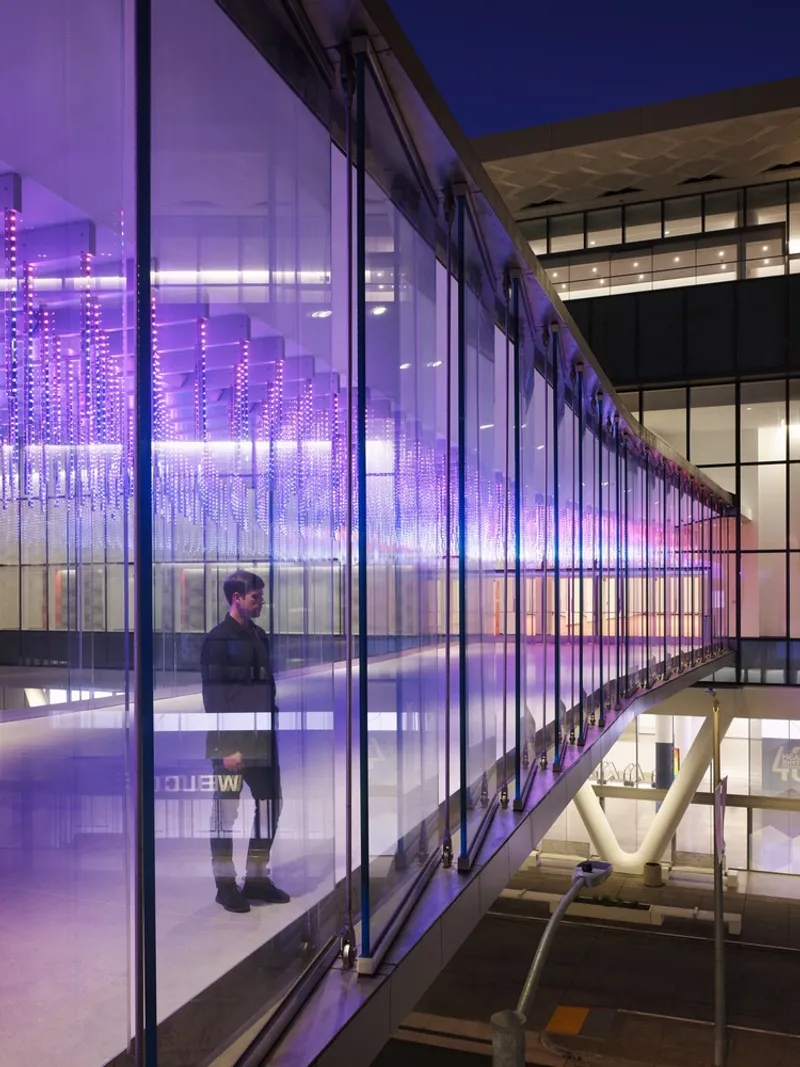
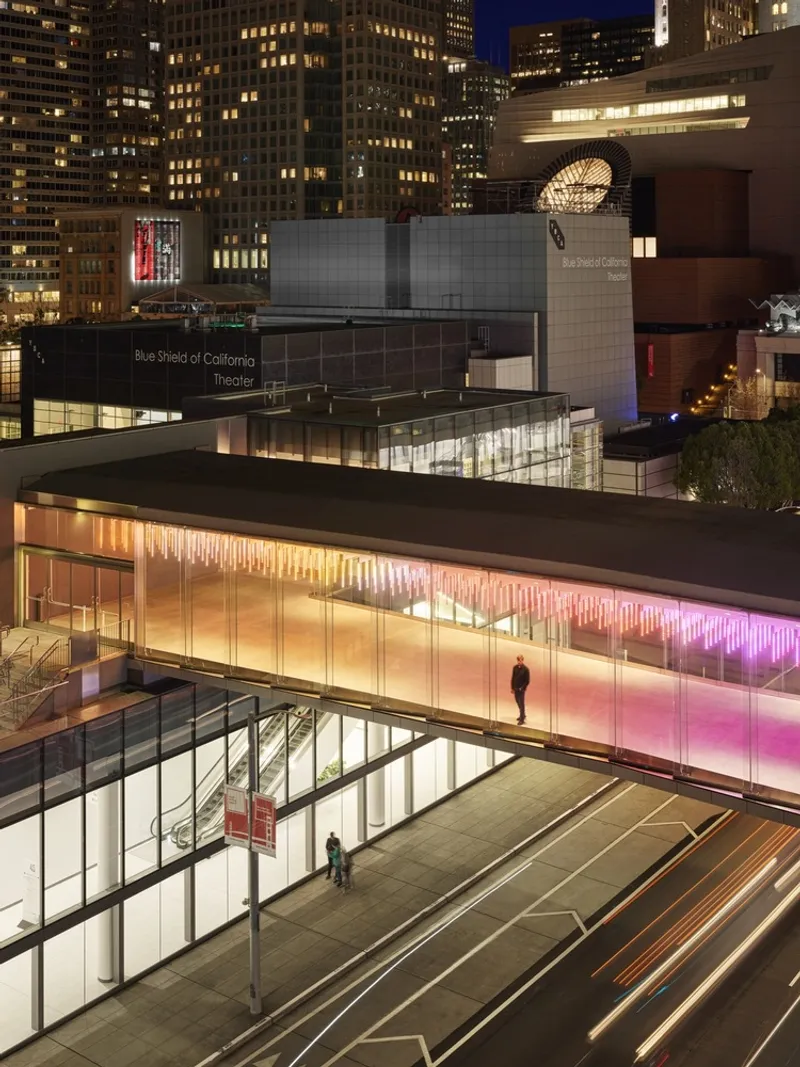
The Moscone Center incorporates environmentally friendly materials and state-of-the-art technologies. It boasts the largest rooftop solar panel array in San Francisco, which supplies nearly 20 percent of the center's energy needs. The use of vertically folding operable walls and terrazzo flooring contributes to the building's overall energy efficiency and sustainability.
LEED Platinum Certification and Environmental Impact
Achieving High Standards in Sustainability
The Moscone Center is distinguished as the only convention space in the nation to achieve LEED Platinum certification, the highest rating available from the Leadership in Energy and Environmental Design (LEED) building certification program. This certification underscores the center's commitment to environmental stewardship and sustainable building practices.
Sustainable Water Management Systems
A key feature of the Moscone Center’s sustainability initiative is its advanced water management system. The center employs an aggressive groundwater and grey water system, reducing its overall water usage. This system not only meets the center's needs but also contributes to the irrigation of nearby Yerba Buena Gardens and supports the city’s street cleaning fleet.
The Role of Sustainable Design in Enhancing Community and Visitor Experience
Transparency and Community Engagement
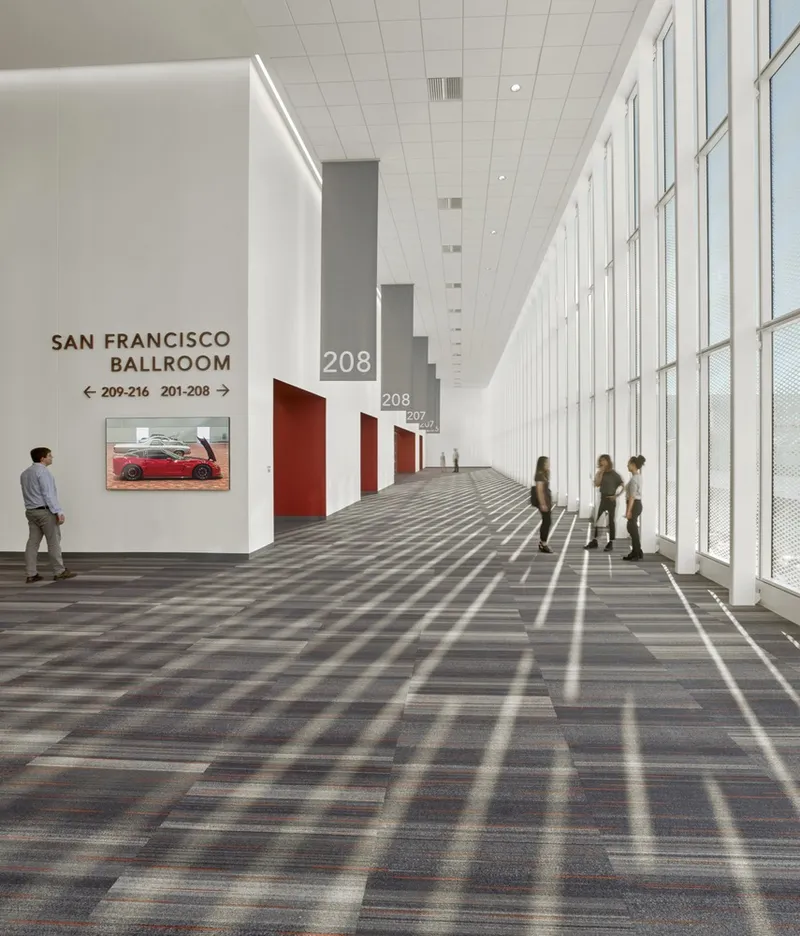
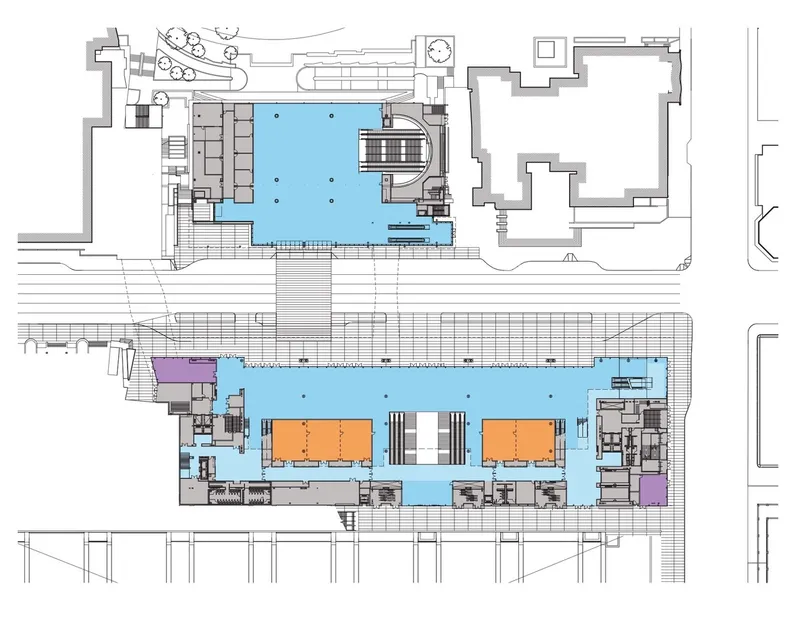
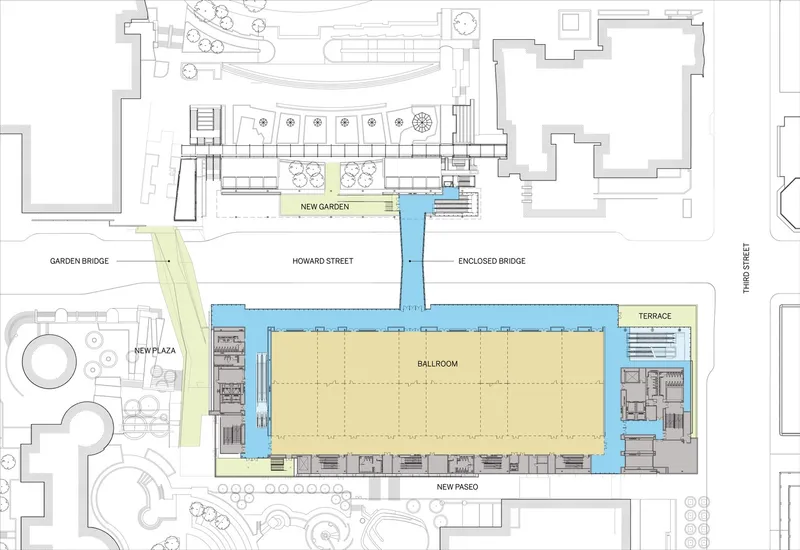
The ground level of the Moscone Center has been redesigned to engage more openly with the community. By enhancing sidewalk transparency and accessibility, the center fosters a more inclusive environment for visitors and residents alike. Inside, the expansive and light-filled atrium provides a welcoming space for various events, further emphasizing the center's role in community building.
Views and Aesthetics
The design also focuses on creating visual connections with the surrounding cityscape. The new terraces and the luminous sculptural roof offer panoramic views of the San Francisco skyline, integrating the building more fully with the city's cultural and visual context.
The Moscone Center’s expansion is a prime example of how sustainable convention center design can achieve environmental goals while also enhancing urban spaces and community engagement. As cities continue to grow and seek sustainable solutions, the principles demonstrated by the Moscone Center provide valuable insights into the future of architectural design in urban environments.
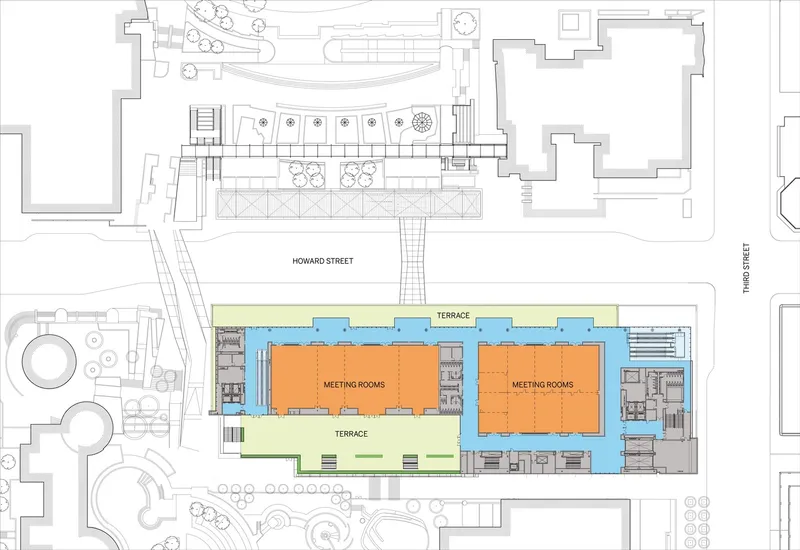
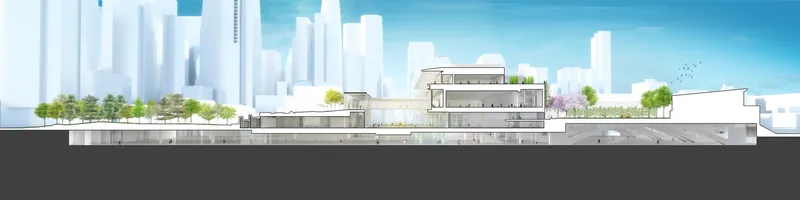
All the photographs are work of Matthew Millman, Tim Griffith, Cesar Rubio


Popular Articles
Popular articles from the community

Cloaked Colonization: A Mobile Underwater Habitat That Moves Like a Fish
Micah Abaya's shortlisted EHC Pacific entry reimagines ocean settlement as a dispersed network of self-sustaining architectural organisms.

Tsunami Convergenics: Turning Catastrophic Ocean Forces into Underwater Housing Infrastructure
A speculative underwater settlement off the coast of Onagawa, Japan, treats tsunamis and typhoons as energy sources rather than threats.

Temporary Home for Dogs: A Reversed Zoo Rethinks Animal Shelter Architecture
In Bucharest, a sinuous corridor and freed landscape flip the logic of containment, designing a shelter that works to make itself unnecessary.

Extended Shell: Retrofitting Kolkata's Balconies as Living Urban Thresholds
A modular retrofit system recovers the social and environmental intelligence of Kolkata's historic verandas for contemporary Park Street residents.

Similar Reads
You might also enjoy these articles

Maya Harvest: A Cacao Resort Village Rooted in Mayan Tradition and Local Craft
Situated within a Tabasco cacao plantation, this shortlisted resort proposal merges vernacular materials with hands-on cultural immersion.
Harmonia: A River-Shaped Community That Grows Over Decades in Boa Vista
Curved pathways and modular grid structures along the Branco River create a phased settlement designed to evolve from 2030 to 2050.

The Architecture of Bathing: A Mughal Hammam Reimagined Across the Yamuna
Charlotte May's honorable mention entry for The Black Taj reinterprets Agra's bathing rituals through red sandstone, water, and framed views of the Taj Mah
Om-1: A Wall-Hung System That Moves Your Workspace Off the Desk
Modular plywood boards, magnetic pegs, and utility elements migrate clutter from the horizontal surface to the vertical plane.

Explore Public Building Competitions
Discover active competitions in this discipline

Challenge to design locus for the upliftment of human rights

Challenge to reimagine the Iron Throne

Photograph architecture without architects

Illustrate the lost glory of Angkor Wat - Render Challenge
Comments (0)
Please login or sign up to add comments
No comments yet. Be the first to comment!