
Sustainable Hospital Design: How JSW Sanjeevani Multispeciality Hospital Pioneers Green Architecture
Explore how JSW Sanjeevani Hospital integrates sustainable architecture to enhance healthcare and promote environmental stewardship in Maharashtra, India.


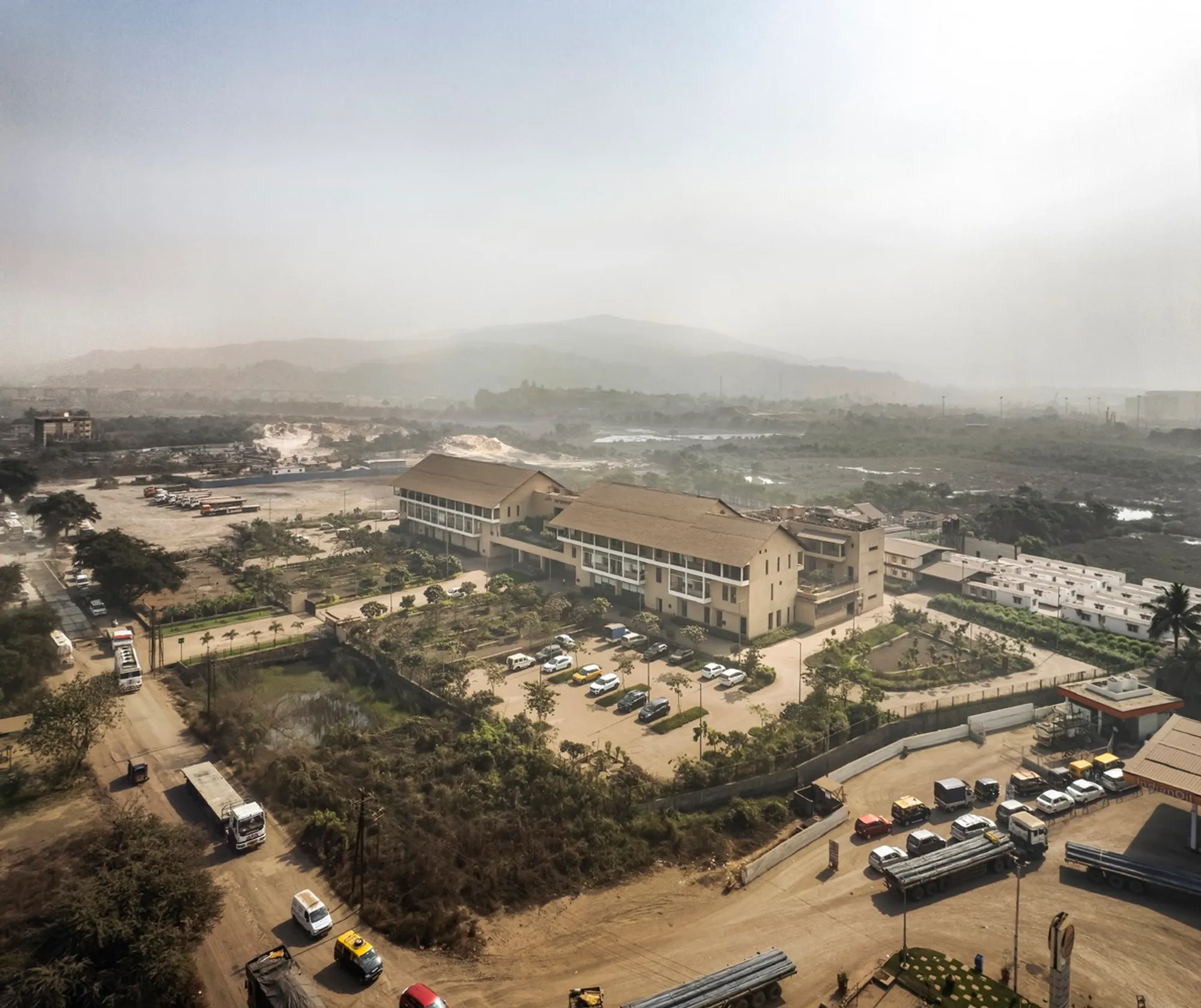
In the quaint village of Dolvi, Maharashtra, stands a beacon of innovation and sustainability – the JSW Sanjeevani Multispeciality Hospital. Designed by SJK Architects and completed in 2021, this facility is not only a healthcare institution but also a model for sustainable hospital design. This article explores how the JSW Sanjeevani Hospital integrates green architectural practices to deliver a state-of-the-art healthcare facility that prioritizes patient well-being and environmental stewardship.


The Architectural Vision of JSW Sanjeevani Hospital
Eco-Friendly Design Features
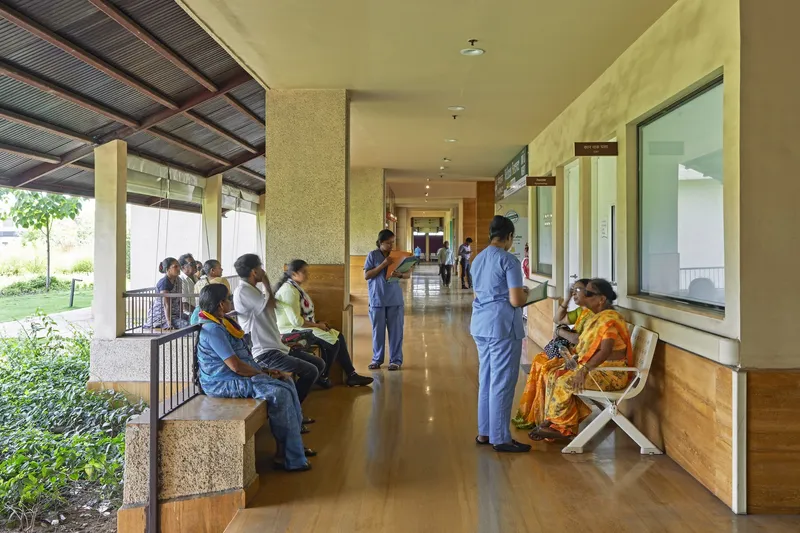
From its inception, the JSW Sanjeevani Hospital was envisioned to be a leader in sustainable hospital design. Covering an expansive area of 87,000 square feet, the hospital incorporates several passive design strategies aimed at enhancing thermal comfort and maximizing natural light. The north-facing clinical areas receive glare-free sunlight, optimizing the use of natural resources while reducing dependence on artificial lighting.


Innovative Use of Materials
The hospital’s construction includes highly insulating Autoclaved Aerated Concrete (AAC) block masonry, which significantly improves thermal efficiency. This choice of materials not only supports the building's temperature regulation but also contributes to a healthier indoor environment, crucial for a healthcare setting.


Integration of Nature and Art
Creating Healing Environments
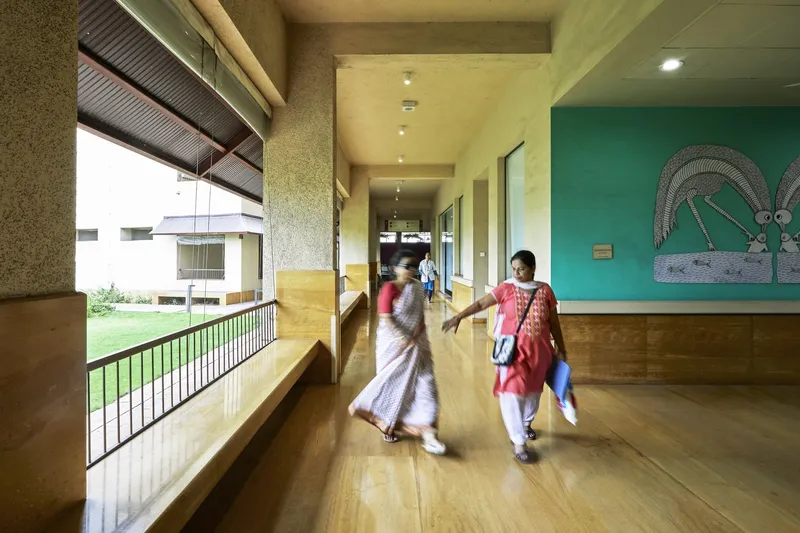
Unlike traditional hospital environments, JSW Sanjeevani emphasizes emotional well-being through its design. The hospital interiors are adorned with warm, earthy tones and traditional Indian murals, such as Gond and Kalamkari art, creating a comforting atmosphere for patients and visitors. The integration of art and nature is pivotal in transforming the hospital into a space that promotes healing and tranquility.


Landscaped Terraces for Social Well-Being
The hospital features several landscaped terraces that not only enhance the building's aesthetic but also provide spaces for social interaction among patients and visitors. These green spaces play a crucial role in patient recovery by offering serene environments that facilitate stress reduction and mental relaxation.
Sustainability in Practice
Energy Efficiency and Resource Management
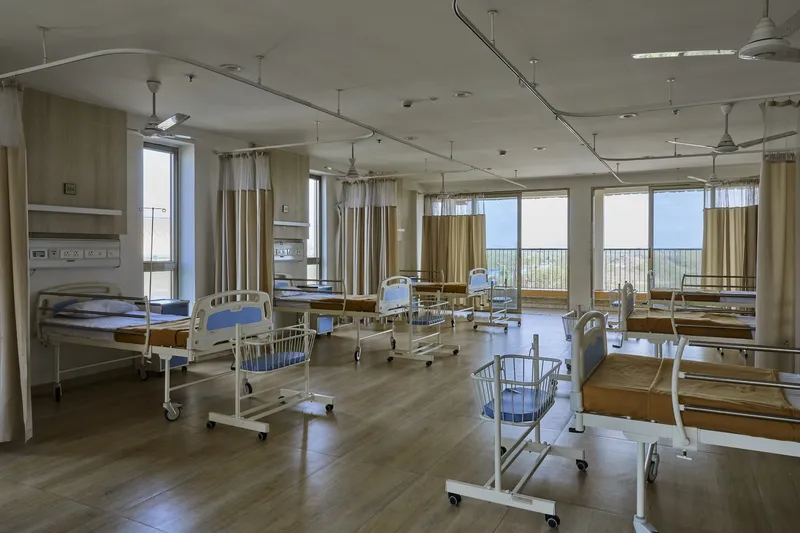
JSW Sanjeevani Hospital employs various energy-saving technologies, including a solar-powered hot water system and variable chilled water pumping. These initiatives significantly reduce the facility's carbon footprint. Additionally, the hospital’s comprehensive rainwater harvesting and greywater recycling systems underscore its commitment to sustainable water management.
Community Impact and Economic Sustainability
The hospital has had a profound impact on the local community by providing employment opportunities and reducing the need for residents to travel long distances for quality healthcare. With future expansions planned, including a nursing college, JSW Sanjeevani is set to further its role as an economic catalyst in the region.

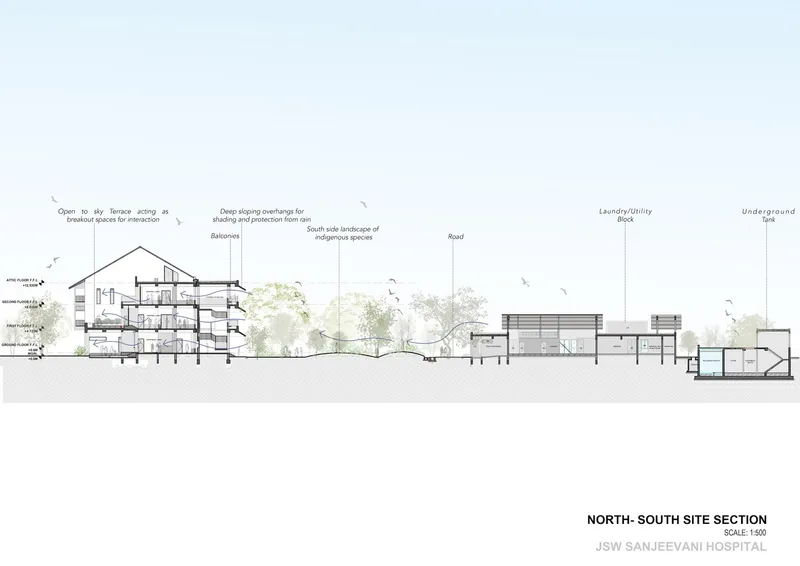
The JSW Sanjeevani Multispeciality Hospital is a prime example of how sustainable hospital design can effectively merge healthcare with environmental responsibility. Through its thoughtful design and sustainable practices, the hospital stands out as a model for future healthcare facilities worldwide. By focusing on both patient care and environmental impact, JSW Sanjeevani sets a new standard in the field of hospital architecture.


All photographs are work of Rajesh Vora, Niveditaa Gupta




Popular Articles
Popular articles from the community


The Ocean Hive: Sustainable Architecture for a Self-Sufficient Civilization at Sea
The Ocean Hive imagines sustainable architecture at sea, where modular habitats, algae, wave power and ocean waste sustain a growing colony.

The Musturak Paradise: Senior Living Architecture for a Connected Future in Temara, Morocco
The Musturak Paradise reimagines senior living architecture in Temara via private homes, social spaces, culture, community, and shared care.

Co-Life: Senior Housing Design That Reconnects Older Adults With the City
Co-Life reimagines senior housing design through healing gardens, shared streets, workshops, and a sustainable community across generations.

The Earth Pod: 3D Printed Homes for Resilient Refugee Communities
The Earth Pod reimagines refugee housing through 3D printed homes made from clay, combining resilience, self-sufficiency, and rapid shelter.


Similar Reads
You might also enjoy these articles


FAMM Arquitectura Organizes Ten Villas Around Courtyards and Jungle in Nosara, Costa Rica
El Molino pairs two elongated volumes with deep overhangs and timber louvers to build a compact coastal community five minutes from the beach.

Oscar Niemeyer's Ibirapuera Park Pavilions Define São Paulo's Cultural Identity in Concrete and Curve
A constellation of modernist volumes set within São Paulo's most important urban park, conceived for the city's 400th anniversary in 1954.
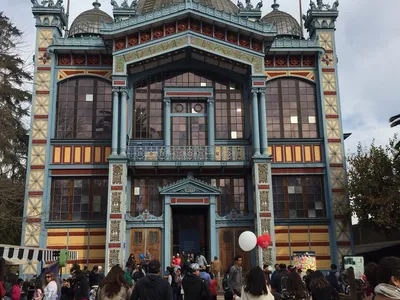
How Henri Picq's 1889 Paris Pavilion Traveled 11,000 Kilometers to Become Santiago's Artequín Museum
A prefabricated iron and glass pavilion built for the Paris Universal Exposition found a second life as a children's art museum in Chile.

Sanjay Puri Architects Wraps a Jaipur Office Tower in Capsule-Shaped Green Buffers
A nine-level climate-responsive workplace near Jaipur Airport uses stacked planter terraces and aluminium screens to fight 40°C heat.


Explore Hospitality Building Competitions
Discover active competitions in this discipline



Challenge to reimagine the Iron Throne


Photograph architecture without architects


Illustrate the lost glory of Angkor Wat - Render Challenge


Design challenge to reuse E-waste
Comments (0)
Please login or sign up to add comments
No comments yet. Be the first to comment!