
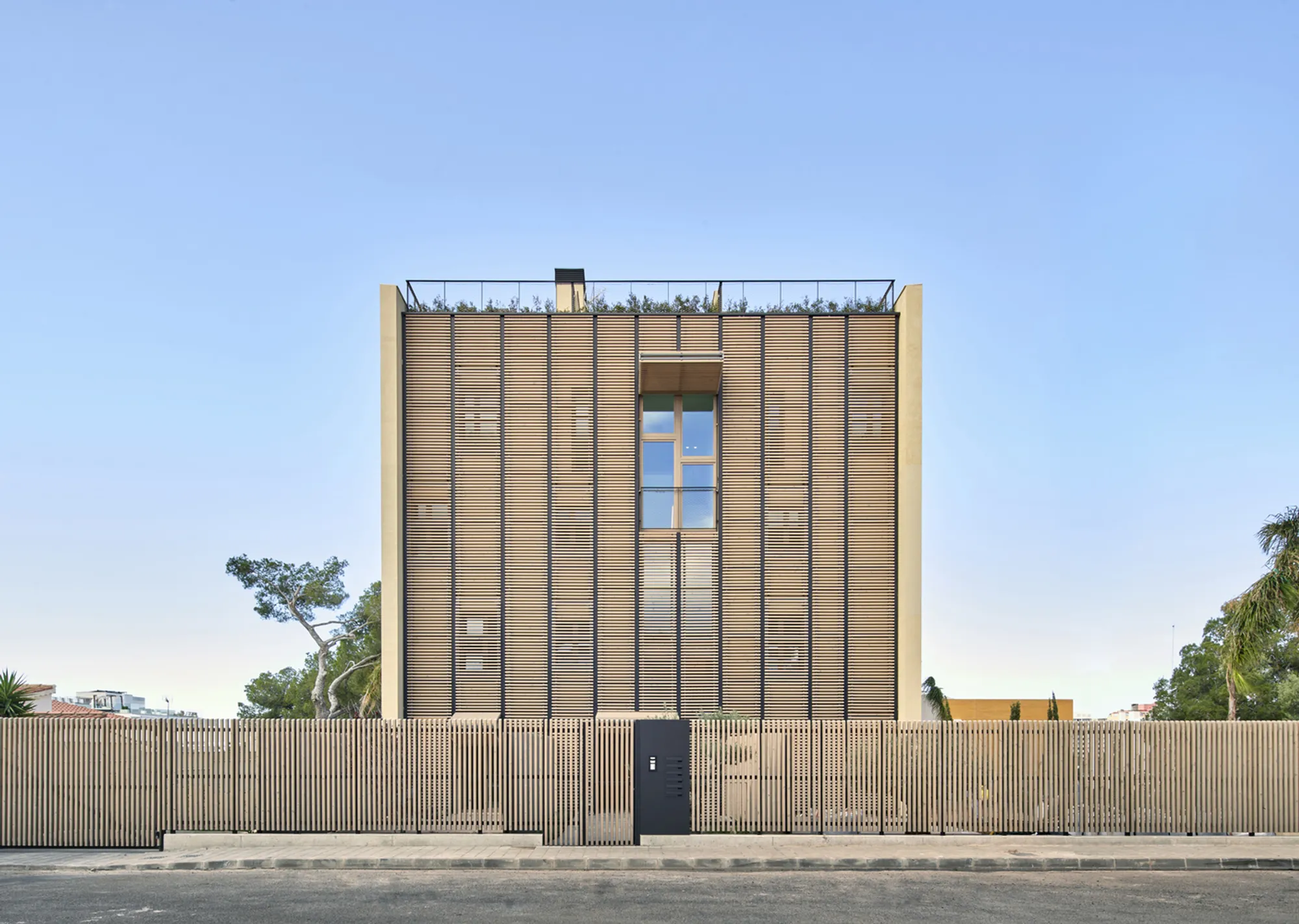
Sustainable Residential Architecture in Spain: The Paral·lel Building
The article explores the Paral·lel Building in Palma, highlighting its innovative sustainable architecture, energy efficiency, and use of local materials.


Sustainable Residential Architecture
Sustainable architecture is not just a trend but a necessity in the face of increasing environmental concerns and the need for energy-efficient buildings. Spain, with its rich history and vibrant Mediterranean culture, provides a unique backdrop for blending modern sustainable designs with traditional construction methods. One of the most remarkable examples of this trend is the Paral·lel Building in Palma, designed by the architectural firm OHLAB. Completed in 2023, the project offers innovative solutions that merge energy efficiency with aesthetic appeal, setting a new standard for residential architecture in Spain.
The Concept Behind the Paral·lel Building
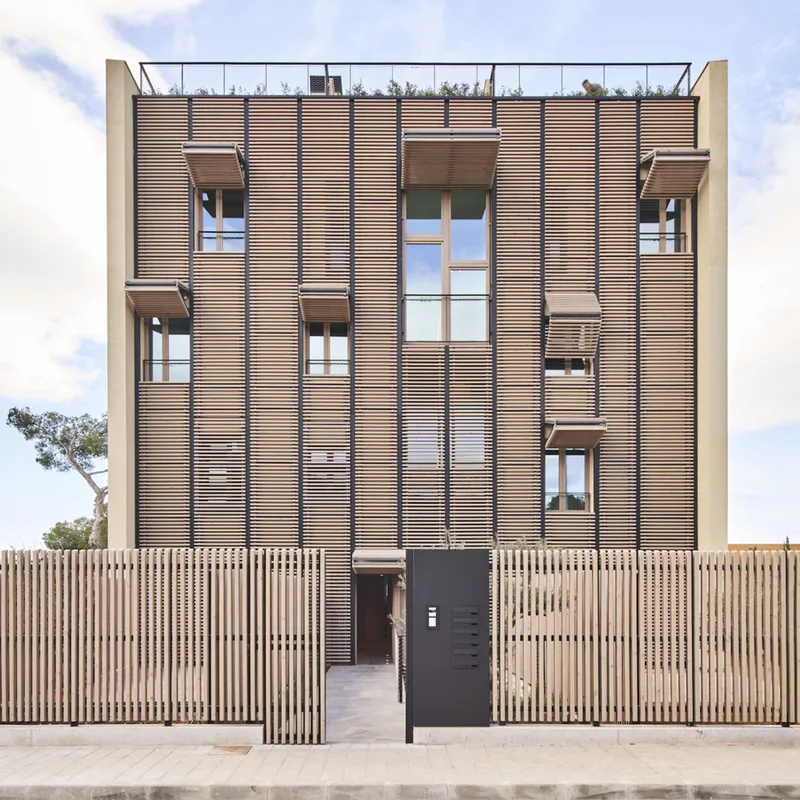
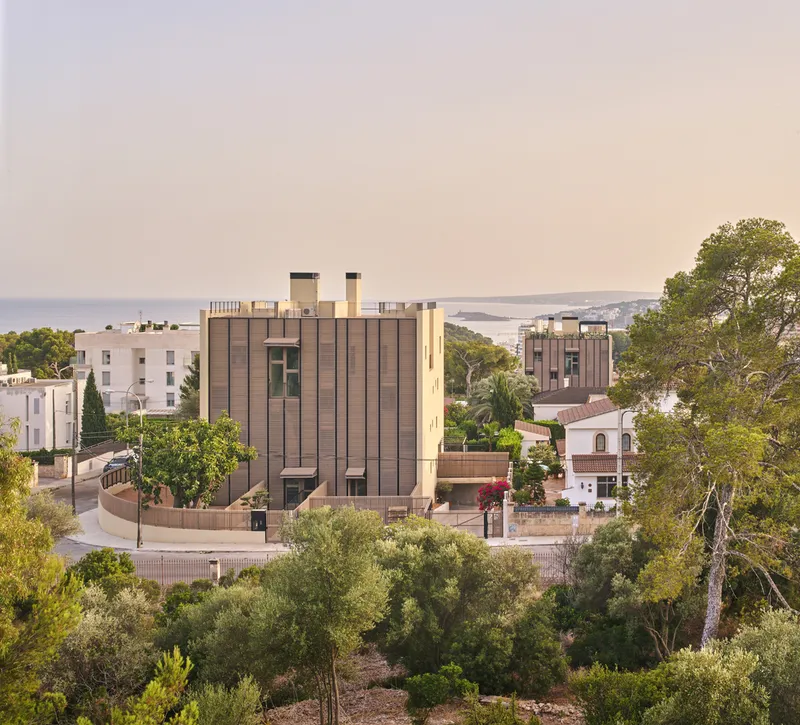
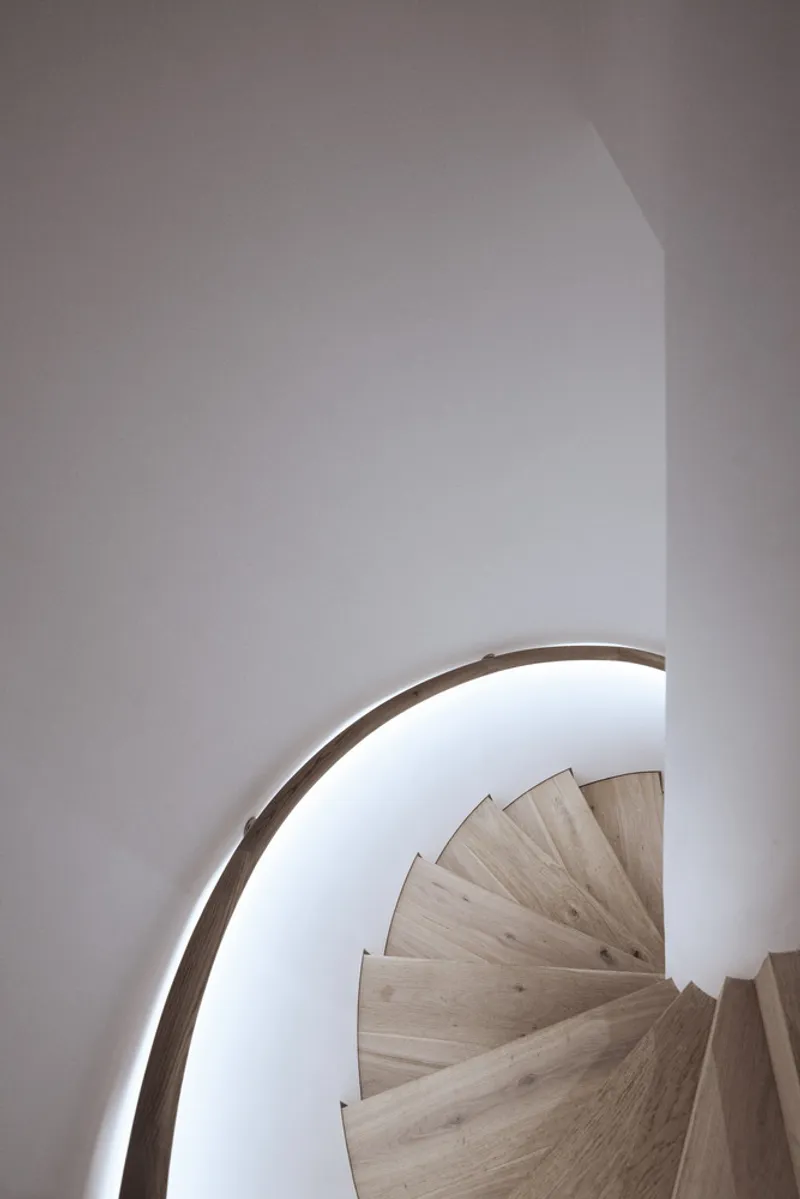
Located in the tranquil neighborhood of La Bonanova, Palma, the Paral·lel Building consists of two independent blocks, each housing six duplex apartments and six penthouses. Despite the compact nature of the project, OHLAB ensures that each unit maximizes privacy, energy efficiency, and access to natural light. The design cleverly incorporates sustainable residential architecture principles such as passive solar design, eco-friendly materials, and water conservation systems.
Innovative Design Features for Sustainability
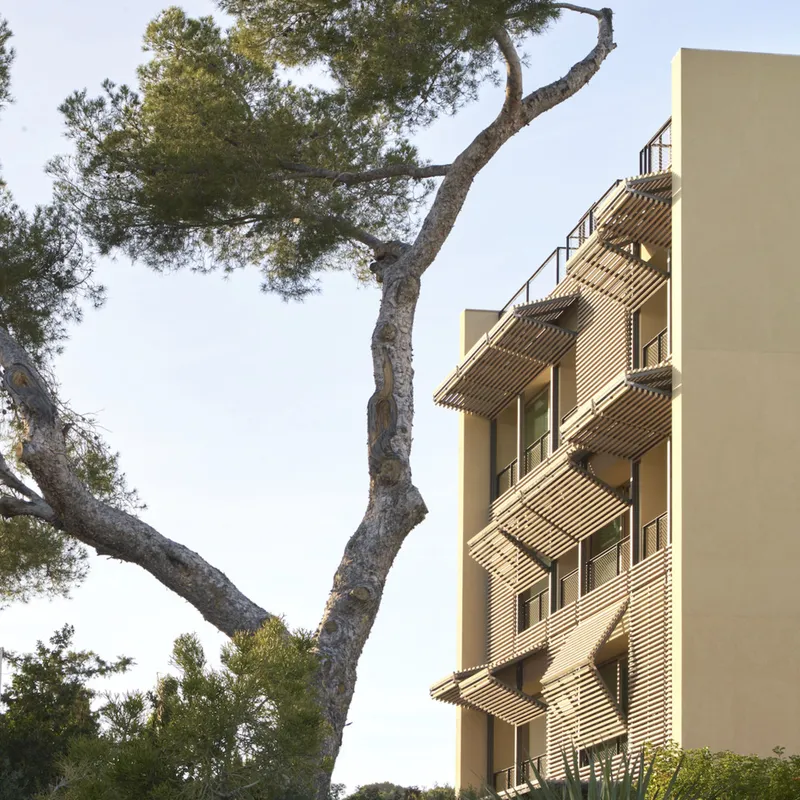
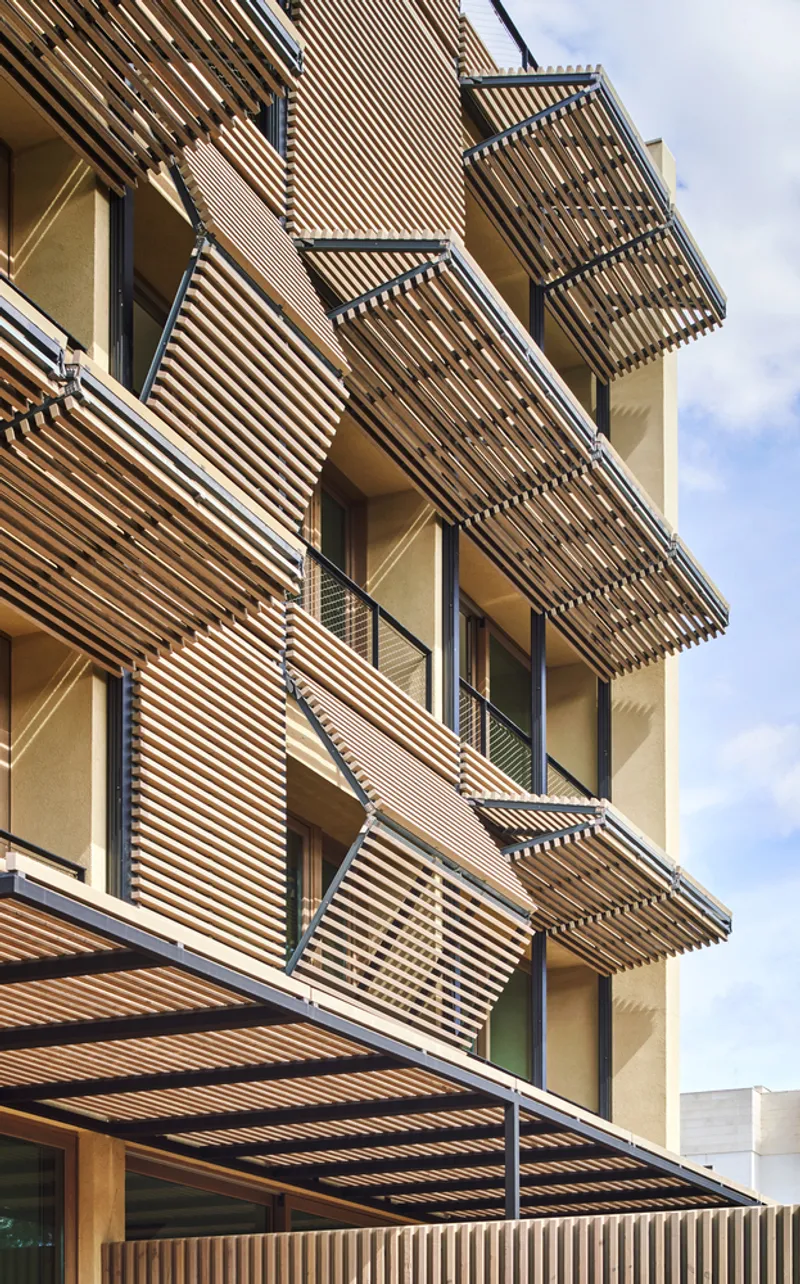
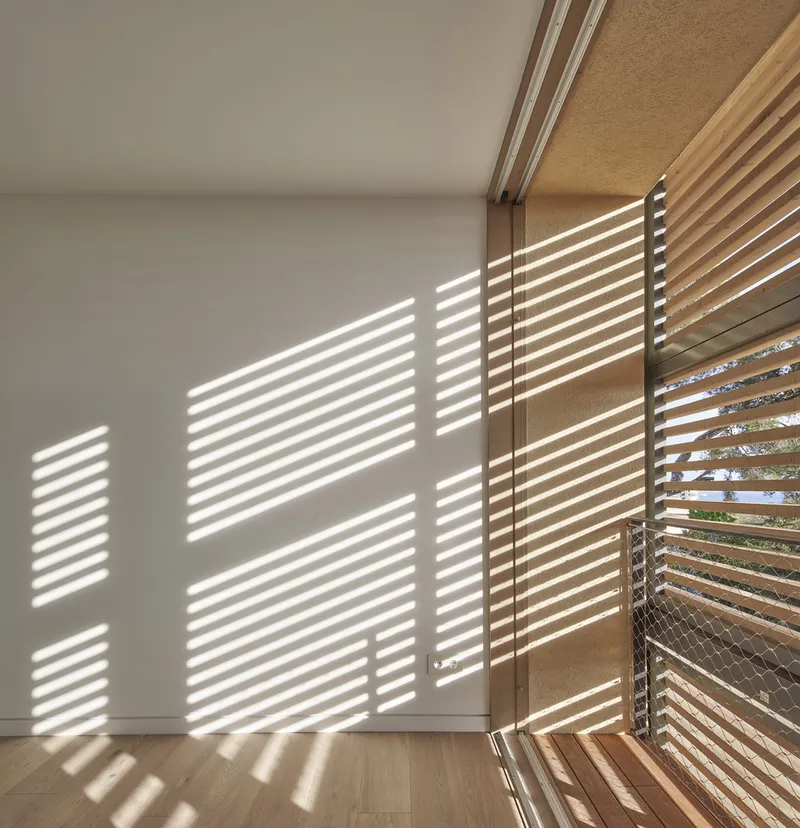
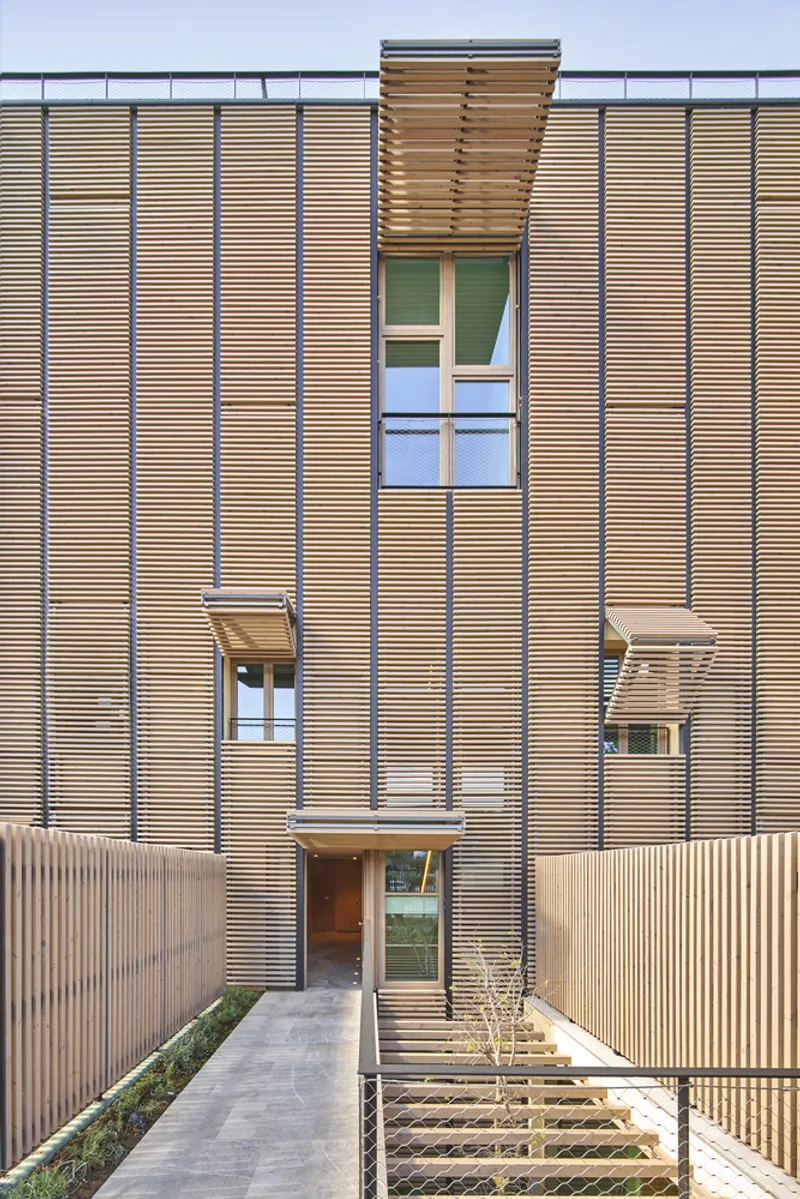
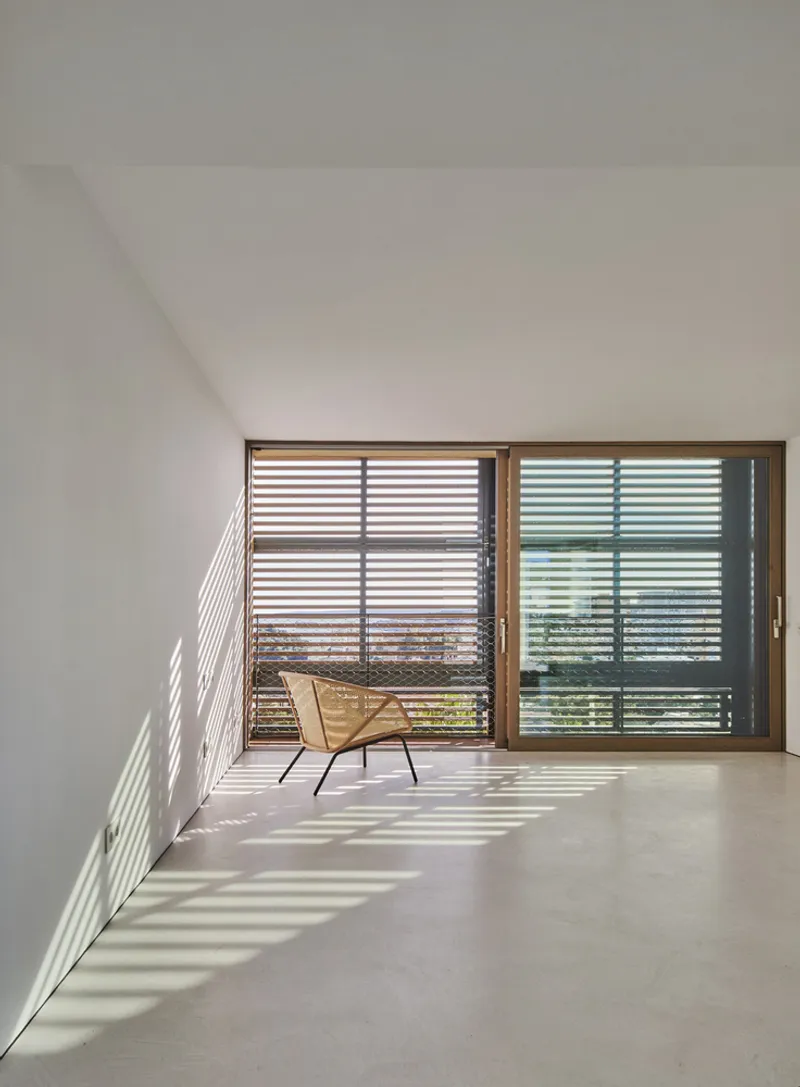
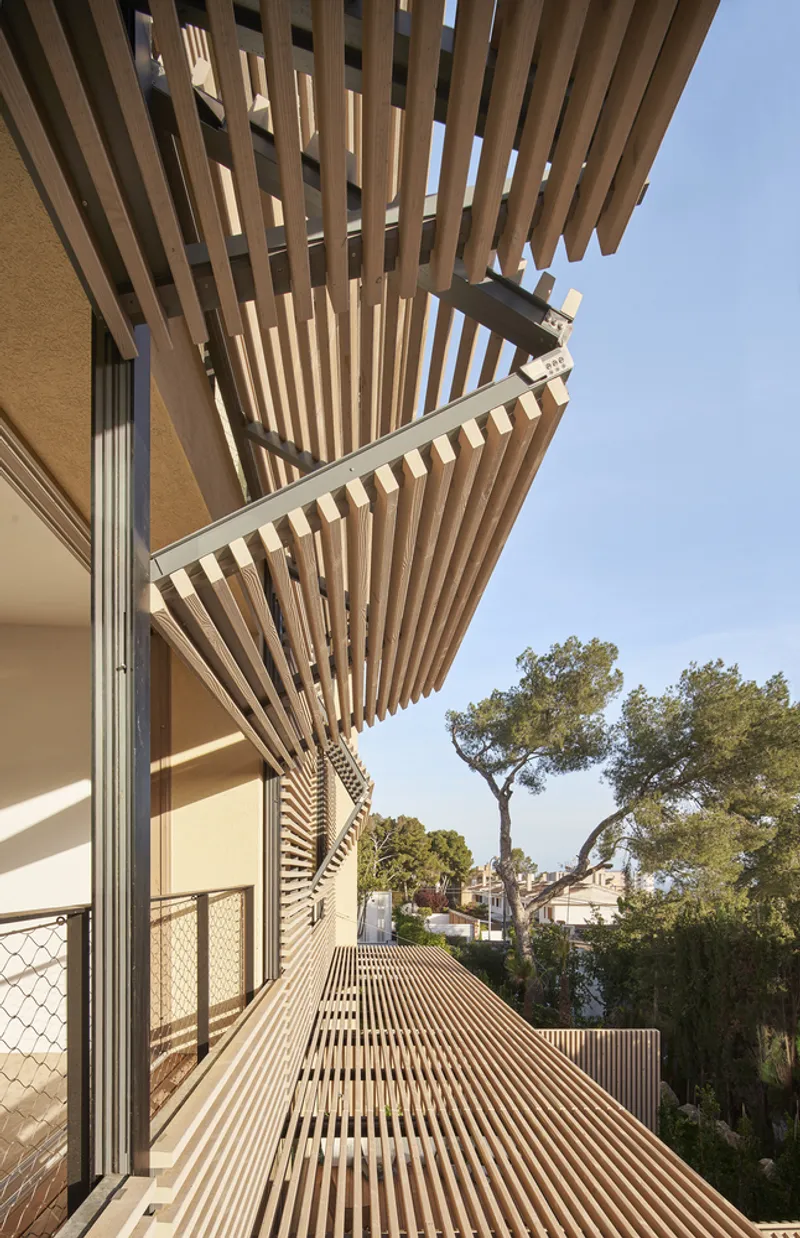
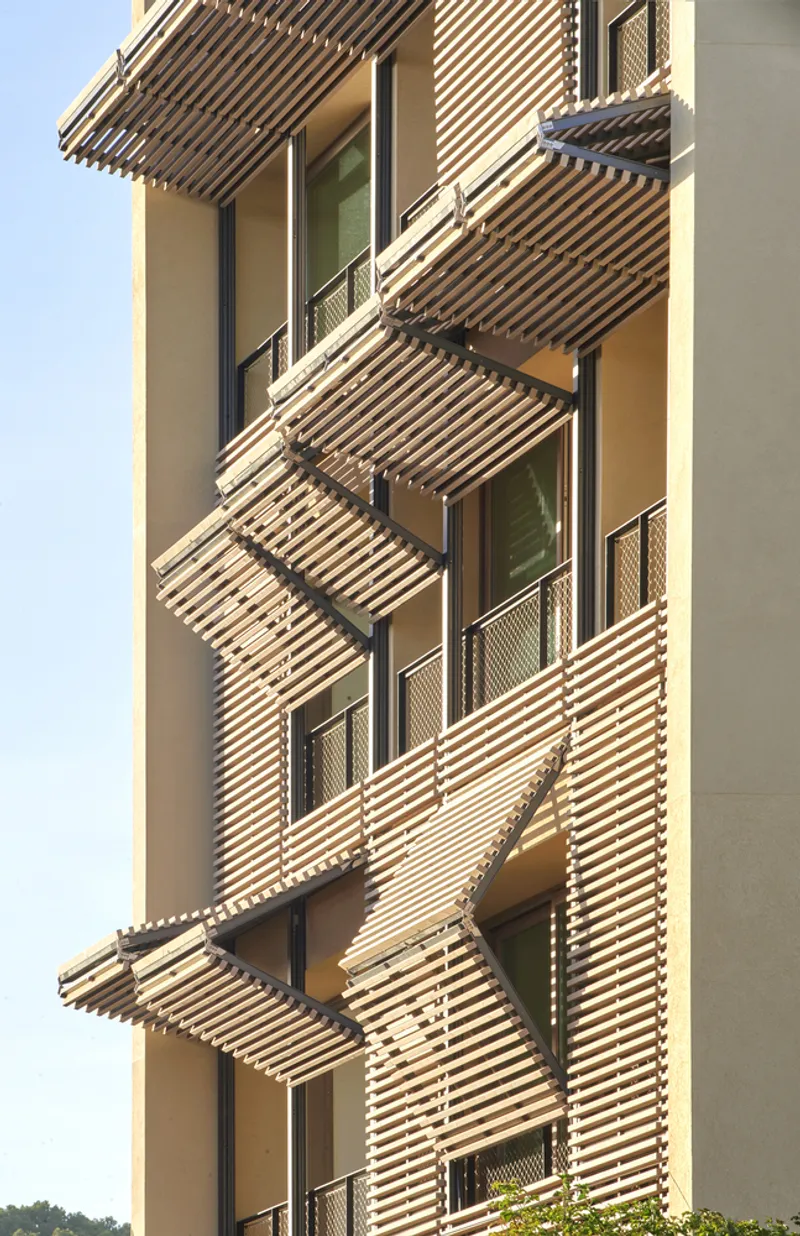
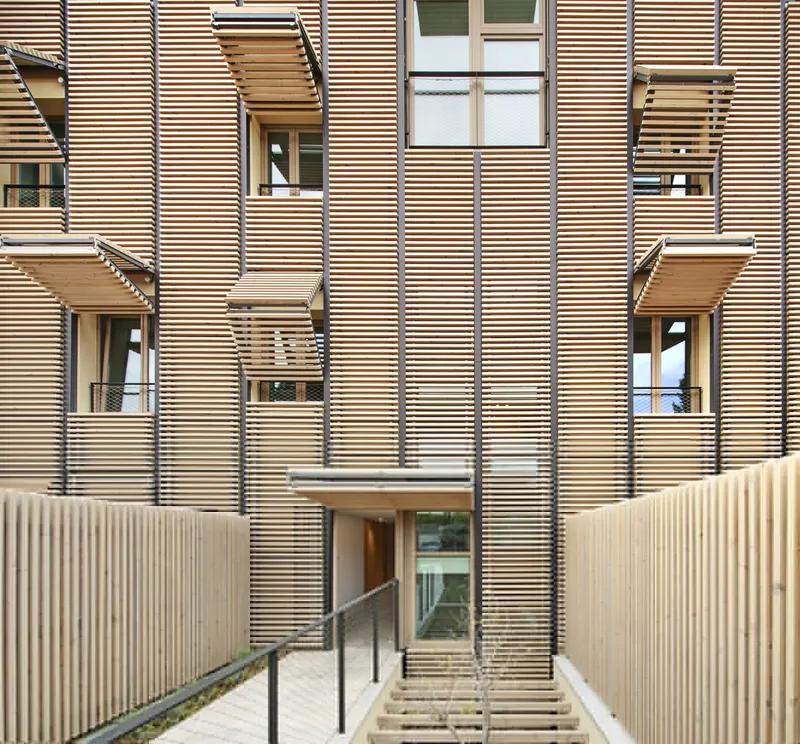
One of the standout features of the Paral·lel Building is its adaptive facade system. The main facades of the building feature folding wooden blinds with horizontal slats, which act as a sun filter to regulate light and provide privacy. This dynamic facade system can transform from blinds to pergolas depending on the angle of the sun, ensuring optimal solar gain in winter while protecting from excessive heat in summer. This clever design minimizes the need for artificial cooling, contributing to the building's energy efficiency and overall sustainability.
Energy Efficiency and Reduced Environmental Impact
The Paral·lel Building achieves low energy consumption through passive solar techniques, careful material selection, and a meticulous focus on minimizing its environmental impact. By incorporating solar studies into the design process, OHLAB optimized the building's orientation and materials to reduce the need for air conditioning. As a result, the energy demand is significantly lower compared to conventional buildings, making it a prime example of energy-efficient residential architecture.
Materials that Reflect Local Tradition
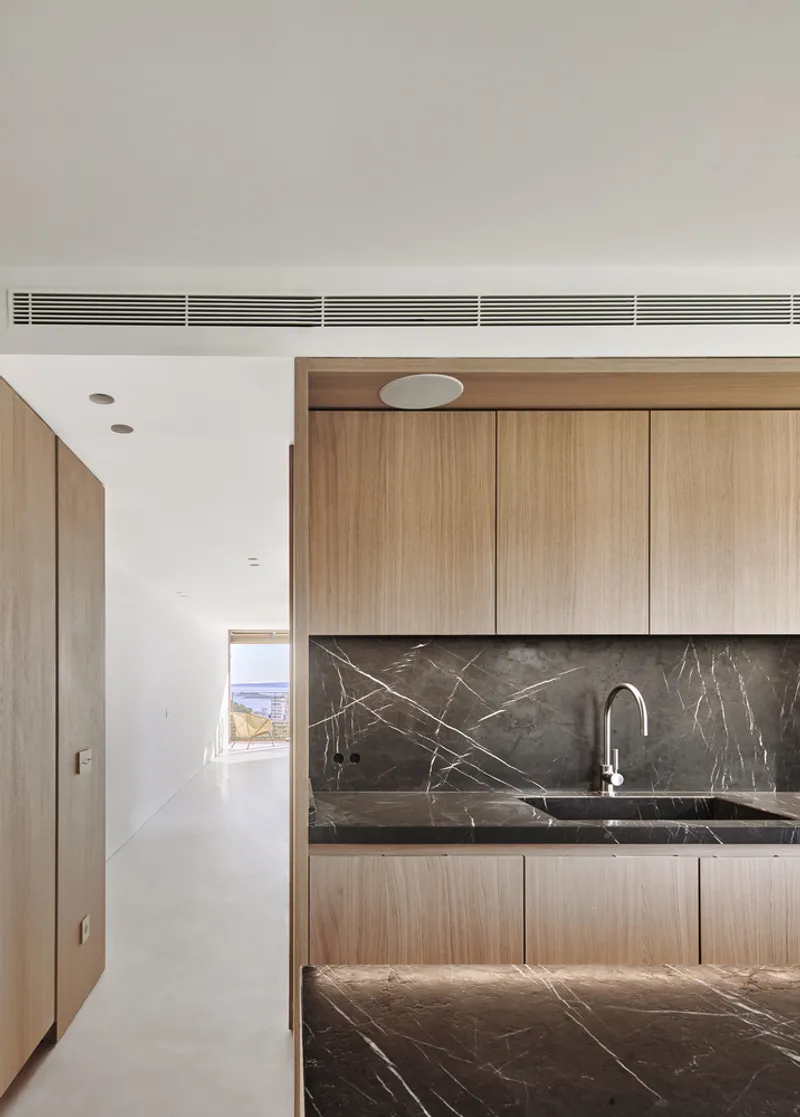
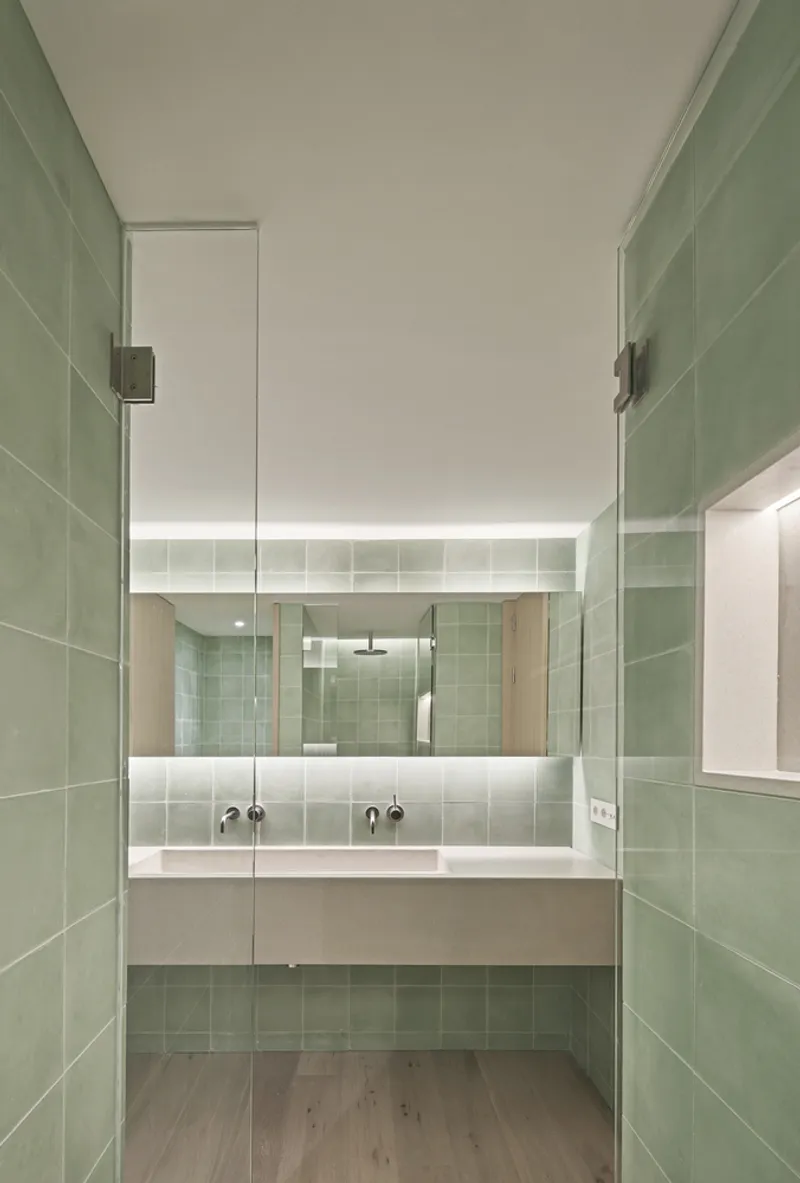
Sustainable architecture often calls for the use of local materials, and the Paral·lel Building is no exception. The project incorporates Mallorcan hydraulic tiles and custom-made terrazzo, both of which reflect the region’s architectural heritage. These materials are not only aesthetically pleasing but also have a low environmental impact. By sourcing materials locally, the building minimizes transportation emissions, contributing further to its sustainable design. This choice creates a warm and inviting atmosphere inside the apartments, while also supporting the local economy.
Privacy and Integration into the Urban Context
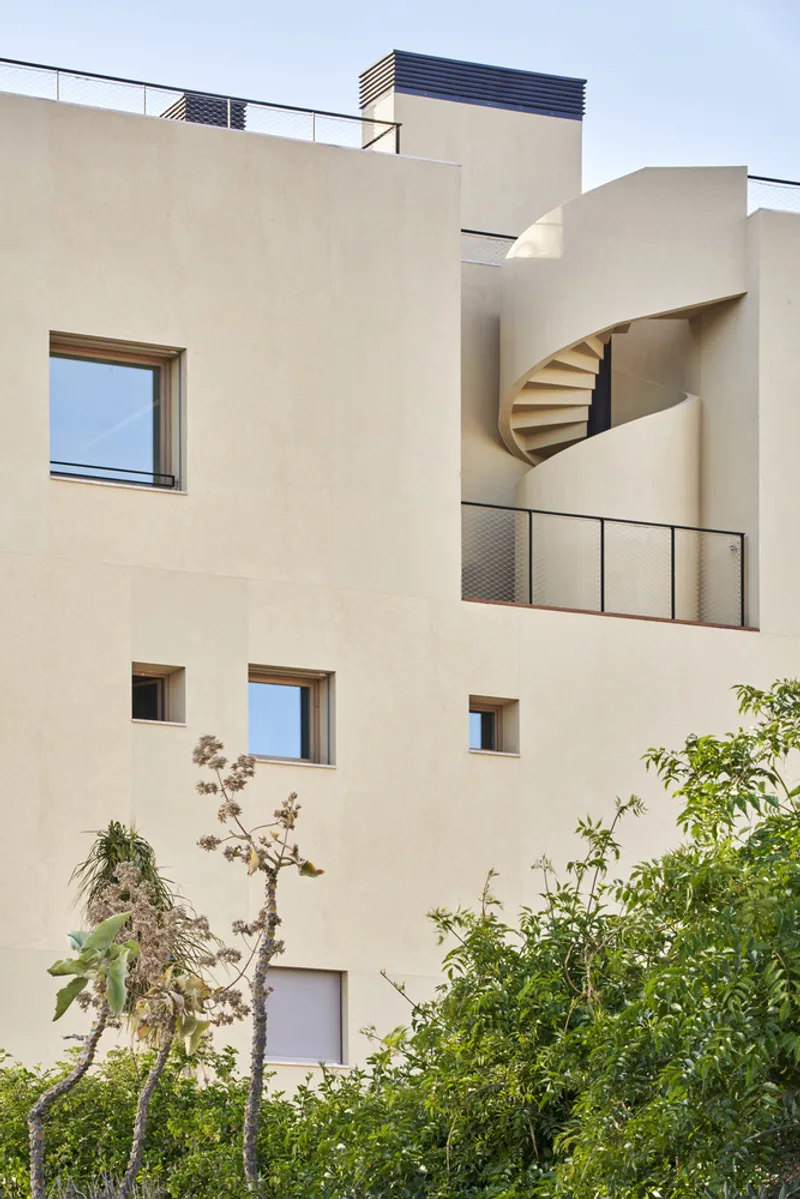
In addition to its energy-efficient design, the Paral·lel Building carefully considers the privacy of its residents. The lateral facades are designed to integrate seamlessly into the surrounding urban fabric. With more solid and hermetic facades, these areas limit the views into adjacent properties, ensuring privacy without compromising the overall aesthetic quality of the building. The irregularity in the openings and a thoughtful combination of textures on these facades create a more organic, natural look, which contrasts with the typical uniformity of urban buildings.
Water Conservation and Sustainability
Another significant feature of the Paral·lel Building is its rainwater collection system. This system stores rainwater for use in the building's Mediterranean gardens and swimming pools, effectively reducing the environmental impact of water consumption. In a region where water is a precious resource, this sustainable design solution ensures that the building contributes to preserving this essential resource.
Setting New Standards for Sustainable Residential Architecture in Spain
The Paral·lel Building by OHLAB represents a new era of sustainable residential architecture in Spain. By combining innovative design solutions with environmentally conscious principles, this project provides a model for future residential buildings in the region. From its adaptive wooden blinds and energy-efficient facade to its use of local materials and water conservation systems, the Paral·lel Building demonstrates that modern living can be both luxurious and sustainable. As more architects and developers adopt these sustainable practices, we can look forward to a future of buildings that not only provide comfort but also respect the environment.




Popular Articles
Popular articles from the community


Play: Fragments of Their World
Familiar architecture becomes modular playground design, creating safe spaces where displaced children can learn, connect, imagine and play.

The Earth Pod: 3D Printed Homes for Resilient Refugee Communities
The Earth Pod reimagines refugee housing through 3D printed homes made from clay, combining resilience, self-sufficiency, and rapid shelter.

Hill & Cross Opera: Sculptural Opera House Architecture Shaped by Tallinn’s Landscape and Identity
Hill & Cross Opera reimagines opera house architecture in Tallinn through its sculptural hill, civic plaza, glass wave and a luminous cross.

The Ocean Hive: Sustainable Architecture for a Self-Sufficient Civilization at Sea
The Ocean Hive imagines sustainable architecture at sea, where modular habitats, algae, wave power and ocean waste sustain a growing colony.


Similar Reads
You might also enjoy these articles


Hodi-Mandai Geram
Project Function: Preservation and revitalization of the Intangible heritage and socio-spatial identity of the Hodi by Housing, Cultural Memory Center, Sacred Grove, landscape, local tourism economy


Olio Towers: A Mid-Rise for Performers That Fuses Housing, Rehearsal, and Stage
Located blocks from Houston's Theater District, this modular tower stacks living units around a central performance atrium.

Oasis: Modular Green Housing Carved into Dhaka's Urban Fabric
A shortlisted Plugin Housing entry reclaims unauthorized settlements in Dhaka with stepped concrete volumes, green roofs, and ventilation-driven design.

Black Hole: A Floating Megastructure for the Post-Physical Era
Emiliano Mazzarotto envisions a spherical, self-scaling arena where e-sports, digital hotels, and holographic stadiums replace traditional public space.


Explore Architecture Competitions
Discover active competitions in this discipline



Challenge to reimagine the Iron Throne


Photograph architecture without architects


Illustrate the lost glory of Angkor Wat - Render Challenge


Design challenge to reuse E-waste
Comments (0)
Please login or sign up to add comments
No comments yet. Be the first to comment!