

The Caffè by Mr. Espresso in Oakland
Communal Italian-inspired café in Oakland featuring sculptural wood ceiling, island espresso bar, oak and marble materials celebrating ritual and craft.


4
Located in downtown Oakland, The Caffè by Mr. Espresso reinterprets the Italian espresso ritual within the cultural landscape of the Bay Area. Designed by jones | haydu, this coffee shop interior transforms a daily habit into a spatial experience rooted in heritage, craftsmanship, and material expression.
As the second-generation home of Bay Area icon Mr. Espresso, the project celebrates cultural continuity while redefining contemporary café design in the United States. Through minimalism, contrast, and communal planning, the architecture honors the Italian concept of pausa, a pause in the day that fosters reflection and social connection.
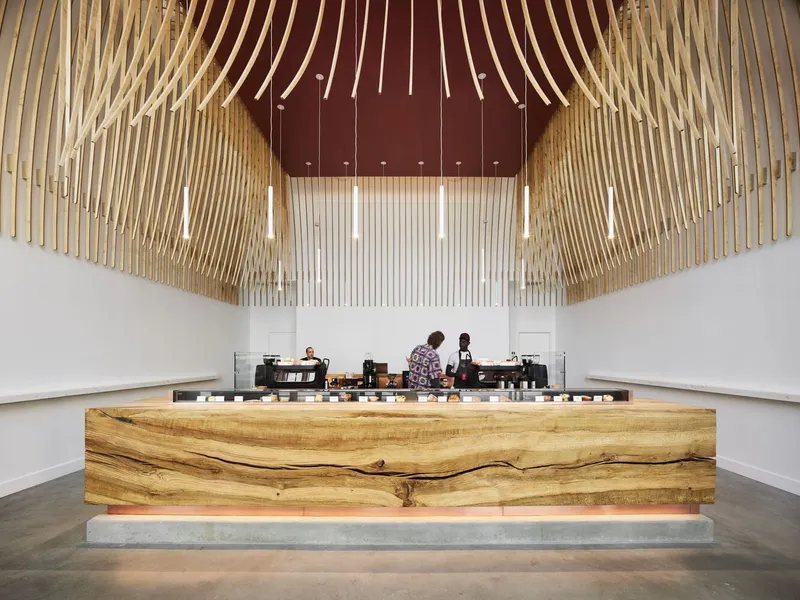
Reinterpreting the Italian “Pausa” in Contemporary Coffee Shop Architecture
In Italy, espresso is rarely a seated affair. It is ordered, served, and often consumed standing at the bar. The act is quick, direct, and social, more akin to ordering a drink at a bar than settling into a café lounge.
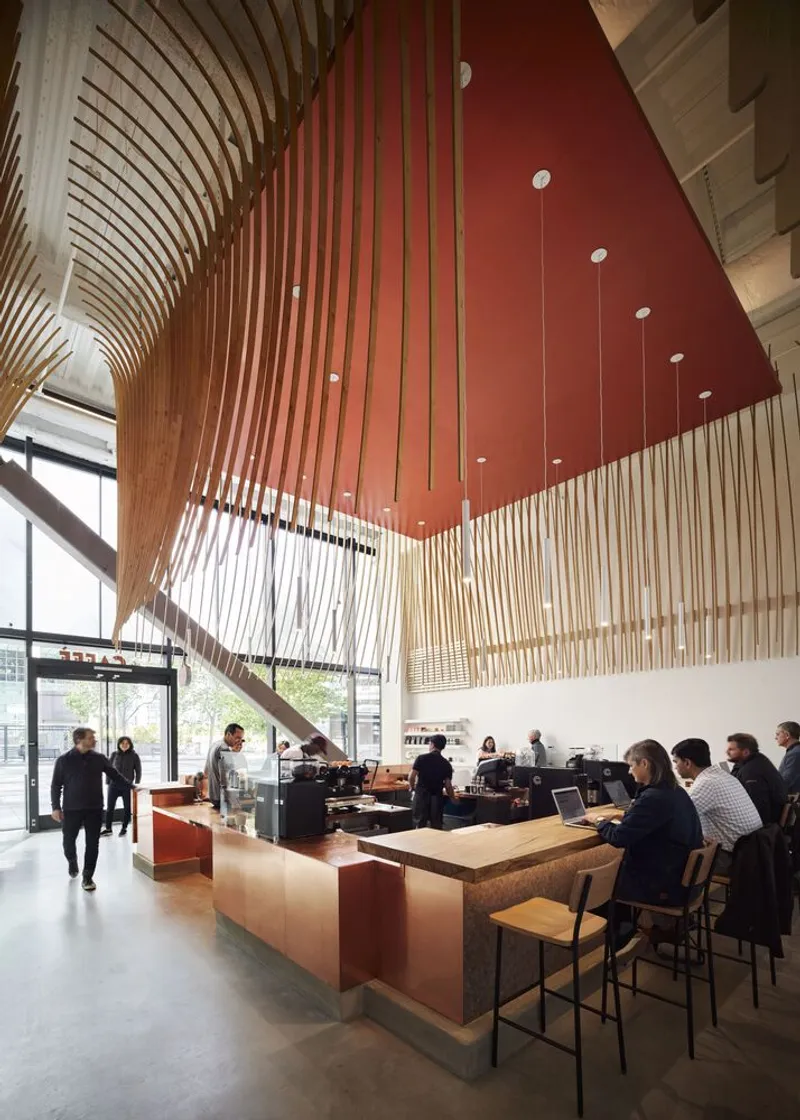
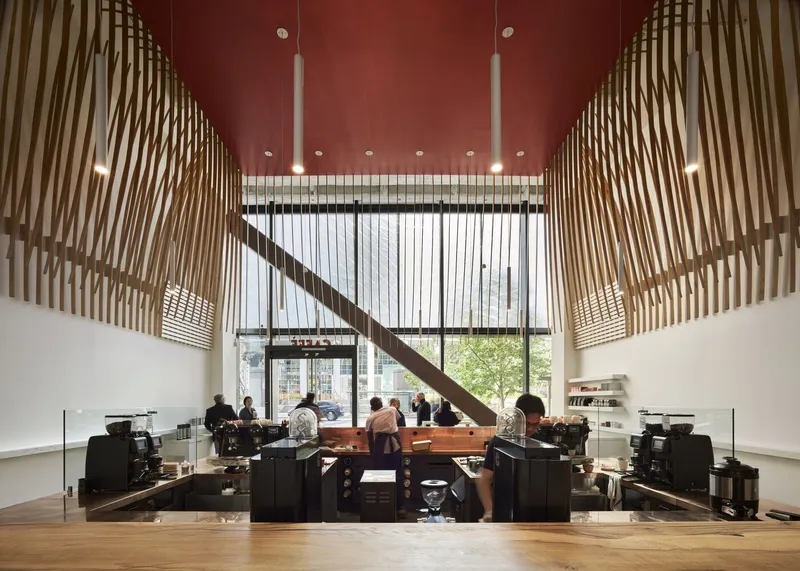
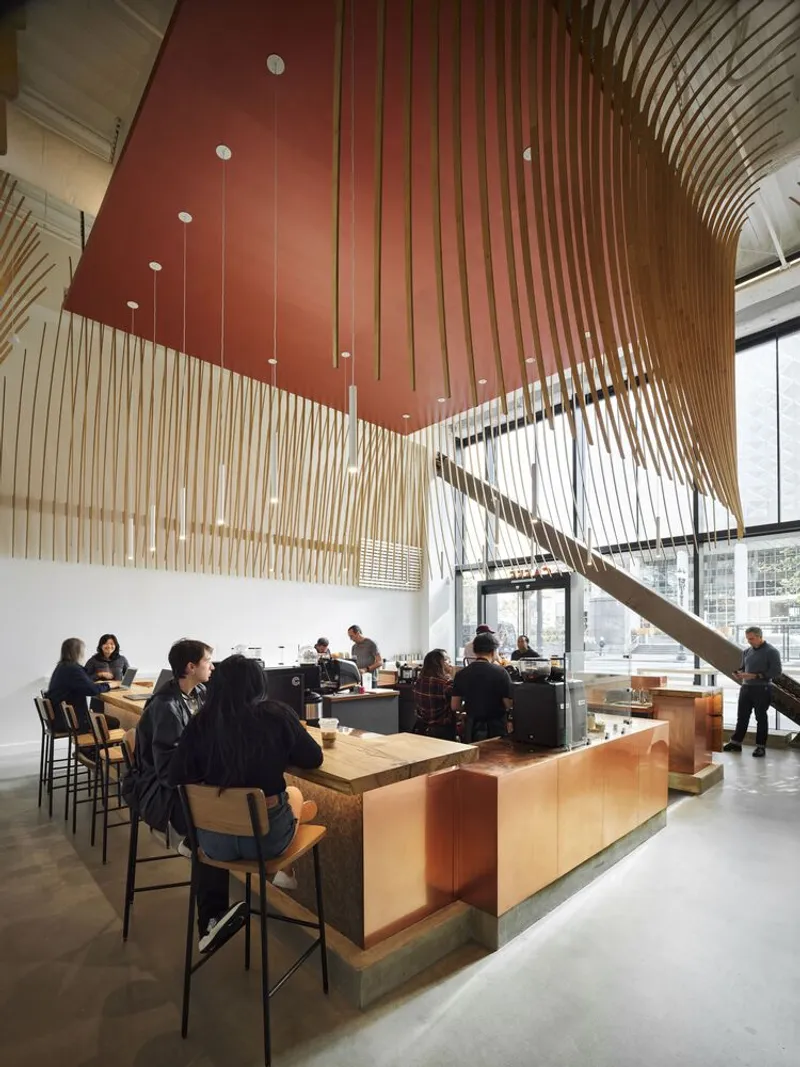
The design of The Caffè embraces this ritual by centering the entire spatial organization around a communal island bar. Rather than a linear counter pressed against a wall, the bar floats within the space, encouraging circulation, conversation, and democratic interaction.
This non-hierarchical configuration allows customers to gather from all sides, reinforcing the communal essence of espresso culture. The result is an environment where architecture supports ritual, where ordering coffee becomes a shared performance rather than a transactional moment.
Minimal Material Palette, Maximum Material Presence
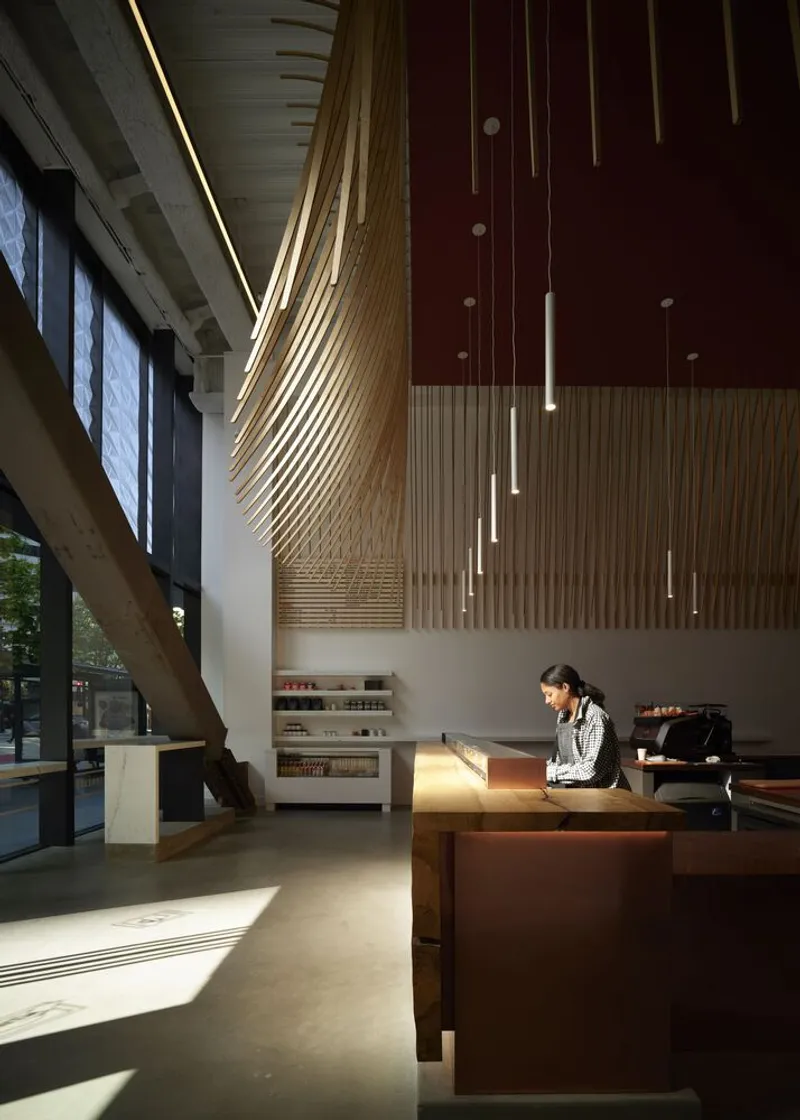
Inspired by Italian cuisine, renowned for creating complexity through minimal ingredients, the architects limited the material palette to amplify authenticity and richness.
The primary bar is carved from slabs of a single fallen Valley Oak tree sourced from a farm south of Chico. This decision transforms the bar into a monolithic natural artifact, grounding the space in Californian landscape while honoring artisanal values.
Along the perimeter, a Calacatta marble ledge introduces a tactile nod to Italy’s most celebrated stone. Its luminous veining contrasts against the warmth of oak, reinforcing the project’s dialogue between restraint and luxury.
The pastry display, long and low like a jewelry case, elevates baked goods to objects of desire. The detailing reinforces precision and craft, enhancing the ritualistic quality of selection and anticipation.
Chiaroscuro: Contrast as Spatial Strategy
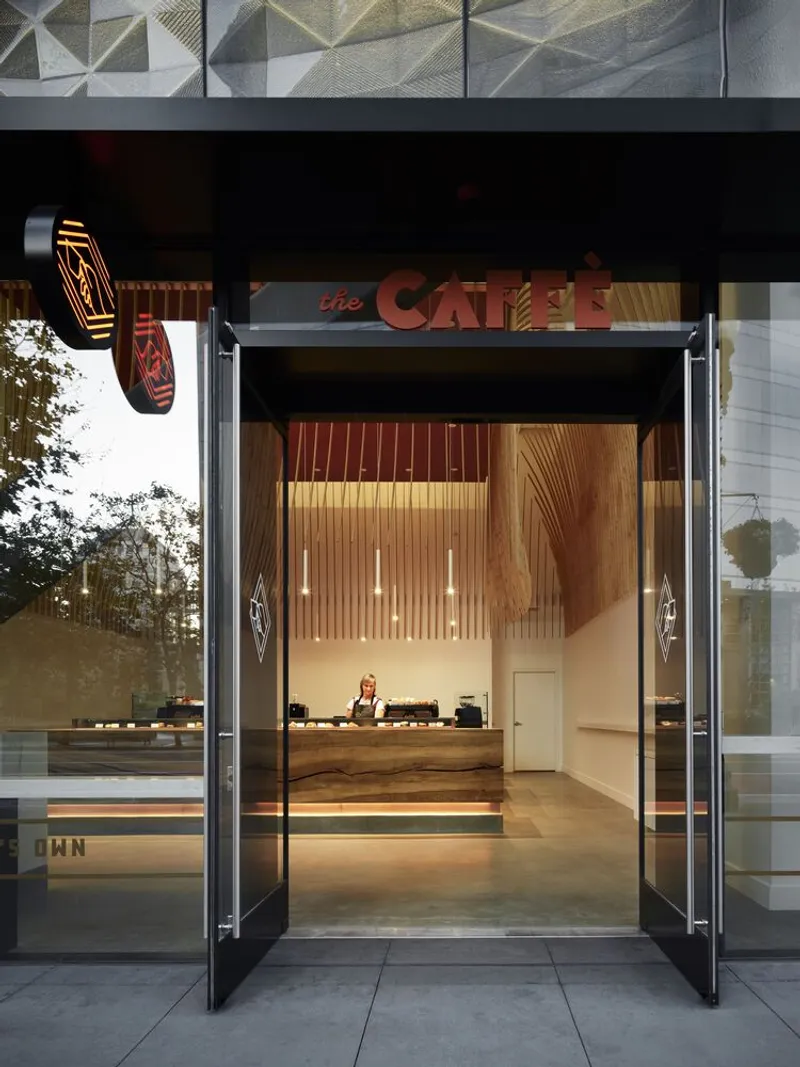
The Italian concept of chiaroscuro, the interplay between light and shadow, deeply informs the design language.
Behind the bar, hand-polished copper surfaces reflect ambient light, contrasting with the organic grain of oak and the solidity of stone. These reflective surfaces heighten visual drama while maintaining material honesty.
Above, a monumental yet delicate wooden sculpture defines the vertical dimension of the space. From certain angles, it appears light and porous; from others, dense and solid. This dynamic ambiguity embodies chiaro (light) and oscuro (dark), giving the café both monumentality and intimacy.
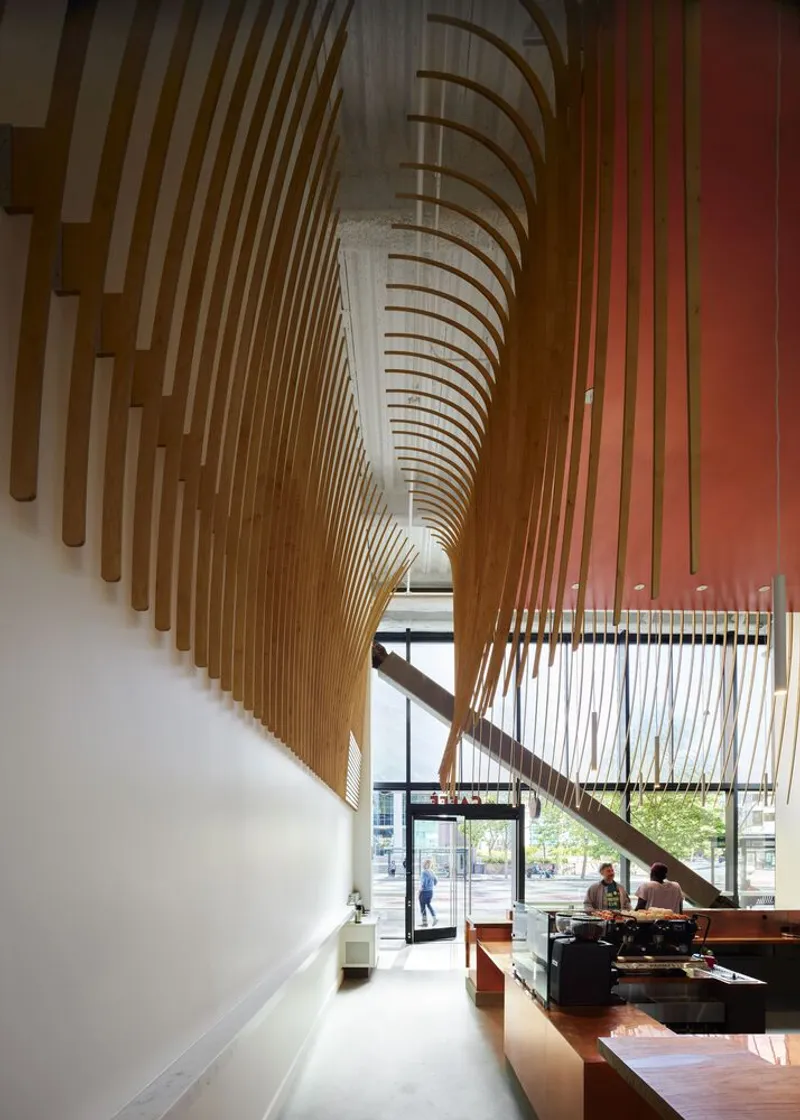
While digitally fabricated, the sculptural ceiling form subtly references Renaissance and Baroque domes and arcades, bridging historical Italian architecture with contemporary fabrication technology.

CNC Craft, Sustainable Fabrication, and Coffee-Stained Wood
The ceiling sculpture consists of 272 slats fabricated from 528 pieces of CNC-cut birch plywood. Each 12-foot slat tapers from 2 inches to ¾ inch, designed to minimize material waste while maximizing structural elegance.
Prototypes were tested in the architects’ studio before final assembly at the client’s warehouse. In a poetic gesture linking architecture to product, the final stain was achieved using strong Ethiopian Shantawene coffee. Once applied and dried, the slats were hand-rubbed with beeswax, enhancing depth, tactility, and scent.
This process embodies sustainable fabrication principles, material experimentation, and narrative storytelling, hallmarks of contemporary hospitality architecture.


A Cultural Bridge in Downtown Oakland
More than a coffee shop, The Caffè is a spatial narrative about migration, heritage, and shared experience. It reflects how cultural traditions evolve across generations and geographies.
In downtown Oakland, the project stands as a testament to how architecture can shape community rituals through thoughtful planning, minimal material strategy, and sculptural form.
The design demonstrates that even the smallest typology, a neighborhood café, can become a meaningful architectural statement when rooted in authenticity and craft.

All photographs are works of
Matthew Millman



Popular Articles
Popular articles from the community


Co-Life: Senior Housing Design That Reconnects Older Adults With the City
Co-Life reimagines senior housing design through healing gardens, shared streets, workshops, and a sustainable community across generations.

Riyadh For All: Intergenerational Urban Design for Active Aging in Rabat
Riyadh For All reimagines urban design in Rabat with intergenerational co-living, adaptive courtyards, and Moroccan cultural exchange today.

Conexión: Biophilic Design Reimagines High-Rise Living in Hong Kong
Conexión reimagines high-rise living in Hong Kong through biophilic design, green facades, shared spaces, daylight, water and nature within.

The Earth Pod: 3D Printed Homes for Resilient Refugee Communities
The Earth Pod reimagines refugee housing through 3D printed homes made from clay, combining resilience, self-sufficiency, and rapid shelter.
Similar Reads
You might also enjoy these articles

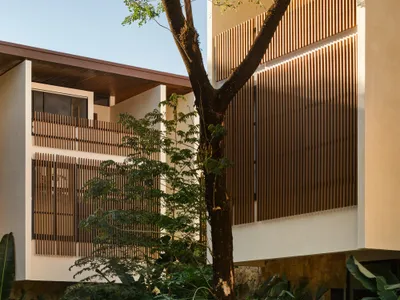
FAMM Arquitectura Organizes Ten Villas Around Courtyards and Jungle in Nosara, Costa Rica
El Molino pairs two elongated volumes with deep overhangs and timber louvers to build a compact coastal community five minutes from the beach.
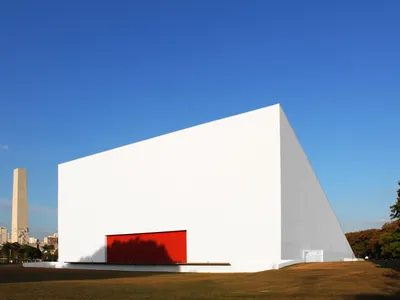
Oscar Niemeyer's Ibirapuera Park Pavilions Define São Paulo's Cultural Identity in Concrete and Curve
A constellation of modernist volumes set within São Paulo's most important urban park, conceived for the city's 400th anniversary in 1954.
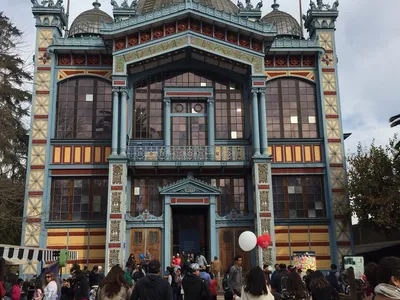
How Henri Picq's 1889 Paris Pavilion Traveled 11,000 Kilometers to Become Santiago's Artequín Museum
A prefabricated iron and glass pavilion built for the Paris Universal Exposition found a second life as a children's art museum in Chile.
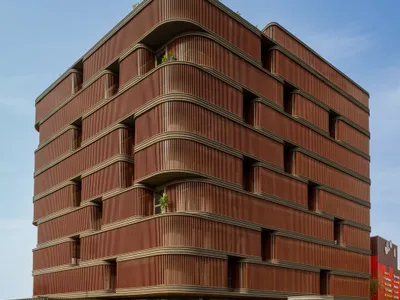
Sanjay Puri Architects Wraps a Jaipur Office Tower in Capsule-Shaped Green Buffers
A nine-level climate-responsive workplace near Jaipur Airport uses stacked planter terraces and aluminium screens to fight 40°C heat.


Explore Architecture Competitions
Discover active competitions in this discipline



Challenge to reimagine the Iron Throne


Photograph architecture without architects


Illustrate the lost glory of Angkor Wat - Render Challenge


Design challenge to reuse E-waste
Comments (0)
Please login or sign up to add comments
No comments yet. Be the first to comment!