
The Gardeners' Shelter: An Architectural Haven for Rehabilitation and Community Integration
The Gardeners' Shelter's sustainable architecture, community integration, and rehabilitative design for homeless individuals.


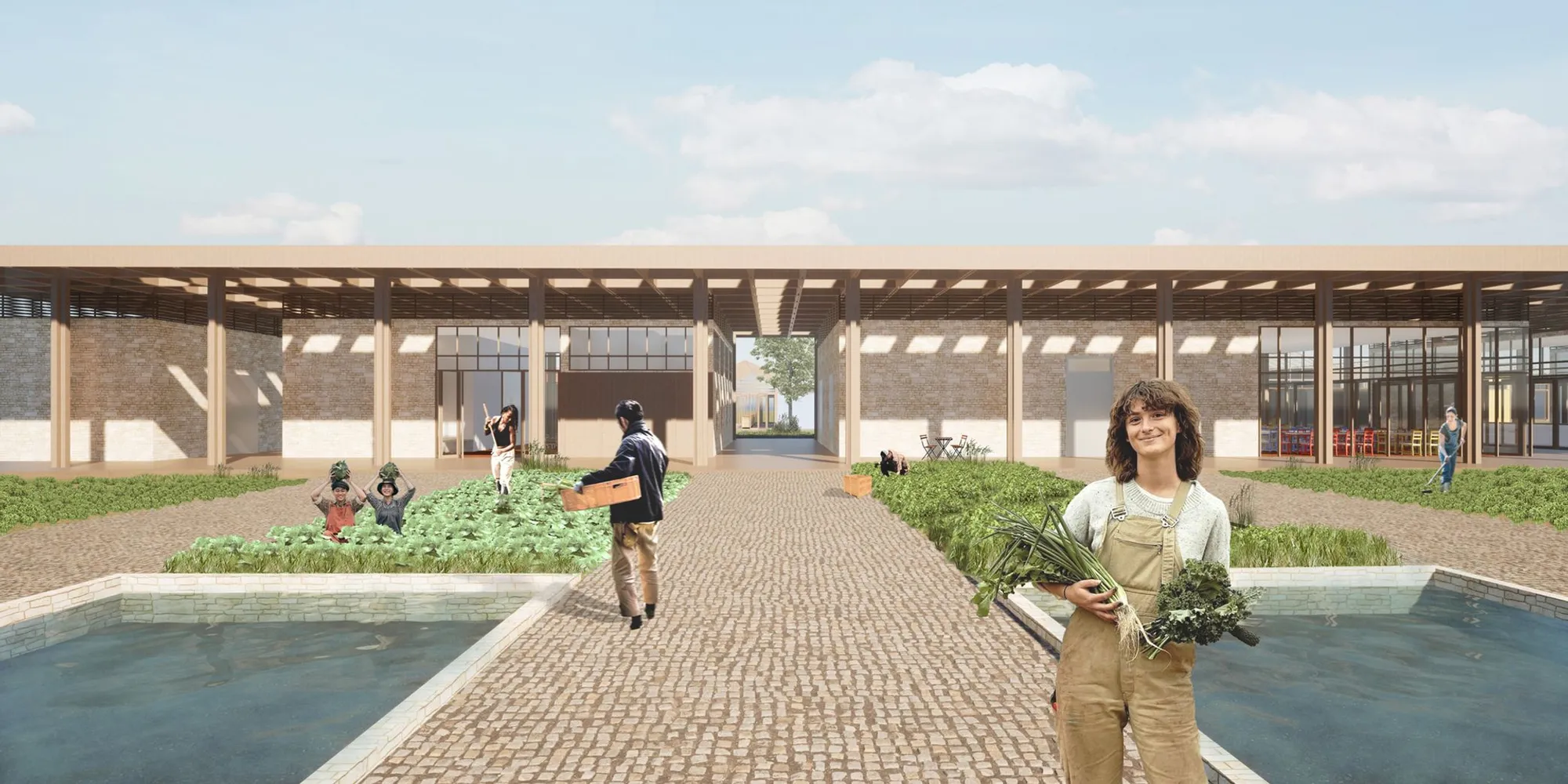
The Gardeners' Shelter is a pioneering architectural project designed by Kamila Zboina, Marcin Kryska, Winner entry of Reinstate competition, to serve individuals experiencing homelessness crises while fostering community integration. Located in Oklahoma City, Oklahoma, this rehabilitative refuge aims to offer not only shelter but also educational and cultural services to the local community.
Location
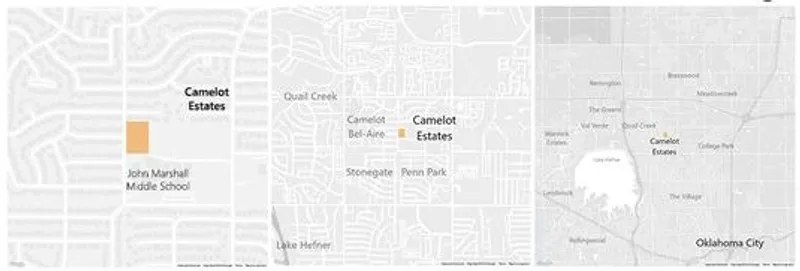
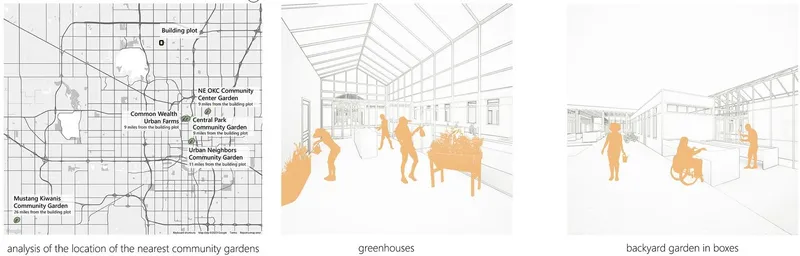
Situated in Camelot Estates, a suburban community in the northwestern part of Oklahoma City, the shelter benefits from proximity to single-family homes and John Marshall Elementary School. This strategic location encourages interaction between the center's guests and local residents. Despite Oklahoma's relatively low homelessness rate of 9.40 per 10,000 residents, there is a significant need for shelters that also provide community services, making The Gardeners' Shelter an essential addition to the area.
Concept and Design
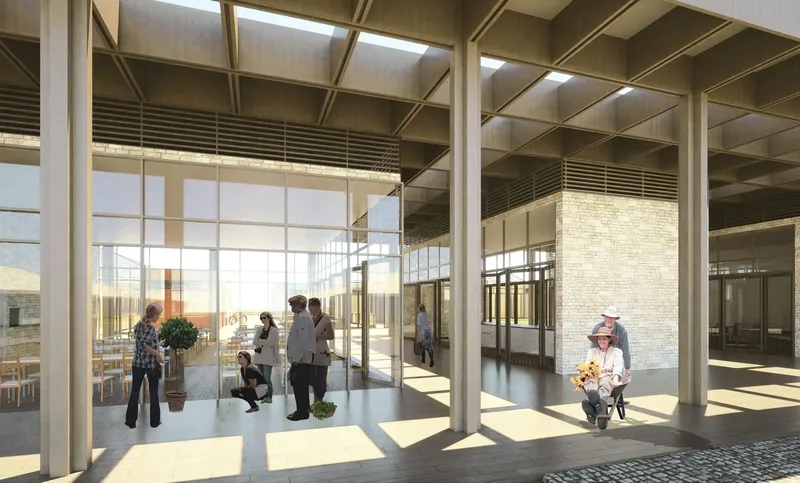
The primary objective of The Gardeners' Shelter is to integrate the local community with the residents of the rehabilitative refuge. The facility includes community gardens, which are envisioned as a hallmark of the project. These gardens will not only provide therapeutic gardening opportunities for the shelter residents but also serve as a communal space for local workshops and social events.
Key Features:
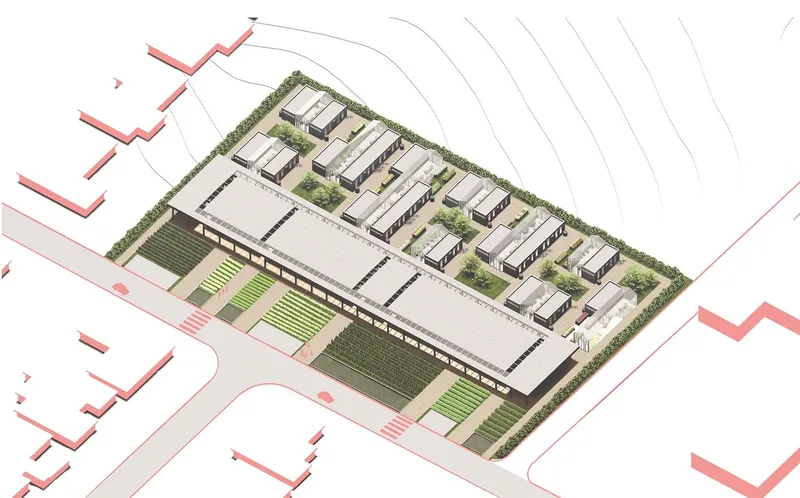
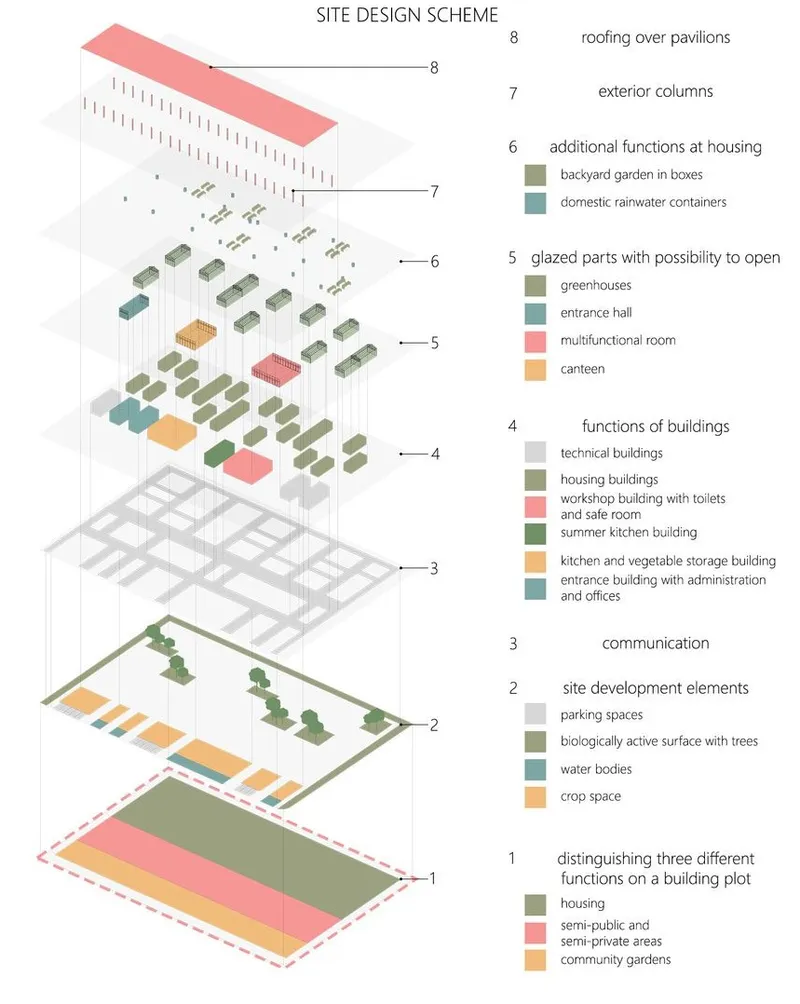
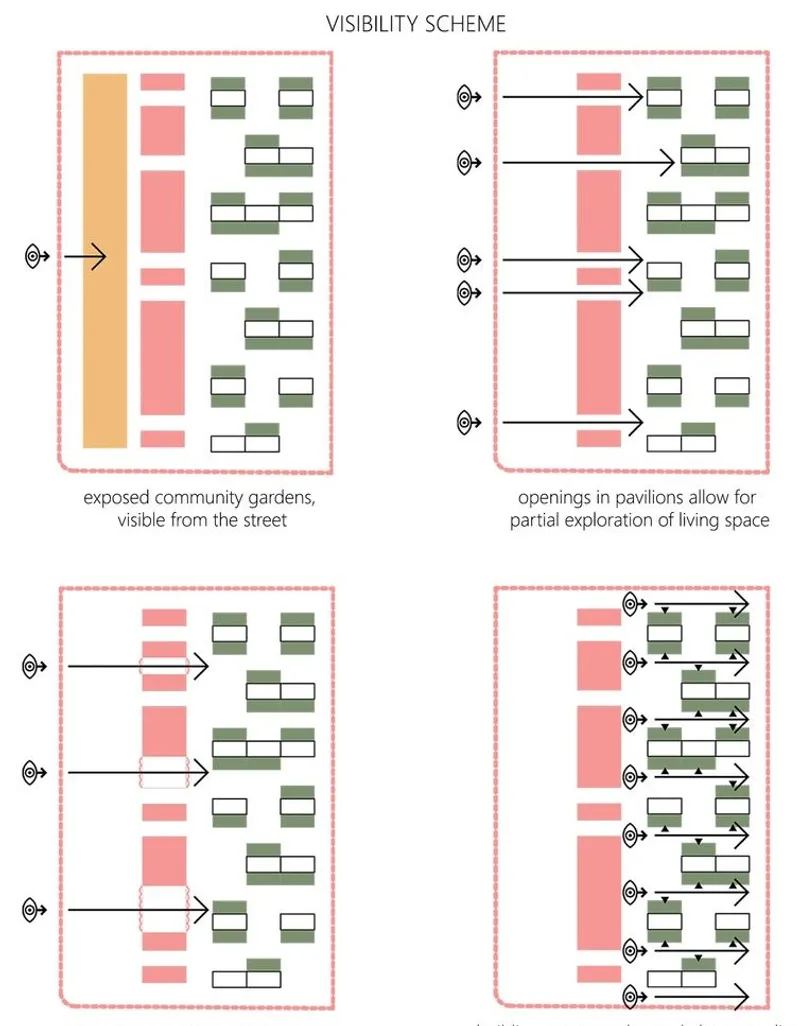
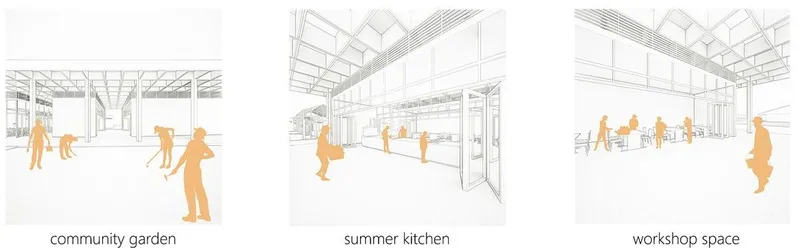
Community Gardens: Located at the front of the facility, these gardens are designed to encourage interaction between the residents and the local community. Gardening and cooking workshops will be organized for shelter residents, neighbors, and students from the nearby school.
Housing Modules: The shelter includes both two-person and accessible housing modules equipped with greenhouse spaces. These greenhouses serve dual purposes—providing a winter garden during colder months and an open-air space during the summer.
Sustainable Design: Emphasizing sustainability, the project incorporates rainwater harvesting systems, greywater reuse for irrigation, and organic dye-sensitized photovoltaic cells for energy production. The central pavilion is constructed using cross-laminated timber (CLT), while other parts use environmentally friendly wood and recycled materials.
Technological Innovations
The shelter is designed with several innovative features to ensure sustainability and energy efficiency:
Photovoltaic Cells: Semi-transparent organic solar cells in the greenhouses allow for both plant cultivation and energy production.
Water Management: The project includes rainwater containers and in-home rainwater purification systems to support gardening activities.
Energy Storage: Each housing module is equipped with home energy storage systems, enhancing the facility's overall energy efficiency.
Community Integration
The design of The Gardeners' Shelter prioritizes the integration of shelter residents into the social fabric of the surrounding neighborhood. By involving them in community gardening and organizing social events, the project aims to enhance their sense of self-efficacy and belonging.
The proximity to John Marshall Elementary School offers additional opportunities for educational collaborations, expanding the school's extracurricular offerings and fostering a sense of community among students and shelter residents.
The Gardeners' Shelter exemplifies how thoughtful architectural design can address homelessness by providing more than just a place to stay. By integrating sustainable technologies and fostering community interaction, the project creates a rehabilitative environment that supports both individual recovery and community building.




Popular Articles
Popular articles from the community


Conexión: Biophilic Design Reimagines High-Rise Living in Hong Kong
Conexión reimagines high-rise living in Hong Kong through biophilic design, green facades, shared spaces, daylight, water and nature within.

Play: Fragments of Their World
Familiar architecture becomes modular playground design, creating safe spaces where displaced children can learn, connect, imagine and play.

Lunar Spiral: Space Architecture Shaped by the Mathematics of the Universe
Lunar Spiral reimagines space architecture through Fibonacci geometry, lunar regolith, levitating habitats, and self-sustaining Moon living.

Hill & Cross Opera: Sculptural Opera House Architecture Shaped by Tallinn’s Landscape and Identity
Hill & Cross Opera reimagines opera house architecture in Tallinn through its sculptural hill, civic plaza, glass wave and a luminous cross.


Similar Reads
You might also enjoy these articles

Day and Night Park: A Time-Based Urban Newsstand in Beijing
A temporary urban newsstand in Beijing blending travel, light, and reading through poetic colors, compact form, and community-focused design.

Modernist Patio Renovation in El Masnou, Barcelona by Oliver Segura Arquitectura + Cebrià Arquitectura
Modernist patio renovation blending tradition and innovation with a movable pool, leveled floors, and Catalan materials in El Masnou.

Alto Residencial Coop: Cooperative Housing Development in Santiago de Compostela by Carbajo Barrios Arquitectos
A linear cooperative housing complex blending white volumes and perforated metal façades, enhancing community living, natural light, privacy, and urban integration.
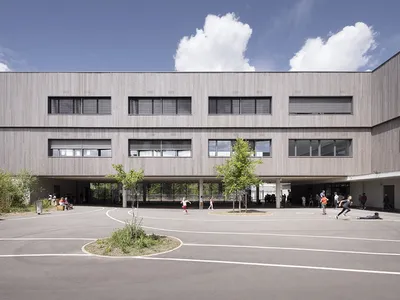
Vil Genis School by BPA ARCHITECTURE – Massy, France
Vil Genis School in Massy, France, features sustainable design, south-facing classrooms, community integration, accessible spaces, and modern educational architecture.


Explore Community Garden Competitions
Discover active competitions in this discipline



Challenge to design locus for the upliftment of human rights


Challenge to reimagine the Iron Throne


Photograph architecture without architects


Illustrate the lost glory of Angkor Wat - Render Challenge
Comments (0)
Please login or sign up to add comments
No comments yet. Be the first to comment!