
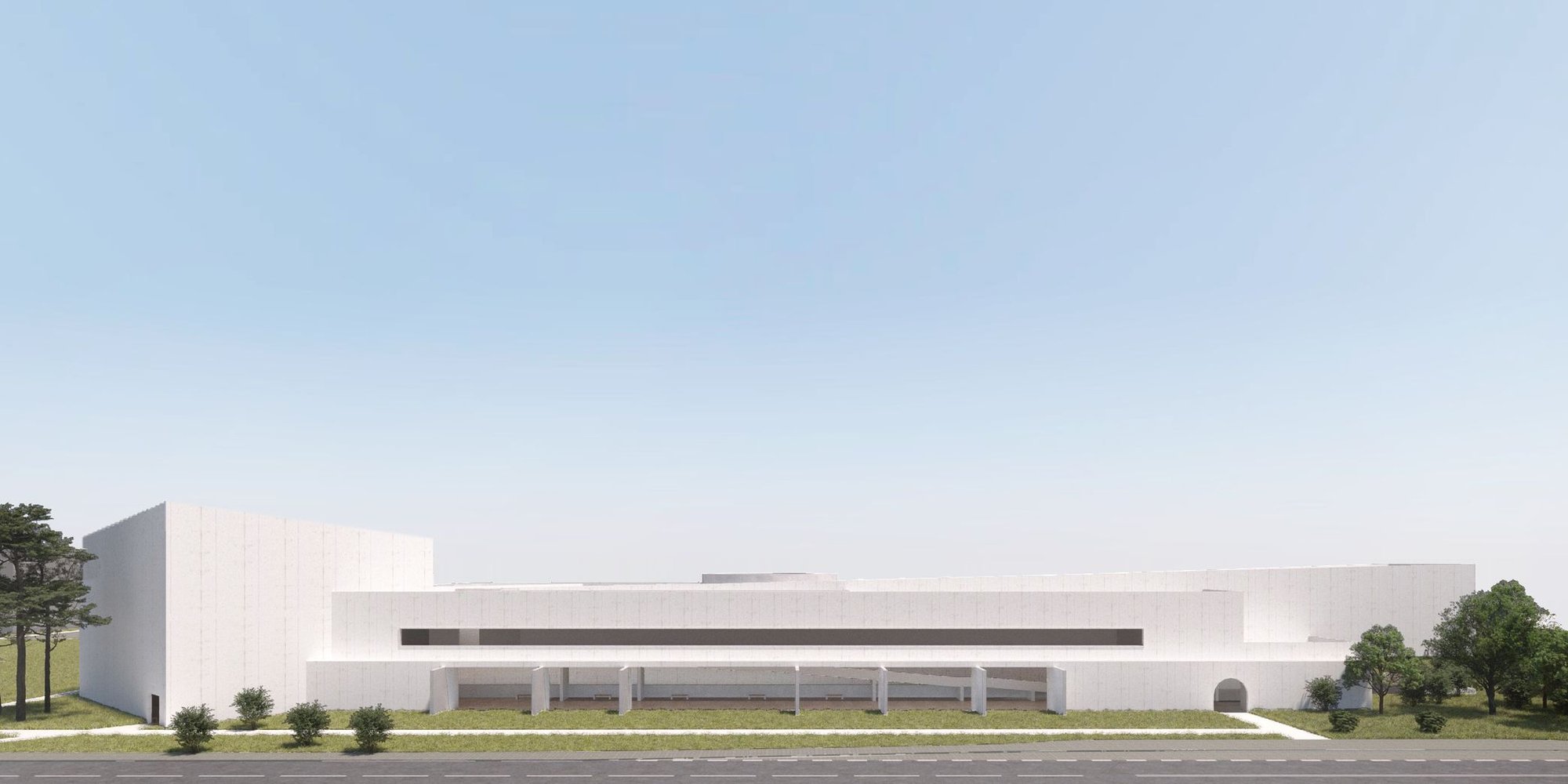
The Key to the Future: Exploring the Innovative Library Design of Minseok Kim's "The Key"
This article delves into Minseok Kim's "The Key," redefining library architecture and enhancing community engagement and knowledge access.

In a world where digital mediums increasingly overshadow physical repositories of knowledge, Minseok Kim’s “The Key” stands as a testament to the evolving role of libraries in contemporary society. Awarded the People's Choice Award in the Libgen Project competition, this architectural marvel redefines the conventional library as not just a space for storing books but as a dynamic environment for intellectual exploration and public interaction.
The Concept of "The Key"
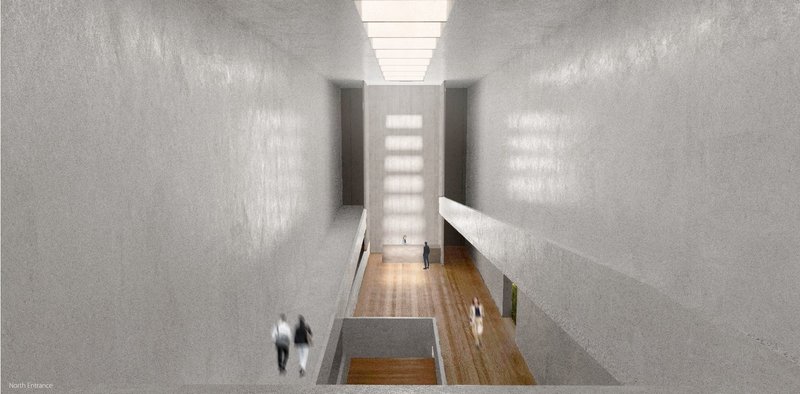
At the heart of Kim’s design philosophy is the idea that libraries should be more than organized repositories. They should serve as keys to unlocking truth and understanding hidden beyond mere facts. Traditional media may convey information, but "The Key" encourages users to engage with knowledge on a deeper level, fostering a culture of inquiry and discovery.
Architectural Design and Spatial Strategy
North Entrance and Spatial Dynamics
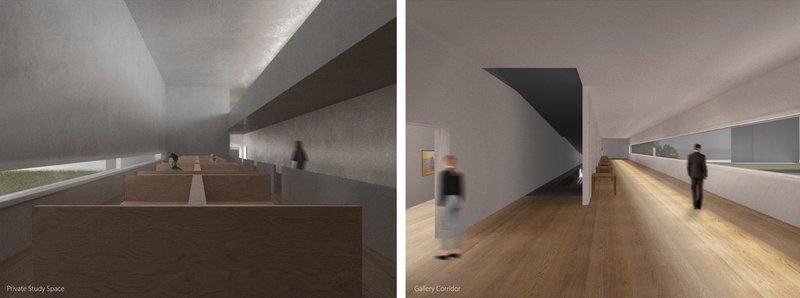
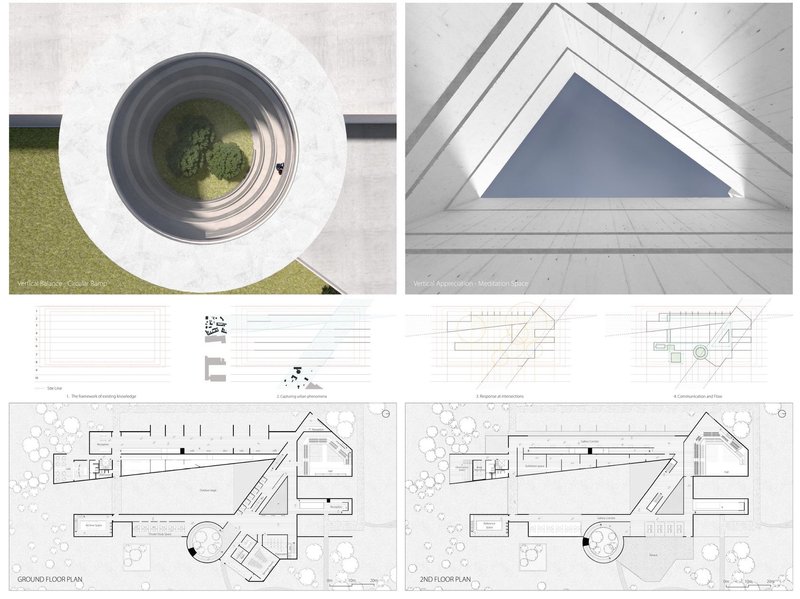
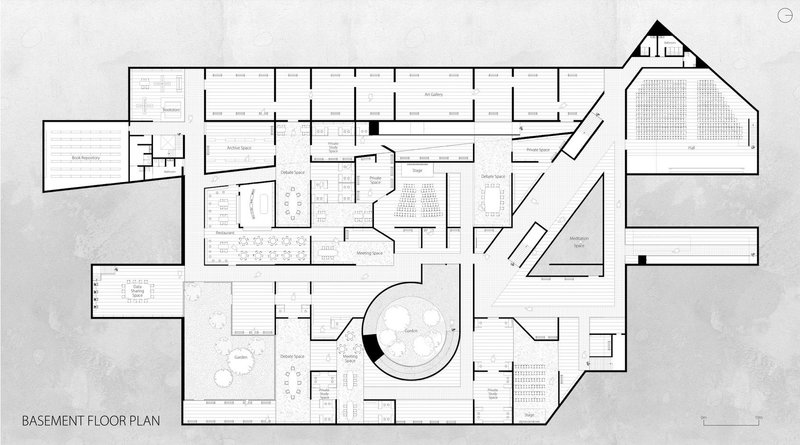
Upon entering "The Key," visitors are greeted by a space that champions vertical and horizontal appreciation of knowledge. The design intricately balances private study areas with open public spaces, facilitating both individual contemplation and communal interaction. This strategic use of space is not just functional but symbolic, representing the library’s role as a mediator between knowledge and enlightenment.
Vertical and Horizontal Appreciation
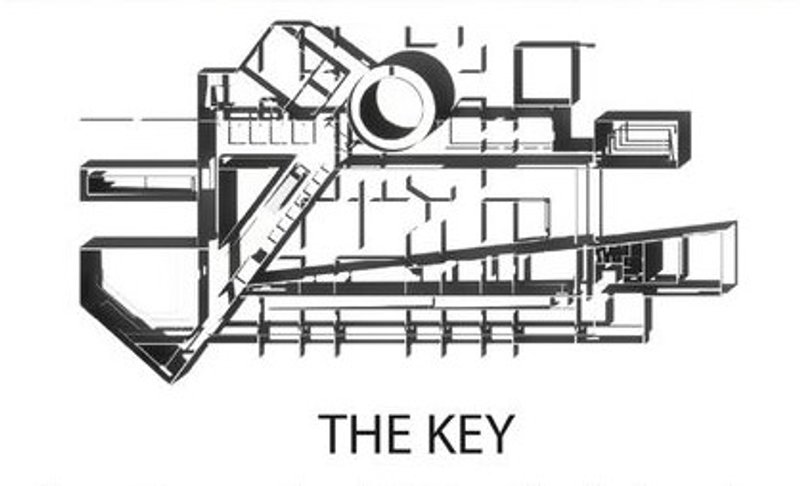
Vertical Appreciation: The library's vertical elements encourage a dialogue with oneself, fostering deep contemplation and enlightenment.
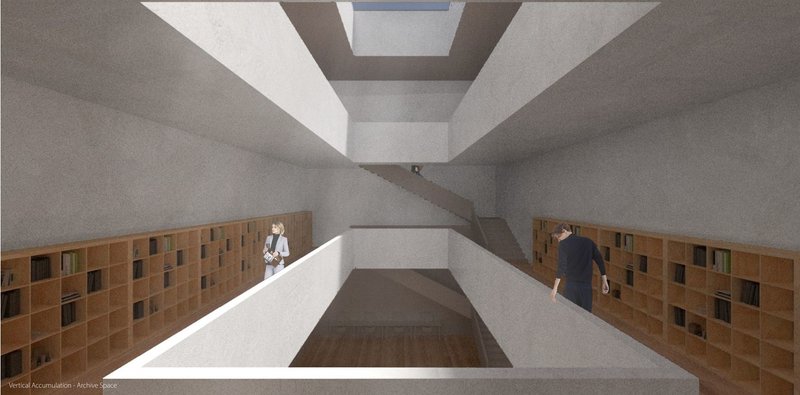
Vertical Accumulation: These elements also facilitate the exchange and accumulation of diverse information, enhancing the user's educational journey.
Vertical Balance: By integrating different programs vertically, the design ensures a cyclical balance within the library’s architecture, mirroring the continuous cycle of knowledge acquisition.
Horizontal elements, conversely, are crafted to enhance the social interactions and communal learning experiences, crucial for comprehensive intellectual development.
Integration with the Cityscape
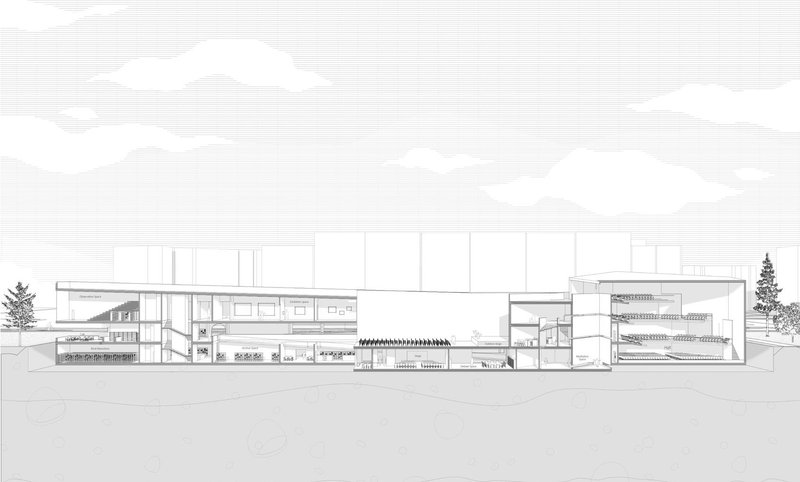
"The Key" is not an isolated monument but a vibrant part of the Lublin community. It connects with the city through its open, accessible design and its role in facilitating public discourse and cultural exchange. The library’s architecture promotes a seamless flow between the internal space and the city outside, blurring the lines between private study and public engagement.
The Library’s Role in Community Enlightenment
Kim’s design reimagines the library as a living, breathing entity that not only houses books but also acts as a catalyst for community development. Through its innovative design, it perpetuates a cycle of learning, discovery, and enlightenment, contributing to the cultural and intellectual fabric of Lublin.
Minseok Kim’s "The Key" is more than an architectural achievement; it is a forward-thinking approach to library design that addresses the needs of contemporary society. It challenges the notion of libraries as mere storage spaces for books and repositions them as active, engaging hubs of knowledge and community interaction. In doing so, "The Key" not only serves its users but also enriches the broader architectural landscape, making a compelling case for the future of innovative library design.



Popular Articles
Popular articles from the community

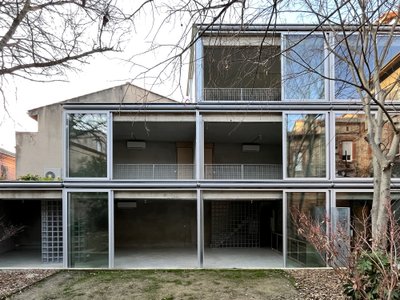
BAST Slots a Four-Story Glass House into a Narrow Gap Between Toulouse Townhouses
In the dense Bonnefoy district, a stepped infill building merges home and office while preserving a majestic hackberry tree.
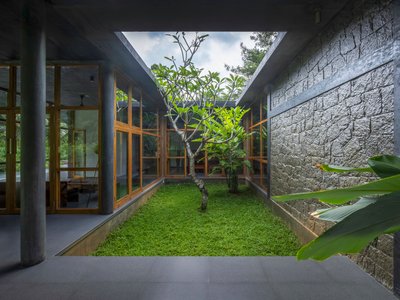
3dor Concepts Wraps a Kerala Home in Mirrored Concrete Arcs Around a Courtyard Tree
In the Western Ghats foothills of Thamarassery, a 270 m² single-story house uses two curved volumes to frame nature as its center.
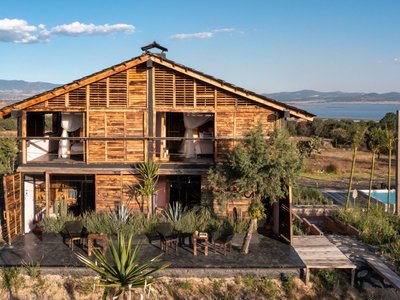
Fausto Terán and Toro Fuse Japanese Craft with Mexican Tradition in a Lakeside Retreat
Nakamura House pairs Shou-Sugi-Ban charred pine with handmade clay tile at the foot of Atlangatepec Lagoon in Mexico.
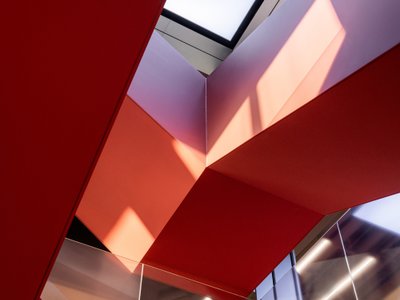
Ippolito Fleitz Group Identity Architects Turn Eight Floors in Shanghai into a Vertical Creative City
Publicis Groupe's new headquarters in Xintiandi reimagines the office as a courtyard-driven urban landscape stacked across eight floors.

Similar Reads
You might also enjoy these articles

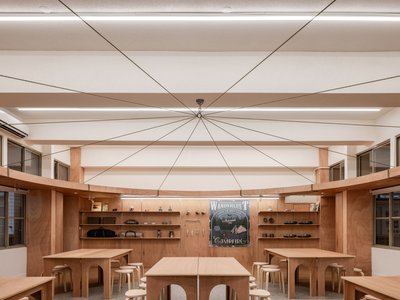
317studio Turns an 87 m² Classroom into a Forest Clearing for Scouts in New Taipei City
A rope canopy, student-made specimens, and campfire geometry replace rows of desks in this Scouting classroom in Xizhi District.
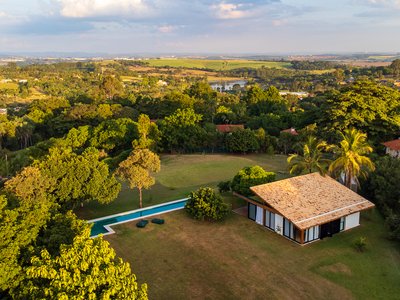
24 7 Arquitetura Builds a Timber Pavilion as a Family's First Act on a 5,000 m² Brazilian Plot
In Jaguariúna, a prefabricated glulam house nestles among mature trees as the opening move of a larger residential masterplan.
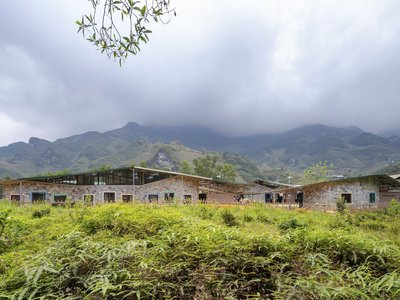
1+1>2 Architects Build a School from 900 Blocks of Hmong Stone on Vietnam's Rocky Plateau
On a barren valley in Ha Giang province, a community quarried its own stone to raise a kindergarten and primary school rooted in Hmong identity.
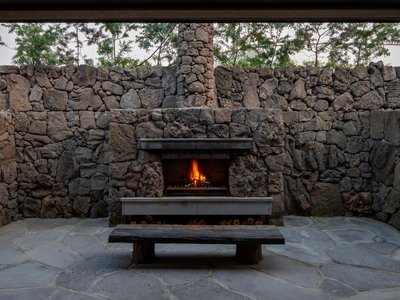
100A Associates Builds a Volcanic Stone Retreat on Jeju Island Rooted in Ritual and Restraint
Watarstay [Wa:Tar] in Bongseong-ri channels Jeju's basalt, reed, and hemp into a 150 m² hospitality space shaped by contemplation.

Explore Architecture Competitions
Discover active competitions in this discipline




The International Standard for Design Portfolios


The Global Benchmark for Architecture Dissertation Awards


The Global Benchmark for Graduation Excellence


Challenge to design public laboratory
Comments (0)
Please login or sign up to add comments
No comments yet. Be the first to comment!