
The Lattice Zhishan Residences: Timeless Luxury Living in Taipei by Neri&Hu Design and Research Office
Contextual luxury apartments in Taipei reinterpret traditional lattice screens through stone, copper, arches, and community-focused interiors rooted in local culture.


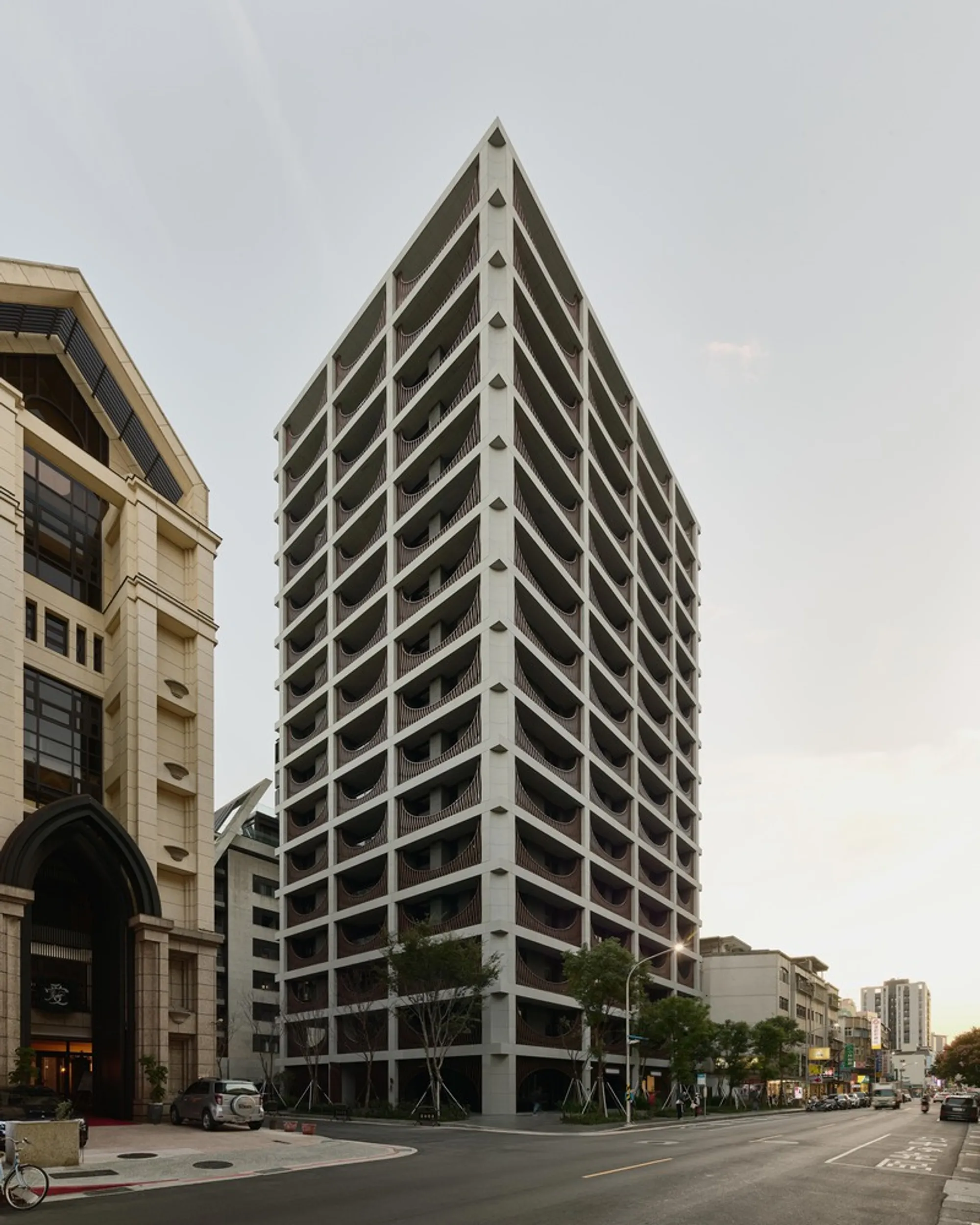
Located in the culturally layered neighborhood of Zhishan in Tianmu, Shilin District, THE LATTICE, Zhishan Residences is a refined residential architecture project that translates local memory into a contemporary, high-end living environment. Designed by Neri&Hu Design and Research Office, the apartment building reflects Taipei’s unique urban condition: where modernity, human scale, and lush subtropical landscapes coexist seamlessly.

Contextual Architecture in Taipei
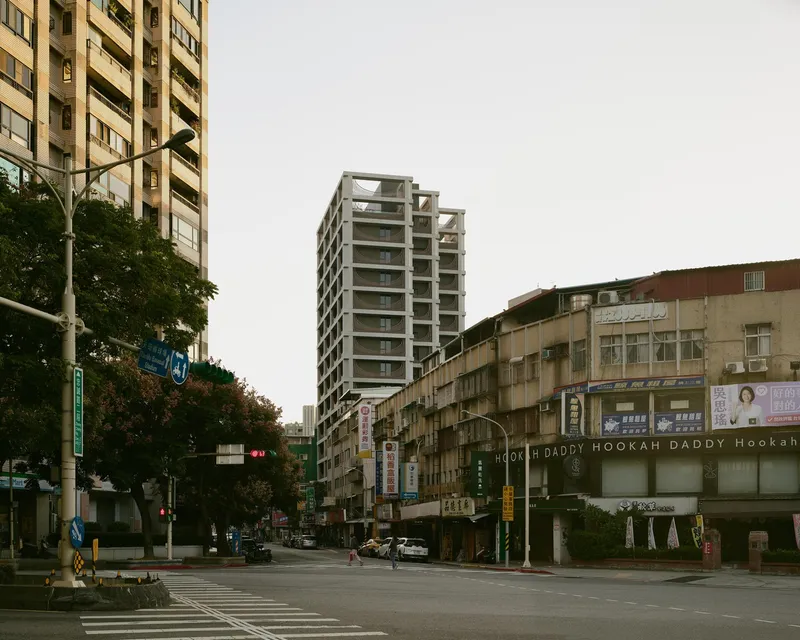
Taipei is a city shaped by contrasts: glass-clad towers rise alongside arcaded low-rise buildings from the 1970s, while abundant greenery threads through dense urban fabric. Zhishan, historically a gateway for foreign cultures and home to many international schools, embodies a slower, community-oriented lifestyle distinct from the city’s commercial core. Responding to this context, THE LATTICE is conceived as a timeless residential building that balances architectural presence with neighborhood sensitivity.

Massing Strategy and Urban Expression
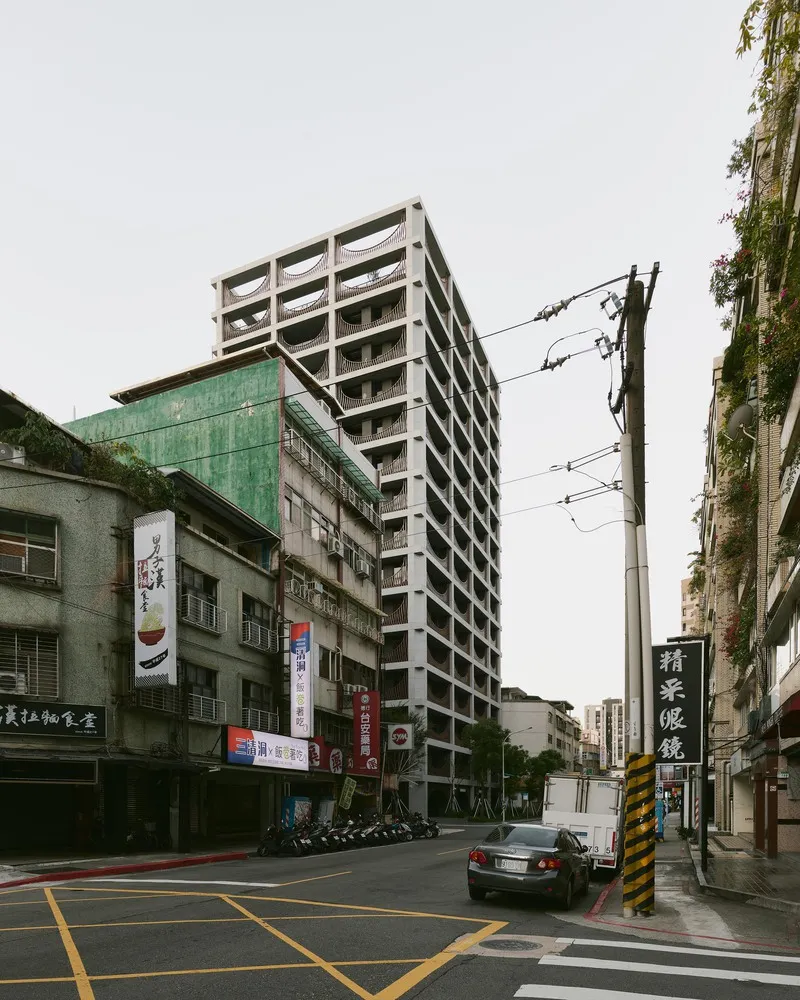
The building’s massing carefully negotiates zoning setbacks while asserting a strong urban identity. A bold, squared edge anchors the northern corner, reinforcing the building’s presence along the street. In contrast, the southern edge adopts a saw-toothed footprint, softening the volume and improving spatial articulation. This duality allows the project to read as both grounded and dynamic within its surroundings.
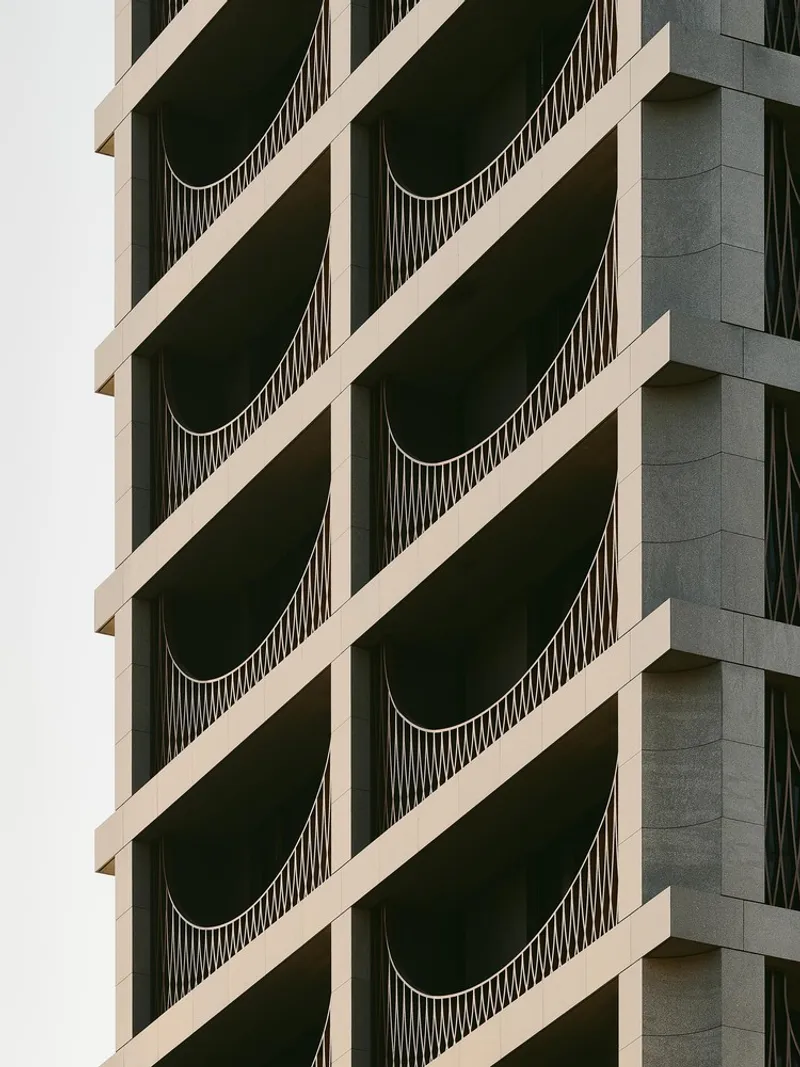
The elevation is defined by a precise grid of columns and beams clad in light gray stone. Open corner details introduce visual lightness, emphasizing the structural rhythm while allowing daylight to animate the façade.
The Lattice Façade: Tradition Reinterpreted
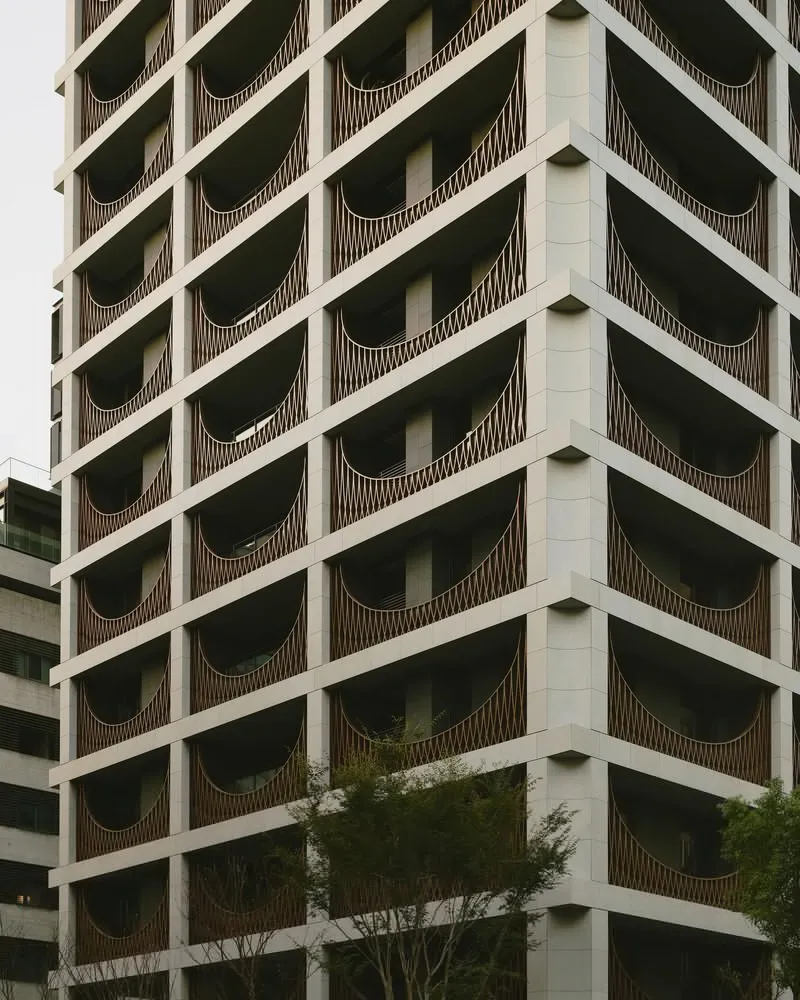
Within each structural frame, an inverted catenary arch-shaped metal screen in a warm copper tone encloses balconies and layers the glazing behind. This architectural screen draws inspiration from the traditional “flower grid” window screens found across older Taiwanese buildings. Scaled up and reimagined with refined detailing and luxurious materiality, the lattice becomes both a functional shading device and a cultural signifier.
The interplay between stone structure and metallic screen creates a nuanced dialogue: masculine and feminine, historic and modern, cool and warm, resulting in a façade that is expressive yet disciplined, decorative yet tectonic.
Interior Architecture and Material Continuity
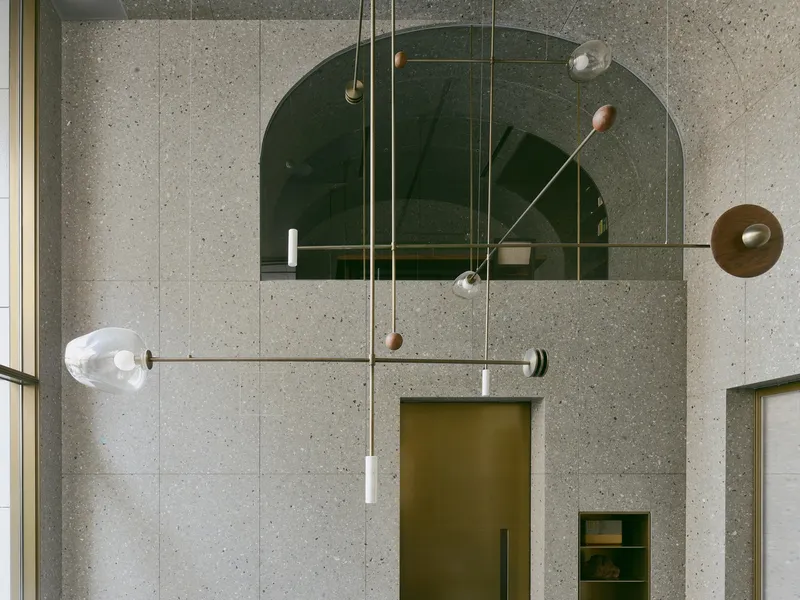
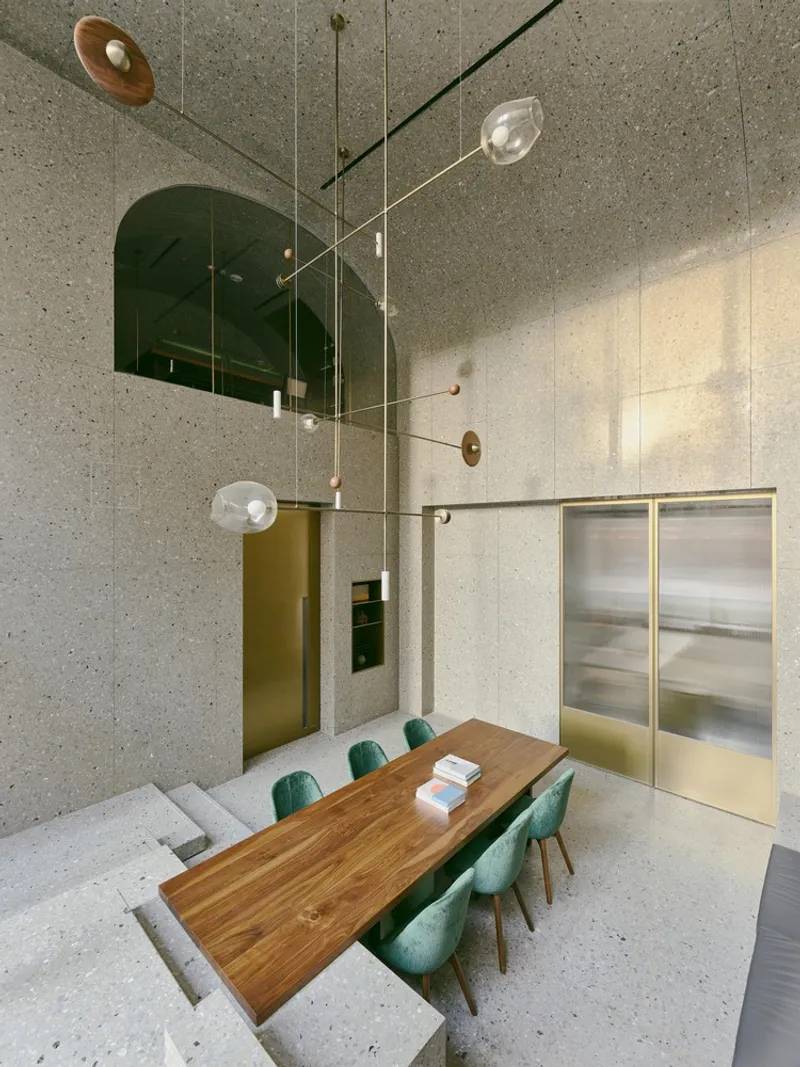
Inside, Neri&Hu extend the architectural narrative through archetypal forms and tactile materials. The arrival sequence unfolds into a double-height arched lobby, clad in warm gray terrazzo that continues seamlessly into the mailbox area, lift lobby, and resident lounge. A custom pendant installation, crafted from bronze and hand-blown glass, adds a layer of artisanal refinement and soft illumination.
Furniture in black walnut timber, paired with bronze accents and neutral textiles, reinforces a calm, residential atmosphere while maintaining a sense of understated luxury. The interior palette is restrained yet rich, prioritizing longevity and sensory depth.
Communal Living and Rooftop Amenities
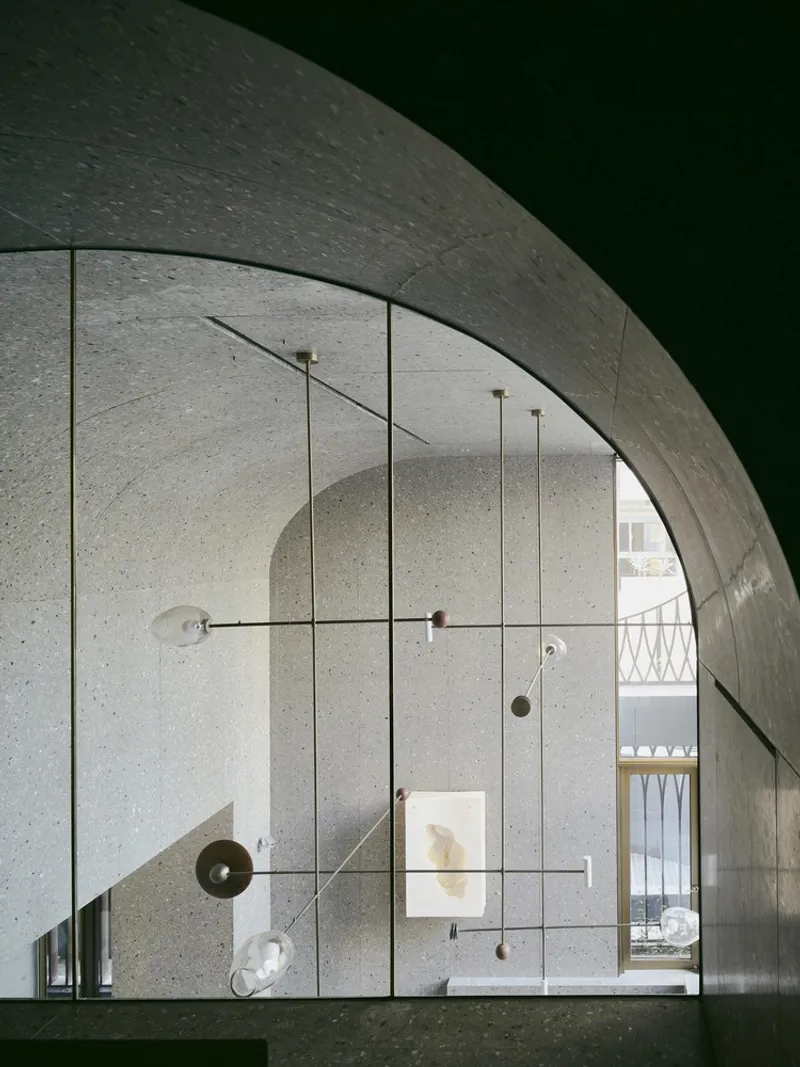
On the second floor, a small residents’ library overlooks the lounge below. Its wide arch proportions subtly reference the arcaded architecture common in Taipei’s older neighborhoods, strengthening the project’s connection to local typologies.
The rooftop is conceived as an extension of communal living, offering a gym, outdoor kitchenette, event space, yoga platform, pet area, and intimate seating nooks. Surrounded by lush planting, these amenities frame expansive views toward Yangming Mountain, enhancing daily life through nature, wellness, and shared experience.
A Contemporary Residential Landmark
With a total area of 8,485 square meters, THE LATTICE, Zhishan Residences exemplifies contextual residential architecture in Taiwan, one that respects cultural memory while embracing contemporary expression. Through its disciplined massing, expressive façade, and carefully crafted interiors, the project delivers a sophisticated model for urban living rooted in place, materiality, and timeless design values.
All photographs are works of
Studio Millspace



Popular Articles
Popular articles from the community


AL-JANNAH: Sustainable Architecture and Permaculture for Afghan Widows
AL-JANNAH uses sustainable architecture and permaculture to create resilient oasis of housing, learning, work and renewal for Afghan widows.

Conexión: Biophilic Design Reimagines High-Rise Living in Hong Kong
Conexión reimagines high-rise living in Hong Kong through biophilic design, green facades, shared spaces, daylight, water and nature within.

Co-life: Sustainable Architecture for Age-Friendly Community Living
Co-life reimagines sustainable architecture for seniors through courtyards, rammed earth, shared gardens, and spaces designed for belonging.

The Ocean Hive: Sustainable Architecture for a Self-Sufficient Civilization at Sea
The Ocean Hive imagines sustainable architecture at sea, where modular habitats, algae, wave power and ocean waste sustain a growing colony.


Similar Reads
You might also enjoy these articles

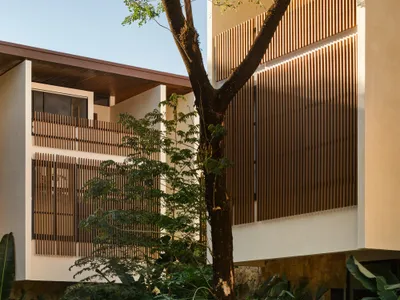
FAMM Arquitectura Organizes Ten Villas Around Courtyards and Jungle in Nosara, Costa Rica
El Molino pairs two elongated volumes with deep overhangs and timber louvers to build a compact coastal community five minutes from the beach.
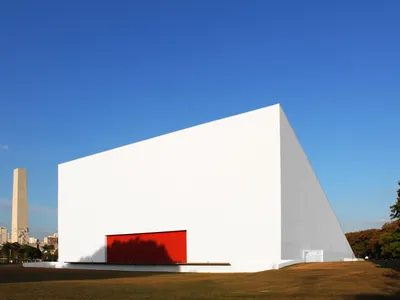
Oscar Niemeyer's Ibirapuera Park Pavilions Define São Paulo's Cultural Identity in Concrete and Curve
A constellation of modernist volumes set within São Paulo's most important urban park, conceived for the city's 400th anniversary in 1954.
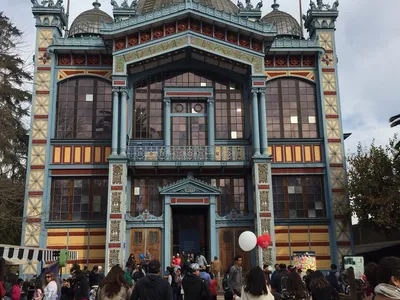
How Henri Picq's 1889 Paris Pavilion Traveled 11,000 Kilometers to Become Santiago's Artequín Museum
A prefabricated iron and glass pavilion built for the Paris Universal Exposition found a second life as a children's art museum in Chile.
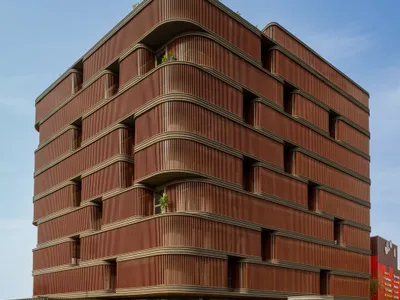
Sanjay Puri Architects Wraps a Jaipur Office Tower in Capsule-Shaped Green Buffers
A nine-level climate-responsive workplace near Jaipur Airport uses stacked planter terraces and aluminium screens to fight 40°C heat.


Explore Residential Building Competitions
Discover active competitions in this discipline


Challenge to design mud housing for contemporary communities


Challenge to reimagine the Iron Throne


Photograph architecture without architects


Illustrate the lost glory of Angkor Wat - Render Challenge
Comments (0)
Please login or sign up to add comments
No comments yet. Be the first to comment!