
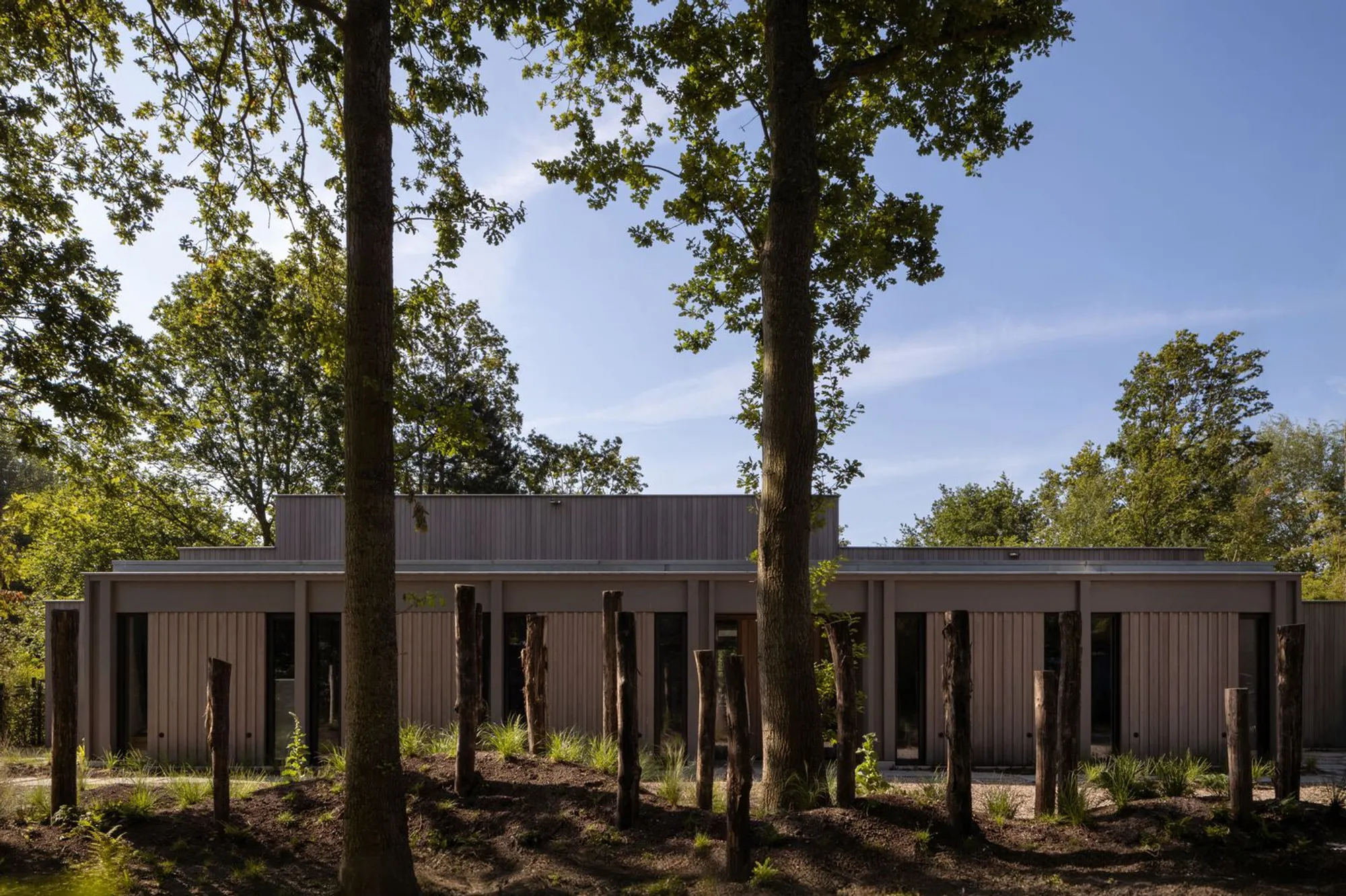
The Volume House: A Modular Holiday Retreat by VLOT Architecten
The Volume House by VLOT Architecten is a modular, sustainable holiday home in the Dutch coast, blending nature, timber structure, and flexible spaces.


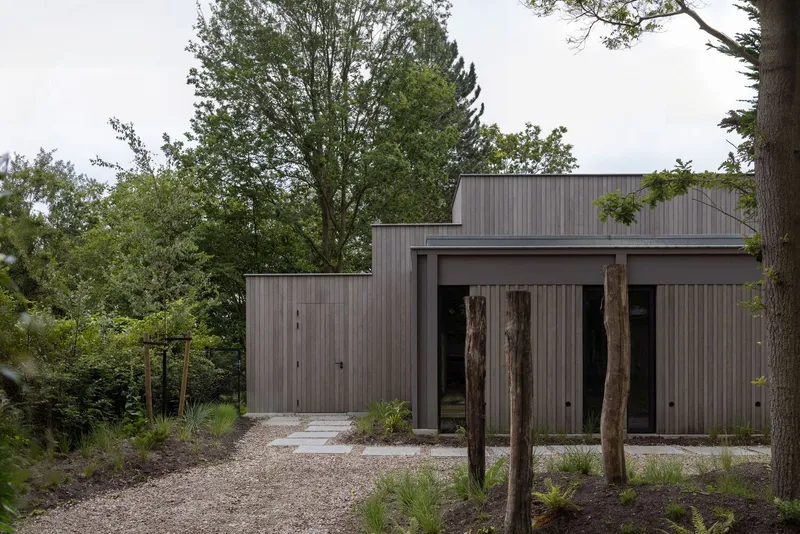
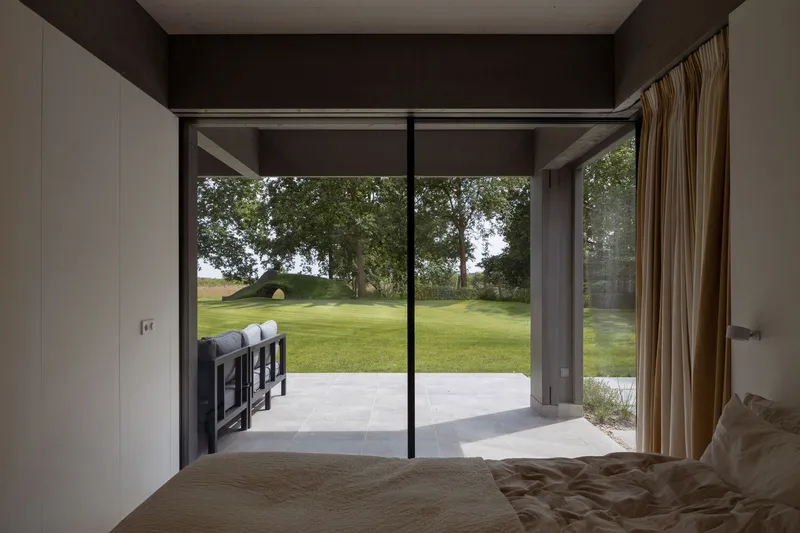
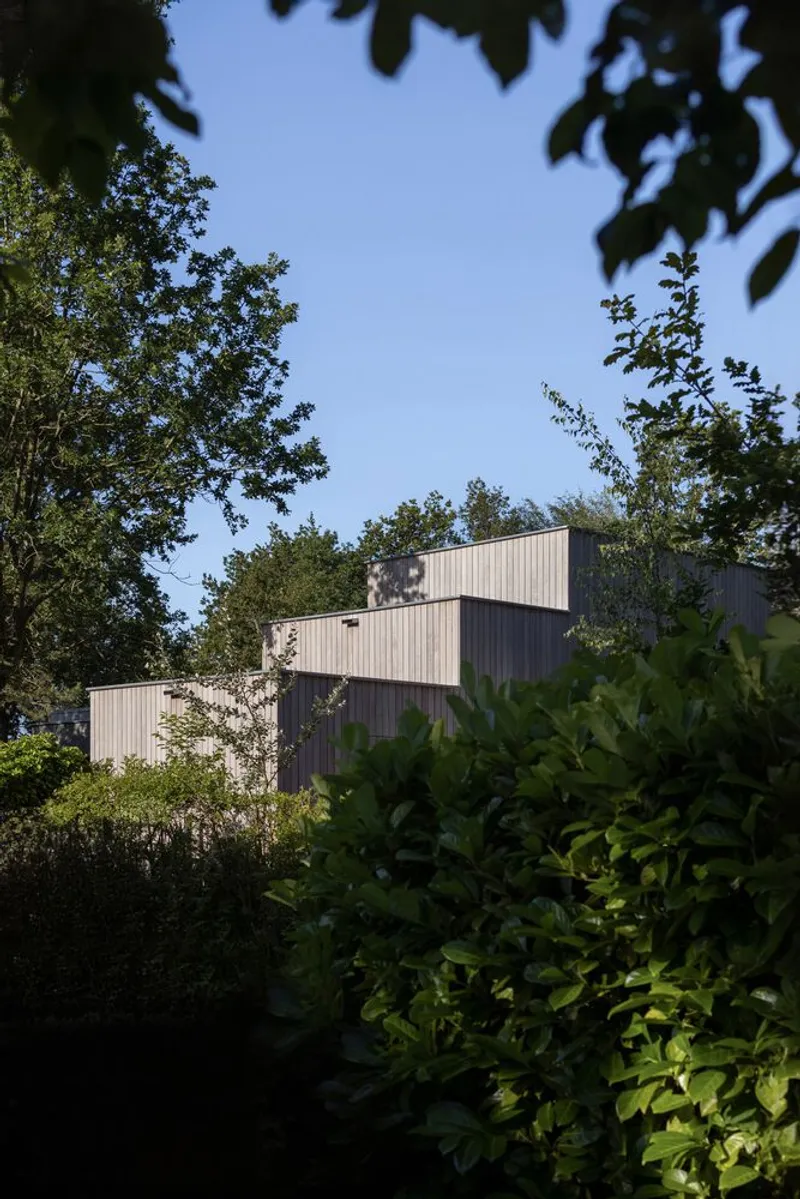
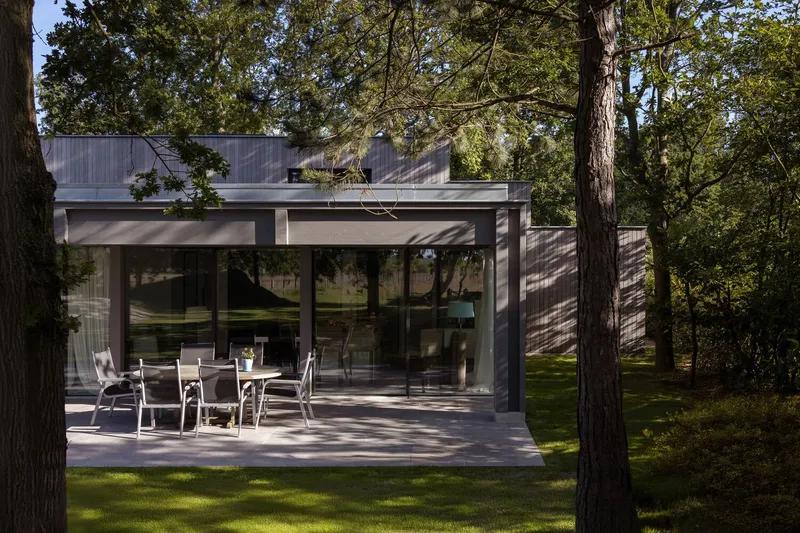
Nestled near the Dutch coast, with uninterrupted views over three kilometers of lush nature reserve, The Volume House by VLOT architecten is a holiday home thoughtfully designed for a large family. Its architecture harmonizes with the surrounding landscape while offering a flexible, modular interior that accommodates both privacy and communal living.
Innovative Spatial Organization
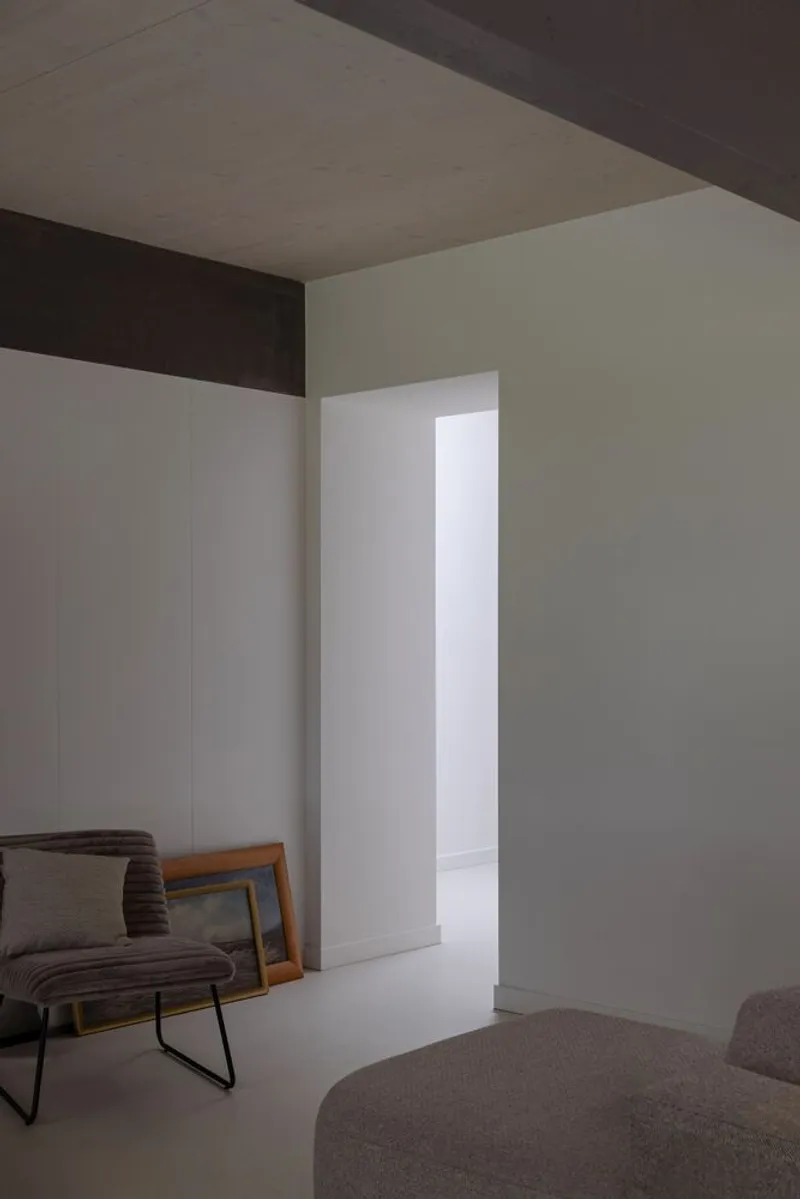
At the heart of the house lies a centrally positioned enclosed volume, serving as the home’s core. This architectural centerpiece organizes all supporting functions, from storage and utilities to circulation. Its introverted and spatially dynamic design creates a transition between private and public areas, offering a nuanced interplay of scale and atmosphere.
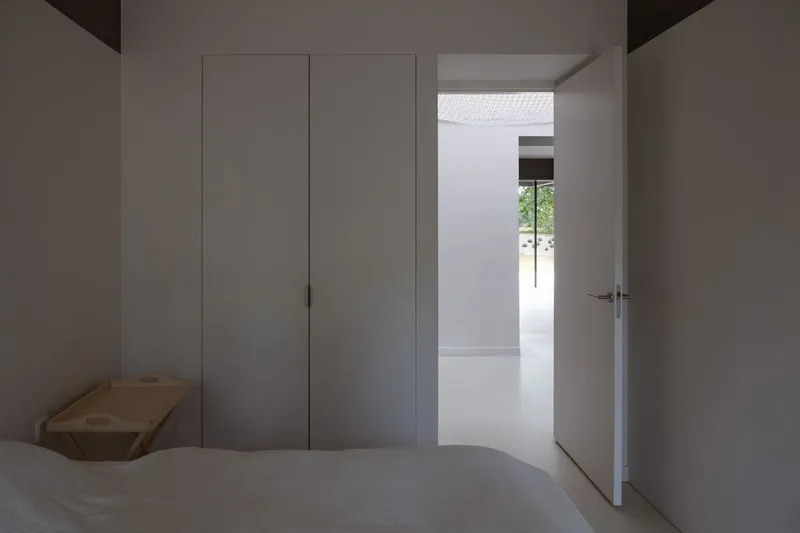
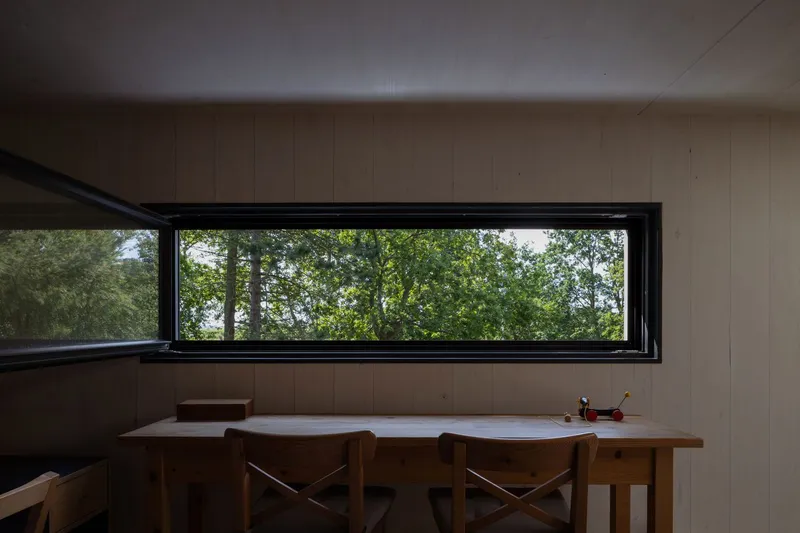
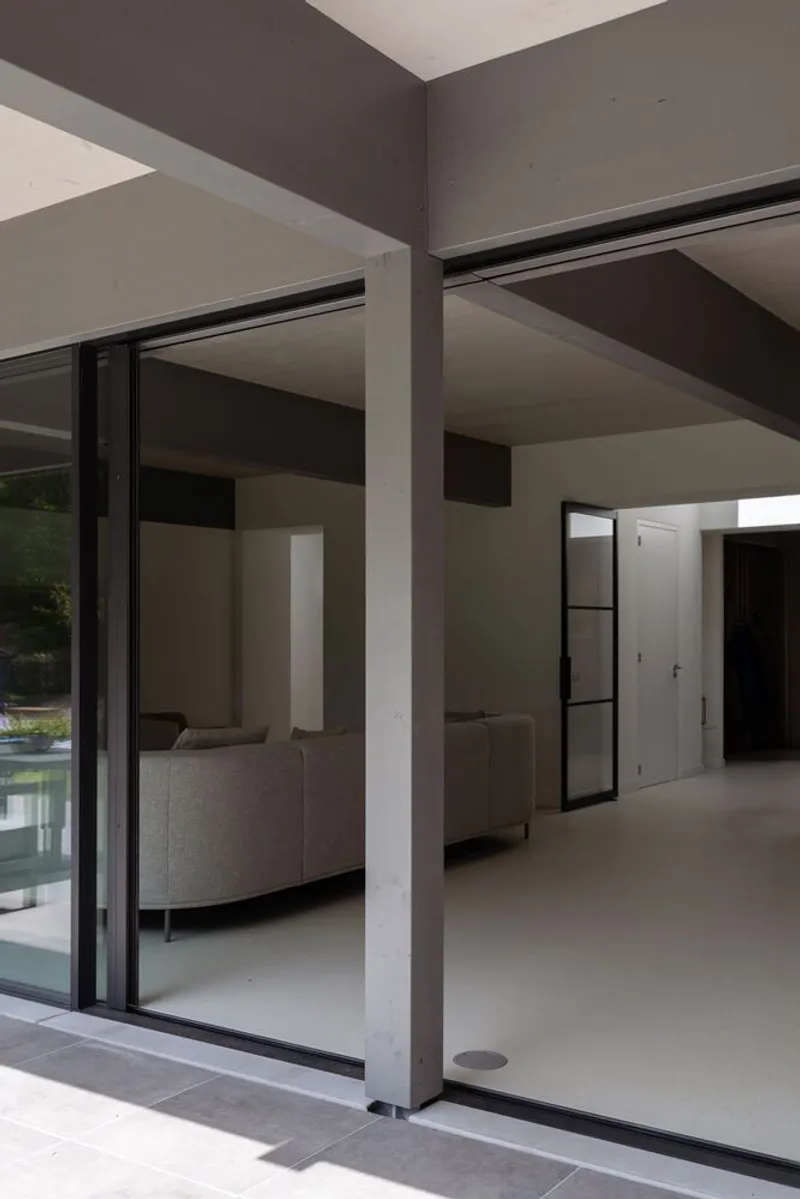
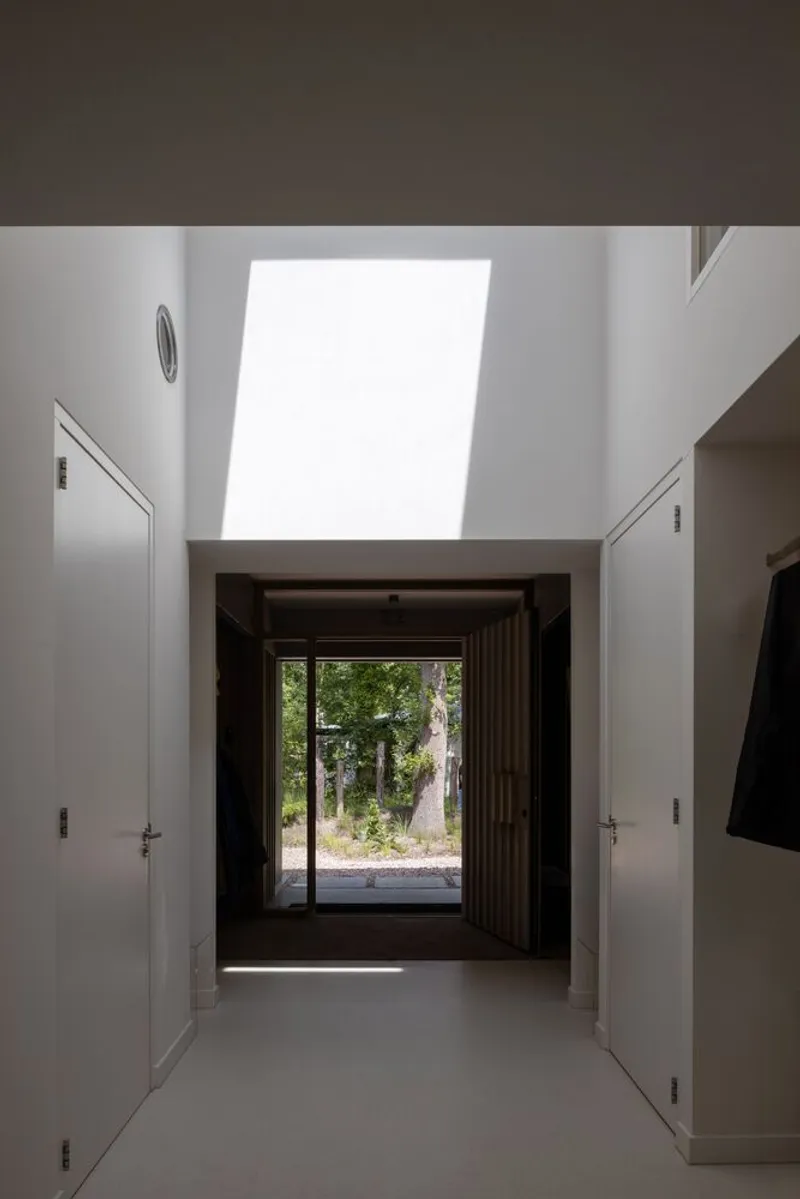
The internal heights of this core vary significantly, from a loft bed space with approximately 1.5 meters of clearance to an impressive 4-meter-high entrance hall. Thick walls not only define spatial transitions but also accommodate wardrobes, kitchen cabinetry, air ducts, electrical systems, and plumbing. Skylights strategically punctuate this volume, providing vertical connections to the outdoors, framing views of clouds and natural light patterns.
Living Spaces in Harmony with Nature
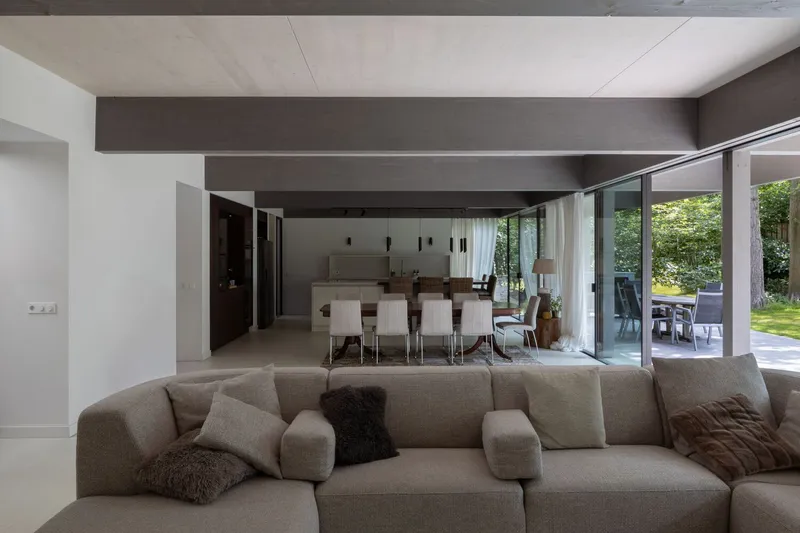
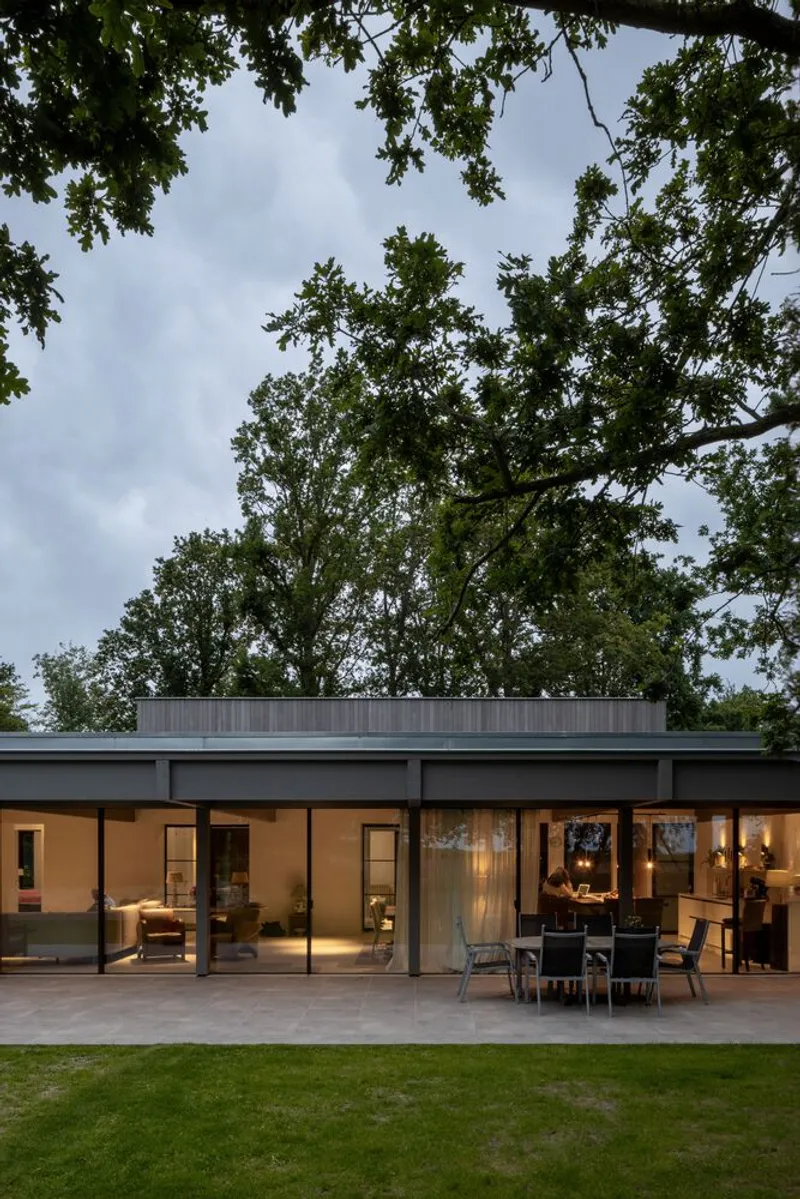
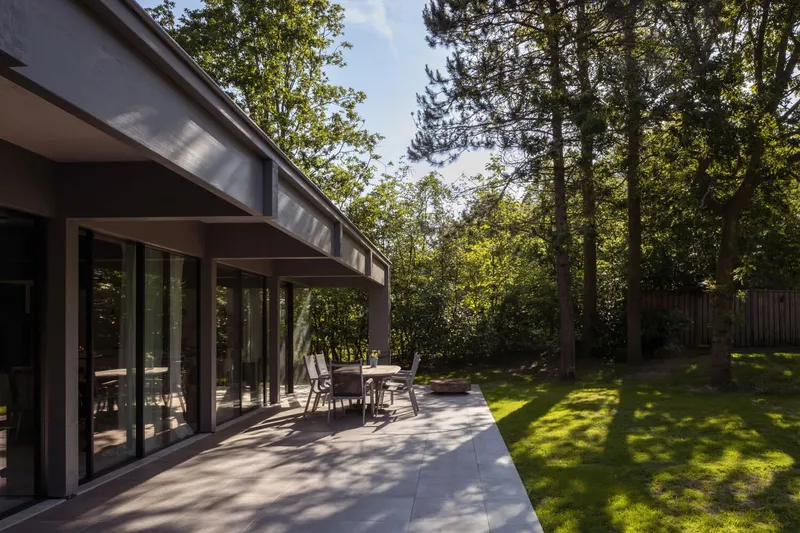
Flanking this central volume are the main living areas. On the north side, bedrooms are carefully nestled among the trees, fostering a serene and sheltered environment. To the south, the living and dining areas open up toward panoramic views of the nature reserve, emphasizing a horizontal connection with the landscape.
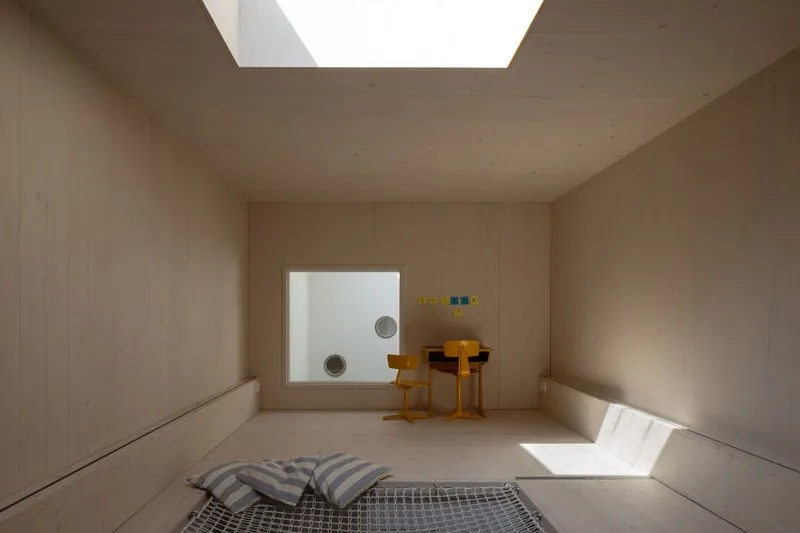
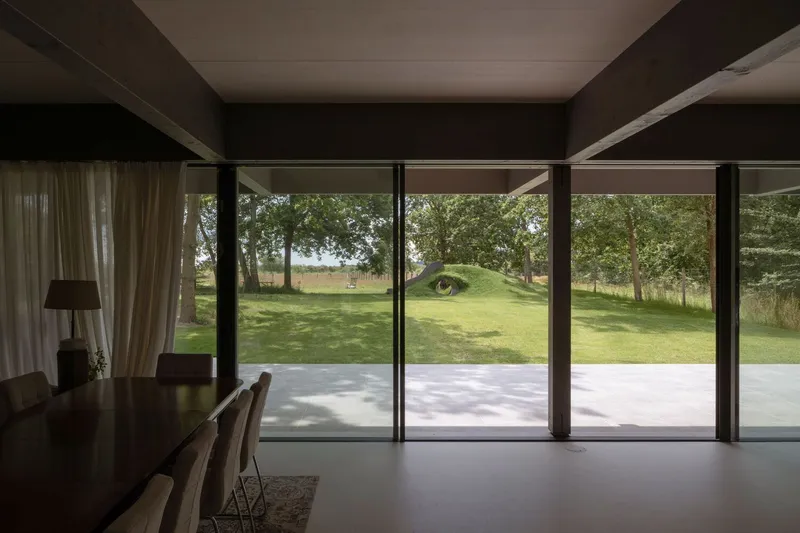
These living areas contrast the solid central volume through a lighter construction of laminated wooden columns and beams. The modular framework, set on a precise 3-meter grid, supports walls, window frames, and partitions that can be detached, allowing for future flexibility. Over time, spaces can be merged, expanded, or adapted without disrupting the structural integrity. This modularity is highlighted inside with MDF paneling at 600mm intervals, giving the interior a sense of rhythm and tangible structure.
Sustainable Material Palette
The color palette and material choices of The Volume House are closely aligned with its natural surroundings. VLOT architecten prioritized sustainability by selecting materials with low CO2 footprints, including:
- Larch and pine for the main load-bearing structure
- Timber frame construction for internal and external walls
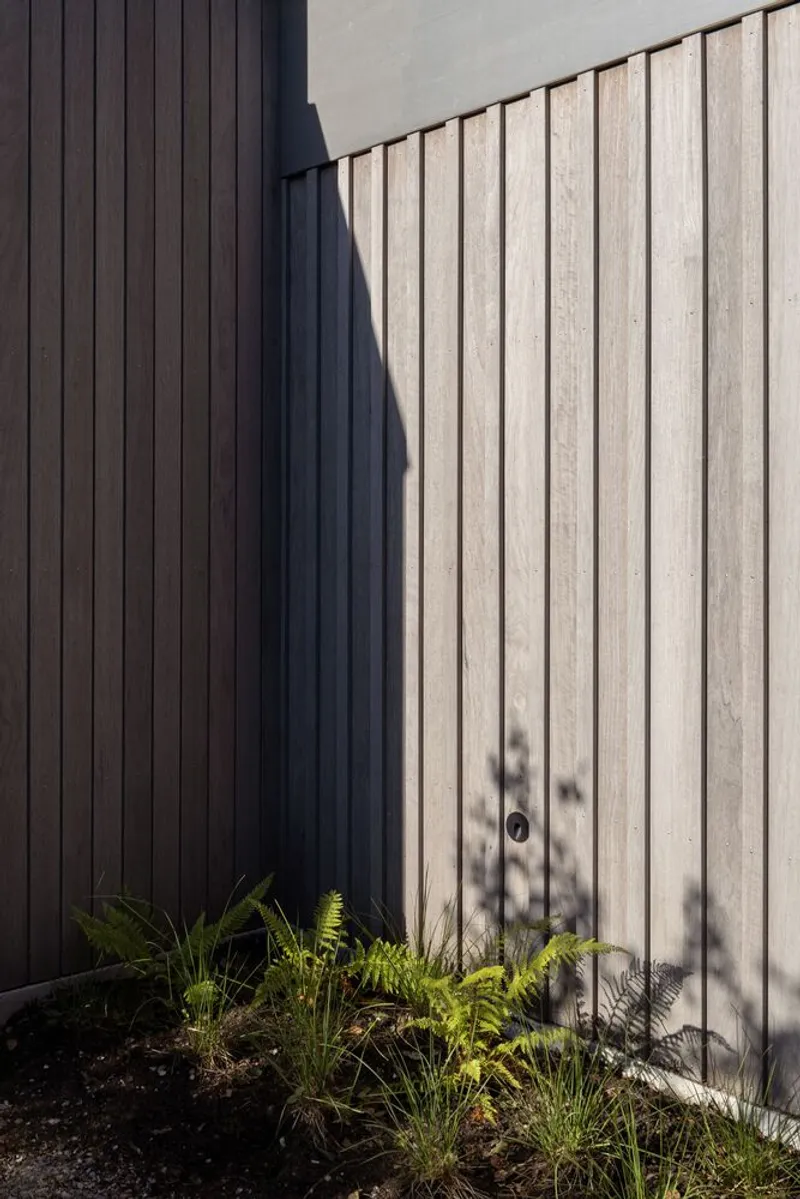
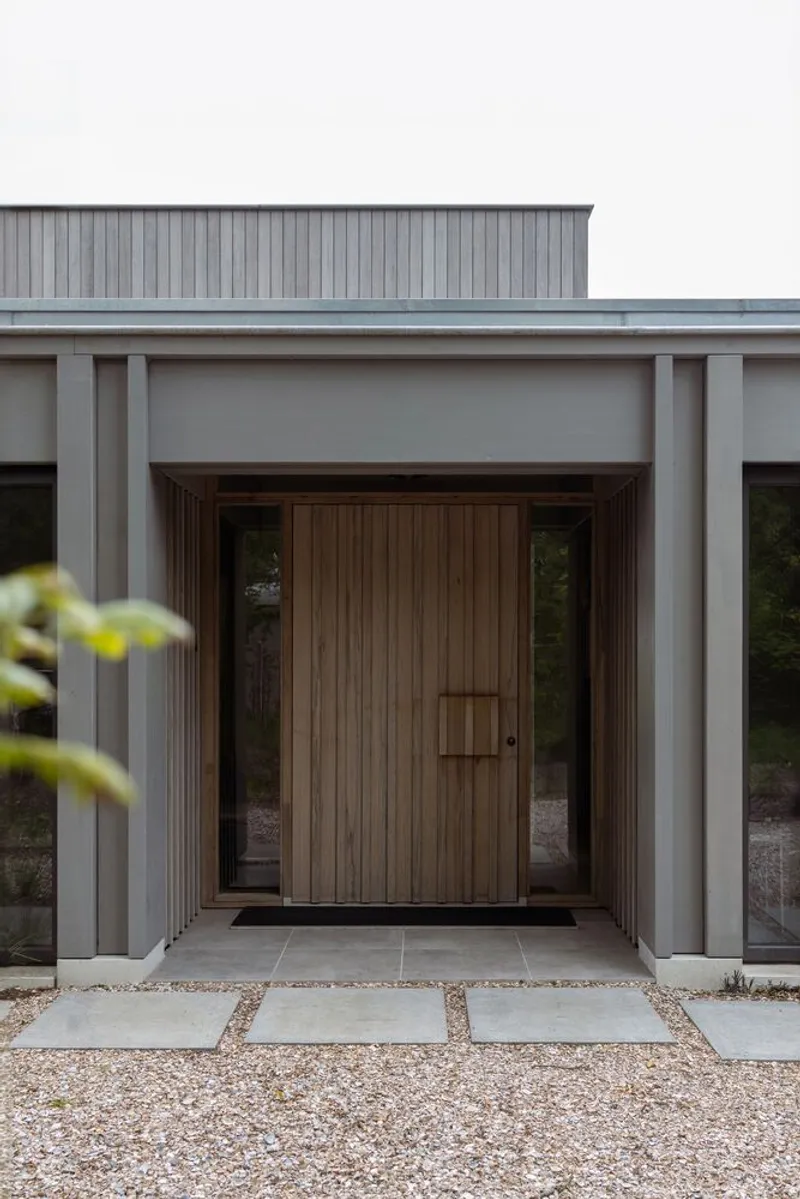
- Fraké wood for the façade finish
- MDF paneling for interior walls
- Linoleum flooring for eco-friendly durability
Prefabricated components were extensively used, reducing construction time and minimizing on-site waste. By coordinating directly with subcontractors instead of a traditional main contractor, VLOT architecten ensured quality control while keeping construction costs manageable and the design vision intact until completion.
Design Highlights
- Centrally enclosed volume acting as spatial and functional core
- Variable ceiling heights create dynamic experiences and spatial hierarchy
- Modular wooden frame allows for future adaptability
- Panoramic nature views integrated into both vertical and horizontal axes
- Sustainable, low-impact materials emphasize environmental responsibility
- Prefabricated construction reduces costs and construction time
The Volume House stands as a modern interpretation of a holiday home, balancing flexibility, sustainability, and architectural elegance while harmonizing with its natural Dutch coastal environment.
All photographs are works of
Anna Odulinska




Popular Articles
Popular articles from the community


Co-life: Sustainable Architecture for Age-Friendly Community Living
Co-life reimagines sustainable architecture for seniors through courtyards, rammed earth, shared gardens, and spaces designed for belonging.

Conexión: Biophilic Design Reimagines High-Rise Living in Hong Kong
Conexión reimagines high-rise living in Hong Kong through biophilic design, green facades, shared spaces, daylight, water and nature within.

The Earth Pod: 3D Printed Homes for Resilient Refugee Communities
The Earth Pod reimagines refugee housing through 3D printed homes made from clay, combining resilience, self-sufficiency, and rapid shelter.

Co-Life: Senior Housing Design That Reconnects Older Adults With the City
Co-Life reimagines senior housing design through healing gardens, shared streets, workshops, and a sustainable community across generations.

Similar Reads
You might also enjoy these articles


FAMM Arquitectura Organizes Ten Villas Around Courtyards and Jungle in Nosara, Costa Rica
El Molino pairs two elongated volumes with deep overhangs and timber louvers to build a compact coastal community five minutes from the beach.
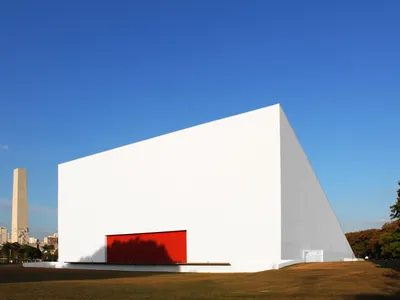
Oscar Niemeyer's Ibirapuera Park Pavilions Define São Paulo's Cultural Identity in Concrete and Curve
A constellation of modernist volumes set within São Paulo's most important urban park, conceived for the city's 400th anniversary in 1954.
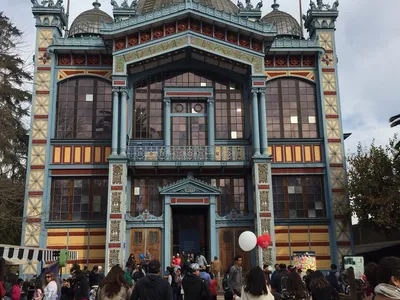
How Henri Picq's 1889 Paris Pavilion Traveled 11,000 Kilometers to Become Santiago's Artequín Museum
A prefabricated iron and glass pavilion built for the Paris Universal Exposition found a second life as a children's art museum in Chile.
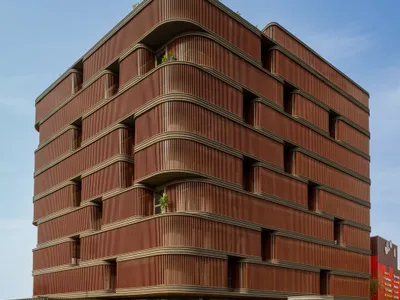
Sanjay Puri Architects Wraps a Jaipur Office Tower in Capsule-Shaped Green Buffers
A nine-level climate-responsive workplace near Jaipur Airport uses stacked planter terraces and aluminium screens to fight 40°C heat.

Explore Residential Building Competitions
Discover active competitions in this discipline


Challenge to design mud housing for contemporary communities


Challenge to reimagine the Iron Throne


Photograph architecture without architects


Illustrate the lost glory of Angkor Wat - Render Challenge
Comments (0)
Please login or sign up to add comments
No comments yet. Be the first to comment!