
Three Garden House: A Serene Retreat Surrounded by Nature in Adelaide Hills
Three Garden House by PARABOLICA in Adelaide Hills immerses residents in nature, featuring a central courtyard, textured brickwork, and serene, light-filled interiors.


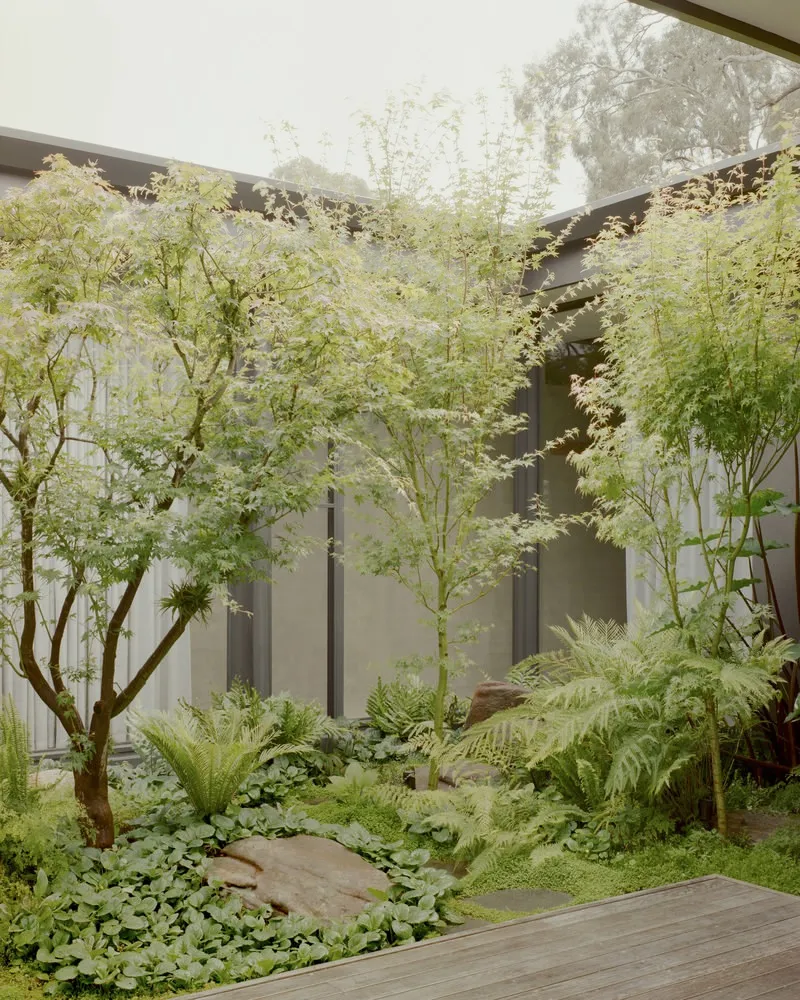
The Three Garden House by PARABOLICA is a residential sanctuary designed for clients in the twilight of their lives, celebrating a lifelong passion for gardening. Located in the picturesque Adelaide Hills, this home seamlessly integrates the surrounding landscape, creating an immersive and introspective experience for its inhabitants.
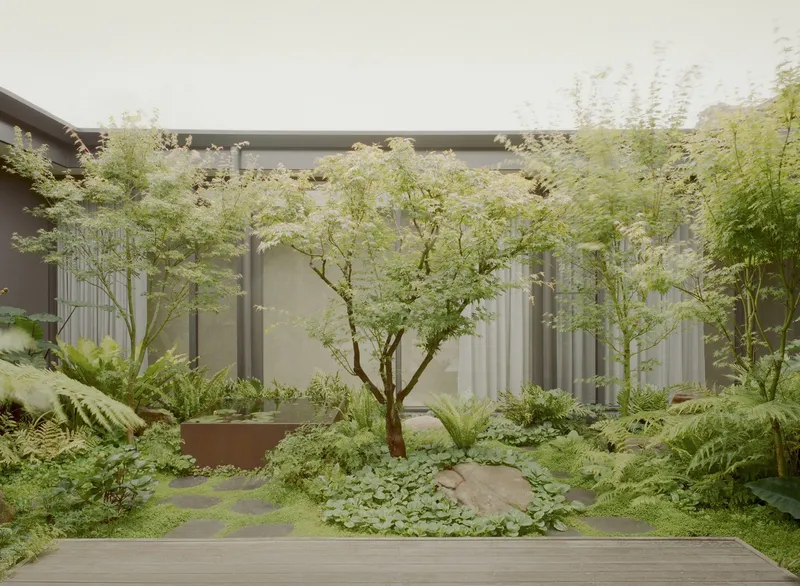
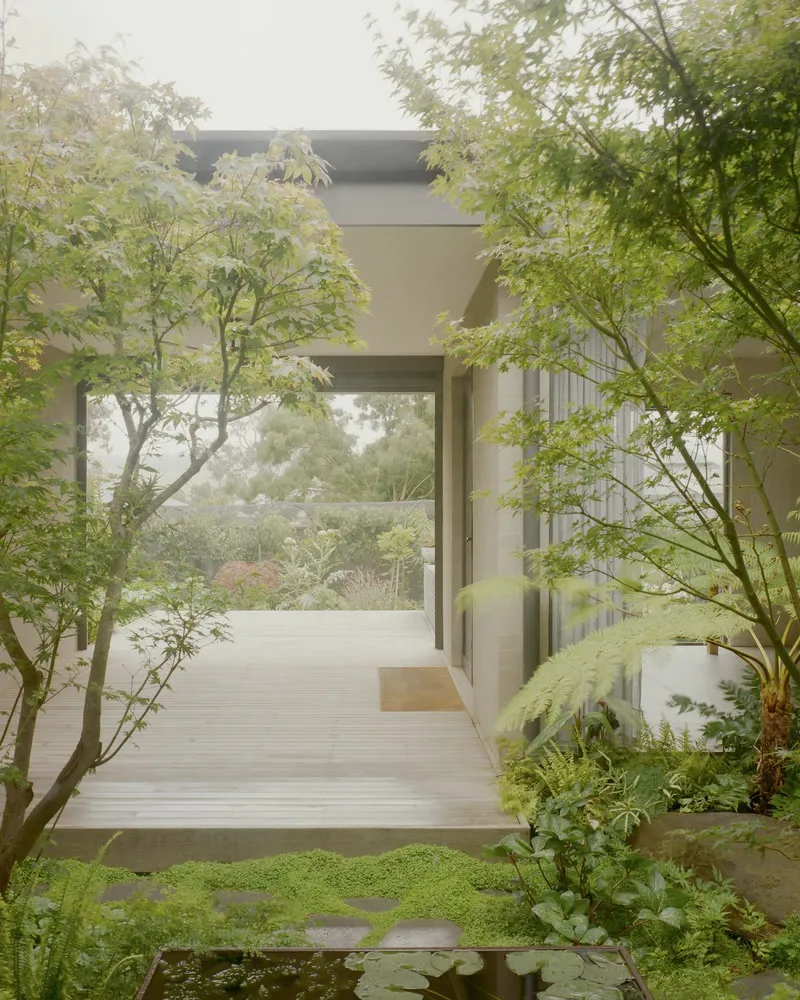
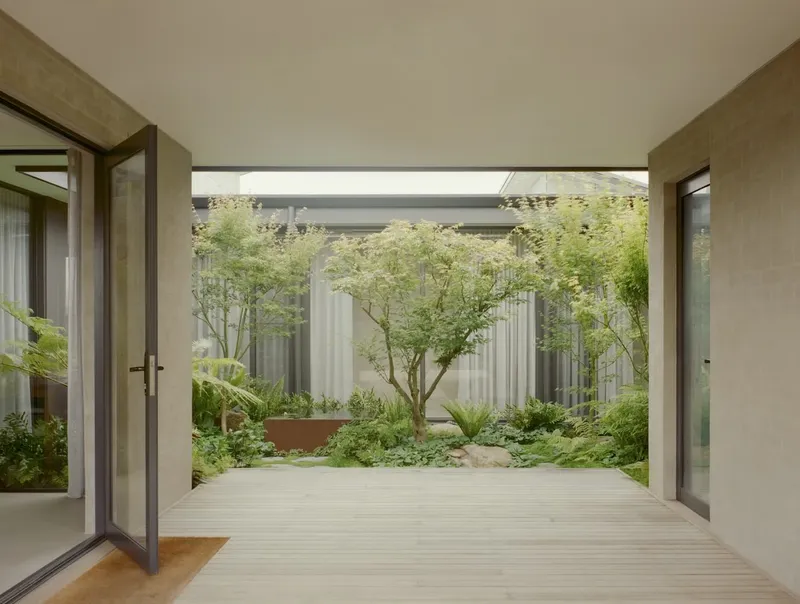
Designed to center life around a lush courtyard garden, the dwelling prioritizes calm, connection with nature, and spatial simplicity. Every aspect of the design focuses inward, fostering contemplation while maintaining a strong relationship with the outdoors through generous protected glazing.
Design Challenges and Budget-Conscious Solutions
One of the central challenges of the project was achieving a high-quality architectural outcome while adhering to a modest budget. This limitation influenced key design strategies, prompting the use of economical construction techniques without compromising aesthetics or functionality.
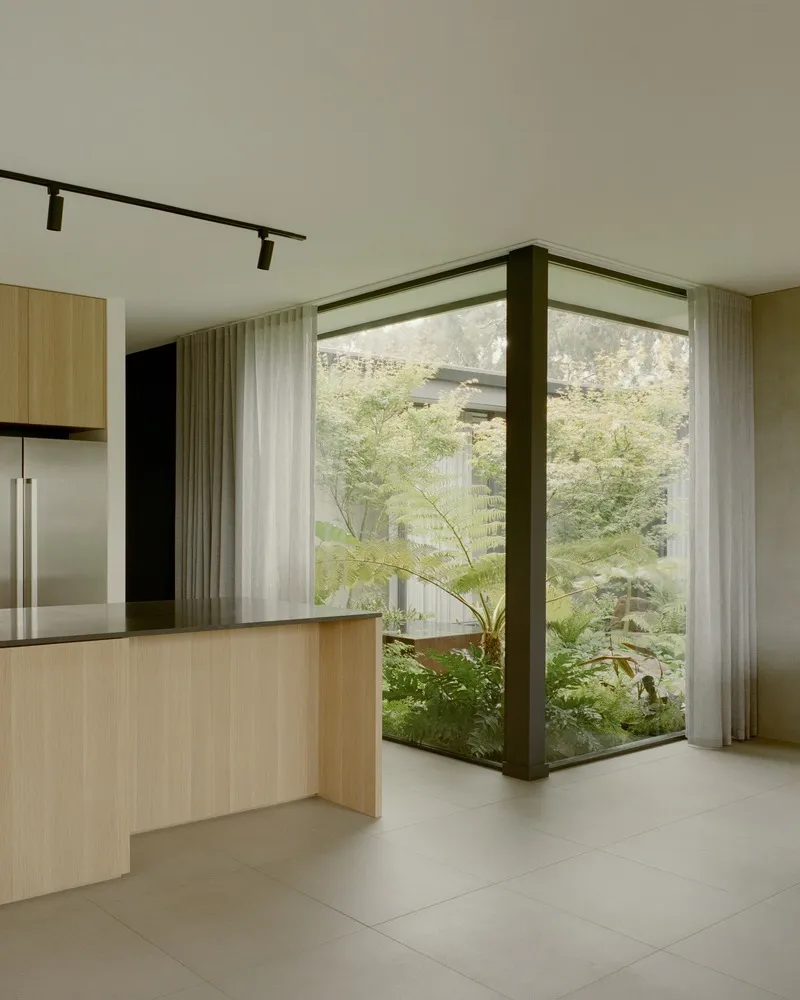
Initial studies reimagined the traditional hipped-roof, brick-veneered home by inverting its arrangement. This innovative approach centralized rooflines, gutters, and downpipes, decluttering the exterior while creating a taller, more reductive building profile. Functionally, this layout organizes space around a central courtyard, establishing a visual and spatial focal point within the home.
Spatial Organization and Materiality
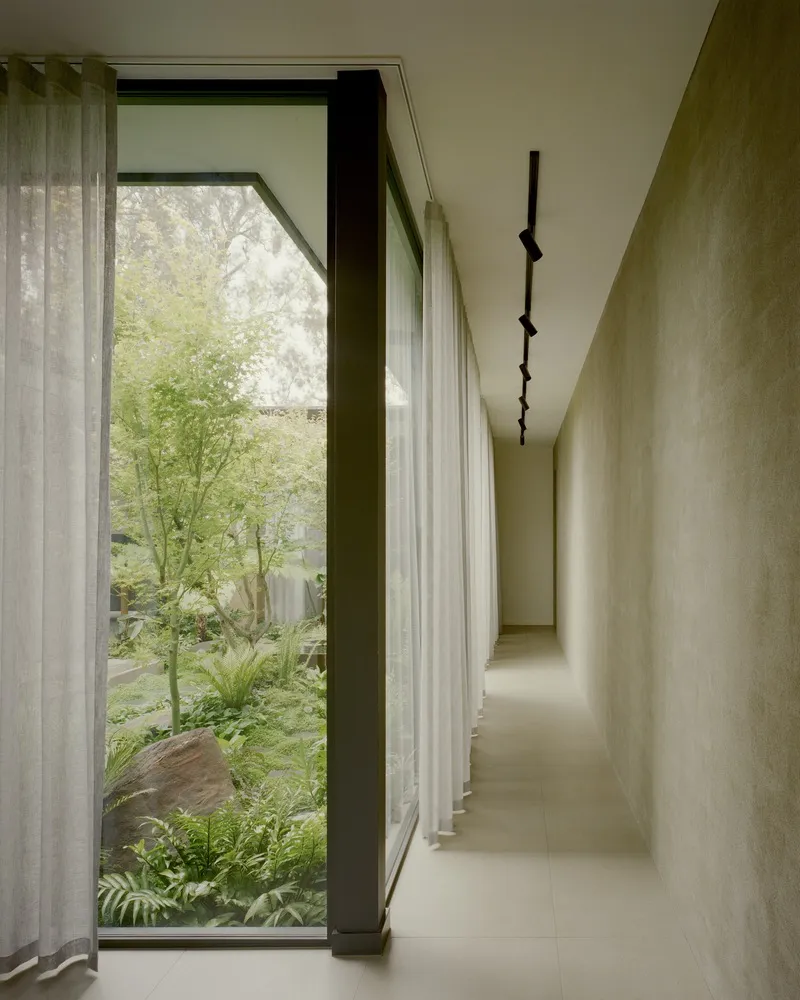
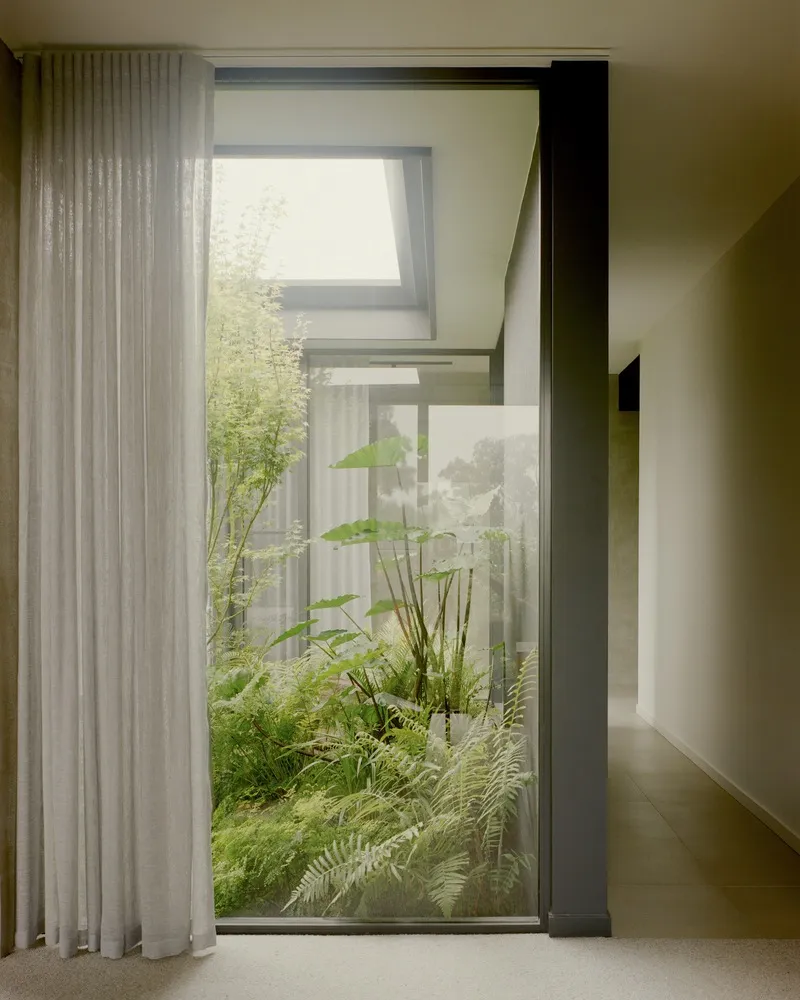
The home’s floor plan is rectilinear, with circulation wrapping gracefully around the internal garden. Large glazed areas provide continuous visual access to greenery, enhancing the sense of immersion and tranquility. Interior spaces feature light-filled, muted interiors, allowing the exterior landscape to remain the primary focus. A subdued material palette complements the greenery, contributing to a peaceful and contemplative environment.
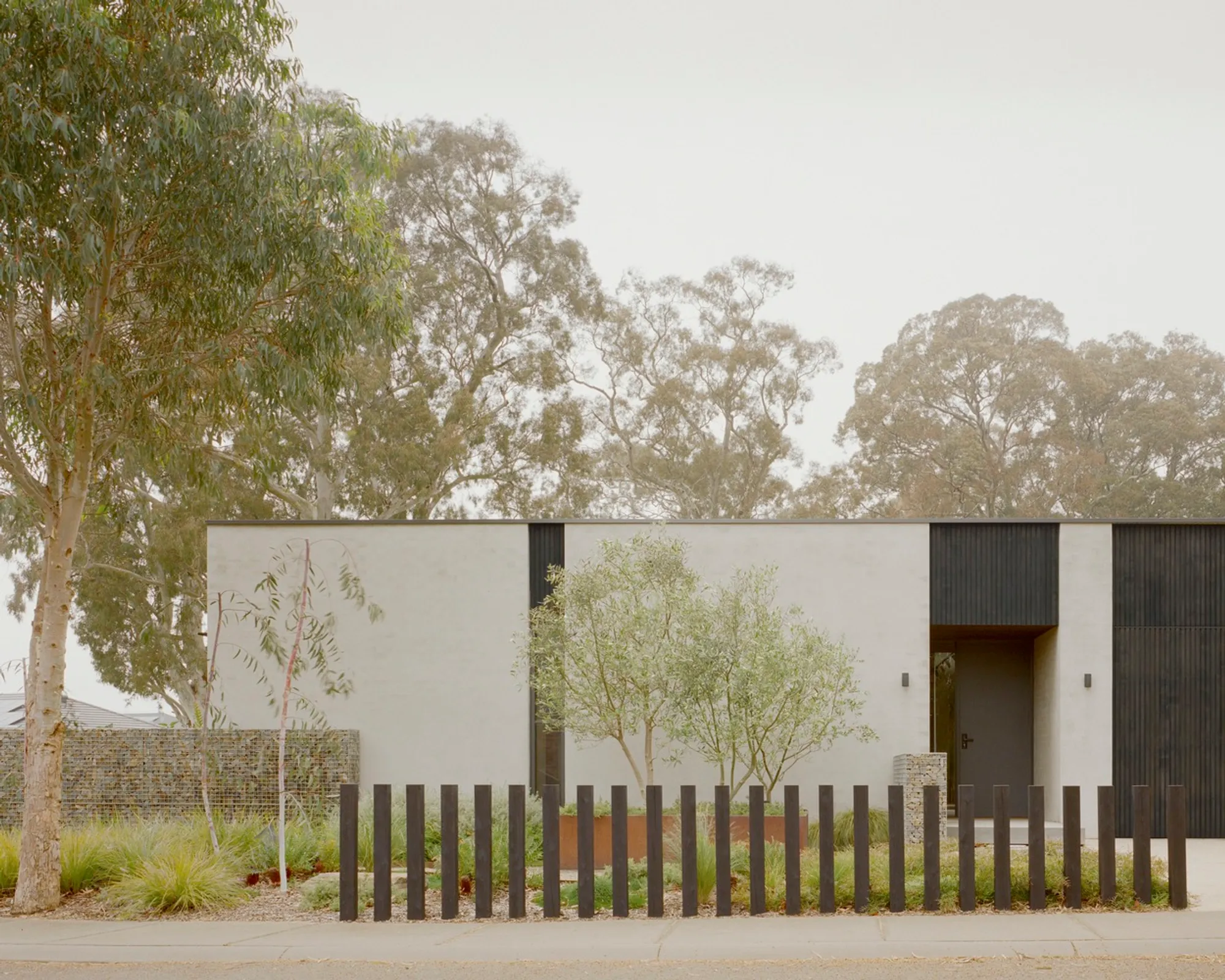
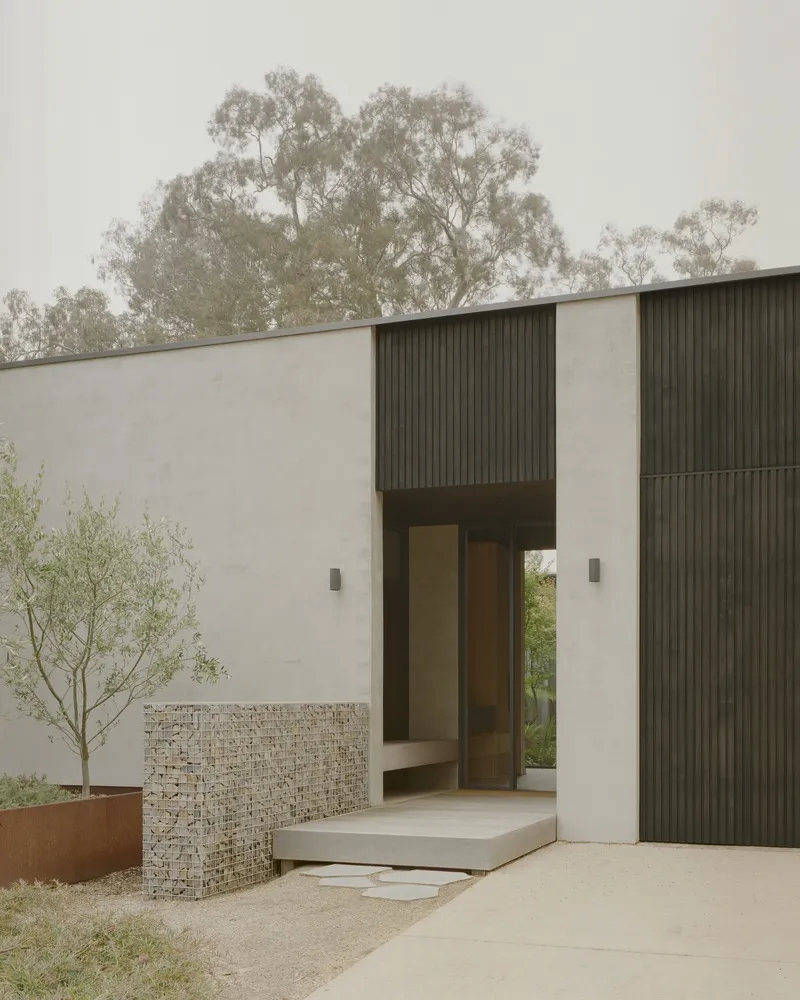
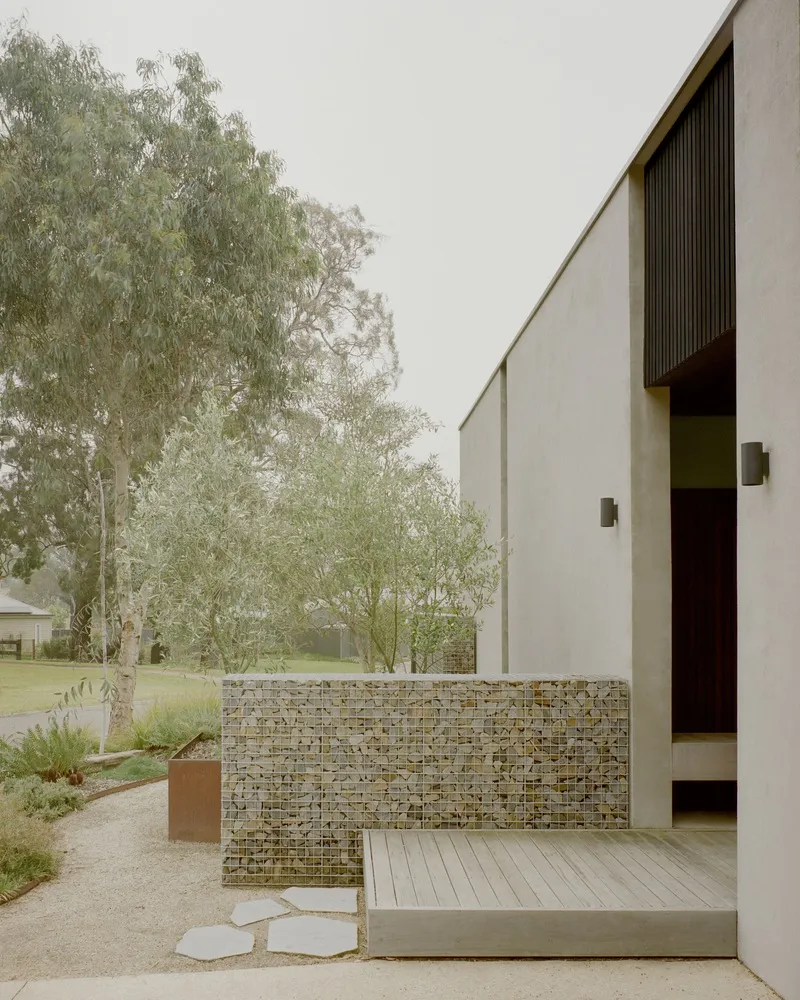
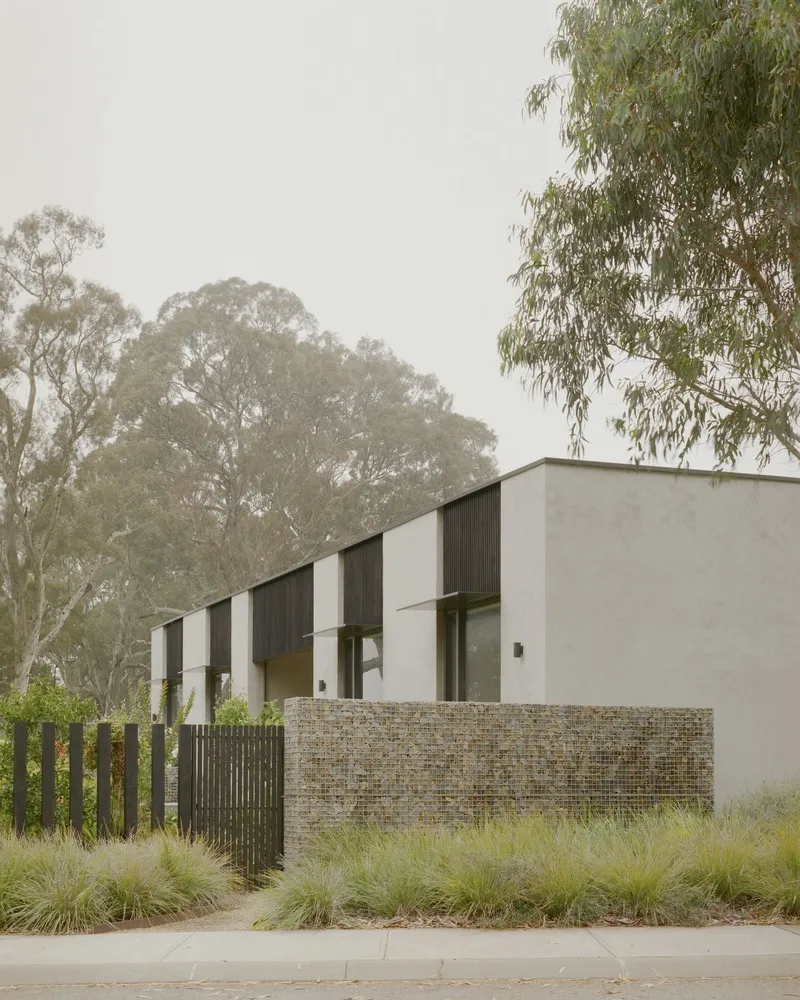
From the street, the house presents a simple rectangular form. External walls are clad in clay bricks finished with a traditional sand-cement-lime bagging technique, offering a singular and textural surface. Vertical articulation is achieved through dark-stained cedar cladding around entries and window openings, emphasizing understated elegance.
Gardens and Landscape Integration
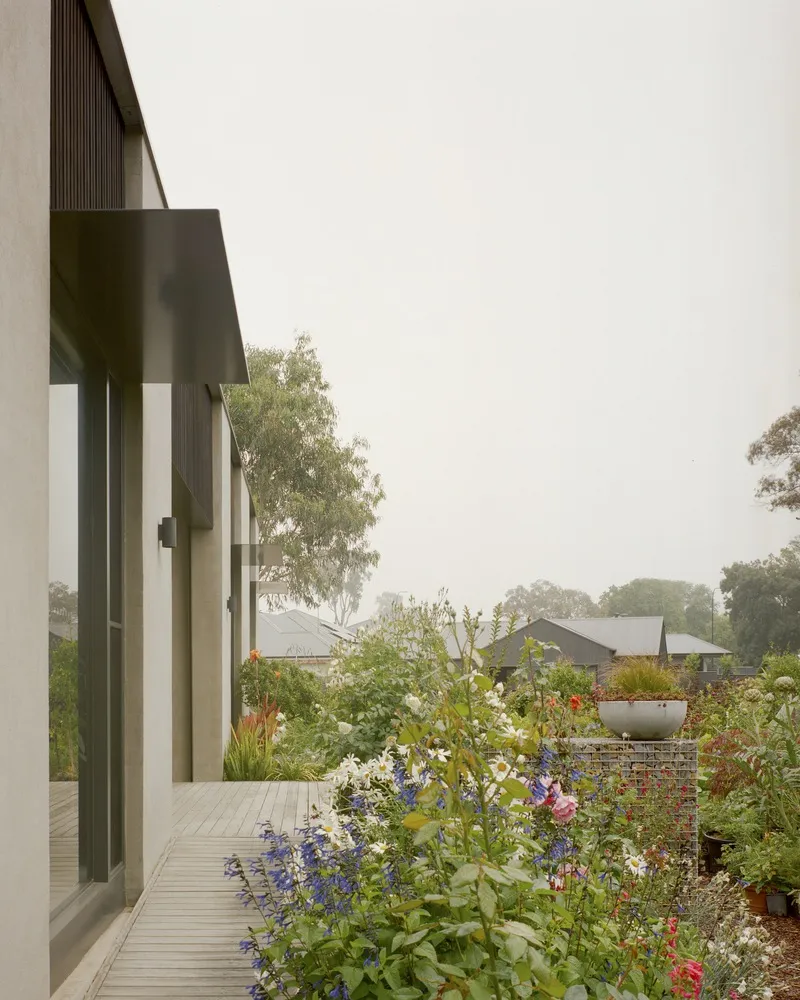
The front garden features native trees and plants that harmonize with the surrounding Adelaide Hills environment. Beyond the street-facing facade, the property serves as a working garden, hosting a diverse array of flowers, fruit trees, and other plants. Many of these were transplanted from the clients’ previous garden, preserving over 50 years of horticultural legacy.
This approach creates a home where architecture and landscape are inseparable, reflecting the clients’ deep connection to the land and their lifelong commitment to gardening.
Three Garden House is a masterful example of thoughtful, budget-conscious residential design. It combines sustainable materials, textured brickwork, and landscape integration to create a serene, inward-focused home that celebrates the beauty of everyday life and the intimacy of nature.
All photographs are works of
Pier Carthew



Popular Articles
Popular articles from the community


Co-life: Sustainable Architecture for Age-Friendly Community Living
Co-life reimagines sustainable architecture for seniors through courtyards, rammed earth, shared gardens, and spaces designed for belonging.

Hill & Cross Opera: Sculptural Opera House Architecture Shaped by Tallinn’s Landscape and Identity
Hill & Cross Opera reimagines opera house architecture in Tallinn through its sculptural hill, civic plaza, glass wave and a luminous cross.

The Musturak Paradise: Senior Living Architecture for a Connected Future in Temara, Morocco
The Musturak Paradise reimagines senior living architecture in Temara via private homes, social spaces, culture, community, and shared care.

The Ocean Hive: Sustainable Architecture for a Self-Sufficient Civilization at Sea
The Ocean Hive imagines sustainable architecture at sea, where modular habitats, algae, wave power and ocean waste sustain a growing colony.


Similar Reads
You might also enjoy these articles

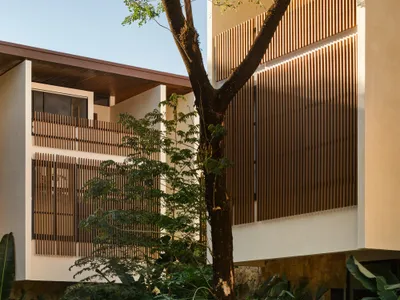
FAMM Arquitectura Organizes Ten Villas Around Courtyards and Jungle in Nosara, Costa Rica
El Molino pairs two elongated volumes with deep overhangs and timber louvers to build a compact coastal community five minutes from the beach.
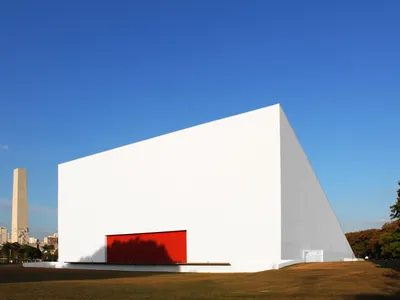
Oscar Niemeyer's Ibirapuera Park Pavilions Define São Paulo's Cultural Identity in Concrete and Curve
A constellation of modernist volumes set within São Paulo's most important urban park, conceived for the city's 400th anniversary in 1954.

How Henri Picq's 1889 Paris Pavilion Traveled 11,000 Kilometers to Become Santiago's Artequín Museum
A prefabricated iron and glass pavilion built for the Paris Universal Exposition found a second life as a children's art museum in Chile.
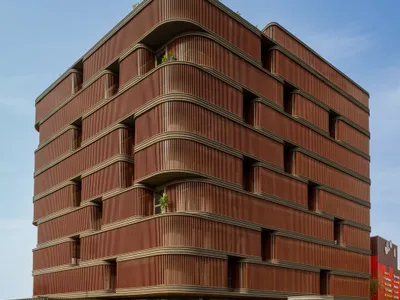
Sanjay Puri Architects Wraps a Jaipur Office Tower in Capsule-Shaped Green Buffers
A nine-level climate-responsive workplace near Jaipur Airport uses stacked planter terraces and aluminium screens to fight 40°C heat.


Explore Architecture Competitions
Discover active competitions in this discipline



Challenge to reimagine the Iron Throne


Photograph architecture without architects


Illustrate the lost glory of Angkor Wat - Render Challenge


Design challenge to reuse E-waste
Comments (0)
Please login or sign up to add comments
No comments yet. Be the first to comment!