
URBanHall: A Child's Dream of Community in Pittsburgh
A vibrant community hub designed for non-profit organizations, inspired by the imagination of a child.


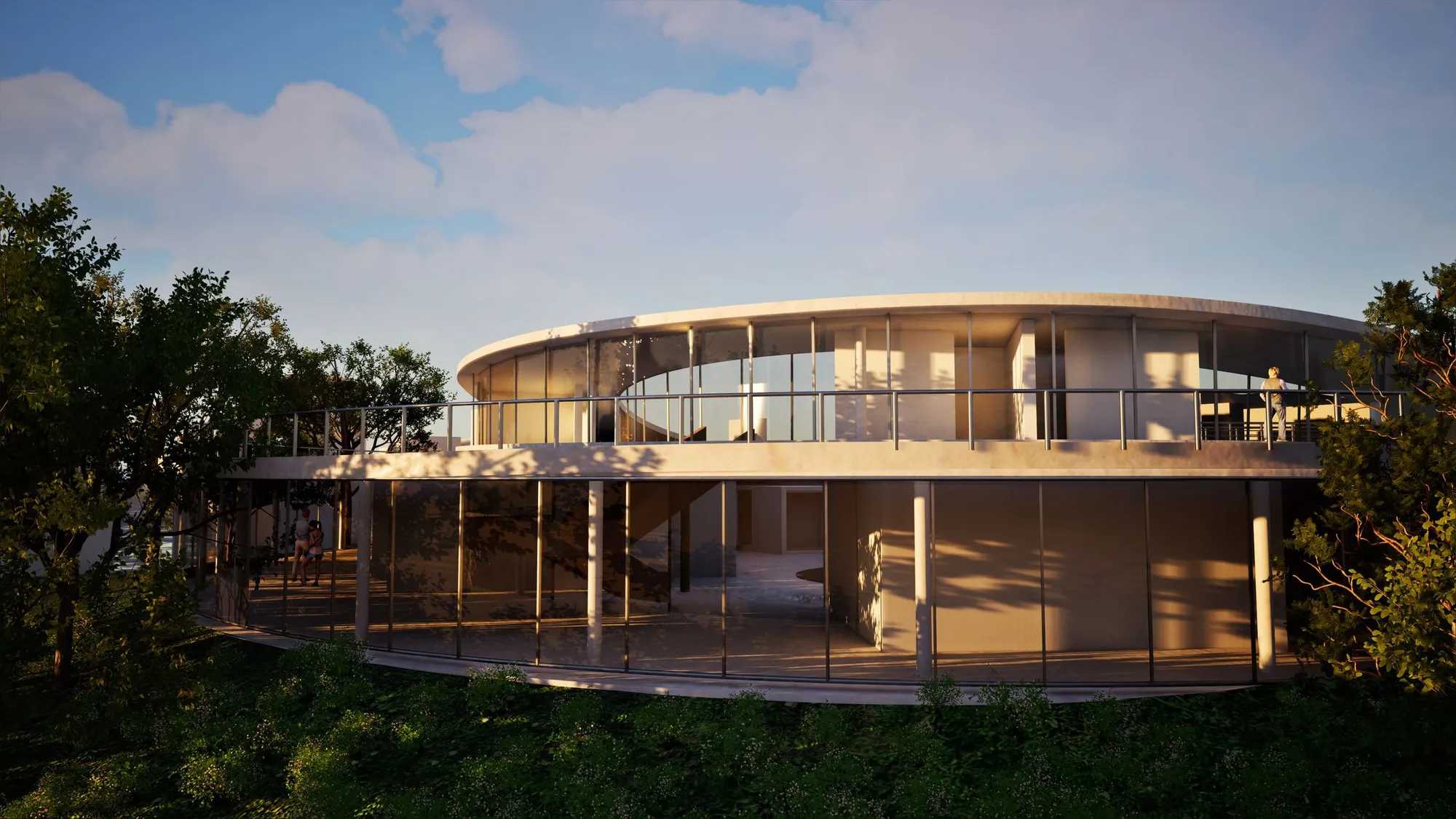
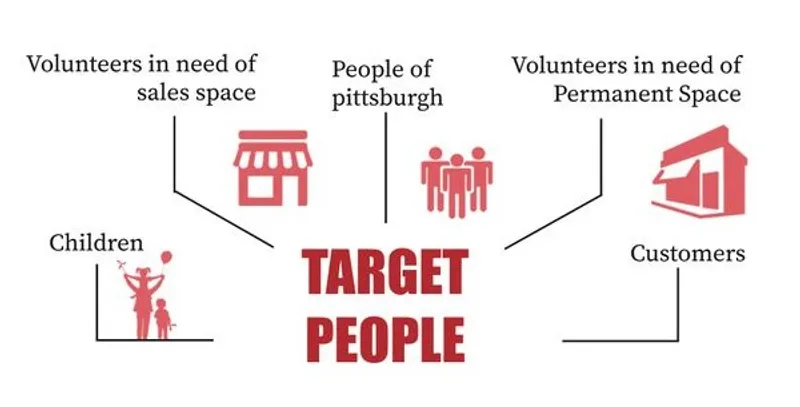
URBanHall, a shortlisted entry in the Child's Perspective competition by Yagmur Akin and Turku Ozandac. This architectural project envisions a community space in Pittsburgh, Pennsylvania, specifically designed to house various non-profit organizations. Drawing inspiration from the city's urban fabric and the imaginative dreams of a child, URBanHall offers a unique and engaging environment for volunteers, employees, and the people they serve.
Responding to the Urban Context
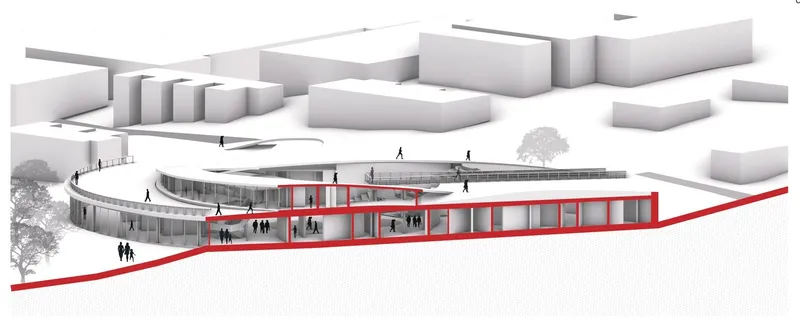
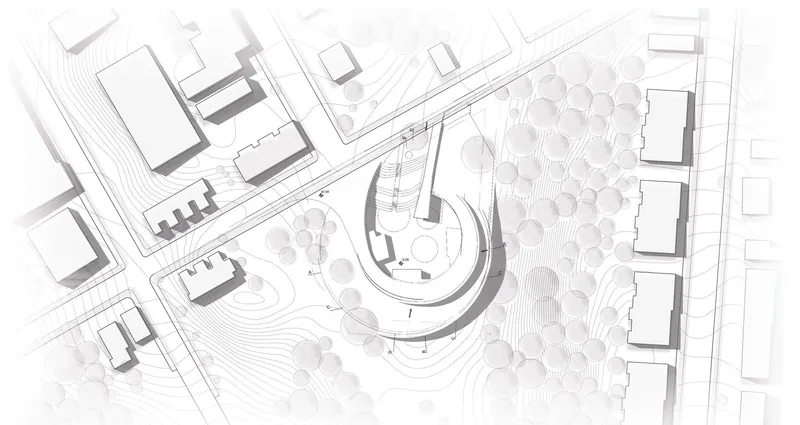
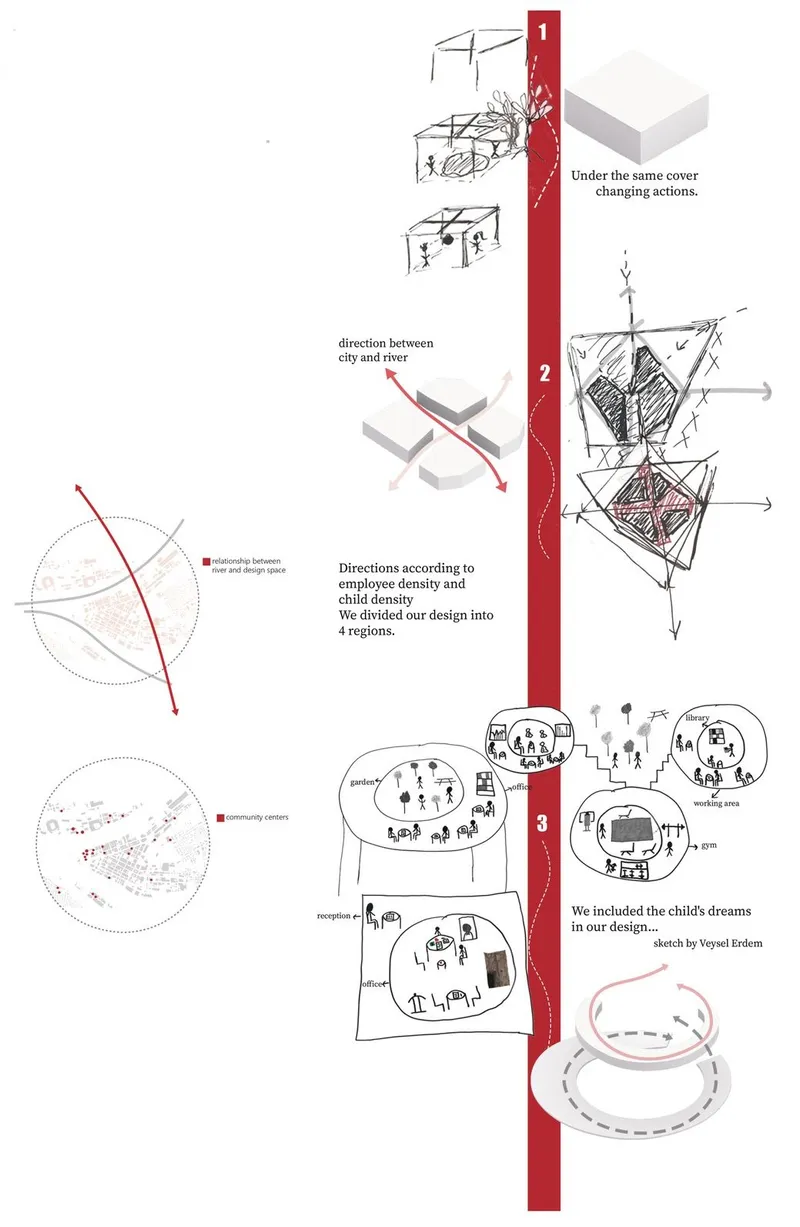
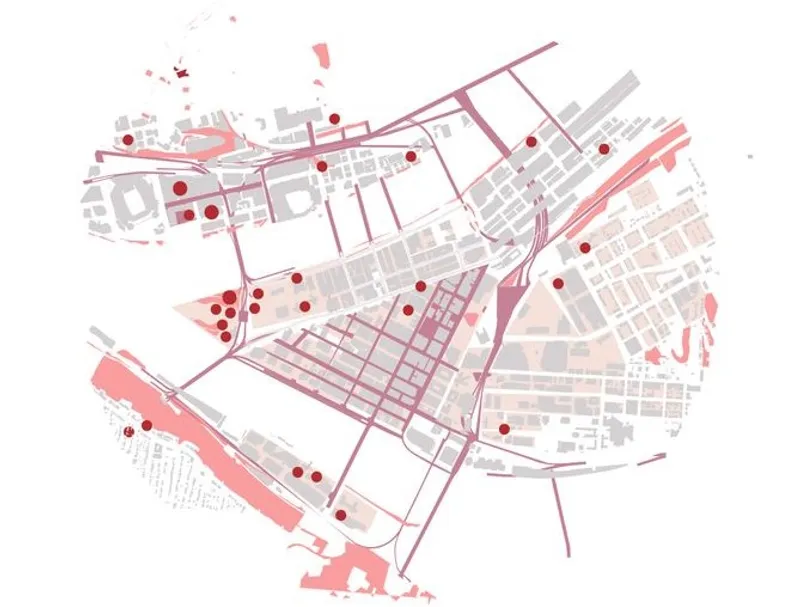
The design process began with a thorough analysis of Pittsburgh's urban landscape. Recognizing the vital role non-profit organizations play in the city's social fabric, the architects sought to create a space that fosters collaboration and strengthens their impact. The design integrates the existing pedestrian circulation, sloping it upwards to form a covered public space that seamlessly connects with the surrounding streetscape. This approach maintains a strong relationship with the urban environment while creating a sheltered and inviting atmosphere within the site.
Inspired by a Child's Imagination
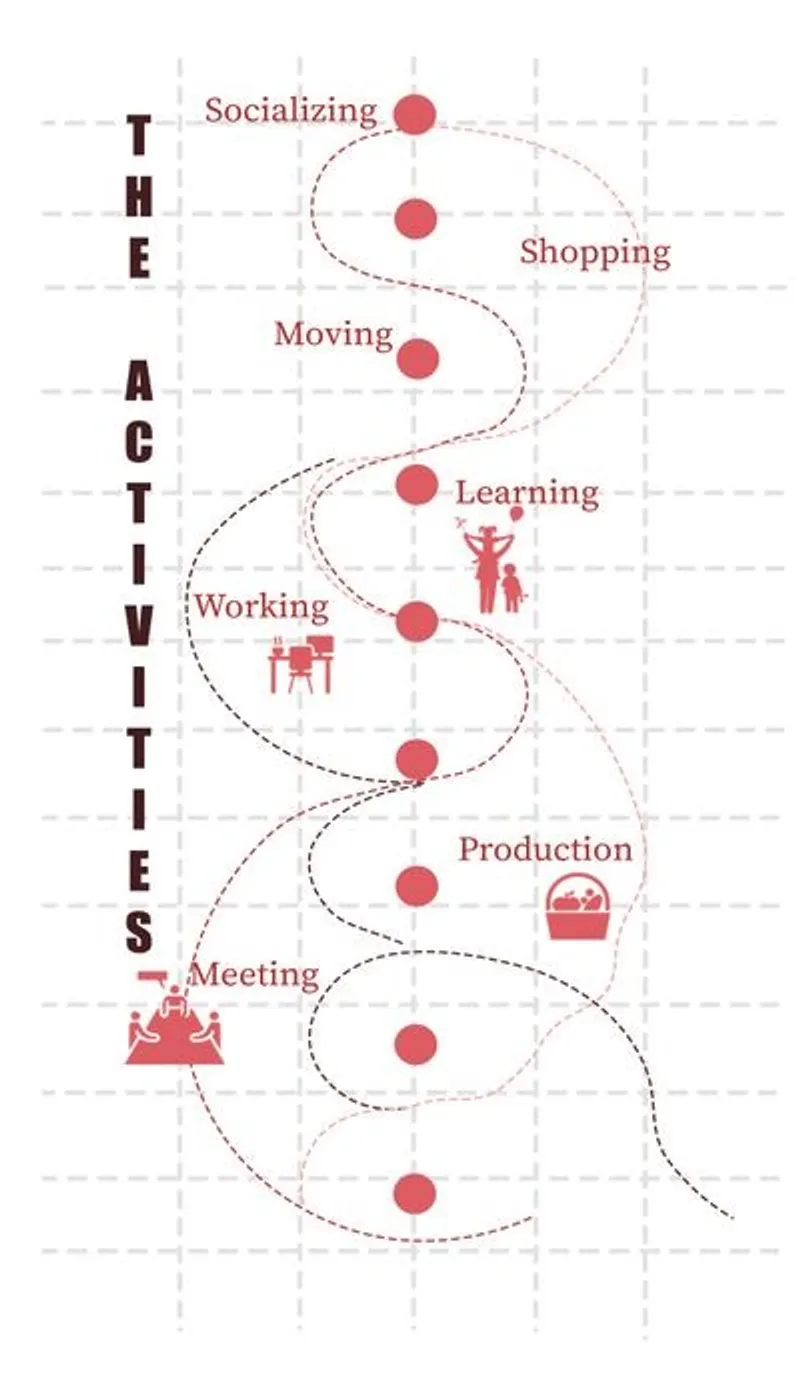
The project takes a unique turn as it draws inspiration from the imagination of a child. By engaging with a child during the later stages of the design process, the architects incorporated their imaginative ideas into the plan's circulation and spatial organization. This child-centric perspective infuses a sense of playfulness and wonder into the design, evident in the flowing curves and dynamic arrangement of spaces. The integration of the child's dream of a garden further enhances the connection to nature and creates a vibrant and welcoming environment.
A Hub for Collaboration and Support
URBanHall is conceived as a central hub for non-profit organizations, offering a range of spaces tailored to their diverse needs. The design accommodates:
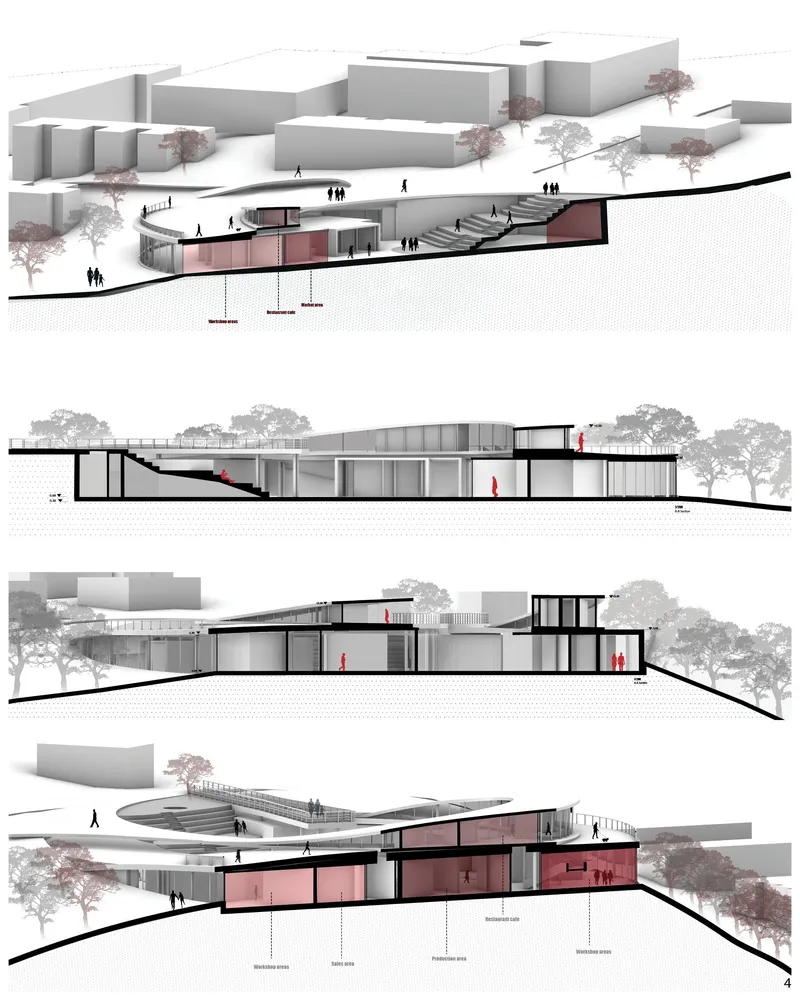
Workshop Areas: Three dedicated workshop areas provide flexible spaces for collaborative work, meetings, and creative activities..
Production Areas: Dedicated production studios with integrated sales units cater to organizations involved in creating and selling goods, providing opportunities for skill-building and economic empowerment.
Presentation Room: A central presentation room facilitates knowledge sharing, training sessions, and community gatherings.
Cafe: A cafe fosters social interaction and provides a relaxed environment for informal meetings and community building.
Socializing Areas: Throughout the design, various seating areas and open spaces encourage informal gatherings and socializing, fostering a sense of community among users.
Architectural Features
The building's form is characterized by a dynamic, swirling layout that responds to the site's topography and circulation patterns. Key architectural features include:
Curved Envelope: The building's envelope follows a flowing, curvilinear form, creating a sense of movement and dynamism.
Open and Semi-open Spaces: The design cleverly integrates open and semi-open spaces, providing a variety of environments to suit different needs and activities..
Elevated walkways: Elevated walkways weave through the building, offering unique perspectives and facilitating circulation between different levels.
Transparency and Natural Light: Extensive use of glass allows natural light to permeate the interior, creating a bright and welcoming atmosphere.
Connection to Nature: The central garden fulfills the child's dream and provides a green oasis within the urban environment.
Sustainability and User-centric Design
URBanHall embraces sustainable design principles, prioritizing natural light, ventilation, and a strong connection to the surrounding landscape. The design is also highly user-centric, with spaces designed to be flexible and adaptable to the evolving needs of the non-profit organizations it houses. The inclusion of a dedicated kitchen and socializing spaces further emphasizes the focus on community building and well-being.
URBanHall stands as a testament to the power of community-centered design. By combining a rigorous understanding of the urban context with the imaginative dreams of a child, the architects have created a vibrant and inspiring space that promotes collaboration, support, and social impact. This project highlights how architecture can be a catalyst for positive change, fostering a sense of belonging and empowering individuals and communities.




Popular Articles
Popular articles from the community


Lunar Spiral: Space Architecture Shaped by the Mathematics of the Universe
Lunar Spiral reimagines space architecture through Fibonacci geometry, lunar regolith, levitating habitats, and self-sustaining Moon living.

Hill & Cross Opera: Sculptural Opera House Architecture Shaped by Tallinn’s Landscape and Identity
Hill & Cross Opera reimagines opera house architecture in Tallinn through its sculptural hill, civic plaza, glass wave and a luminous cross.

Co-Life: Senior Housing Design That Reconnects Older Adults With the City
Co-Life reimagines senior housing design through healing gardens, shared streets, workshops, and a sustainable community across generations.

The Musturak Paradise: Senior Living Architecture for a Connected Future in Temara, Morocco
The Musturak Paradise reimagines senior living architecture in Temara via private homes, social spaces, culture, community, and shared care.


Similar Reads
You might also enjoy these articles

Day and Night Park: A Time-Based Urban Newsstand in Beijing
A temporary urban newsstand in Beijing blending travel, light, and reading through poetic colors, compact form, and community-focused design.

Modernist Patio Renovation in El Masnou, Barcelona by Oliver Segura Arquitectura + Cebrià Arquitectura
Modernist patio renovation blending tradition and innovation with a movable pool, leveled floors, and Catalan materials in El Masnou.

Alto Residencial Coop: Cooperative Housing Development in Santiago de Compostela by Carbajo Barrios Arquitectos
A linear cooperative housing complex blending white volumes and perforated metal façades, enhancing community living, natural light, privacy, and urban integration.

Vil Genis School by BPA ARCHITECTURE – Massy, France
Vil Genis School in Massy, France, features sustainable design, south-facing classrooms, community integration, accessible spaces, and modern educational architecture.

Explore Educational Building Competitions
Discover active competitions in this discipline



Challenge to design public laboratory


Challenge to reimagine the Iron Throne


Photograph architecture without architects


Illustrate the lost glory of Angkor Wat - Render Challenge
Comments (0)
Please login or sign up to add comments
No comments yet. Be the first to comment!