
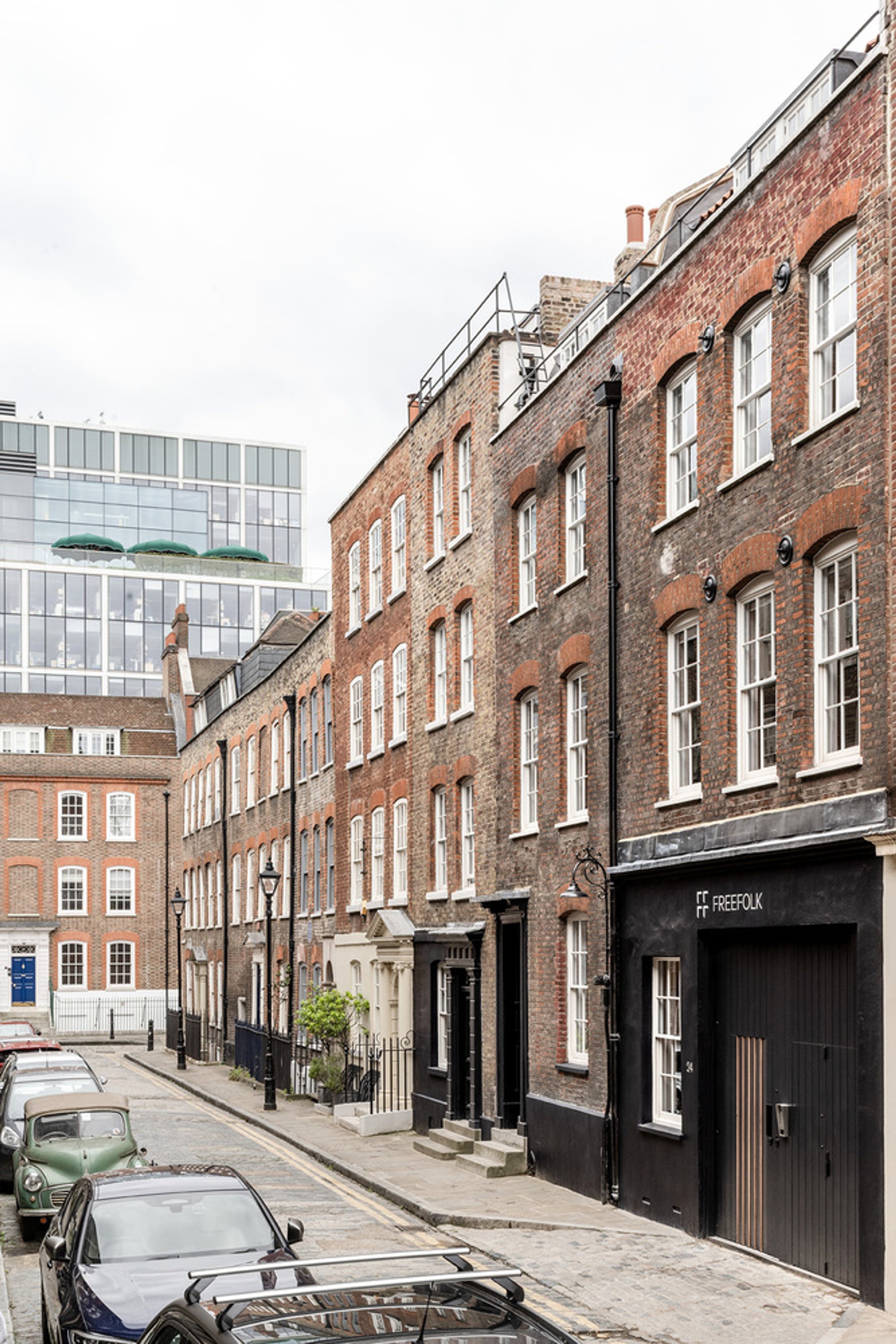
Weavers House by MATA Architects: Restoring Heritage with a Contemporary Heart in Spitalfields, London
Weavers House by MATA Architects blends 18th-century heritage with modern glulam timber extension, creating a light-filled, adaptive workspace.

A Seamless Fusion of History and Modernity
Set within the historic urban fabric of Spitalfields, East London, the Weavers House project by MATA Architects is a thoughtful and bold architectural intervention involving the comprehensive refurbishment and extension of three adjoining Grade II listed Georgian townhouses. These 18th-century buildings had been significantly altered and partially eroded during the 20th century, particularly with the addition of a two-storey light-industrial extension in the 1960s.
MATA Architects’ sensitive yet confident design approach seeks to reconcile these disparate layers of architectural history—from Georgian elegance to mid-century industry—into a cohesive and functional workplace for a leading visual effects company.
Architectural Strategy: Reinstating the Past, Embracing the Future
Upon initial exploration, the architects encountered a confusing blend of eras: interiors where distinctions between centuries had blurred. Their design strategy focused on revealing and celebrating the distinct character of each architectural layer.
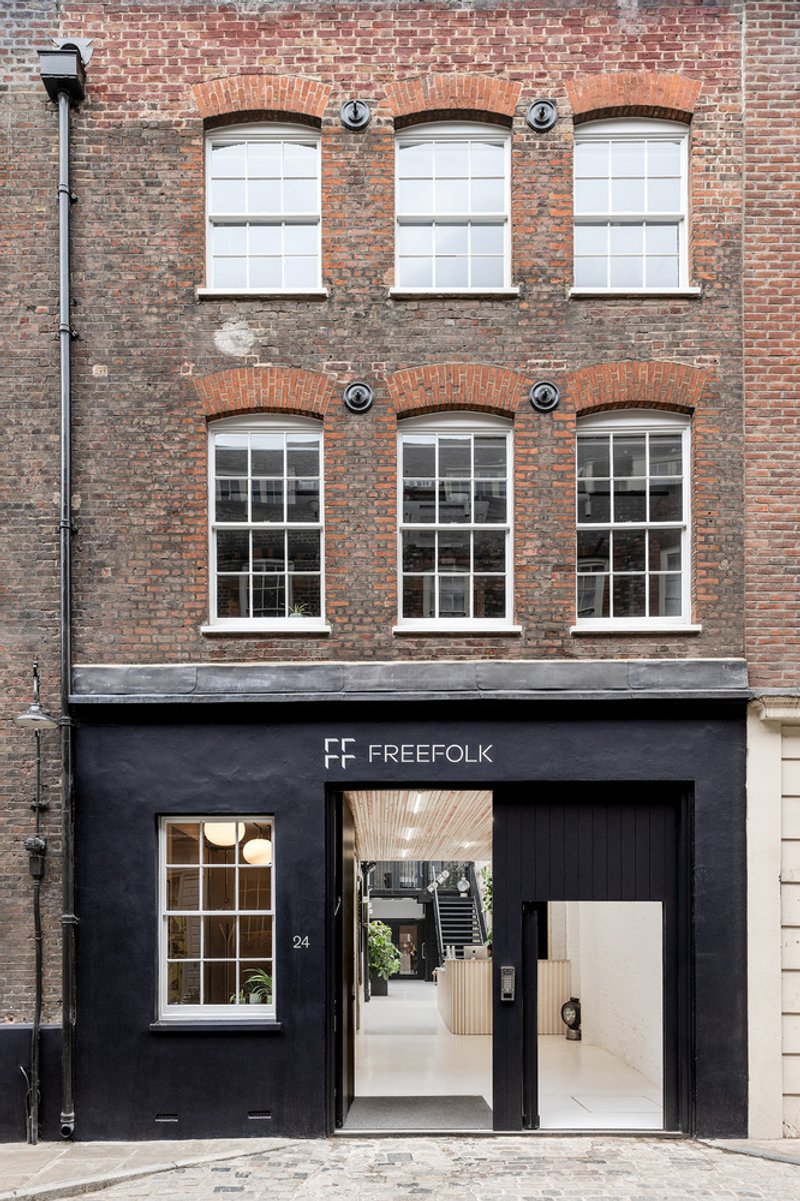
- 18th-Century Restoration: Original features within the Georgian townhouses were carefully reinstated, enhancing their period charm and historical authenticity.
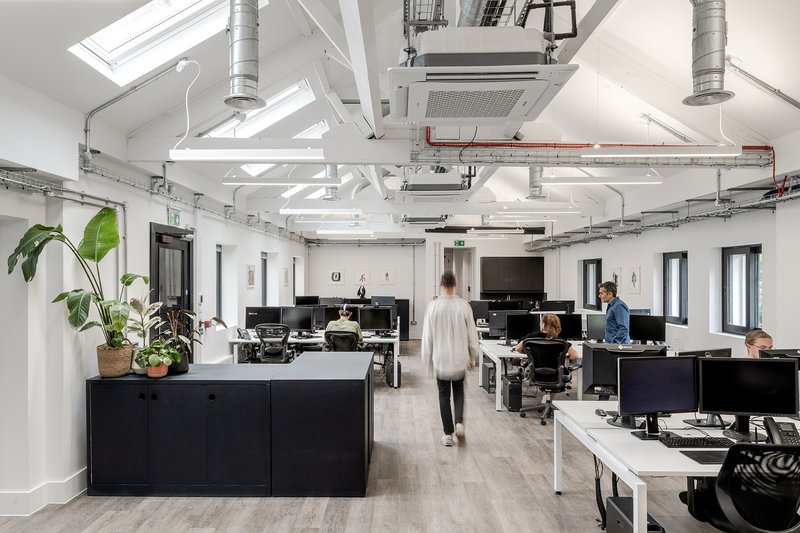
- 20th-Century Recognition: Rather than erase the 1960s industrial addition, the design emphasized its open, utilitarian character, transforming it into a lighter, more transparent counterpoint to the older structures.
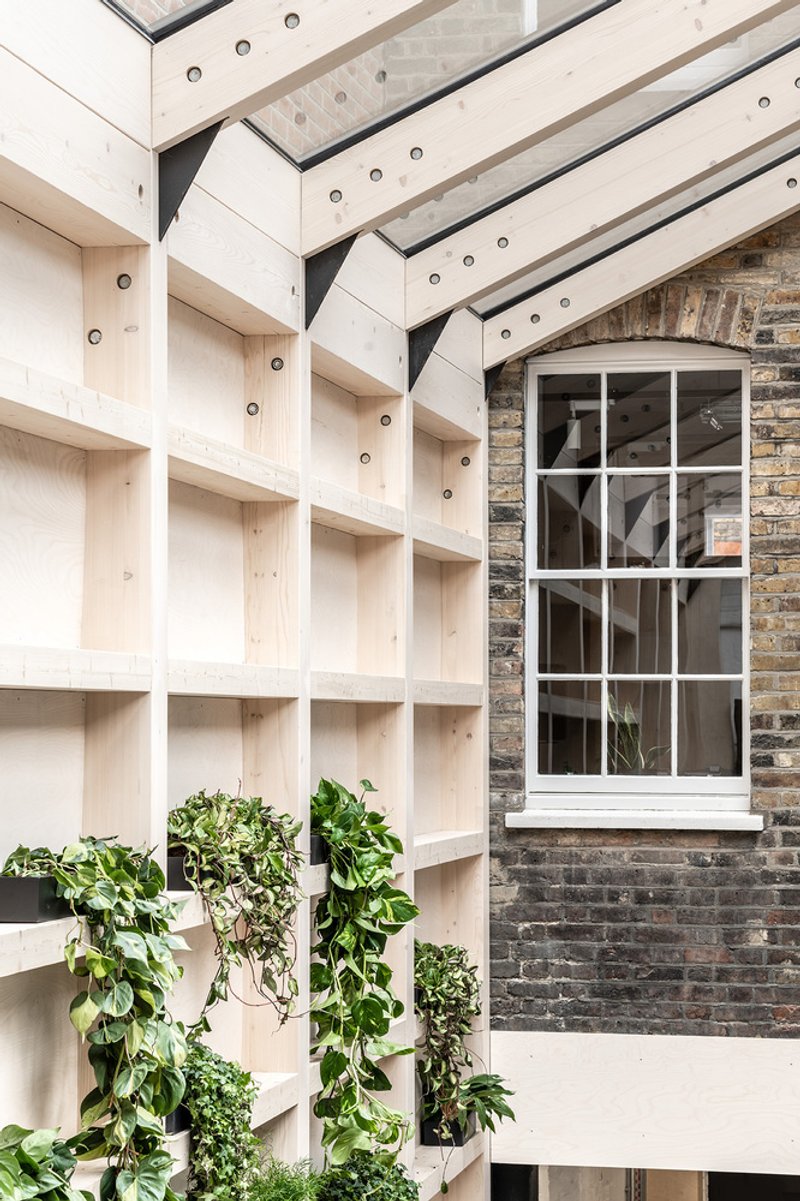
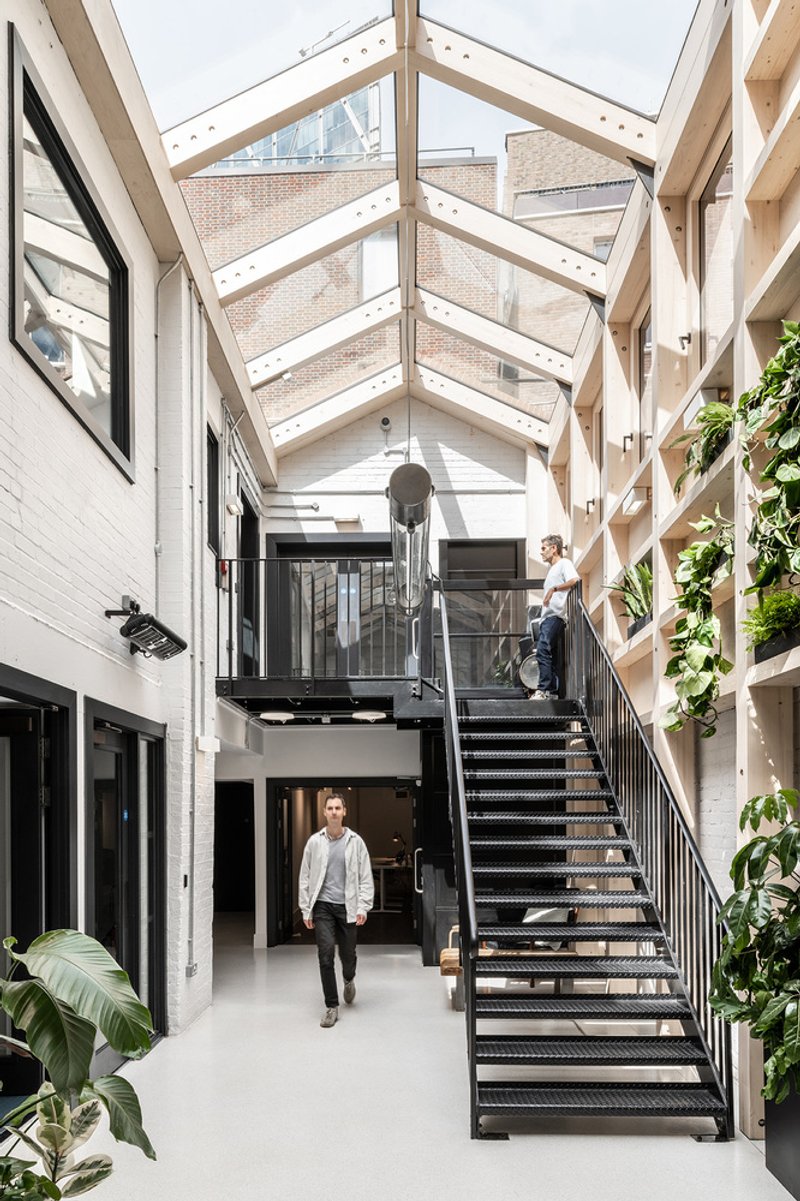
- 21st-Century Integration: A stunning glazed glue-laminated timber (glulam) extension was added over a rear courtyard, uniting both historic elements. This transparent, daylit volume serves as a central hub and symbolizes the project’s contemporary identity.
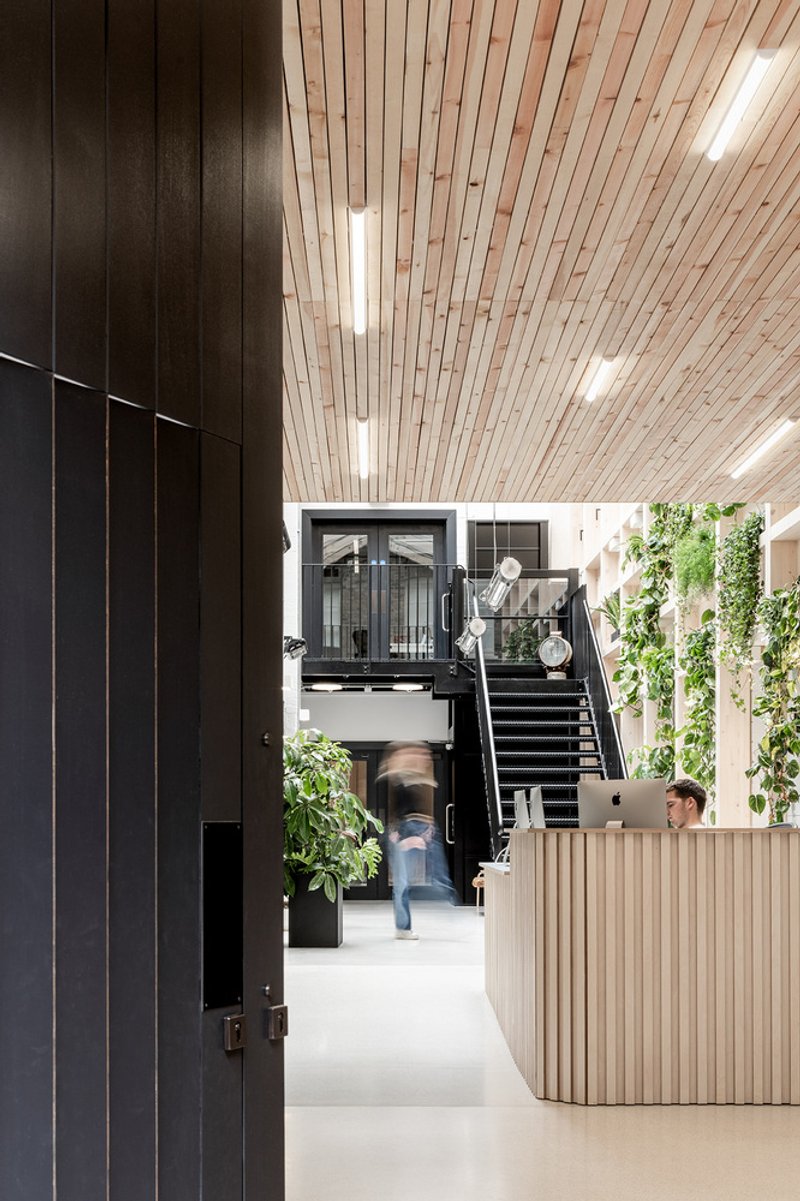
The New Heart of the Building
The covered courtyard now functions as a multi-use, light-filled atrium acting as the social and circulatory heart of the complex. It hosts a reception area, breakout spaces, and informal meeting zones, encouraging interaction between staff and clients. Natural light filters throughout, creating a warm, welcoming environment that promotes productivity and well-being.
By bridging the old and the new with timber, glass, and light, the design breathes new life into this dense urban plot, affirming its place within London’s evolving architectural narrative.
Materiality and Lighting
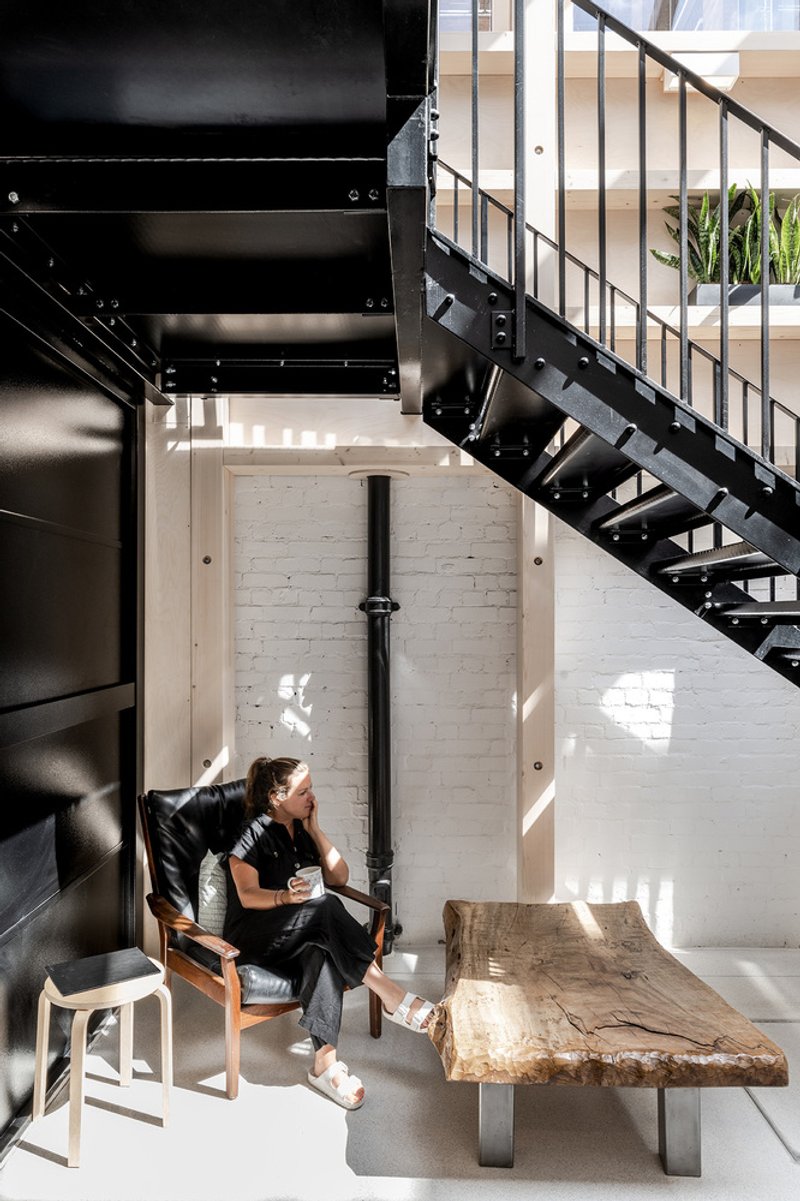
Material choices throughout the project subtly reference the buildings’ layered past:
- Timber glulam beams interface with historic brickwork, creating a tactile contrast.
- Contemporary lighting solutions by FLOS, Orluna, and Skinflint enhance the architectural details and atmosphere.
- Modern finishes—including Amtico flooring, Bentley textiles, and Velux skylights—ensure durability, comfort, and daylight access while maintaining heritage sensitivity.
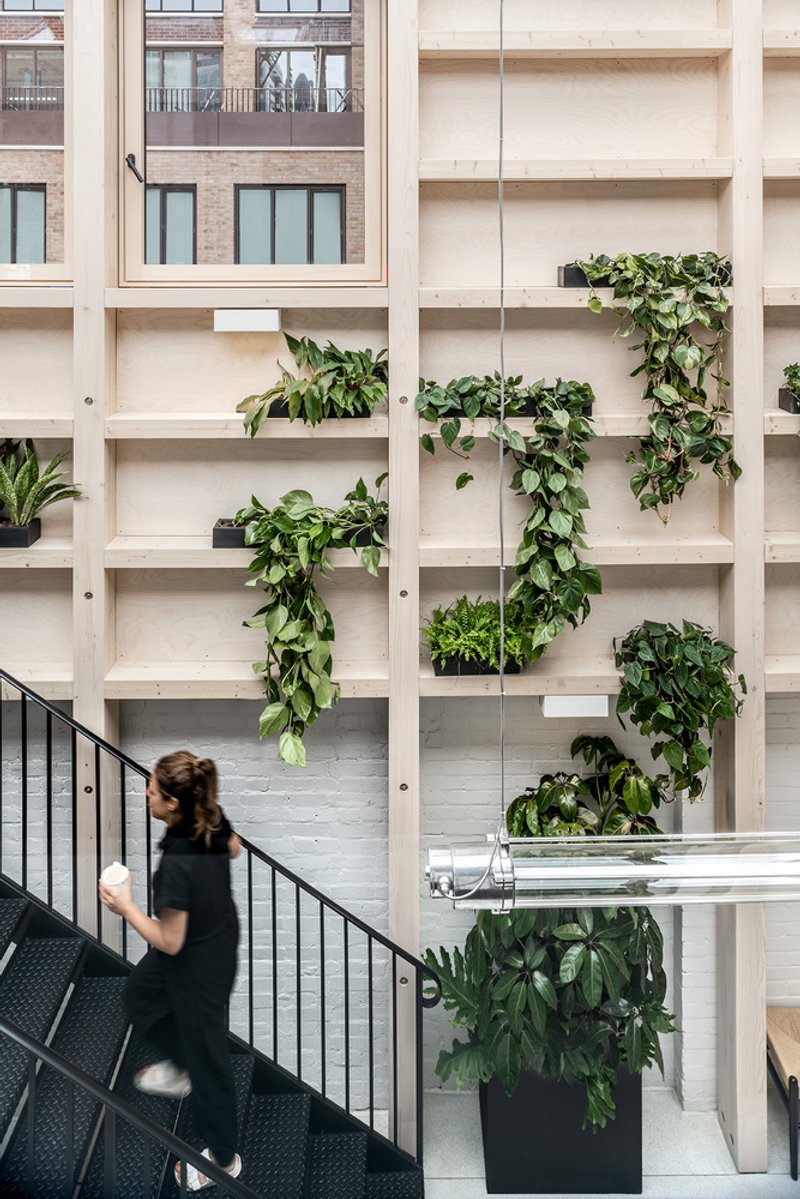
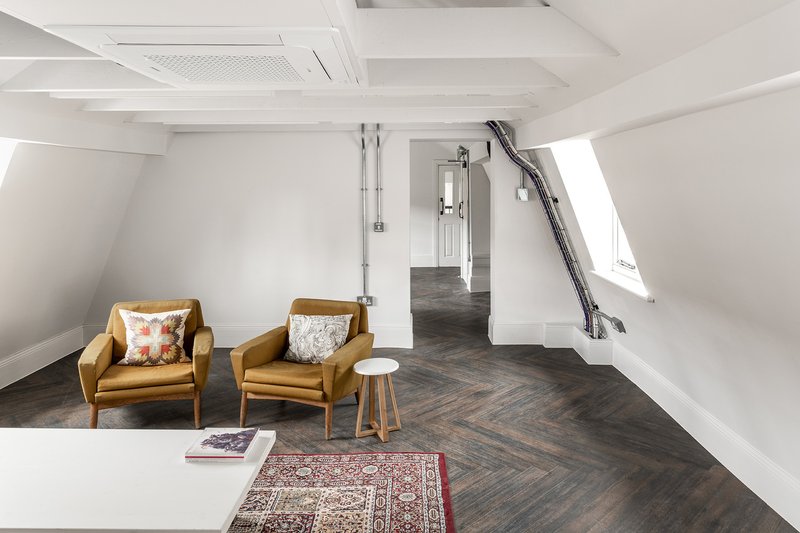
A Contemporary Workplace in a Historic Context
The Weavers House stands as a testament to adaptive reuse and architectural storytelling, where the design not only respects its listed status but also expands its potential into the 21st century. Through careful spatial planning, material clarity, and a restrained aesthetic, MATA Architects have created a workspace that feels both timeless and forward-looking.
The project is a compelling model of how heritage architecture can be transformed into high-performance contemporary environments, especially within dense urban contexts like Spitalfields.
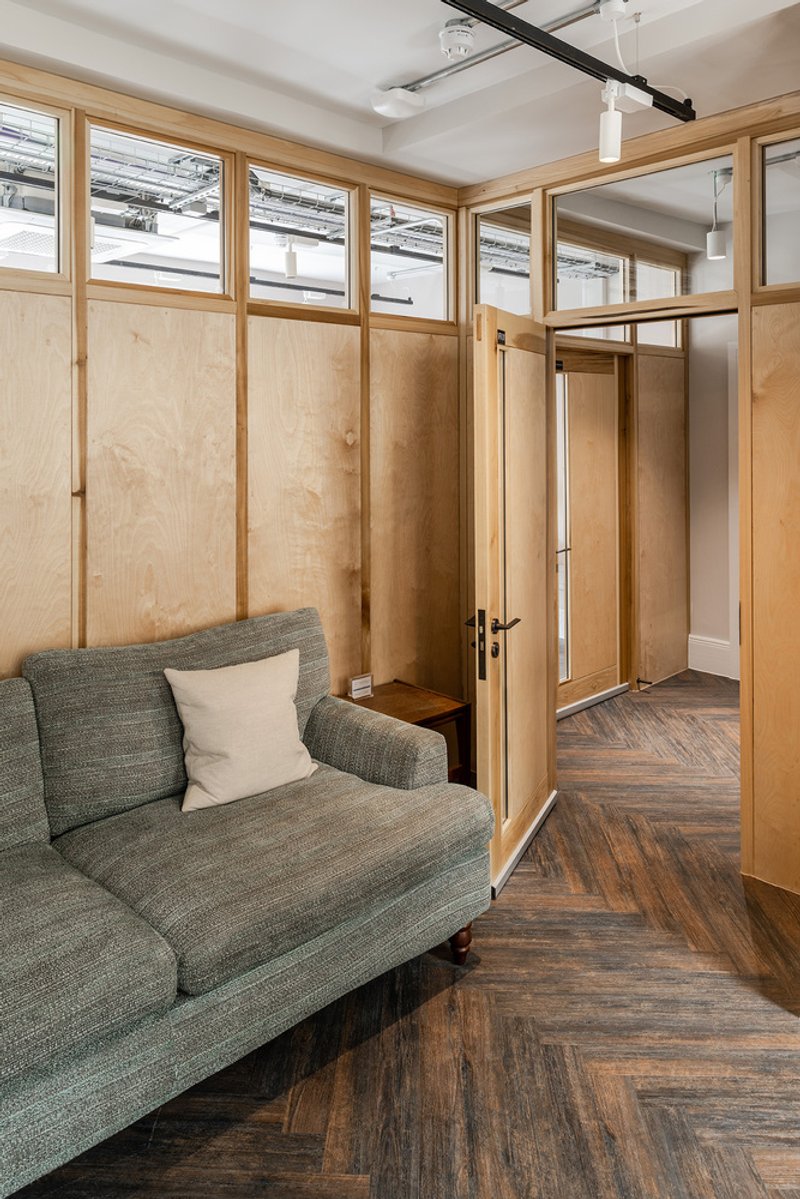
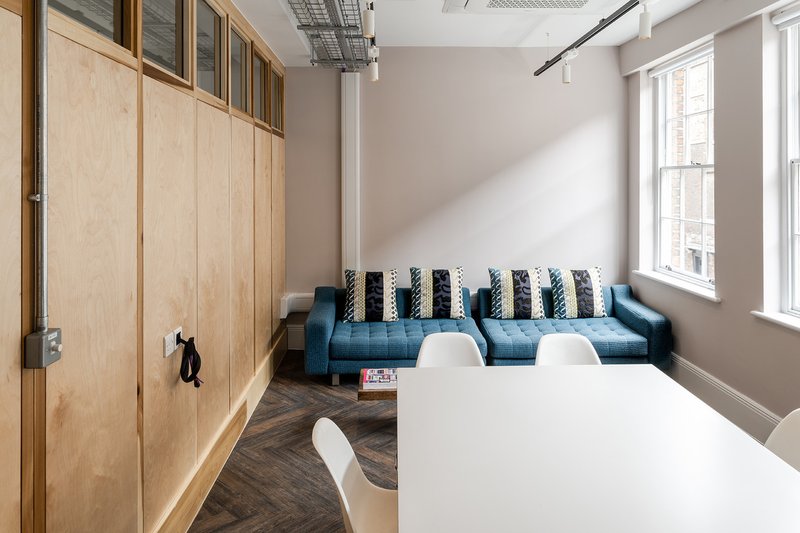
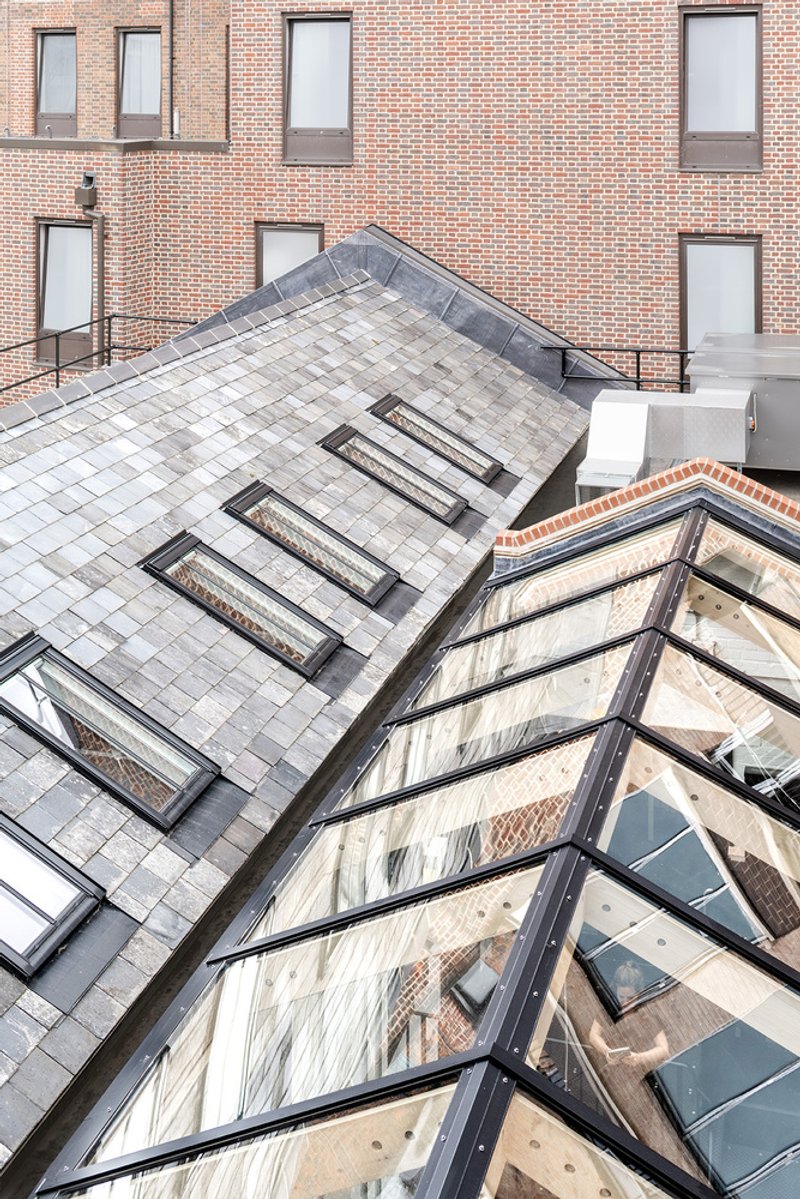
All Photographs are works of French + Tye




Popular Articles
Popular articles from the community

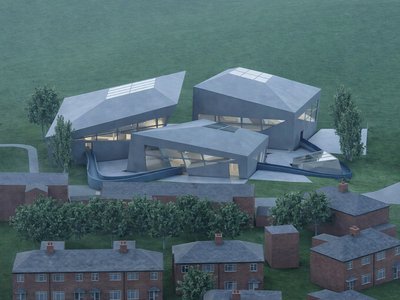
Filtering Space: A Gradual Spatial Experience
From urban intensity to spatial calm.

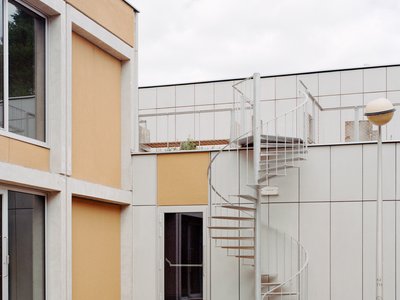
MAKER architecten Rewire a 1972 Brutalist Dormitory on the VUB Campus as a Living Lab
A modular renovation strategy in Belgium breathes new life into Willy Van Der Meeren's modernist student housing without erasing its concrete bones.
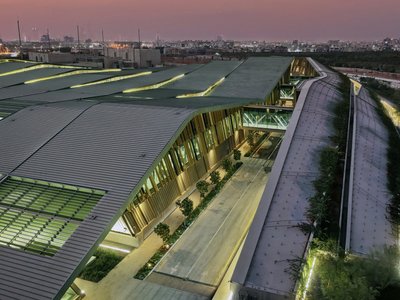
A Park Building That Wants to Be a Landscape
Omrania's Operations & Maintenance Building at King Salman Park dissolves industrial program into Riyadh's largest green infrastructure.
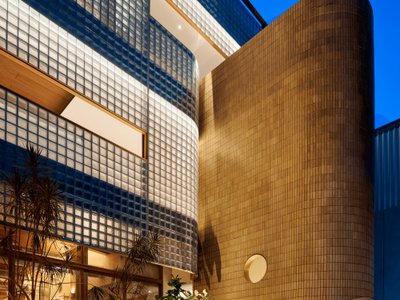
Gunawarman 35: Jakarta's Corner of Quiet Complexity
WOFF's mixed-use building in Jakarta pairs translucent glass block walls with a buff brick cylinder to hold coffee, wellness, and work under one roof.


Similar Reads
You might also enjoy these articles
Filtering Space: A Gradual Spatial Experience
From urban intensity to spatial calm.


The Ken Roberts Memorial Delineation Competition (Krob)
As the most senior architectural drawing competition currently in operation anywhere in the world, it draws hundreds of entries each year, awarding the very best submissions in a series of medium-based categories.

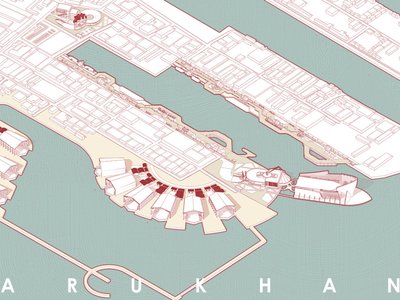
Waterfront Redevelopment and Urban Revitalization in Mumbai: Forging a New Dawn for Darukhana
A transformative waterfront redevelopment project reimagining Darukhana’s shipbreaking heritage into an inclusive urban future.

OUT-OF-MAP: A Call for Postcards on Feminist Narratives of Public Space
Rhizoma Design and Research Lab invites artists, designers, architects, researchers, and students to reflect on how feminist perspectives can reshape public space. Selected works will be exhibited in Barcelona, October 2026. Submissions open until 15 April 2026.


Explore Architecture Competitions
Discover active competitions in this discipline




The International Standard for Design Portfolios


The Global Benchmark for Architecture Dissertation Awards


The Global Benchmark for Graduation Excellence


Challenge to reimagine the Iron Throne
Comments (0)
Please login or sign up to add comments
No comments yet. Be the first to comment!