
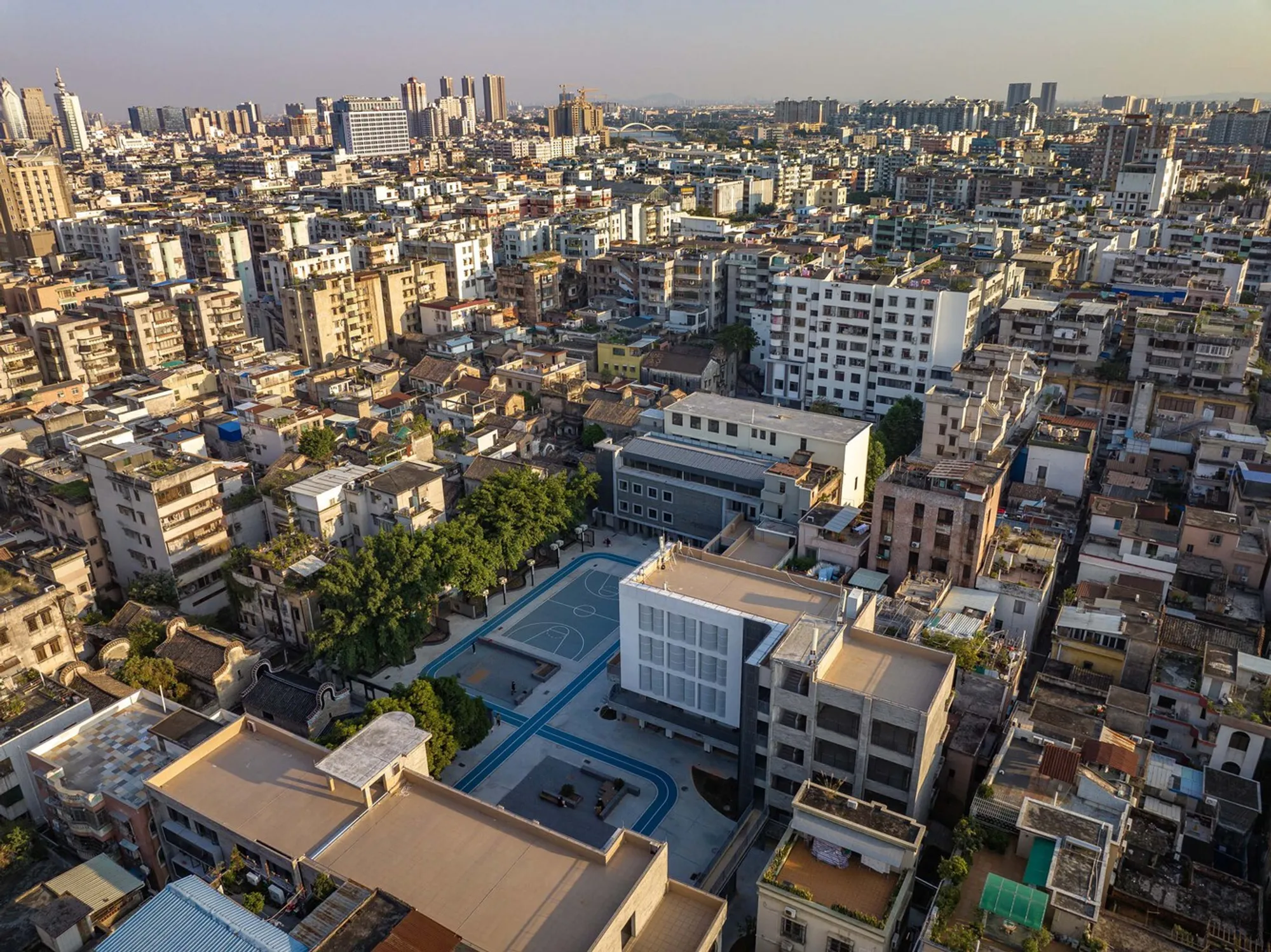
Xianfeng Community Renovation by Atelier cnS and GZUPDS: Preserving History, Culture, and Urban Identity in Guangzhou
Xianfeng Community renovation preserves Lingnan heritage, revitalizes historic streets, engages residents, integrates memory and modern functions, fostering culture, identity, and urban vitality.


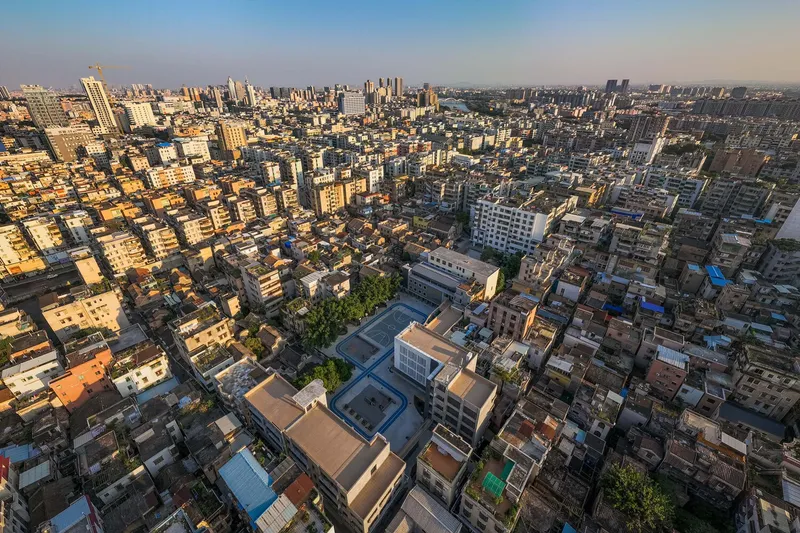
Located in the heart of Shiqiao sub-district, Panyu, the Xianfeng Community Renovation by Atelier cnS and GZUPDS revitalizes an area rich in history, culture, and collective memory. As a former political and commercial hub of Panyu, Xianfeng Community reflects over a millennium of Lingnan culture, clan settlement traditions, and industrial-commercial heritage. With urban development shifting northward in the 21st century, the historic center had experienced decline, prompting a comprehensive micro-renovation project aimed at preserving its unique identity while integrating modern urban functionality.
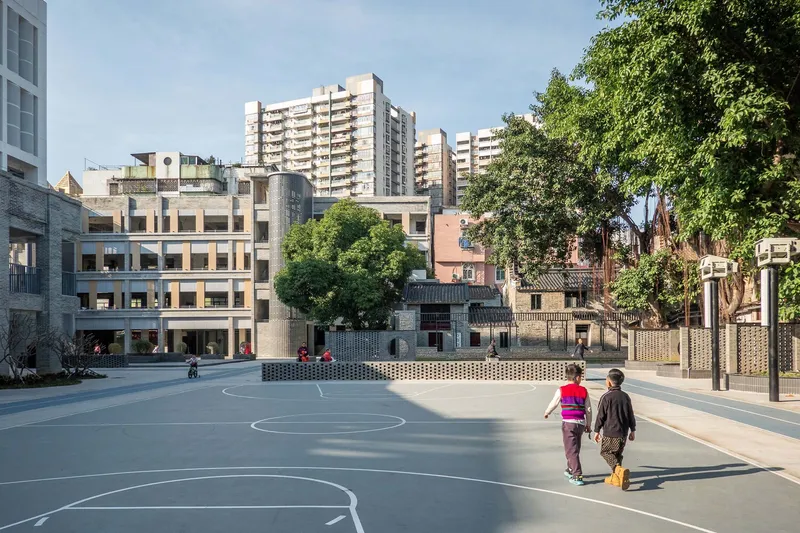
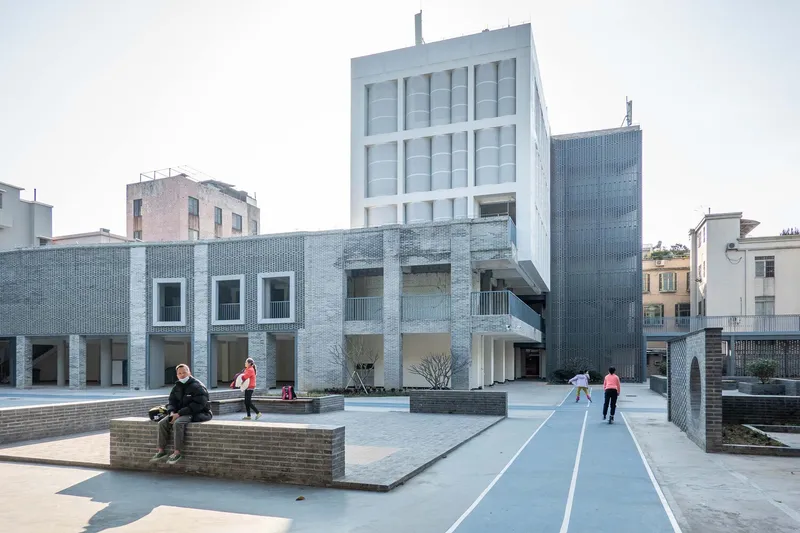
The 8,710 m² project respects the original street layout, maintaining traditional lanes and extracting local elements such as blue bricks to unify the architectural image of the block. Historical buildings from the Qing Dynasty, modern red brick houses of the 1950s, 60s, folk houses, pitched roof structures, and collective residential buildings coexist, forming a contrast between historic textures and the new urban scale.
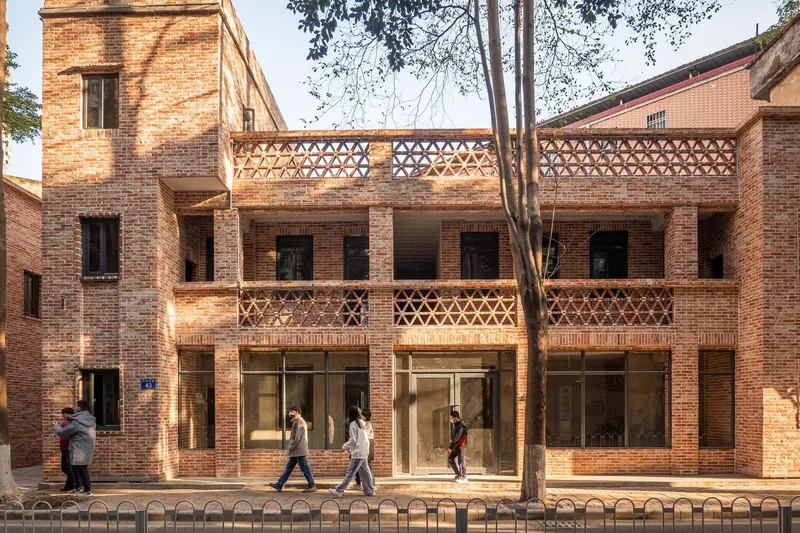
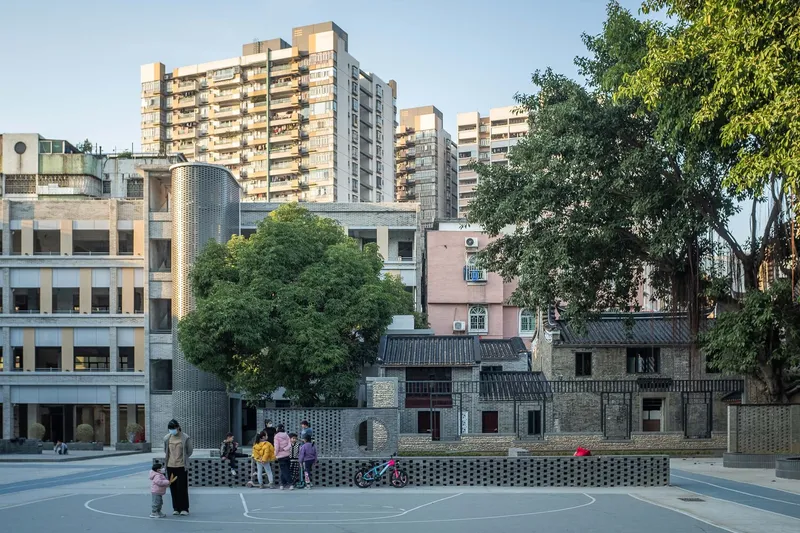
Through sensitive planning, the renovation subdivided facades, enhanced continuity in historical streets, and opened previously closed northern interfaces to Huancheng West Road, improving accessibility and visibility. Residential buildings with Lingnan characteristics were repaired, while surrounding illegal or dilapidated constructions were renovated or replaced, preserving the integrity and flow of historic spaces.


Community engagement played a central role in the project. Residents actively participated in co-creation workshops, proposing improvements for public services, open spaces, lighting, cultural displays, and transportation. Private homeowners were encouraged to renovate according to guidelines, while long-neglected buildings received specialized structural reinforcement plans, maintaining the authenticity and dignity of historic properties. This participatory approach strengthened community identity, fostering a sense of belonging and collective pride.
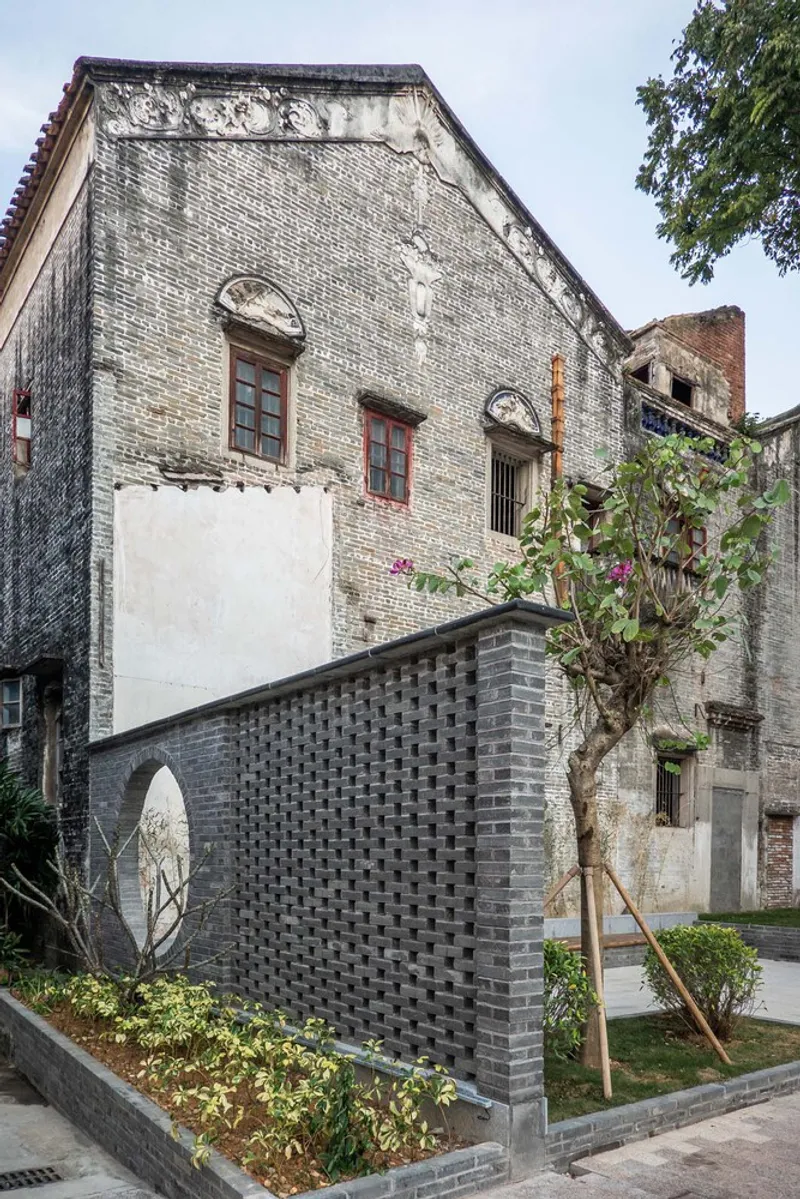
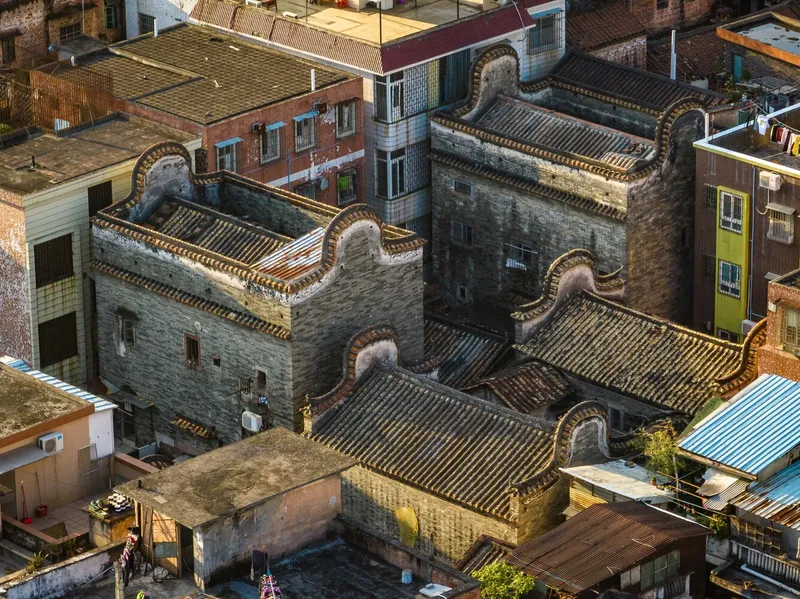
The renovation also implemented an integrated system of “Memory: Space: Functions”, connecting architectural styles across eras with residents’ oral histories, cultural stories, and business formats. Four memory zones, five memory paths, eight key memory nodes, and 34 state-owned houses recreate a continuous historical landscape, turning collective memory into a living, functional part of daily life. The former Xianfeng Primary School at the core became a multi-functional hub, blending community services, leisure, and cultural exhibition while enhancing accessibility and openness.

Public service clusters embedded traditional architectural forms, allowing residents to experience historical Lingnan style alongside modern amenities. A museum group wrapped in a white box, featuring the curved “Window of Shiqiao,” highlights Panyu’s unique cultural treasures with perforated aluminum displays, linking past and present through visual storytelling.
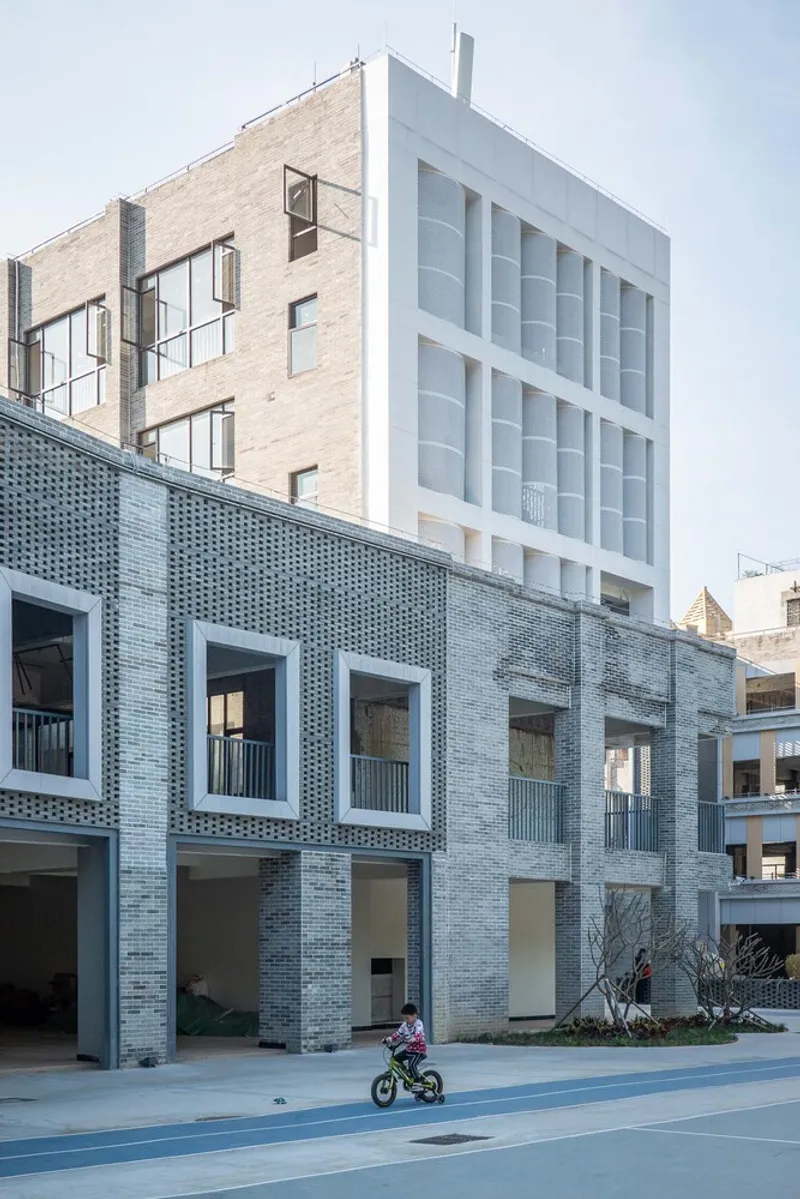
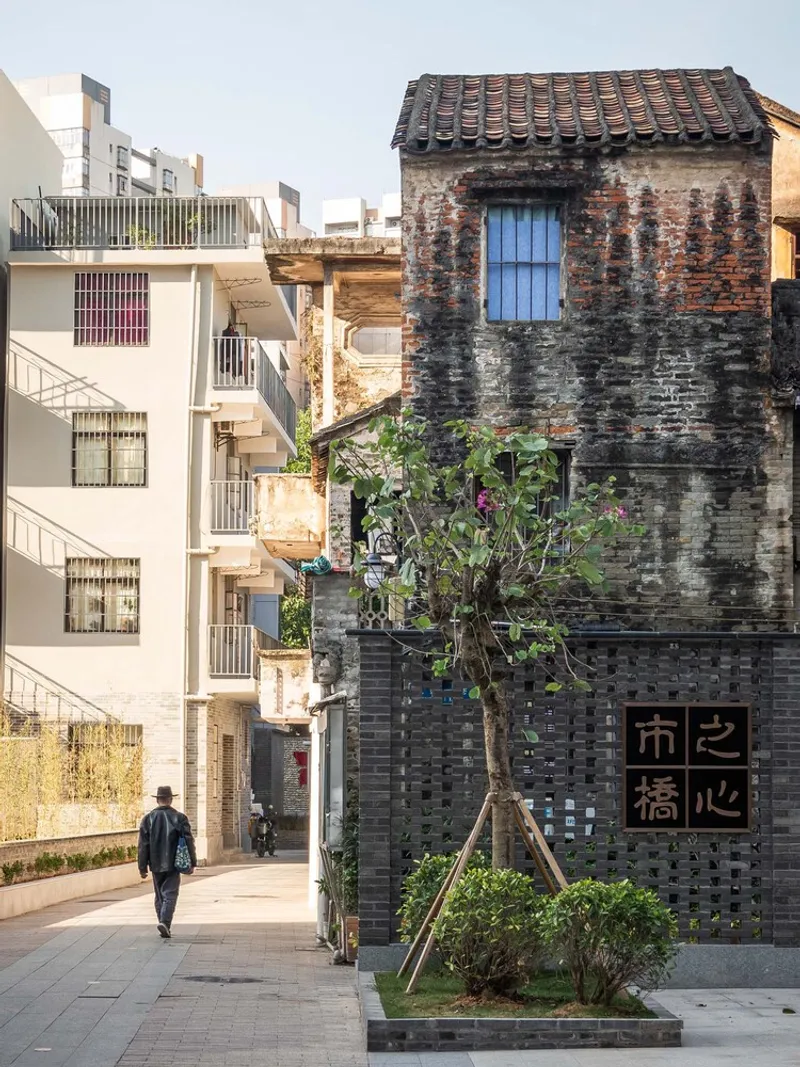
The renovation has catalyzed local cultural and creative industries, attracting artists, startups, and returning residents. By integrating historical memory, spatial continuity, and economic vitality, the Xianfeng Community Renovation demonstrates a successful model of sustainable urban renewal, balancing heritage preservation, community engagement, and contemporary urban life.


All photographs are works of
Yiheng Yang




Popular Articles
Popular articles from the community


EW PARK: Sustainable Architecture Reimagines the Future of Urban Parking
EW PARK reimagines city parking as a modular wooden tower combining automation, solar energy, electric mobility, and adaptable urban design.

Riyadh For All: Intergenerational Urban Design for Active Aging in Rabat
Riyadh For All reimagines urban design in Rabat with intergenerational co-living, adaptive courtyards, and Moroccan cultural exchange today.

The Earth Pod: 3D Printed Homes for Resilient Refugee Communities
The Earth Pod reimagines refugee housing through 3D printed homes made from clay, combining resilience, self-sufficiency, and rapid shelter.

Co-Life: Senior Housing Design That Reconnects Older Adults With the City
Co-Life reimagines senior housing design through healing gardens, shared streets, workshops, and a sustainable community across generations.


Similar Reads
You might also enjoy these articles

FAMM Arquitectura Organizes Ten Villas Around Courtyards and Jungle in Nosara, Costa Rica
El Molino pairs two elongated volumes with deep overhangs and timber louvers to build a compact coastal community five minutes from the beach.
Oscar Niemeyer's Ibirapuera Park Pavilions Define São Paulo's Cultural Identity in Concrete and Curve
A constellation of modernist volumes set within São Paulo's most important urban park, conceived for the city's 400th anniversary in 1954.
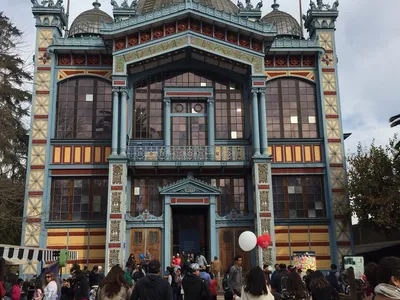
How Henri Picq's 1889 Paris Pavilion Traveled 11,000 Kilometers to Become Santiago's Artequín Museum
A prefabricated iron and glass pavilion built for the Paris Universal Exposition found a second life as a children's art museum in Chile.
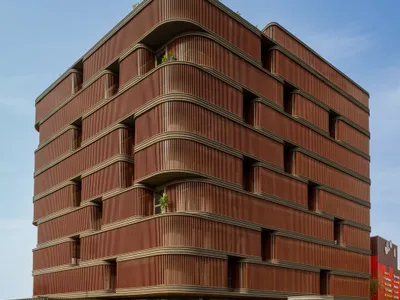
Sanjay Puri Architects Wraps a Jaipur Office Tower in Capsule-Shaped Green Buffers
A nine-level climate-responsive workplace near Jaipur Airport uses stacked planter terraces and aluminium screens to fight 40°C heat.

Explore Architecture Competitions
Discover active competitions in this discipline



Challenge to reimagine the Iron Throne


Photograph architecture without architects


Illustrate the lost glory of Angkor Wat - Render Challenge


Design challenge to reuse E-waste
Comments (0)
Please login or sign up to add comments
No comments yet. Be the first to comment!