

Zero Cabin: A Minimalist Retreat Rooted in Indigenous Wisdom and Sustainable Design
Minimal off-grid wooden cabin nestled in Brazilian forest, blending indigenous wisdom, modular design, reclaimed materials, and ecological systems for spiritual retreat.


Set within the mountainous landscape of Rio de Janeiro, Zero Cabin by Gávea Arquitetos is a compact architectural prototype that explores radical sustainability, spiritual retreat, and deep ecological integration. Designed in 2022 as part of a broader retreat program, the project consists of 11 minimalist cabins inspired by the ancestral traditions of the indigenous peoples of the Peruvian Amazon, reinterpreted through contemporary architectural language.
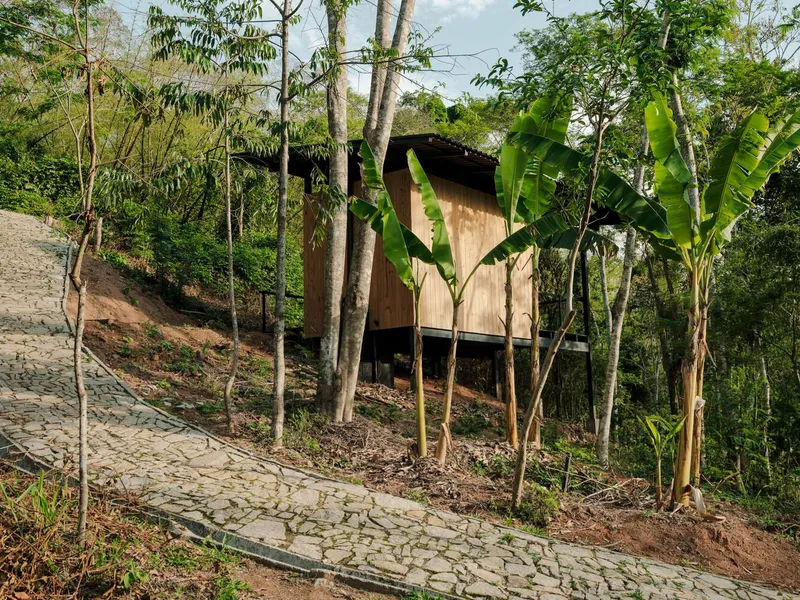
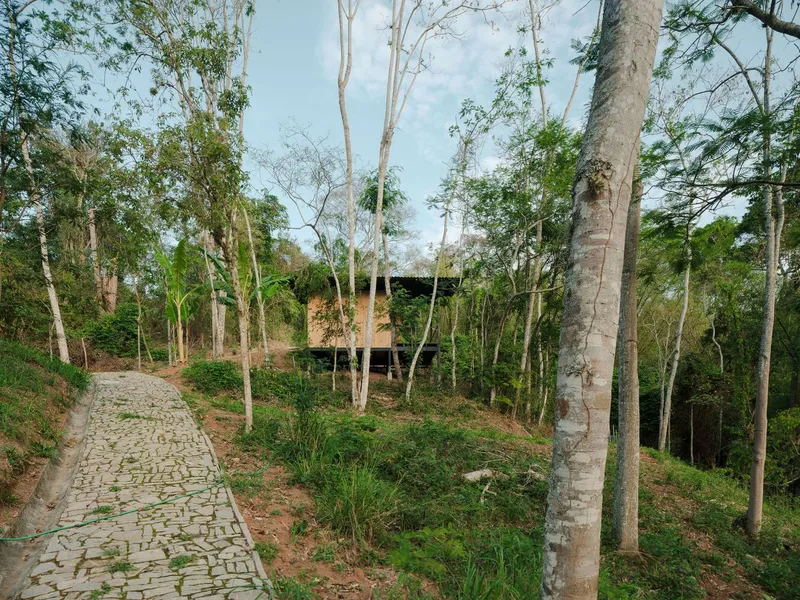
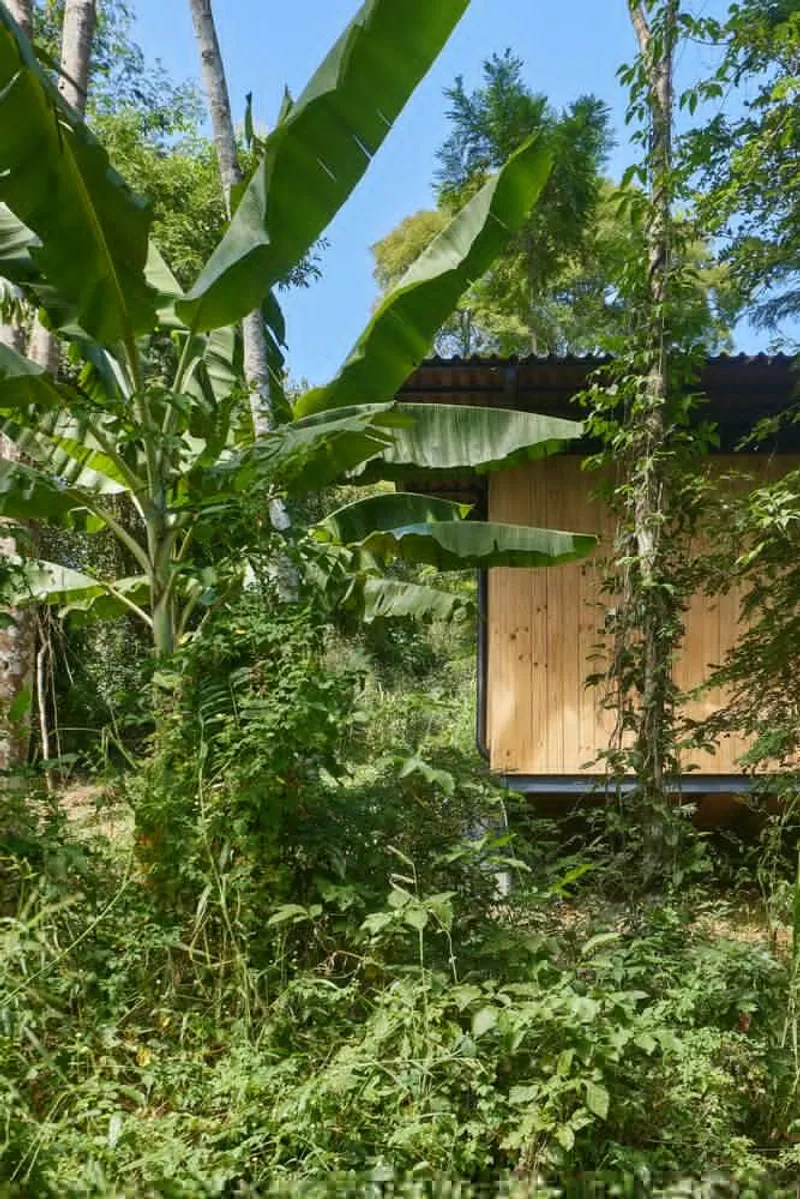
Located in Areal, Brazil, the cabins are conceived not as isolated objects, but as carefully embedded structures that respect the terrain, climate, and existing ecosystem. With a built area of just 226 square feet, each cabin demonstrates how architecture can reduce its footprint while amplifying spatial, environmental, and experiential richness.
Architecture Designed for Environmental Integration
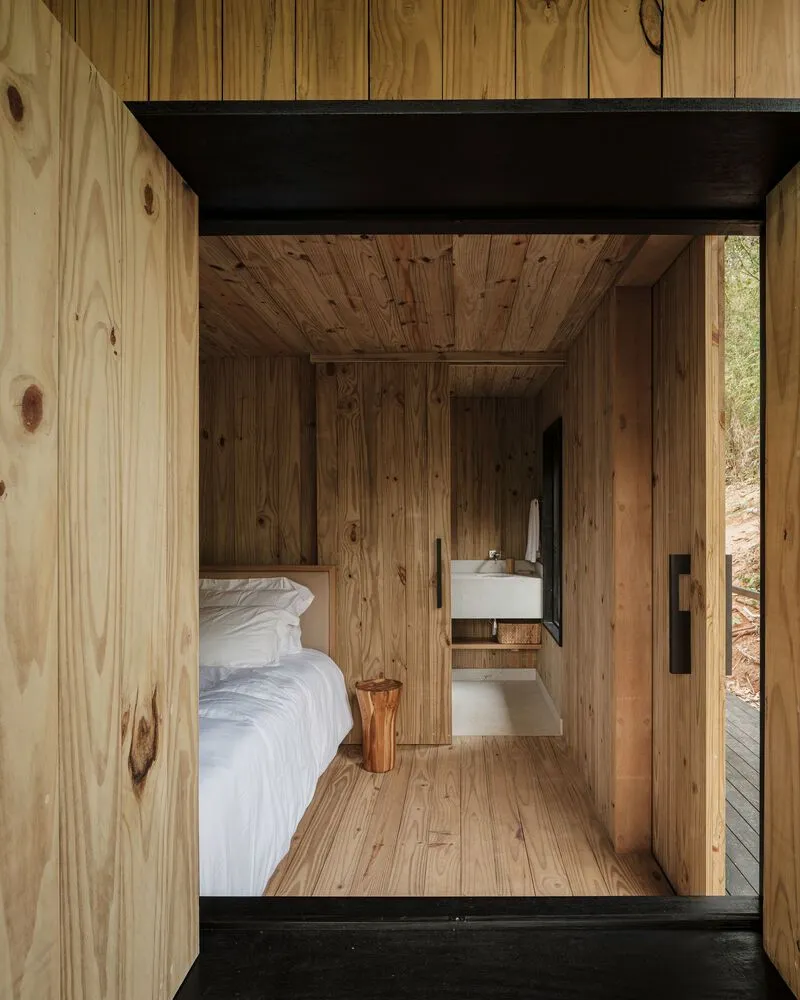
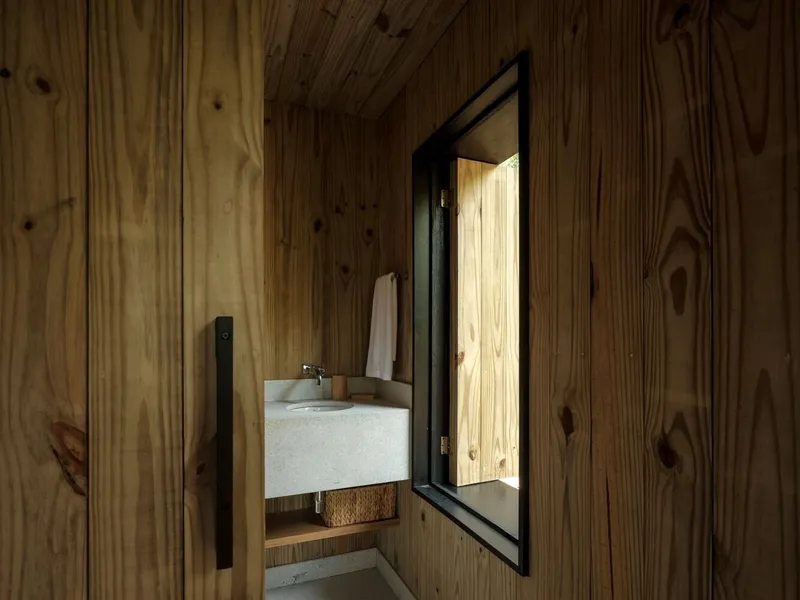
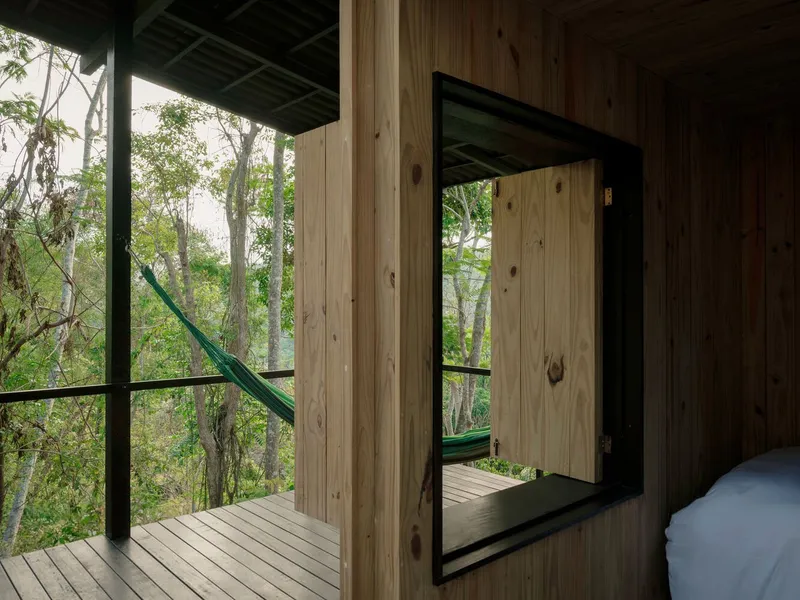
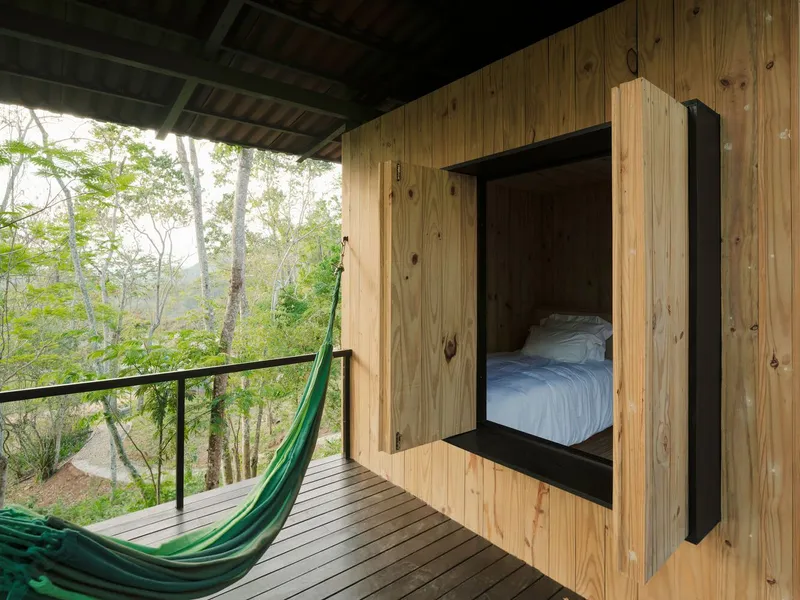
The guiding principle behind Zero Cabin is resource efficiency combined with local knowledge. Each shelter was designed to coexist with its surroundings, minimizing environmental impact while promoting a strong connection between the occupant and nature. The cabins accommodate a single person and include a sleeping area, a veranda, and a dry toilet, encouraging a simple and intentional way of inhabiting space.
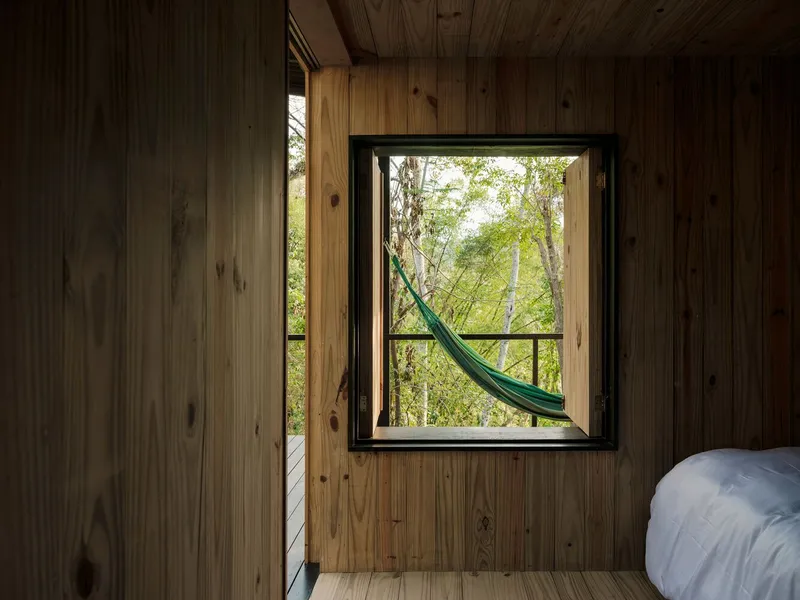
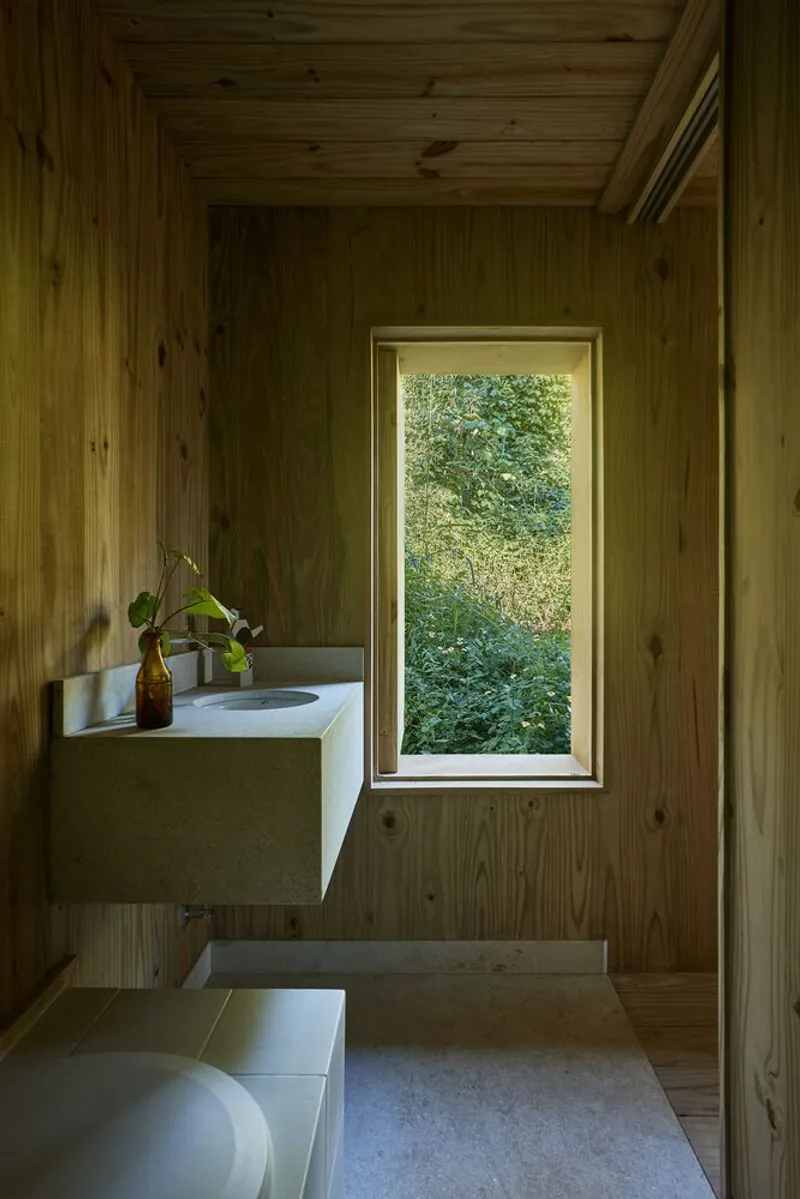
Rather than relying on conventional infrastructure, the project embraces off-grid living. There is no electricity in the cabins, reinforcing the retreat’s focus on introspection, disconnection, and natural rhythms. Wide openings ensure generous daylight penetration and cross-ventilation, eliminating the need for artificial lighting or mechanical cooling.
Modular Construction on Challenging Terrain
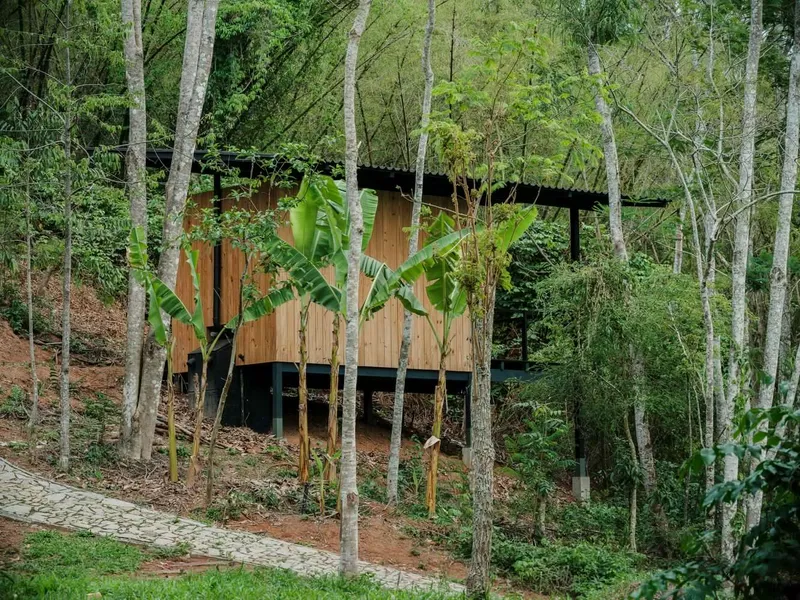
Built on difficult, uneven terrain, Zero Cabin adopts a modular wooden construction system elevated from the ground. This strategy reduces the need for earthworks, preserves natural drainage, and allows the structure to sit lightly within the landscape. Elevation also simplifies the construction process, making the cabins adaptable and repeatable without extensive site disruption.
All structural timber used in the project was reclaimed from an old shed on site, reinforcing the project’s commitment to reuse and circular construction. This material choice not only lowers embodied carbon but also embeds the cabins with a tangible narrative of continuity and transformation.
Ecological Sanitation and Landscape Regeneration
Sustainability at Zero Cabin extends beyond construction into long-term ecological stewardship. Wastewater is treated through a natural ecological system that combines composting and a circular arrangement of banana trees. This closed-loop approach transforms waste into nourishment for vegetation, reinforcing the project’s regenerative ambitions.
In parallel, the surrounding forest is undergoing active restoration using native plant species. Carefully designed trails guide movement through the landscape, allowing occupants to access specific areas without disturbing the broader ecosystem. Architecture, landscape, and environmental management operate as a single, integrated system.
Material Duality and Spatial Experience
One of the defining characteristics of Zero Cabin is its material duality. Inside, the cabins are finished in natural pine, creating a warm, tactile, and calming atmosphere. Externally, the verandas are clad in black-stained wood, producing a striking contrast that abstracts the building form within the forest backdrop.
This deliberate contrast enhances the occupant’s experience. From the inside, the space feels intimate and protective; from the outside, the cabin recedes into the landscape. The transition between interior and veranda becomes a threshold between shelter and immersion, framing expansive views and fostering direct contact with nature.
A Prototype for Low-Impact Retreat Architecture
Designed by Alziro Neto, Felipe Rio Branco, and Júlia Carreiro, Zero Cabin stands as a compelling prototype for sustainable cabin architecture, retreat design, and low-impact construction in sensitive environments. By combining indigenous references, reclaimed materials, modular systems, and ecological infrastructure, the project offers a scalable model for future developments focused on environmental responsibility and spiritual well-being.


Popular Articles
Popular articles from the community

Faces of the Soviet Avant-Garde: Turning Moscow's Street Names into an Open-Air Museum
A network of sculptural installations across a Moscow residential district transforms forgotten architect names into spatial encounters with cultural memor

The Amber Palace Opera: A Geological Fiction Surfaces on Tallinn's Baltic Waterfront
Pierre Brillard reimagines a Baltic legend as a public landscape, opera house, and waterfront promenade rooted in Tallinn's coastal identity.
Cloaked Colonization: A Mobile Underwater Habitat That Moves Like a Fish
Micah Abaya's shortlisted EHC Pacific entry reimagines ocean settlement as a dispersed network of self-sustaining architectural organisms.
Tsunami Convergenics: Turning Catastrophic Ocean Forces into Underwater Housing Infrastructure
A speculative underwater settlement off the coast of Onagawa, Japan, treats tsunamis and typhoons as energy sources rather than threats.

Similar Reads
You might also enjoy these articles


Hodi-Mandai Geram
Project Function: Preservation and revitalization of the Intangible heritage and socio-spatial identity of the Hodi by Housing, Cultural Memory Center, Sacred Grove, landscape, local tourism economy


Olio Towers: A Mid-Rise for Performers That Fuses Housing, Rehearsal, and Stage
Located blocks from Houston's Theater District, this modular tower stacks living units around a central performance atrium.

Oasis: Modular Green Housing Carved into Dhaka's Urban Fabric
A shortlisted Plugin Housing entry reclaims unauthorized settlements in Dhaka with stepped concrete volumes, green roofs, and ventilation-driven design.

Black Hole: A Floating Megastructure for the Post-Physical Era
Emiliano Mazzarotto envisions a spherical, self-scaling arena where e-sports, digital hotels, and holographic stadiums replace traditional public space.

Explore Minimalism Competitions
Discover active competitions in this discipline

Challenge to reimagine the Iron Throne

Photograph architecture without architects

Illustrate the lost glory of Angkor Wat - Render Challenge

Design challenge to reuse E-waste
Comments (0)
Please login or sign up to add comments
No comments yet. Be the first to comment!