

Mumbai
Design and architecture projects exploring Mumbai's urban landscape, infrastructure, and built environment.

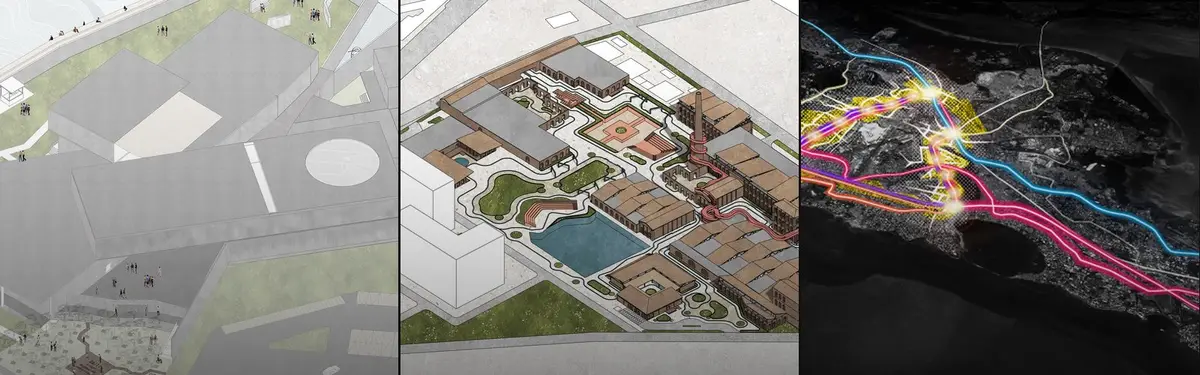
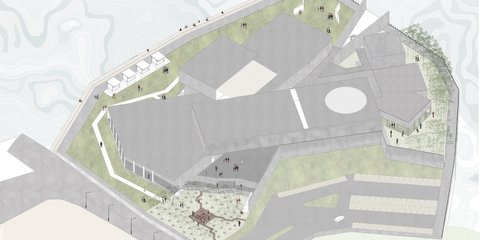
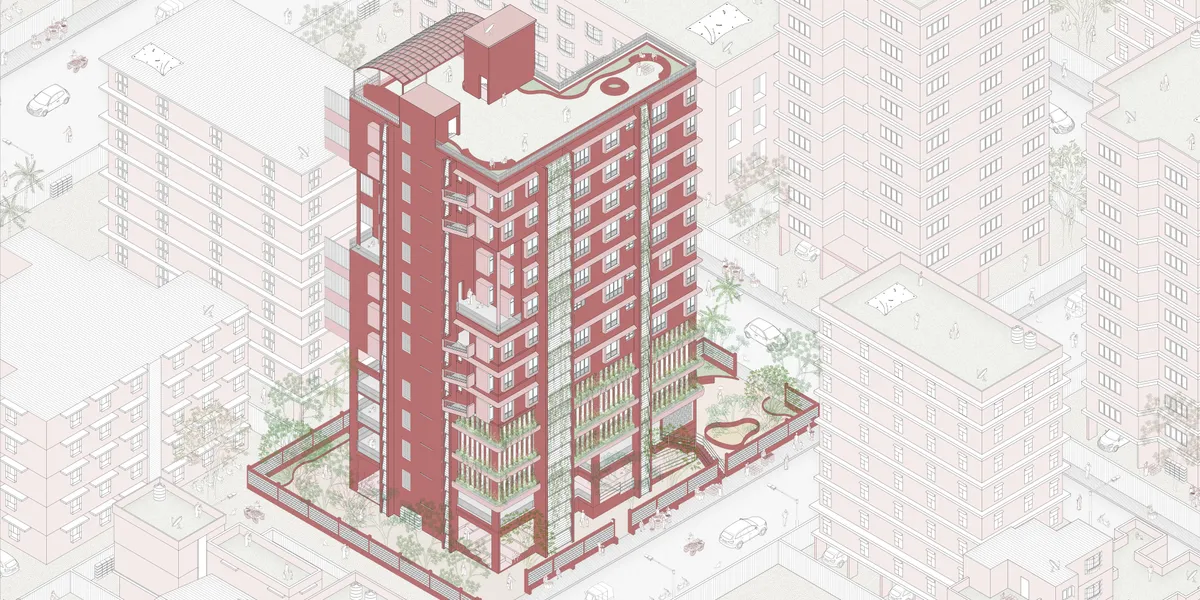
Apartments and Climate Adaptation in Mumbai
The thesis explores how Mumbai's DCRs affect climate adaptability in apartment housing. Through comparative building studies, it reveals the loss of spatial adaptability over time and proposes a climate-responsive redevelopment framework integrating adaptable housing, flood resilience, passive environmental design, and revised planning regulations.

Adaptive Reuse of India United Mills no. 2 & 3
Located in Mumbai's historic Girangaon district, the project reimagines India United Mills 2 & 3 as a productive public precinct. Through adaptive reuse, retained industrial structures are transformed into spaces for learning, cultural production, community engagement, and public interaction, preserving site's heritage while creating a vibrant civic center.
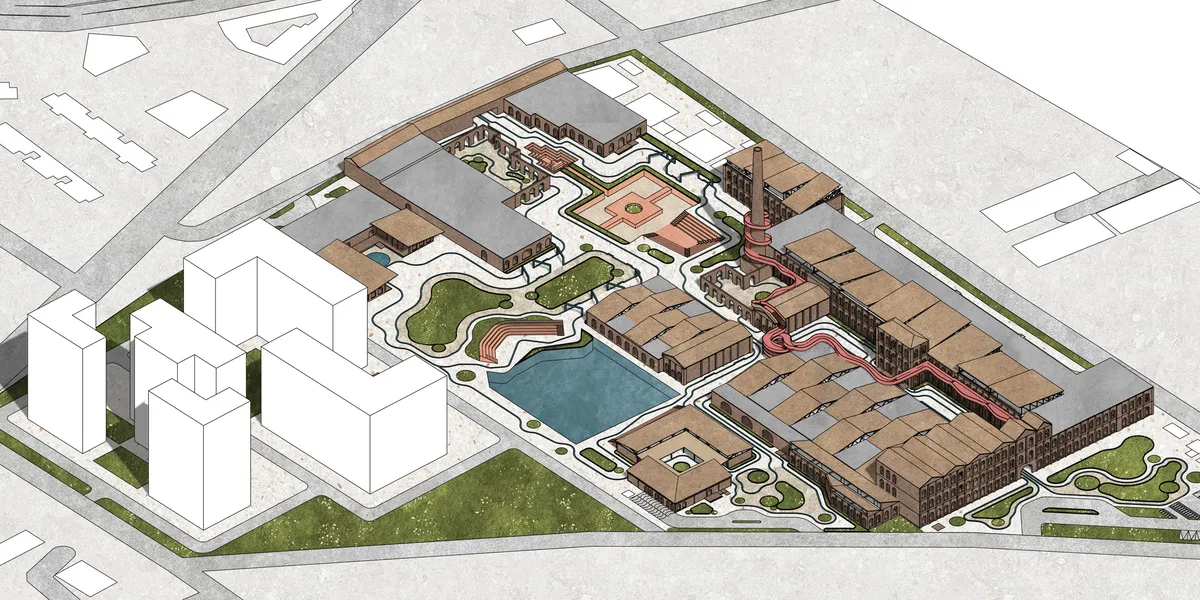

A strong and well-researched adaptive reuse proposal that successfully connects industrial heritage with contemporary production, learning, culture, and public life. The project is particularly convincing in its site strategy and integration of new structural systems within the retained industrial fabric. Greater conceptual and architectural distinctiveness could elevate the proposal further


ALAWABBAD
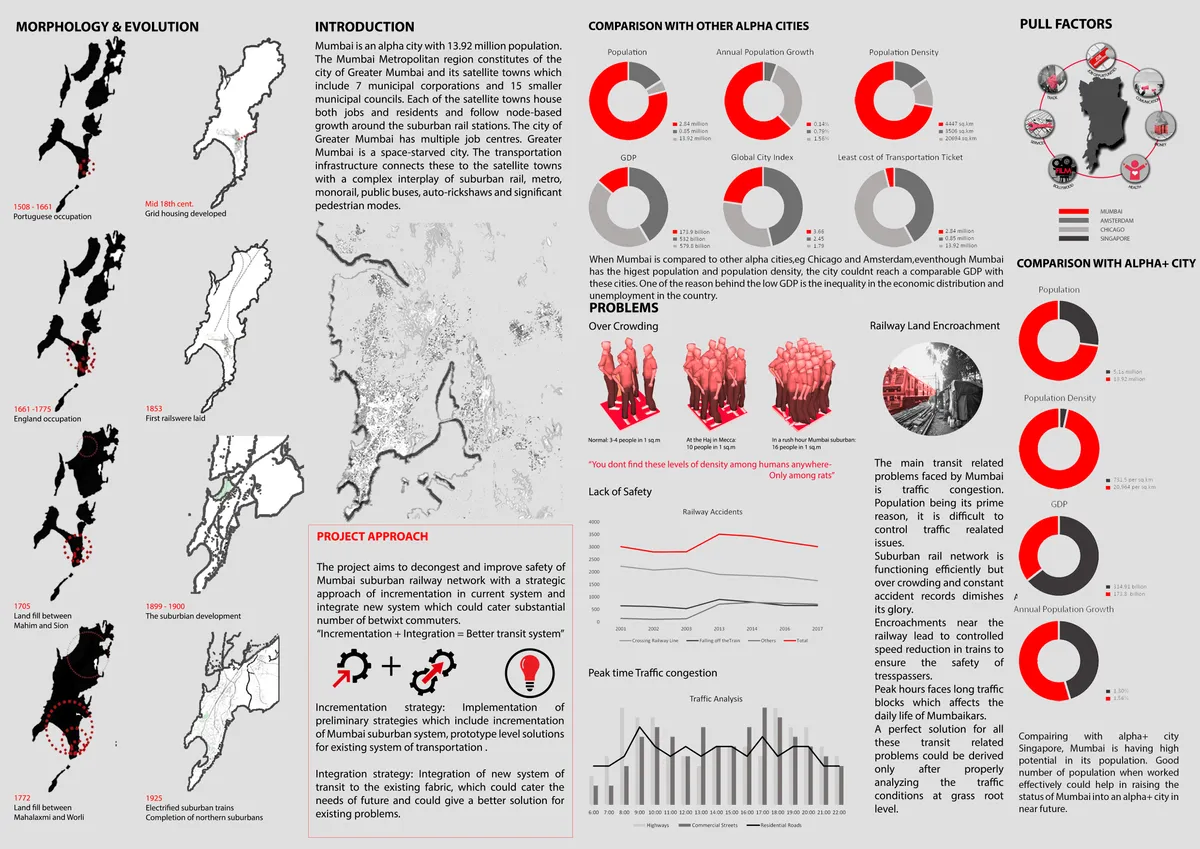
ALAWABBAD is an aim to decongest and improve safety of Mumbai suburban railway network with a strategic approach of incrementation in tired and tested current system and integrate a new system which could cater substantial number of betwixt commuters.


Kripya Dhyan Dijiye
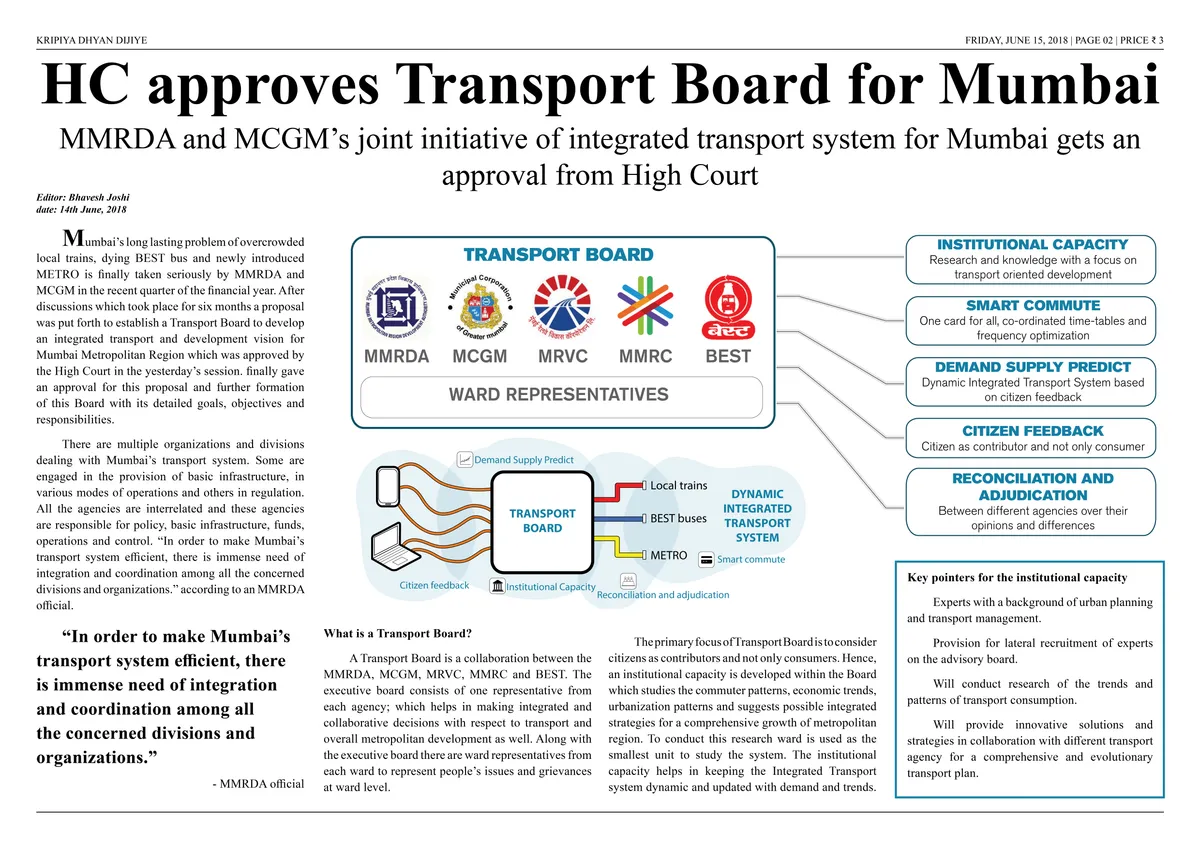
Kripya Dhyan Dijiya is a holistic and rational approach in the rethinking of an integrated and transit oriented development for Mumbai. In order to address this, the project focussed on a consortium of stakeholders (transport board), integration and digitalisation of transport variables and active citizen participation. Public transport is one system now!

Redevelopment of Sassoon Docks, Colaba, Mumbai
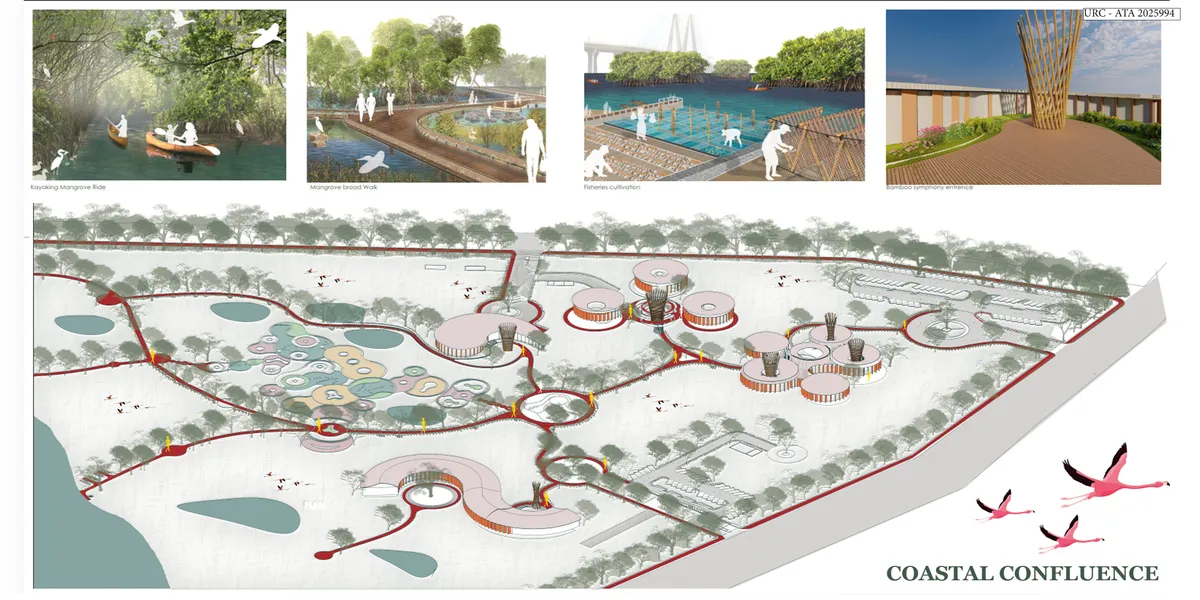
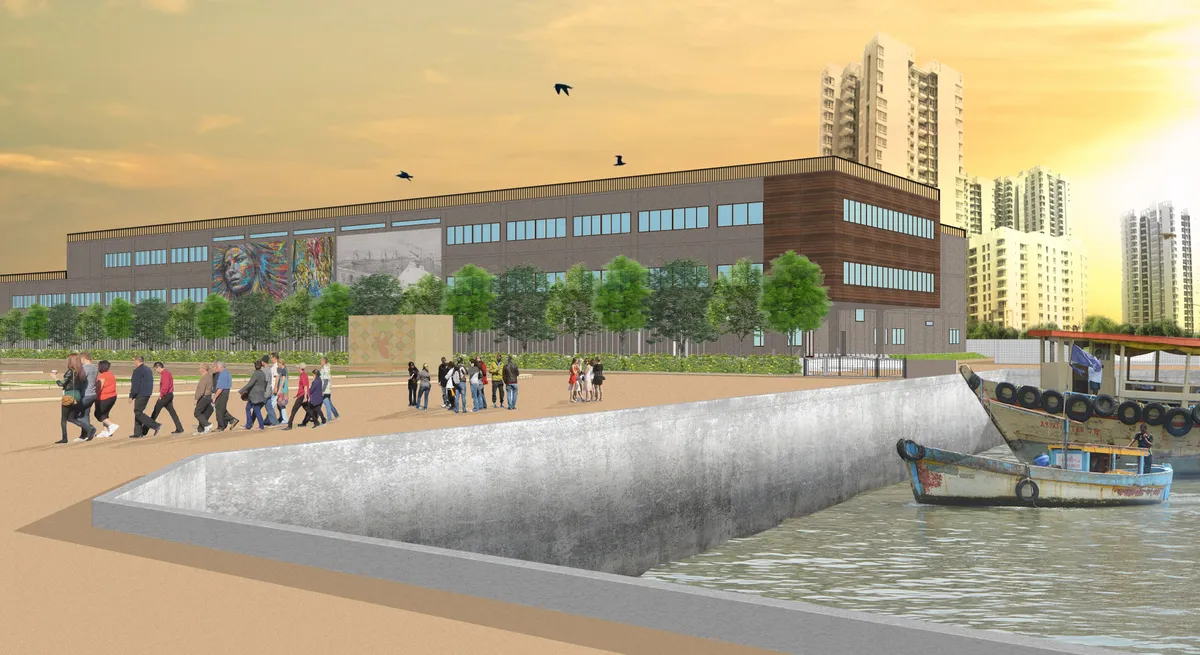
The design proposal for the fishing harbor at Sassoon Docks is multi-dimensional. It focuses not only on the modernization of the fishing industry but also on the requirement of the city for more open public spaces. The master planning aims to establish a fully integrated fishing harbor along with a ten-acre expanse crafted for the public in a congested city

Encounters with the City: Transit Beyond Efficiency
This thesis, Transit Beyond Efficiency: Encounters with the City, investigates the complexities of transit in Mumbai through the lens of scale, movement, and lived experience, focusing on the relationships between transit hubs and commercial districts. The research stems from the need to question efficiency-driven urban planning that privileges vehicles and large-scale infrastructure over pedestrian inclusivity and commuter experience. Using a mixed methodology of mapping studies, commuter surveys, personal observations, and case studies of Churchgate, Lower Parel, and Bandra, the thesis reveals stark contrasts in how different transit hubs have evolved and how these differences shape the daily lives of commuters. The findings highlight that while Churchgate and Lower Parel benefit from organically developed systems, Bandra and BKC expose a mismatch between imagined urban visions and lived realities, resulting in disconnection, alienation, and infrastructural inadequacy. The outcome underscores the importance of rethinking transit infrastructure and allied systems through human scale and inclusivity, setting the stage for interventions that reframe BKC as an accessible and empathetic business district rather than a detached corporate enclave.


Re-Thinking the Vertical Living: Sustainable High-Rise Architecture in Mumbai
Reimagining vertical living in Mumbai through sustainable high-rise architecture that integrates ecology, density, and future urban growth.

Bollywood Heights: Vertical Film City Architecture
A net-zero vertical film city rising from Mahim Bay, where cinema, sustainability, and iconic architecture merge into Mumbai’s future skyline.


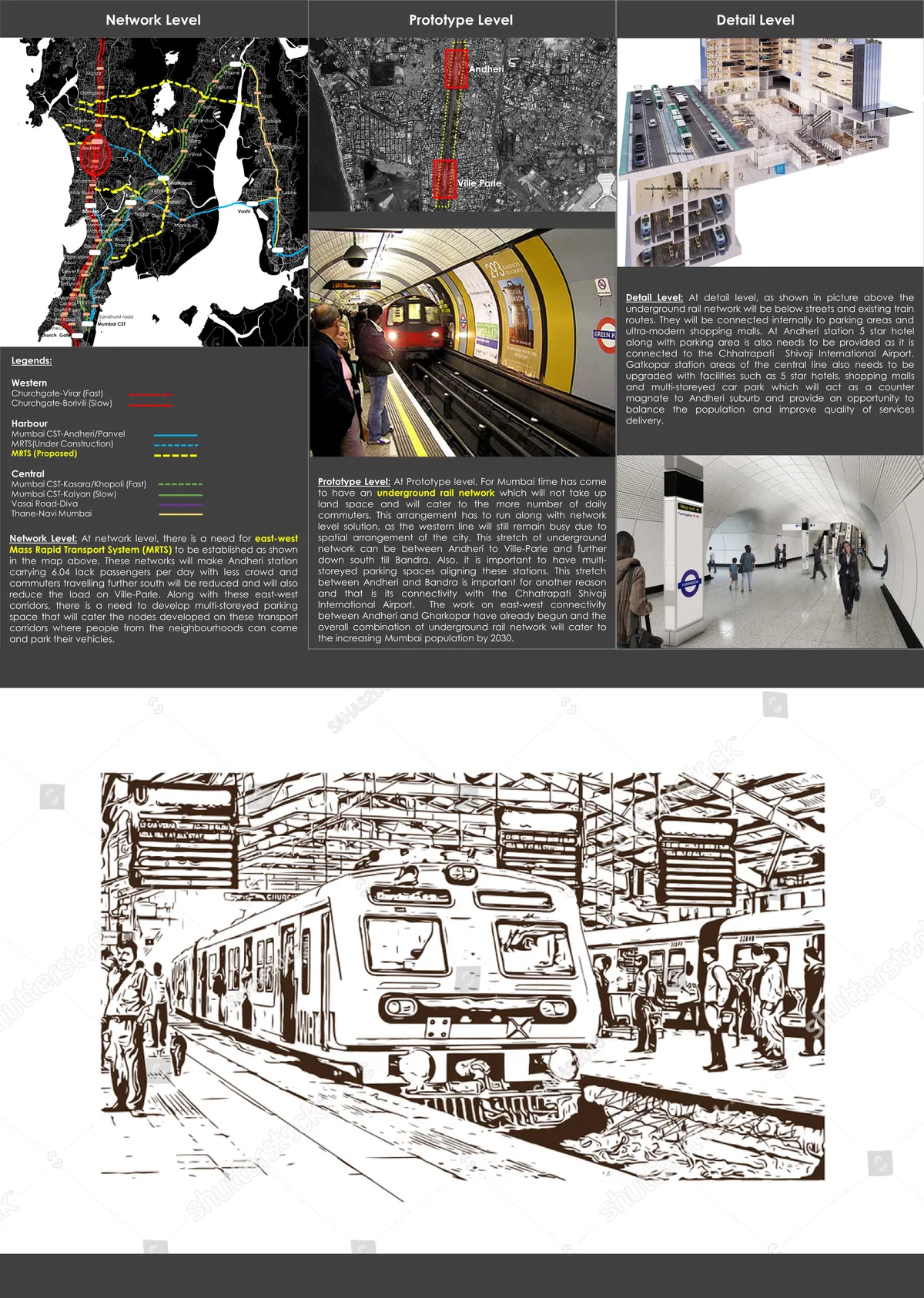
Lifeline Underground.....
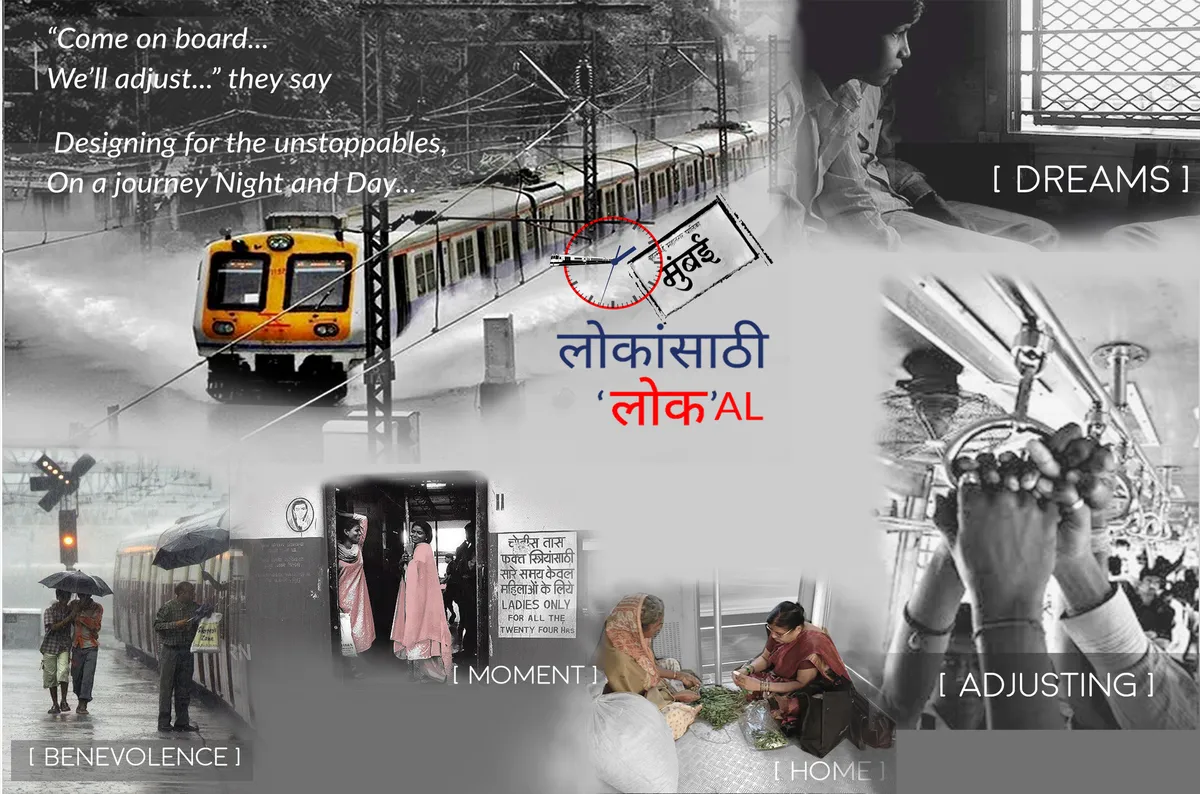
Mumbai local train service is the life line of this city carrying almost half of the city to their work places every day. To address the ever-increasing crisis of the fatal accidents due to overcrowding in the local trains it is Lifeline underground......


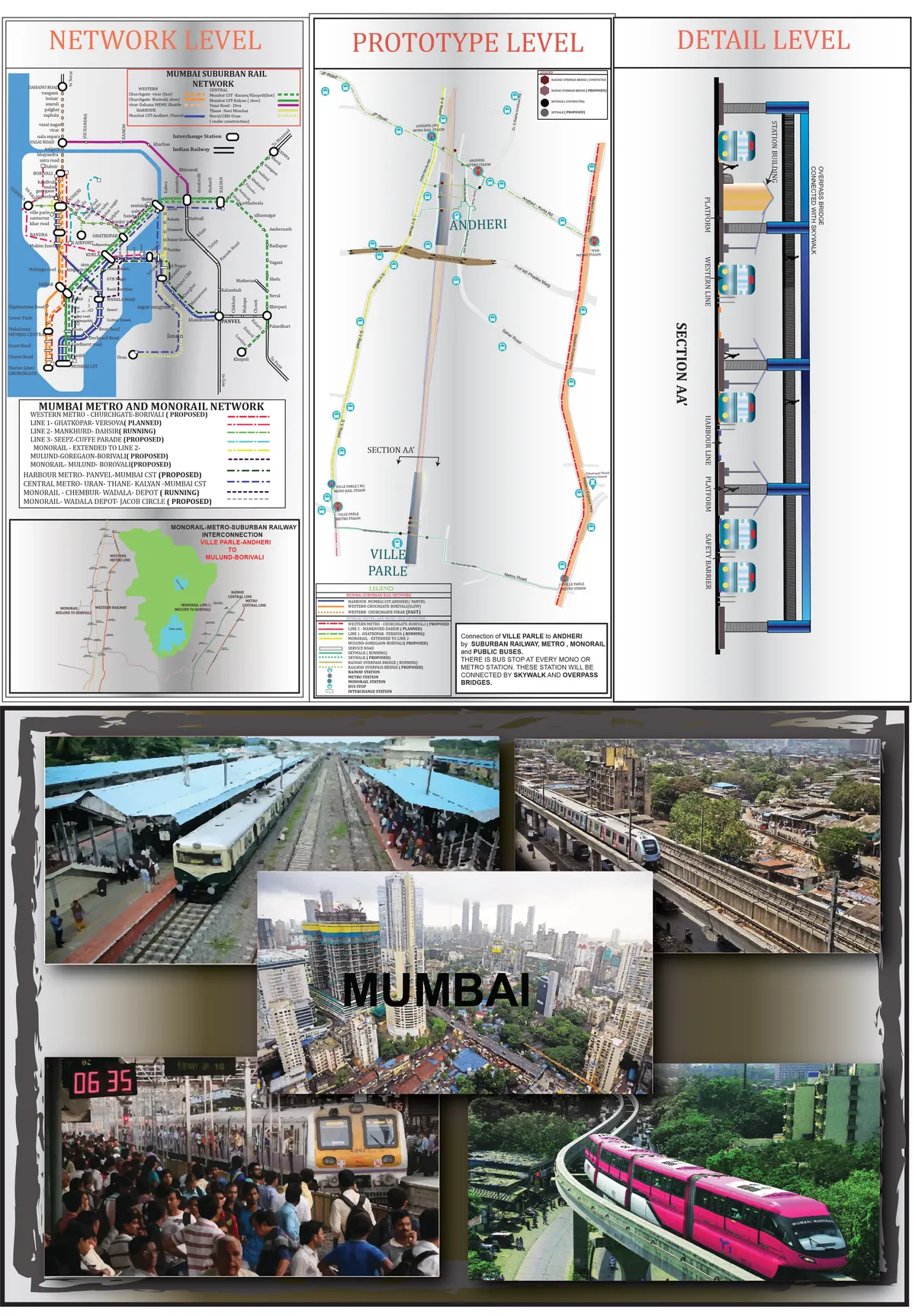
THE SILA : CONNECTING THE CITY
THIS PROJECTS CONNECTS ALL THE MODES OF COMMUTE FOR THE BETTERMENT OF PEOPLE IN 2030.THE INCREASING POPULATION OF MUMBAI IS THE MAJOR PROBLEM, TO FACE IT WE CAN DESIGN AN APPROACH TO OVERCOME A BASIC NEED FOR COMMUTE.THE DESIGN INCLUDES THE CURRENT NETWORK WITH MODIFICATION AND FEW OF THE FUTURE PROJECTS THAT WILL TAKE PLACE IN THE NEAR FUTURE.


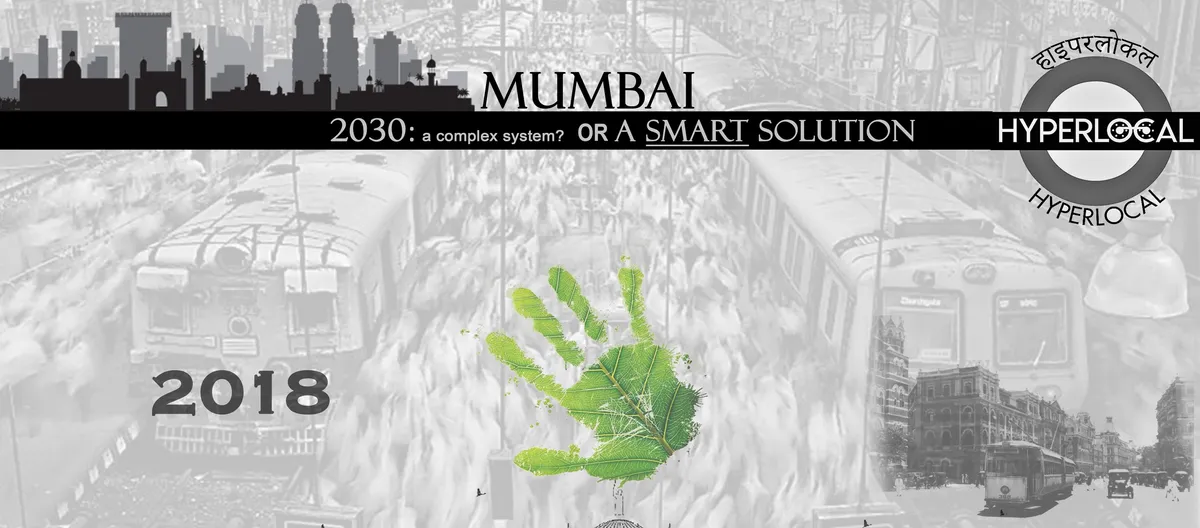
The Big Green Foot
The thought about stepping my foot into this city crammed with people and vehicles torments me every day and night bringing chills through my spine. One step towards a better place to live in is what i'm asking for; One step for a place with fresh air to breathe in; One big green step for a better city to live in. I call this step as my big green foot!


Meet in the Middle
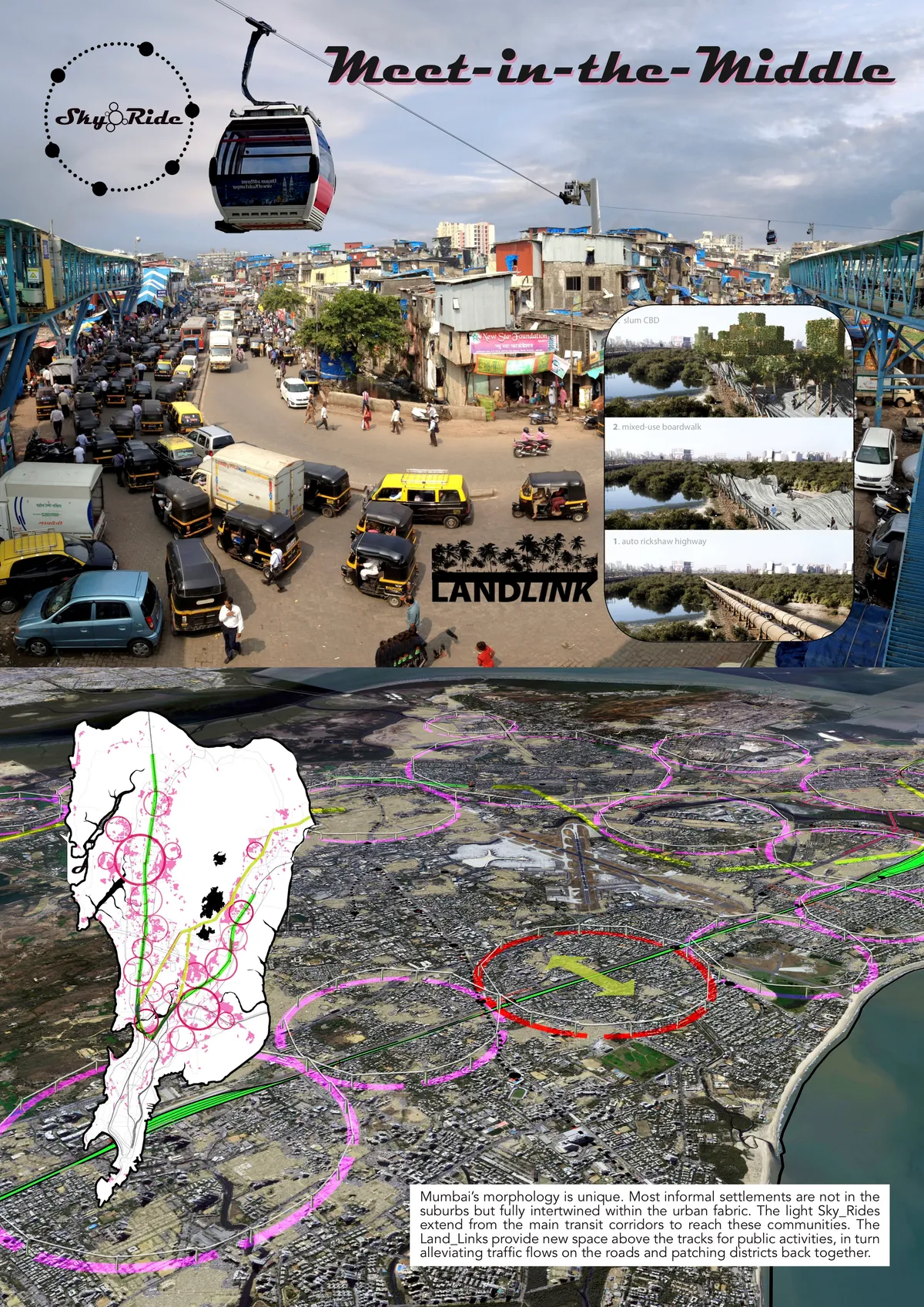
Meet in the Middle is a 3 component strategy that provides a bridge between stations and communities, between people and public facilities and between the heart and the suburbs of Mumbai. We offer a low-scale, accessible and soft mobility-oriented network that both improves mobility and alleviates the existing road system.

Re-Thinking the Vertical Living with Mumbai as context
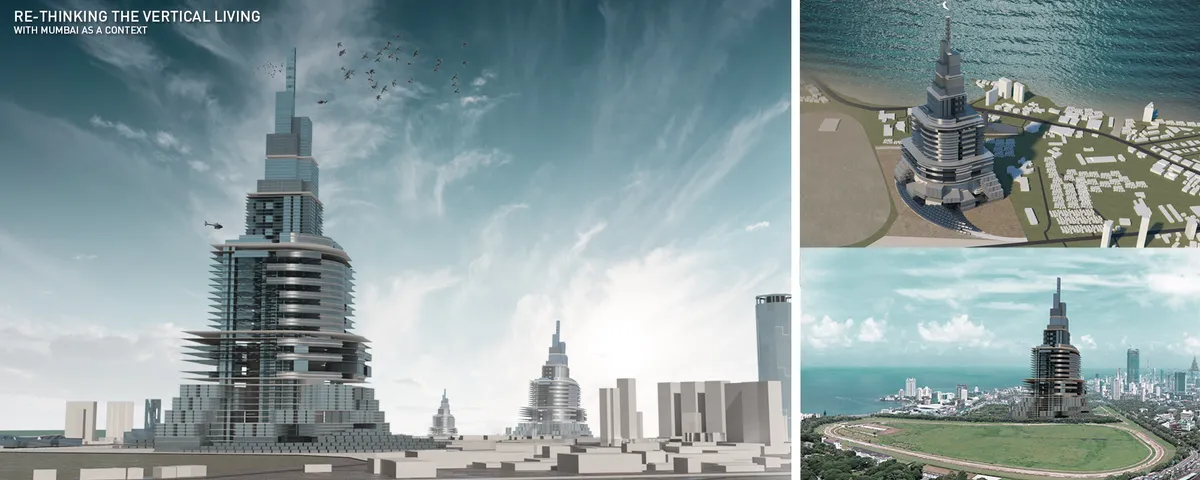
As a fast developing nation, India has created immense opportunities and challenges to Re-think and Re-create places for man to inhabit. As the population increases, so does the need for living space. To meet the requirements for this population we need to conserve and preserve the existing land available, which will be still insufficient.
Ageing in Place: A Model for Multi-Generational Housing Architecture in Mumbai
Designing neighbourhoods that allow seniors to age with dignity while strengthening community life across generations.


Redevelopment of Sassoon Docks: A Working Harbor Reimagined as Public Waterfront
Sushmita Tripathi's master plan transforms 20 acres of Mumbai's oldest fishing harbor into a dual precinct of industry and civic life.

Architecture for the Soul: Sensory Social Infrastructure for a Resilient Mumbai
A civic intervention in Bandra East reconnects people to place through five senses, five elements, and flexible public space.

Satguru’s Rendezvous by NUDES: A Sculptural Landmark Redefining Luxury Living in Mumbai
Satguru’s Rendezvous by NUDES redefines Mumbai’s skyline with a lotus-inspired pink façade, sculptural form, lush podium, and luxurious residences.

Kripya Dhyan Dijiye: Rethinking Mumbai's Urban Fabric Through Synchronized Transit
A transit-oriented development strategy that reimagines Mumbai as a circuit of connected nodes, aligning mobility architecture with digital systems by 2030


Very good show ..! keep it up ..! All the best ..!
A highly rigorous and well-developed thesis that successfully connects housing, climate adaptation, lived experience, and planning regulations. The integration of research with architectural and policy strategies is particularly strong; further quantitative validation could make the proposal even more convincing.