

Sustainable Urban Design
Design approaches that integrate environmental responsibility, social equity, and ecological systems into cities and urban infrastructure.


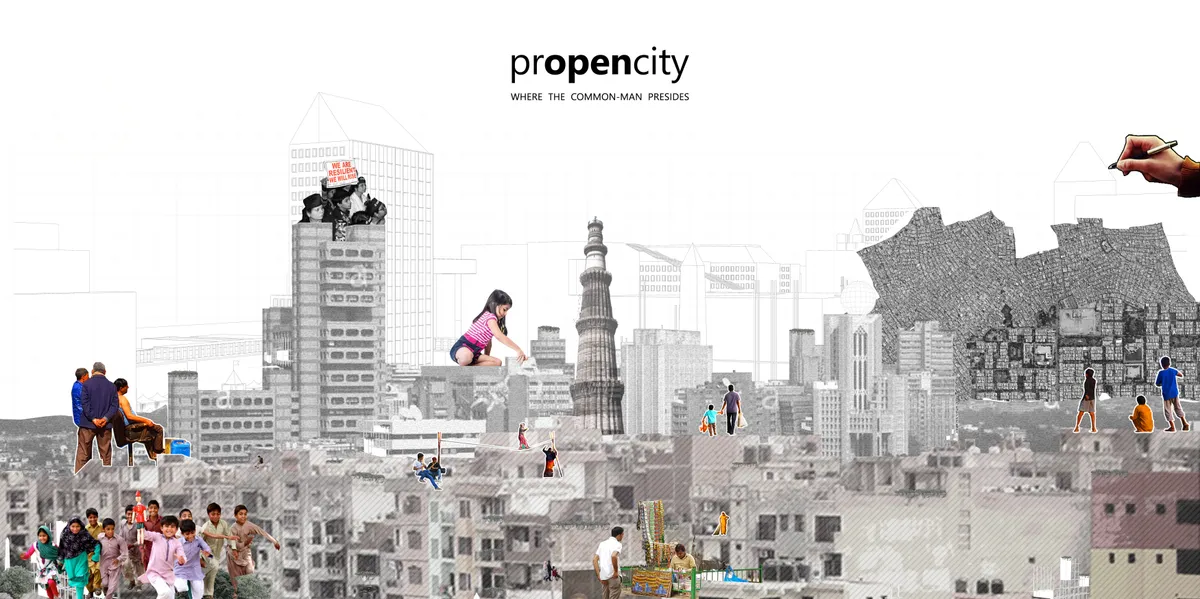
prOpencity: Where the Common Man Presides
‘(pr)OpenCity’ advocates a collaborative design method for future development: one that allows rapid application with its prototypical nature and an inclusive approach with mediation between the ‘user’ and the ‘urban’. Building upon the concepts of ‘open-sourcing’ in design, this experiment establishes a user-centric design approach to design the densifying


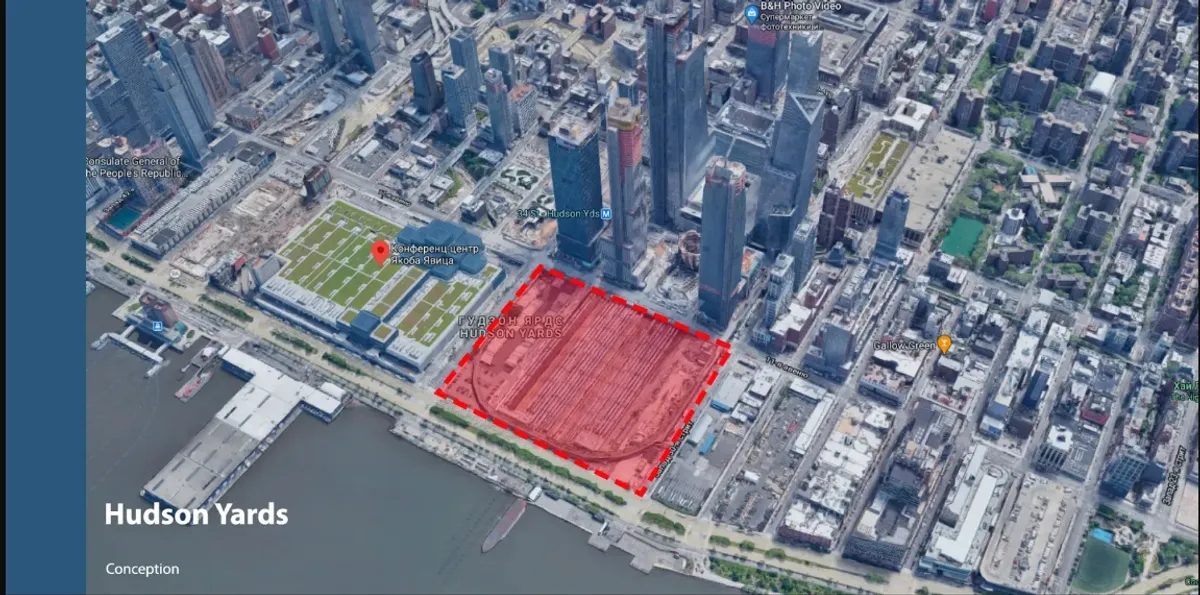
Hudson Yards: A Green Ray and Vertical Ecosystem for Manhattan's Dense Future
A shortlisted New Dencities entry organizes towers, courtyards, and a continuous landscape axis into one interconnected urban framework.

Barcelona in 2050: Recovering the Courtyard as Climate and Civic Infrastructure
A shortlisted Hyperblock entry reimagines Barcelona's Cerdà grid as a network of courtyards, water channels, and layered public spaces for 2050.


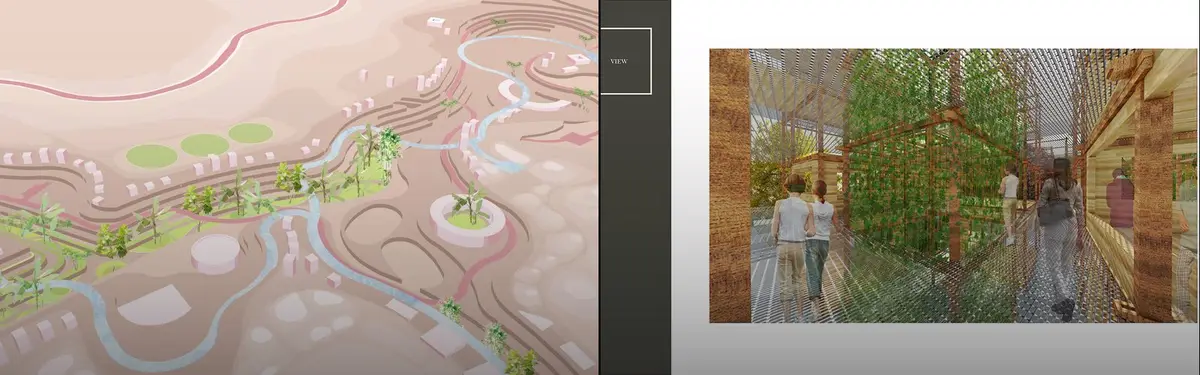
THE OASIS BIOME: A REGENERATIVE AGROECOSYSTEM
An inquiry into regenerative agro-structure through the design of The Oasis Biome, this report explores how architecture can act as a living ecosystem to support climate-resilient food production. Drawing from standards of agroecology, managed environment agriculture, and water-saving technology, it proposes a spatial systems where cultivation, conservation, and community empowerment intersect. The project is situated in Birulia, Savar, and serves as a design-primarily based academic research under the Bachelor of Architecture program at Southeast University.

GREEN GRID: Reconnecting Barcelona's Blocks Through a Continuous Public Landscape
A nine-block urban strategy that opens, terraces, and links Cerdà's courtyards into a climate-responsive green network across the city.

Floating Urban Village: Sustainable Architecture for a Climate-Resilient Community on Water
A modular floating village uses sustainable architecture, local materials and self-sufficient systems to create resilient life on water.


Making architecture that is really sustainable
Design for kids where 'Form Follows Climate'

An Urban Social Network: Sustainable Urban Design Rethinking Cerdà’s Legacy in Barcelona
An urban social network reimagines Barcelona through inclusive public space, biophilic design, walkability, and community life for all ages.

Barcelonas Vein: Sustainable Urban Design Reimagining Barcelona’s Historic Grid
Barcelona’s Vein reimagines Cerdà’s urban grid through green corridors, mixed uses and walkable public spaces for a healthier city for 2050.


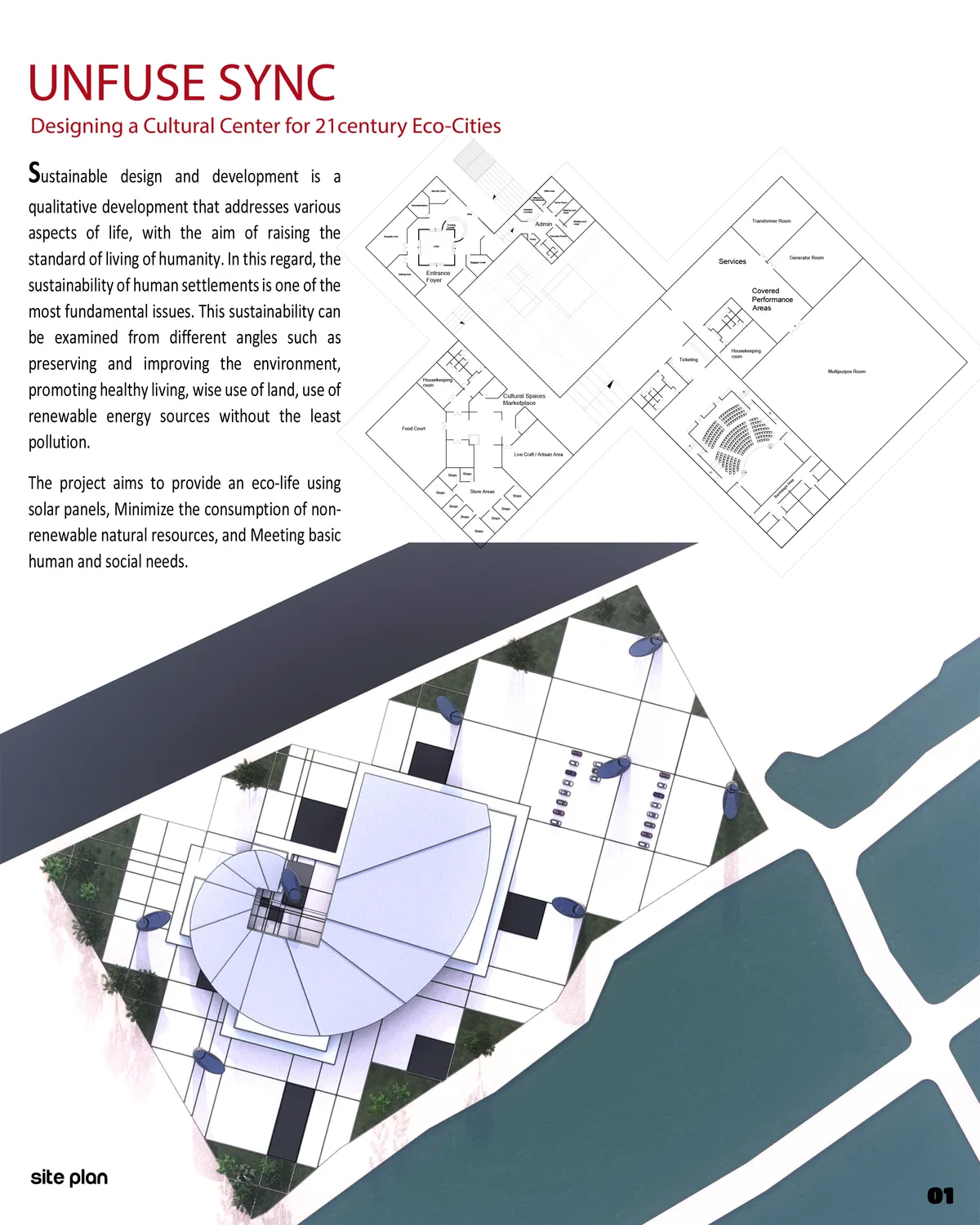

The illusion of permanence: the design for disassembly framework
Traditional architecture’s focus on permanence overlooks the environmental constraints of climate urgency. Design for Disassembly (DfD) challenges this by planning buildings to be dismantled, reused, or relocated. This thesis investigates the ecological and socio-economic potentials of DfD, exploring how modularity and reversible connections shape future-oriented construction. Shifting focus from building to responsibly unbuilding redefines permanence for a sustainable lifecycle.


very interesting

Fatiha Tanjim Oni _ Portfolio Undergrad (2020-2025)
This portfolio curates architectural and urban design works from a five-year undergraduate journey. Grounded in New Contextualism and river urbanism, the selection highlights diversity in scale - from fragile disaster response to large-scale adaptive reuse and master planning, showing how academic inquiry translates into resilient spatial strategies.


Heba Rasheed – Family Friendly Cities: The Role of Urban Planning in Creating Safe, Inclusive, and Supportive Environments for Families – 2025
This publication presents my Master's dissertation completed in 2026, exploring the role of urban planning in creating family-friendly cities. The research examines planning principles, urban design strategies, and policy frameworks that promote safety, inclusivity, accessibility, and well-being for families. Through literature review, case studies, and analytical research, the dissertation proposes planning recommendations for developing supportive and sustainable urban environments that enhanc


From Grey to Green: Retrofitting Urban Infrastructure for Climate Resilience and Community Well-Being
This dissertation explores retrofitting as a strategy for transforming existing urban infrastructure into resilient, inclusive, and climate-responsive environments. Through policy analysis and Indian case studies, it demonstrates how adaptive reuse and passive design can reduce environmental impact while enhancing urban liveability, positioning retrofitting as a sustainable alternative to demolition-led redevelopment.


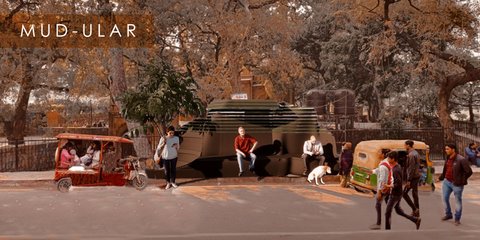
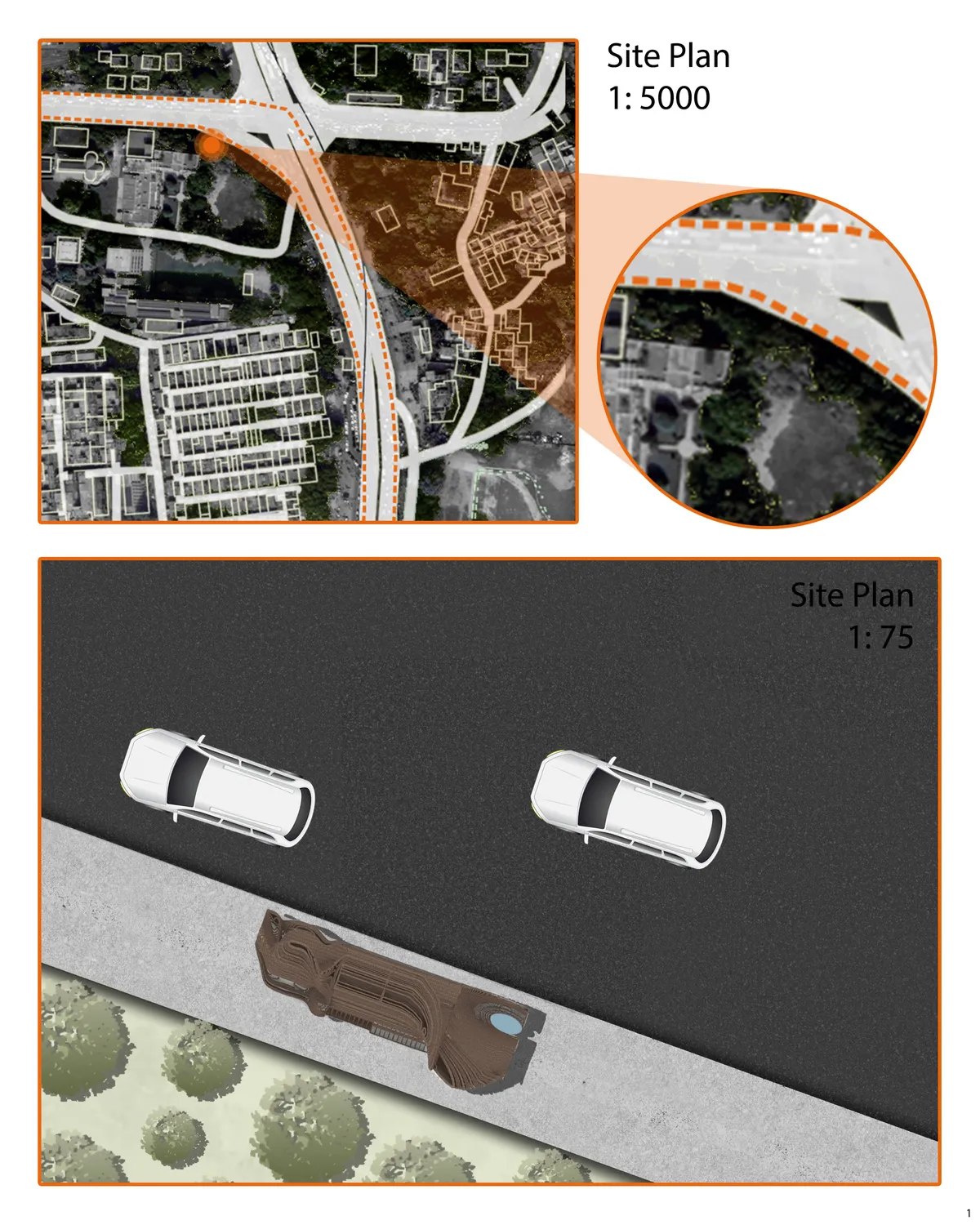
Mud-Ulor Bus

İn my opinion it's fantastic.
It is sustainable functional and perfectly designed.
![Michael Hoole [U4T]](https://uni-common-assets.s3.amazonaws.com/architect-avatars/bauhaus-M.svg)
Fantastic

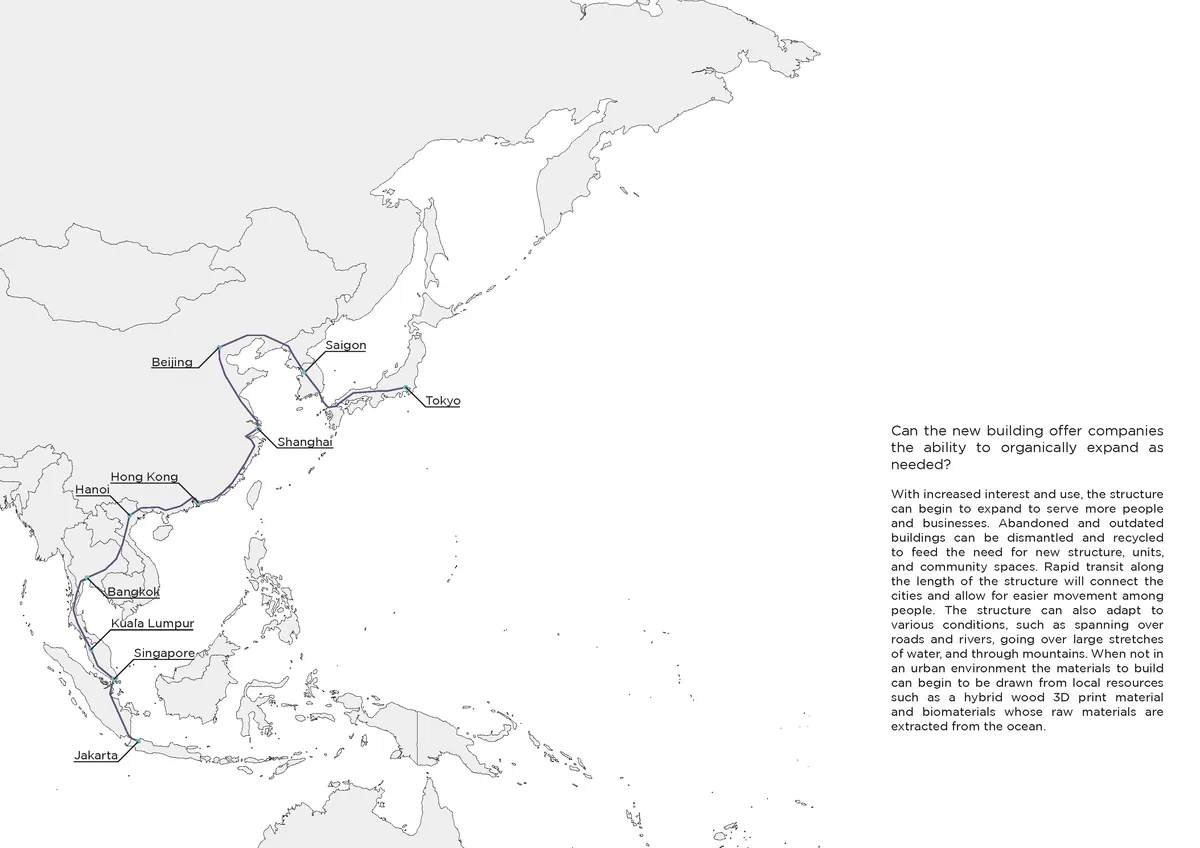
Linear City
The increased presence and use of automation and artificial intelligence in society will create radical changes to the way people live and work This project provides new ways to live and work for both people with and without the skills still needed to hold a job By creating an adaptable and expandable city AI can begin to best serve the needs of everyone.

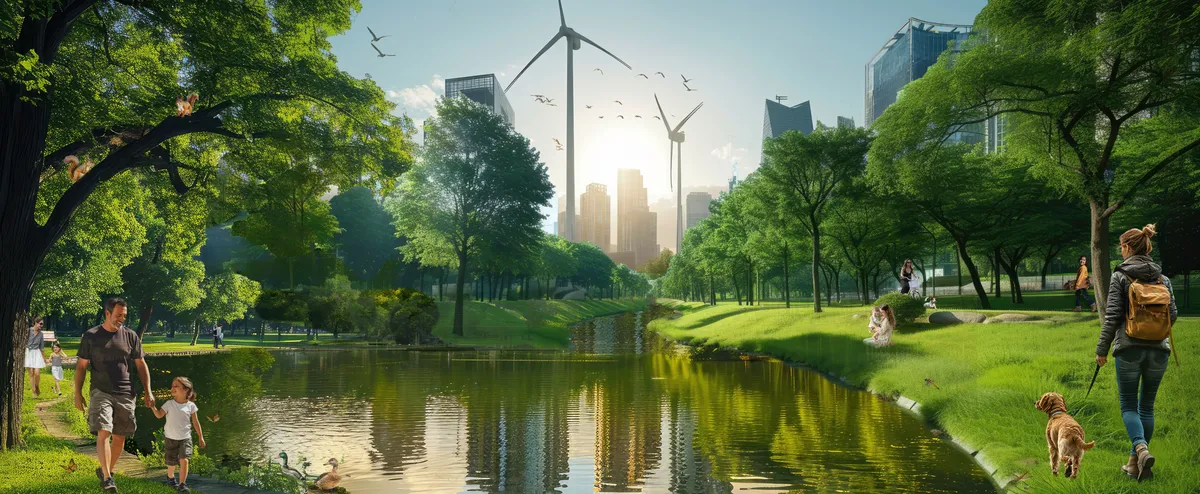
Future Energy Metropolis in Hamburg, Germany
In this project scenario a part of the former harbor of Hamburg will be redeveloped into a sustainable city district


URBAN HAMMOCK
The Urban Hammock is a project of sustainable urban furniture.Both materials and structural solutions meet the highest requirements of the modern design direction of urban spaces. The furniture is versatile and adapted for a wide audience.The project defines a new form of idyllic relaxation in the city, combining elements of a bench, hammock and flower pot.

URBAN RENEWAL OF TERRY BAZAR AREA, CHITTAGONG
This urban renewal proposal transforms Chittagong’s historic Terry Bazar into a resilient commercial hub by introducing functional zoning, flexible retail modules, and dedicated logistics zones. The design also features a pedestrian trail along a restored Chaktai canal branch, preserving heritage while enhancing efficiency.


Nice concept.